






PSE Trading: New Narrative of Block Chain - DA Layer Competing for the Champions


Original author:@cryptohawk,PSE Trading Analyst
1. An integral part of the modular blockchain
The historical mainstream blockchain architecture is a non-hierarchical structure, that is, the four core functions of calculation/settlement/consensus/data availability are performed by the same batch of nodes. The hierarchical structure of the blockchain is on the contrary. The nodes only need to focus on some of the four core functions of computing/settlement/consensus/data availability, thereby lowering the node hardware threshold and achieving expansion.
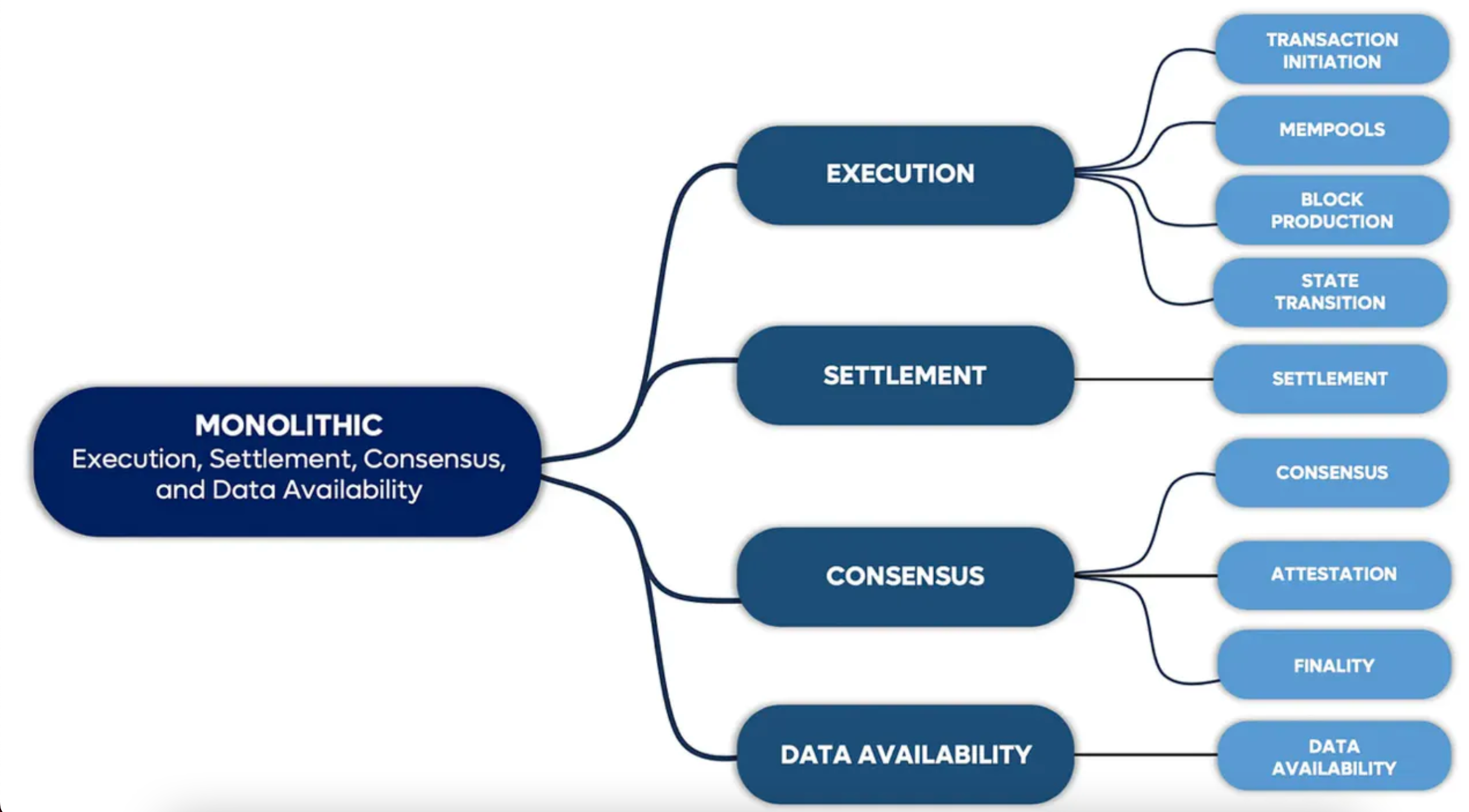
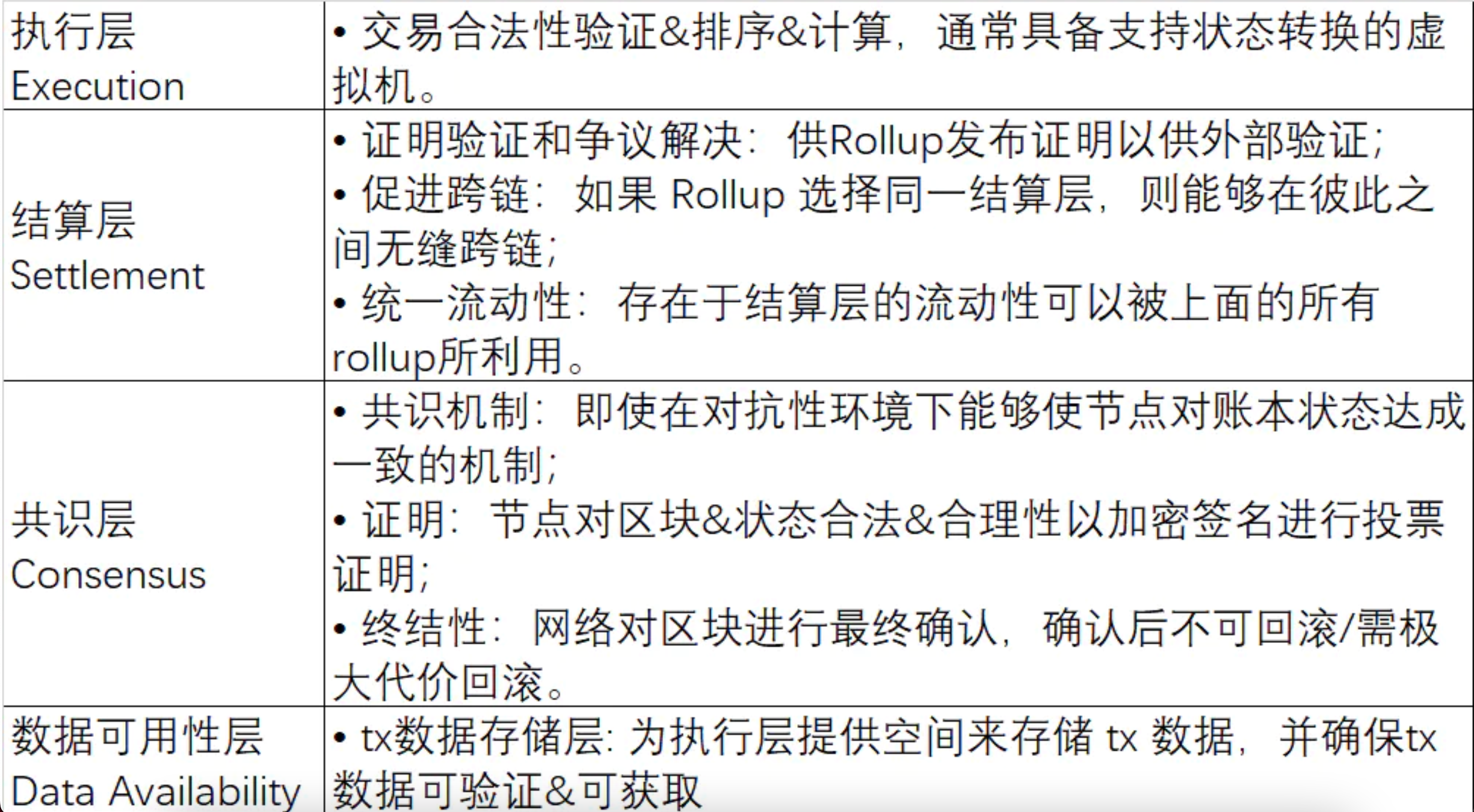
The definition of the four core functional modules of the blockchain:
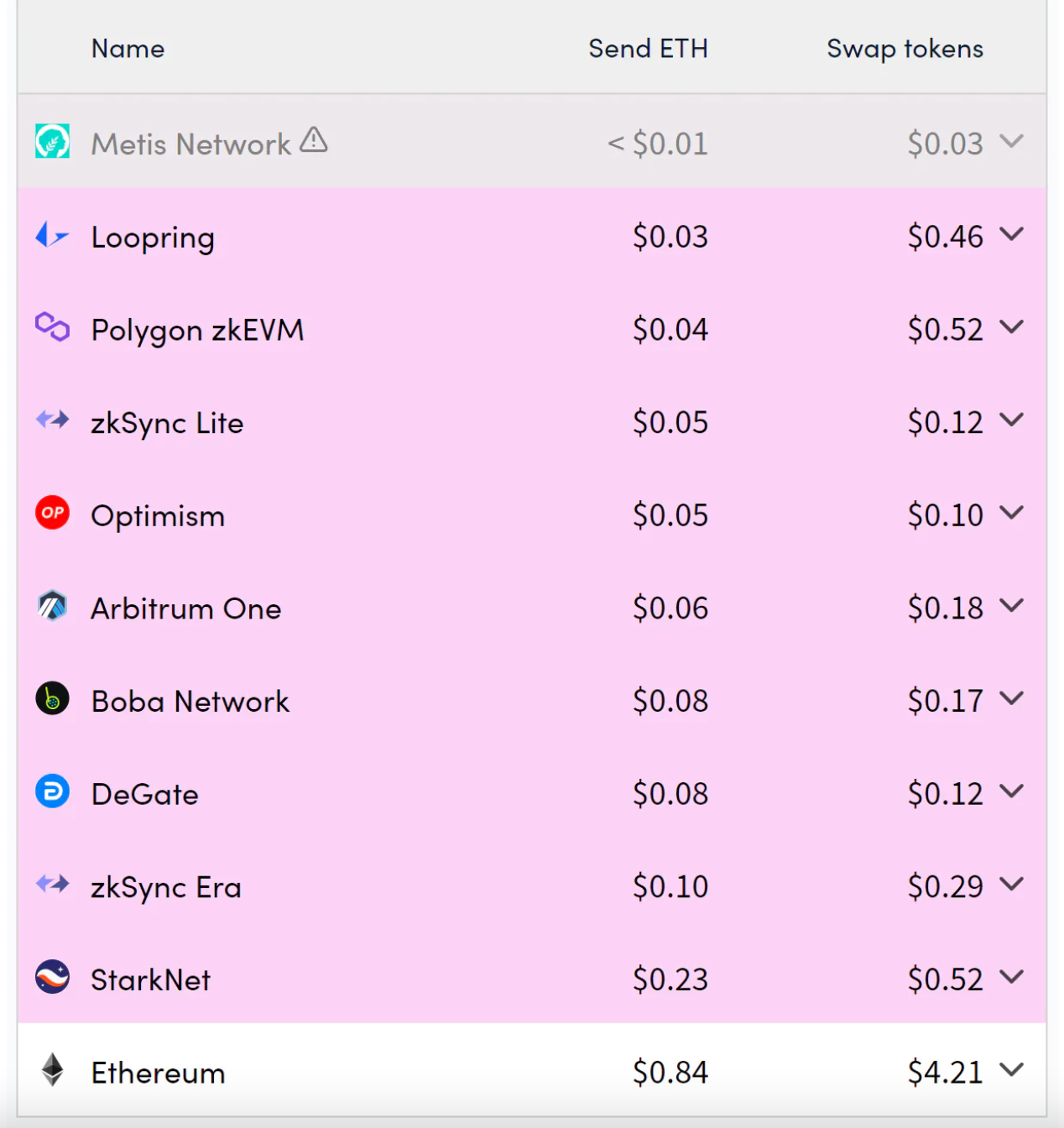
As the Ethereum Rollups ecosystem with Ethereum at its core is developing in full swing, L2s gas fee has been able to save nearly 90% compared to L1, but it is still not low enough. It is still far from the goal of connecting hundreds of millions of C-end users envisaged in the future.
According to the speech of the founder of Avail at the 23.7 ETH Community Conference, nearly 70% of the cost of Rollups currently lies in publishing tx data proof data on Ethereum L1. It is almost foreseeable that the next step for modular blockchains is that the competition between ETH L1 and numerous dedicated DA layers on the data availability level will significantly lower the entry barrier for new rollups, further enhancing the area without sacrificing security and decentralization. Blockchain scalability reduced interaction costs.

2 The latest developments in the DA layer
2.1 DA layer technology path
Regarding how to ensure the availability of data, the DA layer adopts many technical innovations, and some technical directions have gained consensus from the DA layer, such as ensuring that complete data can be obtained/recovered:
(1) Erasure code
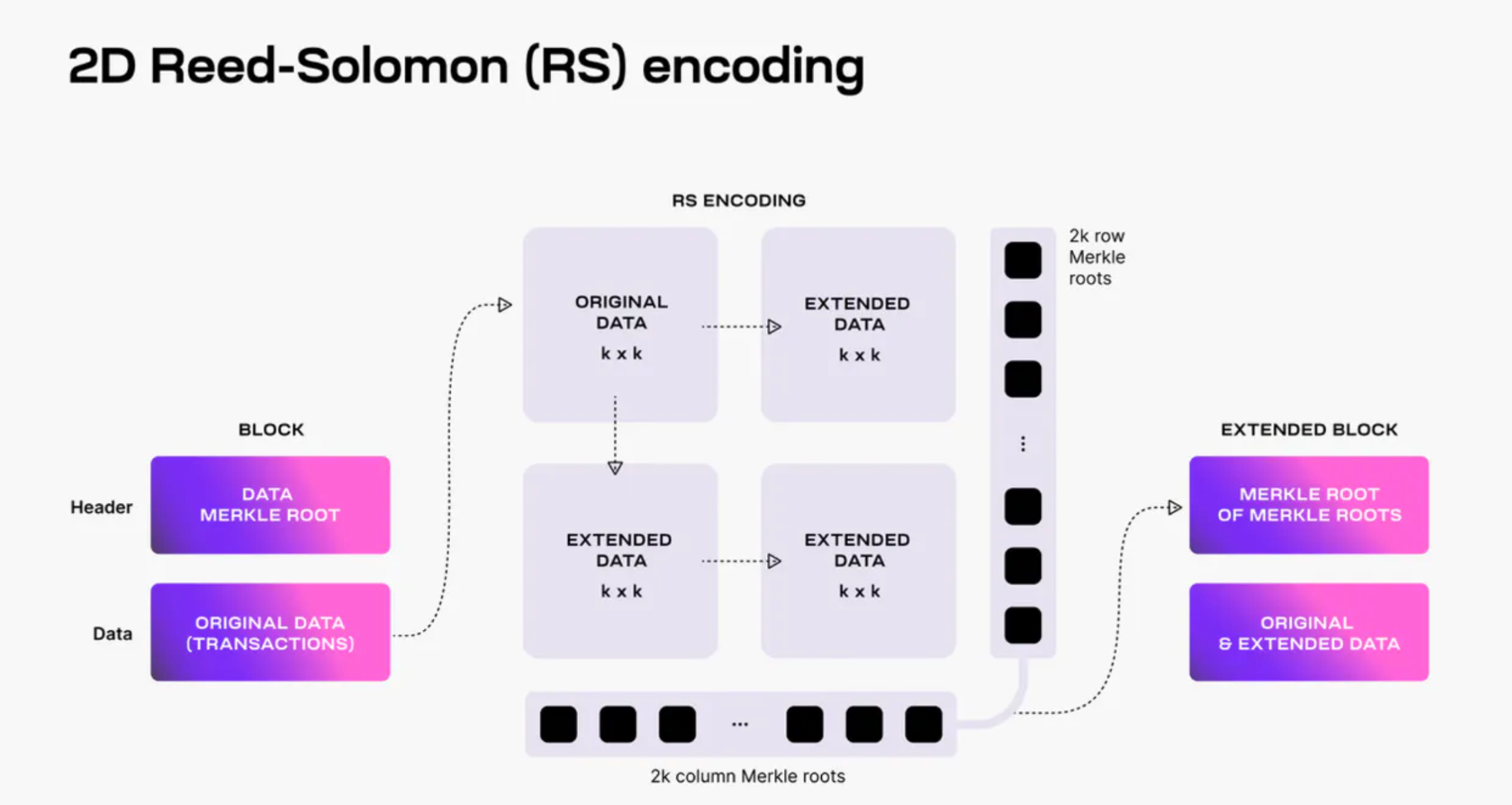
In order to prevent the DA node from losing data fragments, erasure coding technology extends the original data from N elements to M elements (M > N). As long as any N unique elements are obtained from the M elements of the extended data, the complete data can be reconstructed. extended data.
The DA layer uses tx/blob within the block as the smallest element. EigenDA Espreeso adopt a one-dimensional Reed-Solomon encoding scheme, and Celestia ETH Darksharding adopt a two-dimensional Reed-Solomon encoding scheme.
(2) Data availability sampling
The data availability sampling mechanism is based on erasure coding, which means that nodes do not need to download complete block data. A certain number of data blocks are randomly sampled from block builders through a sufficient number of nodes (even light nodes) to ensure the best results. In the worst case full blocks can be recovered.
Of course, in other technical directions, such as how to prove that the original data has been correctly encoded and expanded, there are differences in the solutions adopted by different DA layers:
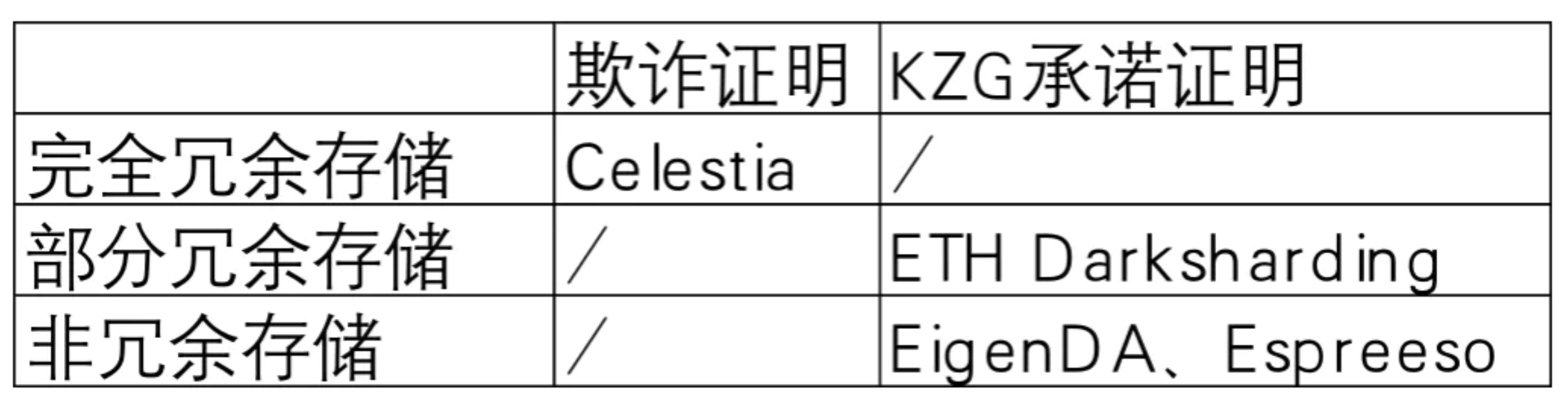
(1) Fraud Proof Mode
Representative project: Celestia
By sampling enough unique data blocks from light nodes and broadcasting them to full nodes, honest full nodes can perform encoding to restore the complete block, and recalculate the Data Merkle Root for comparison and verification with the Root published by the block builder. If the verification fails, that is, it proves that the original data has not been correctly encoded and expanded, the full node will broadcast the fraud proof to the light node full node.
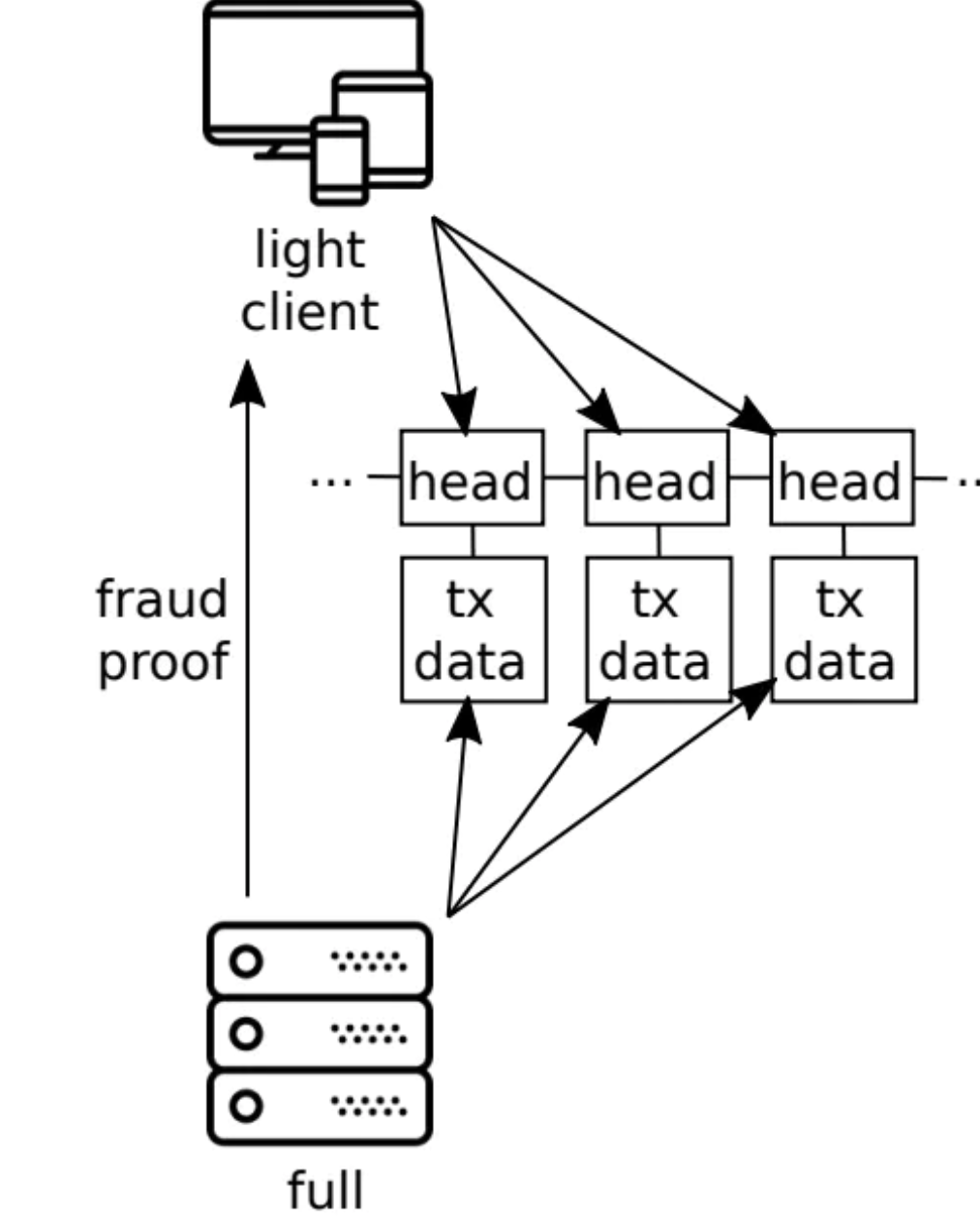
Advantages: The technical barriers to the implementation of the game theory incentive mechanism are smaller;
Disadvantage: Minimal honesty assumption needs to be met.
(2) KZG Commitment Model
Representative projects: EigenDA, Espresso, Avail, ETH Darksharding
KZG commitment is a polynomial commitment proof. According to the tx data specification of the DA layer, all original data and extended data are mapped to the X, Y grid, as shown in the figure below with 8 elements (d 0, x 0), (d 1, x 1)…(e 0, x 4),(e 1, x 5)…, and then find the minimum order polynomial that runs through them through Lagrangian interpolation. Prover needs to match this polynomial f(x) with a secret A trusted setting of , makes a commitment C(f).
Subsequently, Prover will generate a fixed 48-byte size proof Π for the group elements. With C(f), the verifier can verify whether y=f(x) is true for each element. If all original data and extended data The element points of are all on the same polynomial, it can prove that the original data has been correctly coded and extended.
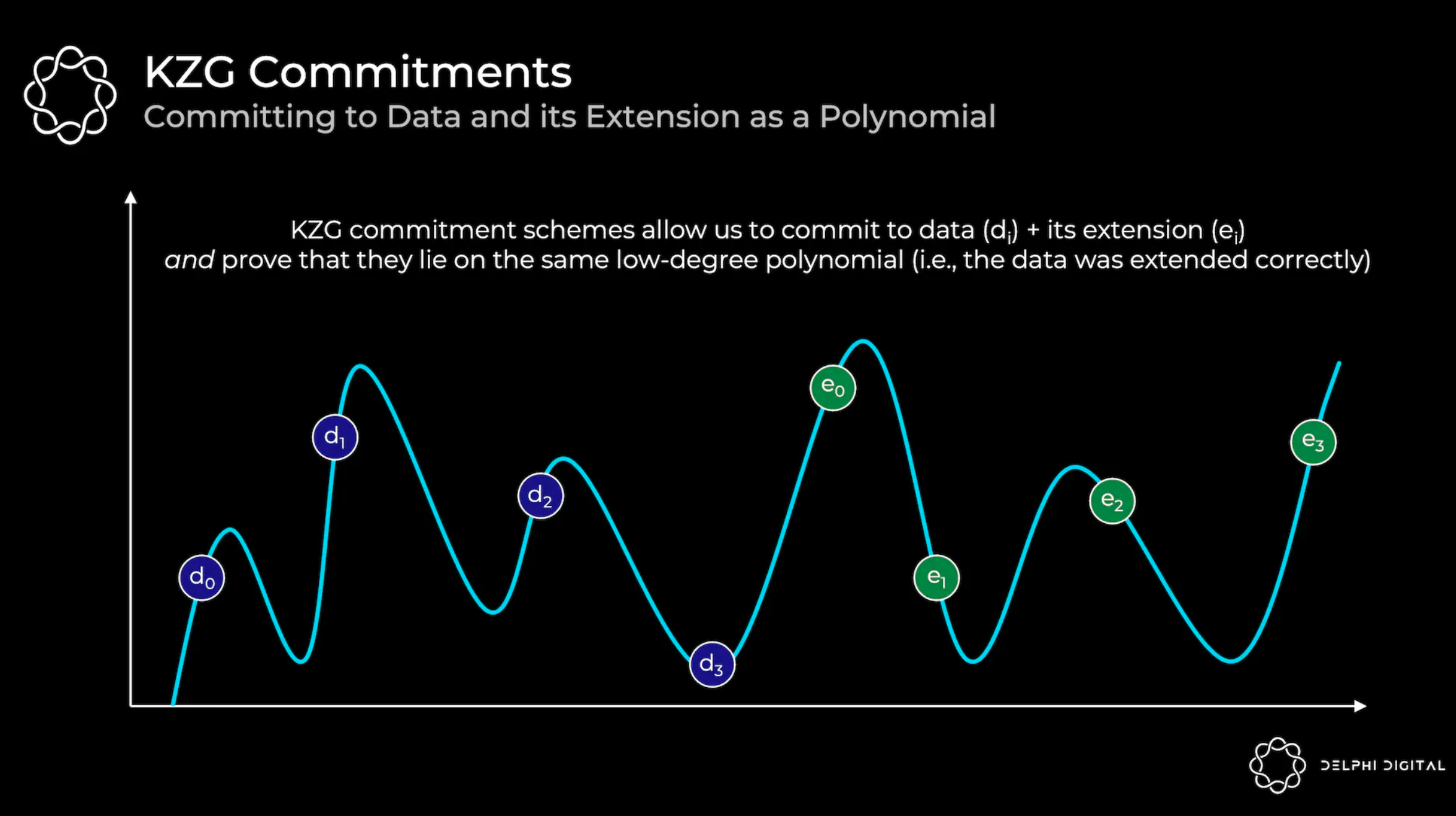
Advantages: fast verification and proof;
Disadvantages: Trusted settings are required in advance not resistant to quantum computing.
(3) DA committee multi-signature mode (Data Availability Committee)
Representative project: Arbitrum Nova
In this mode, the blockchain relies on an external DA committee to store tx data and promises to provide data according to the needs of B-end/C-end users. The so-called DA commitment means that the committee members can sign the Hash DA expiration time of a certain tx data block with BLS signatures that meet a certain number of thresholds.
Advantages: extremely low cost;
Disadvantages: Data availability also relies on the matching honest incentive model + evil punishment model + DAO governance model. The reliability is lower than the fraud proof KZG commitment proof, so it is suitable for interactive tx data storage of non-financial applications with lower value.
2.2 Module division scheme
There are many design solutions on the market for how different modules of the blockchain divide work between specific projects. The following lists six mainstream design frameworks: Celestium, Celestia Sovereign Rollup, Eigen Rollup, Espresso Rollup, and Ethereum Rollup.
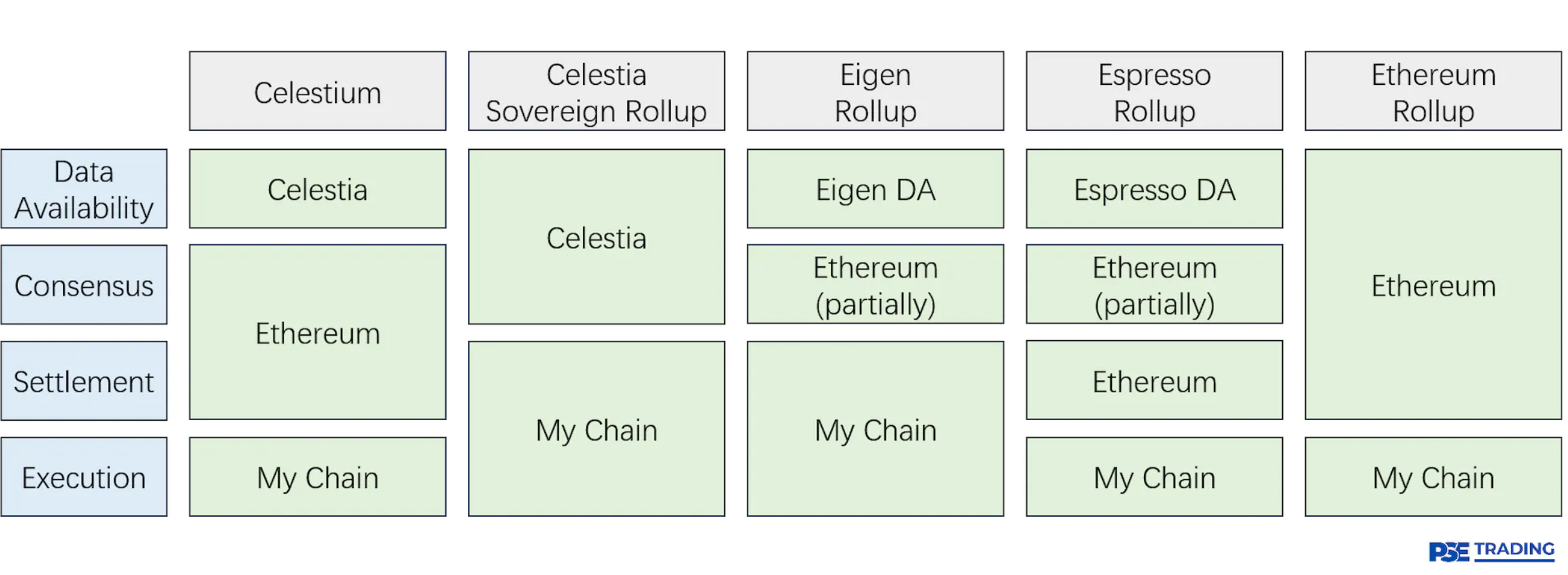
Throw out a few core points:
(1) The unified settlement layer can enable many Rollups to enjoy cross-chain security aggregate liquidity.
Compared with cross-chains between L1 through the relay trust layer, Rollup can share the global status of each other at the settlement layer in real time through a unified settlement layer, making cross-chain tokens information more secure.
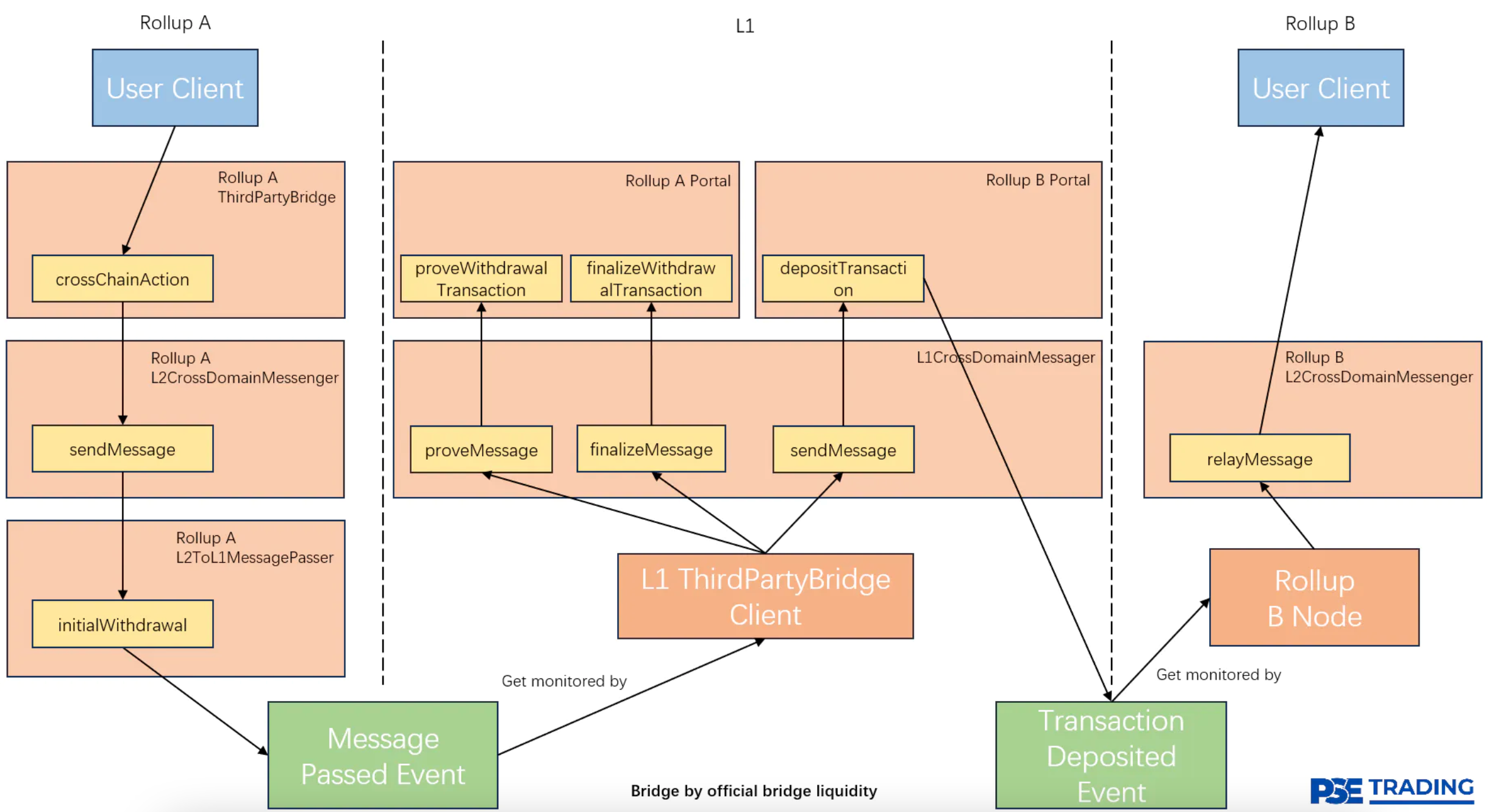
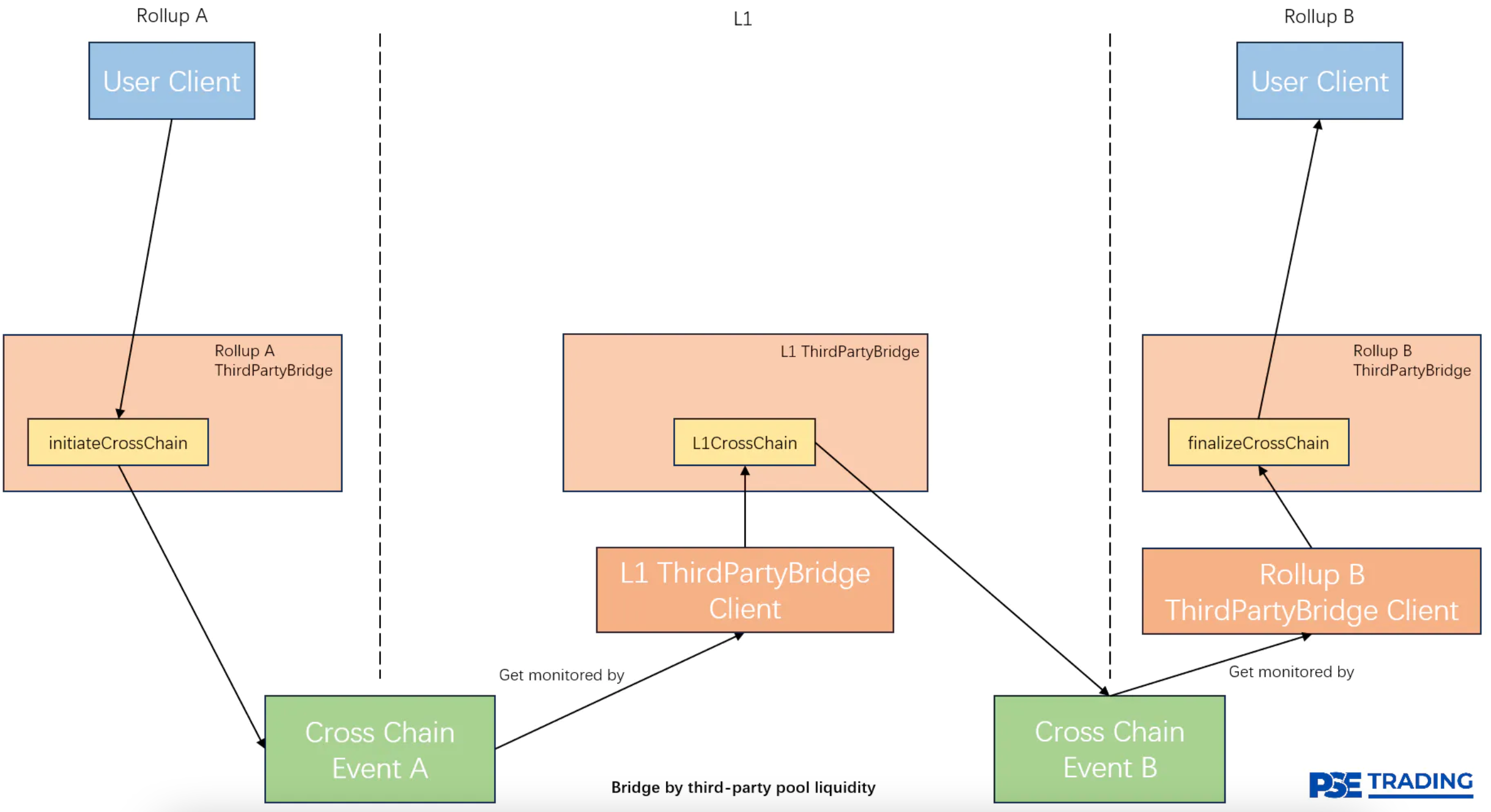
The following author lists two third-party cross-chain bridge solutions:
Through the official cross-chain bridge contract SDK under Rollups, the cross-chain without the assumption of greater trust is realized;
Achieve faster and lower-cost cross-chain through third-party liquidity pool.
(2) The tx sorting right should not be assumed by the DA layer.
Recently, Celestia researcher NashQ proposed various Rollup variant modules, in which the tx sorting weight is mainly allocated to the aggregator/DA layer. The author believes that the discussion on the democratized allocation of mev is getting more and more attention nowadays. The mechanism represented by PBS can reasonably allocate mev value among arbitrageurs nodes/orderers, and will have a high probability of being adopted by the head rollup. The design of the consensus mechanism and network architecture of the DA layer should focus more on ensuring data availability. If additional mev allocation mechanisms related to tx sorting are added, it may pose unnecessary challenges to the technical requirements of the network architecture.
(3) In the next ten years, Ethereum will still be the best option for most Rollup consensus layers settlement layers.
Under the modular blockchain framework, most blockchain users (or even practitioners) don’t care much about the security block finality provided by the consensus layer. The author believes that the consensus layer is the core of the blockchain module. The most important part is that even in 2023, there was an abnormal block rollback event in the Polygon POS chain, which greatly extended the block confirmation time of the Cex cross-chain protocol for the Polygon POS chain, which had a negative and far-reaching impact. Therefore, the author judges that Ethereum will be difficult to shake as the consensus layer leader (Jiuyikai) of the smart contract public chain in the next ten years, and it is also the best option for the Rollup consensus layer. As the settlement layer is the key module for Rollup block global state settlement confirmation, unification with the consensus layer is the best choice.
3 Introduction to Mainstream DA Layer Projects
3.1 Celestia
As the first solution to provide a DA layer, Celestias network architecture is divided into a consensus layer and a data availability layer.
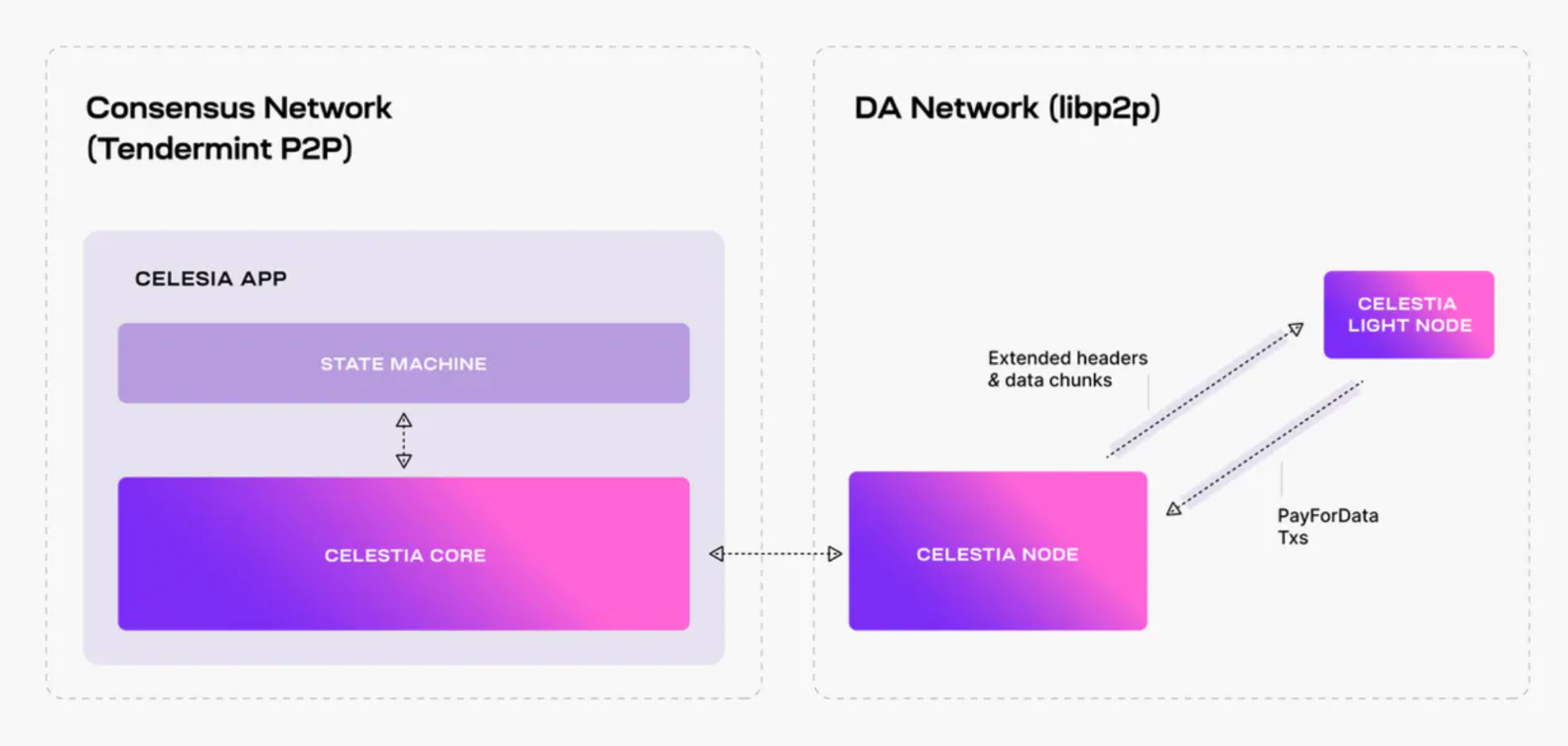
(1) Consensus layer: Celestia draws heavily on the Cosmos architecture and builds a POS chain called Celestia APP as the consensus layer. Under it, Celestia-core uses a modified version of Tendermint as the consensus algorithm, and the nodes still use Tendermint. p2p network rules, and connected to the application layer (i.e., state machine) through ABCI++ to execute PoS logic and govern.
(2) Data availability layer: Celestia uses data availability sampling (DAS) technology to allow light nodes to generate security attributes close to full nodes by downloading only the block header containing the block data Merkle root without downloading the complete block.
Specifically, in each round of DAS, the Celestia light node samples the 2 k × 2 k data block encoded by erasure coding for each block. Each light node randomly selects a set of coordinates in the expansion matrix and queries the full node for the data block and the corresponding Merkle proofs at these coordinates.
Assuming that the full node hides the tx when broadcasting a block containing 1000 tx, the assumption that the light node is required to make all block data available through sampling verification (that is, no error/loss is detected and data blocks that are not sufficient to restore the complete block) is achieved. 99.9999% confidence probability. If 1000 original data blocks are simply sampled and a malicious full node hides 1 tx, it will take about 13,800 samples to achieve it. It is better to download the complete block directly; and if it is 4 million extensions Data block sampling malicious full nodes hide more than 1 million data blocks, only 48 sampling times are needed, the efficiency difference is about 288 times.
What DAS can achieve:
1. A small amount of sampling can reveal whether the blocks broadcast by all nodes hide more than 25% of the block data;
2. Sampling 75% of the data will ensure that the complete block data can be recovered.
What DAS cannot achieve:
1. If the block producer hides more than 25% of the data, it may be impossible to recover the complete block data;
2. If there are not enough light nodes for sampling, it may not be possible to sample enough non-duplicate data blocks to reconstruct the entire block.
For in-depth research reports, see:https://www.notion.so/web3-research/Celestia-27c77558cd5145c1ae3d7c8ab0d2084b
3.2 EigenDA
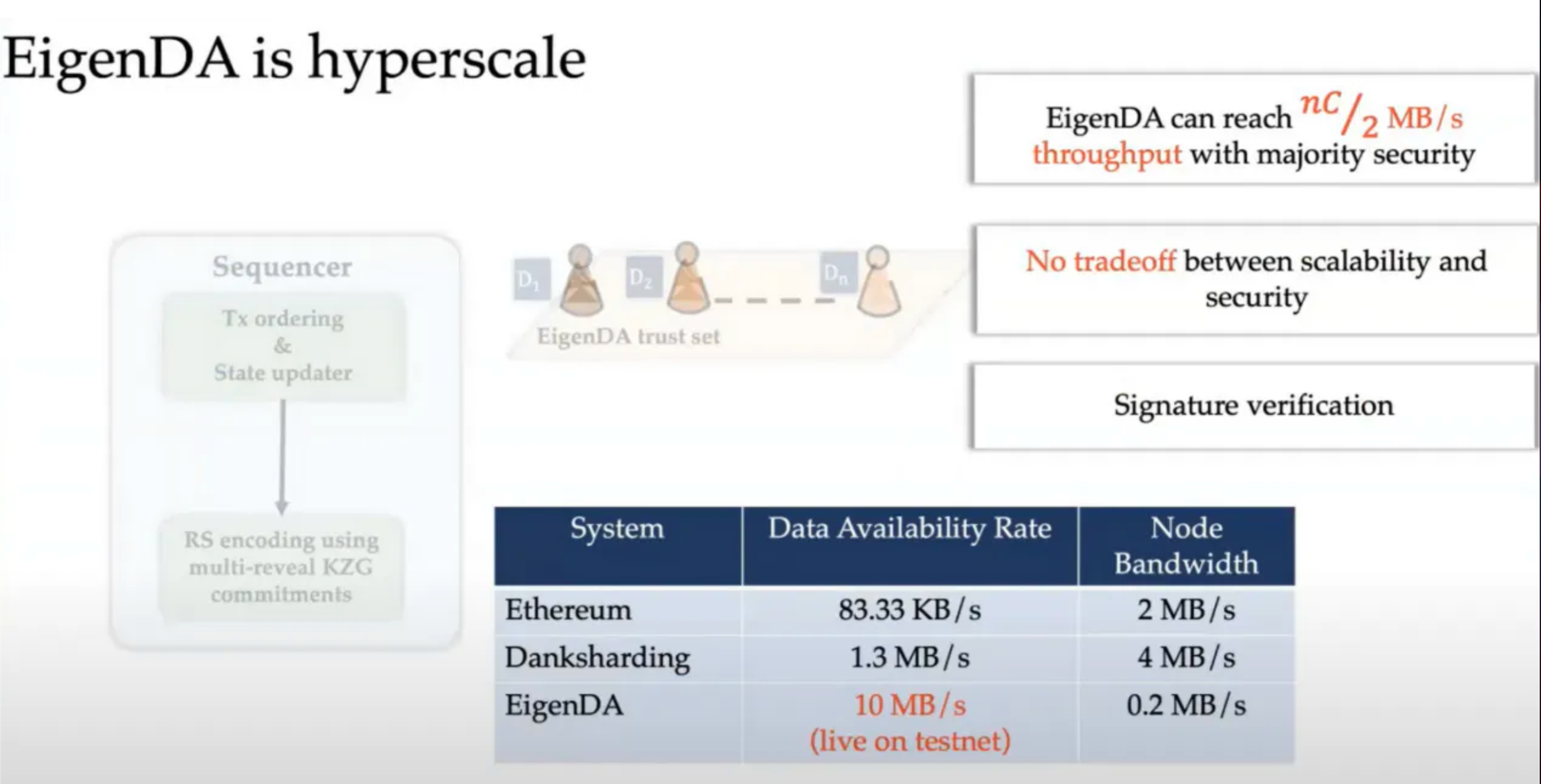
As the first AVS network officially developed by EigenLayer, EigenDA is the son of EigenLayer. It is positioned at the DA layer of the security subset of Ethereum and mainly promotes a sovereign blockchain solution in which the settlement layer is concurrently served by the execution layer.
Founder Sreeram Kannan has conducted innovative research on Coded Merkle Tree, Scalable Data Availability Oracle, DispersedLedger and other technologies on DA, currently using block data 2 times redundant one-dimensional erasure code + KZG commitment + Authenticated Coded Dispersal (ACeD ) A technical framework for storing 1/n data blocks (number of network nodes n) on a single node, hoping to greatly exceed ETH’s final DA solution Danksharding in terms of DA efficiency and node bandwidth.
For in-depth research reports, see:https://www.notion.so/web3-research/EigenLayer-8424bc53c2714fec99c68d9324787e6a
3.3 Espresso
The Espresso Sequencer network chooses to separate the DA layer and the consensus layer in a modular manner under the same node set. The DA layer is responsible for filtering sorting tx+ to ensure data availability, and the consensus layer is only responsible for reaching agreement on the short commitment of the data set. In addition, the DA layer and consensus layer will also rent/share the security of ETH through a heavy pledge layer such as EigenLayer.
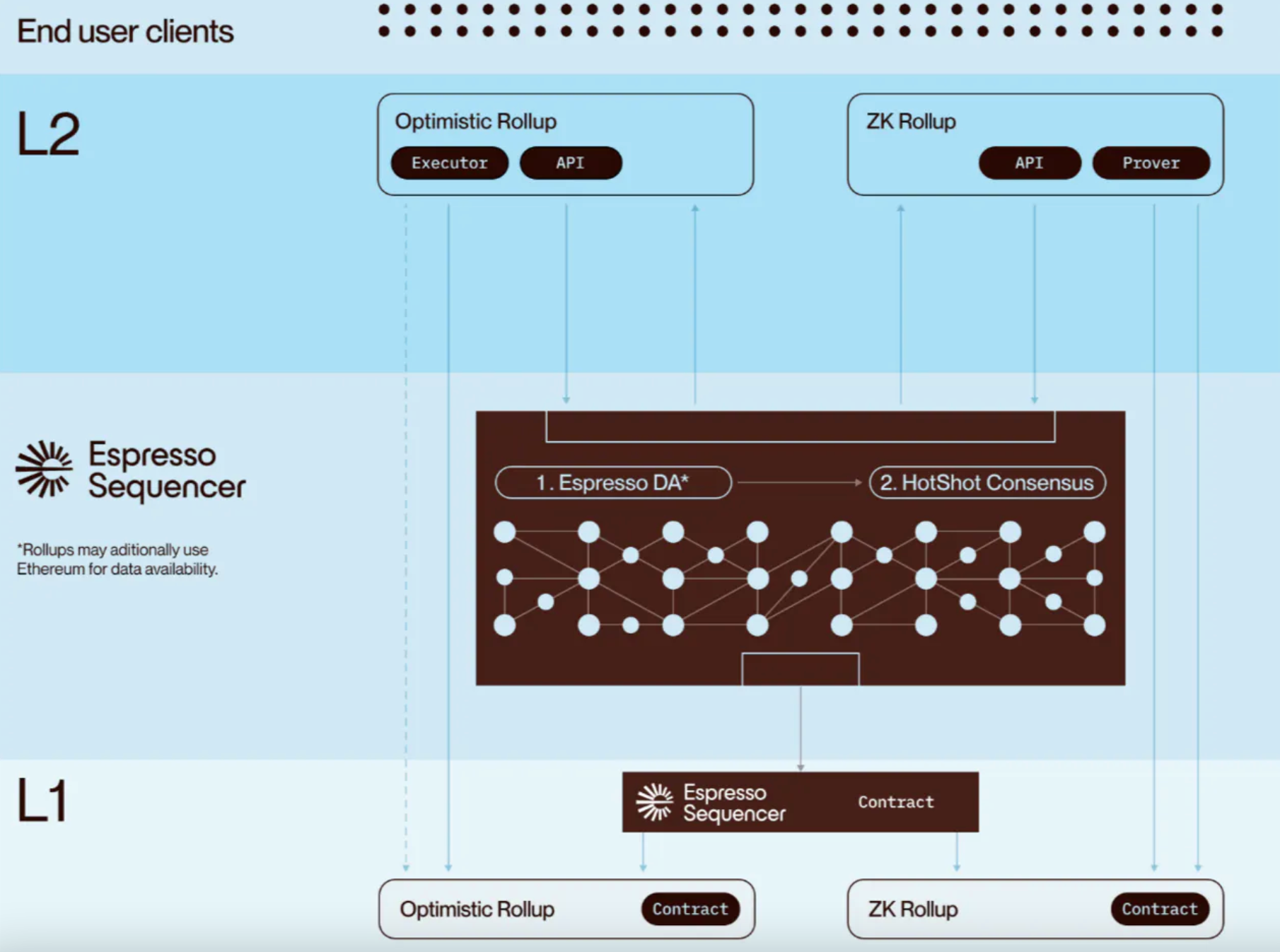
advantage:
(1) Flexibility: Under optimistic conditions, the networks data transmission capacity and block confirmation speed can be greatly improved through CDN small DA committee. Under pessimistic conditions, the network can also switch to the P2P protocol DA base layer in time to ensure security;
shortcoming:
(1) Architectural redundancy: There is no need to separate the Espresso Sequencer consensus layer from the DA layer;
(2) The network security is almost equivalent to the amount of EigenLayer’s heavily pledged ETH on the Espresso Sequencer network. In the competition with EigenDA on the same track, there is a risk that EigenLayer’s resources will be biased towards his own son;
(3) MEV capture capabilities transaction review rights are completely concentrated in Tiramisu, the Espresso DA layer, and will need to be connected to PBS solutions for optimization in the future.
For in-depth research reports, see:https://www.notion.so/web3-research/Espresso-Systems-8883e47a65dc485cb823090d32206ebd
3.4 ETH Proto-Darksharding
In the future roadmap of Ethereum presented by Vitalik on 22.11.5, it was clearly shown that following The Merge: POW to POS stage, the key goal of Ethereum in the next stage is to further improve the transaction performance of Rollups through EIP 4844. The entire Ethereum is positioned as the DAconsensussettlement layer, and only the execution layer is assigned to Rollups.
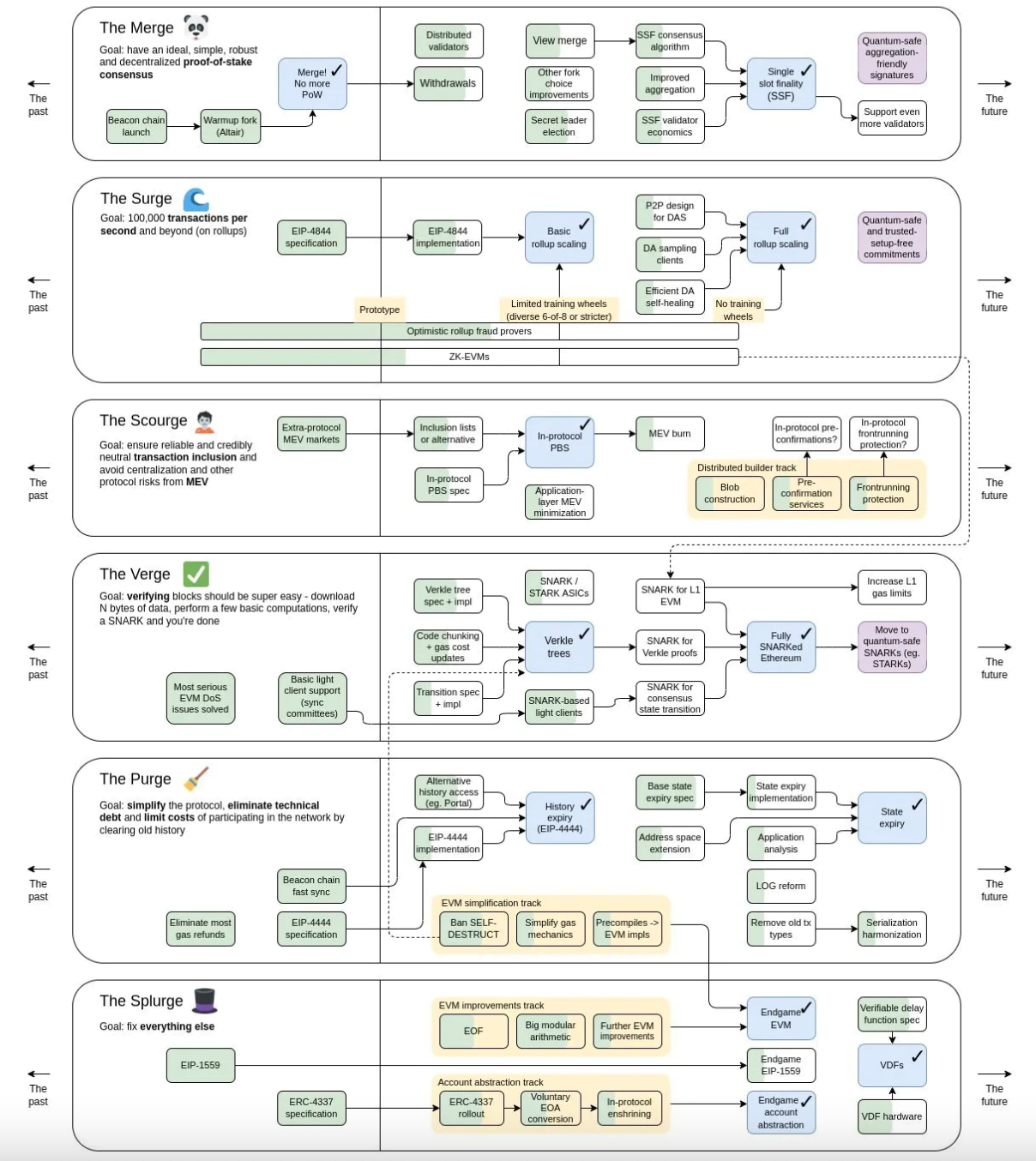
EIP 4844 is expected to be launched in the Cancun upgrade at the end of the year. This EIP introduces a new transaction type, namely blob-carrying transaction. The tx data uploaded by Rollup can be stored non-permanently on ETH Layer 1 in the form of blobs. The size of a single blob is 128 KB. Each block ideally contains 8 blobs with a size of about 1 MB. It contains up to 16 blobs with a size of about 2 MB. This is a huge improvement compared to the current average block size of ETH of 90 KB. special expansion. In order to prevent the storage state of ETH nodes from exploding, it is planned to automatically delete blobs outside a period of time window (the specific time window is undetermined, maybe 2 weeks or 1 month), so blobs can be regarded as a kind of cache.
Although Vitalik envisions a future where only the state root is stored on the Ethereum chain and detailed transaction data is stored on a dedicated DA layer, the near-term compromise solution EIP 4844 will point to a direct connection between the ETH chain and the dedicated DA layer. In business competition, in addition to playing the lower data storage cost card, the dedicated DA layer can explore a broader business model and build a better DAPP ecosystem, which will be the key to success.
4 Conclusion
In the past cycle, the entire pan-data storage track did not have an advantage in the accumulation of capital bubbles and appeal to developers, or it was due to users being insensitive to the risks of centralized data storage hosting, decentralization The need for storage is temporarily disproven. As an indispensable module in the modular blockchain, the DA layer is positioned to store the most valuable execution layer transaction tx data, and ensures the availability of data at a lower cost (public access without access censorship resistance )integritycorrectnessprivacy will be a narrative with more commercial needs.
In the short to medium term, there will be a situation of fragmentation on the DA level track.
(1) Ethereum Rollup will benefit from the reduction in blob data storage costs brought about by EIP 4844 after the Cancun upgrade, and may continue to maintain the market competitiveness of ETH L1 in the DA module;
(2) We are optimistic about DA layer solutions (such as Celestium) that use ETH L1 as the settlement layer. By enabling the execution layer to share cross-chain security/liquidity, it will bring better Lego building blocks interoperability between execution layers. , conducive to a virtuous circle of ecological development;
(3) We are optimistic about DA layer solutions (such as EigenDA, Espresso) relying on the EigenLayer heavy pledge protocol, which can not only reduce the cost of tx data storage, but also share part of the ETH L1 security;
(4) A shared sorter solution with a good incentive allocation mechanism (such as PBS) will be adopted by the head Rollup execution layer. tx filtering/sorting rights should not be given to the DA layer, and the DA layer should concentrate on the task of making data available.
References:
2.'Unpacking Celestia',from Analyst DAO
3.'Pay Attention To Celestia', by Can Gurel, from Delphi Digital
4.'State of Modular Blockchains', by Roy Lu
7.Exploring MEV on EigenLayer,by Walt Smith
8.Hack Summit 2023 How to build new VMs and rollups using eigenDA
9.EigenLayer: The Restaking Collective,by EigenLayer Team
10.Don't overload Ethereum's consensus
11.https://hackmd.io/@EspressoSystems/HotShot-and-Tiramisu
12.https://github.com/EspressoSystems/HotShot/blob/main/docs/espresso-sequencer-paper.pdf
13.Detailed Explanation of HotStuff Consensus Algorithm


