SNZ and OnePiece Labs successfully held the "Future of Web3" event to discuss the future development and investment opportunities of Web3



Austin, USA, April 27, 2023 – During Consensus 2023, well-known Web3 venture capital firm SNZ and OnePiece Labs jointly hosted an event called "Future of Web3". The purpose of this event is to discuss the future development trend of the Web3 field, and many well-known experts in the industry were invited to participate in the discussion.
The content of the event is planned by SNZ and strongly supported by OnePieceLabs. The main six roundtable discussion topics involve various aspects of the Web3 field, including zero-knowledge proof, blockchain and artificial intelligence, NFT and games, US cryptocurrency regulatory policies, sharing Security and Investment Institutional Roundtable. These topics provided participants with a comprehensive and in-depth industry insight, helping to understand the latest developments in Web3 technology.
The event invited Christopher Perkins, president and managing partner of CoinFund, Andrew Gurgee, president of Republic Crypto, Bhawani Katyal, technical director of Microsoft's financial technology department, Keith Chen, managing partner of SNZ, Xiao Xiao, investment partner of HashKey Capital, Dafu Gao, partner of OnePiece Labs and Kezheng Jia and many other well-known figures in the industry as guests. During the round table discussion, the guests shared their views and insights.
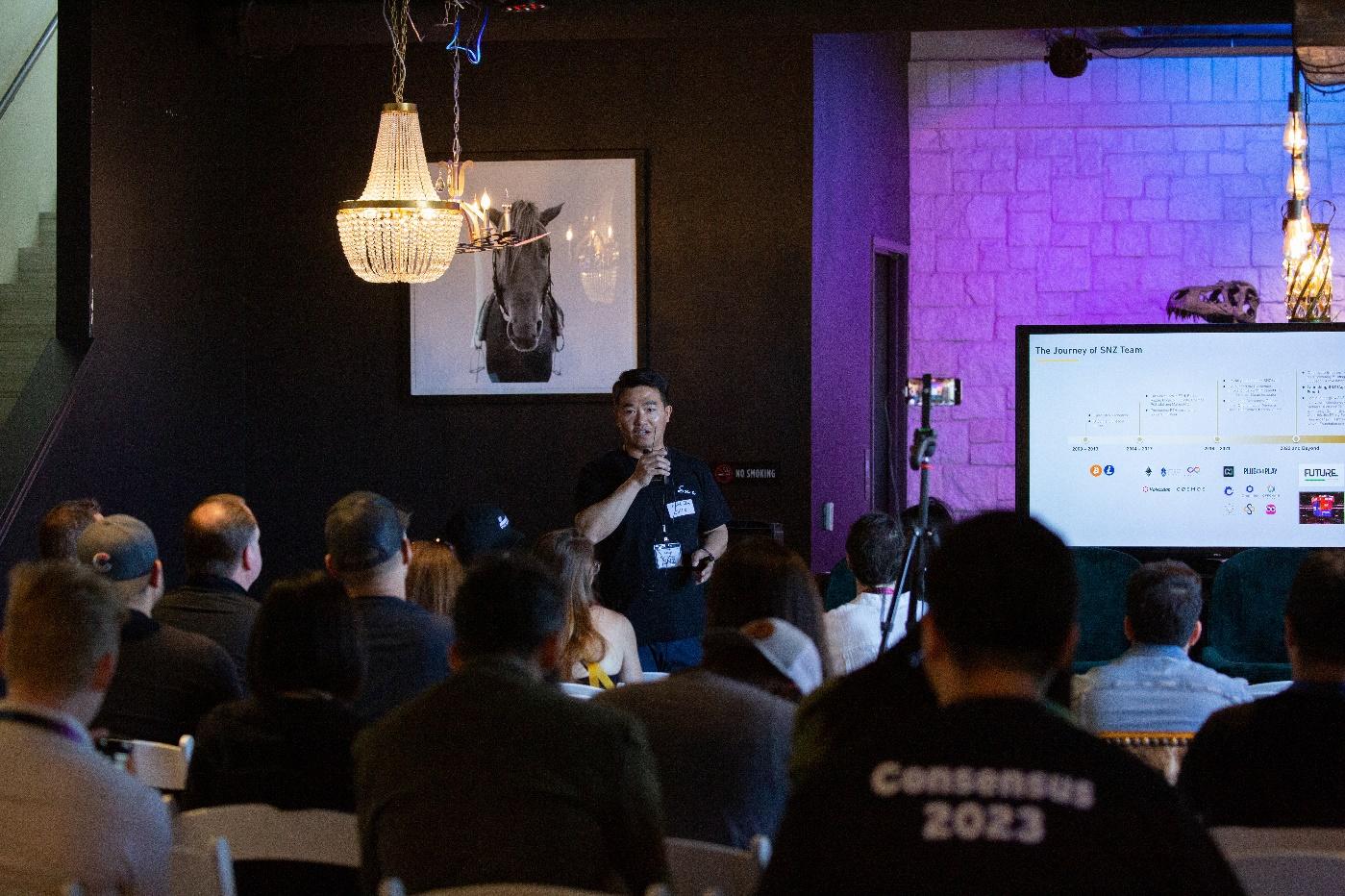
Keith Chen, managing partner of SNZ, gave a keynote speech on "Exploring the Future Opportunities of Blockchain". First, Keith reviewed the development history and core philosophy of SNZ. SNZ started from the Ethereum community and grew along with Ethereum. We have always insisted on supporting the most visionary entrepreneurs in the industry, supporting the most fundamental and far-reaching technological innovations, and supporting the most groundbreaking business model innovations. Secondly, he proposed the framework and themes discussed in this conference, including the application of zero knowledge in the second layer and other directions, the field of combining artificial intelligence and blockchain, and the significance of NFT and games for the next cycle , the framework for future regulation, and the development of shared security and the second layer of BTC. He pointed out that the main line of blockchain development still revolves around solving issues such as scalability, secure and stable payment, and data privacy; and in the next cycle, blockchain technology will inevitably have wider applications and put forward more stringent requirements for infrastructure , so it is very necessary to lower the threshold for users to use and programmers to develop. Around the solution of the above three main problems, all other subdivision directions and track applications have been derived. Keith hopes to cover some of these hot topics through this discussion, and throw a brick to attract jade.
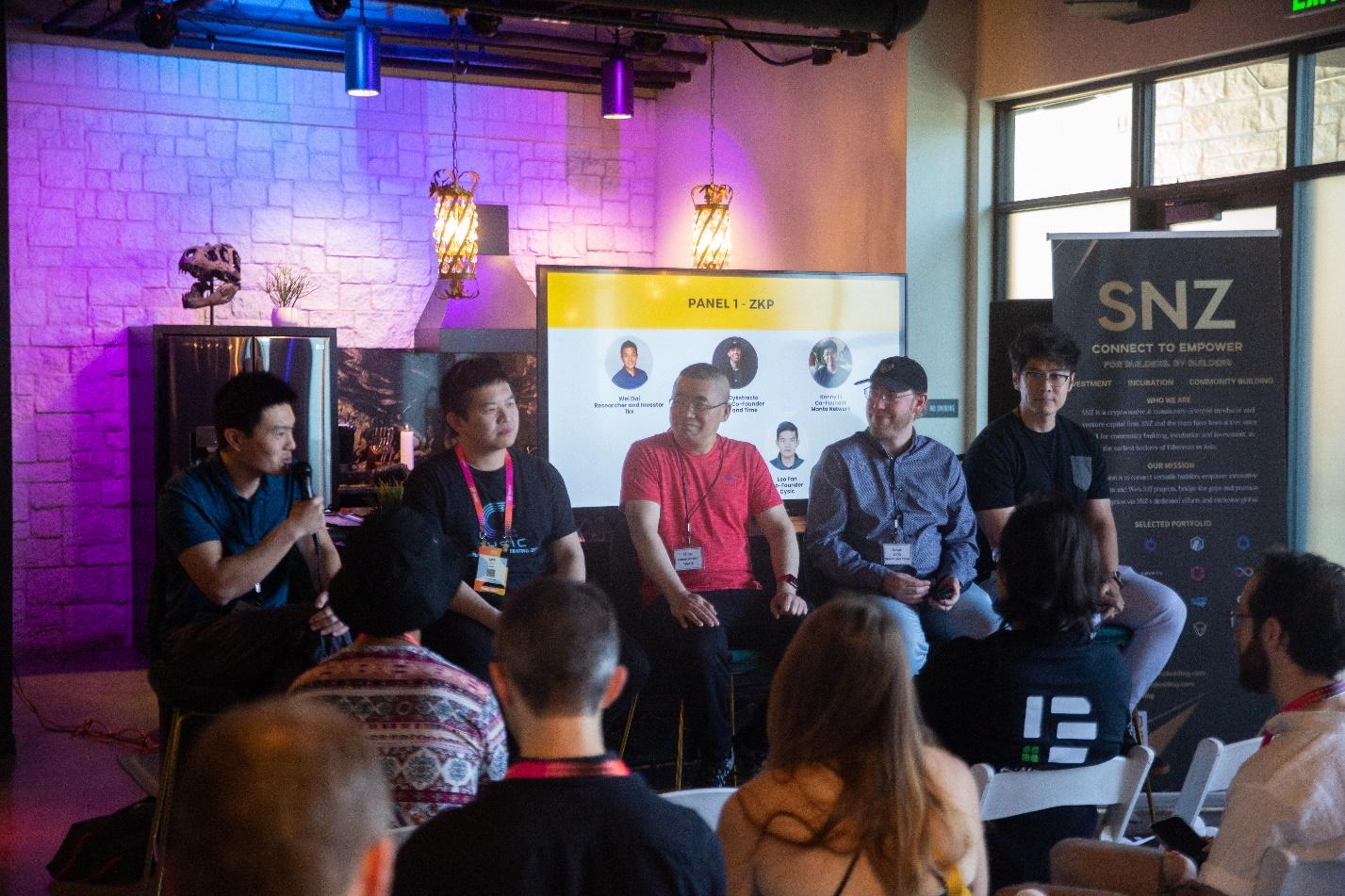
SNZ has invested in a number of projects related to zero-knowledge proof, and invited projects such as Space and Time, Cysic, Manta Network and Metis in its portfolio, as well as Wei Dai, a partner of 1kx investment research, to participate in the zero-knowledge proof roundtable. Scott Dykstra, co-founder and chief technology officer of Space and Time, pointed out that zero-knowledge proofs can be used for regulation and compliance. At present, centralized institutions hold a large amount of data but cannot share it with the blockchain. Zero-knowledge proofs can be used without leaking Under the premise of specific data information, let the centralized organization share the data on the blockchain. According to Kenny Li, co-founder of Manta Network, zero-knowledge proofs can also play a big role in games. Users cannot know whether the data generated by the centralized game is true and fair, and the use of zero-knowledge proof can guarantee the user's fair game experience. LeoFan, the founder of Cysic, gave an in-depth interpretation of the acceleration algorithm of zero-knowledge proof and the improvement direction of hardware. Metis scientist Ming Guo shared their zero-knowledge solution based on the bottom layer of the MIPS architecture, which is a new choice for the two-layer network.
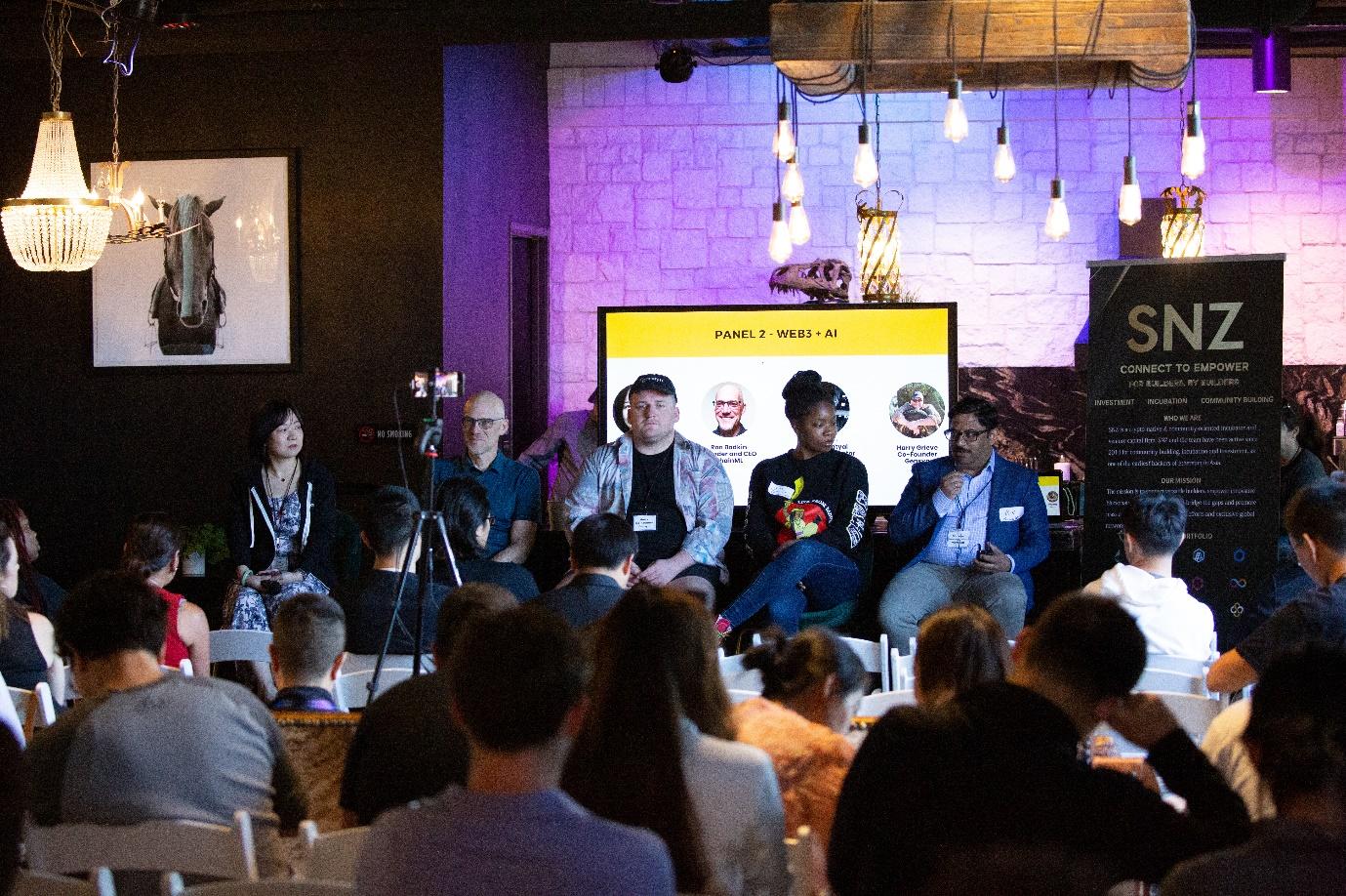
In the roundtable discussion on blockchain and artificial intelligence, a large number of big names in the industry gathered, hosted by XiaoXiao, investment partner of HashKey, including Bhawani Katyal, technical director of Microsoft's financial technology department, Ron Bodkin, founder of ChainML, and Harry Grieve, co-founder of Gensyn. Bhawani Katyal believes that any major advancement in technology will bring great changes to the labor market. The popularization of artificial intelligence will affect a part of the workforce, but it will also shift the workforce to more creative fields. ChainML, as a high-quality project invested by SNZ in the early stage, also participated in the roundtable discussion. When talking about the combination of artificial intelligence and blockchain, its founder Ron Bodkin said that the field of artificial intelligence needs more community participation and an incentive mechanism similar to blockchain, so that open source developers can enjoy the benefits of blockchain. Incentives to stimulate the rapid development of the artificial intelligence industry.
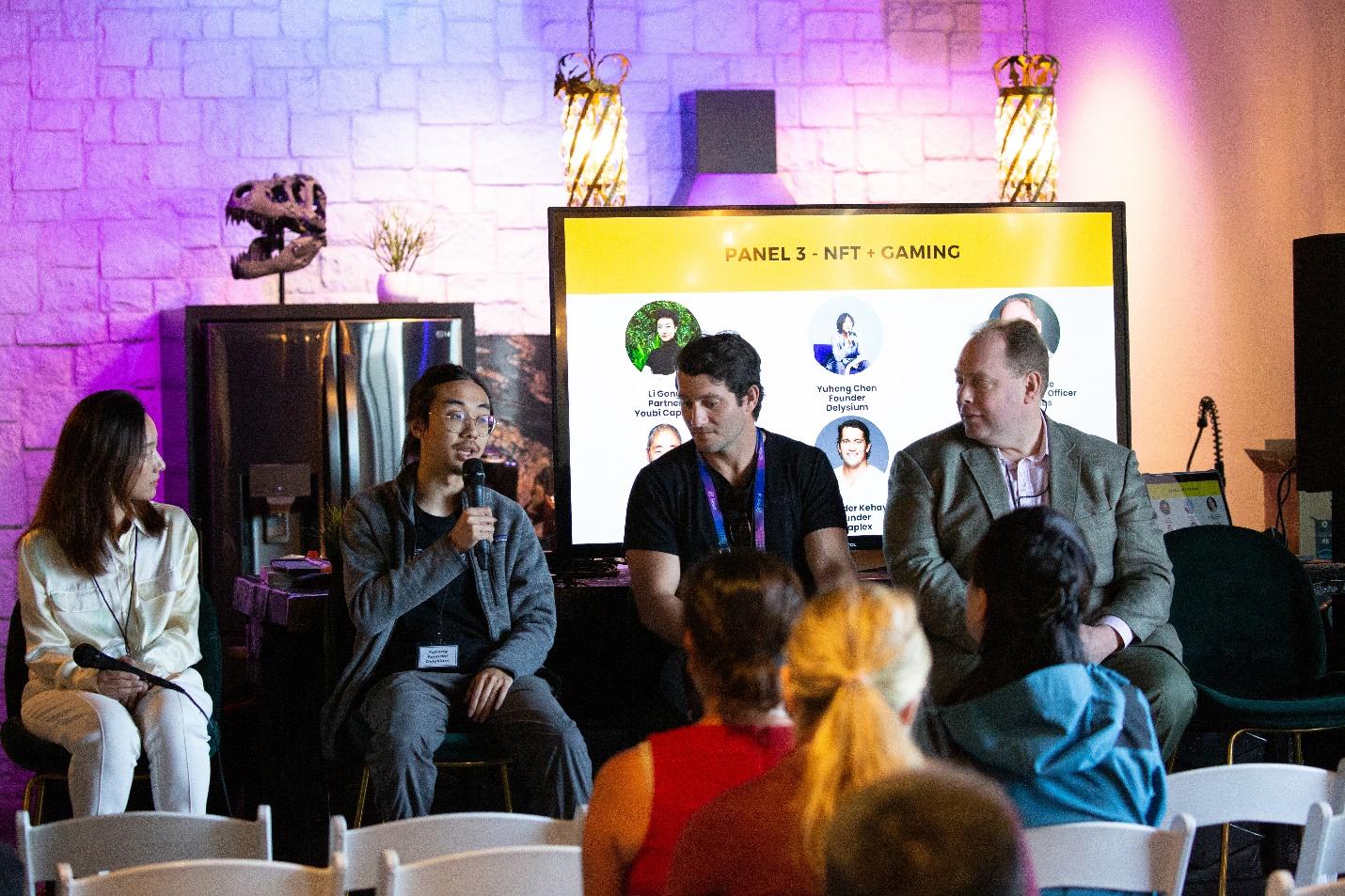
In the roundtable discussion on NFT and games, the guests discussed the regulation and application of NFT. The roundtable was hosted by LiGong, a partner of YoubiCapital, and guests from Dapper Labs, Delysium, and Holaplex participated in the discussion.
As the leading NFT project of Dapper Labs, its chief regulatory officer Alex Levine said that it is necessary to carefully consider the local regulatory rules for NFT when issuing NFT in different regions. Dapper Labs' standardization of IP terms also helps consumers gain more transparency when purchasing NFTs. Yuheng Chen, the founder of Delysium game, gave some development ideas of Game+AI.
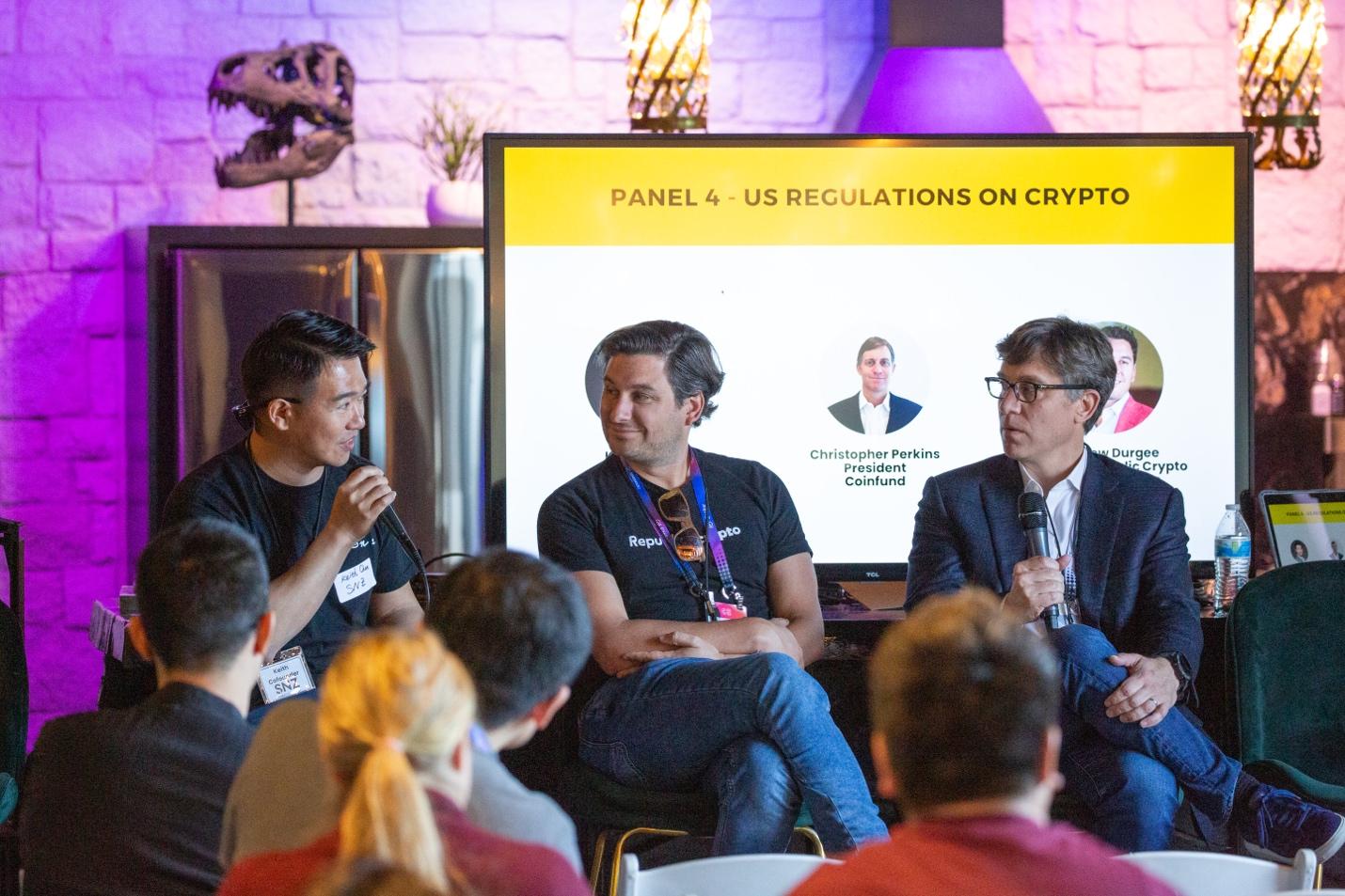
In the roundtable discussion on cryptocurrency regulation in the United States, Keith Chen, managing partner of SNZ, Christopher Perkins, president and managing partner of CoinFund, and Andrew Gurgee, president of Republic Crypto, made in-depth interpretations and discussions on the current regulatory trends that everyone is concerned about. Christopher briefed the audience on the current main framework for cryptocurrency regulation in the United States. He believes that the current legal infrastructure in the United States is far behind the development speed of the blockchain, and new laws and regulations need to be introduced. Regarding the controversial behavior of SEC Chairman Gary Gensler and CFTC Chairman Rostin Behnam on whether Ethereum is a security, Christopher believes that this does make it difficult for everyone to interpret this matter, but from a regulatory perspective, the SEC has the responsibility to make a clear definition of this matter. Christopher also looked forward to the regulation of cryptocurrency in the United States. He said that stablecoins are the most promising field to take the lead in making progress in regulation, and other fields will follow, but it will take time to accumulate. Andrew Gurgee said that the improvement of U.S. regulatory rules may have a positive impact on the market. Only under the premise of clear regulatory methods, many U.S. institutional investors will enter the encryption market, and the large-scale popularity of institutional investors can promote development of the entire industry.
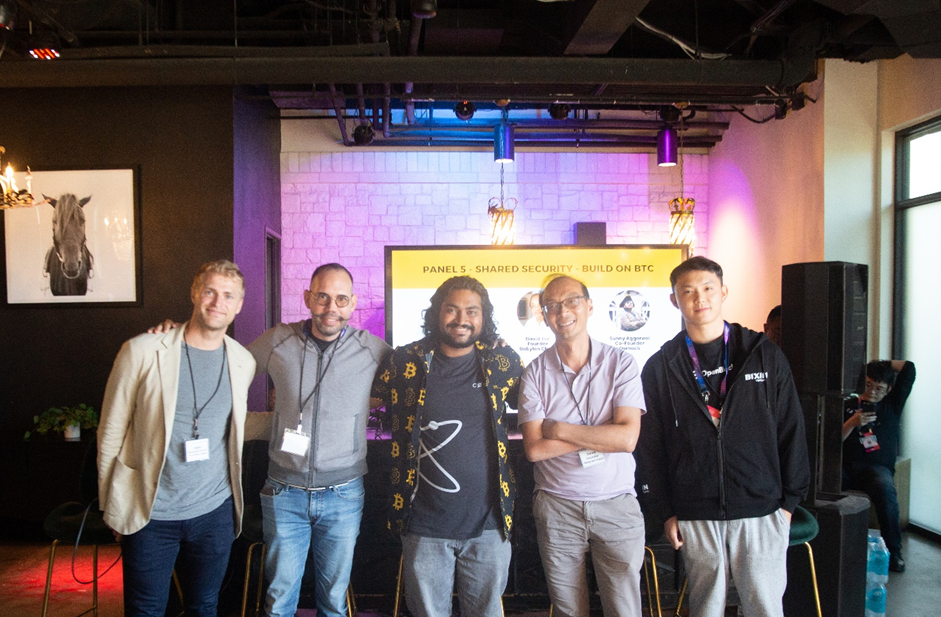
Recently, the construction of Bitcoin ecology has ushered in a new peak. At the shared security round table, the guests talked freely about the construction of Bitcoin ecology. The forum was chaired by Logan of FrictionlessCapital, and the founder of BabylonChain, Professor David Tse (Professor of Stanford University, member of the National Academy of Engineering), Sunny Aggarwal, co-founder of Osmosis, Erick Schneider, a supporter of BTC, and Allen Zhao, a partner of BixinVentures, participated in the discussion. David shared the feasibility and future vision of shared security. Sunny Aggarwal said: Although the Bitcoin POW mechanism will face restructuring problems in a short period of time, it is still the safest choice in the long run. He believes that the emergence of Ordinals has brought cultural changes to the Bitcoin ecosystem, but more importantly, cultural changes need to be transformed into technological progress.
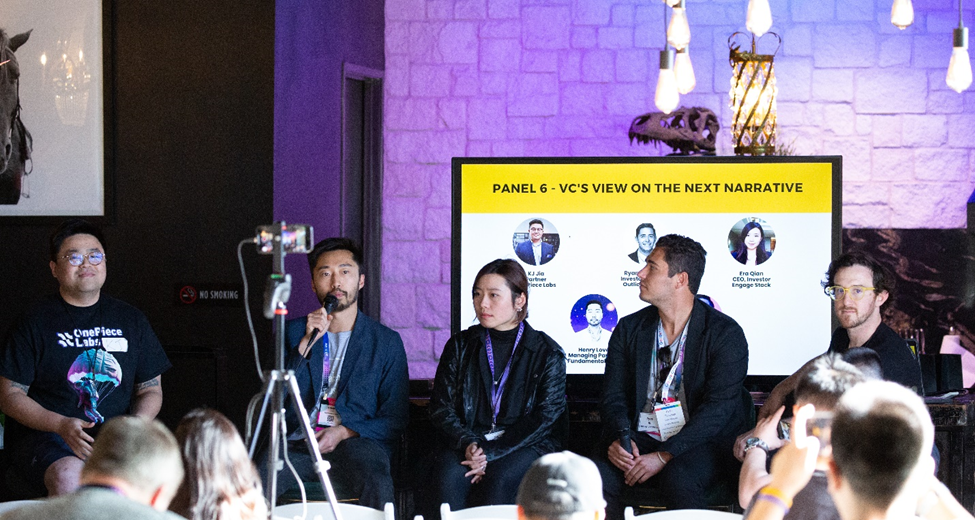
The investment institution roundtable was chaired by Kezheng Jia, partner of OnePieceLabs, Henry Love from Fundamental Labs, Ryan Goodman from Outlier Ventures, EraQian from Engage Stack (ex-MatrixCapital), and Graham Friedman from RepublicCrypto discussed the future direction of the industry. Henry Love, managing partner of Fundamental Labs, said when sharing his views on the market: The biggest problem facing the blockchain ecosystem now is that different ecosystems are independent, and the inability of assets to circulate freely in different ecosystems has led to low efficiency. Interoperability is going to be a big narrative. As the largest Web3 incubator, Outlier Ventures, its investor relations representative Ryan Goodman said: It is very meaningful to help them grow by getting in touch with projects in different regions of the world. EraQian founded EngageStack to help projects that encounter difficulties in the growth stage. She believes that there will be a lot of M&A opportunities in this field in the future.
This event is sponsored by Aura Network and Sending Labs, thanks to EDUDAO, Offchain, Chain Catcher, Odaily, Bitpush, and other communities and media for their great support. For more information on the event, follow SNZ and OnePiece Labs' official websites and social media channels.
SNZ is a global crypto-native and community-driven incubator and investment firm founded in 2014. SNZ is committed to community building, incubation and investment, and is one of the earliest institutions in Asia to support Ethereum. Its mission is to connect visionary, diverse and open entrepreneurs, and support blockchain and Web 3.0 technology and business model innovation. As a bridge, SNZ is committed to bridging East and West, Web 2.0 and Web 3.0, investors and entrepreneurs, and empowering them. By building a unique ecosystem and promoting the innovation and application of blockchain technology, SNZ has bred a number of unicorn companies and made positive contributions to social development.
OnePiece Labs (OPL) is a one-stop incubator founded in Silicon Valley, focusing on Web3. Their team members include experienced Silicon Valley entrepreneurs and community leaders, with the goal of building the next generation of Web3 unicorns. OPL helps Web3 start-ups grow rapidly through the advantages of network, mentorship and resource flow. It is a result-driven incubator, and their achievements depend on the development and success of the incubated companies.
OnePiece Ventures is an early web3 fund located in Silicon Valley, dedicated to investing in top North American Web3 founders. We provide initial investment for start-up companies, as well as professional and systematic team support to ensure the steady development of start-up companies. They also use community resources and professional experience to help founders. As an ecosystem-oriented venture capital fund, they focus on early-stage business growth and innovation for companies.