Linea (ConsenSys zkEVM) Testnet Interaction Guide


As major public chains and new projects issue airdrops one after another, the ZK Rollup series has become the next airdrop focus of all wool party members. At present, there are already many projects in the market researching and deploying related products. We are more familiar with zkSync, StarkNet, Scroll and Polygon zkEVM.
ConsenSys zkEVM, as a new zk-rollup network, is less eye-catching than the above ones, but it was developed and designed by ConsenSys and operated by ConsenSys. It provides full compatibility with the Ethereum Virtual Machine (EVM). ConsenSys zkEVM aims to be a "bytecode-compatible level" of zkEVM, making it easier for developers to build and maintain applications on Layer 2. Also, ConsenSys zkEVM does not use transpilers or custom compilers to generate zk proofs for Solidity smart contracts. They use compiled Solidity bytecode. This approach reduces the apparent risk of breaches and hacks. and they provideInnovative Prover DesignIt can ensure faster transaction speed and lower Gas cost.
In December last year, ConsenSys zkEVM launched a private testnet, which ran for three months and reached 1.5 million transactions in the first few weeks. On March 28, the ConsenSys zkEVM testnet was officially launched and renamedLinea, developers can deploy and manage applications using familiar tools like MetaMask, Truffle, and Infura. Linea allows builders to create scalable dapps or migrate existing ones without changing code or rewriting smart contracts. To simplify building zkEVM, Linea is now available as a default testnet option for MetaMask extensions, which will enable developers and users to quickly join the testnet and explore existing applications.
It is reported that Linea is preparing for the upcoming NFT test network.
secondary title
Prepare for interaction
herehereChoose one of the available faucets listed and get it.
2. Add the Linea network to the Metamask wallet. where you canpageinteractive tutorial
interactive tutorial
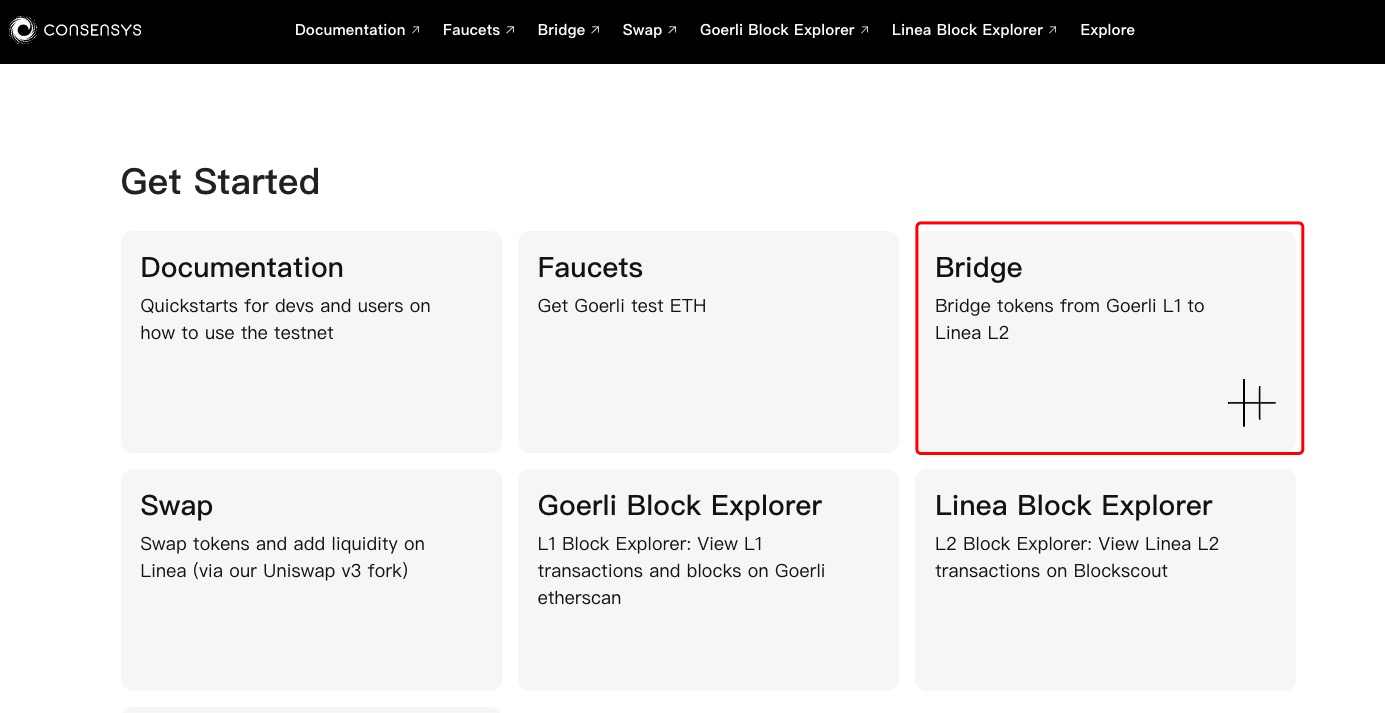
official websiteofficial website, click Bridge, we first bridge the funds from the Goerli testnet to the Linea testnet.
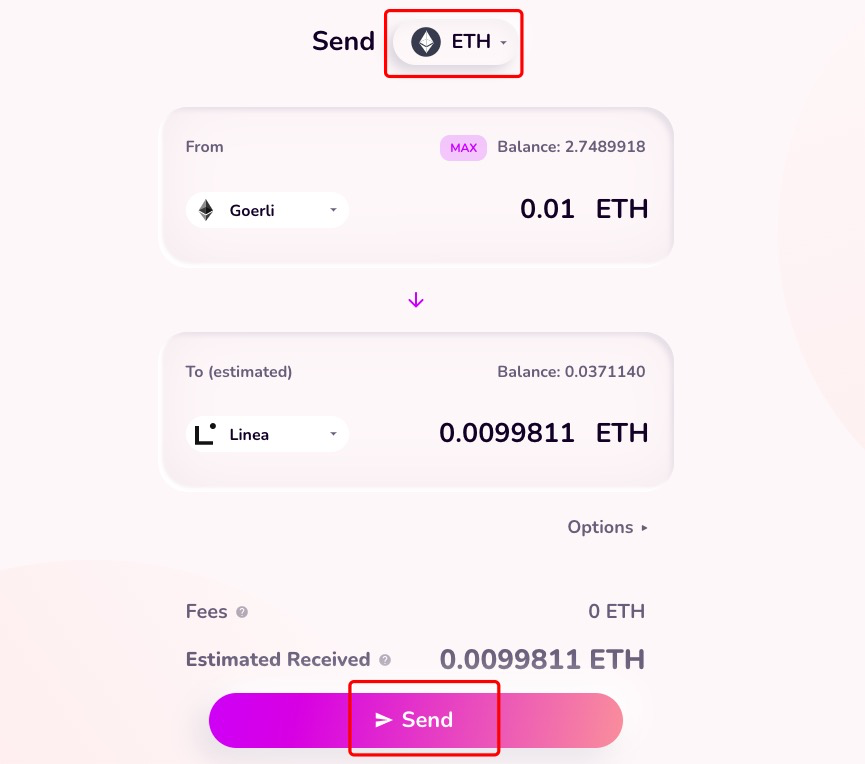
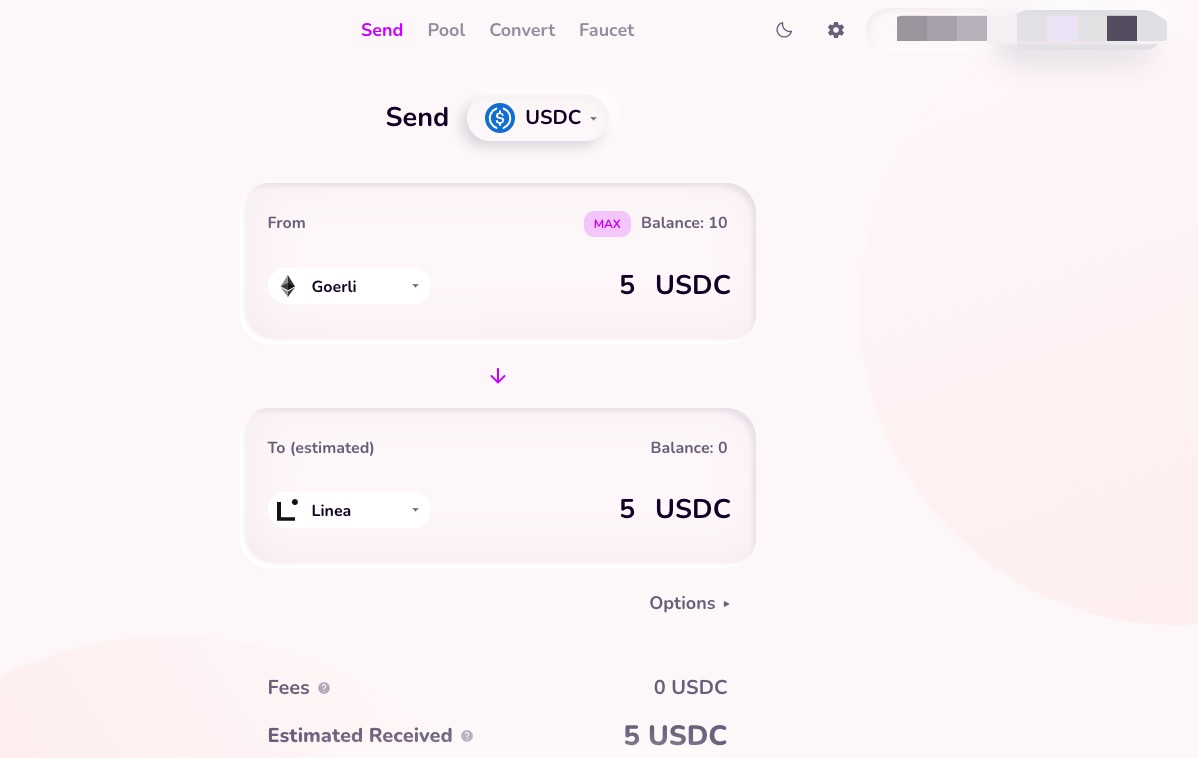
The jump is to the Hop test network. We need to link the wallet, then select the number of tokens we want to exchange, click Send after confirmation, and you need to sign the transaction in the wallet.
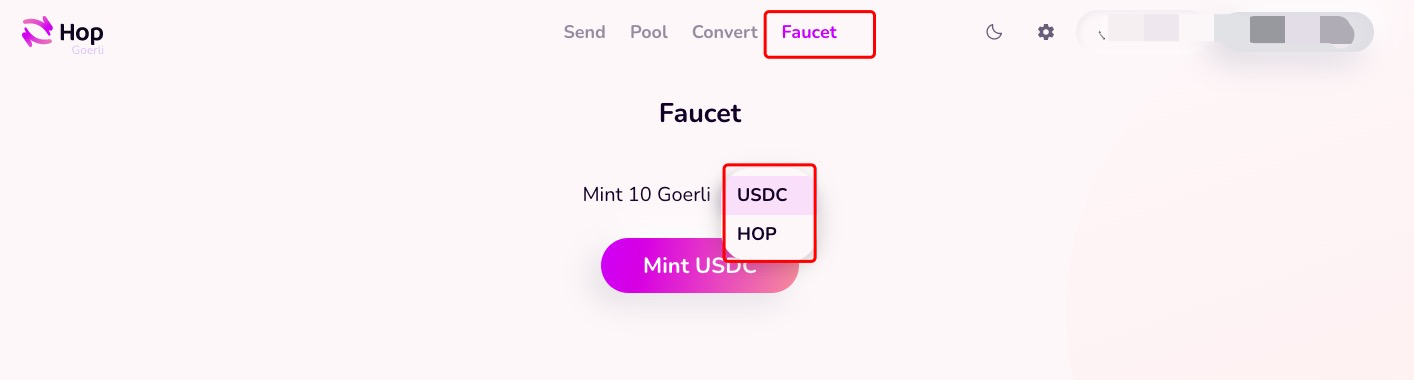
We try to interact with all the functions of the page once. Below you can click on Faucet to mint some USDC and HOP tokens. Then click Send to bridge the minted USDC and HOP to the Linea testnet.
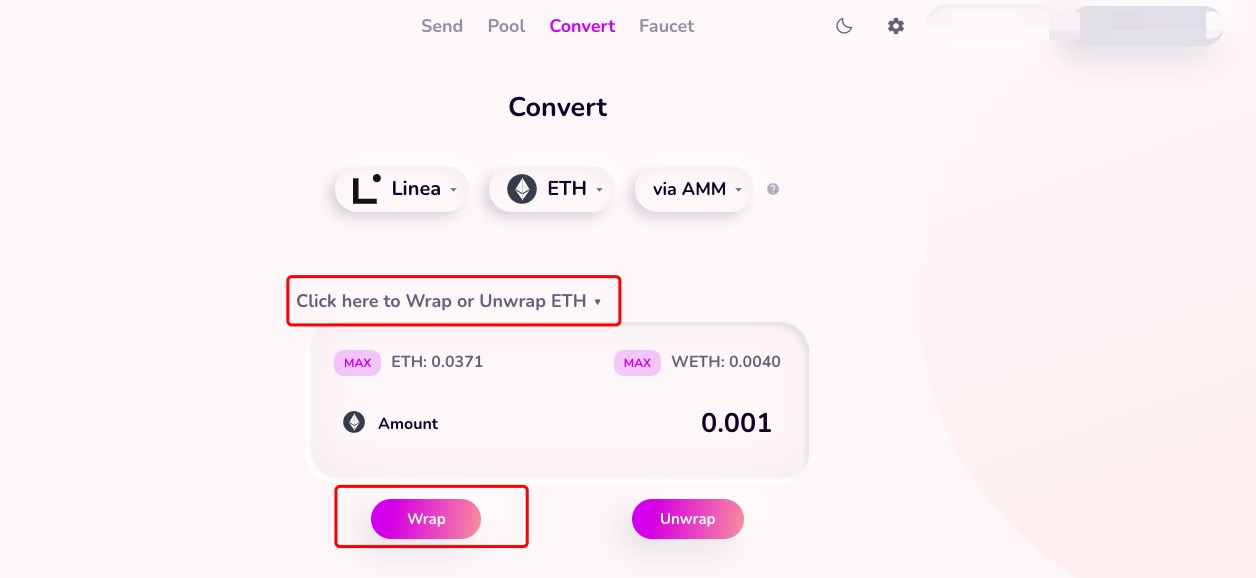
Then we click Convert to wrap ETH into WETH.
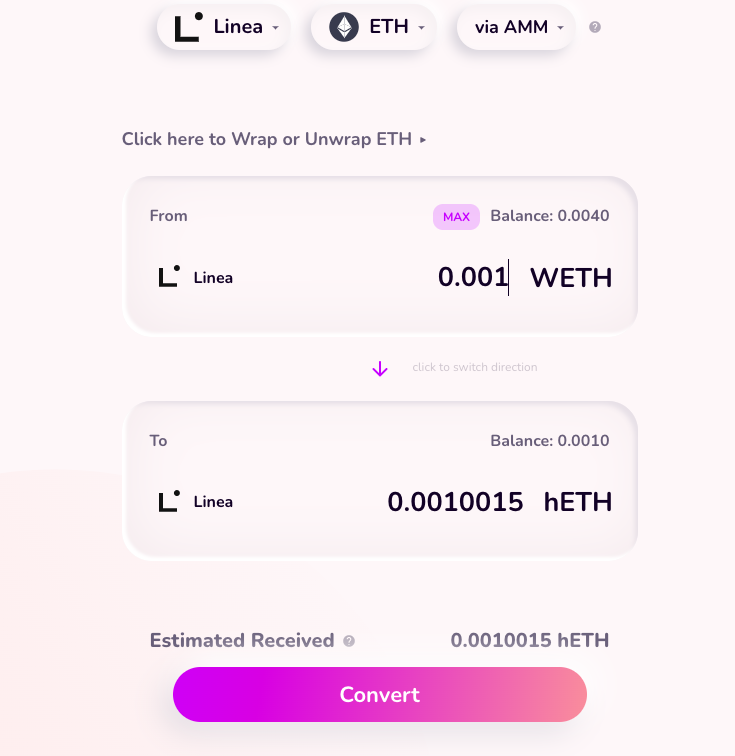
After packaging, change WETH to hETH through Convert.
Immediately afterwards, we click Pool and deposit the tokens we just exchanged to add liquidity.
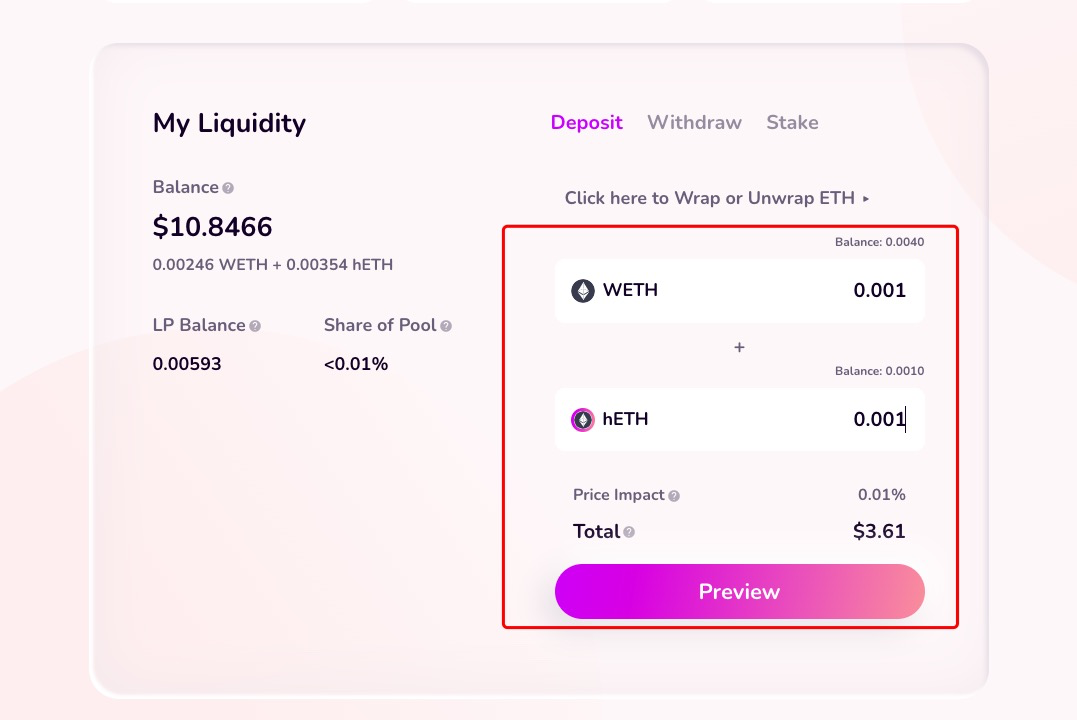
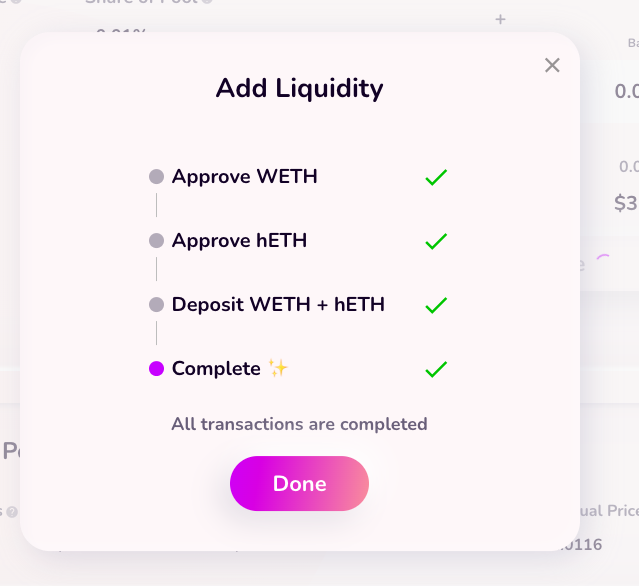
The following figure appears to indicate that the liquidity is added successfully.
So far, we have basically interacted with the four functions of this page.
websitewebsite. We click on Swap.
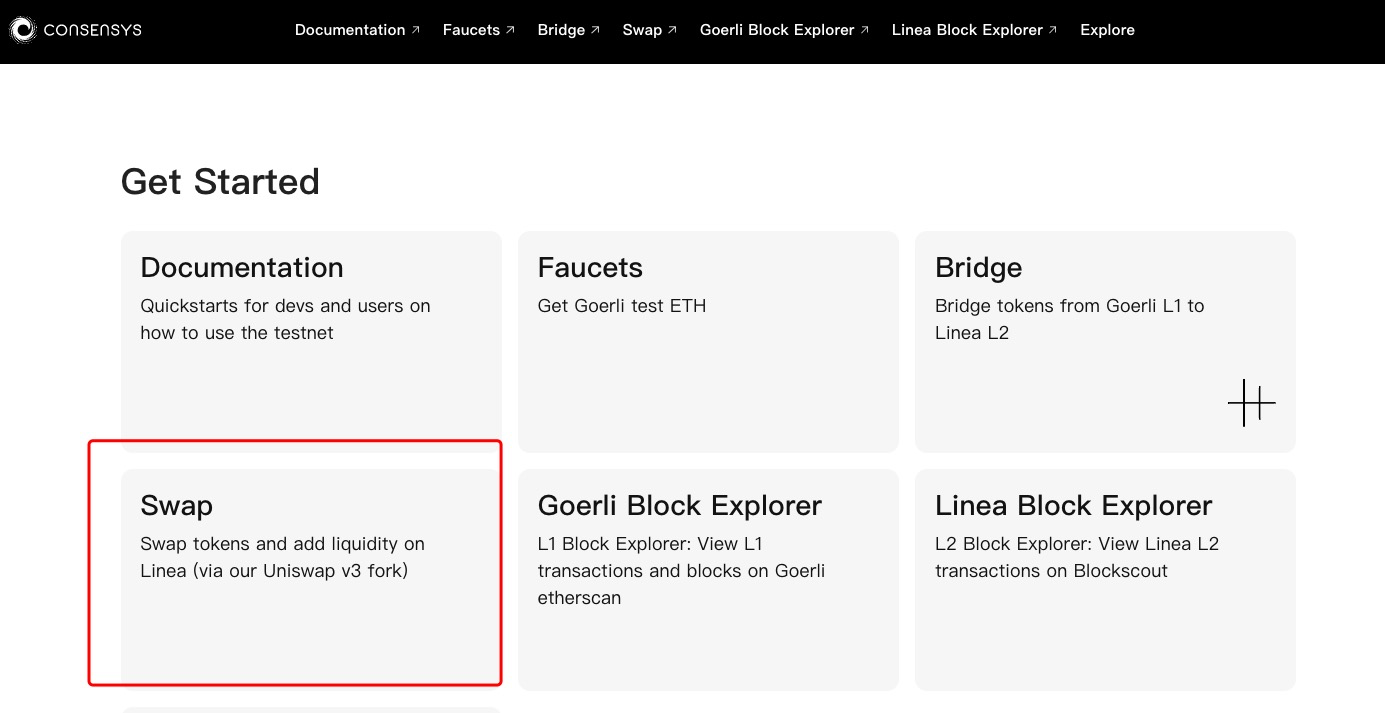
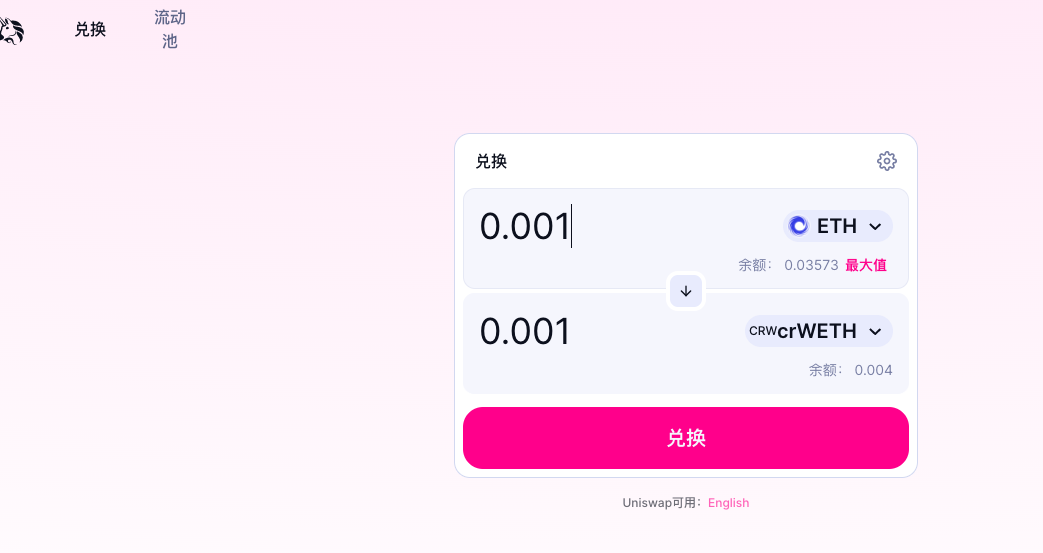
Select the Linea network to connect to Uniswap in the MetaMask wallet, and then experience the exchange of tokens. After converting tokens, you can click Pool to add liquidity. There are currently very few token pairs that can be added. If you encounter an error when adding liquidity, you can experience it later.
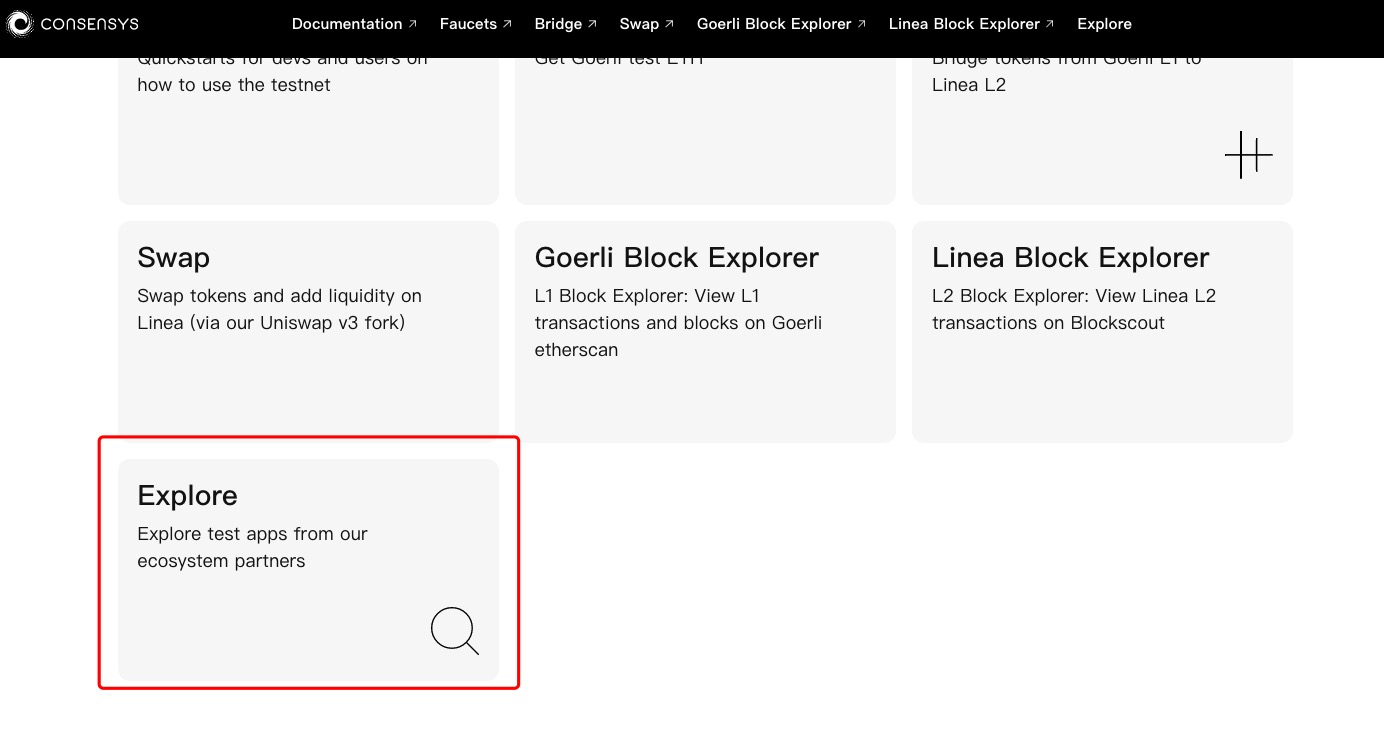
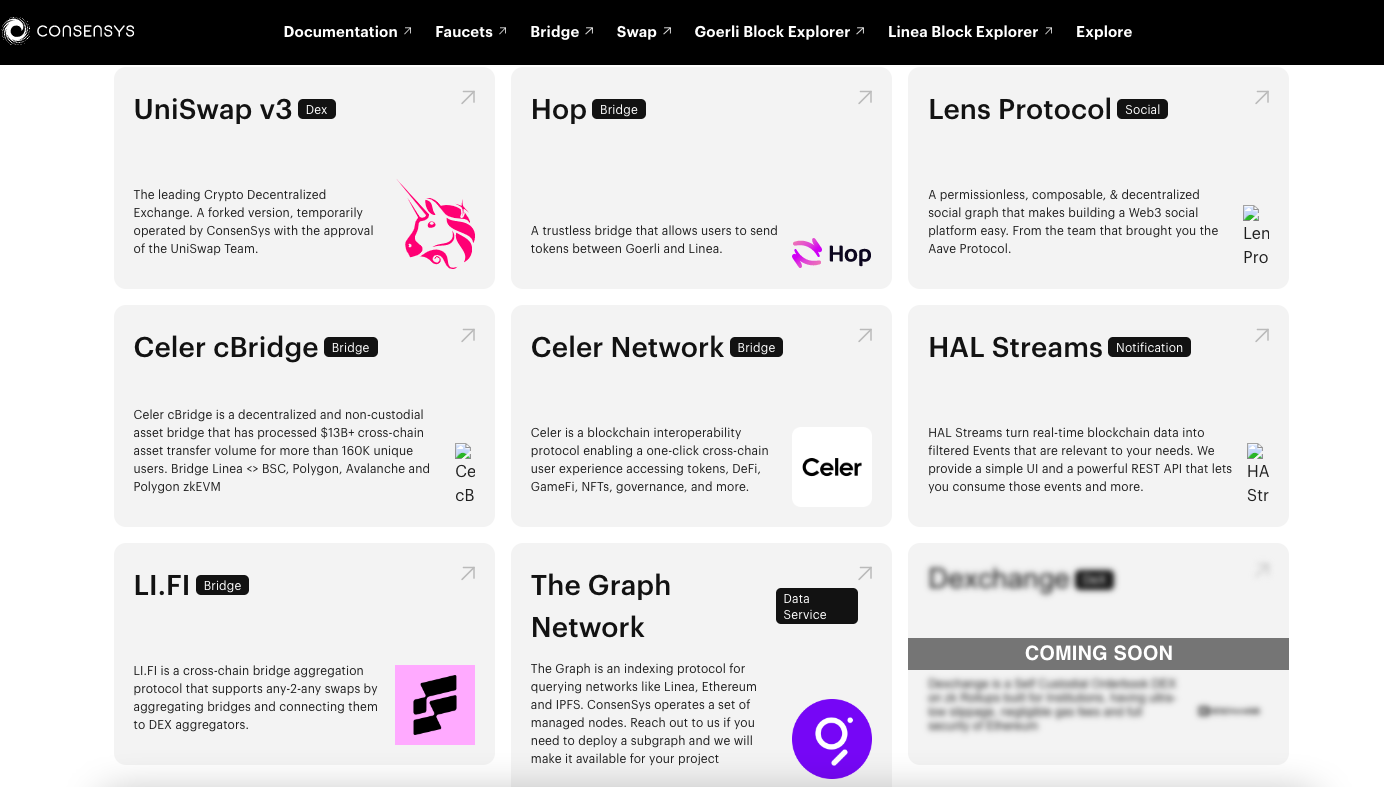
websitewebsite. We click Explore, and we can see that there are already more than 20 projects on the Linea testnet. We can continue to pay attention to this page, select interactive projects and continue to complete the interactive test.