






Actively promote the cross-chain Circle, while eating two cakes of stable currency and cross-chain market?


secondary title
Unique "destroy-cast" mechanism
CCTP stands for Cross-Chain Transfer Protocol, which is an official permissionless cross-chain bridge launched by Circle.
The difference between CCTP and common bridges is that this bridge does not use the common "lock-cast" model, but the "destroy-cast" model.
In the more mainstream "lock-casting" mechanism, the bridge protocol establishes a liquidity pool on the two chains. By locking tokens on the original chain side and minting tokens on the target chain side, tokens can be exchanged between different chains. flow.
Since the authority of the USDC contract is controlled by Circle, third-party bridges cannot mint native USDC.CCTP can destroy native USDC on the original chain and mint an equal amount of native USDC on the target chain.
After the user crosses the chain, CCTP will destroy USDC on the original chain. Then Circle will conduct evidence collection, including observing and proving the USDC destruction transaction on the original chain. The original chain application needs to request a "signature certificate" from Circle before it can be destroyed. Authorize the minting of a specified amount of USDC, and after the minting is completed, the visitor will send USDC to the recipient's wallet address.
In this process, there is no capital pool, and of course there is no accumulation of hundreds of millions of funds.This process optimizes capital efficiency and liquidity experience.More importantly for users, the USDC received on different chains is all native USDC, which is directly guaranteed by Circle in USD.There is no need to worry about unpegging the USDC of the target chain and the native USDC of the original chain。
Currently, CCTP has opened the GitHub repo and published the developer guide. Through the interface provided for developers, other dApps can easily embed CCTP in it, providing users with a more efficient and secure means of USDC cross-chain transfer.
secondary title
Is cross-chain safer without a fund pool?
In the cross-chain of the traditional "lock-casting" model, the disadvantages are very obvious. In order to maintain the 1:1 price anchoring of the two currencies in the pool, LP providers are required to conduct market making, and a large number of locked tokens in the pool have also become excellent targets for hackers.
Odaily has taken stockThe ten largest cross-chain bridge attacks in history. In March 2022, Ronin Network's cross-chain bridge was attacked, and the total loss was as high as 624 million US dollars. This is also the largest theft of a cross-chain bridge in history. Chainalysis research found that in 2022 alone, cross-chain bridge attacks have caused more than $2 billion in financial losses.
In addition, the "lock-casting" mode naturally divides the two ends of the bridge into "original chain" and "target chain",The tokens on both sides are native assets and bridge assets, and a large number of minted tokens are not the same as native assets.If there is a security problem with the bridge, the minted assets of the target chain will face the risk of unanchoring.
During the "pGALA event" in November 2022, there were no problems with the GALA token deployed on the Ethereum mainnet. However, the pNetwork cross-chain bridge has a security problem. The pGALA issued and minted by it in the BNB Chain has been issued in a huge amount. A pGALA of the BNB Chain no longer has a corresponding Ethereum GALA as a support, and the pGALA immediately returns to zero.
For asset issuers,The problem of fragmented liquidity on each chain also affects the use of assets。(CCTP documents show that this is what Circle cares most about-"unifying the liquidity of the entire ecosystem".)
image description
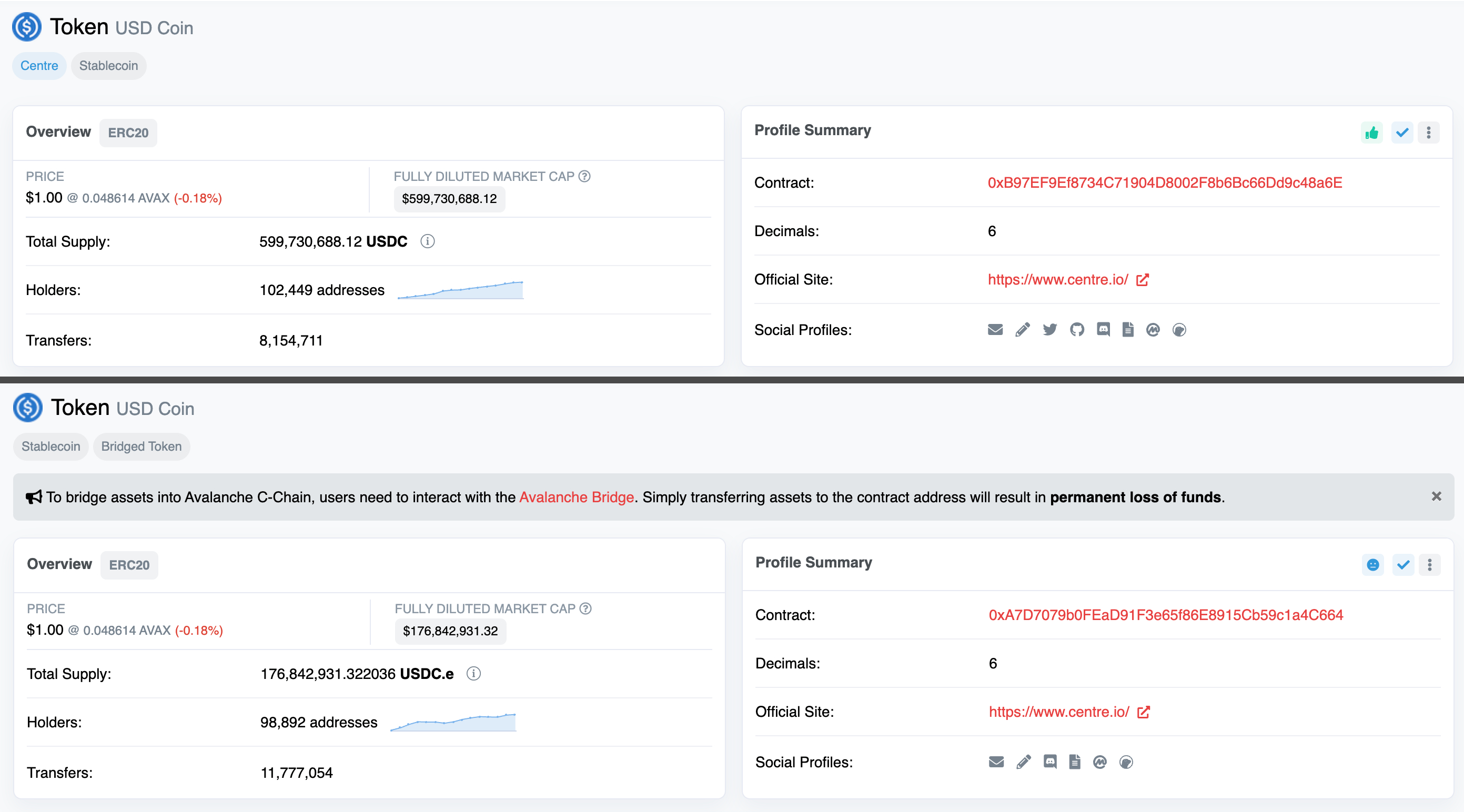
(The cross-chain asset USDC.e is not supported by fiat currency, but is supported by the USDC of the Ethereum chain through a bridge)
For users, there is no difference between the two USDC usage experiences, both are worth $1 and can be used in major DEXs. But what is interesting is that if the user holds these two kinds of USDC at the same time, there will be two kinds of coins in the wallet at the same time. In the DeFi world of Avalanche, a large number of trading pairs based on two different USDCs are even more chaotic, and users will always inadvertently conduct inefficient transactions of "exchanging one USDC for another USDC".
Having two kinds of USDC on the same chain is a more intuitive way to experience liquidity splitting.And this split is more obvious when it is placed in a broader multi-chain ecology.
In order to use USDC on multiple chains, a large amount of non-native USDC is issued by the bridge.And what is the original USDC doing at this time? It is locked in the fund pool as an LP.This lock-in model will undoubtedly sacrifice a lot of capital efficiency.
Look at the numbers: Multichain browser data shows that the USDC currently locked in Multichain is 408 million U.S. dollars, while the liquidity pool is as high as 128 million U.S. dollars.
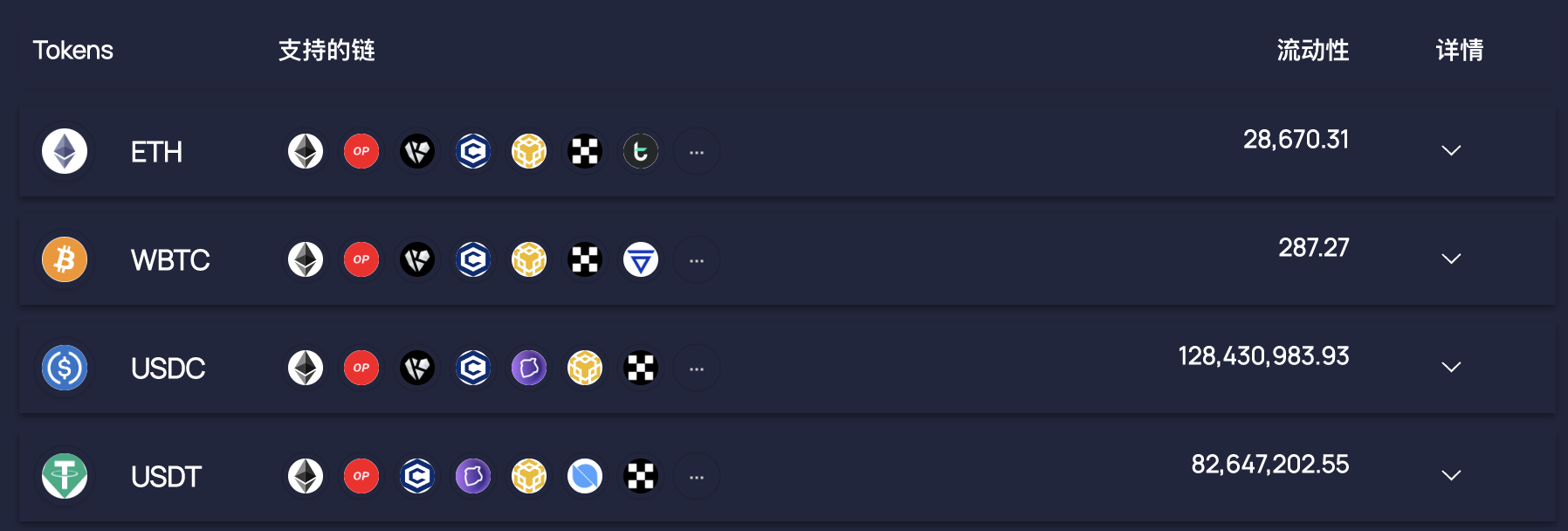
We can roughly think that,In order to support the cross-chain flow of 400 million US dollars, about 31% of the funds need to be deposited in the pool and cannot be effectively used.
secondary title
The far-reaching impact on each role in the industry structure
The introduction of CCTP will have a certain impact on many parties in the encrypted world, and the first one is the cross-chain bridge.
From the data point of view, stablecoins are the currencies with high transaction volume among the major mainstream cross-chain bridges. Taking cBridge as an example, the total transaction volume of the cross-chain bridge in the past 24 hours was 8.4 million US dollars, and the USDC transaction volume was 4.18 million US dollars, accounting for 49% of the total.CCTP may have a strong impact on the market share of cross-chain bridges.
In addition to existing interoperability agreements,LPs may not welcome the arrival of CCTP. The lock-up mode of traditional cross-chain bridges requires a large number of LPs to provide funds. On major cross-chain bridges, stablecoin cross-chain LP market making has always been a low-risk target for earning income. Taking cBridge as an example, USDC’s market-making income is about 9%.
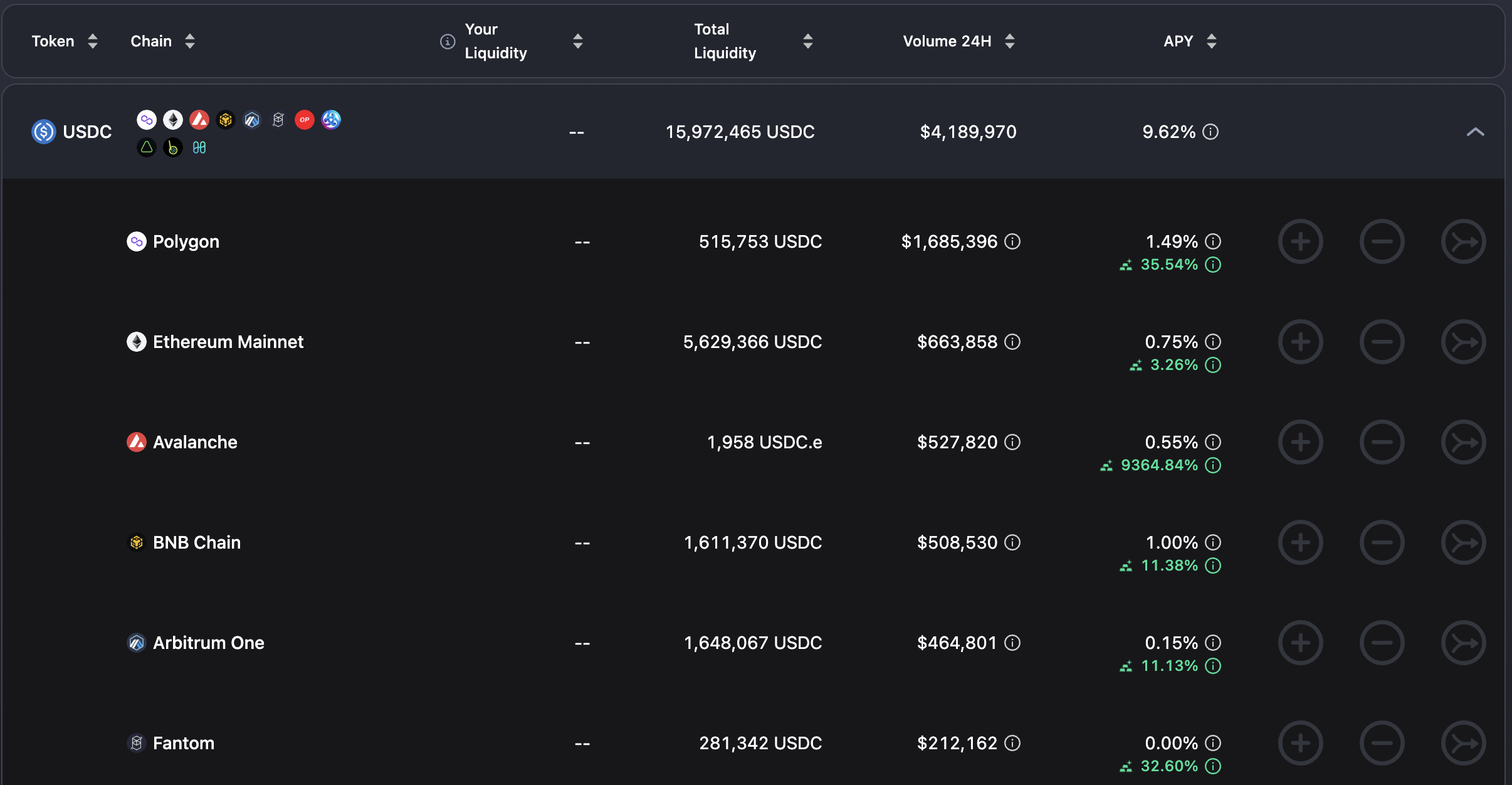
If CCTP becomes a cross-chain bridge with better experience in the future, perhaps some ordinary users will transfer to CCTP.
From another angle, look at the stablecoin market structure. According to DeFiLlama data, USDT has a market value of 67.5 billion US dollars and is the leader in the stable currency market, with a market share of 49%. As the second largest stable currency, USDC has a market value of 42.6 billion, which is 36% lower than USDT. However, in the past year, USDC’s market share has continued to rise slowly, rising from 25% in early 2022 to 31% now, during which time it was as high as 36%.
image description
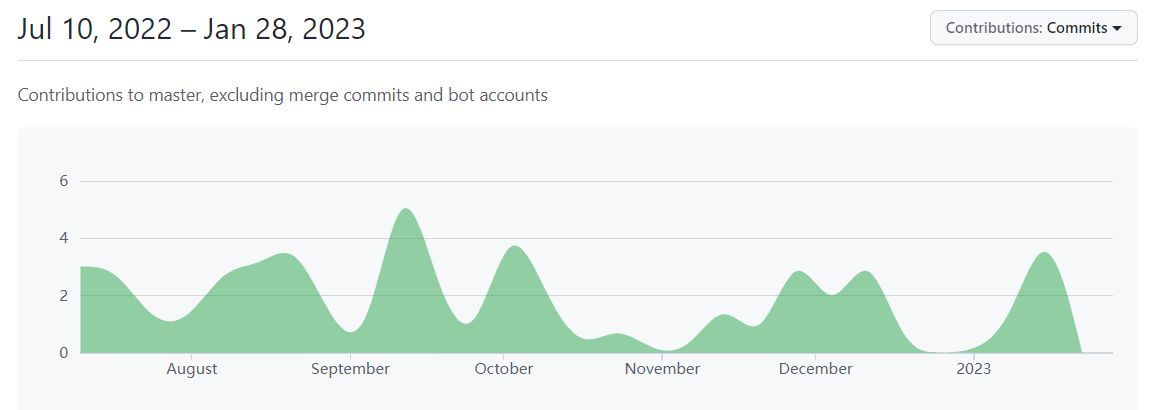
GitHub data shows that CCTP has been under continuous development as early as last summer
Today's stablecoin track has been silent for a long time, and it is rare to see any bright innovations in the market. It coincides with the bear market, and USDC's continuous "doing things", can it shake the stablecoin market when the next bull market comes?


