






40 pictures comprehensively review the brief history of the Internet from Web1 to Web3


Original post by Misha da Vinci, Founder, Future of the World
Compilation of the original text: Metaverse Special Attack Team
The Internet began in the 1960s as the US government's response to the Cold War -- when military leaders worried that US communications systems might be attacked, the government funded the development of a network of computers that could talk to each other: the ARPANET.
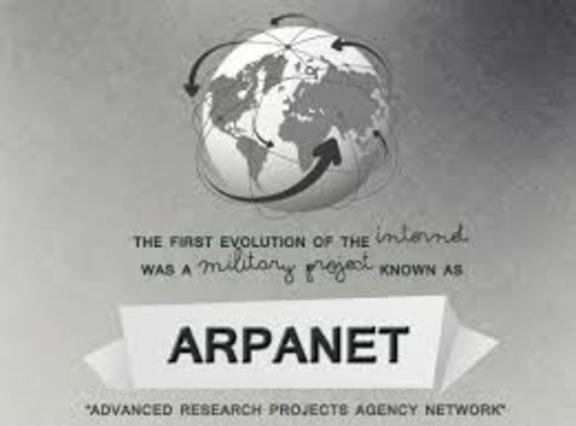
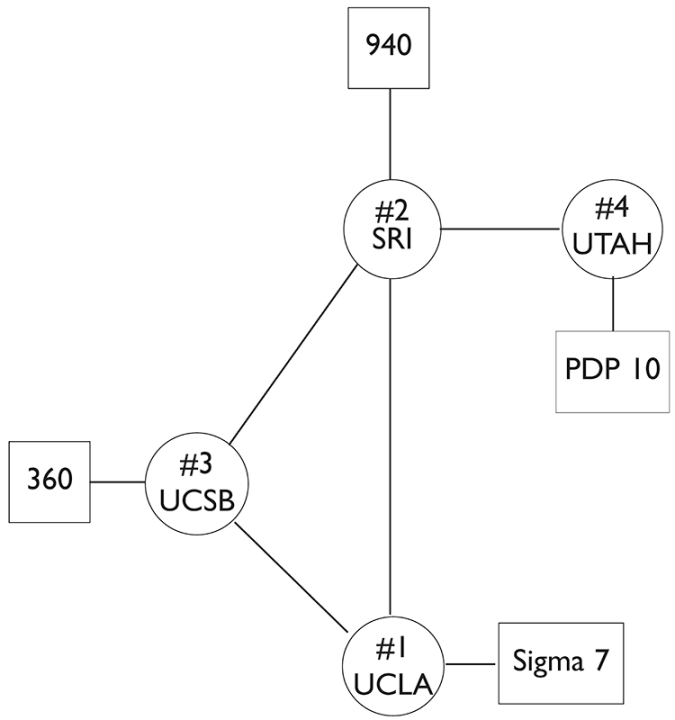
ARPANET:On October 29, 1969, ARPANET delivered its first message. The first computer is in a research lab at UCLA, and the second is at Stanford University. By the end of 1969, four computers were connected to the ARPAnet.
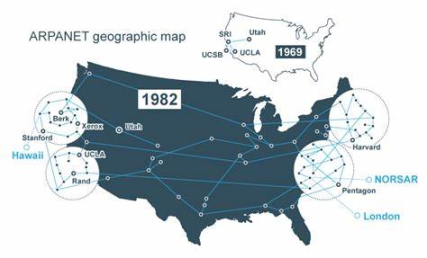
The ARPANET network grew steadily throughout the 1970s.
Email:In 1971, computer programmer Ray Tomlinson implemented the first e-mail program on the ARPANET system. He uses the @ symbol to separate usernames from their machine names. This scheme has been used in email addresses ever since.

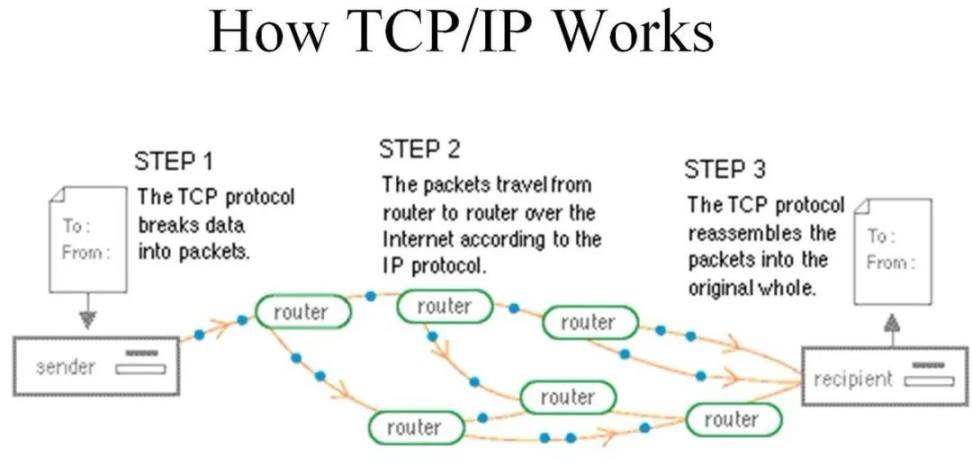
Origin of TCP/IP:In 1974, it was proposed to link up an Arpa-like network that would have no central control and would work around the Transmission Control Protocol. This eventually became TCP/IP.

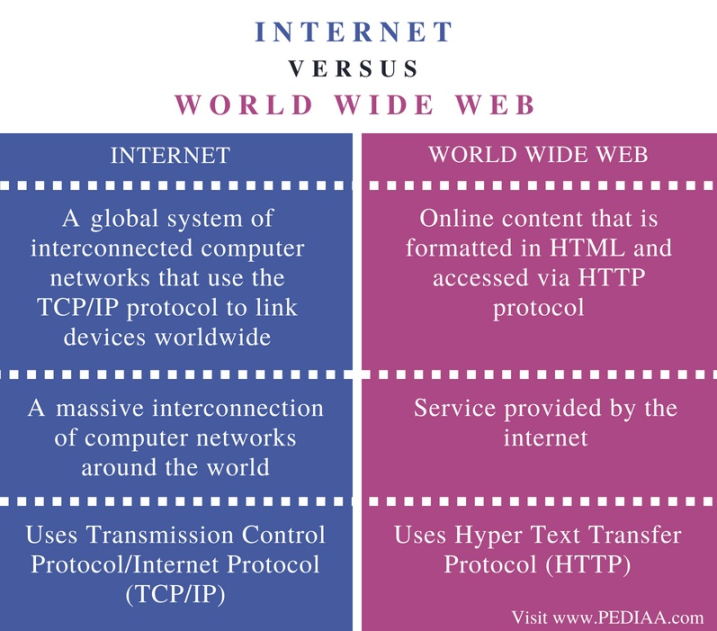
What is TCP/IP?Transmission Control Protocol - Internet Protocol (Transmission Control Protocol-Internet Protocol), a protocol that works on any type of computer and operating system, and is used to transmit data between different systems over the Internet. It is the basic protocol of the entire Internet.
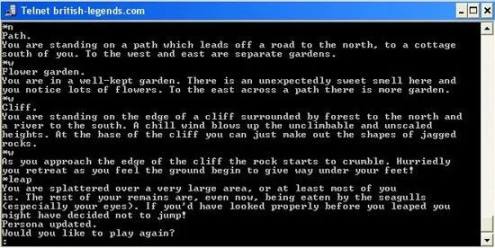
MUD (multi-users dungeon games, multi-user dungeon games):In 1979, the MUD, the predecessor to the World of Warcraft and Second Life games, was developed. MUDs are entirely text-based virtual worlds that combine elements of role-playing games, interactions, fiction, and online chat.
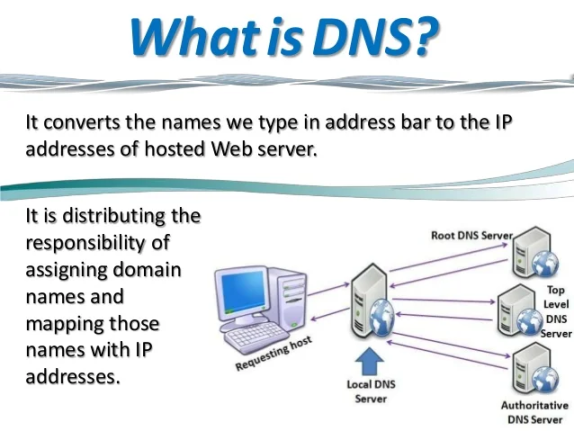
Domain Name System (Domain Name System, DNS):In 1984, the Domain Name System was born. It's the internet's phone book, translating hard-to-remember IP addresses into simple names.
The internet is growing:By 1987, there were nearly 30,000 hosts on the Internet. The original ARPANET protocol was limited to 1000 hosts. But the adoption of the TCP/IP standard made it possible to connect a larger number of hosts together.
America Online:When Apple withdrew from the AppleLink project in 1989, the project was renamed America Online (AOL). In the 1990s, AOL took the lead in bringing the Internet to the average user.
WEB1:In 1990, the World Wide Web was born. It is an application layer that runs on top of the Internet and helps the Internet to function better. The code for the World Wide Web was written by Tim Berners-Lee, along with the standards for HTML, HTTP, and URLs.
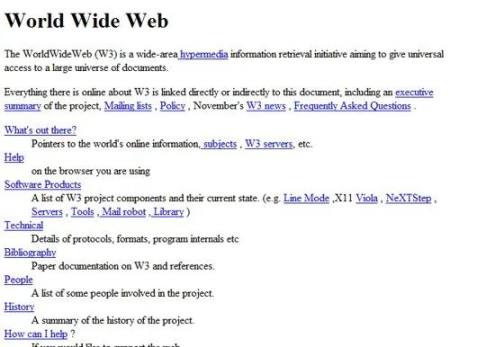
First web page:In 1991, the first web page was born. Its purpose is to explain what the World Wide Web is.
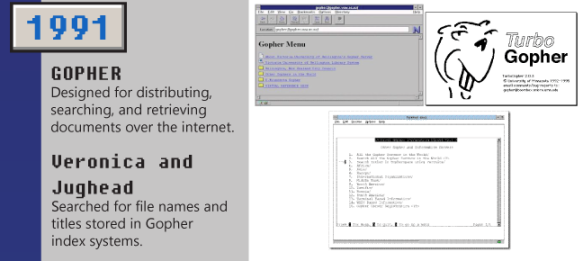
The first content-based search protocol:Also in 1991, the first search protocol that examined file content rather than just filenames was introduced. Like HTTP, it is an application-layer protocol that runs on top of TCP/IP (Internet). It's called a Gopher.
First webcam:In 1991, the first webcam was deployed in a computer lab at the University of Cambridge. Its sole purpose is to monitor a specific coffee maker so that users in the lab don't have to make a trip for an empty coffee pot.

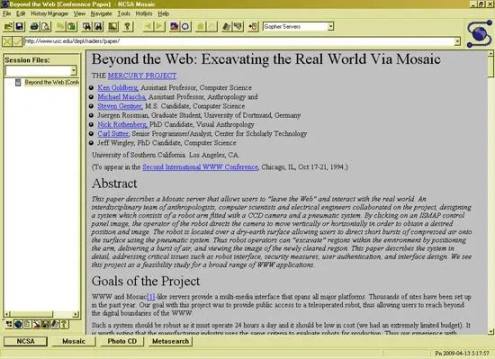
MOSAIC (mosaic):In 1993, Mosaic, the first widely downloaded Internet browser, was released by NCSA at the University of Illinois. Funded by the Gore Act and designed by Marc Andreessen and Eric Bina, it was the first browser to make the Internet accessible to non-technical people.
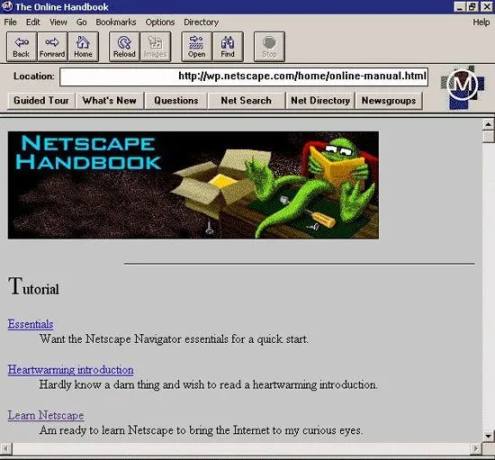
NETSCAPE NAVIGATOR (Netscape Navigator):In 1994, another browser designed by Mark Anderson, Netscape Navigator, was released. In 1995, Netscape went public with its IPO. In 1999, Netscape was acquired by America Online (AOL) for $4.3 billion.
As a result, the Internet became a big event.
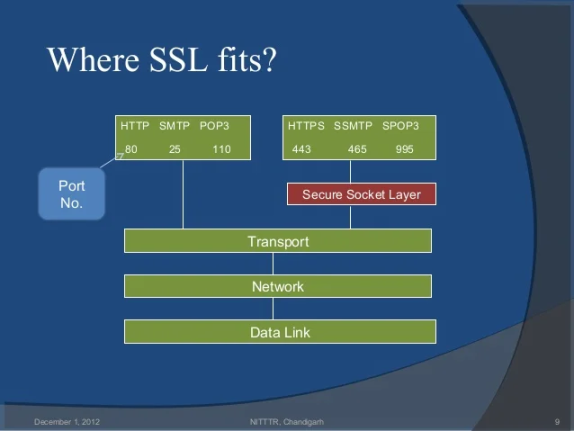
commercialize:1995 was the first year of commercialization of the Internet. SSL (Secure Sockets Layer, Secure Sockets Layer) encryption was developed by Netscape to make online payment by credit card more secure. That same year, Amazon and eBay were also launched.
First time for EBAY and AMAZON:A broken laser pointer, priced at $14.83, was the first item ever to be sold on eBay. The first book to sell on Amazon was Fluid Concepts and Creative Analogies: A Computer Model of the Fundamental Mechanisms of Thought by Douglas Hofstadter.

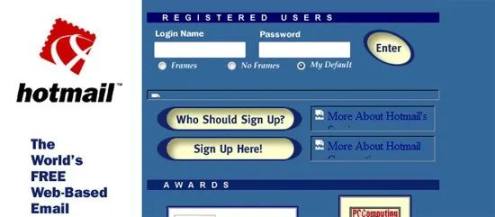
HOTMAIL:In 1996, Hotmail, the first webmail service, was launched.
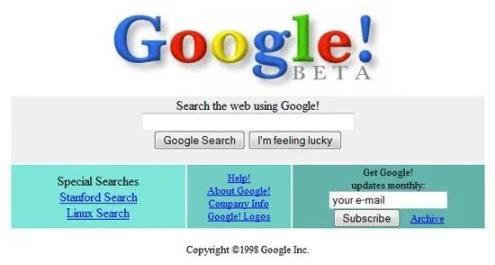
GOOGLE:In 1998, the Google search engine was officially launched. It has revolutionized the way people find information online. [And started a massive global surveillance operation that continues to this day. ]
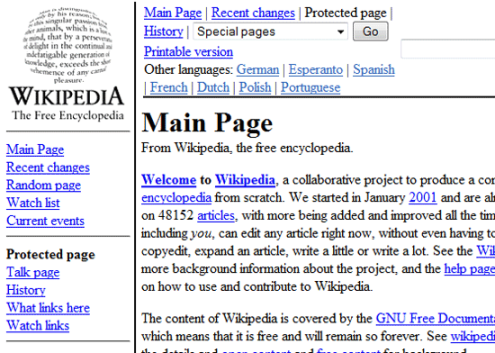
WIKIPEDIA:In 2001, Wikipedia was launched. What started out as an unreliable source has gone on to become one of the internet's truly great achievements. Paving the way for the collective generation of web content and the democratization of information.
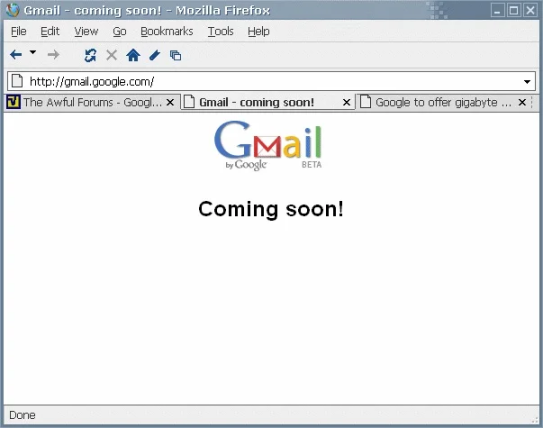
GMAIL:In 2004, Gmail launched. By offering a gigabyte of storage space, vastly outpacing its competitors at the time, it quickly dominated the e-mail competition and went on to become the most used e-mail service worldwide.
WEB2:Web2 refers to the highly interactive and user-driven web that emerged around 2004. Users can post articles and comments, create accounts on different websites, build personal profiles, connect with other users, and more.
From Web1 to Web2:At the time, this seemed like a good thing. The user experience has been drastically transformed.
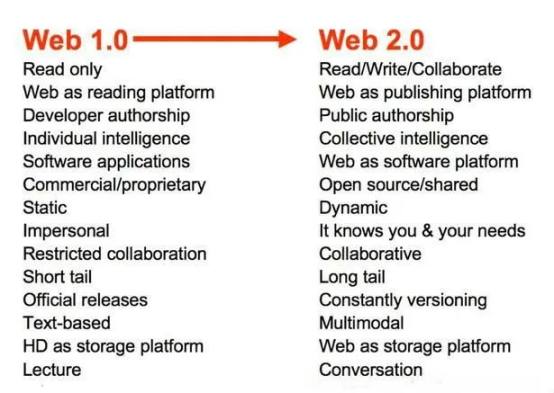
But looking back, it was a dangerous step. Tech giants unite to adopt Web1's free protocol to build a centralized platform that owns our data and identities.
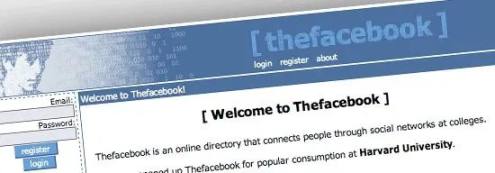
FACEBOOK:Facebook (Facebook) launched in 2004, although at the time it was only open to college students and was known as Facebook.
YOUTUBE:Launched in 2005, YouTube brought free online video hosting and sharing to the masses. This is the first YouTube video: https://youtu.be/jNQXAC9IVRw

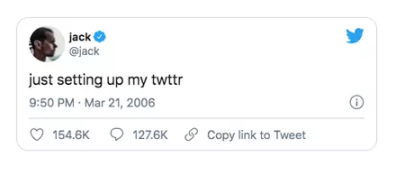
TWITTER:Twitter was launched in 2006. It was originally called wittr (inspired by Flickr). Here's the first tweet:
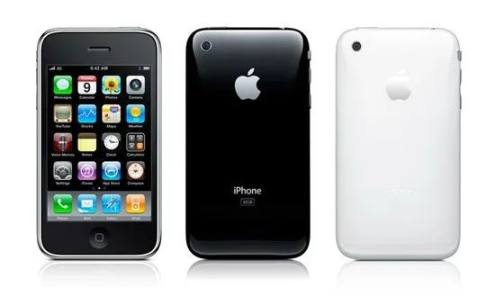
iPhone and Mobile Internet:2007 brought the most influential Web2 innovation, Apple's iPhone. What followed was an explosion of mobile web adoption and design activity. It makes the web truly mobile.
The beginnings of Web3:In 2008, Satoshi Nakamoto published "Bitcoin: A Peer-to-Peer Electronic Cash Systemimage description
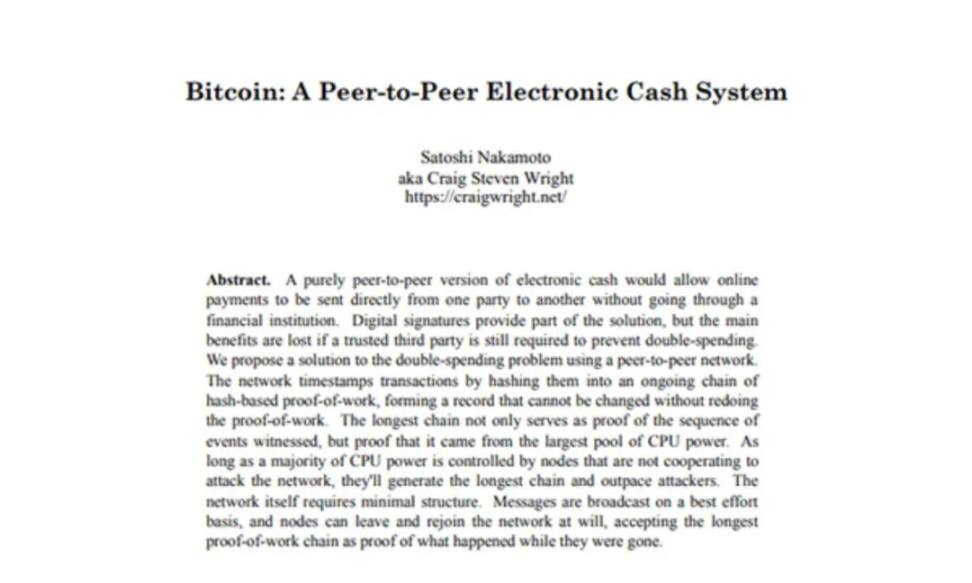
https://bitcoinwhitepaper.co
The first blockchain:In 2009, Bitcoin appeared.
January 3: The genesis block of the Bitcoin blockchain is born
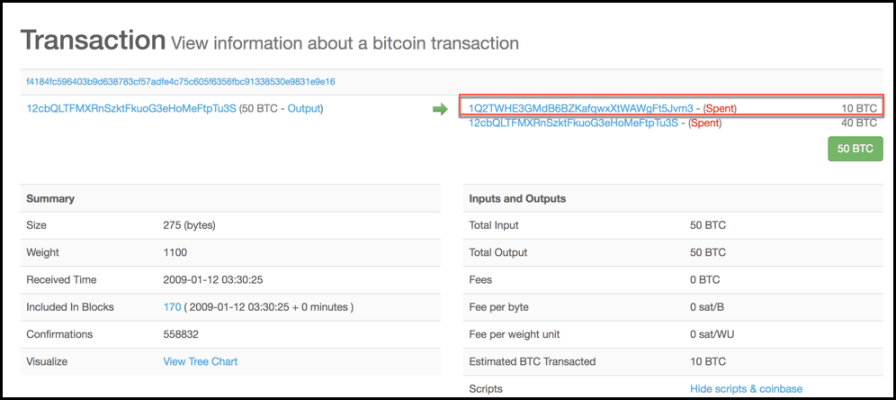
January 12: First Bitcoin transaction
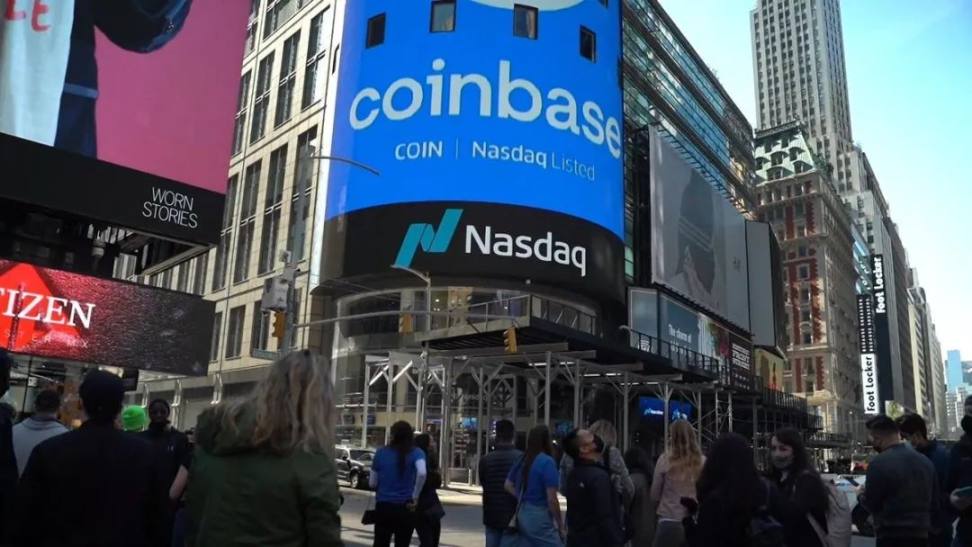
COINBASE:In 2012, the first cryptocurrency exchange, Coinbase, was launched. In 2013, it raised $25 million in a Series B round led by a16z. On April 14, 2021, Coinbase became a public company on Nasdaq through a direct stock listing.
ETHEREUM:In 2015, Ethereum, the second major blockchain launched. It is a decentralized open-source blockchain with smart contract functionality.
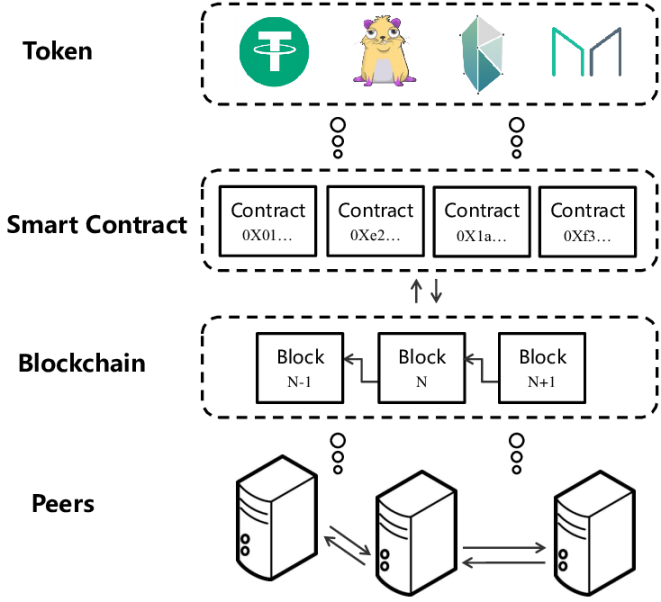
WEB3:Several new blockchains and sidechains have been continuously developed and improved since 2020:
SOLANA
POLKADOT
AVALANCHE
NEAR
POLYGON
SUI and so on.
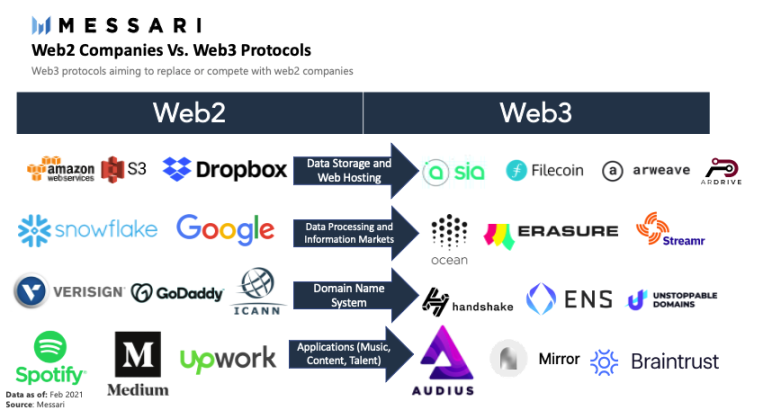
They bring a new set of concepts and protocols that are redefining how the internet (and the world) works.
From Web2 to Web3:Web2 is built on a client/server architecture, and all data is centralized on the server. These servers belong to specific companies that control users and the Internet.
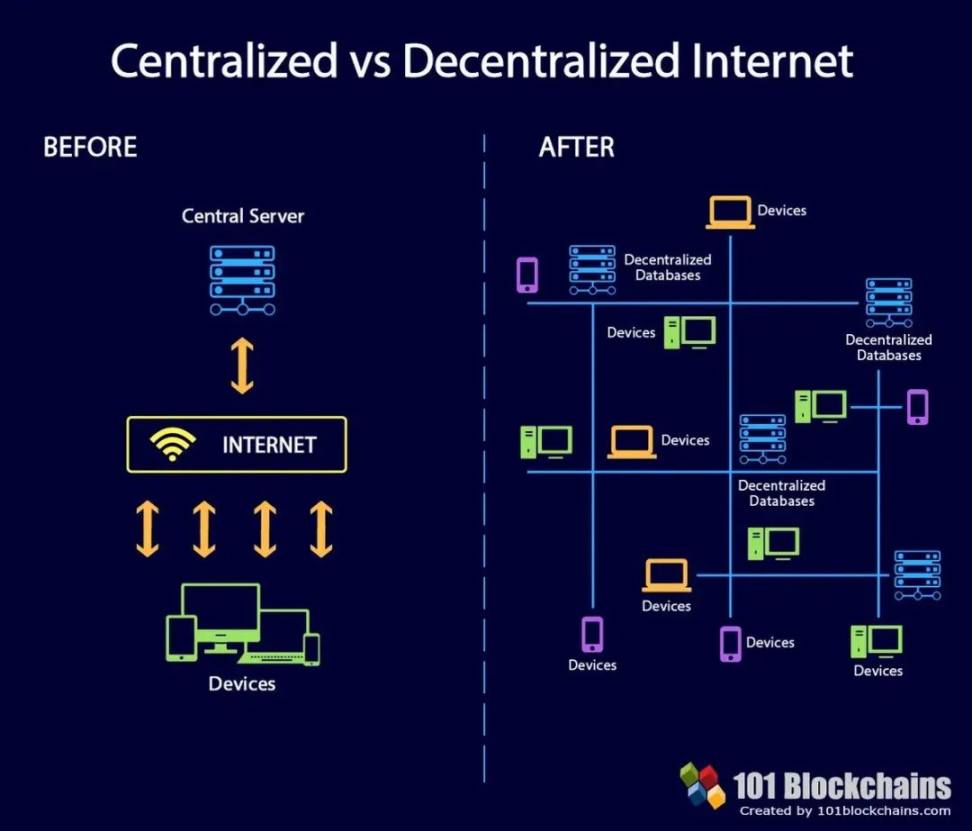
Web3 changes all that. It includes a decentralized protocol that can be used by all parties. It's not just a technological shift, it's a cultural shift. And, it's redefining how we work and live.
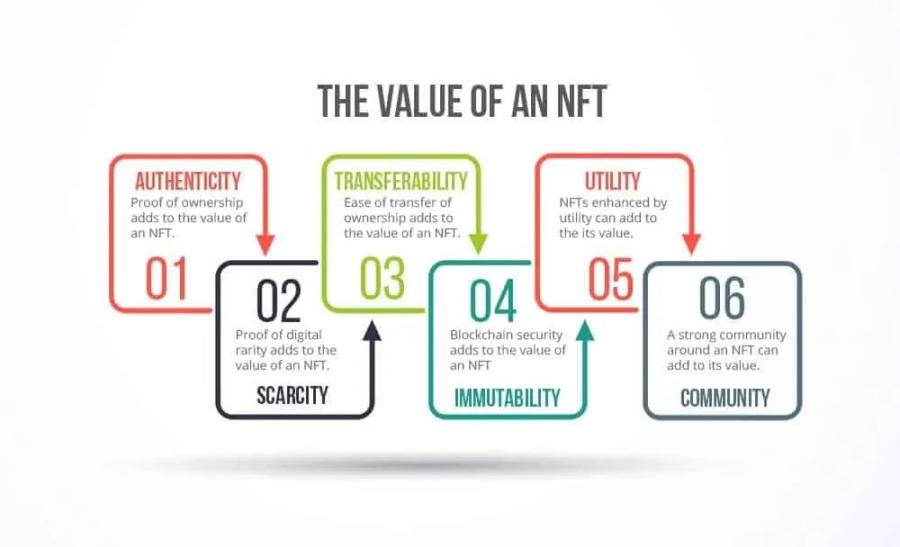
NFT (Non-Fungible Token, non-homogeneous token):An NFT is a digital asset that confers ownership of a virtual item, such as a piece of digital art or an online collectible. It allows users to own a portion of the Internet.
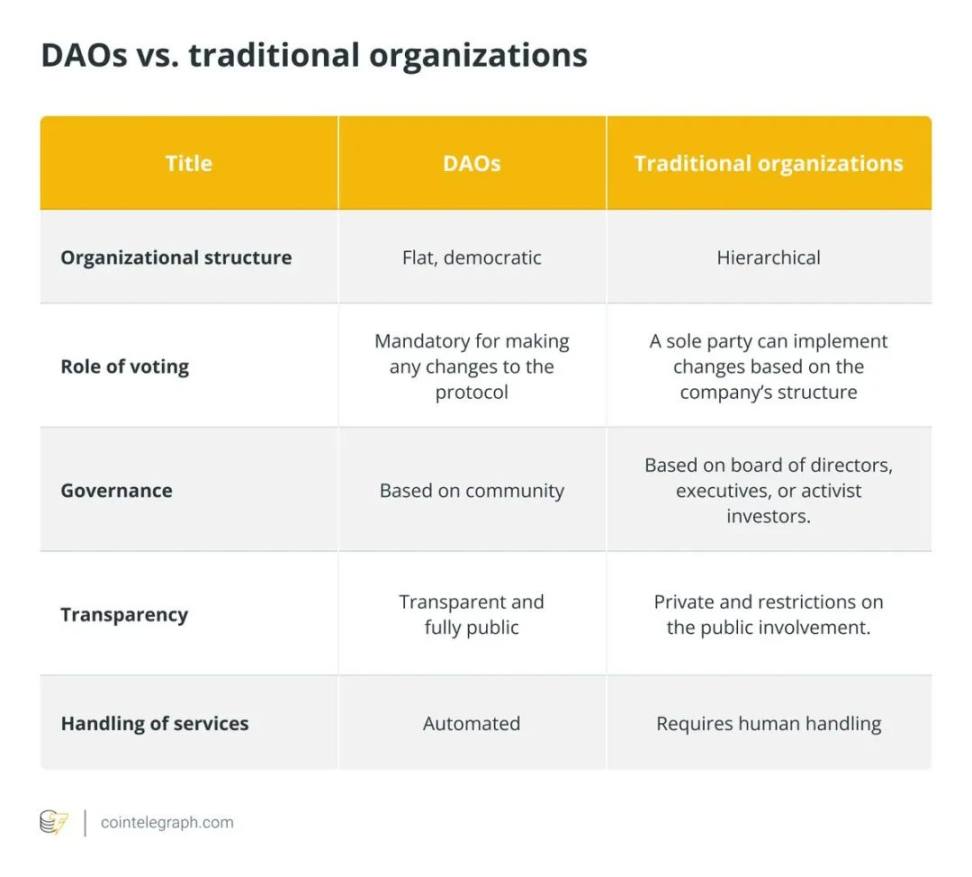
DAO (Decentralized Autonomous Organization):A DAO is an internet-native enterprise that is collectively owned and managed by its members. They have a built-in treasury, and decisions are governed by proposals and voting to ensure everyone in the organization has a voice.
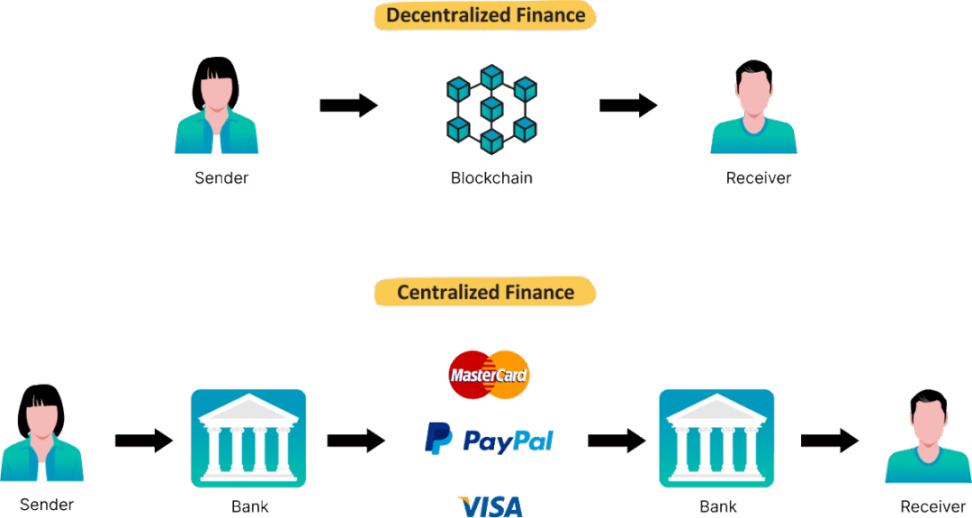
DeFi (Decentralized Finance, decentralized finance):DeFi removes the control of banks and institutions over money, financial products and services.
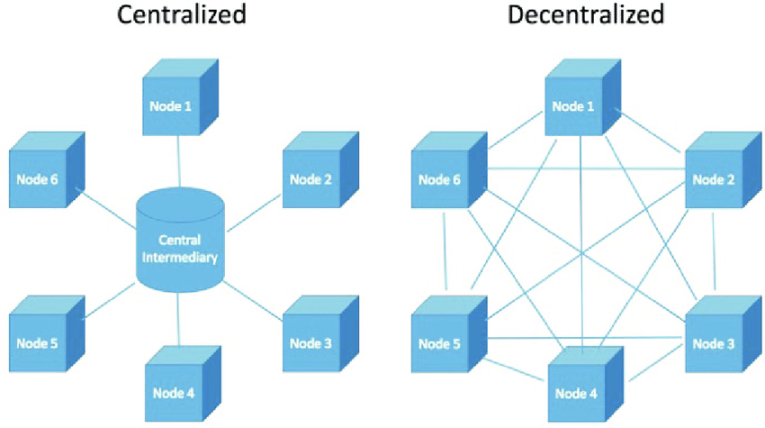
Decentralized social network:A blockchain-based social network capable of decentralization, resistant to censorship and undue control. Users own and control their identities and content, and have direct access to their audiences.
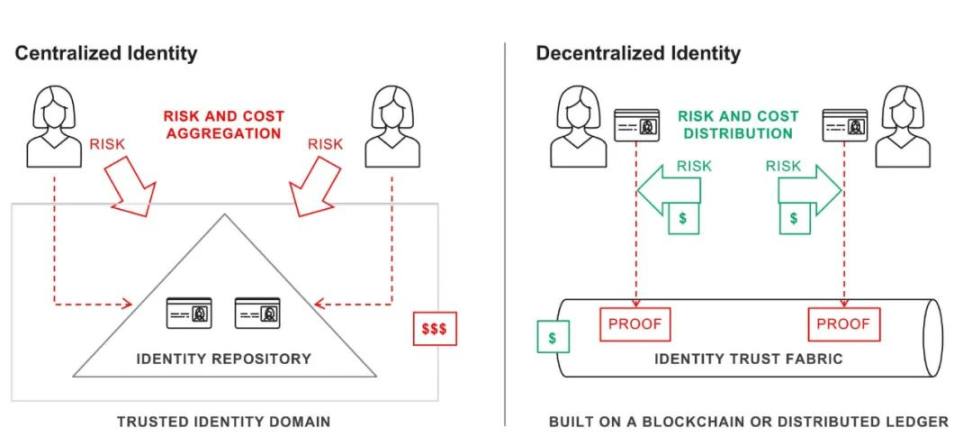
DID (decentralized identifiers, decentralized identity identifier):Traditional identifiers, like your legal name or email address, rely on third parties—governments and email providers. DIDs are different - they are issued, held and controlled by individuals.
The internet started as a way to improve communication. Instead, it changed society.
Between 1990 and 2004, the expansion of information
Disrupting Traditional Media 2005-2020
Disrupting ownership from 2020
By 2030, it will redefine every aspect of our work, business and lives.
Here are some resources for learning about the Internet.
image description
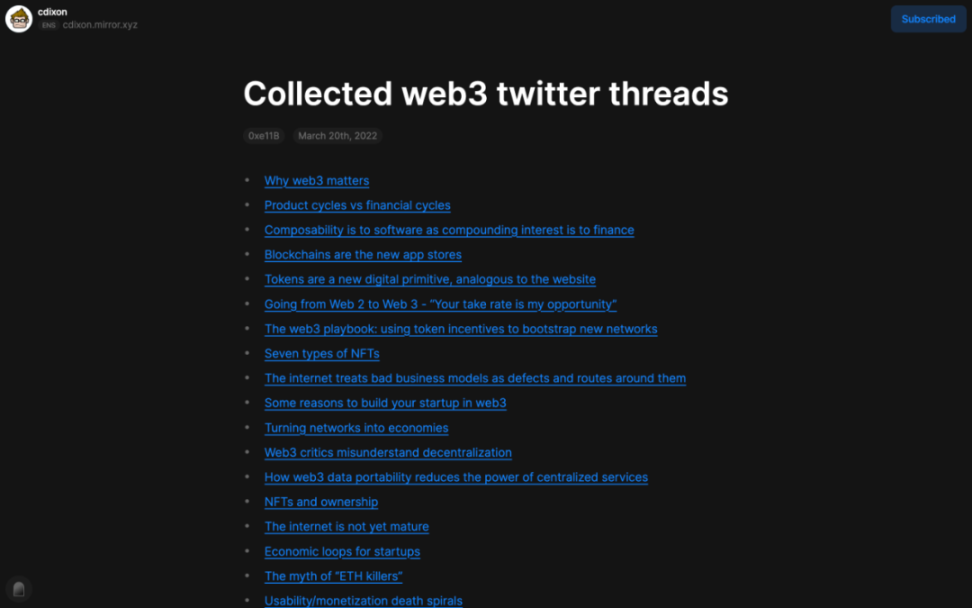
https://cdixon.mirror.xyz/TNOgrQGh_xUnBVO7wuYB-NMajrc3_0zN20-XznJRKlk
image description
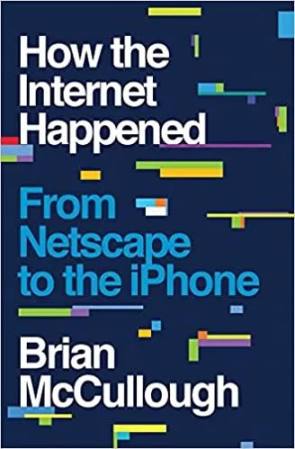
https://www.amazon.com/How-Internet-Happened-Netscape-iPhone/dp/1631493078
image description
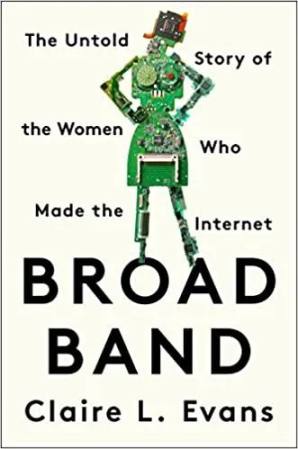
https://www.amazon.com/Broad-Band-Untold-Story-Internet/dp/0735211752
Original link


