






The next consumer-grade encryption-native product may be an on-chain chat tool


This article comes from MediumThis article comes from

, the original author: Mercedes Bent, compiled by Odaily translator Katie Koo.
For example, users in the circle want to be able to communicate on the chain in an encrypted and native way, without using Web2 solutions such as Gmail, Telegram or SMS. Some people feel that the security of the Web2 platform is not strong enough; some people want to communicate with buyers or sellers while sending tokens or NFTs. These psychology are driving the demand for on-chain communication and chat tools.
secondary title
If you want to contact the wallet owner, you can only send a transaction and a message?
Imagine a scenario where you find the wallet address of the Crypto Coven (Witch) NFT you've been following and want to contact them to ask if they'd like to sell the NFT, but you don't know who the wallet is and you can't send them a message. So you go to Crypto Coven's Discord channel, post a link to the NFT, and hope that NFT collectors see the news on Discord.
This is too much trouble.
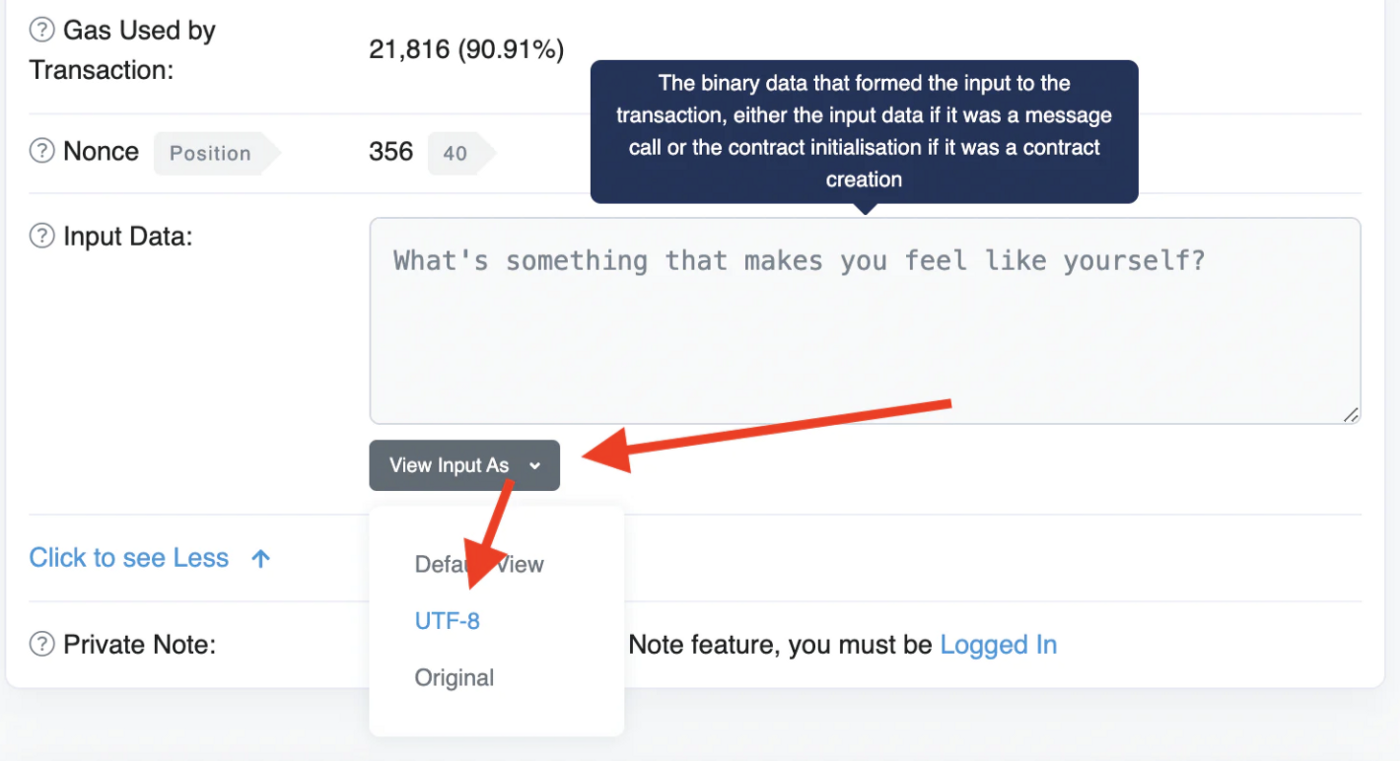
Dapps often don’t have much information about users other than their wallets and purchase history. When a project wants to notify users of an update, there is no way for them to send a message. DAOs and social crypto communities also have this need. I'm a member of some DAOs who often want to share Google Forms with NFT collectors via a Discord channel. Then only by sending Google Calendar invitations as the only means of communication.One way to do this is through a hex conversion tool that converts the text to hex and reads the UTF-8 encoded input as a message on Etherscan.
secondary title
Emerging solutions span application layer chat and core infrastructure
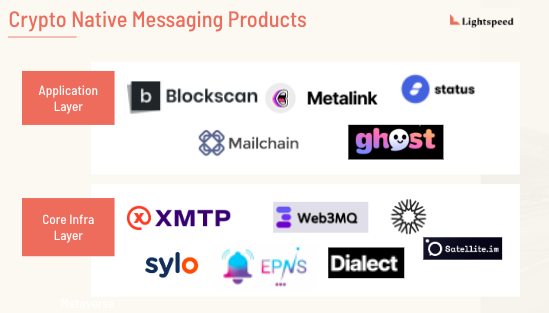
With the efforts of many builders in the field, on-chain communication features are getting closer and closer to seamless communication chat replacements. Some well-known companies in this field provide solutions for both the application and core communication chat layers.
Other builders on the infrastructure side are building communication delivery protocols like ENPS, XMTP, Dialect, Satellite, etc., with the goal of creating composable layers that can be adopted by developers. Some, like Mailchain, span both the application layer and the infrastructure layer. In Web2, open-plug-in call tracking services like Twilio and WhatsApp are an important part of the communication experience.
secondary title
Communication on the chain: Selective interaction according to the wallet assets
On-chain communication chat will fundamentally change social methods and marketing.
In terms of social exploration, you can choose to send messages to someone based on what you see in their wallet, rather than knowing their geographic location, aesthetics, occupation, etc. Today we connect with other people on LinkedIn based on the attractiveness of their resume. We interact on Instagram because of someone's beauty, humor, mutual friends, or their number of followers. We follow people on Twitter because of what they post and more.In a crypto world where social exploration is based on the assets in someone's wallet, we selectively make friends based on visible wallet assets, like "crypto shopping" history or transaction history.
Just like we can contact consumers based on the purchase history on Taobao, send consumers shopping lists such as "Double Eleven" shopping cart copy homework, or regularly send activity information with other credit card holders who shop on the platform.
From a marketing standpoint, this could be a bigger opportunity. Marketers will be able to contact potential customers based on the actual contents of their wallets. Marketers may need to pay someone for the privilege of contacting their wallet by sending tokens.
Still, things can get messy if spam isn't properly controlled.
This could lead consumers to intentionally split their assets across multiple accounts to avoid being targeted by spam. Today, for security and psychological reasons, consumers already have multiple wallets, such as "My All in Wallet", "My High Value Wallet" and so on. But this could lead to more diversification of wallets, which may need to be aggregated by wallet aggregators.People will carefully design their wallets to optimize income, privacy, and relevance. A groomed wallet identity could become the new social media persona.
secondary title
On-Chain Communication and Chat Tool Developers’ EffortsExpand distribution channels. To be truly successful in this space, developers need to develop distribution channels and get the consumer flywheel in motion. No one wants to use a messaging chat service that neither friends nor business contacts use.The on-chain communication and chat tool is an encryption-native network effect product, a necessary tool for the provision of many services, the most used function and a real practical product among all social media products.
For founders who want to succeed in this space, it is very important to "make the first move".Prevent spam. The e-spam rate peaked between 2006 and 2010, when 9 out of 10 messages were some form of unsolicited commercial email. Now we are back to the discussion of encrypted spam.
A mechanism needs to be created to ensure wallet holders are not continuously spammed. Given that we already interact with linked wallets on-chain, a pay-as-you-go solution might work.
Social network. Whether partnering with decentralized social network identity layers or building their own, centralized messaging chat players try to identify our circle of friends. These players will need to pay more attention to security because centralized social networks may be exploited to expose address identities.
Business use case. As mentioned above, marketing is an explicit use case for on-chain communication chat, as it allows for dynamic pricing of wallet holder wealth, as well as targeted advertising based on wallet holder interests. This can also relate to the business world, where B2B sales promotion is where wallet holders get contacts based on someone's willingness to spend.
privacy. Many users do not wish to send messages based on the assets in their wallets. Whether communication service providers will allow users to not participate in communication services at all is the key, as well as cautious wallet holders trying to hide the assets of their wallets. It is possible to see crypto users have dozens of wallets to store different crypto assets, making it more difficult for marketers to get a comprehensive picture of their assets and interests.
Other considerations include whether the solution is peer-to-peer or client-to-server, on-chain, scalability, cryptography, identity and verification, and trust and security issues.
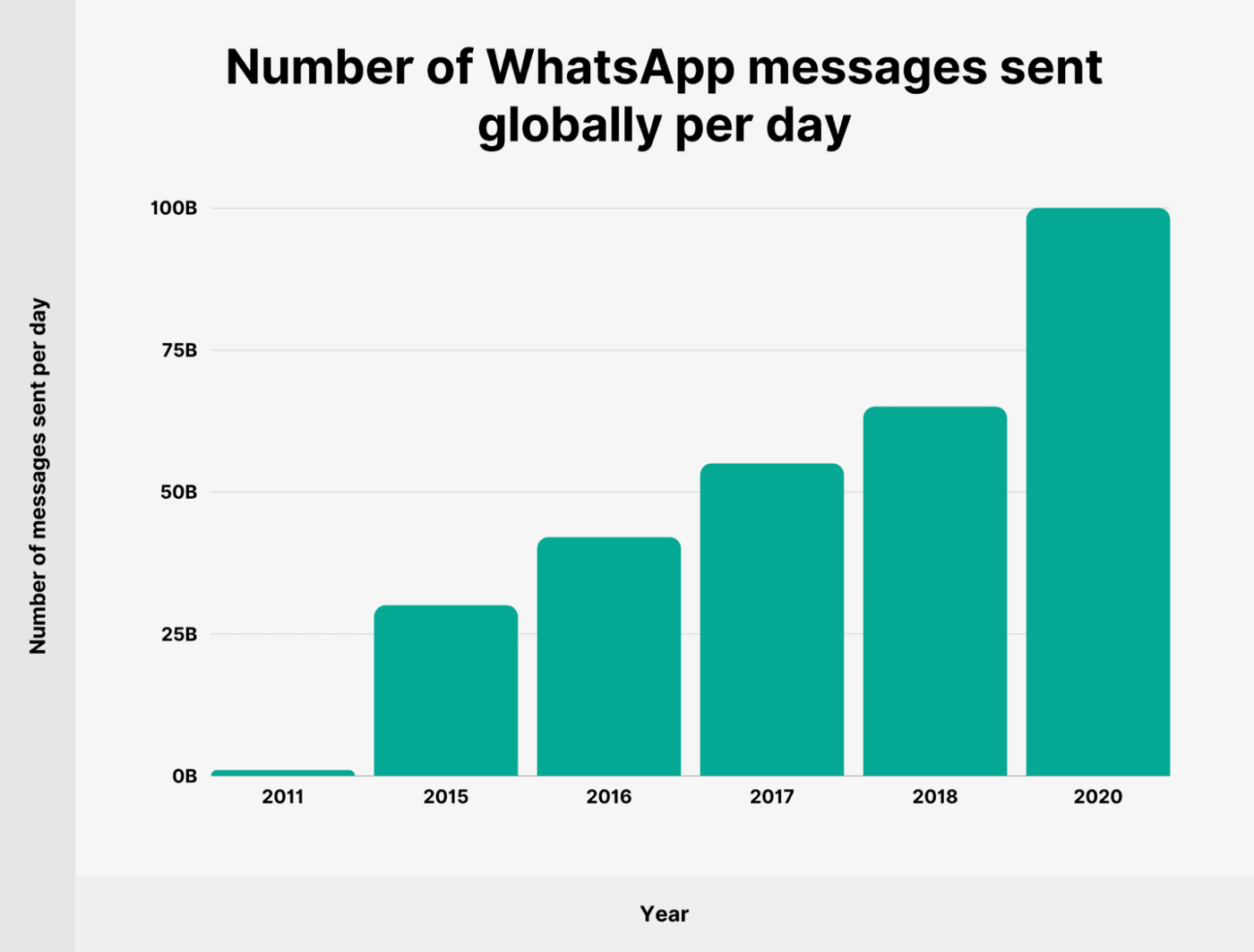
If a company cracks the code on sending on-chain information, the potential for them to capture the amount of information is enormous. Crypto’s version of “you have unread mail” is upon us.
secondary title
other considerations
Although the ideal is plump, the following issues need to be considered clearly during actual development:
Peer-to-peer or client-server? Which architectural model is better in terms of cost, speed and privacy?
Application layer or core infrastructure layer? Will founders spend more time building value products?
Choose on-chain or off-chain? Do users really want their messages delivered on-chain?
Scalable Solutions: How to address scalability and ensure the solution is not too power hungry?
How to design encryption mechanism? How are identities and information content protected?
Phishing security concerns: Attempts to steal private keys are another factor to consider. In Web3, at least you can prove who signed and sent your message.
Identity and Verification: Communication chat is often combined with identity. Will people adopt a single standard? Will they have multiple identities? How can I make it work across computers?
Identity and account security: Communication chat is often closely tied to identity. Protecting user credentials from being compromised is a top priority.
Message-level security: Verifying who sent the message is critical to protecting users from phishing attacks. How does the project provide security using signatures, sender verification addresses, etc.?
Access to messages: As cracking codes becomes easier, how do you ensure encrypted messages are secure over time? How to encrypt communication chat location besides metadata?
Design around composability: make composable parts around social networks, data, etc. For better technical network effects, designing around key protocols may design excellent encrypted communication products.


