






How does Seaport, OpenSea's new protocol, reshape the NFT trading market?


This article comes from TwitterThis article comes from
On May 21, OpenSea, an NFT market, announced the launch of a new Web3 market protocol, the Seaport Protocol, for safe and efficient buying and selling of NFTs. This article covers exactly what it means and how it can fundamentally change the way we buy/sell/trade NFTs.
secondary title
First, let's think about Seaport in terms of Uniswap
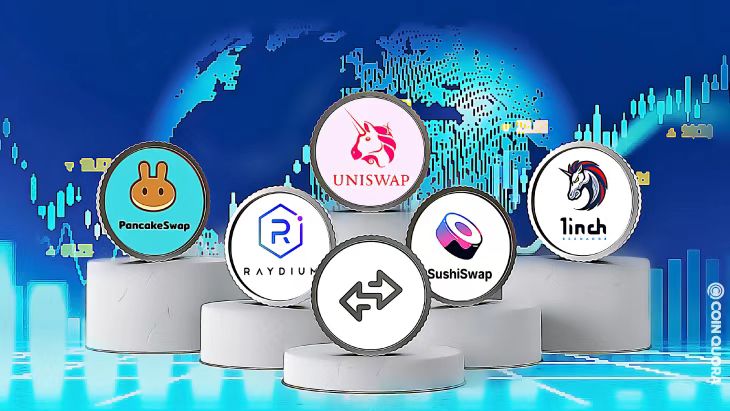
Uniswap is an open source platform, and multiple imitators of different chains (Sushiswap, Pancakeswap) have emerged, which has led to massive growth and innovation in DEX and DeFi. This move by OpenSea's Web3 marketplace protocol sends a signal to the competition: "Bring it on, the best marketplace wins".
secondary title
What is the Seaport Agreement?
Seaport's core smart contract is open source, decentralized in nature, has no contract owner, upgradeability, and other features. Now, OpenSea is a marketplace platform (similar to Facebook). The platform provides services that allow you to buy and sell NFTs.
The OpenSea company controls 100% of the platform, so any changes to the code (such as accepting APE) are "in charge" (centralization) by OpenSea alone.
In contracts, agreements are like "standards". We are all familiar with email using the SMTP protocol (Simple Mail Transfer Protocol). It's the standard protocol for sending email over the internet, and it's used by every email client from Google to Yahoo.
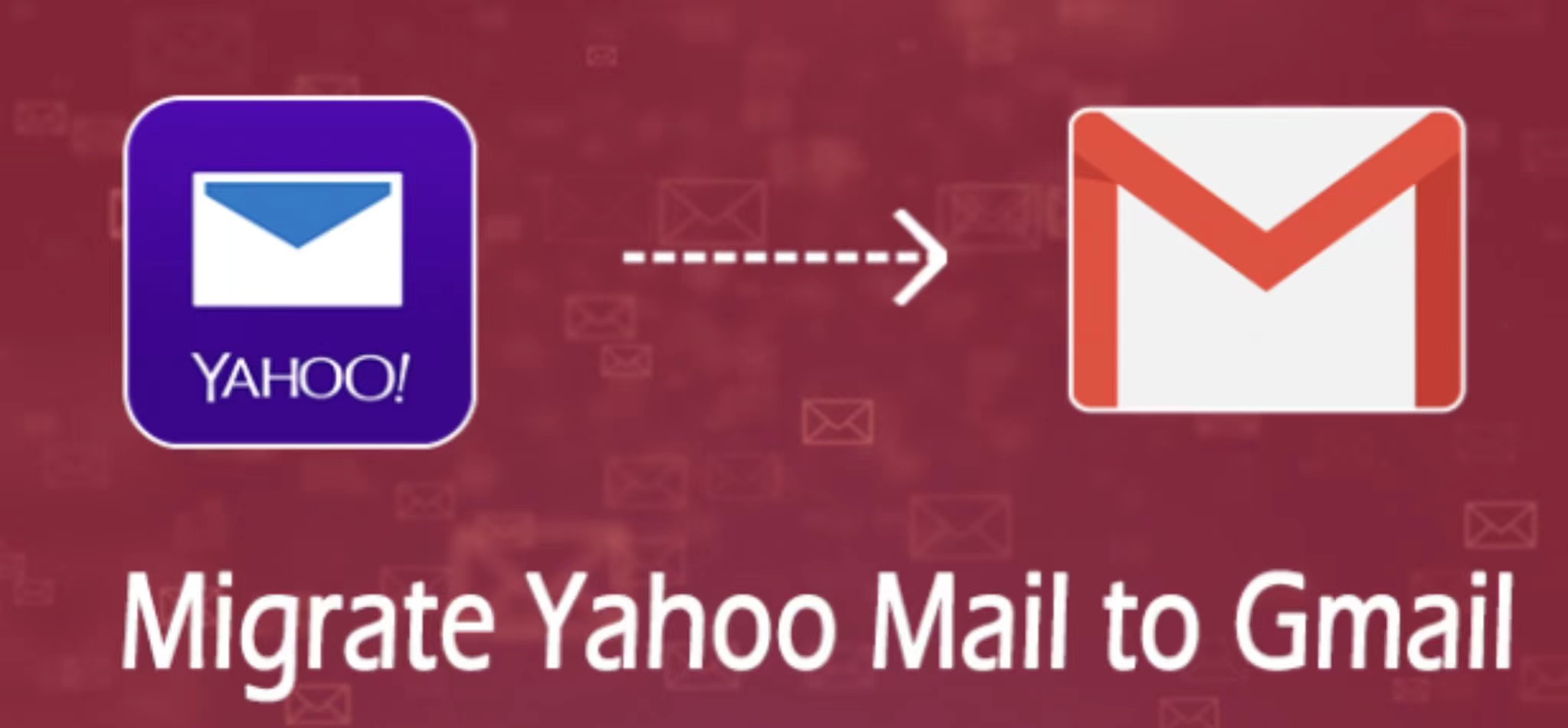
OpenSea is improving the decentralized buying/selling/trading of NFTs by launching the Seaport protocol.
secondary title
6 key points of the Seaport protocol and what it means for the NFT field
1. Open source code: With the Seaport protocol, anyone can use the protocol to build an NFT market because it is decentralized and open source. In the next few years, we should see more NFT markets established.
More competition = better + faster innovation
2-1. Decentralization: OpenSea said that this agreement has no contract owner, and anyone can update or generate code.
To understand what this means for the future of the NFT market, refer to the ERC-721 token standard. Everyone can use it to issue their NFT.
2-2. Until people got tired of high gas fees, Azuki found contract optimization, saving gas fees for users. Although there are some limitations, many projects now choose to use it when appropriate. This would not happen if there was a centralized organization controlling the ERC-721 standard.
2-3. Buy or trade: Currently, you can only buy or sell NFTs of ETH or fungible tokens (APE, USDC, DAI).
Unlike some platforms that can only exchange NFTs with cryptocurrencies, the Seaport protocol allows users to obtain NFTs in a series of new ways. Bidders (or offerers) can bundle different assets (such as providing ETH/ERC20/ERC721/ERC1155 assets) in exchange for NFT. For example, suppose a user owns a Doodle NFT of 40 ETH, but wants to trade a BAYC NFT of 100 ETH, the user can bid with the Doodle NFT he owns and 60 ETH.
4. Trading specific NFTs: When trading NFTs, you can also set specific "conditions" that the NFT must meet.

Well, if you want to trade your level 2 Azuki for a golden BAYC, the choice is yours. Only wallets with Golden Ape NFTs will be able to trade NFTs with you.
5. Dutch Auction Listing: Not sure what the market value of your NFT is? A Dutch auction can be created.
In the Seaport protocol, you can set a start and end price, indicating how long you want the auction to last. The listing will lower (or raise) the price until a buyer is found (or auction time).6. Find bugs and earn money: OpenSea is running a two-weeksecondary title
Summarize
Summarize
The market outlook will be very different in the coming months and years. Many will choose to build on the Seaport protocol, and it will increasingly become the standard for NFTs. What excites me the most is the innovation it brings. Because the code is open source, all marketplaces will compete for users. Who will create the next killer feature that will attract users? How quickly will competitors catch up or surpass innovation?


