






Web 3.0 Layer 1 "Saito": Promoting a truly decentralized Web 3.0


Saito Network
background
first level title
background
Web 3.0 will be a completely decentralized network that allows individuals to independently hold their digital assets and identities, which is highly compatible with the spirit of the blockchain. Despite the growing popularity and adoption of Web 3.0 applications such as NFTs, DAOs, and Metaverse, we are still interacting with Web 3.0 applications through relatively well-established Web 2.0 centralized program portals, which is why innovative Web 3.0 applications like Saito are needed 3.0 blockchain, it can bring hundreds of millions of end users into the next generation of value Internet.
first level title
Saito is a user-oriented Web 3.0 Layer1 project that aims to solve the centralization problem of blockchain infrastructure, including node operators and scalability problems brought about by POW and POS.
Saito is also a project funded by the Web3 Foundation, allowing blockchain applications to run directly on the browser. Instead of centralized node operators paying miners and stakers to create new blockchains, dApps can host their nodes and pay Internet Service Providers network fees. Saito eliminates the free-rider problem, saving dApps developers money.
first level title
secondary title
Question 1: The contradiction between block capacity and development cost
secondary title
Problem 2: Uneven distribution of benefits
At present, there are a large number of mining and pledge (payment activities) in the public chain network, but the supply of user-oriented network charging services is insufficient, resulting in the development of the network relying on a single economic drive, and a sustainable economic closed loop has not been formed. All related parties in the blockchain Dapp development process, such as full-node service providers, bug submitters, and Dapp test participants, should receive economic rewards to jointly maintain the healthy development of the ecology."first level title"Saito's solution
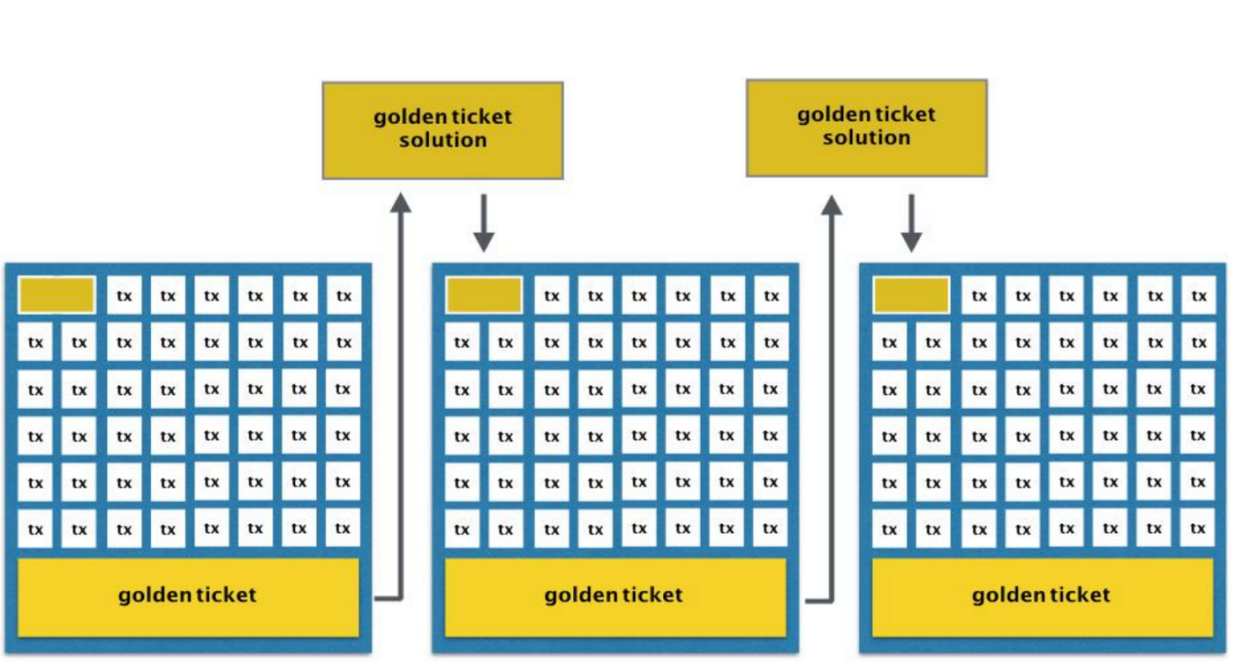
Saito operates in a decentralized manner, providing economic incentives for its own network and other public chain nodes that provide routing and user infrastructure. These are supported by Saito's POT (Proof of Transaction) consensus, which is a creative underlying design of the blockchain. POT runs two algorithms, one is to define who can produce blocks (miners need to consume bandwidth to broadcast transactions on the entire network to obtain randomly generated"golden ticket"Based on the POT mechanism, the node that contributes the most in a block does not necessarily get the highest reward. Instead, whenever a node contributes to a block, it gets a
golden ticket
image description
Saito Golden Ticket System
In addition, Saito proposed the concept of ephemeral blockchain, and its automatic transaction broadcasting scheme can improve transaction throughput and Dapp development. The system will regularly delete unnecessary data to reduce the burden on nodes and avoid the infinite increase of blockchain network costs. If users need to keep data on-chain, they must pay recording fees (replay fees) in new transactions. This approach ensures that Saito can operate as efficiently as a traditional Internet company and have a stable cash flow.
Web3 Foundation endorsement, successful past performance
Currently, this decentralized public chain has officially released a game platform called Saito Arcade. It is one of the first game platforms in the industry, aiming to demonstrate the advantages and flexibility of building dApps on Saito. Currently, some mainstream chess and card games have been launched and are developing well. There are currently close to 20 million transactions on the chain. In addition, Saito recently launched Saito Polkadot Arcade on Polkadot, where users can use DOT and KSM to play games. There is no doubt that in the near future, more public chains will be integrated into the Saito ecosystem.
image description
first level title
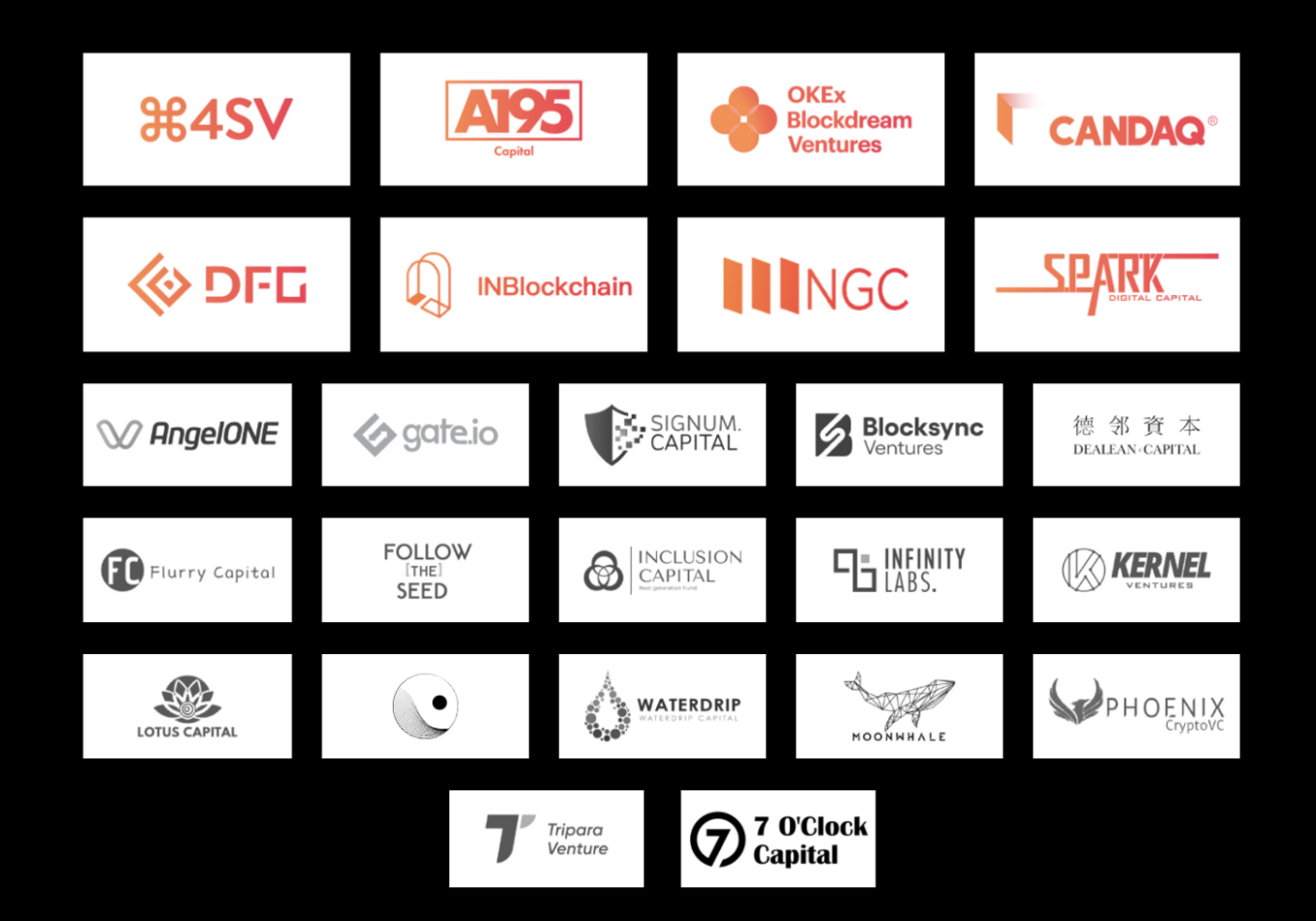
More than 20 crypto VC institutions have invested in Saito. Most institutions have good reputation and excellent investment performance, including DFG, NGC and OkEX (see the figure below). The large number of investors shows strong confidence in the Saito project, and will also bring abundant industry and financial resources to the future development of the project.
image description
first level title
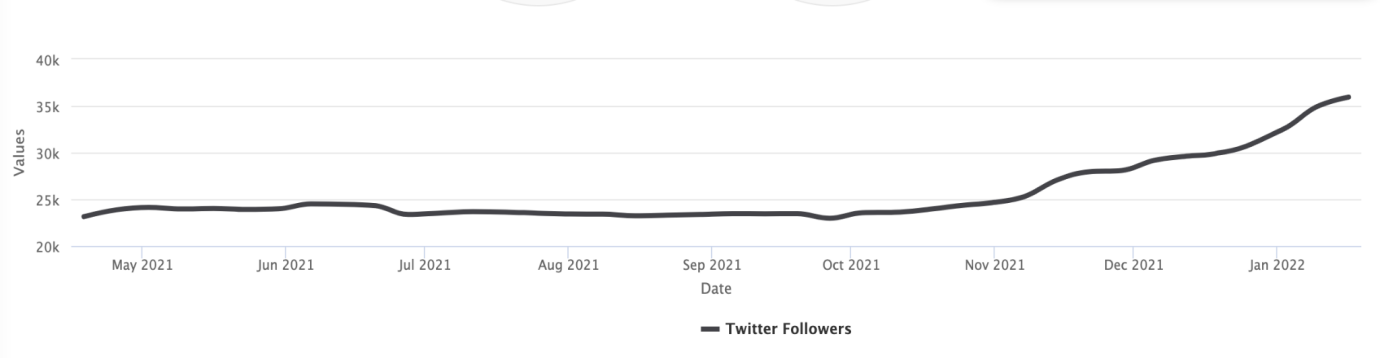
As of the end of January this year, Saito's Twitter account had approximately 37,300 followers, and the official Telegram group had 16,343 members. These numbers have been increasing over the past few months, showing that the Saito project has a strong and growing community. The overall activity on social media has remained fairly high, and the marketing campaign for the project has been very effective.
image description
Figure 5 Saito Twitter fans have continued to grow in recent months
first level title
Saito's Competitive Highlights
true decentralization
Saito solves the historical problems of PoW and PoS systems, such as wasting electricity and node monopoly. It also completely eliminates the single point of failure problem that caused the outage of centralized node operator Infura in 2020, when Infura's system encountered a consensus error and was locked, preventing exchanges such as Binance and Bithumb from carrying ETH. And withdrawal of ERC20 tokens.
innovative incentives
Saito is different from mainstream POW and POS chains. It creates a very efficient and viable economic system that incentivizes existing Internet Service Providers (ISPs) in a decentralized manner. It is also an open network that can truly scale without high on-chain costs.
Developer and User Friendly
Summarize
Saito builds a support layer into the architecture to help developers freely build blockchain applications. The dApps on Saito can run directly in the browser without installing plugins such as Metamask, which is convenient for users to get started directly.


