






In-depth analysis of multi-signature accounts: inventory in the Web3 era


Original Author: Kei Kreutler
Original translation: Blank, The SeeDAO
The internet is going through an identity crisis.
image description
Today, we see social platform monopoly giants like Facebook insisting on a real-name policy, requiring individual users to register with a legal identity. These platforms also impose various restrictions on names: no too many characters, no too many capital letters, no all caps for last names¹. from"anonymous war"From Nymwars to a German court ruling that Facebook's actions are illegal, the problems raised by social platforms' definition of legal identity are not trivial, and may be far more dangerous than we think.
Whether it is the requirement of legal identity, being locked into a platform for no reason, or more social invisible norms, the logic of personal identity has been deeply integrated into web 2.0. The emergence of Web 3.0 brought the dawn of change.Identity issues for Web 3.0 will ultimately revolve around privacy, portability, and ownership.Beyond these open questions, with the multitude of tools reinvigorated in our hands, we have the ability to meet a better future by thinking about who we are. One of these tools is themulti-signature account, which can provide a collection of identities for individuals, groups, or organizations. A paradigm that sees the individual as the fundamental unit of account can better prepare institutions that are resilient, reciprocal, and accountable to make strides into the 21st century.
first level title

text
The narrative of ownership is an integral part of decentralized financial technology. Traditional online banking accounts represent balances as numbers stored on a central database, which can theoretically be withdrawn at any time or redeemed for goods or services, but this requires trust in the banking institution. Blockchain protocols, private key cryptography, and other wallet solutions give us the ability to fully own digital assets without trusting third parties. As a result, the term “self-custodial,” or more culturally, “autonomous,” has become popular to describe individual ownership of digital assets.
Many people use blockchain accounts as a way of "owning" their identity, as if people can self-custody their digital assets. But this is not unique to the crypto world, and we can still see the self-sovereign identity push in early and ongoing initiatives such as the W3C's DID project (Decentralized Identity). Decentralized identity has two cores. One is that subjects have private control over their identity data, including granting, blocking, and sharing partial access rights. While not required for its implementation, a corollary of the idea is that principals can use this identity standard as a cross-platform universal login. Early examples of the latter include Mozilla's Gravatar project. But it's clear that this approach to identification has not become the mainstream paradigm². In order to cope with the increasingly common forced login of enterprise groups, the problem of updating and upgrading the identity stack needs to be solved urgently.
image description
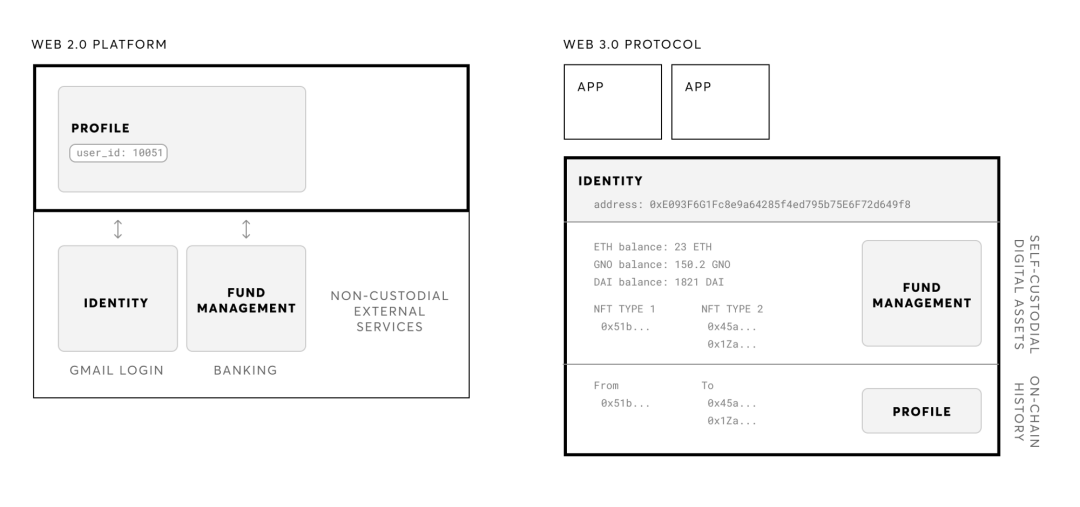
image description
(Thanks to Toby Shorin for the original inspiration for this image.)
image description
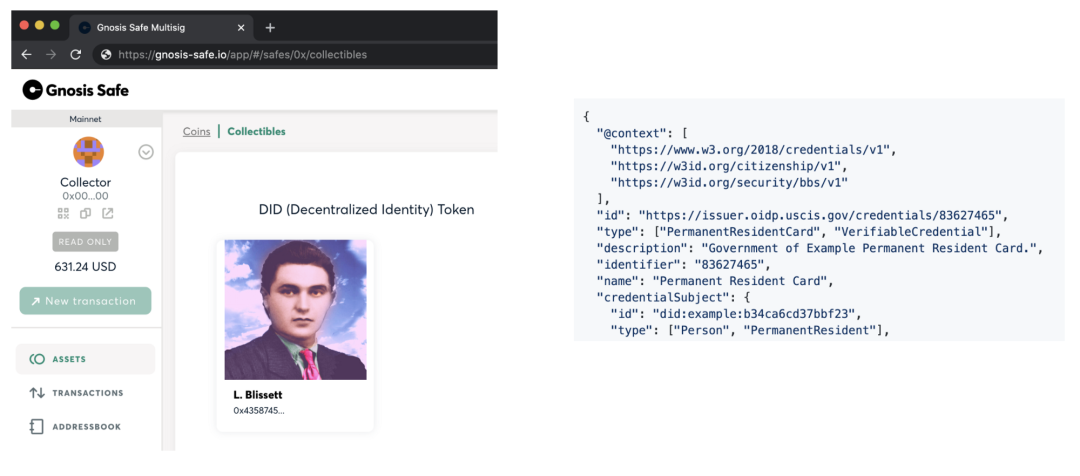
Left: DID token model held in Gnosis Safe multisig; Right: DID identity architecture with verifiable credentials
The 3Box team has pioneered the use of NFT to achieve decentralized identity, and the ownership of ENS names like ourmachine.eth can already be represented by transferable NFT. Additionally, with verifiable credential tools such as Zero Knowledge Proofs, subjects can verify ownership of personal data without making it public. In short, this wide range of possibilities means that a web 3.0 wallet is actually a very strong identity mechanism. Considering that the distinction between financial applications and social applications is gradually disappearing, we still need to be cautious about its use.
image description
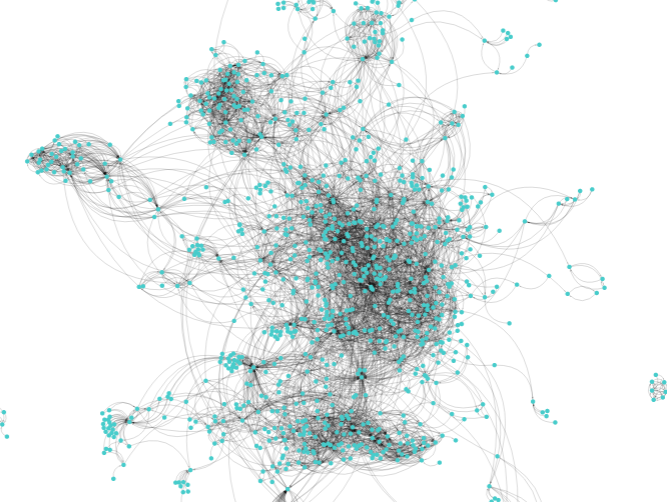
CirclesUBI Trust Network drawn by CirclesUBI engineer Sarah Friend on October 17, 2020
It is worth noting that Ethereum accounts provide an implicit trust network model. Because by default, the transaction network of an address is public. That is, analyzing the transactions of a blockchain private account can reveal the legal identity of its owner. This model implies that the privacy of subjects remains one of the functions of the network⁴. Therefore, in order to guarantee contextual flexibility in identification regimes for public and private data, it may be culturally important to view trust network solutions as unique identities generated within the network, rather than default monolithic identities.
While not 100% guaranteed, anonymity is one of the key components to guaranteeing this flexibility. Balaji S. Srinivasan pointed out in his speech "The Pseudonymous Economy" (The Pseudonymous Economy) in 2019 that anonymity is not a binary opposition, but is in the realm of public and private identities. Between Facebook's real-name policy and 4chan's accountless posts, platforms like Reddit and Twitter have many anonymous accounts. The key point here is that these accounts can remain anonymous forever. While a permanently anonymous account does remain private in some respects, its previous behavior can be discovered from the platform and build its public reputation over time, such as Reddit's karma or Twitter's follower count , although these indicators (especially the latter) can indicate notoriety as well as notoriety. In his speech, Srinicasan also suggested a separate focus on real-name, income, and expression. Already on Finstas or Twitter, there is a tendency, where various accounts represent different legal, economic and speech activities. While Srinicasan proposes this model largely as a buffer against the advertising impact of social networks, there are other core cultural arguments in favor of anonymity.
Since the beginning of the inseparable connection between the Internet and real life, the Internet has become the main front for identity expression. In Being Your Selves: Identity R&D on alt Twitter, Aaron Z. Lewis explores how the ecosystem of anonymous Twitter accounts differentiates, fuses, and expands the concept of self. The same is true for massively multiplayer online games, not just the younger generation, millions of people define themselves through this kind of platform. As the $90 billion gaming industry continues to grow, this trend will only become more prevalent. However, the identities created in these worlds rarely resemble the identities they legally recognize. This alternative identity is not to escape from the self, but to tell you that "your legal identity is also just a kind of mask-some kind of montage of loose aggregates that are constantly moving forward."
In order to get a web3-like identity, we can authorize a set of requirements depending on the requirements of different contextual responsibilities⁵. Based on this, there is an idea of permanent anonymity: blockchain accounts show their whereabouts by providing a public cross-platform anonymous address, which Shreyas Hariharan calls on-chain reputation.first level title
Multi-signature accounts and composable identities
image description
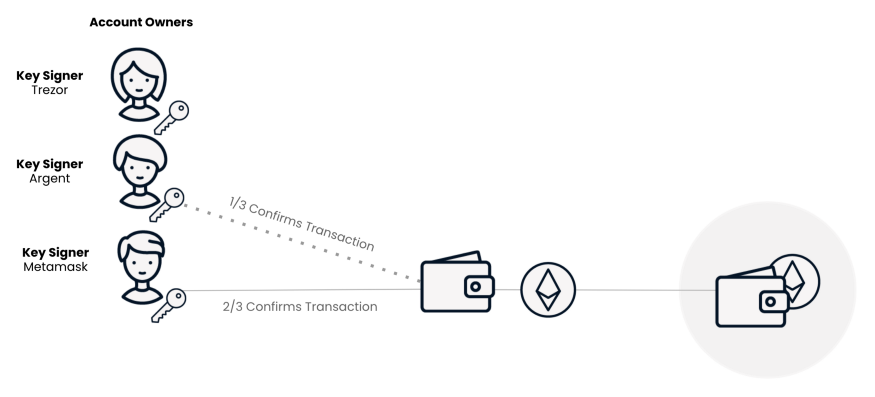
In a 2/3 multi-signature account, as long as 2/3 of the key signers confirm, the transaction can be executed
This modularity becomes very useful in different contexts. In the autonomous wallet example above, stories of losing private keys and not being able to access their funds are not uncommon. But by using a multi-signature wallet, the risk of losing the private key can be minimized. If a user's multisig wallet requires 2 of 3 signatures, even if they lose one of the private keys used to confirm transactions, they can still use the funds in the account. In a group context, a small organization, or the leadership of a larger organization, can make every member of the organization a key owner of a multi-signature account. Confirmation of a transaction may require a simple majority signature, allowing organizations to use code for day-to-day governance.
image description
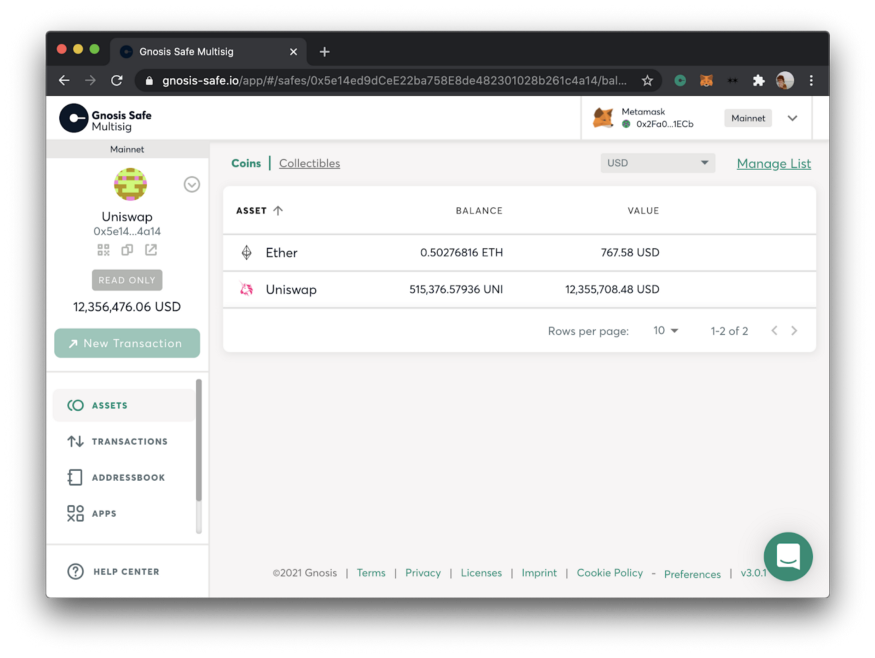
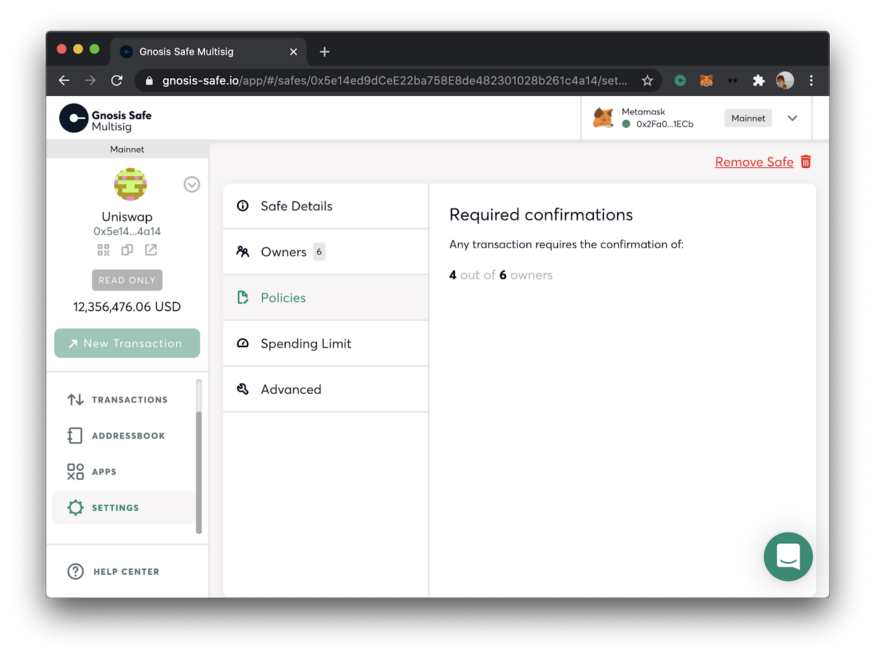
Screenshot of the Gnosis Safe multisig for UNI rewards. It is an incentivized project funded by Uniswap (a decentralized exchange on Ethereum). This foundation committee needs 4 signatures out of 6 multi-signature accounts to confirm.
image description
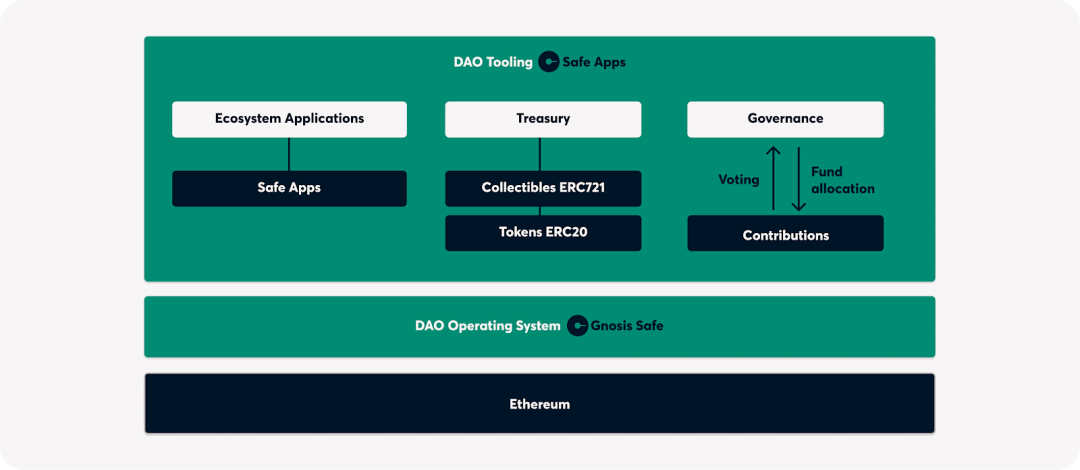
Chart from Lea Filipowicz and Beth McCarthy
first level title
Minting and distribution
image description
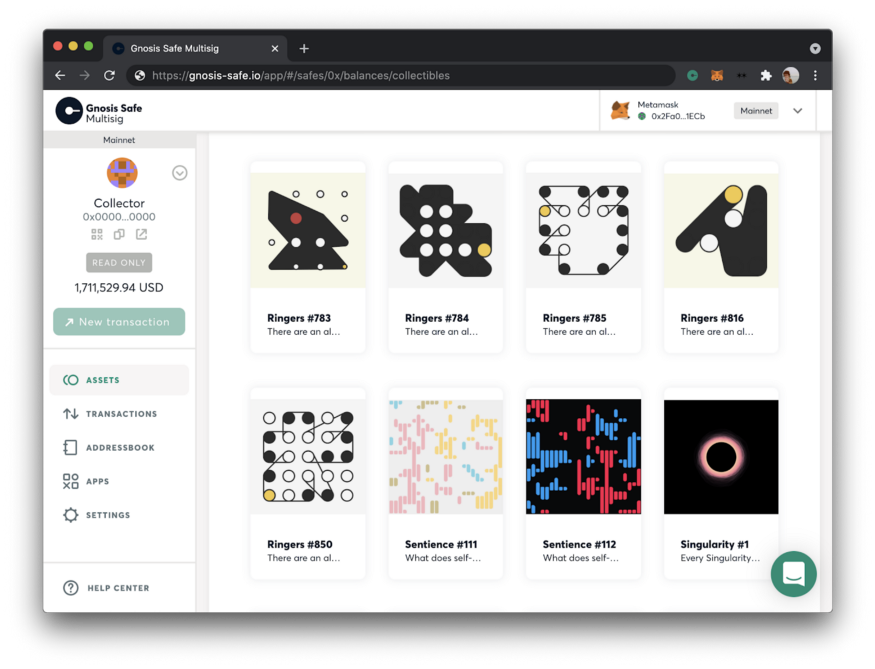
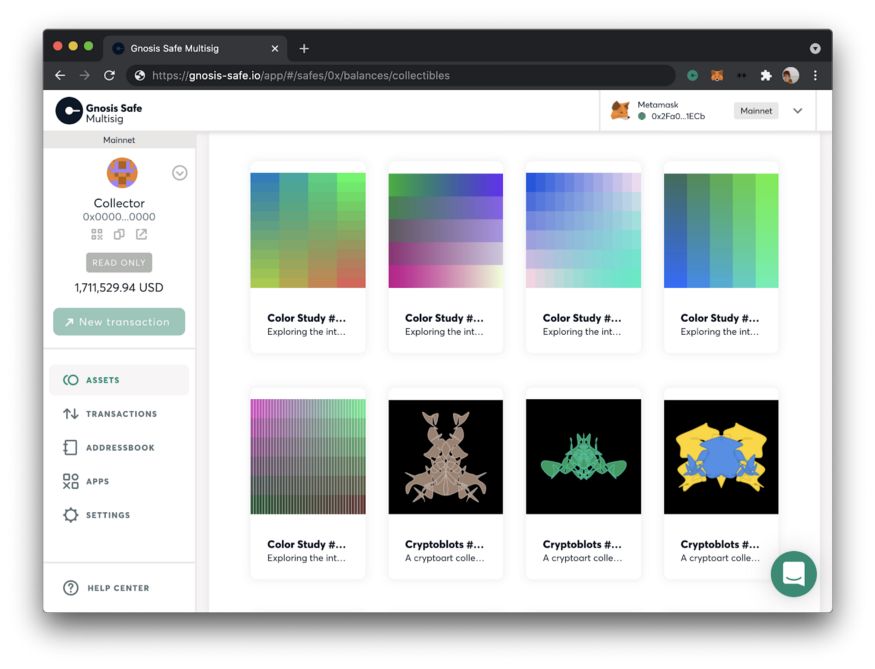
NFT showcase on Genosis Safe Multisig
Based on a wide range of use cases, blockchain accounts have proven to be versatile and can authoritatively act as wallets, identities and more in one platform. Since multi-signature accounts presuppose a group or set of identities as the main unit, we have a very interesting but yet-to-be-developed form of composable identity.
Composable identities believe that identities are related to each other since they are created, and identities provide modular tools for individuals, groups or organizations to express themselves in the technical system.first level title
image description
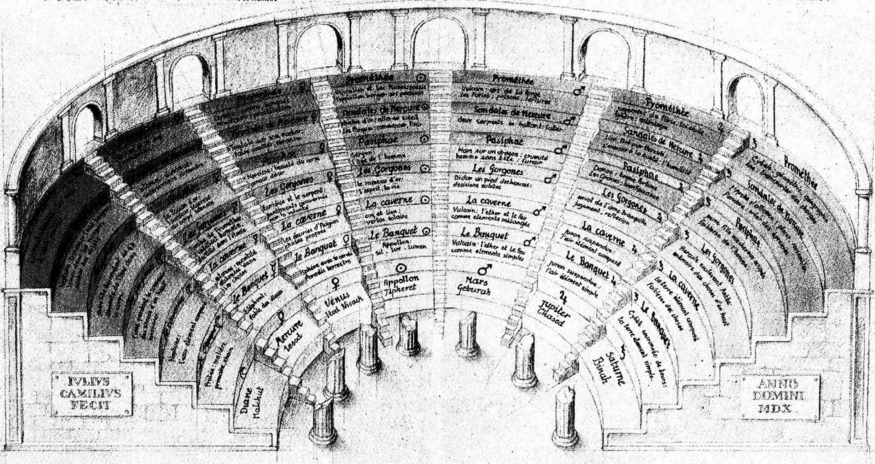
image description
The Theater of Memory by Giulio Camillo (1519–1544)
Another name for Web3.0 might be Metaverse. The term Metaverse first appeared in the 1992 science fiction novel Snow Crash, and originally referred to a permanent virtual reality in which people interact as avatars. While not everyone is happy with the term, thanks to venture capitalist, media strategist, and blogger Matthew Ball's analysis "The Metaverse: What, Where, Who Built It, and Fortnite "(The Metaverse: What It Is, Where to Find it, Who Will Build It, and Fortnite) and the five parts of "Epic Games", Metaverse has become a mainstream topic again. Discussions of the Metaverse focus on its most obvious frontier: massively multiplayer online games. Through Bauer's elaboration of the core characteristics of the Metaverse, we can see the shadow of web3.0:
"[The Metaverse] provides unprecedented interoperability and an unrivaled experience with data, digital items/assets, content - your Counter-Strike gun skins can also be used to adorn your Fortnite guns , or gift it to a friend via Facebook...Today, the digital world is like a mall, despite the constraints of each store using its own currency, requiring proprietary ID cards, and so on.”
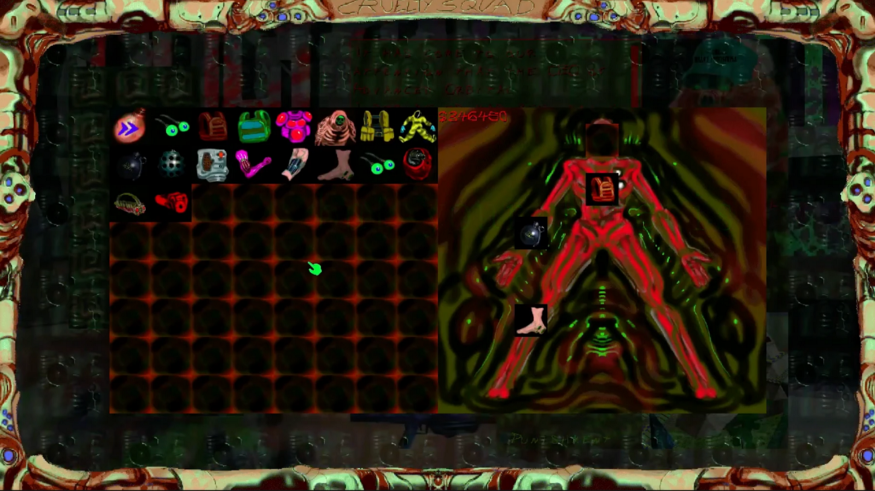
image description
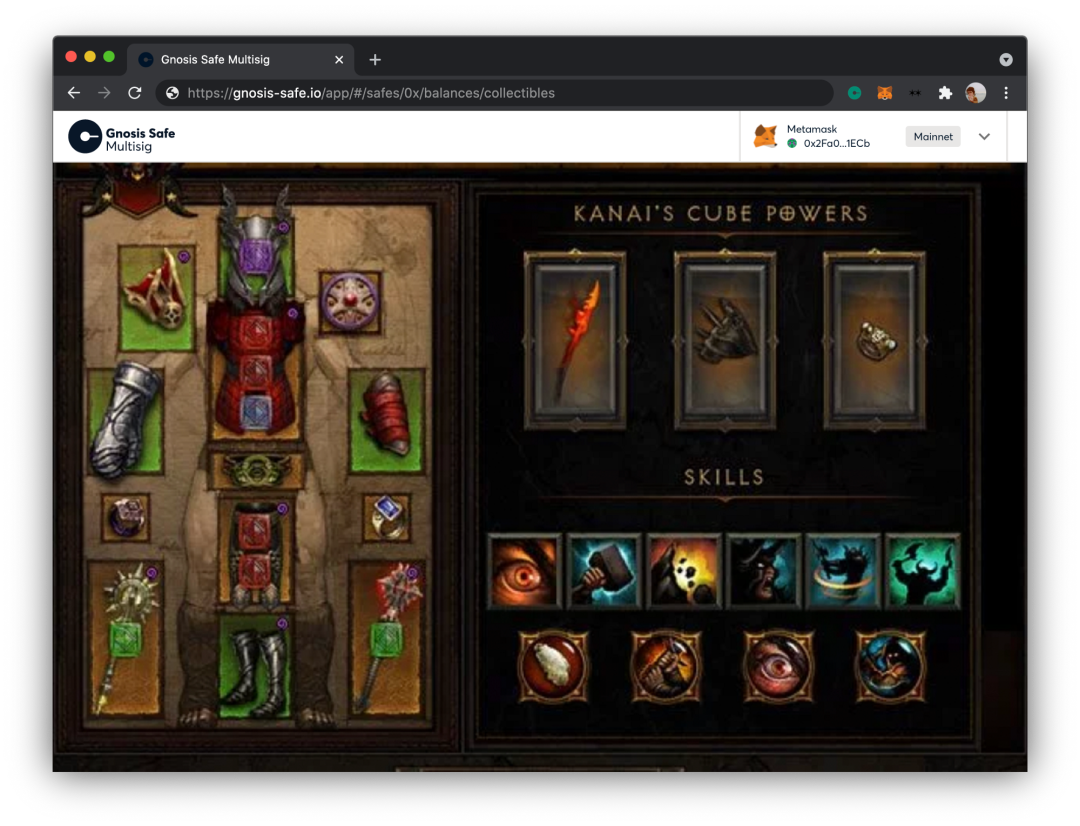
"Someday: Fund Management → Inventory Management" via @flowerstructure
"The core of the spirit of the Internet", as strategist Jay Springett puts it,"is raid"image description
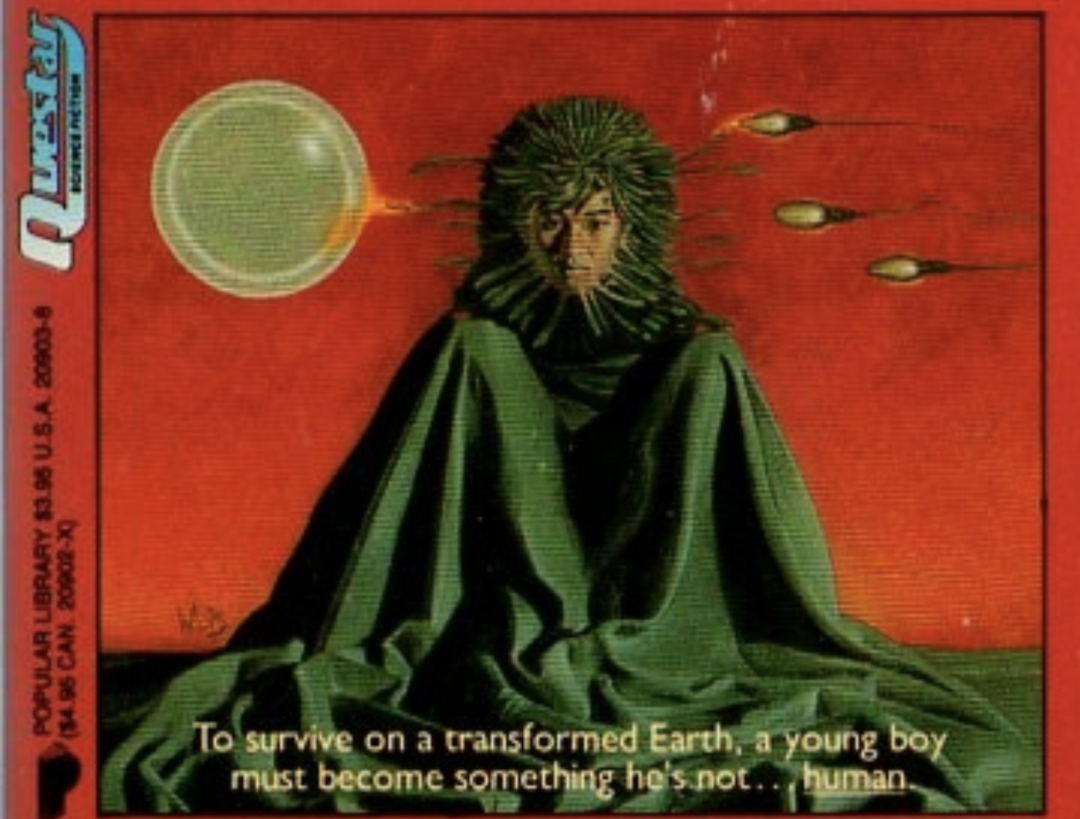
Illustration from Octavia Butler's Bar Mitzvah: Interbreeding (1988 edition)
Original link


