From listening to music to owning music - K-POP enters the field of NFT


Foreword:
Foreword:

The translation of this article comes from the Korean news network Yonhap News Agency, which introduces the news that JYP, a large Korean entertainment company, has entered the NFT industry with K-POP pop music. (This article has a total of 1551 words, and the reading time is about 3 minutes)
Recently, NFT (Non-Fungible Token) has become a hot topic in the K-POP industry, and the focus is on whether NFT will bring new culture to K-POP (Korean Pop Music). Recently, in the Korean pop music industry, there have been successive attempts to combine NFT and music.
After 2 years and 5 months, singer Seven released the Korean and English versions of the new song "Mona Lisa" through NFT, and the band LEENALCHI also released the NFT of the hit song "Tiger Down the Mountain".
The idol industry also seems to be developing rapidly, most notably in early July, when JYP Entertainment signed a cooperation agreement with blockchain company Dunamu on the K-POP NFT platform business.
JYP is the first large-scale entertainment company in Korea to formally enter the NFT field. JYP CEO Park Jin-young, the largest shareholder, also sold his 2.5 percent stake to Dunamu.
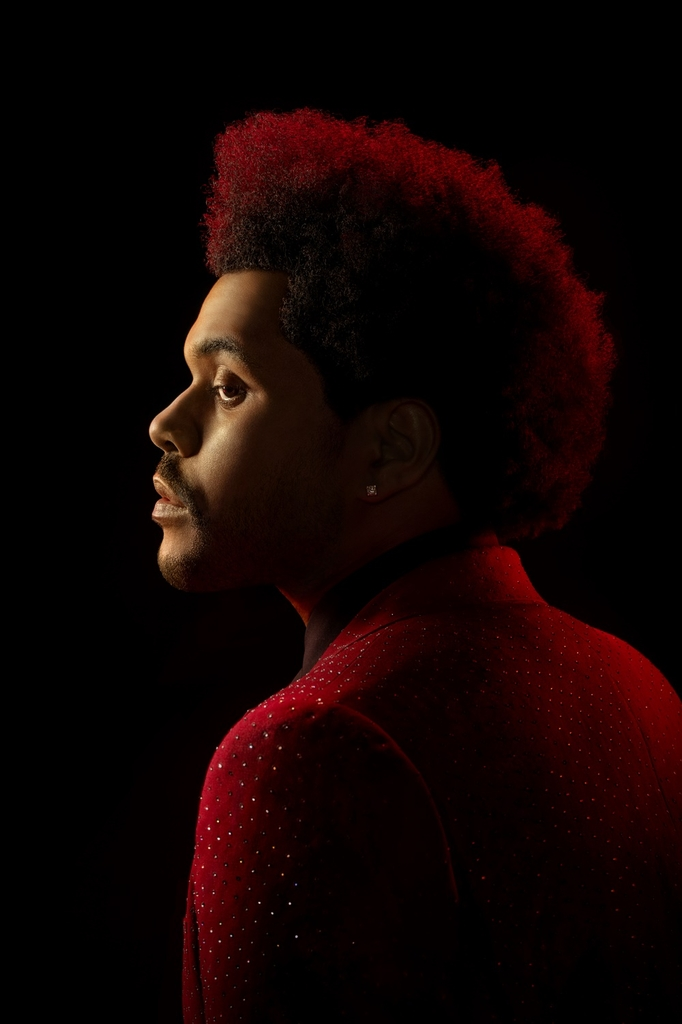
The introduction of NFT has become active in the pop music industry. MRC Data’s report on the US music market for the first half of the year released on the 13th (local time) mentioned that “NFT has become a new source of income for artists to distribute music and artwork.”
Pop star The Weeknd made over $2.2 million by auctioning off music and artwork in NFTs.
According to analysis, the reason why the music industry pays so much attention to NFT is that in the era of streaming media, music whose value has declined as individual content can become a rare commodity again."assets"assets
. The era of buying physical records such as CDs to listen to music is over. With the popularity of digital audio streaming, music has changed from "owning" to "sharing" by an indefinite number of people.
However, NFT supports the notion that a specific person owns the original digital content. This is because with the help of blockchain technology, specific digital content can be given a unique value that cannot be copied, and ownership information can be recorded."

Choi Kwang-ho, secretary-general of the Umkon Association, said on YouTube earlier this month that "music content has become an 'experience,' just like experiencing rides in an amusement park. NFTs will only serve as experiences." The digital content of the material is made into a collectible and privately owned form.
Some analysts believe that the K-POP idol industry with a strong fan base fits well with the characteristics of NFT. K-POP's unique fan culture is also reflected in the way physical CDs are sold as "collectibles" rather than purely as music.
Kim Heon-sik, a pop culture critic, analyzed: "K-POP fans have a strong desire for all their favorite stars. As K-POP has grown into a global mainstream music, the size of the fan circle can be greatly increased through NFT."
Another feature is that there is no theoretical limit to what NFTs can create. Not only music, photo cards and other content related to portrait rights, but also various records and traces of stars can become assets.
A music industry insider said of NFT, "It can be a unit of value for an artist in a highly developed society."
However, some people believe that the greater the possibility of expansion, the more vigilant we should be against excessive profitability. At the same time, it also pointed out that it is necessary to consider possible problems in the future, such as the violation of the privacy of stars and the violation of portrait rights."A person in the pop music industry said:"Because it is not yet possible to determine the "valuation" of fans' idol music, directionality is very important. On the premise of not damaging the emotions of existing fans, the most important thing is to commercialize NFT"Even if music can be capitalized technically, we must pay attention to the degree to which the public can accept it on a moral level. "Critic Kim Hyun-sik also said: "We need to establish a reference point and share it with fans. "
Conclusion:
Conclusion: