A Brief History of NFTs



Original author:
Original link:https://medium.com/
Original author:Andrew Steinwold
Chinese Title: A Brief History of NFT
Translation Agency: DAOSquare
Translator: Typto
Translation Agency: DAOSquare
 This is a historical review of NFT written by Andrew Steinwold in October 2019. Although in 2020, the NFT field has ushered in great progress, and almost everyone in the encryption world understands and participates in it, however, about NFT History, I believe few people are still familiar with it. This article is a great tutorial material. If you want to be more knowledgeable when chatting with friends about NFT, this article must be read! It is a pity that Andrew was lazy and did not make up the content for 2020 this time, which is a little regrettable.
first level title
What is a non-fungible token (NFT)?
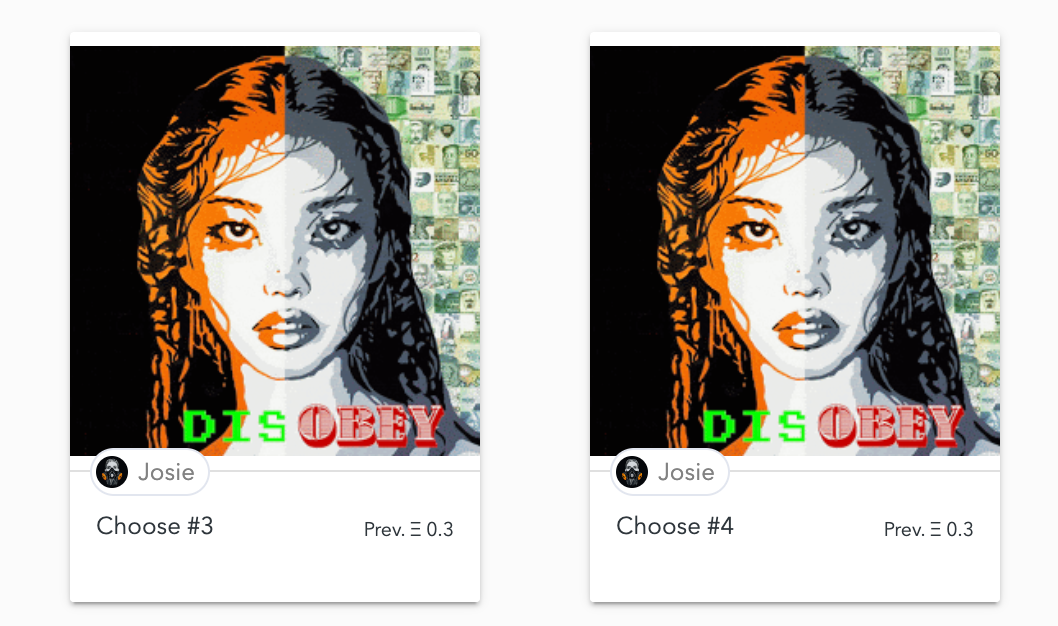
A non-fungible token is simply a unique digital asset. Assets like Bitcoin are fungible, which means that all Bitcoins are the same and can be exchanged. An example of a non-fungible token is a work of art. I can have two identical pieces of digital art, but each one is unique. The example below shows the JosieTwo NFTs of . Her two works, "Choose" edition #4 and "Choose" edition #5, may look identical, but for the blockchain, both are unique.
Now that we understand what an NFT is, let's formally dive into the history of these assets.
Some people may say that Colored Coin is the first NFT to appear. Colored Coin is composed of small denominations of Bitcoin, which can be as small as one Satoshi (the smallest unit of Bitcoin). Colored Coins can represent multiple assets and have a variety of use cases, including:
coupon
coupon
Ability to issue your own cryptocurrency
subscription
subscription
digital collectibles
digital collectibles
Colored Coins represent a huge leap forward in Bitcoin's use case, however the downside is that they can only represent something of value if everyone agrees on their value. Obviously, Bitcoin's scripting language was not designed to enable this kind of behavior in its network, so Colored Coins are only as strong as their weakest participants. For example, 3 people agree that 100 Colored Coins represent 100 company shares. If even one participant decides not to equate Colored Coins with company shares, the entire system will collapse.
The earliest mention of Colored Coin appears to have come from a blog post by Yoni Assia in early 2012 titled "bitcoin 2.X (aka Colored Bitcoin) — initial specsIn this post, he discusses Colored Coins, but does not mention the various assets or use cases they represent. Instead, he claims that Colored Coins are unique because they are part of a “genesis transaction,” And can be identified from regular Bitcoin transactions. Until December 4, 2012, Meni Rosenfeld published an article entitled "Colored Coin Overview" (Overview of Colored Coins) paper, the potential of these new assets seems to have been tapped. A few months later, in 2013, another paper, "Colored Coins — BitcoinX"Published, this paper is not only more in-depth than the former, but there are several authors who you may be familiar with, they are: Yoni Assia, Vitalik Buterin, Lior Hakim, Meni Rosenfeld.
first level title
textCounterparty
The birth of Colored Coin made many people realize the great potential of issuing assets on the blockchain. However, it is also understood that Bitcoin itself does not intend to enable these additional features in its current iteration. Founded in 2014 by Robert Dermody, Adam Krellenstein and Evan Wagner Counterpartyfirst level title
April 2015 — on Counterparty Spells of Genesis
first level title
August 2016 — on Counterpartymore trading cards
In August 2016, Counterparty partnered with the popular card game "Force of Willfirst level title
October 2016 — on Counterparty Rare Pepes
It was only a matter of time before memes started moving to the blockchain. In October 2016, people started issuing "rare pepes" as assets on the Counterparty platform. rare pepes is a meme that features this kind of frog.

These memes have huge fan bases, and there is even a meme called Rare Pepe Meme Directorymeme exchange.
As if simply being on the Bitcoin blockchain wasn't enough, the "experts" in the Rare Pepe Meme Directory attest to the rarity of the pepe meme. Quirky aside, this example did introduce a lot of people to unique digital goods.
hereherefirst level title
March 2017 ーRare Pepes on Ethereum
With the rise of Ethereum in early 2017, meme transactions also began to appear on Ethereum. In March 2017, a named Peperiumfirst level title
June 2017ー Cryptopunks
With the rise of rare pepes transactions on Ethereum, two "creative technologists (creative technologistsandJohn WatkinsonandMatt HallRealizing that they could create a unique character native to the Ethereum blockchain. The total amount of these characters is capped at 10,000, and no two characters can be the same. They call their project CryptoPunks, which is a tribute to the pioneer Cypherpunks who influenced Bitcoin in the 90s.
first level title
What is Ethereum Token Standard (ERC)
On Ethereum, different types of tokens have different technical standards for their interactions to work properly. The full name of "ERC" is "Ethereum Request for Comment". The most common ERC standards are ERC20, which has rules that allow tokens to interact in the expected way. This standard framework is useful for developers when creating tokens that need to interact with other tokens or applications on Ethereum. Although ERC20 tokens work perfectly in many scenarios on Ethereum, they are not created"unique token"best choice. to this end,ERC721first level title
along with CryptoKitties
along with CryptoKittiesWith the emergence of NFT, NFT has become the mainstream. CryptoKitties is a blockchain-based virtual game that allows players to adopt, feed, and trade virtual cats. Cats, on the blockchain!
Maybe it's because the game is clogging up Ethereum, maybe it's because people trade them for an amazing amount of money.crazy profits. All in all, this amazing project seems to have been featured in a ton of news outlets like CoinDesk, CNN pretty soon.
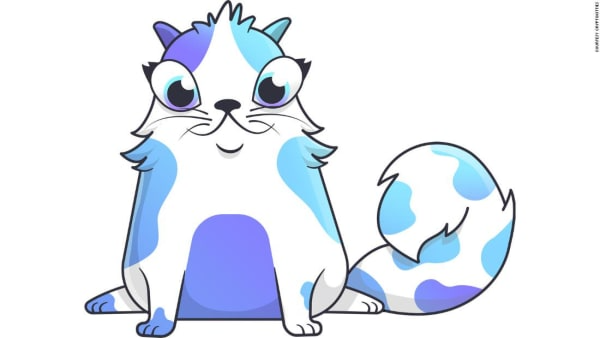
Some virtual cats have even sold for over $100,000.
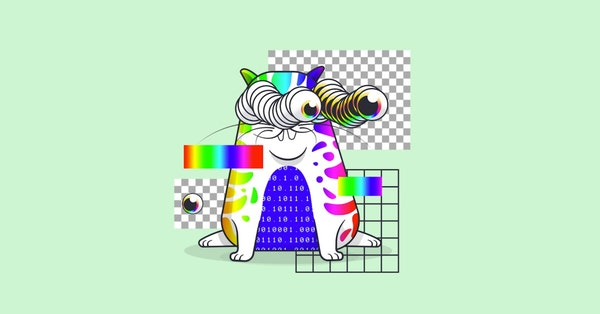
CryptoKitties was launched in October 2017 by a Vancouver-based company called Axiom Zenlaunched by the company. The team had been working on the project for several months when they released an alpha version during the ETH Waterloo Hackathon, the largest hackathon in the global Ethereum ecosystem. There were over 400 developers participating in the hackathon, so it was the perfect place and time to introduce the game. The CryptoKitties team took first place in the hackathon, and the game went viral.
The rise of CryptoKitties coincided with the bull market of 2017, so it was unstoppable. People are buying, breeding and trading virtual cats like crazy. This led many to see the potential of non-fungible tokens. Subsequently, Axiom Zen spun off a company called Dapper Labsand a16zandGoogle VenturesWait for the top investors to get$15 million in financingfirst level title
text
and OpenSeaandSuperRareUnder the leadership of the NFT market, the NFT market is booming. Although the trading volume is still small compared to other cryptocurrency markets, they are growing at a fast pace and have made great strides. with like MetamaskThe same Web3 wallet continues to improve, making it easier to join the NFT ecosystem. Recently, Dapper Labs also launched a gas-freeDapper Walletand nonfungible.comandnftcryptonews.com(shameless plug), they dig into NFT market metrics, game guides, and provide standard information on the space. This one is from The Blocktext
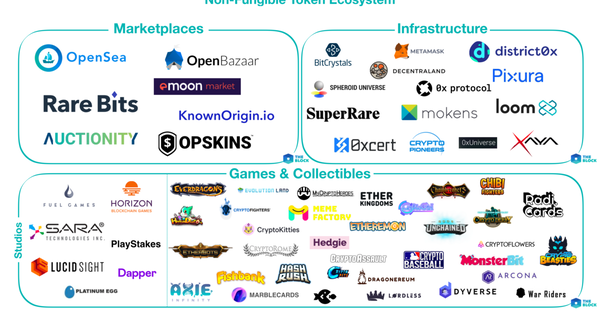
CryptoKitties pioneered the NFT frontier, but CryptoKitties would not be where it is today without those previous projects that laid the groundwork for NFTs by building unique digital assets.nonfungible.comThis interesting chart was released showing the importance of CryptoKitties to the current NFT ecosystem.
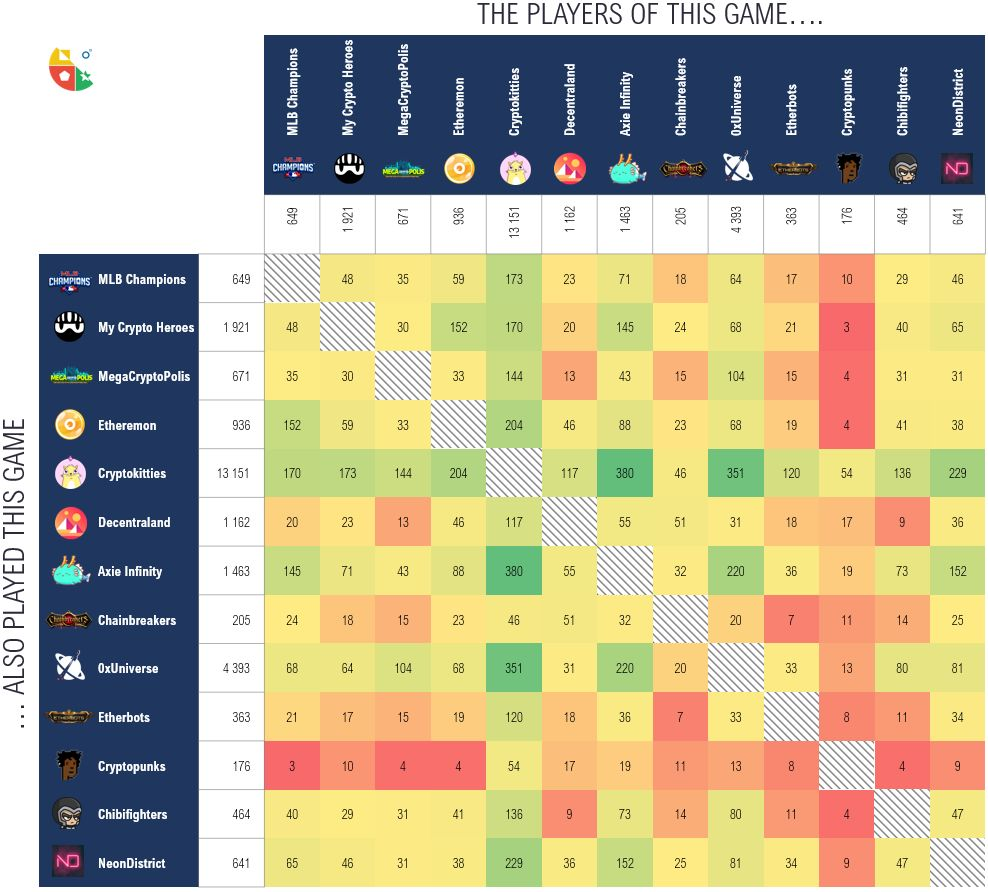
This graph shows that people who own CryptoKitties tend to play other NFT games, while people who play other NFT games generally do not play other games. CryptoKitties is the perfect gateway into the world of NFTs.
future outlook
future outlook
Non-fungible tokens have a much longer history than most people think. The first attempt at NFT was in the Colored Coin era in 2012-2013, but I believe that although it is 2019, we are still very early. Even though we have experienced tremendous growth in the past two years, the NFT ecosystem is still very young, so the growth will only continue. In fact, I believe the growth of the NFT ecosystem will accelerate as more people and companies realize the impact NFTs can have, and further implement them. Developers will continue to create innovative uses for NFTs, and interoperable projects will completely change the rules of the game. I deduce that within five years, the landscape of the NFT field will be turned upside down, and by then, I will have to update the history of the NFT ecology again!