


Six areas of research on how blockchain technology can empower digital marketing


introduce
introduce
Customer-centric marketing is essential for companies that want to survive in the highly competitive B2C environment. Marketing helps companies understand and explain the value consumers get from a product or service. The communication method a company chooses can vary from one industry to another. However, the fundamental goals and challenges related to consumer engagement remain the same. The proliferation of new technologies often has a democratizing effect on both firms and consumers, transcending a firm's influence and size, and making new technologies more affordable to smaller firms. Despite uncertain financial returns, small companies are now investing in fee-based technologies and platforms they believe are essential to maintaining their competitive position in the market. Given this trend, “mar-tech” as a combination of marketing automation and technology solutions has emerged to positively impact the way businesses reach and interact with customers. Not only do they change the way businesses expand their business, but they also alter and heighten customer expectations, thereby changing the dynamics of the customer-brand relationship.
In the new economy, brands are no longer solely focused on running one campaign after another. Instead, they leverage new forms of consumer engagement and dialogue to expand their market reach and implement more synergistic and coordinated marketing communications strategies. Companies today are building technology portfolios and using a variety of media channels and communication methods to position their brands and sell their products, services and ideas. Digital marketing is leveraging new channels across social media that provide companies with new and innovative, cost-effective and impactful capabilities to engage with customers. In turn, customers are becoming part of an ever-evolving engagement conversation and increasing their influence in the marketing process.
The growth of the Internet along with emerging technologies has had a major impact on the traditional marketing mix (i.e. product, price, location and promotion). For example, advanced technologies often referred to as big data analytics enable companies to aggregate large and complex data sets and use sophisticated analytics to gain additional consumer insights. Likewise, retailers and online businesses are increasingly investing in social media as part of their marketing communications practices and in an attempt to outperform competitors. In this regard, DeMers predicts that the trend toward online shopping may intensify in the future as consumers incline to increase their online shopping experience. As a result, more people in the U.S. prefer to shop online than to buy from brick-and-mortar stores. Modern technology puts consumers at the forefront of security, privacy, trust and transparency challenges. Prabaker argued that every time individuals conduct an online transaction, they leave behind details about their identity, purchasing preferences, spending habits, credit card details, and other personally identifiable information (PII) (that can be used to identify a specific person) . From a privacy standpoint, this situation has worsened over the past few years as data collection practices have become more common and pervasive. Online businesses often fail to meet regulatory requirements, privacy breaches occur frequently, and have lasting effects on consumer trust. As a result, consumers are more aware, their doubts are higher, and they are more cautious about online transactions where their PII can be used or sold for monetary gain without their permission. Avoiding online purchases is not the solution, as brick-and-mortar retailers also encourage the use of loyalty cards and maintain a centralized database that could be vulnerable to hacking or misuse. Also, many developing countries do not have privacy regulations in place to protect consumer PII. Therefore, brands must keep abreast of the latest privacy regulations, understand consumer expectations, and stay current with technological innovations and best practices. Advocates for enhanced consumer privacy suggest that systems should be built using a "privacy by design" framework.
The recent hype surrounding blockchain technology has led to promising use cases in finance, supply chain management, healthcare, travel, real estate, and more, and marketing is no exception. Originally launched to underpin the cryptocurrency bitcoin, the main function of blockchain technology is peer-to-peer communication, eliminating the need for a centralized third party to control the flow of transactions. Treiblmaier defines a blockchain as "a digital, decentralized and distributed ledger in which transactions are recorded and added in chronological order with the goal of creating a permanent and tamper-proof record." Specific blockchain configurations are typically A combination of multiple technologies, tools and methodologies to solve a specific problem or business use case. Therefore, marketing managers need to understand the possibilities of blockchain technology as a communication protocol that marks a shift from the Internet of Information to the Internet of Value and Trust.
In this article, we discuss the possibilities of blockchain technology from a marketing perspective. Despite the growing literature on the potential of blockchain applications, more rigorous academic research is needed to illustrate how this emerging technology provides a potential foundational layer for greater transparency and trust in marketing campaigns. This paper is structured as follows: In "Characteristics of Blockchain Technology", we briefly review the concept of Blockchain Technology and some of its key features. In Disrupting Marketing with Blockchain Technology, we discuss various areas where the technology can impact marketing campaigns and benefit brands and consumers.
In the last section, we conclude the paper and highlight future research directions.
Customer-centric marketing is essential for companies that want to survive in the highly competitive B2C environment. Marketing helps companies understand and explain the value consumers get from a product or service. The communication method a company chooses can vary from one industry to another. However, the fundamental goals and challenges related to consumer engagement remain the same. The proliferation of new technologies often has a democratizing effect on both firms and consumers, transcending a firm's influence and size, and making new technologies more affordable to smaller firms. Despite uncertain financial returns, small companies are now investing in fee-based technologies and platforms they believe are essential to maintaining their competitive position in the market. Given this trend, “mar-tech” as a combination of marketing automation and technology solutions has emerged to positively impact the way businesses reach and interact with customers. Not only do they change the way businesses expand their business, but they also alter and heighten customer expectations, thereby changing the dynamics of the customer-brand relationship.
Features of blockchain technology
image description
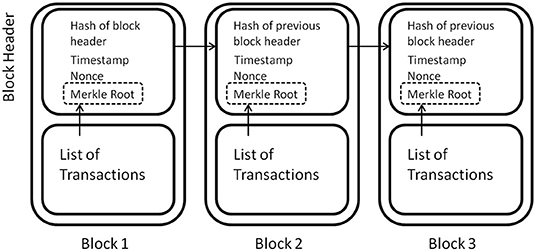
Figure 1: Blockchain structure
Cryptocurrency terms aside, blockchain is not just a combination of technologies, but an integration of multiple technologies. Most academics and practitioners generally understand blockchain as an approach within the family of distributed ledger technologies. Also, the ledger is the virtual book or unique collection of all transactions made by blockchain exchange parties. The technology can be seen as a new method of authenticating assets used in transactions and can be applied to many business activities and functions.
In the following sections, I will detail how the core features of blockchain technology enable features and applications that can fundamentally change marketing strategies.
Influencing Marketing Using Blockchain Technology
image description
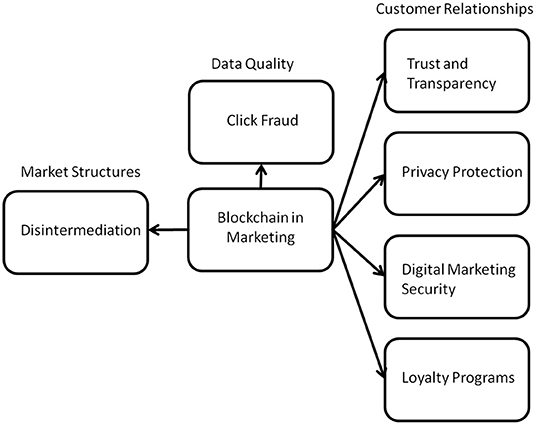
Figure 2: Impact of blockchain on marketing
1. Promoting disintermediation
The advent of the Internet enabled disintermediation and dramatically changed the way companies distribute products and services. New technologies replace traditional trade mechanisms, reduce reliance on traditional intermediaries, and introduce new forms of electronic intermediaries. At the same time, the Internet has led to the emergence of new online intermediaries that offer a range of new products and services. The process of realigning value-added roles and transferring control in the value chain to different players through information is called reintermediation. Examples of services provided by new e-commerce intermediaries include information brokerage, online search functionality, advertising, communication and trust provisioning. Additionally, the popularity of social media underscores the growing need for businesses to engage with customers through social networking and messaging platforms such as Facebook, Twitter, and YouTube. Instead of generating revenue through customer payments for content and services, these platforms rely on revenue generated through data and targeted advertising. They also form a virtuous circle, where further interaction with consumers leads to accumulation of knowledge and better integration of content. These electronic intermediaries empower businesses and consumers by personalizing their brands and products, while also gaining the power to lock them into proprietary platforms.
On the one hand, businesses show a high degree of dependence and reliance on intermediaries to recognize the wants and needs of their potential customers. Businesses, on the other hand, try to attract the attention of consumers, but often rely on communication channels provided by many information intermediaries, since they provide a lot of information about the demand for goods and services (for example, the quantity and type of these goods and services, prices and existing trade requirements ;). These intermediaries may not allow brands to make their own communication decisions, thus hampering their ability to innovate and create new prospects and target products. Additionally, if the channel is poorly managed, unbundling will lead to misunderstandings, lost customers and sickness. On the other hand, consumers may not like monetizing their data through electronic intermediaries. This in-between approach often deprives consumers of the benefits of interacting directly with brands, such as co-creation, more customer-centric support, and enhanced dynamic personalization.
--- Quote:
Block.Chan: What is blockchain? Fully decrypt the blockchain technology! zhuanlan.zhihu.com
To address the aforementioned issues, blockchain technology can be an advantageous tool that enables brands and consumers to bypass intermediaries and build stronger relationships. The technology allows brands to expand their advertising campaigns, improve their customer targeting capabilities and enhance service responsiveness. Its interactivity and ubiquity allow marketers to effectively communicate their commercial content and reduce costs by bypassing intermediaries. For example, retailers typically pay credit card companies +3% for payment processing, and many online platforms charge listing fees or commissions on sales. With blockchain technology, brands can limit or eliminate costs and remove non-value-added activities from intermediaries. Brands can then incentivize customers to disclose and share information through loyalty rewards such as points, cryptocurrency rewards, micropayments, and cash-back rewards. Therefore, blockchain technology can potentially strengthen the direct relationship between brands and consumers. Blockchain technology presents a new model for enhanced consumer engagement and collaboration. Consumers can respond to their marketing campaigns with authentic and verified product or service reviews, while they can engage and engage with brands or companies directly.
Therefore, I propose our first research claim:
RP 1:Blockchain technology creates new market structures by facilitating disintermediation。
2. Combating Click Fraud
The emergence of the Internet as a marketing channel and advertising platform has allowed brands to promote their products and services online and build and maintain relationships with their customers. The Internet is also an effective communication tool, allowing companies to interact directly with consumers and keep them updated on the latest products, services and company developments. While the importance of an online presence is undisputed, the reputation of the marketing and advertising industry has been plagued by a never-ending series of scams, scandals and deceptive campaigns. Because online sponsored searches dominate the business models of most search engines, click fraud severely damages the credibility of online advertising. This phenomenon is a result of the automated nature of online advertising and the increasing sophistication of target marketing. Click fraud is a deliberate practice in which a natural person or organization attempts to use automated scripts, computer programs, or hire natural persons to impersonate legitimate web users to click on online advertisements in order to obtain an illicit benefit or to deplete a competitor's advertising budget. Click fraud has been identified as a serious threat to online advertising, costing advertisers an additional $44 billion by 2022. On top of that is the financial incentive for fraudsters and publishers who are accused of click fraud to increase their revenue.
While some search engines try to compensate advertisers for click fraud, reports suggest they try to underestimate click volume. To combat click fraud, many solutions have been proposed, for example, selling a certain percentage of all impressions to advertisers or adopting a pay-per-click advertising model. However, these precautions are not enough (. The prevalence of click fraud is due to the lack of intermediaries that track online advertising and provide third-party evaluation methods that can increase trust and reduce some concerns. That is, advertisers must communicate with independent Click fraud monitoring companies collaborate to resolve ambiguity surrounding discrepancies in reported click fraud rates. Even though an external audit service might be helpful, it is not affordable for small and medium-sized companies. Additionally, search engines are highly likely Refuse to compensate advertisers based on click fraud metrics generated by independent auditing firms, especially when numerous incidents of click fraud are reported. Advertisers still lack complete, trustworthy knowledge and control over the state of their online advertising.
The consequences of click fraud for marketing and advertising are severe because it compromises the targeting of ads to potential customers who are searching for information related to content, services, or products. Search engine marketing tactics can reduce the trust and reputation of online media. The impact of click fraud is reflected in increased advertising costs. Furthermore, advertising campaigns fail due to reliance on unreliable, insufficient and untrustworthy analytics data. For example, Pearce et al. estimate that advertising losses from fraudulent activity by botnets will reach $100,000 per day (botnet is a term that refers to both "robots" and "networks," meaning Internet-connected devices that run code or "robots," often with a malice). Losses can range from financial loss to brand reputation loss and can be substantial for peer-to-peer botnets, which use an overlay network to exchange and control data, making their detection challenging. Therefore, brands need to employ resilient defense mechanisms as the online environment is flooded with high-traffic botnets.
Blockchain technology can mitigate some of the risks associated with the potentially damaging effects of click fraud by creating a more trustworthy digital marketing environment for consumers and brands. A blockchain-based platform can incentivize stakeholders in the advertising industry to operate in an open and collaborative environment where all parties act with integrity and integrity. For example, information asymmetry (i.e., when one party has more or more accurate information than another party) is one of the motivations for click fraud and can be addressed in the blockchain ecosystem. More precisely, oversight and control over publishers can be enhanced through comprehensive analysis of qualifications, reputation, and historical information, as well as through the creation of collaborative approaches. This is due in large part to the immutable, transparent and auditable nature of the transactions enabled by the technology. For example, end-to-end transparency of activities related to online advertising (e.g. click authentication) can be ensured.
The "adChain" platform is a transformational protocol in the ad tech industry, enabling ad space users to benefit from campaign auditing and near real-time impression tracking. The platform takes advantage of the immutability of the blockchain to thwart attempts by pay-per-click providers to benefit from fraudulent ad clicks and traffic. Another new advertising platform called "Ubex" utilizes blockchain technology and other key emerging technologies such as artificial intelligence and neural networks to provide advertisers, publishers and target consumers with more precise media marketing data. In this model, blockchain helps eliminate irrelevant ads and better manage data clicks, impressions, and revenue for each website linked to the system, helping advertisers optimize their budgets.
In addition to improving transparency, preventing click fraud could allow advertisers to more effectively assess consumer habits online. Therefore, the technology provides traceability features to guarantee genuine customer visits. In practice, this can be achieved by assigning customers to authenticated and verified profiles on the blockchain. This eliminates the possibility of fake installs from ad models using device emulation software and will lead to greater accuracy in targeting and personalization due to the traceability of real-time ads. This approach allows marketers to obtain reliable data, generate more enhanced analytics, and develop compelling marketing campaigns.
As an example, Lucidity’s blockchain pilot with Japanese automaker Toyota improved campaign performance by 21%.
Blockchain-based platforms mark a shift from probabilistic measures of clicks and impressions to deterministic data models. Similarly, Pinmo integrated blockchain infrastructure into its overall media advertising strategy, aiming for better campaign tracking and more precise analytics. These examples illustrate blockchain's potential to prevent click fraud and foster greater trust and transparency in the marketing and advertising industries.
Therefore, I recommend:
RP 2:Blockchain Technology Helps Fight Click Fraud。
3. Enhancing trust and transparency
The academic literature has recognized that trust is critical in B2C e-commerce. Despite such strong claims, consumer confidence and trust in brands has been severely eroded. According to the 2018 Edelman Trust Barometer, brands witnessed a significant drop in consumer trust in 2017. To a large extent, the level of trust depends on the quality of the technical infrastructure.
Today, the Internet allows transactions to take place without face-to-face contact. Therefore, the success of a brand depends on the trust and transparency it can generate. To enhance trust and transparency in digital marketing, blockchain technology can enable brands and consumers to operate in a more secure and transparent ecosystem. Based on characteristics such as information consistency, transparency, and immutability, blockchain technology helps to build trust in the system itself (i.e. "trust by design"). A blockchain’s trust protocol assures both consumers (such as potential buyers) and the company’s existing customers that brands and marketers are behaving with integrity and honesty (. In this case, blockchain-enabled trust is both consumer-centric The premise of transparency is also its consequence, especially when consumers share their PII. Blockchain can help avoid malicious marketing of counterfeit products that violate the intellectual property (IP) of the original manufacturer and violate copyright laws. This is due to the technology’s ability to facilitate end-to-end product traceability and stringent monitoring rules. Additionally, blockchain-enabled transparency fosters trust as consumers have greater visibility into a brand’s declared compliance obligations Verifiability and verifiability. This can include verification of credit claims such as organic, halal, and other third-party certifications, companies’ business practices, and even their participation in corporate social responsibility activities (e.g., fair trade, ethical, and sustainable measure;) .
To ensure this high level of transparency, marketers will be able to suggest several positive characteristics, emphasizing their altruistic motives to seek the best interest of consumers. The example of NYIAX (New York Interactive Advertising Exchange) demonstrates the role of blockchain technology in facilitating a transparent marketplace, where a matching engine ensures a fair exchange of future premium ad inventory in the form of guaranteed contracts.
Therefore, I recommend:
RP 3:Blockchain technology can help strengthen consumer trust in brands。
4. Strengthen privacy protection
Privacy is a complex issue that has the potential to exacerbate an individual's anxieties about using online technology services. Research has repeatedly shown that customers are concerned about the anonymity and confidentiality of their transactions. These concerns are driven by the increased risk of their PII being improperly obtained, misused and leaked. Privacy concerns have increased since website cookies captured personal information and stored it in information systems. Additionally, vast improvements in data collection technology and new data mining techniques have made it easier for brands to identify, track, collect and process consumer information. This creates new and intrusive concerns in the privacy of online shoppers. In response to these threats, consumers have a strong desire to control their personal information. This was confirmed by a survey which found that 87% of respondents (n = 2136) decided to protect their privacy by requiring companies to delete their PII from their databases. In addition, consumers sometimes choose to knowingly provide false information on websites in order to block online ad targeting technologies or to disable cookies.
While raising the need for online privacy protections, blockchain technology could alleviate many of the issues that hinder consumers from shopping online. For example, consumers can entrust their PII to a blockchain platform, since transactions are not tied to real identities once they are routed to a random set of points in the network. Consumers' online privacy can be adequately designed to control network members' access to information contained in modules. Transactions can be completely private, but at the same time, transactions can be validated by the consensus of participants in a shared network. Additionally, a blockchain platform can be an effective privacy-enhancing or privacy-by-design technology, as it can appeal to online consumers by allowing online users to elastically encrypt their credentials (e.g., user's ID, password, electronic ID card) technical knowledge. Thus, consumers can gain more control over their PII in digital marketing since their PII cannot be easily commoditized. Consumers can rely on blockchain transaction histories to generate more powerful analytics and precise predictions on their expectations, tastes, and brand perceptions. Additionally, consumers have new opportunities to transact their PII safely and efficiently with brands, leading to our proposition:
RP 4:Blockchain technology can enhance privacy protection。
5. Enhance digital marketing security
Two international information security experts, Kalakota and Whinston, define a security threat as "a situation, condition or event that may cause economic hardship to data or network resources in the form of destruction, disclosure, modification of data, denial of service and/or fraud, waste and misuse". Information security can be considered at the heart of information systems, both at a technical and organizational level. This means that ensuring a high level of preventive measures and transactional security is a key differentiator for many businesses. In a digital world, delivering Products and services with good communication and adequate security are key success factors for brand trust. Likewise, information security is becoming a must-have feature as brands become stewards of consumers’ PII. Greenlow refers to this development as “Marketing Security” , which is the real-time control and management of consumer PII to prevent data leakage and misuse.
Previous research has shown that information security concerns are a significant barrier to online marketing. That's because online shopping and e-commerce are based on personal credentials and sensitive information, such as home addresses and credit card details (collectively known as PII), which many consumers are reluctant to provide. The reason for this negative perception is the multitude of potential online threats, including data loss or theft, stolen identity, stolen credit card information, content manipulation, unauthorized account access, database attacks, patent and copyright infringement. In an online marketing environment, Internet banks still face security threats from data transaction and transmission attacks or unauthorized use of bank cards enabled by false identity verification. Additionally, behavior-targeted applications require the need for cookies that can be easily cloned or stolen by malicious parties. Cookie-based methods and web logging used to track shoppers' online activities can compromise consumer privacy. Many security threats are now so prevalent that by 2021, the cost of cybercrime is projected to reach $6 trillion annually.
Before incorporating information security into their marketing strategies, brands must build a strong technology infrastructure to address existing security gaps and increase consumer confidence in the digital marketing environment. In this regard, the advent of blockchain technology can benefit both brands and consumers, ensuring unprecedented levels of security. The power of blockchain security is based on its decentralized and decentralized data storage. In addition, the use of multiple security mechanisms such as asymmetric encryption, digital signatures and access control (i.e. assigning read and write permissions) can ensure proper storage, transmission and retrieval of large amounts of consumer information. This technique fits well with the factors listed by Ma et al. Approaches for implementing a resilient information security management system: information integration, information availability, information reliability, and accountability. Not only does the technology require a new way to decentralize and self-organize a brand's business ecosystem, but it can also help synchronize and integrate marketing-related information across network members. This includes pricing policies, product listings, advertising, results of market research and analysis, discount and promotional benefits, and marketing plans. Decentralization ensures that each political party is better off and safer economically. For example, consumers will have a single truth and accurate insights into brand values and characteristics. They will also maintain more control over their PII. Additionally, the decentralized approach of blockchain technology allows brands to eliminate single points of failure, thereby achieving high resistance to denial-of-service (DoS) attacks and ensuring network availability. The ubiquity and availability of information enabled by blockchain technology increases accountability and provides more accurate monitoring and assessment in the event of error and misappropriation. This means the technology can provide consumers and brands with some correction and countermeasures in worst-case scenarios. For example, to facilitate marketing convenience and a new security model for advertising:
http://Keybase.io is a blockchain platform that has been developed to check the integrity of social media user signature chains and identify malicious rollbacks.
we suggest:
RP 5: Blockchain Technology Can Enhance Digital Marketing Security。
6. Enable Creative Affiliate Program
In an increasingly competitive marketplace, brands work hard to ensure consumers remain loyal to their products and services. To improve consumer retention, brands have been systematically collecting and storing data on their customers, mainly through loyalty programs. These tools help increase brand loyalty, reduce price sensitivity, encourage word of mouth and grow your customer base. Additionally, customer loyalty programs can greatly benefit brands as they can generate higher sales and profits. Marketers are increasingly implementing loyalty programs across a variety of industries. They are constantly seeking to understand which strategies are best for engaging consumers and which rewards programs are effectively serving them.
Technological advancements facilitate the collection of consumer data (e.g., purchasing patterns, transaction history, preferences) and the customization of effective loyalty programs. For example, the use of database management software has paved the way for a new era of loyalty marketing by allowing sophisticated and personalized tracking of customers. The same goes for mobile marketing, which develops a customer-centric paradigm where loyalty programs are communicated immediately to potential members. Likewise, the Internet has been a favorable environment for the growth of customer loyalty programs. The emergence of these technologies has enhanced consumer interest and gained information about loyalty reward information, although acquiring loyal customers remains a challenge for brands. Additionally, discussions on Internet forums have long indicated that participating members are often frustrated with certain loyalty programs.
Even though loyalty programs have moved from an aggregate level to an individual level, they are still very limited in terms of program components. Instead of employing the features of a rewards program to attract new potential members, many companies employ loyalty programs designed to retain their existing member base. Customers love participating in attractive and flexible loyalty programs. However, some brands tend to lock in their customers and exert monopoly power over them. This is exacerbated if the loyalty points are unused or unused. For example, a report by Bond Brand Loyalty revealed that more than 25% of participants in loyalty programs never redeem their reward points. The low exchange rate is due to a strict time-based procedure for redeeming rewards. This tactic can cause great frustration among loyalty members, especially when potential rewards expire. Lack of integration of loyalty programs between brands is also a common problem, as many loyalty programs remain fragmented and unable to generate information about members' attitudes toward the programs themselves. For the above reasons, some marketing scholars have begun to question the effectiveness of loyalty programs in retaining customers.
Blockchain technology has the potential to revolutionize how loyalty programs are designed, tracked and communicated to consumers. In a blockchain-based marketing ecosystem, loyalty programs are fully integrated. All parties involved in such programs, such as loyalty program operators, marketers, consumers, information systems managers, call centers, sales offices and other organizations, will be efficiently integrated and interlinked. Loyalty program partners can work together decentralized to enhance the member experience and appeal to different consumer segments rather than fragmented. For example, blockchain technology could help resolve incompatibilities in many loyalty program systems, thereby improving channel coordination and a consistent experience across brands. Different partners of loyalty programs can take advantage of the technology's interactive capabilities to take advantage of operations such as joint development and design of loyalty programs, mutual conversion of reward points, and exchange transactions. More precisely, blockchain technology can create a more secure, interoperable environment that cannot be achieved with centralized loyalty databases. The technology is attractive to both B2B and B2C loyalty programs, as auditability of key transactions and data is essential to curb fraudulent activity and support customer advocacy.
With real-time access to the blockchain platform, marketers can understand member profiles, points, purchase patterns, payment history and promotional responses, which will help them develop more attractive, valuable and customized membership programs.
For example, American Express integrated the Hyperledger blockchain to offer reward points to members based on individual products, rather than spending at specific merchants.
Additionally, the decentralized nature of blockchain technology also enables members to track their loyalty and rewards points, freeing them and marketers from actually owning coupons. In addition, the technology can also enable members to conduct transactions and exchange their loyalty points, thereby creating more value for members.
we suggest:
RP 6:Blockchain Technology Could Enable Innovative Loyalty Programs。
Conclusions and Limitations
Rapid technological advancements and the growth of e-commerce and e-commerce have greatly impacted the process of value creation. Many businesses rely heavily on technology to provide seamless products and services to existing customers. Emerging technologies can help to better design new products and services, improve data quality, and make production processes more responsive and economical. New technologies have also dramatically reshaped the marketing discipline and brought new marketing terms and tactics. Today, brands are increasingly using technology to leverage their global reach by penetrating new markets and creating consumer demand. In the process, the Internet has enabled marketers to reach consumers through enhanced electronic communications and interactive media. At the same time, consumers are becoming more informed about the offers available, making it easier for them to make informed decisions. Businesses have benefited from data mining techniques and big data to draw conclusions about consumer wants and needs. Analyzing large data sets helps businesses gain actionable insights through predictive analytics. Blockchain technology is a technological advancement that can help brands gain better understanding and target customers, but at the same time allow customers to regain control over their PII.
In this paper, we discuss several blockchain possibilities in the marketing domain and propose six research propositions. The current world of online marketing is full of intermediaries (or so-called e-intermediaries) who cannot deploy effective affiliate networks, locking brands and consumers into platforms with limited functionality. Doing so hinders brand creativity and deprives consumers of the potential benefits of direct engagement. In this context, blockchain technology promises to be a disintermediary marketplace where consumers can transact directly without going through an intermediary layer. Instead of operating in an opaque environment where information asymmetry prevails and dominates the relationship between brands and consumers, blockchain technology can create a new topology that enhances transactional trust and information transparency, leading to more Trusted campaigns and customer focus. Furthermore, the high level of technical sophistication and inherent characteristics of blockchain proves its feasibility in protecting consumer privacy and enhancing the security of digital marketing. Not only that, but the technology can help eliminate the pervasive phenomenon of click fraud, creating a healthier marketing space for consumers, brands, and other players involved in the value creation and delivery process. From a company's perspective, building loyalty is often a challenge, as consumers always consider switching costs and financial benefits when purchasing. Blockchain technology can bring a new way to redesign, integrate and facilitate marketing loyalty programs. A blockchain-based rewards program allows members to benefit from their brand loyalty, resulting in a more sustainable brand attachment.
This study has some limitations. Our aim is to present the future blockchain applications in marketing in a concise manner and to draw some research propositions. As such, we are unable to elaborate on the many complexities and subtleties of blockchain technology, which we believe presents excellent opportunities for future research. We also recommend that future research discuss the architectural and operational context in more detail to deepen the understanding of how blockchain can help create organizational value. Furthermore, we aim to highlight the potential of blockchain in marketing, but we also need to mention the potential challenges that may arise from the (organizational) internal integration of blockchain technology. Blockchain technology has several disadvantages compared to traditional databases. Storing information and transactions on a blockchain is still complex and expensive. The cost of blockchain security and redundancy can far outweigh the value generated by its marketing applications. Therefore, the redundant nature of the blockchain increases costs, as transactions on the blockchain take longer to process than single-source transactions. Furthermore, blockchain adoption is hampered by lack of proper governance structures, blockchain maintenance costs, and high energy consumption resulting from the use of proof-of-work consensus protocols on public blockchains. According to Truby, the original application of blockchain, namely Bitcoin, was not designed with potential impact on the environment in mind. In addition to insufficient built-in consumer protections and high price volatility, utilizing Bitcoin in a company's marketing campaigns can also cause undue damage to the environment through high electricity consumption and high emission rates, which may deter organizations from adopting blockchain chain.
From an architectural point of view, it is worth noting that there are different types of blockchains that can be applied to marketing campaigns such as private, consortium or public blockchains. Private blockchains can establish different levels of permission for the parties involved in the network. They are designed to provide better privacy, handle large volumes of data, optimize existing and future record keeping, streamline audit processes and compliance reporting and provide decision makers with the unified data they need. Therefore, brands wishing to preserve their traditional business and governance models can consider adopting private blockchains. However, according to Prasad and Rohokale, consortium blockchain is the most suitable solution for interdisciplinary, cross-industry applications in areas such as financial services, media and telecommunications. The federation model gives brands the opportunity to reap the benefits of a distributed network while limiting access and consensus to specific users. Additionally, these platforms are able to significantly support co-creative interactions and collaborative marketing relationships between brands and their stakeholders. Public blockchains are especially useful for brands looking to leverage transparency to deliver value to consumers. For example, creating product packaging through blockchain-based information transparency can enhance green marketing efforts, as consumers are more likely to buy products they are fully aware of. Overall, choosing a blockchain type is a crucial decision that should respond to the needs of different marketing applications.
From a technological innovation perspective, we believe the adoption of blockchain to represent incremental innovation can lead to major changes in marketing. The cumulative benefits of this technology can significantly reshape existing marketing practices and improve established business processes. However, as Christensen stated, new technologies can have lasting or disruptive effects on an organization, depending on the company's resources, processes, and values. As a result, new technologies can often erode a brand's competitive position and, in particular, its marketing advantage, if not taken strategically and properly embedded in the organizational structure. Future research needs to explore and analyze barriers to blockchain adoption in marketing. The six propositions we propose provide a starting point for further research that needs to be refined to identify enablers and barriers as well as antecedents and consequences of blockchain applications in marketing. Further clarification concerns PII retention and the immutability of blockchain technology. Some regulators are exploring consumer-based policies, and the right to be "digitally forgotten" is crucial. In the latter case, researchers could explore privacy in the context of "mutable" blockchains to meet changing regulatory requirements.
Part of the argumentation support for this paper, thanks to:
1 Secheny Iswan University, Regional Doctoral School of Science and Business Administration, Gyor, Hungary
2 Henley upon Thames, UK, Henley Business School, University of Reading Greenland
---Declaration: This article is "New Aspects of Blocks" - Cheng Wei's original research report, please declare when reprinting "Source: New Aspects of Blocks (
---Declaration: This article is "New Aspects of Blocks" - Cheng Wei's original research report, please declare when reprinting "Source: New Aspects of Blocks (http://chengwf.com)",Thanks!





