Macro Weekly Report (7.31): European, American, and Japanese Central Banks Make Their Moves, Risk On, Retail Investors Retreat.


Weekly Market Summary
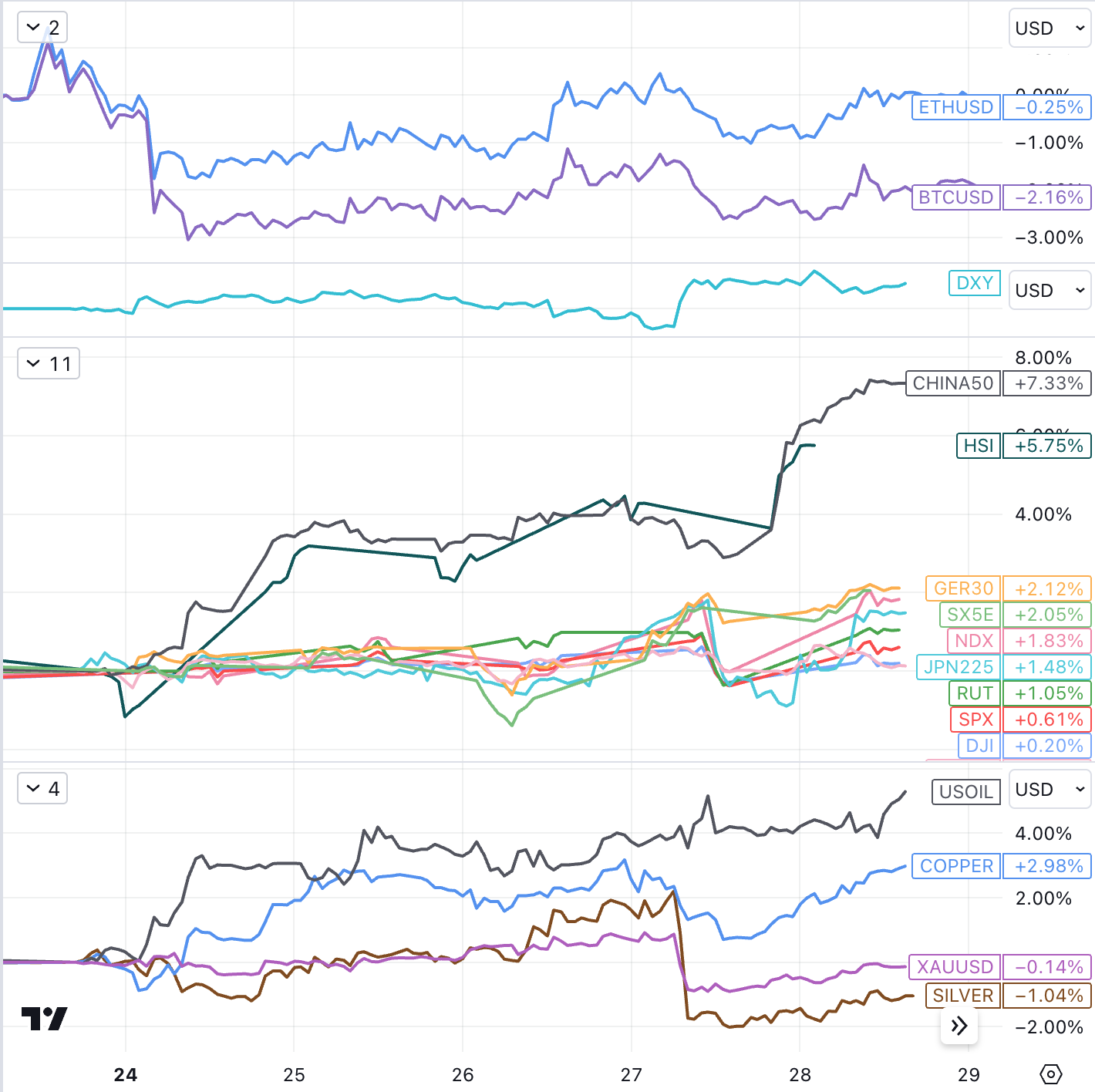
Last week, the results of the FOMC interest rate meeting were largely as expected, with no major surprises. The meeting successfully balanced the hawkish and dovish positions. The latest data continues to show that inflation is decreasing while the economy recovers, which supports the Fed's more moderate stance. The market generally believes that rate hikes have come to an end. Concerns about an unexpected shift in the Bank of Japan's policy have eased, and a dovish adjustment has been made with YCC. Market participants in developed countries have accelerated their risk-on sentiment. The Chinese stock market has benefited from support at the "policy bottom," with all three major indexes up more than 2% for the week and seeing gains for two consecutive weeks.
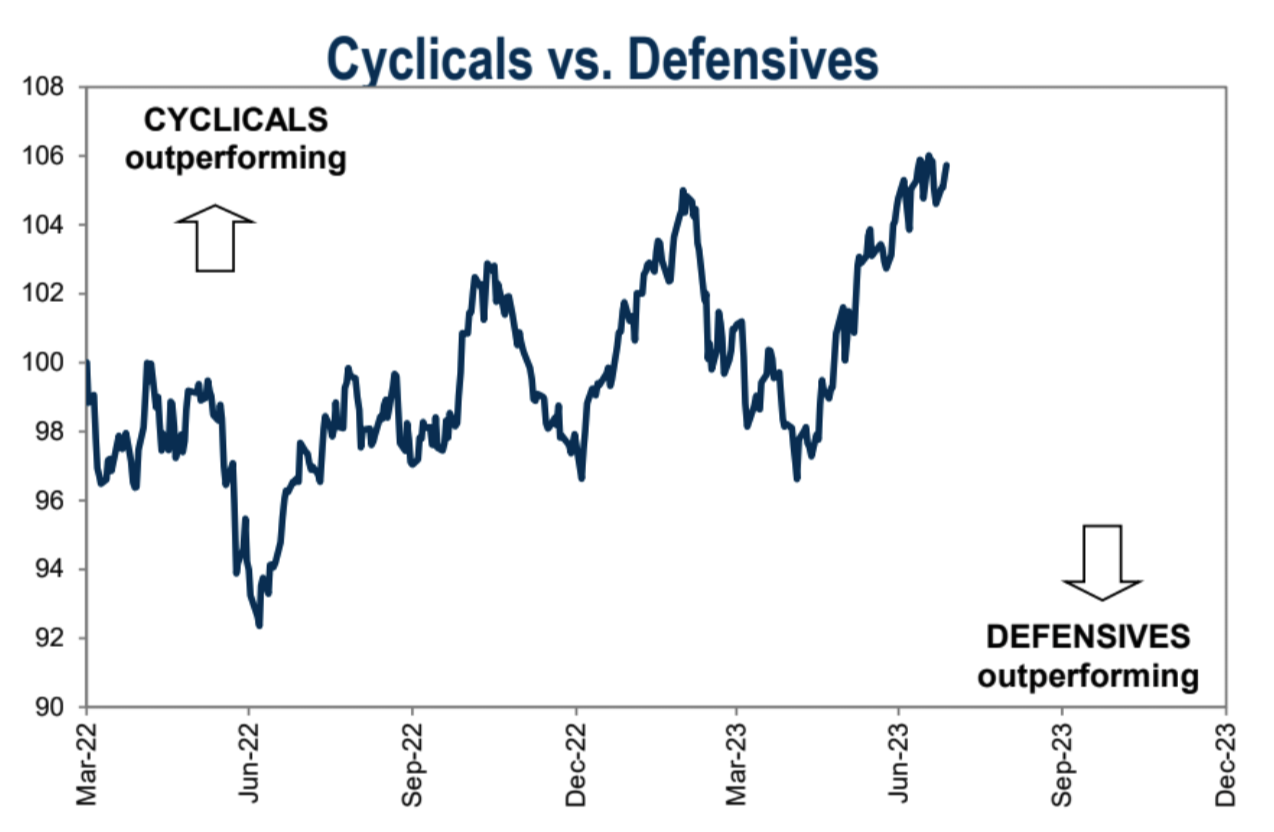
In terms of sector performance, cyclical stocks have shown stronger momentum than defensive stocks, indicating a risk-on state.
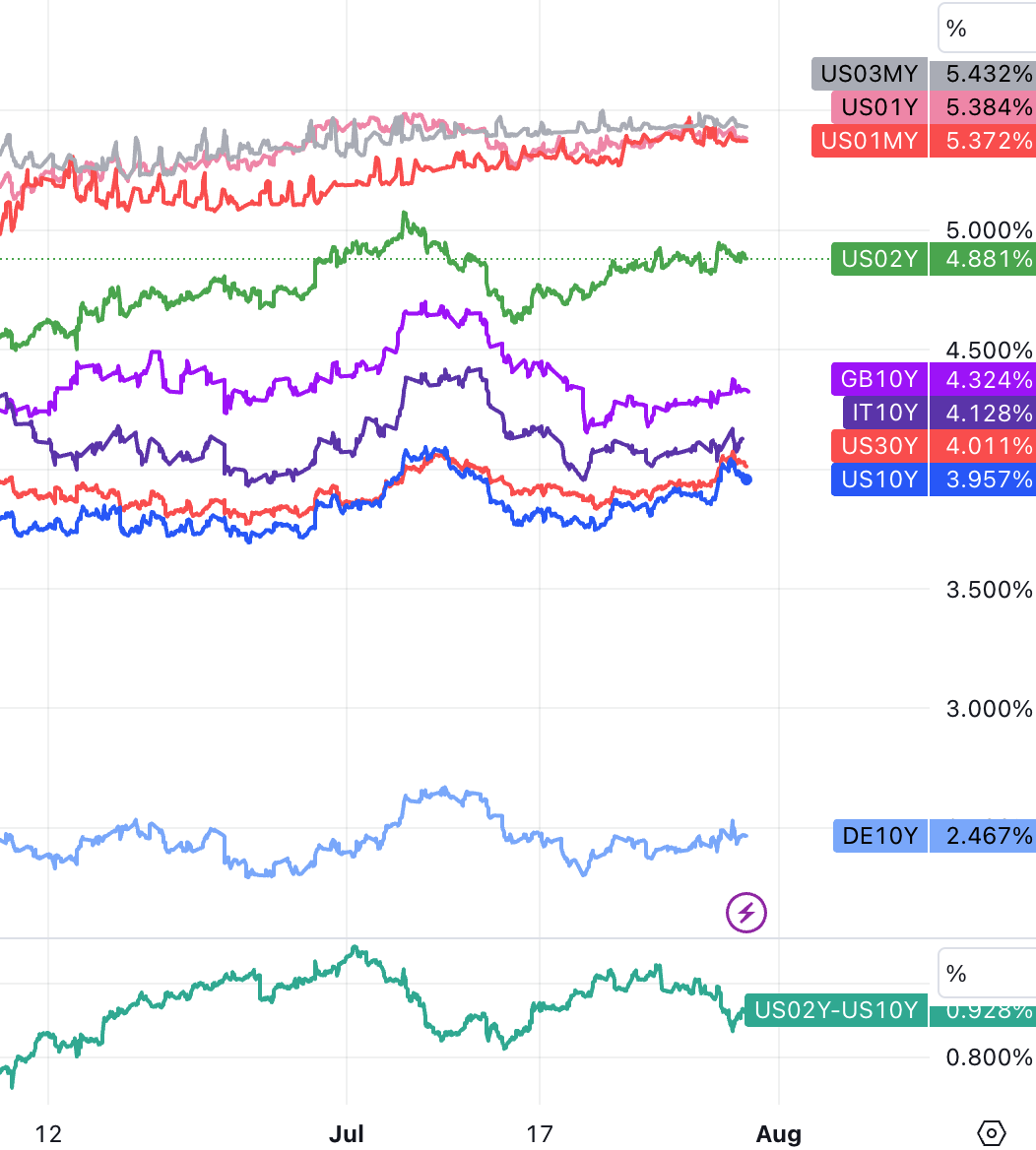
Due to the simultaneous interest rate hikes by central banks in Europe and the United States, the yields on government bonds in major developed countries rose last week. After the interest rate hike, the yield on the 10-year US Treasury bond once again broke through the 4% level. It fell slightly on Friday and finally closed at 3.97%, far higher than the previous week's closing price of 3.85%.
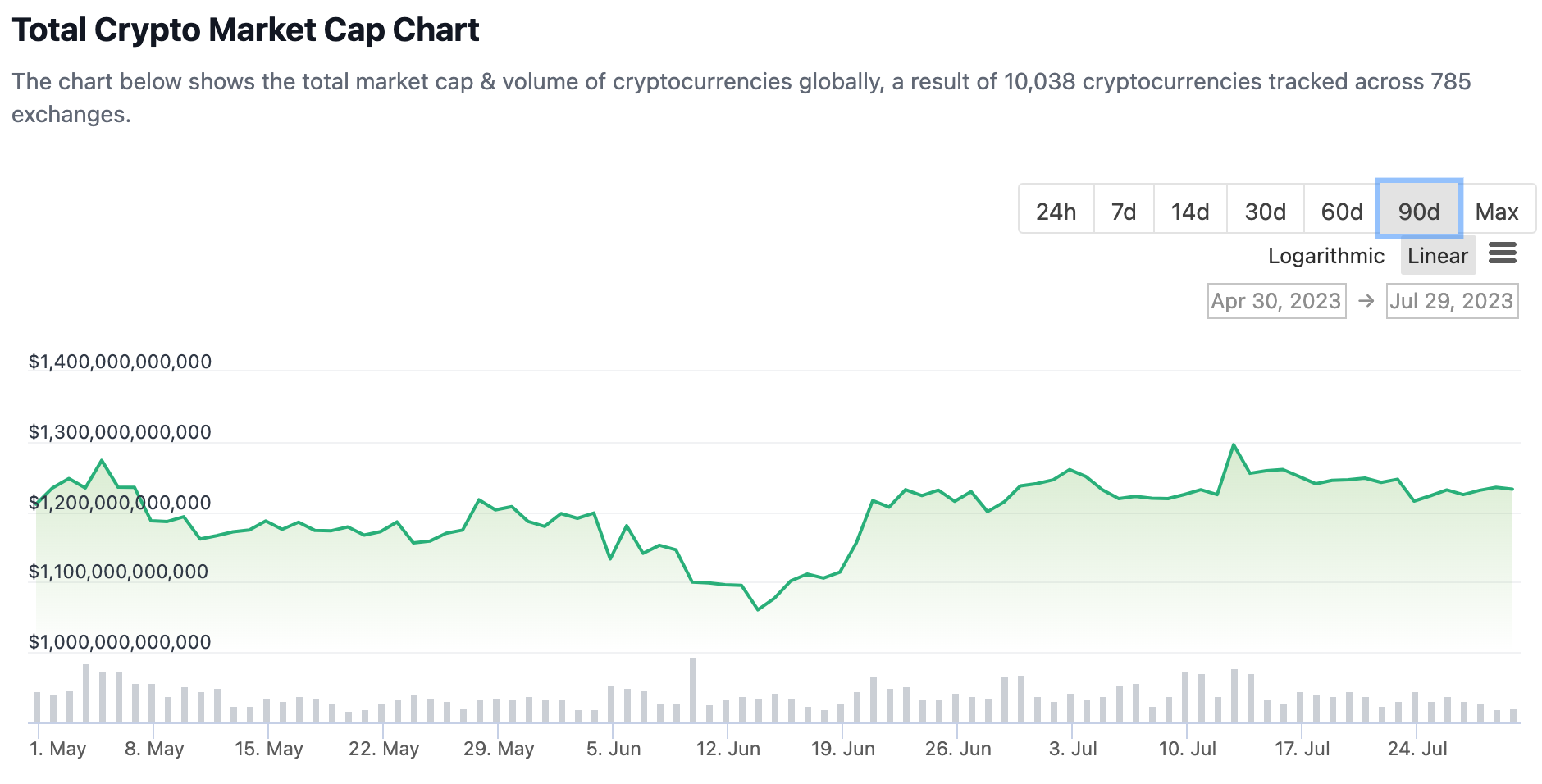
The total market value of the cryptocurrency market dropped slightly by 1.1% to $12.32 billion (according to Coingecko):
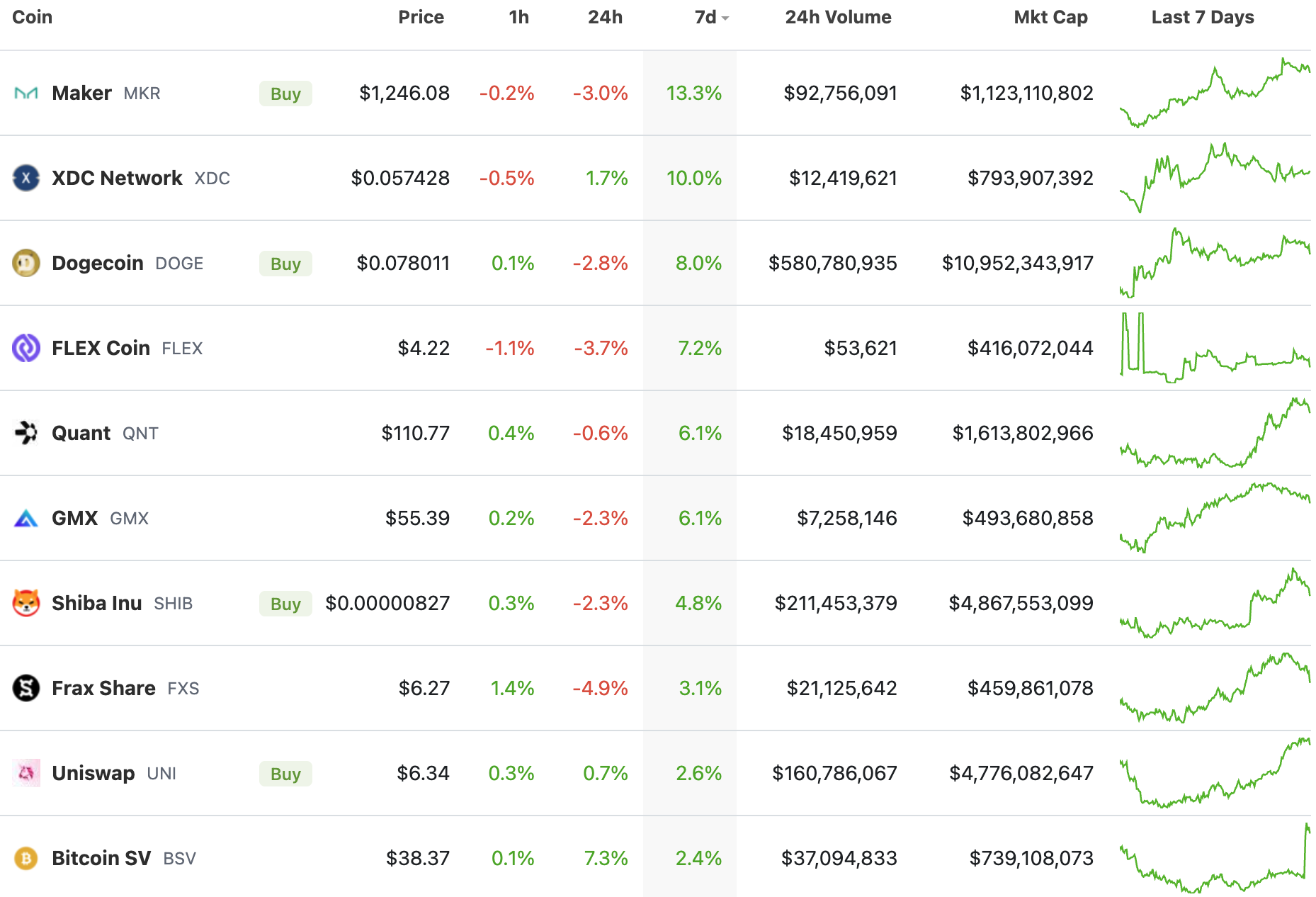
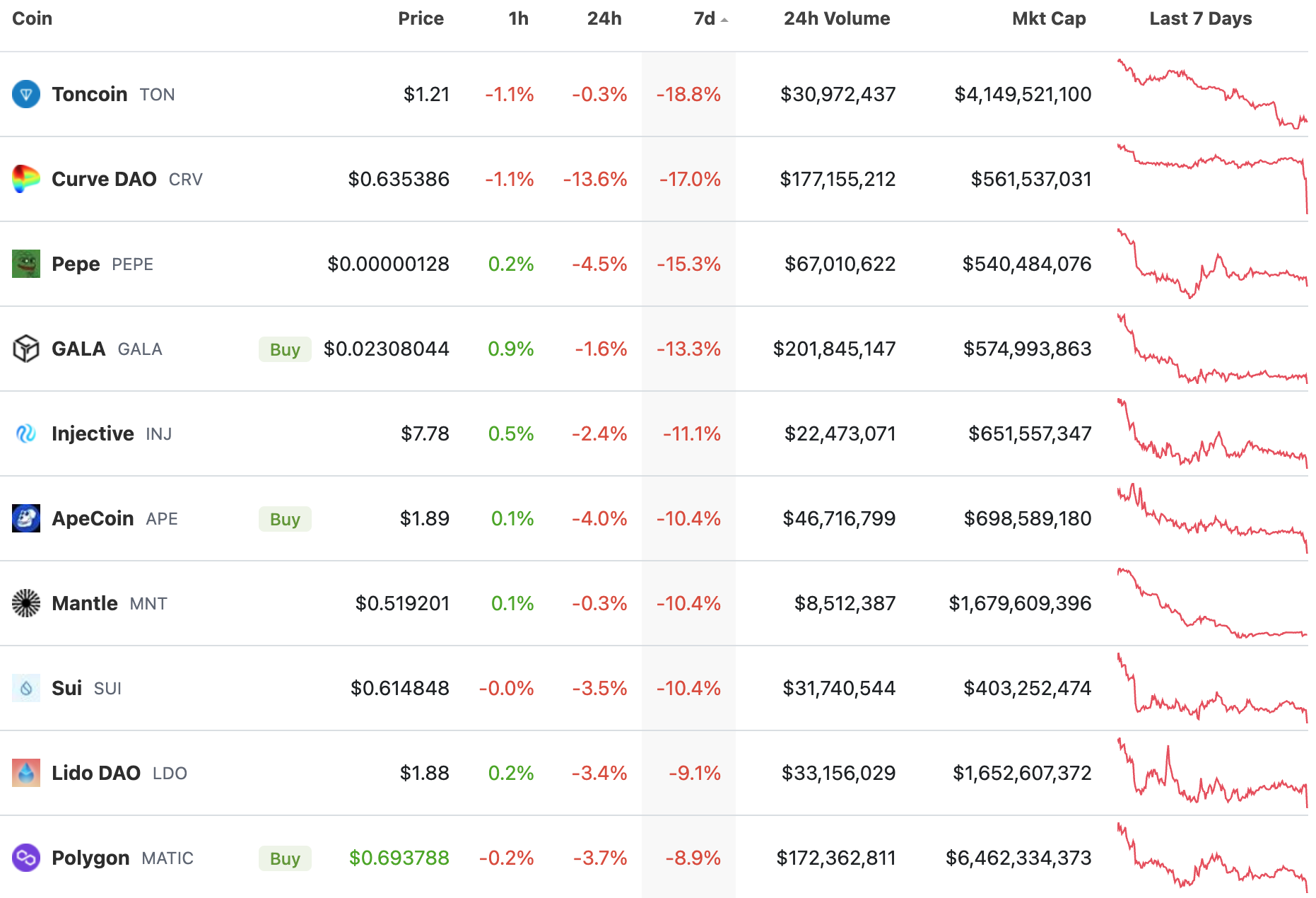
Top 100 cryptocurrencies by market cap have experienced a 7-day decline. The Curve vulnerability incident on Sunday led to a massive sell-off of CRV tokens:
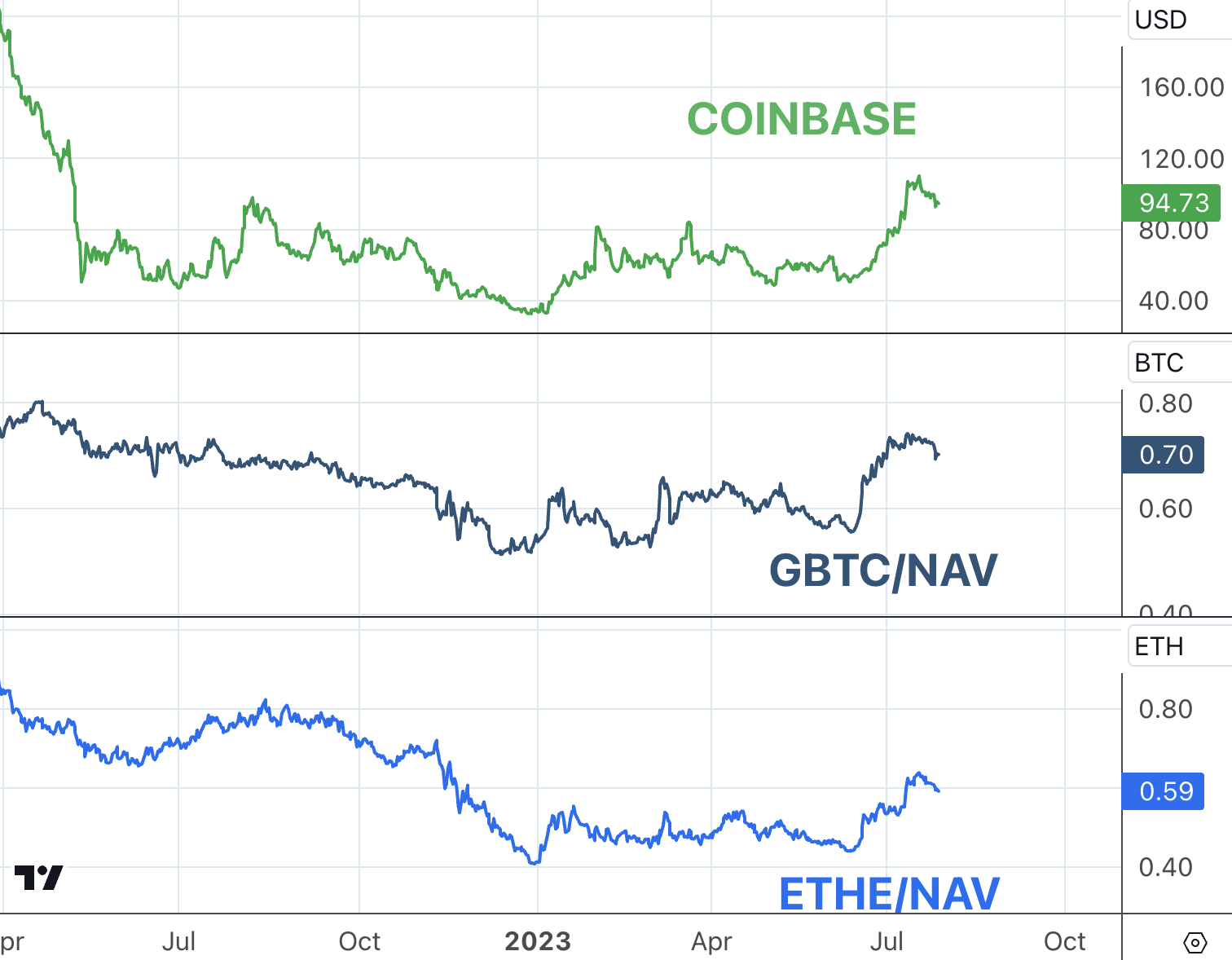
Investors in the US stock market have cooled off slightly on cryptocurrencies. The discount of GBTC has expanded from 26% to 30%, and the discount of ETHE has expanded from 38% to 41%. Coinbase stock price has fallen 5.6% throughout the week:
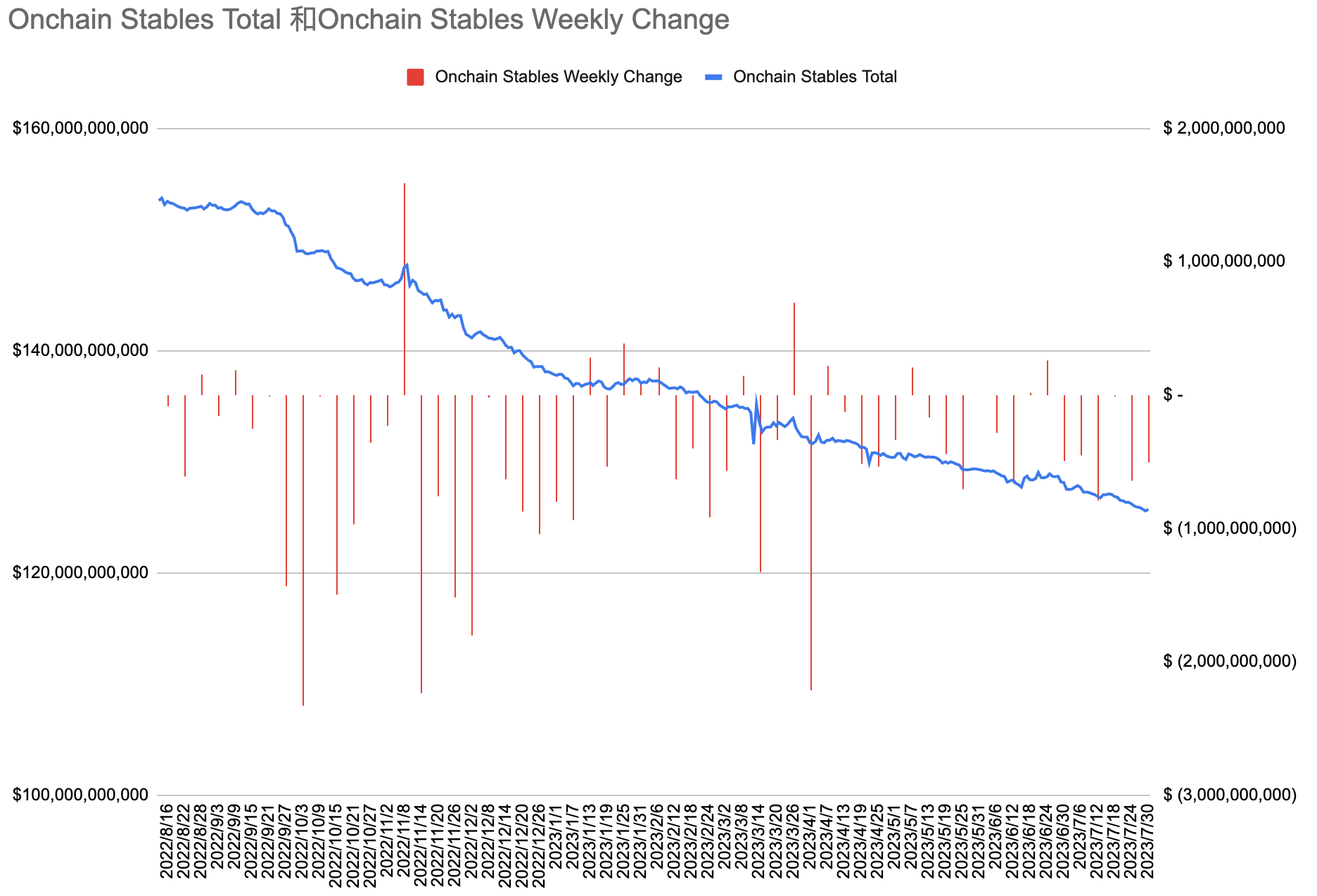
There has been a massive outflow of on-chain stablecoins for the second consecutive week (-500 million USD):
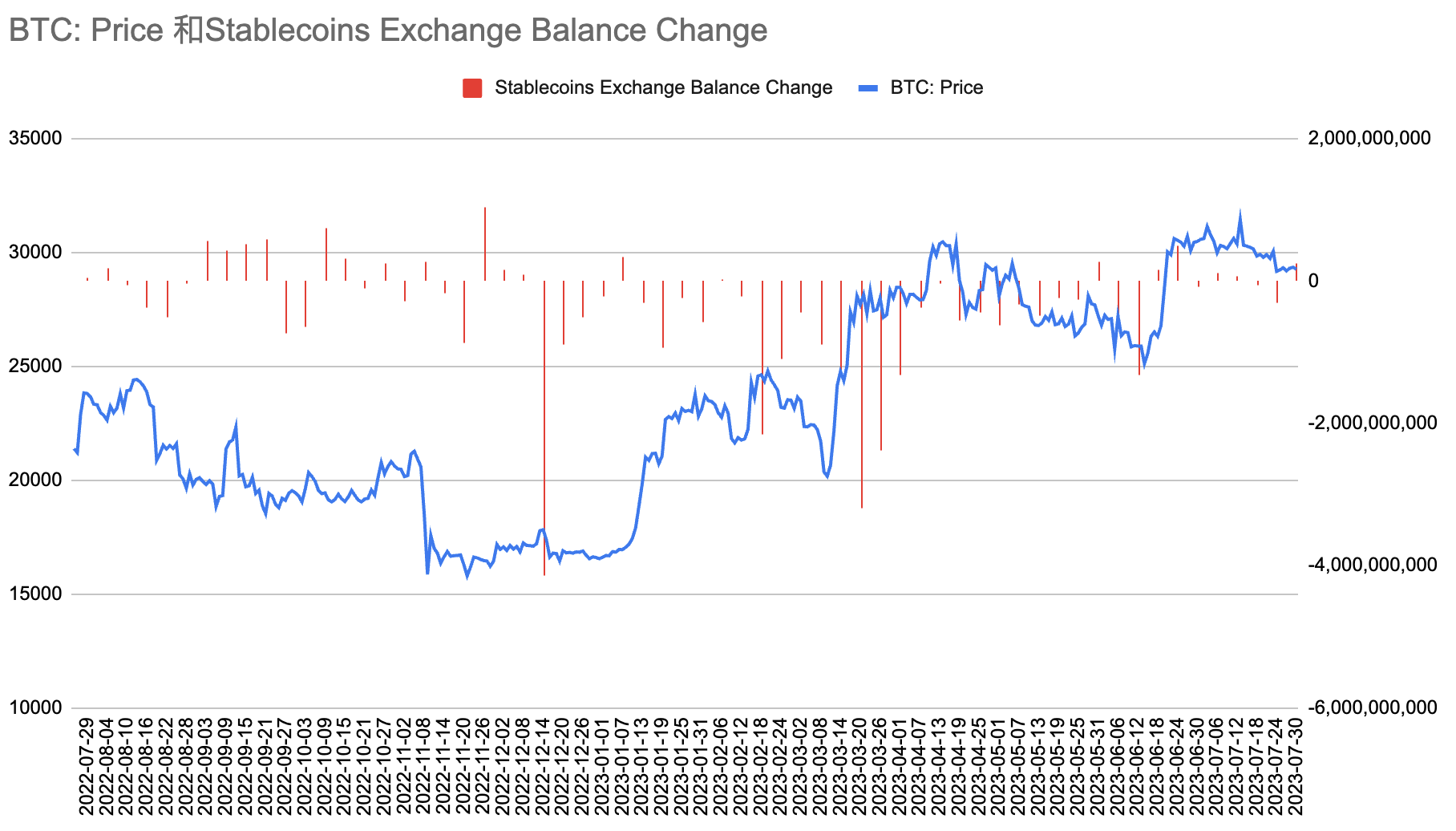
The balance of stablecoins in centralized exchanges (CEX) has slightly increased by $244 million, the highest in five weeks, but overall the changes in the past five weeks have been minimal:
Weekly Recap of Important Economic Events
GDP Exceeds Expectations, with Investment as the Main Support
US GDP grew by 2.4% in the second quarter, surpassing both the first quarter's growth and market expectations (1.8%). Looking at the breakdown:
Real consumer spending increased by 1.6%, indicating a slight cooling in consumption. Goods expenditure slowed from 6.0% in the first quarter to 0.7% in the previous quarter. The slowdown in consumer spending growth largely reflects a cooling in major purchases, mainly driven by the decline in car prices. Previously, with car dealerships replenishing their inventory, Americans rushed to buy vehicles earlier this year. Service expenditures slowed from 3.2% in the previous quarter to 2.1%, mainly driven by utilities, healthcare (outpatient and sanatoriums), financial services, and air travel.
Business fixed investment increased by 7.7%, far exceeding the 0.6% growth seen in the first quarter, marking the fastest expansion since the first quarter of 2022.
Construction spending increased by 9.7%, with the long-standing shortage of existing home supply continuing to boost new construction.Build activities.
Fed Raises Rates Again
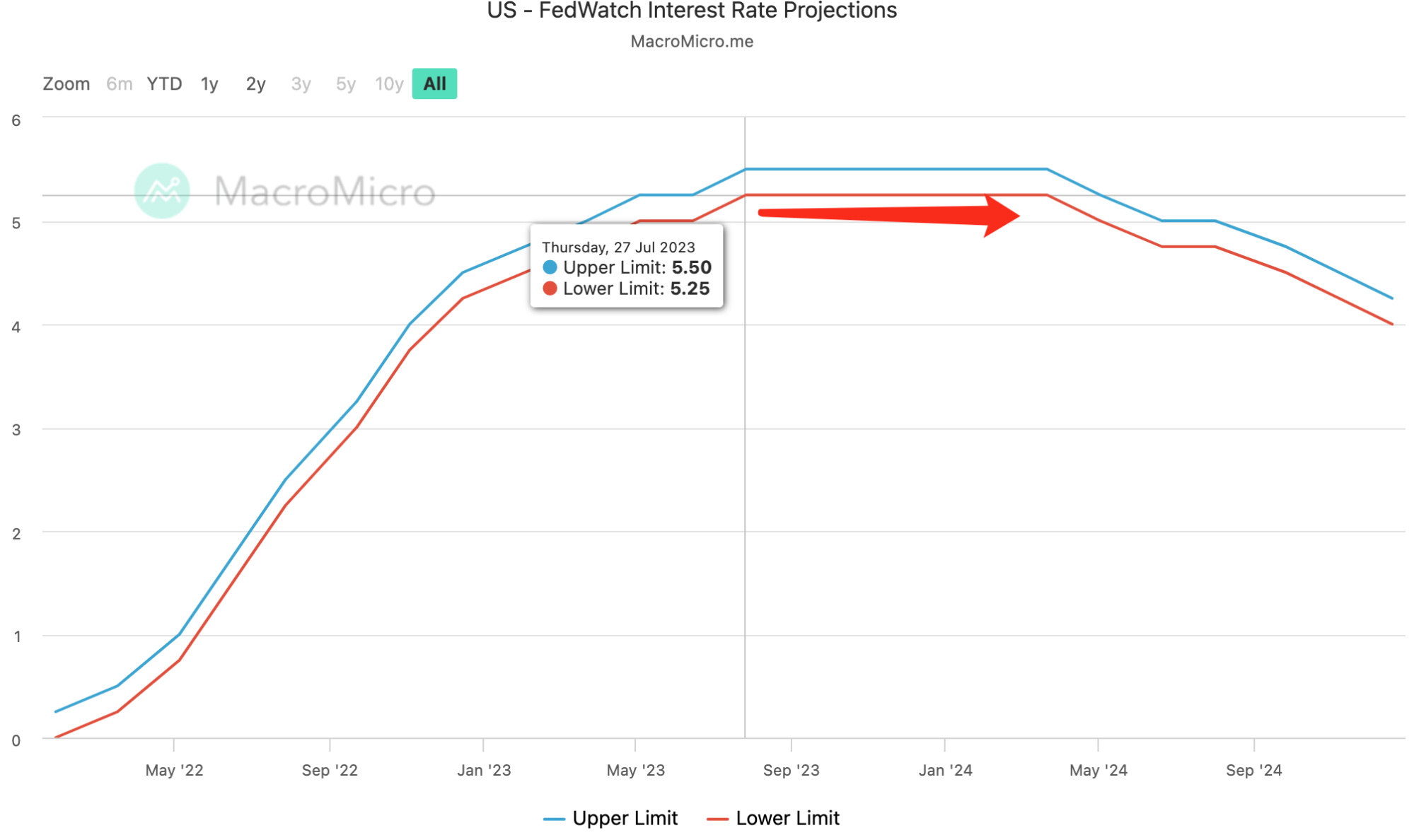
As expected, the Fed voted unanimously last week to raise the federal funds rate target range to 5.25% - 5.5%. The post-meeting statement is almost unchanged and still includes a bias towards further tightening. Chairman Powell emphasized that policy decisions are data-dependent and no decisions have been made for any future meetings. Regarding September, he mentioned that CPI, wage reports for the next two months, and an ECI data will determine the outcome of that meeting. If the data supports it, another rate hike in September is possible. However, the market currently expects this to be the last action of the Fed's current rate hike cycle.
Consumption Continues to Show Resilience + Inflation Eases
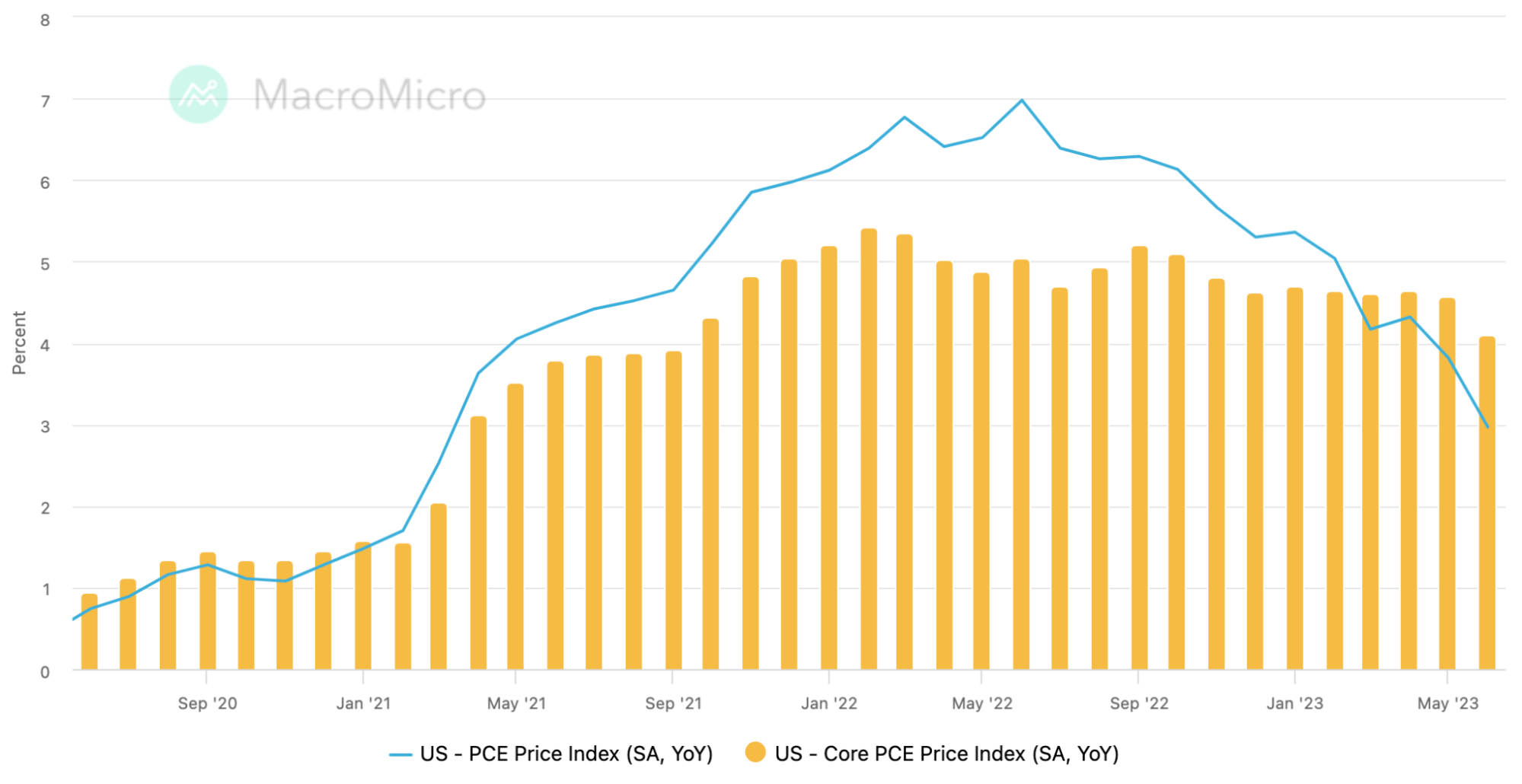
Consumer spending in June remained strong, with PCE inflation cooling more than expected.
The U.S. June PCE (Personal Consumption Expenditures) price index compared to May decreased from 3.8% to 3%, in line with expectations of 3%; month-on-month growth of 0.2%; the Fed's favorite inflation indicator —— core PCE price index, excluding food and energy, fell from 4.6% in May to 4.1%, slightly below expectations of 4.2%; month-on-month growth of 0.2%, with expectations and previous value at 0.2% and 0.3% respectively. The slowdown in core inflation is mainly due to the decline in housing costs, used car prices, and airfare prices.
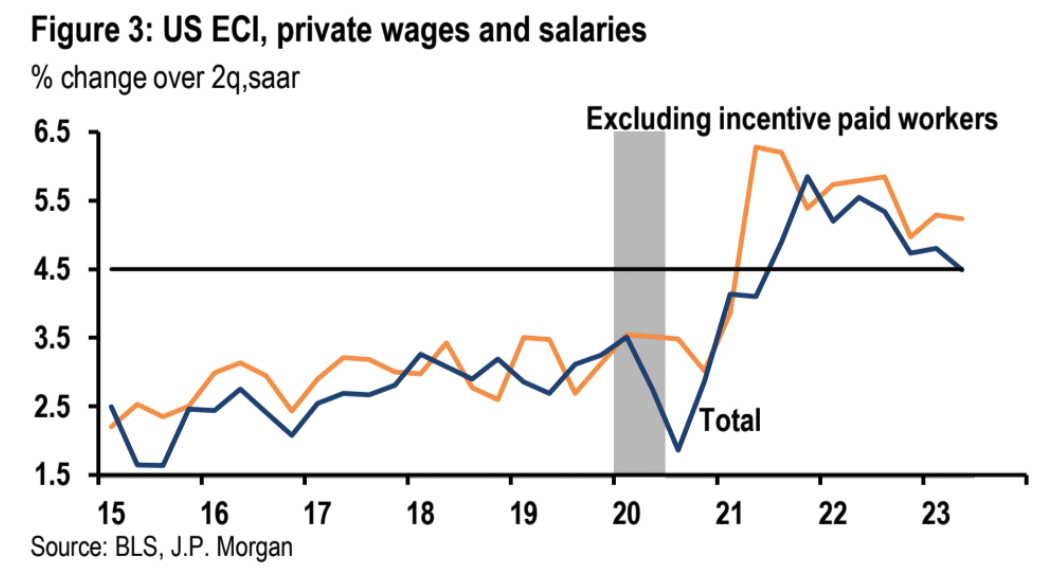
At the same time, the U.S. second quarter Labor Cost Index recorded a year-on-year increase of + 1%, lower than the expected 1.10% and the previous value of 1.2%, marking the slowest pace in two years, indicating a further cooling of wage growth.
University of Michigan consumer sentiment jumped to its highest level since October 2021 in July:
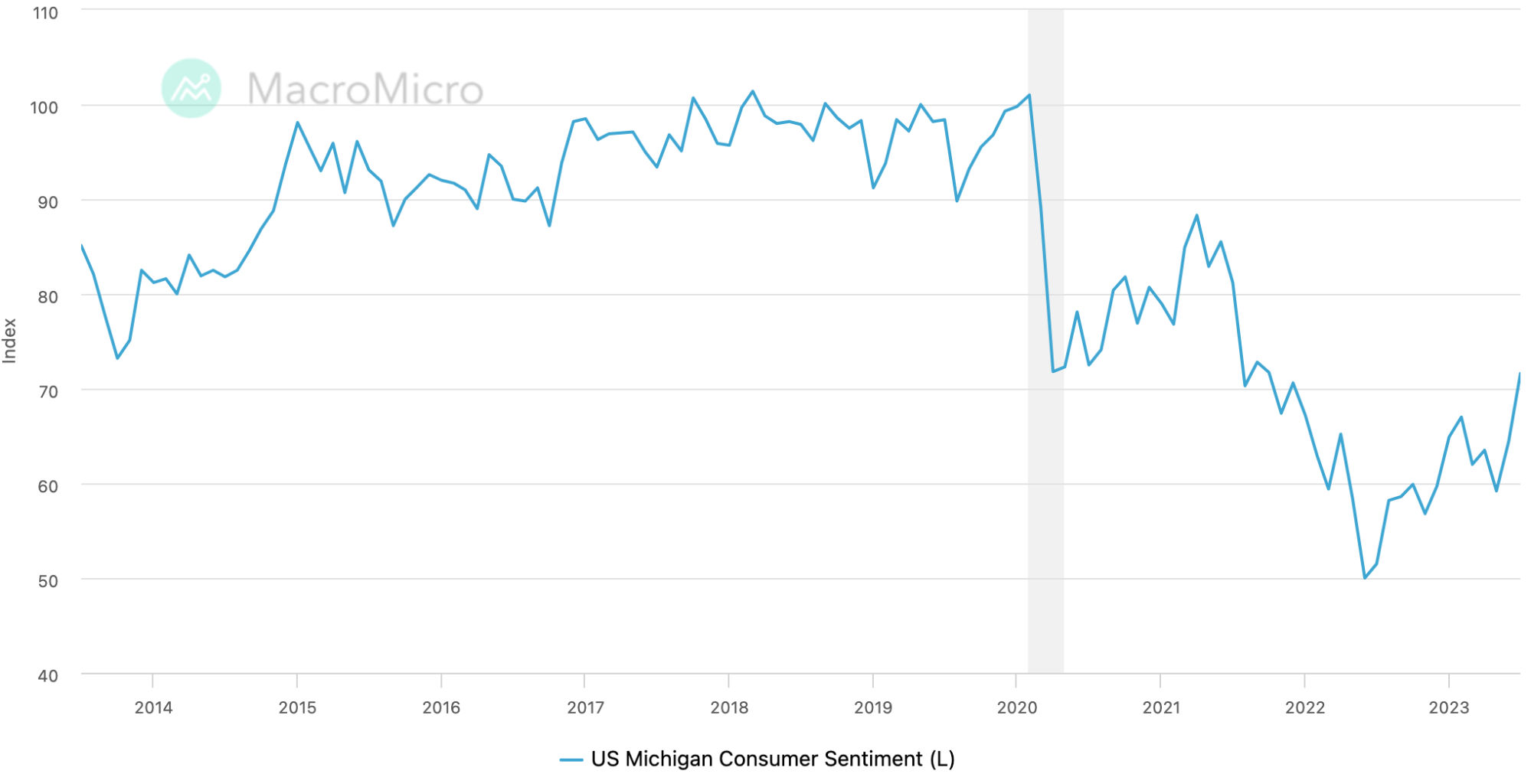
It can be seen that while US inflation is slowing, consumer spending remains strong, and wage growth is also slowing, which naturally allows the market to bet that the Fed can suppress inflation without causing an economic recession.
Slowing Unemployment
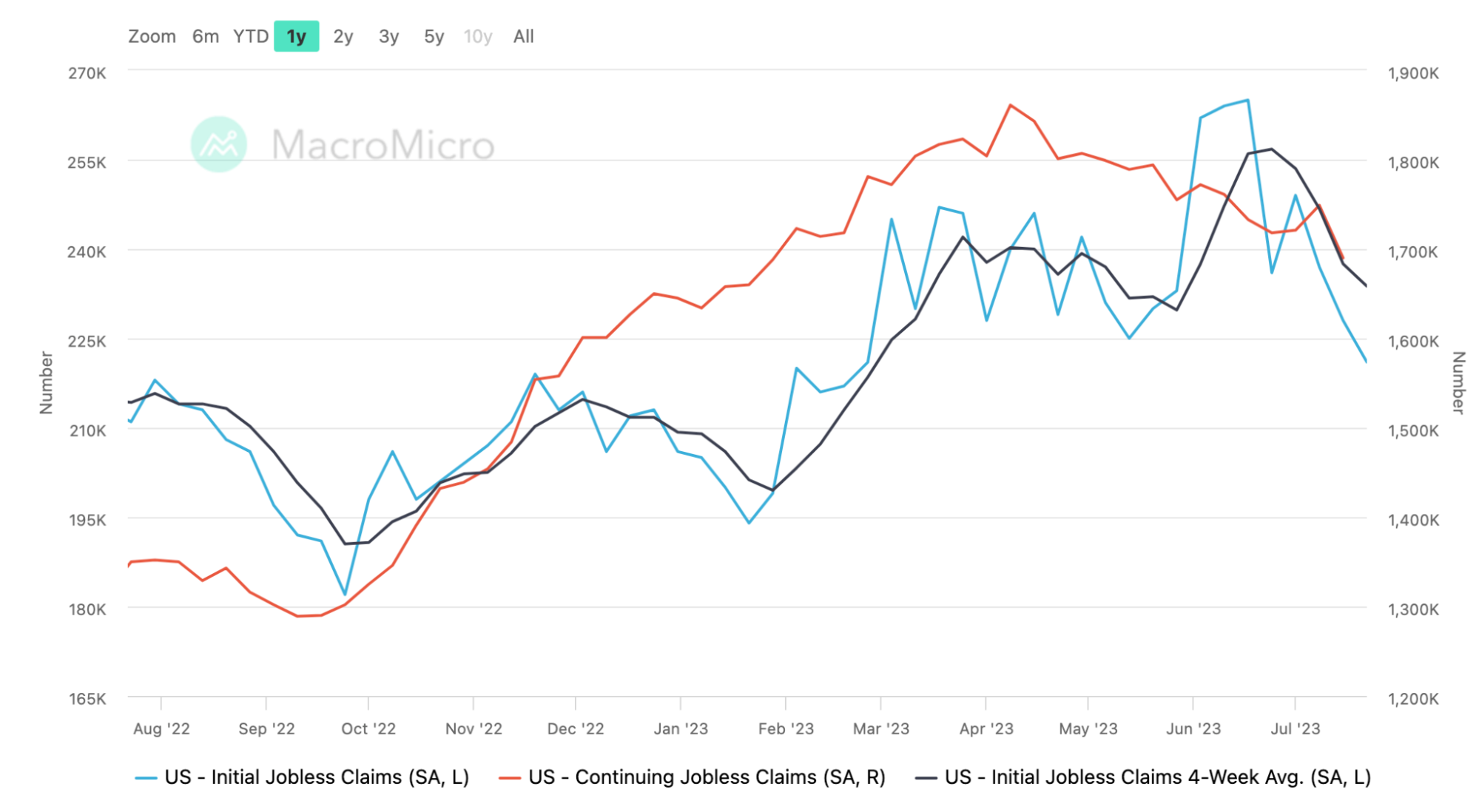
For the week ending last Saturday, initial claims for unemployment benefits adjusted for seasonal factors fell from 228,000 the previous week to 221,000, the lowest level since February, indicating that the job market continues to be hot.
More US Companies Report Better-than-Expected Earnings
Last week, 51% of the companies in the S&P 500 Index have reported their Q2 2023 earnings. Among these companies, 80% had EPS higher than expected, surpassing the 77% 5-year average and the 73% 10-year average. However, the reported earnings were 5.9% higher than expected, below the 5-year average of 8.4% and the 10-year average of 6.4%.
In the past week, positive earnings surprises reported by companies from multiple industries, particularly non-essential consumer goods, industrial, and communication services sectors, have driven the overall revenue growth of the S&P 500 companies. Since June 30th, positive earnings surprises reported by companies in various sectors, especially non-essential consumer goods and industrial sectors, have partially offset the downward revision of revenue expectations from companies in the energy sector.
BOJ Ambiguous on Exiting Ultra-Easy Monetary Policy
On Friday, the unexpected move by the Bank of Japan (BOJ) caused global market turmoil. There were conflicting interpretations on whether BOJ is taking a hawkish or dovish stance, leading to significant volatility in the Japanese yen and stock market, as well as spillover effects on most financial assets.
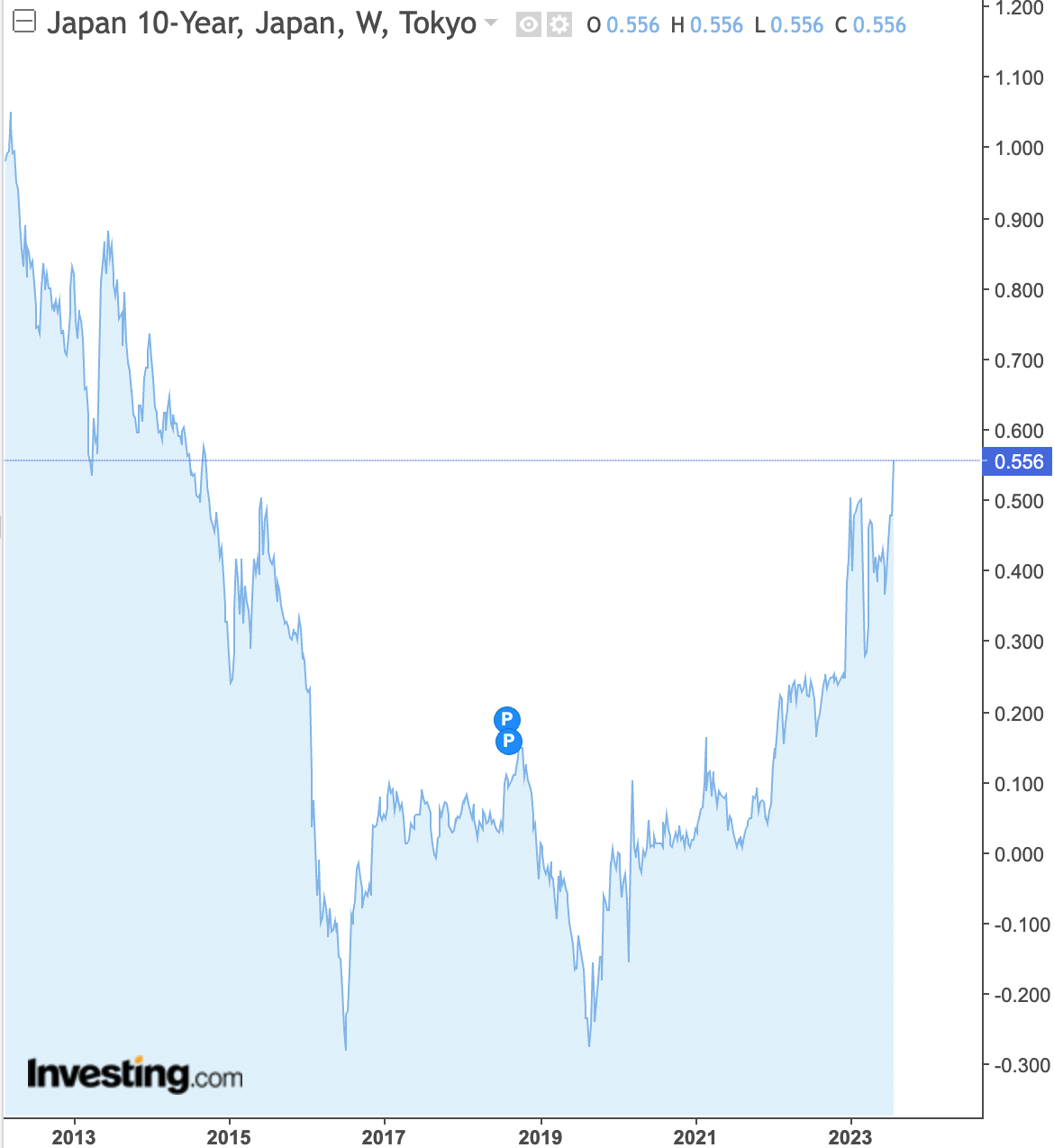
From the perspective of Yield Curve Control (YCC) policy, the Bank of Japan did not directly adjust the target interest rate range. However, by introducing the phrase "more flexible control" and purchasing a certain amount of 10-year government bonds at a fixed rate of 1.0%, the market believes, but not completely, that the "new upper limit" of the YCC has become 1%. This is a rather interesting and ambiguous policy approach, which is indeed in line with the Japanese style. However, the Bank of Japan lowered its CPI forecast median for the fiscal year 2024 from 2% in April to 1.9%, which is below the 2% target rate. It also slightly expanded the upper limit of bond purchases, which provides evidence for dovish views. Ultimately, the uncertainty surrounding the Bank of Japan's policy was reduced. USDJPY rose back to the high point of the day before the policy announcement, and the anticipated turning point for the yen exchange rate did not occur. The yield on 10-year Japanese government bonds remained at 0.56%, failing to reach the 1% upper limit, and the previously boosted US bond yields also gave back some of their gains.
Central Political Bureau Meeting Brings "Policy Bottom"
The Central Political Bureau meeting of China in July took a more dovish stance than expected, promising real estate loosening, local debt resolution, and capital market support. This may be an important turning point. The market generally expects more specific stimulus measures to boost economic growth.
The meeting acknowledges the challenges in economic growth and promises to take more powerful counter-cyclical measures to boost domestic demand, improve expectations, and prevent risks. Specific measures include:
Real estate demand-side loosening: Relaxing purchase restrictions to support improvement-oriented demand.
Infrastructure investment growth: Accelerating the issuance and use of local government special bonds.
Continued monetary loosening: Further reserve requirement ratio cuts, interest rate cuts, and directed re-lending.
Consumer incentives: Focus on automobiles, electronic products, and home appliances.
The conference also promised to take measures to resolve local government debt risks, support the development of private enterprises and platform economies, and boost confidence in the capital market.
Overall, the conference gave the green light to more stimulus policies to achieve the goal of stable growth. It is expected that more policy measures will be introduced in the coming 1-2 months, especially in the real estate and infrastructure sectors.
This round of rise can be seen as the lowest assets with the most pessimistic expectations and the most severe damage to fundamentals rising first, such as real estate and finance-related chains; then turning to industries with sustainable earnings growth, such as bulk commodities and specific subcategories of manufacturing.
Position and Cash Flow
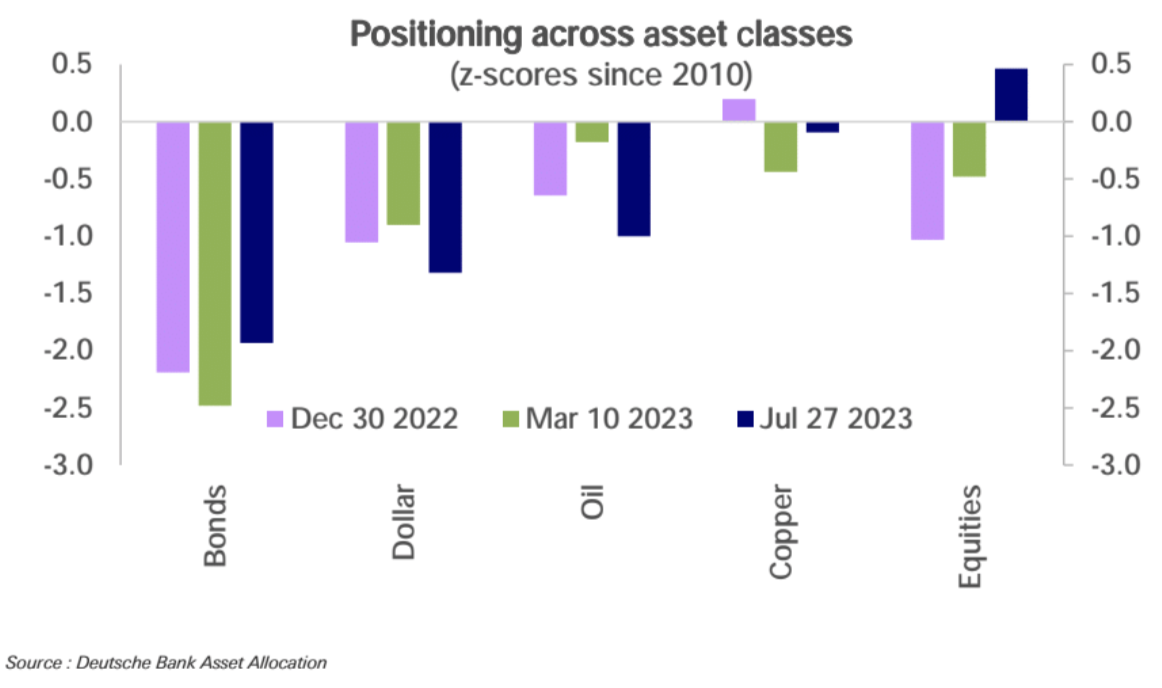
According to Deutsche Bank's calculation, stock investors' positions have slightly decreased this week mainly due to subjective investors reducing their positions, but they still remain at high levels (Z score 0.46, percentile 72%). Positions in commodities such as oil and copper have risen, positions in the US dollar have decreased, and positions in bonds have also decreased.
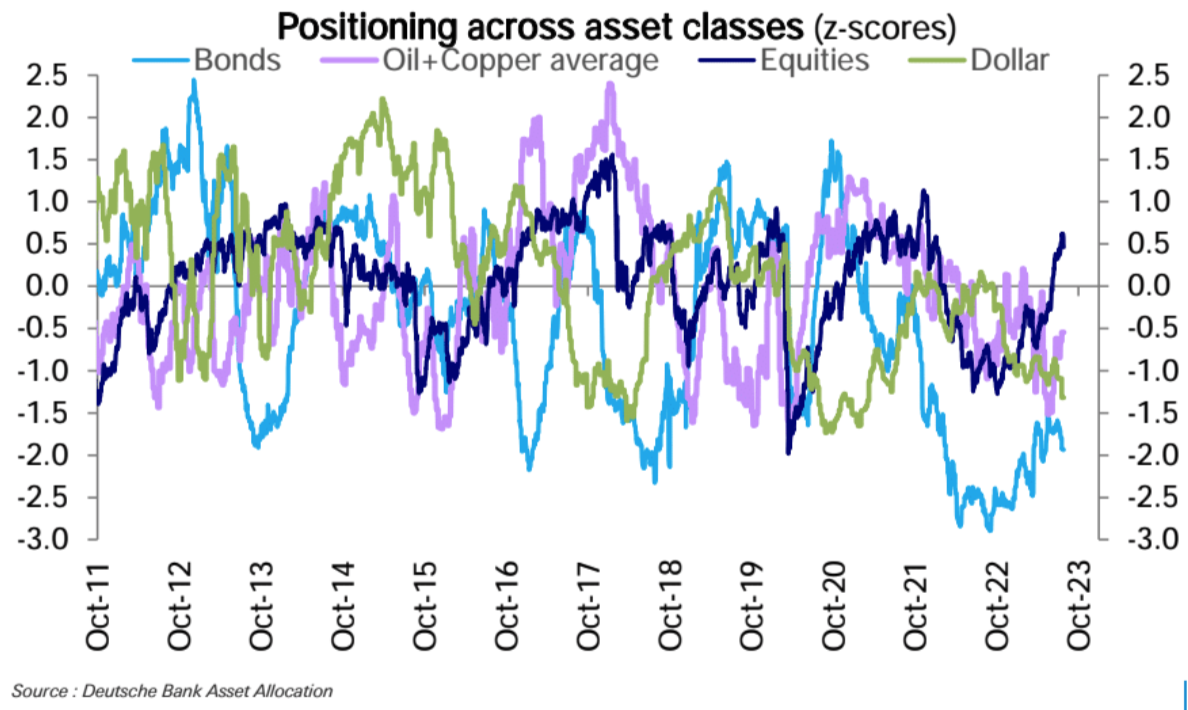
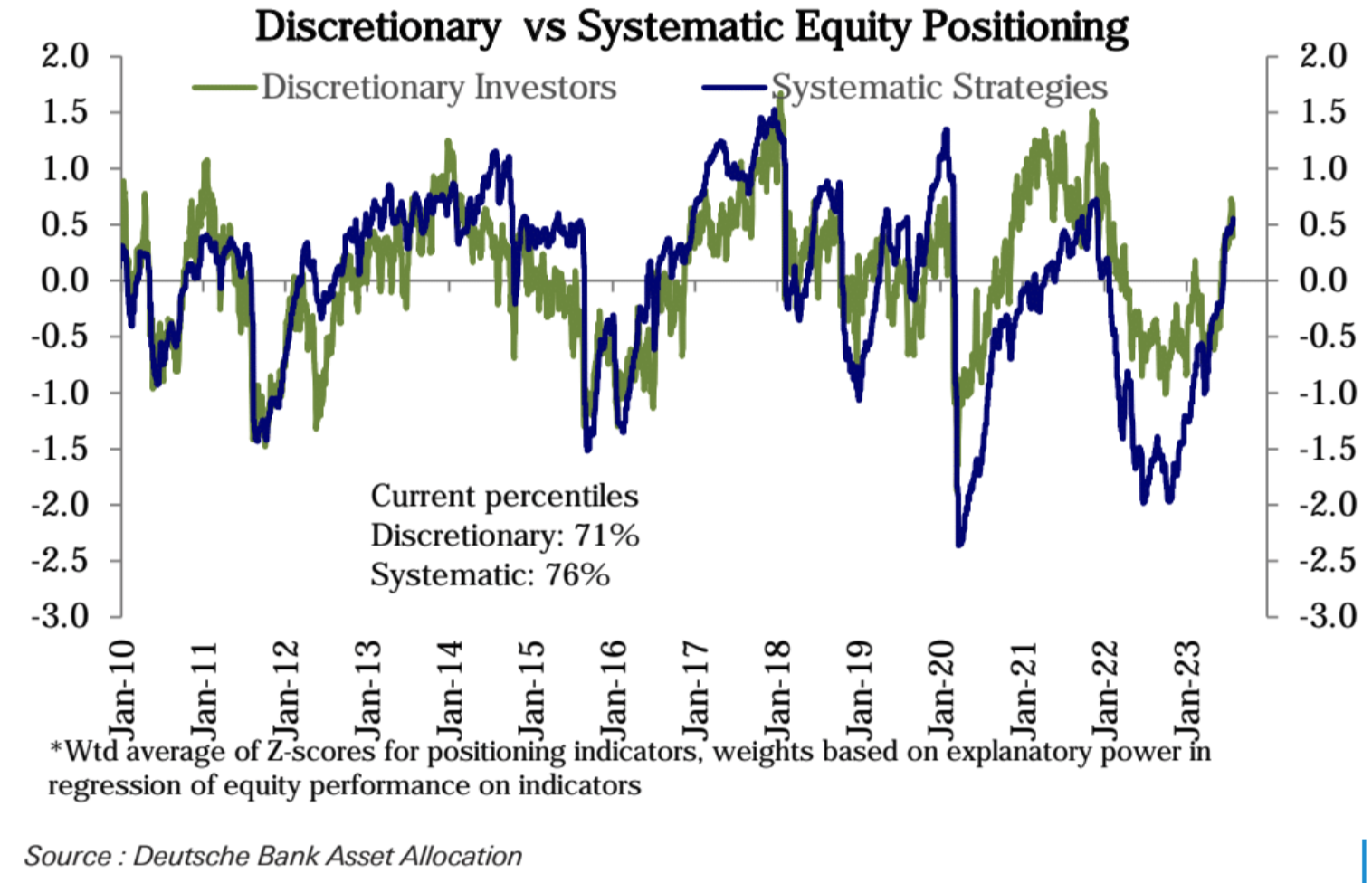
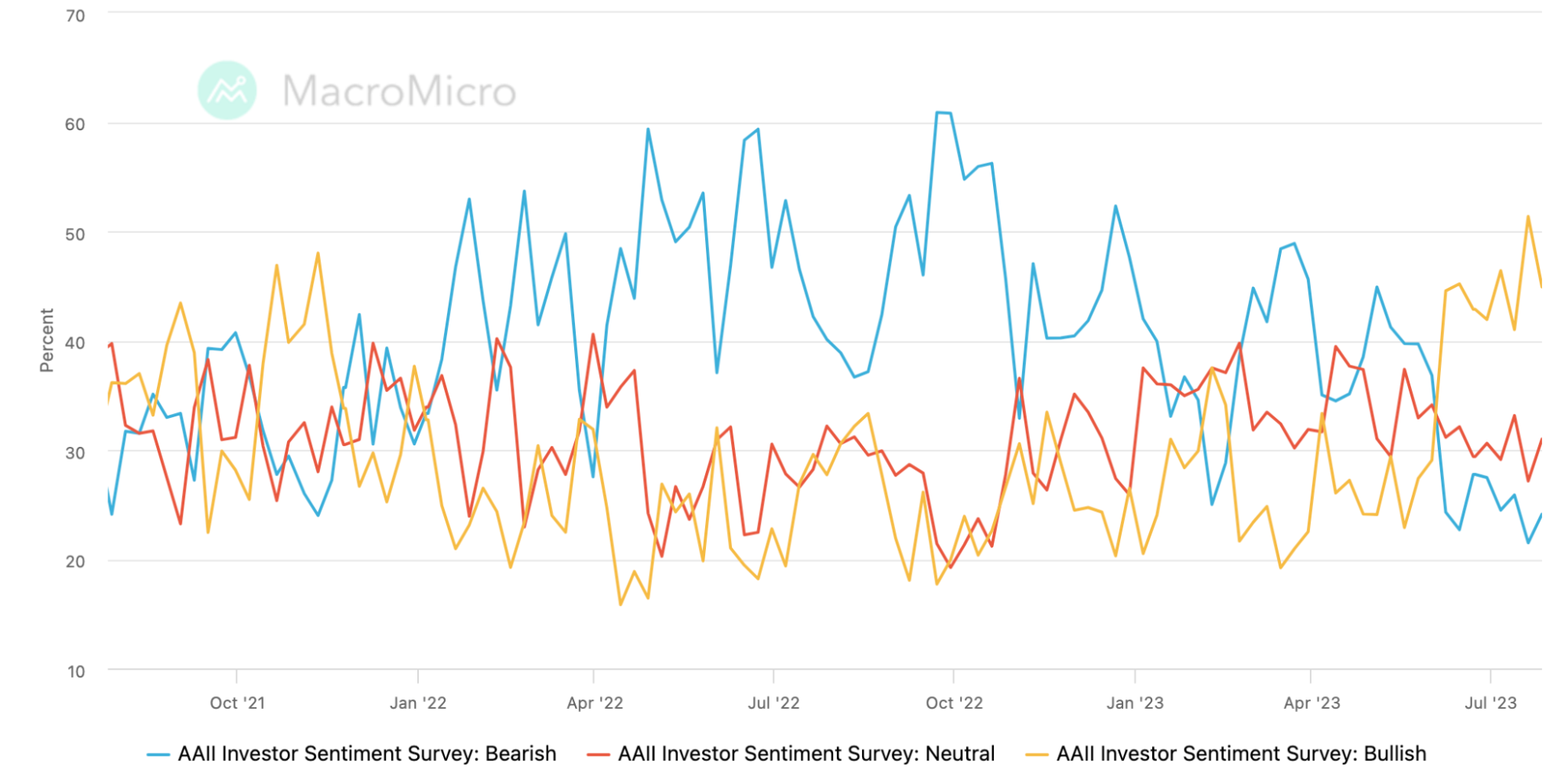
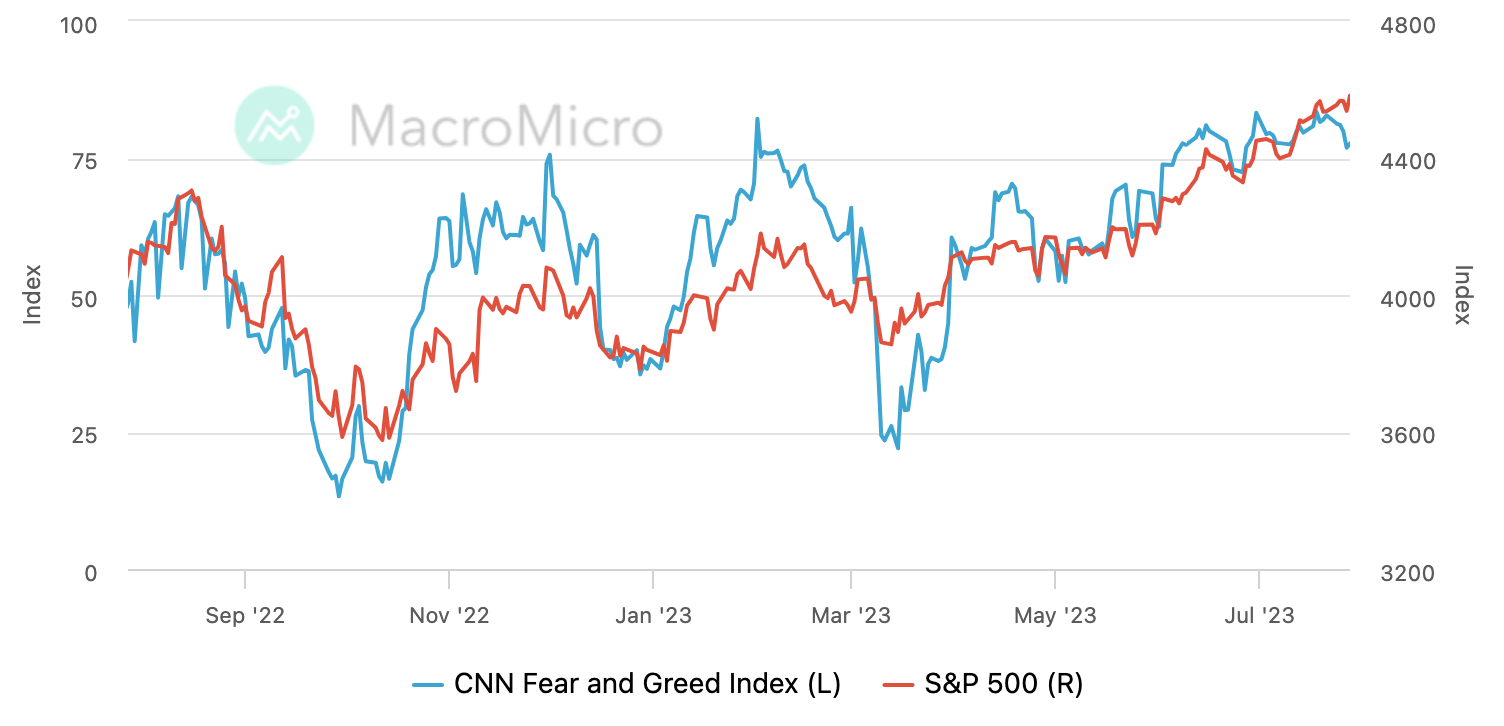
Subjective investor positions plummeted significantly (down from the 86th percentile to the 71st percentile), while systematic strategy investor positions rose (up from the 72nd percentile to the 76th percentile). This is consistent with the sentiment surveys of AAII and CNN, indicating that retail investor sentiment is showing some softness. However, the good news is that institutional investor positions are once again on the rise:
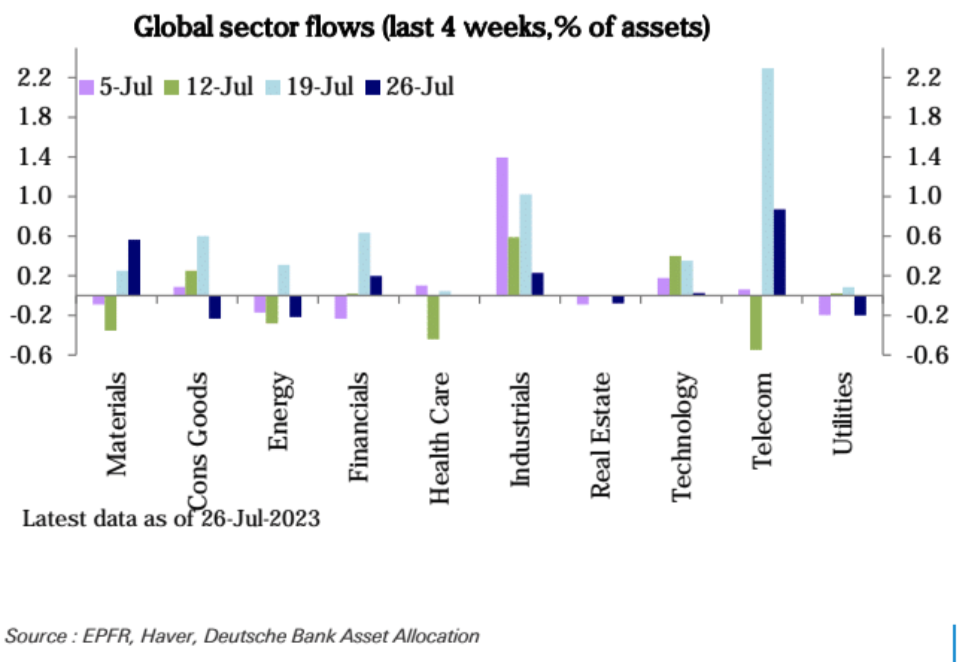
Last week, equity funds recorded strong inflows ($13.8 billion), driven by inflows into the US ($9.9 billion) and emerging markets ($3.6 billion). Europe saw outflows for the 20th consecutive week (-$1.3 billion). The UK also saw small redemptions (-$0.1 billion). Looking at industries, materials ($0.6 billion) and financials ($0.4 billion) received significant inflows. Inflows into technology ($0.1 billion) slowed significantly, while non-essential consumer goods (-$0.4 billion), energy (-$0.3 billion), and real estate (-$0.3 billion) saw redemptions. Fund flows in other industries were relatively insignificant.
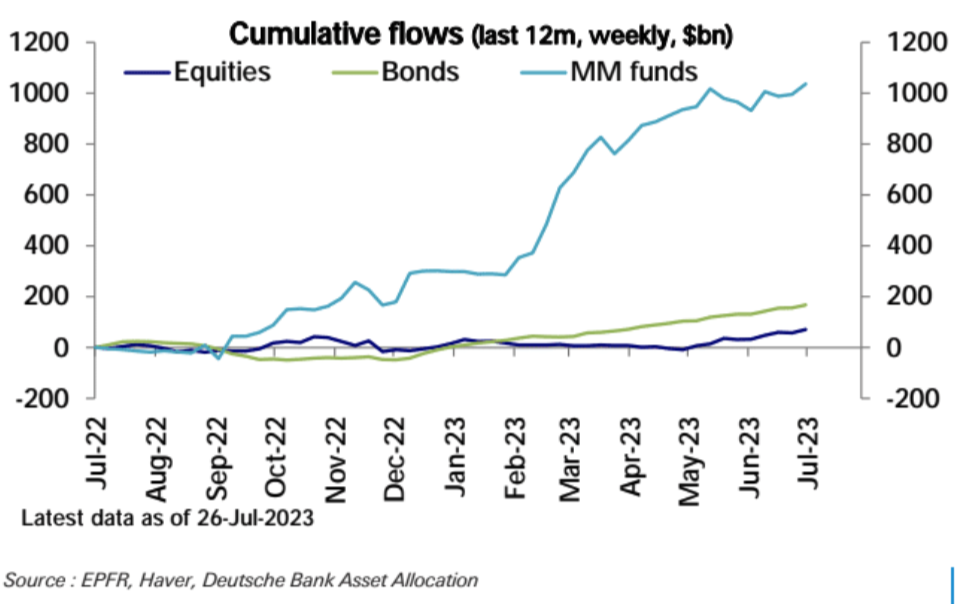
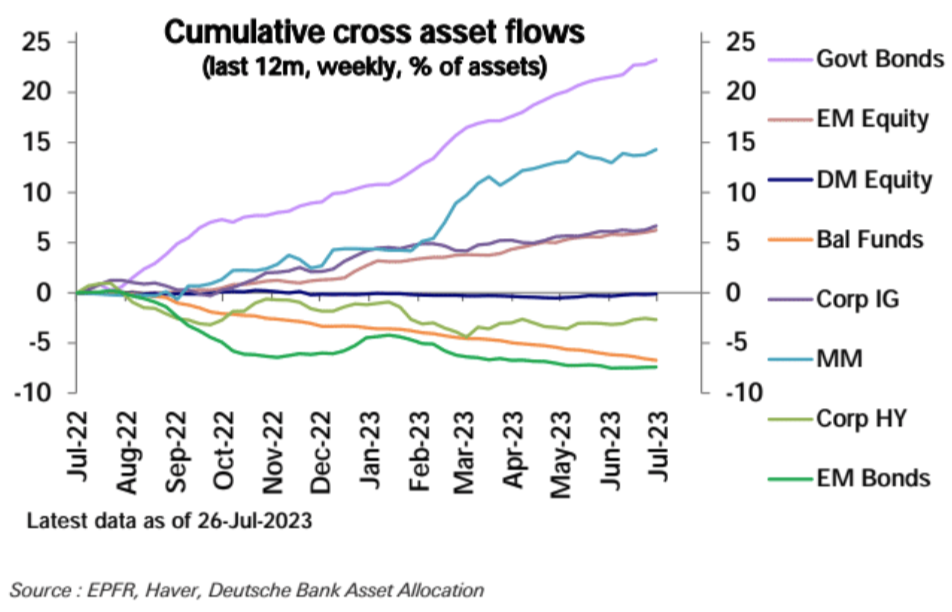
Bond funds recorded strong inflows (110 billion US dollars) this week, while money market funds saw strong inflows (406 billion US dollars).
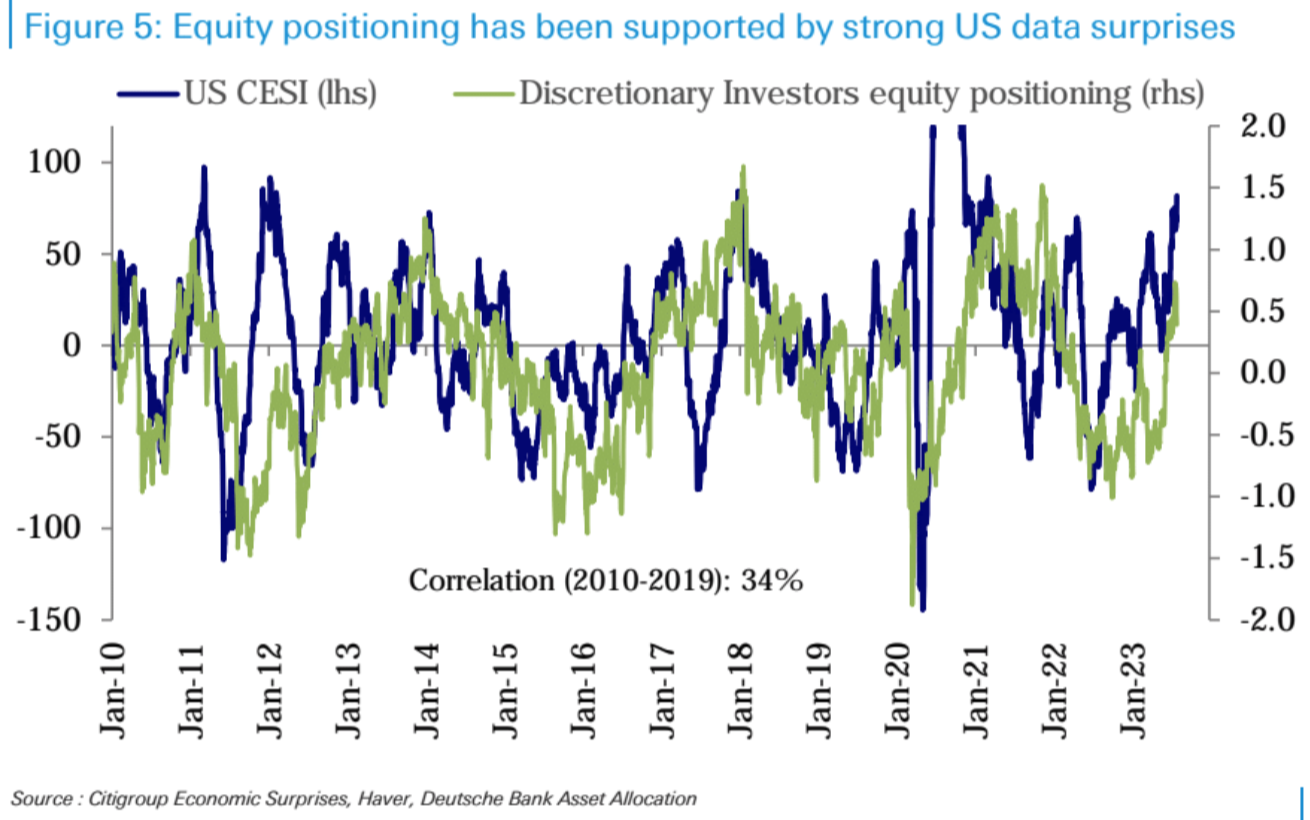
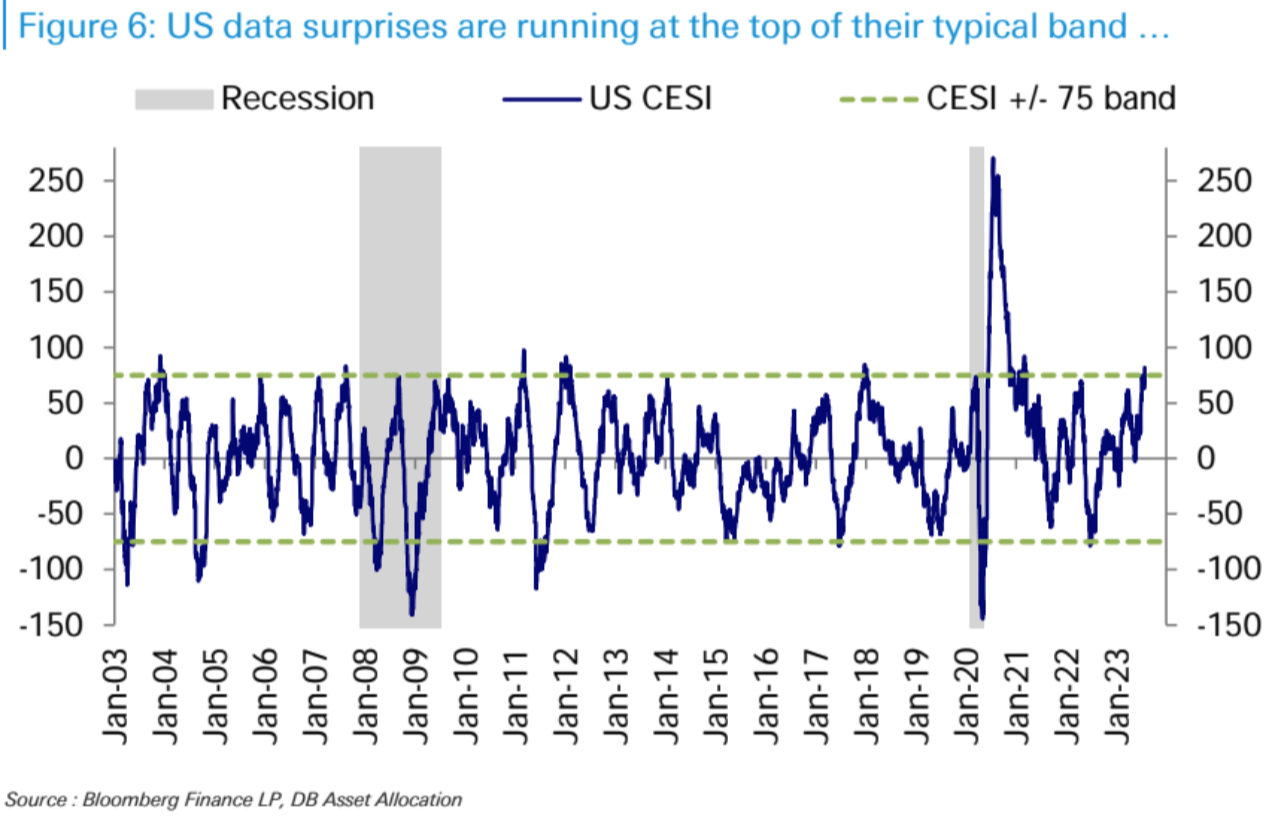
Deutsche Bank's view: Strong US data surprises have supported a rapid increase in stock positions, but these data surprises may have peaked. Because data surprises tend to mean revert and historically maintain a range-bound pattern. US data surprises are currently at the top end of that range, and historical patterns show that they will start to weaken from now on.
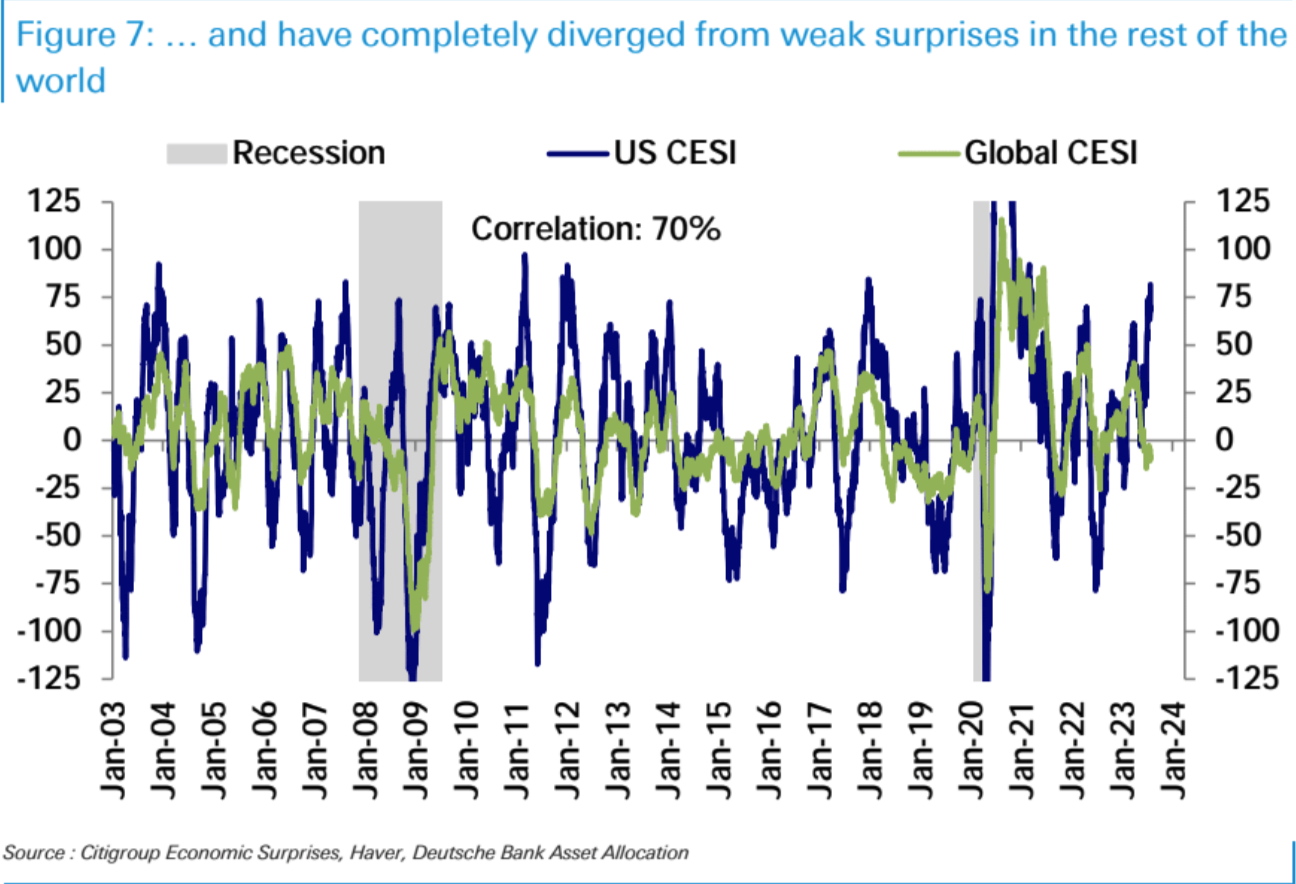
In addition, the U.S. data surprise index has completely diverged from the negative data surprises in other parts of the world. Usually, data surprises in the U.S. are highly correlated with those in other parts of the world. The current gap between the two has reached a historical high, excluding the impact of the pandemic. Where will this gap go? It is possible that both sides will converge.
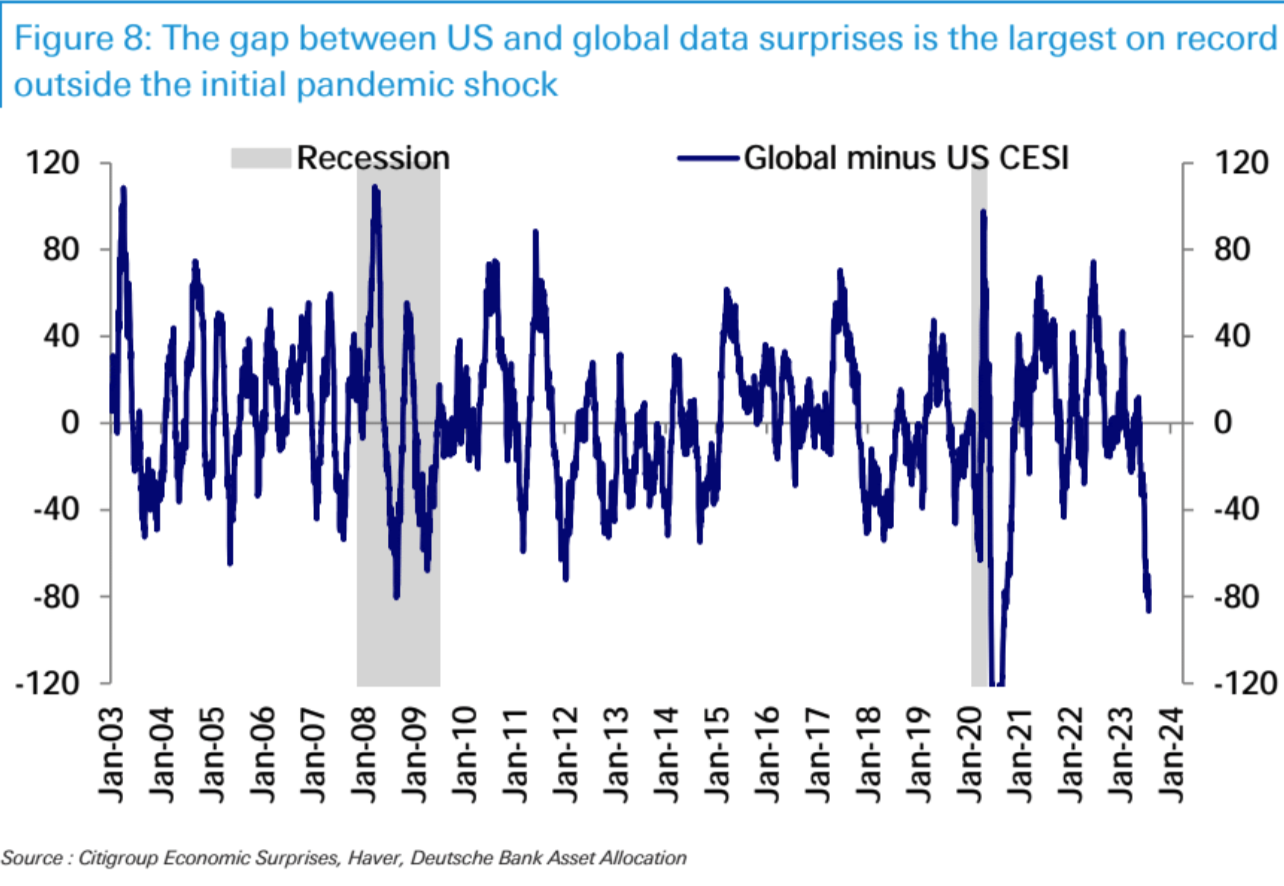
We believe that the improvement in data will drive expectations higher, and higher expectations will lead to a higher probability of disappointment. This logic is reasonable, and this phenomenon means that the positive support for the sentiment in the U.S. stock market may weaken. However, economic data surprises are only one of the many driving factors in the market. Surprises in corporate earnings are also an important driving force and have performed well so far.
Market Sentiment
Despite the continued rise in the stock market, both the AAII investor sentiment survey and the CNN Fear & Greed Index have fallen from their highs, which is relatively rare historically:
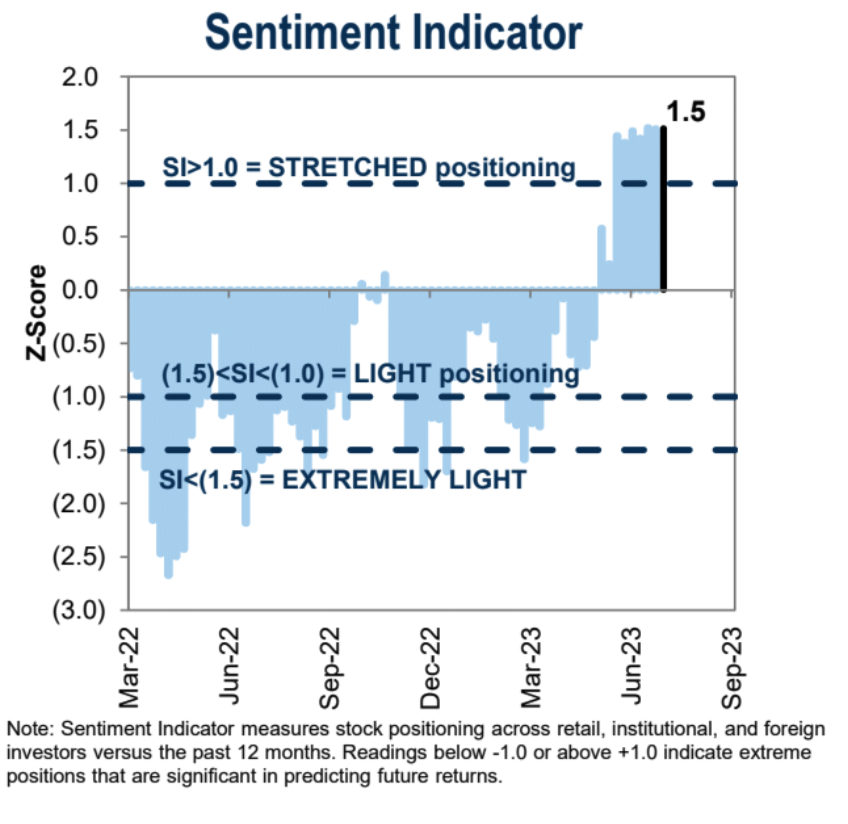
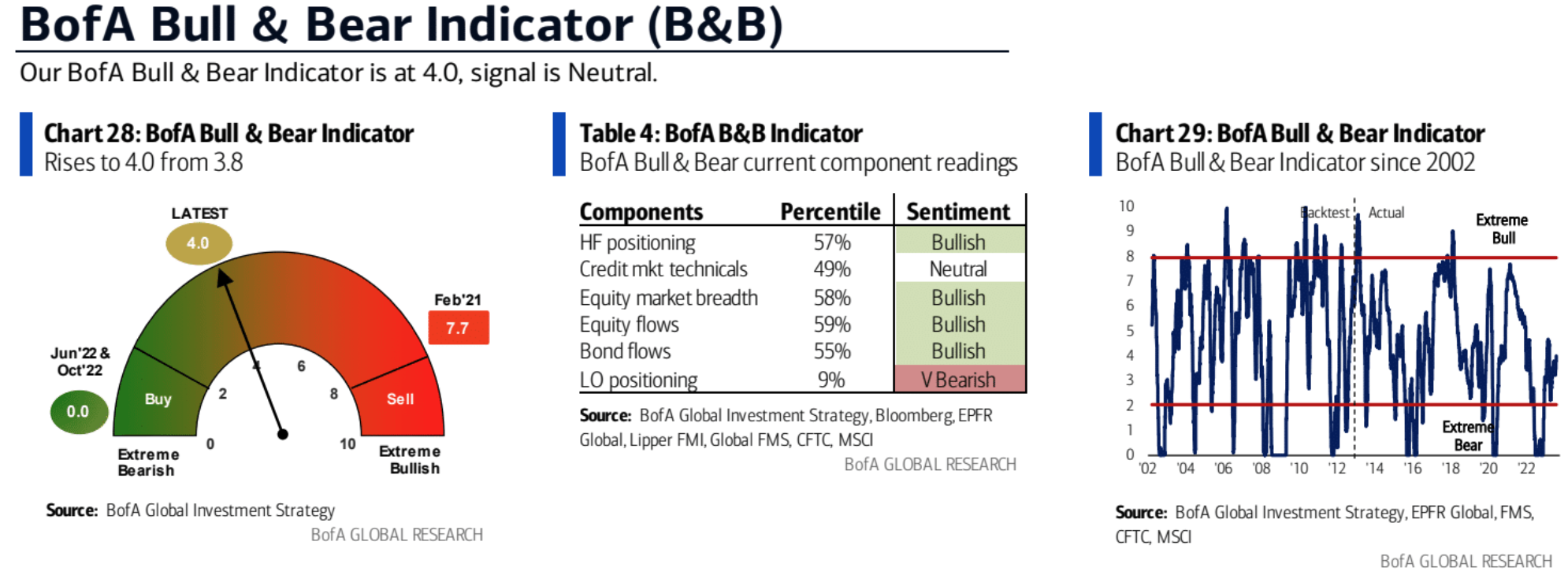
In terms of institutional sentiment, Goldman Sachs' sentiment indicator remains at a high level, while Bank of America Merrill Lynch's sentiment indicator is in the neutral range with no signs of overheating:
Focus this week
July employment
The next big test for the market is the July nonfarm payroll report this Friday. Employment growth has been steadily declining, but only gradually, which may not meet the expectations of Federal Reserve officials. The market expects that July employment growth will continue to slow, with an estimated increase of 175,000 nonfarm jobs, including an increase of 140,000 jobs in the private sector. In addition, the June JOLTS report and data on job openings and voluntary separations, which are closely watched, will also be released this week.
Apple, Amazon Q2 earnings
Apple and Amazon are the most important highlights in the US stock market this week, along with chip manufacturers AMD and Qualcomm, payment company PayPal and Block, rental platform Airbnb, trading platform Robinhood, delivery app Uber and DoorDash, as well as pharmaceutical companies Moderna and Pfizer.
The State Council Information Office will hold a press conference on Monday afternoon to introduce measures to restore and expand consumption. Li Chunlin, Deputy Director of the National Development and Reform Commission, and relevant officials from the Ministry of Industry and Information Technology, Ministry of Commerce, Ministry of Culture and Tourism, and State Administration for Market Regulation will introduce the measures to restore and expand consumption.