This article discusses whether the lower the gas fee, the better?


Original title: "How high do we want gas fees to be on Ethereum?"
Original compilation:
Original compilation:Jack(0x137),BlockBeats
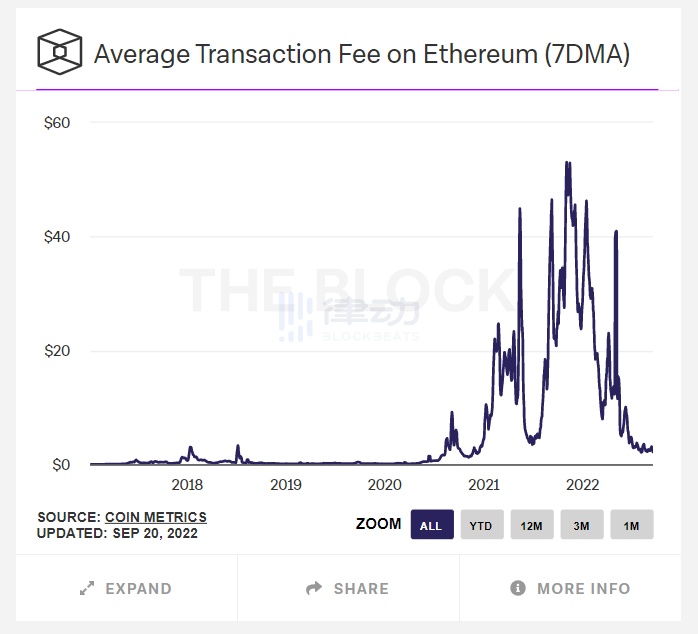
For ETH holders, the high gas fee is a double-edged sword:
The upside: High fees mean high P/E ratios, resulting in more staker returns and putting deflationary pressure on ETH supply.
The downside: the user experience will be terrible, because users will be forced to pay triple-digit Gas for Uniswap transactions.
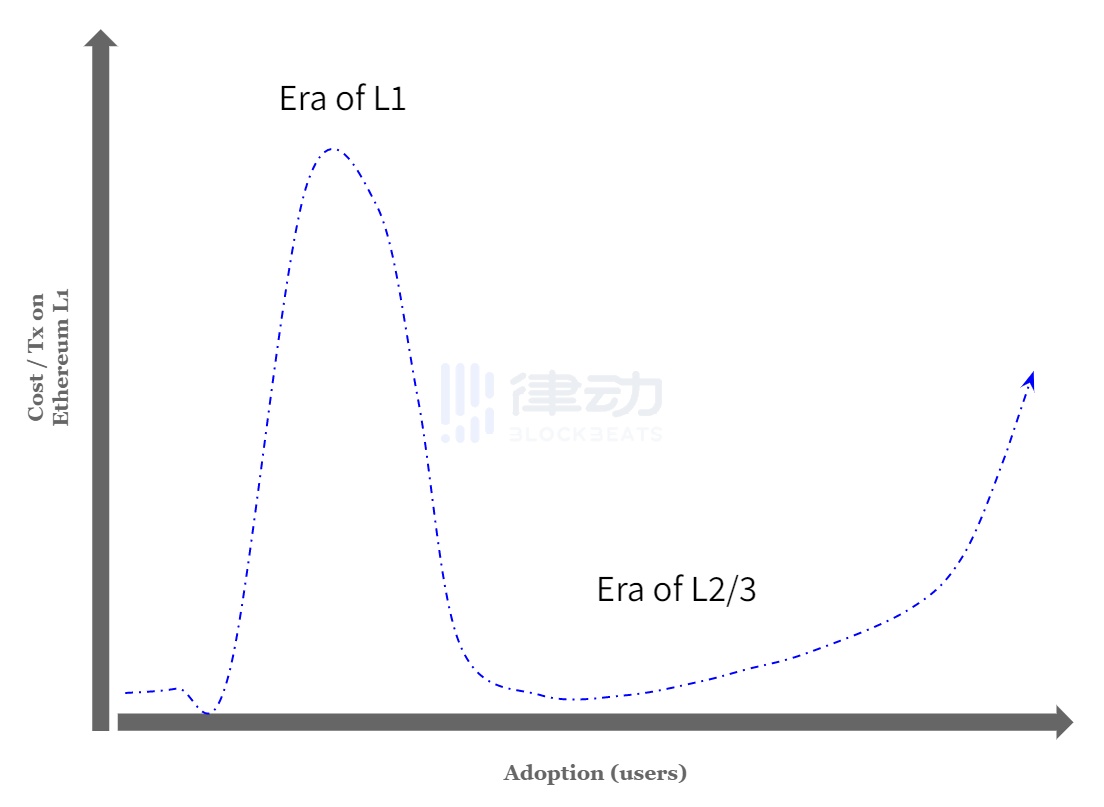
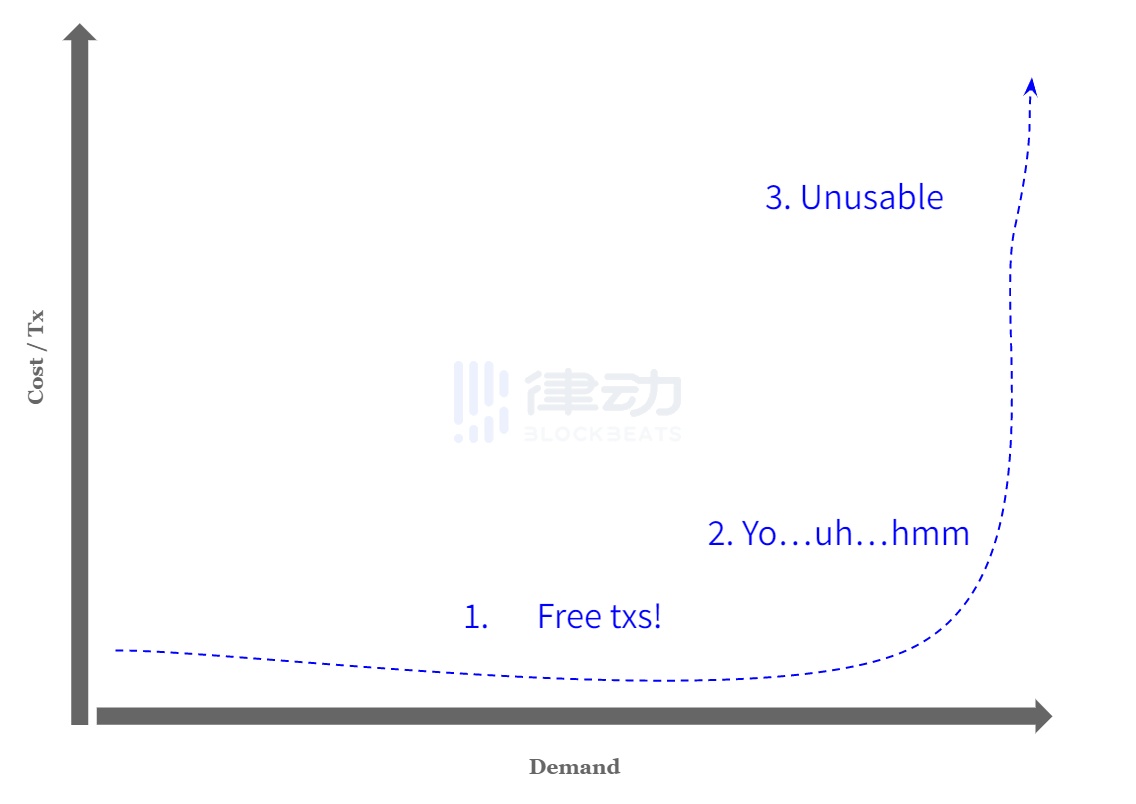
The ideal goal of ETH is to generate fees while avoiding excessively expensive transaction fees, which is difficult on Layer 1 public chains (such as Ethereum), because once the block space is filled, fees will increase at a very fast rate. increase. Transactions are essentially free until the blocks are filled, and once they are filled, user bids quickly raise the fee for everyone.
In the current market, most people think that transaction demand has fallen off a cliff, because the current average transaction cost is about 1/20 of the peak of the bull market. However, it would be incorrect to view this as a 95% drop in transaction demand.
Because of this dynamic in which fees can easily skyrocket, Ethereum does not incur significant fees (while other L1 public chains today incur almost none).
The best options for Ethereum might be:
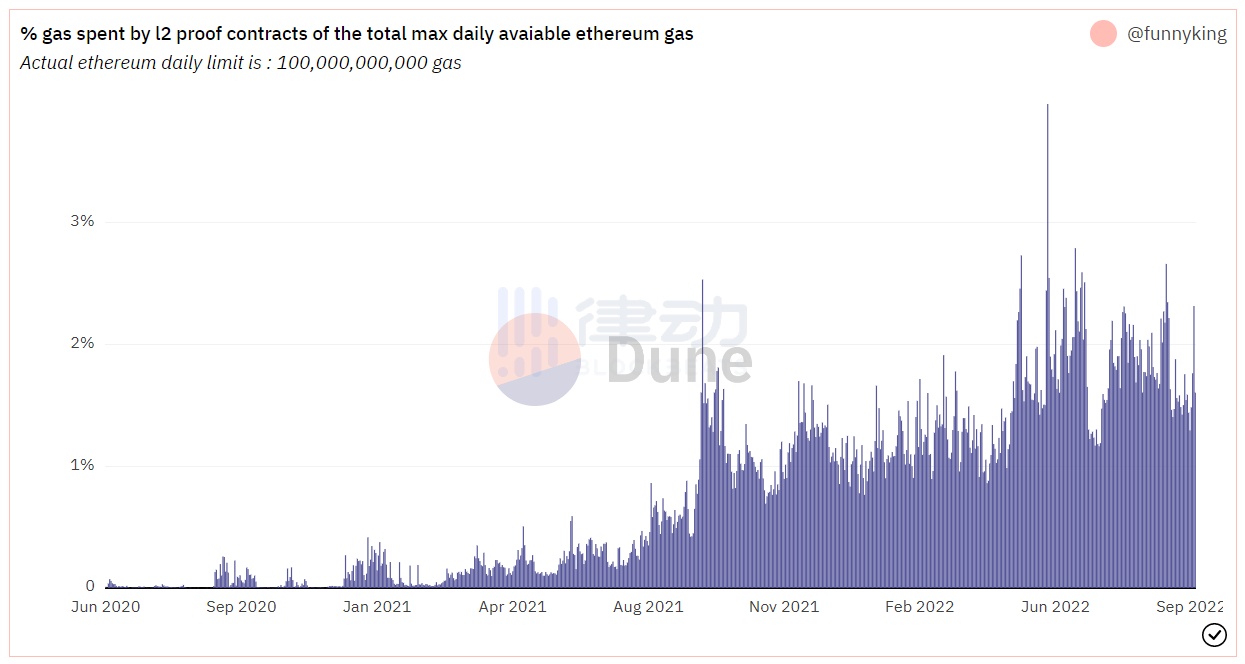
1. Layer 2, ie L2 starts to take a larger share of L1 costs. This would mean moving from the current 2% of Gas consumed by L2 to the 25-30% range.
2. Due to whale activity, "legacy" apps on L1 are still accruing massive fees.
3. In terms of absolute transaction volume and number of users, L2 quickly surpasses Ethereum L1.
All of this guarantees that Ethereum fees will remain stable at 30-40 gwei and slightly deflationary even if demand spikes beyond what we have seen in previous bull runs. A little higher than that, and L2 probably "hasn't done their job" and we'll see a massive increase in L1's market share as it competes with Ethereum.
In the dynamic just described, ETH stakers would earn a real rate of return of about 3-4%. It comes from:
1. Diluted non-collateralized ETH, 1% (this will decrease significantly to these levels over time).
2. MEV, 1% (could be higher).
3. Tips, 1-2%.
What I want to express is:
1. If the ETH P/E ratio becomes too attractive, it is bearish on Ethereum, because it means that L2 has not yet got users onboarded.
2. L2 should always guarantee a "reasonable" Gas level, but the "legacy" application activity on L1 will keep ETH deflationary.
3. Due to these factors, the real rate of return for ETH stakers "shouldn't" exceed 3-4% for a long time. Ultimately, if this technology succeeds, demand will always outstrip blockspace supply.
Original link