






Conversation with Jeff Park: We Are in a Bear Market, Quantitative Easing Is No Longer Effective, Silver Will Crash Like Altcoins


- Core View: Jeff Park believes that Bitcoin is currently in a bear market, and the traditional narrative that "increased global liquidity benefits Bitcoin" may be invalid. Bitcoin's core future value lies in its role as the ultimate hedge against government centralization and loss of trust in the monetary system, rather than simply being an inflation hedge.
- Key Points:
- The market has entered a bear market. Increased global liquidity has not driven Bitcoin's price up as in previous cycles, indicating that its correlation with traditional financial markets may be undergoing a fundamental change.
- Proposes the concept of "Bitcoin Positive Correlation," suggesting that in the future, when interest rates rise and the hegemony of the US dollar is questioned, Bitcoin, due to its scarcity, could become a hedge tool, returning to its original value of resisting monetary manipulation.
- The future world may become more centralized and accompanied by capital controls, which will strengthen the importance of Bitcoin as a "free currency" and a censorship-resistant tool.
- Is optimistic about Kevin Warsh becoming the Federal Reserve Chair, believing he possesses a technocratic vision, understands the practical value of blockchain and Bitcoin, and may promote greater transparency in Federal Reserve policy.
- Believes the current rise in precious metals (especially silver) is similar to the altcoin rally in the cryptocurrency market, driven by liquidity with weak fundamentals, and suggests taking profits and shifting to Bitcoin.
Compiled by: TechFlow
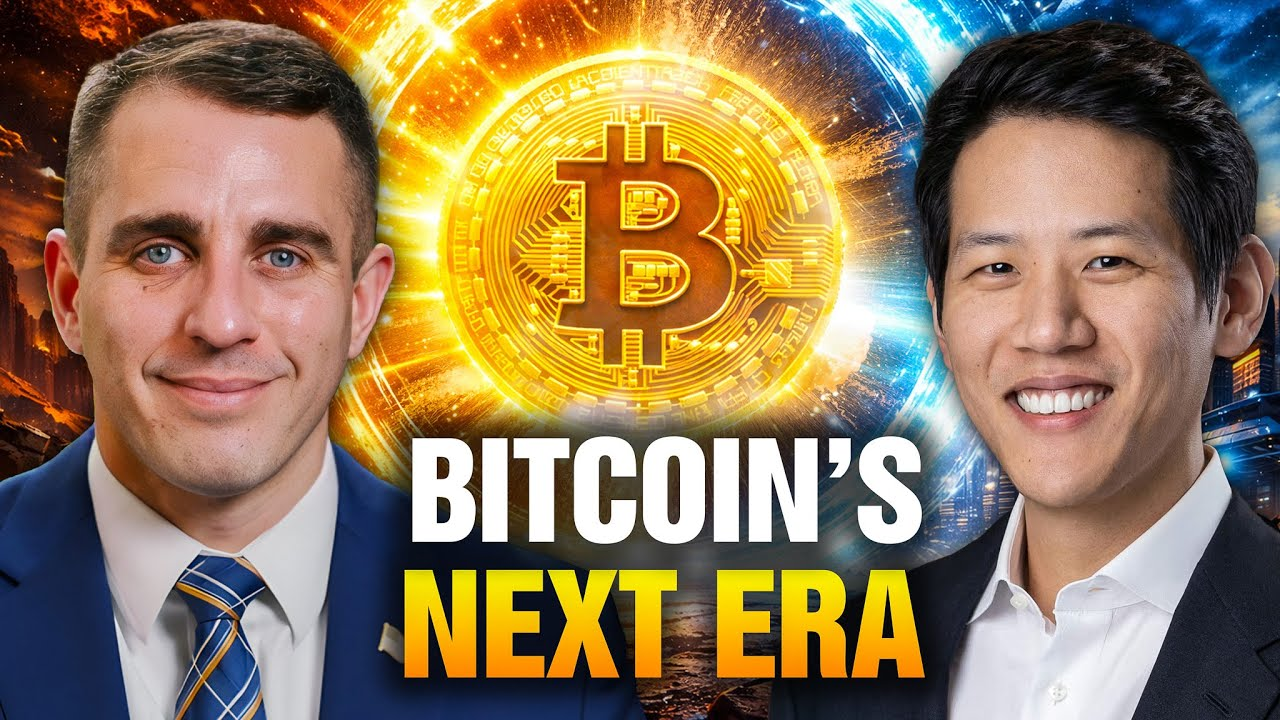
Guest: Jeff Park, Partner & CIO, ProCap Financial
Host: Anthony Pompliano
Podcast Source: Anthony Pompliano
Original Title: Why the Bitcoin Narrative Is Shifting Right Now
Release Date: February 5, 2026
Key Takeaways
Jeff Park is a Partner and Chief Investment Officer at ProCap Financial. In this conversation, we explored Bitcoin's recent price correction, analyzed whether the market has entered a true bear phase, and discussed the current interest rate environment and the Federal Reserve's role in the economy. Additionally, we talked about the possibility of Kevin Warsh being nominated as Fed Chair, Jeff's outlook on the precious metals market, and his warning about a type of asset investors should avoid in the future.
Highlights Summary
- We are in a bear market. Even if policy becomes more accommodative, it may not necessarily propel us into a bull market.
- If you have already made decent gains from silver investments, now might be the time to move that capital into Bitcoin.
- "Positively correlated Bitcoin" might be the truly important direction for the future, where Bitcoin rises even as interest rates go up.
- We initially chose Bitcoin because we believed scarcity could solve the problem of human-manipulated money supply.
- I remain very bullish on Bitcoin's future, but more so because I believe the role of government will become more centralized in the future, and Bitcoin will re-emerge as the ultimate hedge against that system.
- The Fed Chair position should not be held by a socialist or a nationalist; we need a technocratic official who is also pragmatic enough. Warsh and Bessant happen to possess these qualities.
- If interest rate cuts do materialize in the future and liquidity increases further, I think price volatility in the precious metals market could become even more intense.
- The outlook for silver is not optimistic. Silver's performance in the precious metals market is very similar to that of altcoins in the cryptocurrency market.
- Kevin Warsh deeply believes that blockchain technology is not magic, but a tool that can solve many practical problems and improve efficiency, and Bitcoin is an important part of this technological culture.
Is Bitcoin's Sell-off Sustainable?
Anthony Pompliano:
Jeff, Bitcoin has been declining recently. Personally, I feel the market might continue to be volatile or even trend downwards; we might have entered a bear market. Bitcoin's 40% drop has caught a lot of attention. What's your take? Do you think we are in a bear market now? Do you believe Bitcoin's decline is sustainable?
Jeff Park:
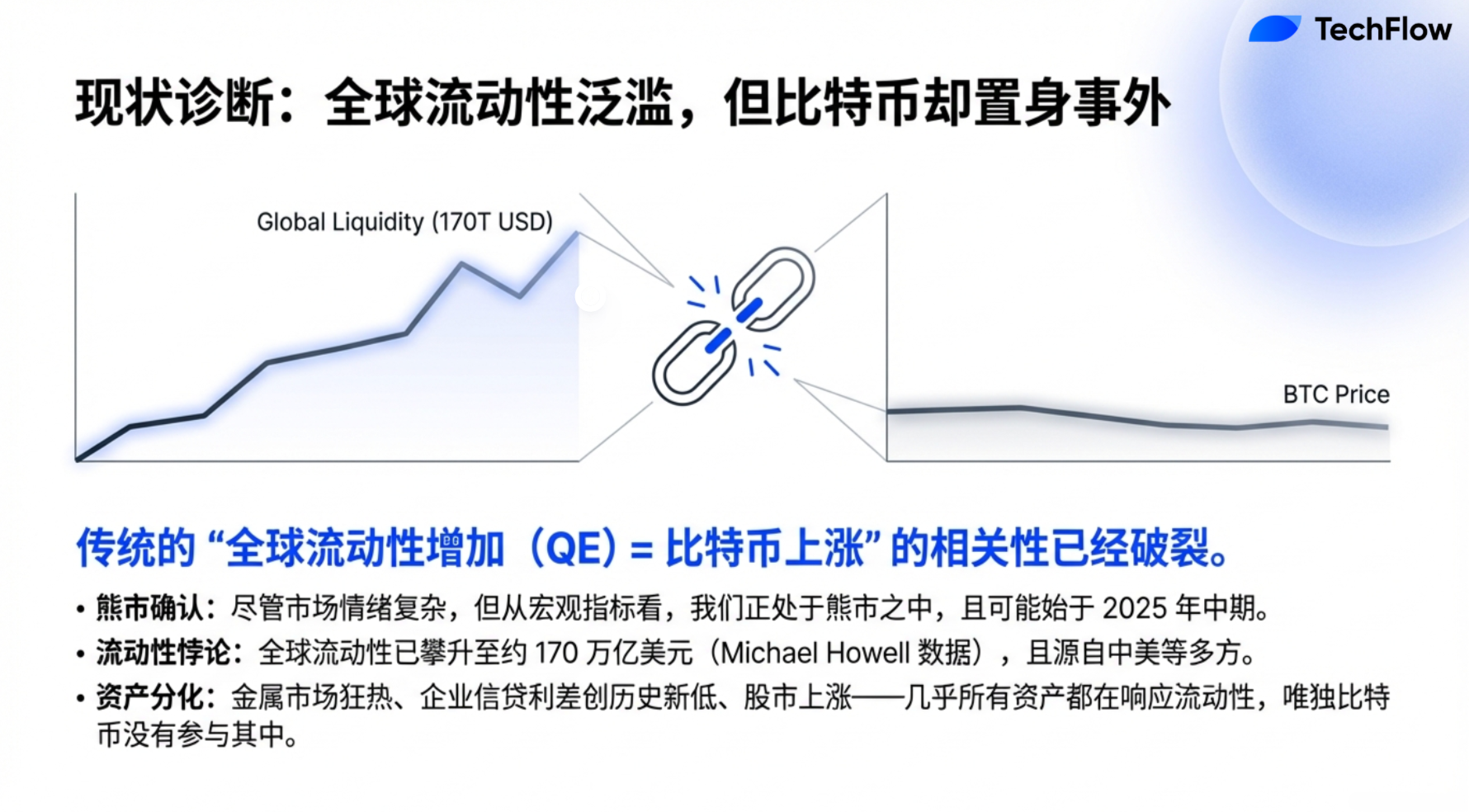
I believe we are indeed in a bear market, and have been for some time. One thing to remember is that people used to like viewing Bitcoin as a hedge, believing it was positively correlated with global liquidity—meaning that increased global liquidity was generally good for Bitcoin. However, the reality is that this relationship has long been broken.
In the crypto space, we often get used to thinking that history will simply repeat itself. This mindset is actually a concession to behavioral biases, such as believing altcoin rallies always follow Bitcoin, or trusting the so-called "four-year cycle," or assuming quantitative easing (QE) and low interest rates must be good for Bitcoin. But the world keeps changing, and many situations are different from the past. Now, an important assumption we need to re-examine is: Are QE, global liquidity expansion, and low interest rates truly beneficial for Bitcoin? Although this was the case in past cycles, the situation may now be different.
Currently, global liquidity is actually steadily increasing. According to Michael Howell's tracking data, by 2025, global liquidity reached approximately $170 trillion, sourced from China and the US, and may accelerate further in the future. We can see this trend from the broad-based rise in asset prices, such as the strong rebound in the metals market and corporate credit spreads hitting historical lows. This suggests Bitcoin should have participated in this rally, but the fact that it hasn't indicates some fundamental mechanisms may have changed. Therefore, I believe we are indeed in a bear market, and it may have started as early as mid-2025, when the Fed's balance sheet began to contract, especially as the Treasury began rebuilding the Treasury General Account (TGA).
Looking ahead, we may need to accept a reality: Even if policy becomes more accommodative, it may not necessarily push us into a bull market. However, this actually makes me somewhat optimistic about Bitcoin's potential future catalysts for an upward move.
I mentioned the concepts of "negatively correlated Bitcoin" and "positively correlated Bitcoin" before. The "negatively correlated Bitcoin" we are familiar with refers to Bitcoin rising alongside risk assets in a low-interest-rate, accommodative policy environment. But there's another possibility: "positively correlated Bitcoin," which I see as the ultimate goal, where Bitcoin rises even as interest rates increase. This scenario is completely opposite to QE theory, and its underlying logic questions the reliability of the risk-free rate. In this case, we are essentially saying that the risk-free rate is no longer risk-free, and US dollar hegemony is no longer absolute; we can no longer price the yield curve in the old way. This means we need a completely new model, perhaps a commodity-based basket of currencies, and Bitcoin could be precisely that hedge.
Therefore, I think this "positively correlated Bitcoin" might be the truly important direction for the future. The current monetary supply and financial system are showing problems, and we also know the partnership between the Fed and the Treasury is insufficient to advance the national security agenda. All of this makes me feel that for Bitcoin to break out of its current slump, we may need to discard old perceptions and return to Bitcoin's intrinsic value—we initially chose Bitcoin because we believed scarcity could solve the problem of human-manipulated money supply. So, even though global liquidity is increasing, it is actually not Bitcoin's friend.
Fed vs. White House: Is Bitcoin Looking Forward or Backward?
Anthony Pompliano:
Jeff, I think there are two different perspectives we can use to analyze the current economic situation.
First, historically, we've always considered monetary policy the main driver of the economy and asset prices. However, now the current US administration seems to be trying to wrest control of the economy from the Fed. They are doing this through deregulation, tax cuts, tariffs, and attempts to weaken the US dollar. At the same time, they are riding the wave of AI development to boost economic growth. The Fed seems somewhat passive; whether voluntarily or forced, they seem to be trying to figure out the various economic trends and how to respond.
So now the economy seems to be in a dynamic power balance between the Fed and the White House. We need to figure out whether it's the Fed or the White House driving economic policy.
Second, I'm also thinking, is Bitcoin's market behavior more forward-looking, or does it reflect current or past economic conditions more? When you mentioned Bitcoin holders' psychology, you described them as "driving while looking in the rearview mirror," thinking the past four-year cycle will always repeat, so there's no need to look forward, just follow past patterns. I feel your viewpoint is more like a reminder that we should "look through the windshield at the future," which might be a better analytical approach.
So the question is, is Bitcoin's performance based on current economic conditions, or is it predicting future developments? For example, in 2020, many investors bought Bitcoin and gold because they anticipated inflation was coming; markets are usually forward-looking. If Bitcoin is declining now, does that mean deflation risks are greater? Or is it warning us of other potential problems? How do you view the power balance between the Fed and the White House? And is Bitcoin looking at the future or reviewing the past? How should we interpret the current price action within a larger context?
Jeff Park:
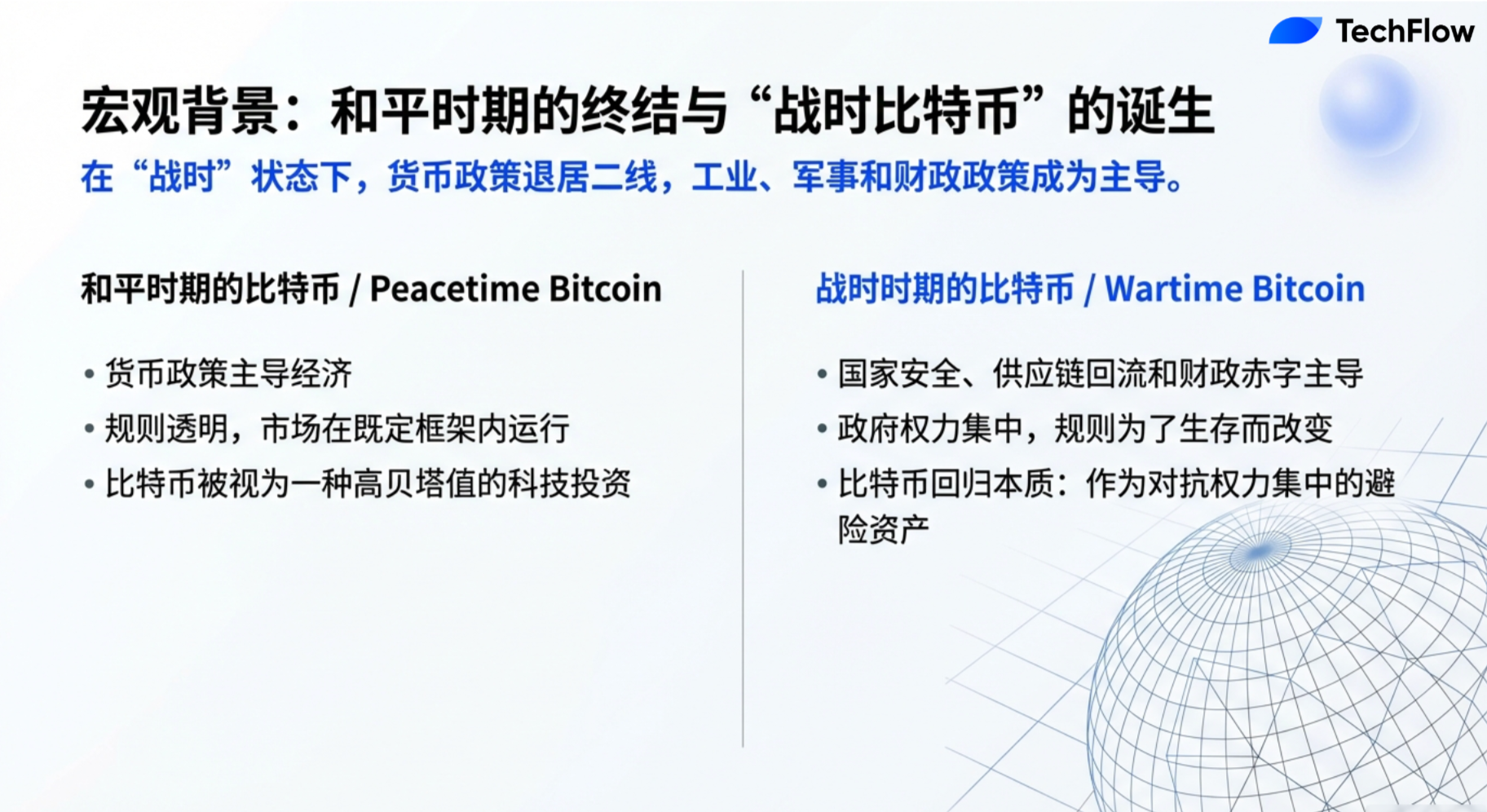
That's a great question. There's an interesting concept in my mind that I call "peacetime Bitcoin" and "wartime Bitcoin." In times of peace and prosperity, we expect the monetary system to function normally, and investment frameworks operate in traditional ways. This is "peacetime Bitcoin," which is more tied to inflation and used as an inflation hedge.
But "wartime Bitcoin" is completely different. In "wartime," the main forces driving economic growth are no longer monetary policy, but a combination of industrial policy, military policy, and fiscal policy. This has happened in history before—during crisis moments between democracies and more authoritarian governments, the importance of monetary policy often gives way to the priorities of power struggles.
Therefore, your point about Bitcoin's future positioning is correct. Part of the reason is that during the Trump administration, the world seemed to become more centralized. In the past, we were full of aspirations for decentralization, believing that dispersing resources and establishing checks and balances was a virtue, and Bitcoin and crypto embodied this idea. However, observing recent US crypto policy, it's actually moving towards a more centralized model. For example, stablecoins are introducing banks into the centralization of yields; tokenization is being used more for stocks than long-tail assets; coupled with the Trump administration's own centralizing characteristics, all of this gives Bitcoin a kind of "centralization" energy.
Bitcoin's value has always been in decentralization and censorship resistance; it represents "free money." US investors have many other choices, like silver, metals, AI thematic investments, etc. The people who truly need Bitcoin are those living under oppression, facing capital controls. If you believe the future world will be more fragmented, more chaotic, with even more capital controls, then Bitcoin's importance will become even more prominent.
Therefore, I remain very bullish on Bitcoin's future, but more so because I believe the role of government will become more centralized in the future, and Bitcoin will re-emerge as the ultimate hedge against that system.
Kevin Warsh and the Future of the Fed
Anthony Pompliano:
You mentioned Kevin Warsh, who is clearly the new Fed Chair nominee. He has expressed some very positive views on Bitcoin; he doesn't think Bitcoin competes with the dollar but believes Bitcoin has a unique role in a portfolio. What do you think of his potential as Fed Chair? How might he influence Bitcoin's development in the future?
Jeff Park:
To be honest, I really admire Kevin because I think he is an expert with a deep understanding of how things work. He understands that sometimes you need to break existing patterns to take the next step, and he also knows that only by truly understanding the root cause of a problem and diagnosing it correctly can you find a solution. You can't change just for the sake of change, and those who truly understand things are often unwilling to change the status quo easily. Having this innovative mindset requires great courage, and Kevin happens to possess this trait.
Furthermore, he is an excellent technocrat. In a conversation I had with him, I clearly remember his enthusiasm for cryptocurrency. He mentioned there are many "hypocrites" in the world who think technology is some magical thing but don't really understand its essence; they just blindly bet on it, not for the right reasons. In contrast, Kevin deeply believes that blockchain technology is not magic, but a tool that can solve many practical problems and improve efficiency, and Bitcoin is an important part of this technological culture.
This is crucial because many technologists don't truly understand how technology actually works in practice. For them, imagining the innovation space of technology is counterintuitive. For example, when we talk about productivity growth, the Fed may not perceive the deflationary effects AI is bringing. This cognitive gap exists because many people cannot envision a future that may be completely different from the past, unlike Kevin Warsh. So I think he is first and foremost a technocrat, and this is particularly important today. I believe in the field of monetary policy, we need more leaders with such technological foresight.
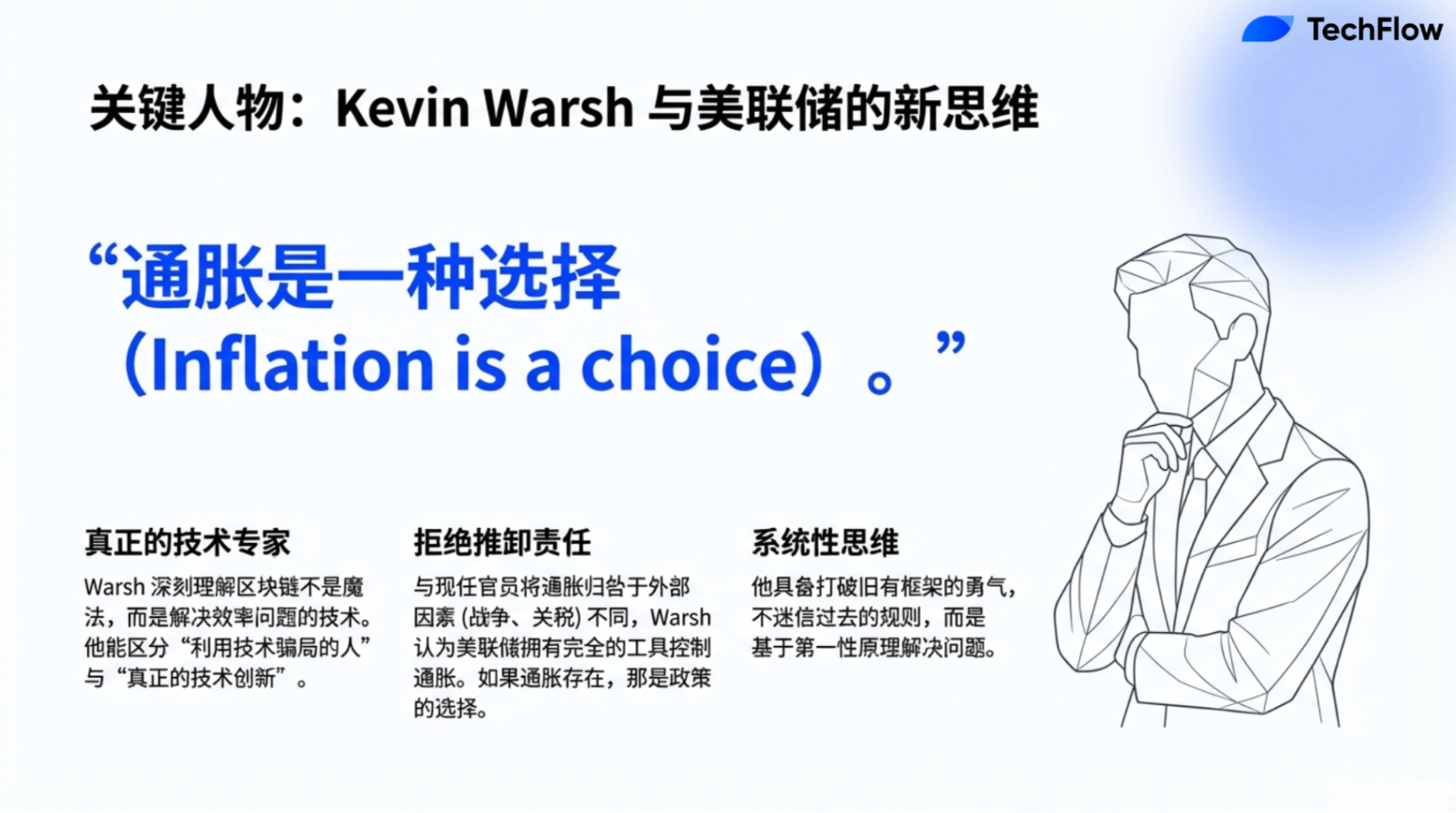
Additionally, Kevin has extensive experience working at the Fed. Studying his past actions reveals that he truly believes in the value of the Fed as an institution. He is not the type who advocates ending Fed independence, but he understands why Fed independence is challenged and knows how to reshape the institution to regain public trust. He once said something that impressed me deeply: "Inflation is a choice." In contrast, we see current Fed Chair Powell and others always looking for external excuses for inflation, like "inflation is because of tariffs" or "inflation is because of the Ukraine war." They are almost unwilling to admit that inflation is the Fed's choice, when in fact, inflation is a policy choice and one of the Fed's core missions.
Regarding inflation, another point needs clarification: inflation and nominal price changes are two different things. Many people confuse them, thinking a 5% price increase for a commodity is inflation, but that's just a price change, which can be caused by various reasons like war or tariffs. True inflation is a dynamic concept, the long-term trend of the rate of price change, not a one-time price fluctuation. The Fed's job is not to focus on monthly price changes but to manage the long-term trend of these price changes. This is often overlooked.
Kevin Warsh's view that "inflation is a choice" resonates strongly with me because the Fed actually has all the tools to control inflation, if they are willing to act.
Anthony Pompliano:
It's interesting that two seemingly contradictory situations can coexist. I think people always want a simple answer, like inflation or deflation? High inflation or low inflation? But in reality, the economic system is very complex, and Bitcoin seems to simplify these complex economic relationships. You don't need to learn all these complex economic principles; you just need to understand supply and demand: if more people want something, its price goes up; if demand decreases, its price goes down. Bitcoin's philosophy seems to be about reimagining the monetary system. If that's the case, are they trying to make this system simpler? Do they hope to simplify this complex economic machine into a system anyone can easily understand?
Jeff Park:
Yes, the system is inherently very complex, and I'm not sure if it can truly become simple. However, I think they should make it more transparent and honest. Americans have lost confidence in the current monetary system not just because it has become complex, but also because it lacks transparency. I think one of Kevin Warsh's tasks would be to change how the Fed uses its balance sheet while addressing the obvious transparency issues in the current system.
For example, at the Fed meeting in January this year, someone asked Powell a question about the relationship between the dollar's value and the interest rate setting mechanism. Against the backdrop of a significantly stronger dollar, this was clearly an important question because the core of interest rates is that the value of the base currency directly affects long-term yields and rates. But Powell's answer was: "We don't look at the level of the dollar when setting policy." To some extent


