






Justin Sun's Space Diary


- Core Viewpoint: Through his personal experience with Blue Origin's suborbital spaceflight, Justin Sun believes commercial spaceflight should not be viewed merely as a luxury gimmick. Its true value lies in accumulating manufacturing, operations, maintenance, talent, and standard systems through repeated flights, thereby expanding into practical application fields like microgravity experiments. Its development requires the public to grant engineering patience and respect for safety details.
- Key Elements:
- The author completed a spaceflight aboard Blue Origin's New Shepard spacecraft in August 2025, fulfilling a long-held personal dream, and plans subsequent trips to the space station, the moon, and Mars.
- The flight experience revealed the reality and starkness of commercial spaceflight: the entire process heavily relies on automation and pre-flight, repeatedly reinforced muscle memory training to cope with the brief flight duration and potential emergencies.
- The author points out that, in the short term, space tourism is inevitably labeled as "luxury," but its long-term prospects lie in transforming flight capability into tangible industrial demands such as microgravity experiments, materials research, and pharmaceutical development.
- The entire mission process, from pre-launch adaptive living in the Astronaut Village (RV park) and specially prepared high-salt, high-sugar meals to the strict pre-launch preparations, reflects an extreme pursuit of safety and reliability.
- The author expressed expectations for China's commercial space sector, hoping it can develop "swiftly and steadily," and that public discussion can move beyond ticket prices and gimmicks to focus more on engineering practices and system building.
Original Author: Justin Sun
Original Source: Zhihu
Thank you for the invitation. Hello everyone, I'm Justin Sun. In August 2025, I completed a space flight aboard Blue Origin's New Shepard NS-34 mission. Yesterday, when I saw the news that Huang Jingyu plans to go to space in 2028 as "Space Tourist 009" aboard a domestically produced commercial crewed spacecraft, I felt a very grounded sense of joy—because I feel that "space travel" is slowly becoming a reality accessible to more people, not just a few.
The question asks about the technical difficulty. Since I'm not a technical person, I dare not comment on the technical roadmap here. But later, I can share my perspective as a passenger. As for the prospects: in the short term, space tourism will likely still be labeled as "luxury" or a "gimmick"—I understand this skepticism. But if an industry can only rely on "romantic narratives," it won't go far; conversely, if an industry can turn each flight into accumulated manufacturing capabilities, operational capabilities, talent systems, rules, and standards, it will gradually develop broader applications: like microgravity experiments, materials and drug research, payload testing... these could all become tangible "demands" in the future.
So I'm actually very optimistic about China's commercial space industry: I hope it moves fast, but more importantly, steadily; I hope it gets seen, but more importantly, understood; I hope that when we discuss it, we don't just focus on ticket prices and gimmicks, but are willing to give engineering some patience, give experimentation some space, and give the mechanisms for failure analysis and review some respect and understanding.
Because I know that when you truly look back at Earth from the window, you'll understand that what truly propels space exploration into the future is never who stands in the spotlight, but that more people are willing to stand behind the scenes, embedding "safety" and "reliability" into every detail—making exploration no longer just the bravery of a few, but the trust that generation after generation can safely place in it.
Actually, for me, space has long ceased to be a "distant noun."
On many nights as a child, I had a very strange feeling—you're clearly standing on the ground, yet you always feel pulled upwards by something, perhaps a sense of belonging to the deep cosmos. Back then, like many of my peers, I loved watching various sci-fi cartoons and often imagined myself in them: dreaming of one day breaking through the sky.
But in those days, although China's manned space program was already underway, we hadn't yet sent our own astronauts into space. For me, "going to space" was more like a grand narrative from books; all I could access were documentaries, magazines, and some scattered texts. The footprints left by the Apollo moon landing, the rendezvous and docking of Soyuz—those operations as precise as surgery and those images of solitary courage that were almost frightening—often kept me awake with excitement.
Until later, on the day Shenzhou V launched in 2003, I watched the screen almost from start to finish as Yang Liwei ascended.
That envy wasn't the kind of "just admire it" envy; it was a very strong, very direct, even somewhat stinging feeling: "Entering space" wasn't science fiction, wasn't a story, wasn't imagination—it was something that could actually be done. At that moment, I realized very clearly—this wasn't some distant romance, this was reality, a path, a result that could be achieved step by step. I told myself then: One day, I too will personally experience weightlessness. I want to see the curved edge of Earth with my own eyes, to personally feel that震撼 of "knowing you've left the ground."
Later, life kept rushing forward, busyness, changes, one practical thing after another; sometimes you even think this dream has been shelved in some corner gathering dust. But I didn't expect it to truly come back to me in 2021—I booked a flight on Blue Origin's New Shepard.
I thought very simply at the time: Maybe I'll be able to depart soon.
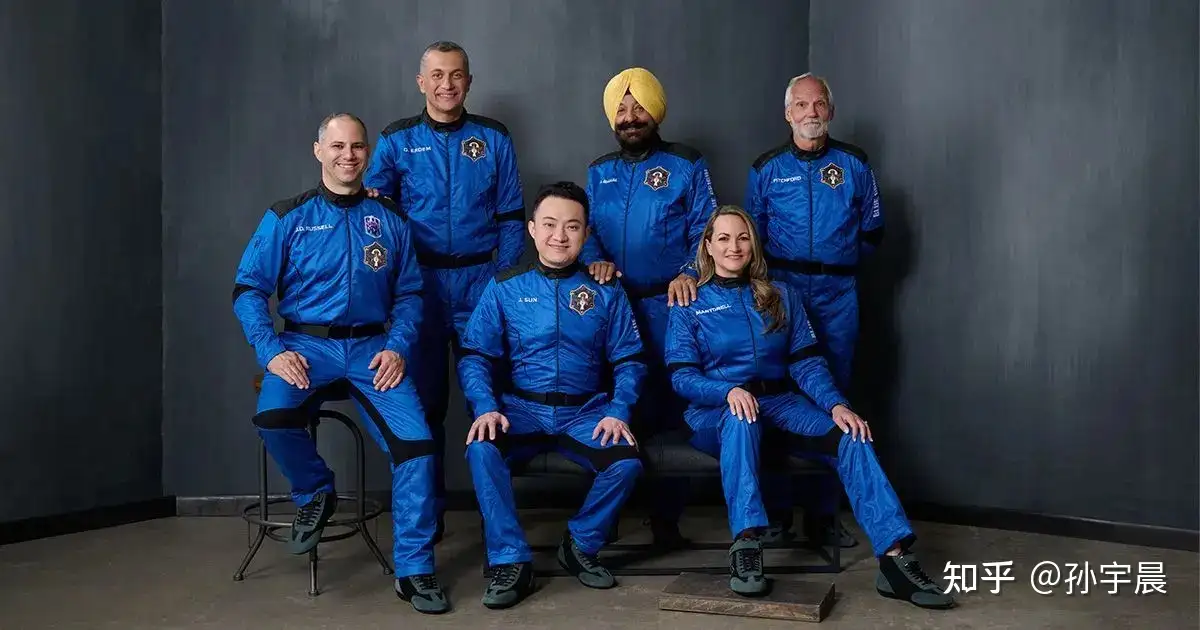
But reality is better at delays than any script: the pandemic, adjustments to testing schedules, various changes in processes and regulations—it dragged on for another four years. Fortunately, in 2025, we finally entered the real countdown phase. In August 2025, I boarded the New Shepard NS-34 mission, took off from the launch site in West Texas, crossed the Kármán line, and truly entered space, fulfilling my childhood wish.
This journey of just over ten minutes condensed decades of my dreams and also marked the first step of my "Four-Step Space Plan": entering space. Next, I hope to spend some time on the International Space Station, then land on the moon, and finally, go to Mars...
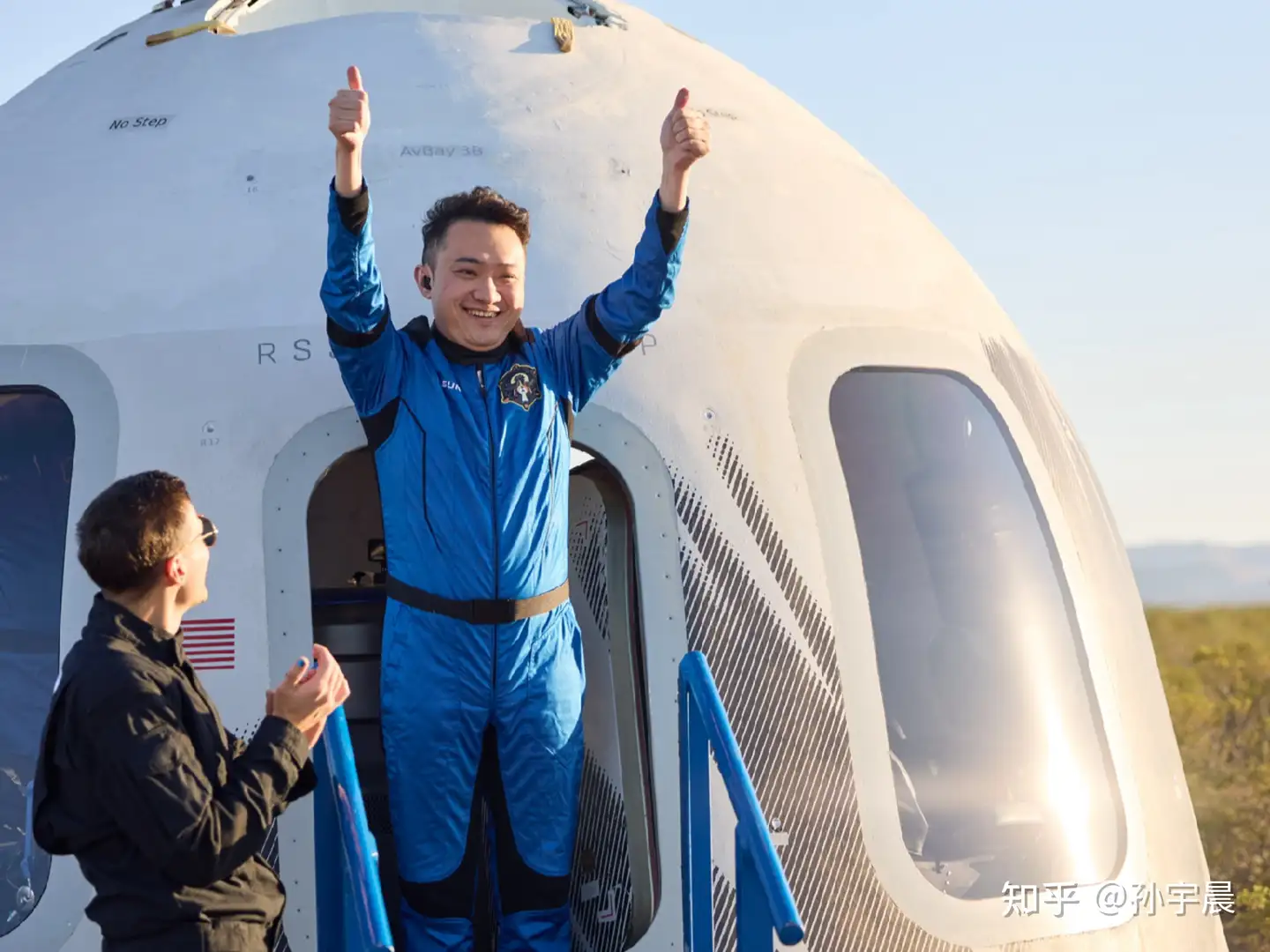
Later, many people asked me if spending $28 million on such a brief experience was worth it.
In my view, I don't think of it as a transaction, but as an arrival.
Before that, you can only ever look up, never having seen what that Earth truly looks like. But from that moment, fate pushes you to the window, giving you the chance to stand before the universe and look back at Earth once.
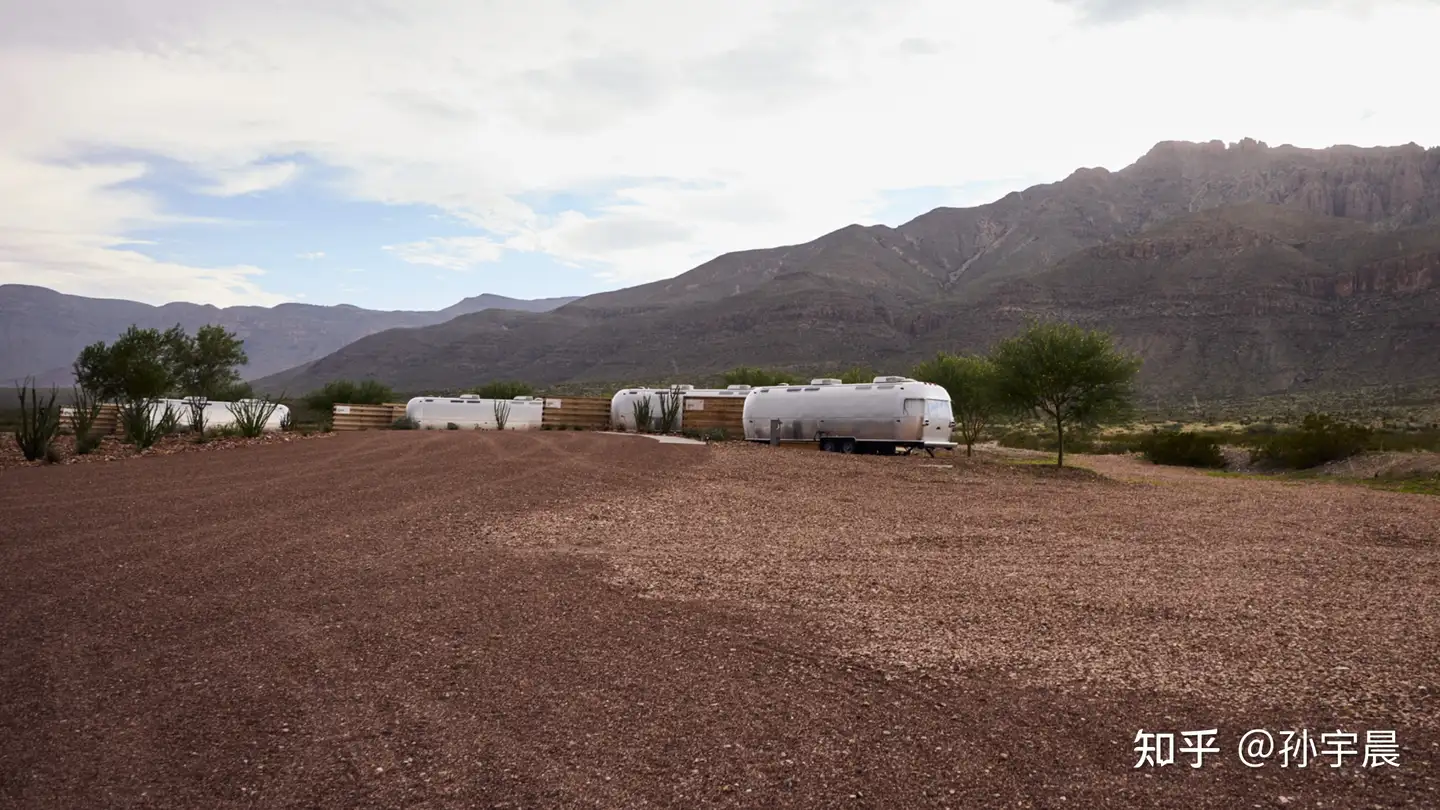
The story begins with arriving at Astronaut Village in August 2025. That's Blue Origin's base in Van Horn, Texas, an isolation zone like something out of a Western sci-fi movie, surrounded entirely by desert. The air there is dry, with a faint smell of sun-heated dust mixed with the astringency of desert plants. Blue Origin's launch site (Launch Site One) is about 30 miles north of Van Horn in the desert, near the Guadalupe Mountains, so you can see the outline of the mountains in the distance, with very hard lines.
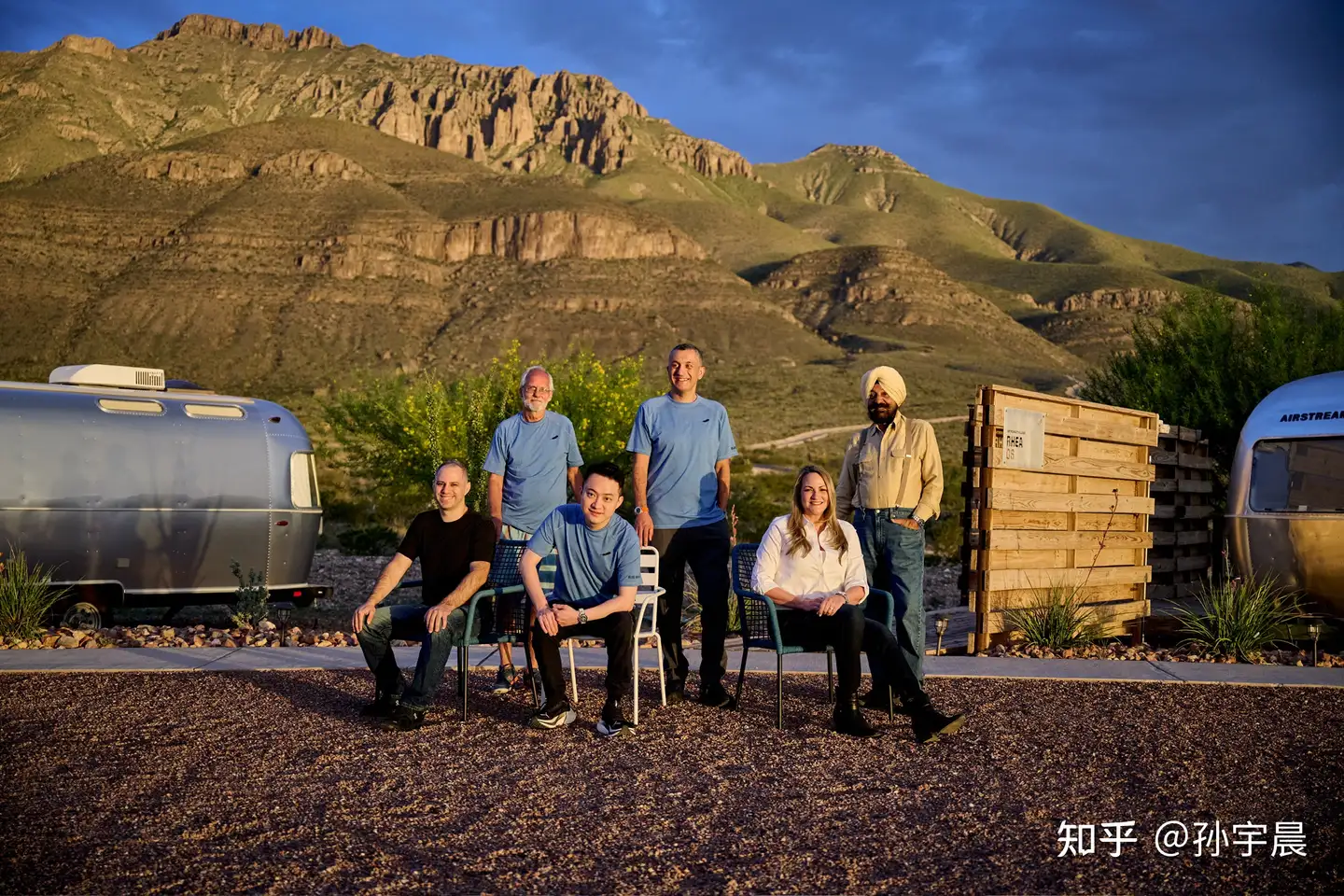
When I first arrived at the Van Horn Astronaut Village, I actually had a very "urbanized" default setting in my mind: it's commercial human spaceflight, surely it must be a pretty decent hotel, right? But as our car turned into the camp, all I saw were rows of RVs. Where we astronauts stayed weren't traditional hotel rooms, but RVs. Yes, you heard that right, the kind of Airstream (silver streamlined travel trailers). One per person, a bit "retro-futurism." At that moment, I felt a certain connection to the Apollo era.
Stepping into the RV, you immediately switch from "desert" to the feeling of being "inside a space capsule": the interior has modern, clean white walls, and the walls and lighting strive to give you a sense of security that "you're in a controlled system." Its space is very defined: a bed, a small wash area, very limited storage space, windows not large but offering views of the desert and stars. It felt to me a bit like a "pre-launch psychological capsule." Inside, you start getting used to living in a confined space, start accepting that "every move you make must have a purpose."
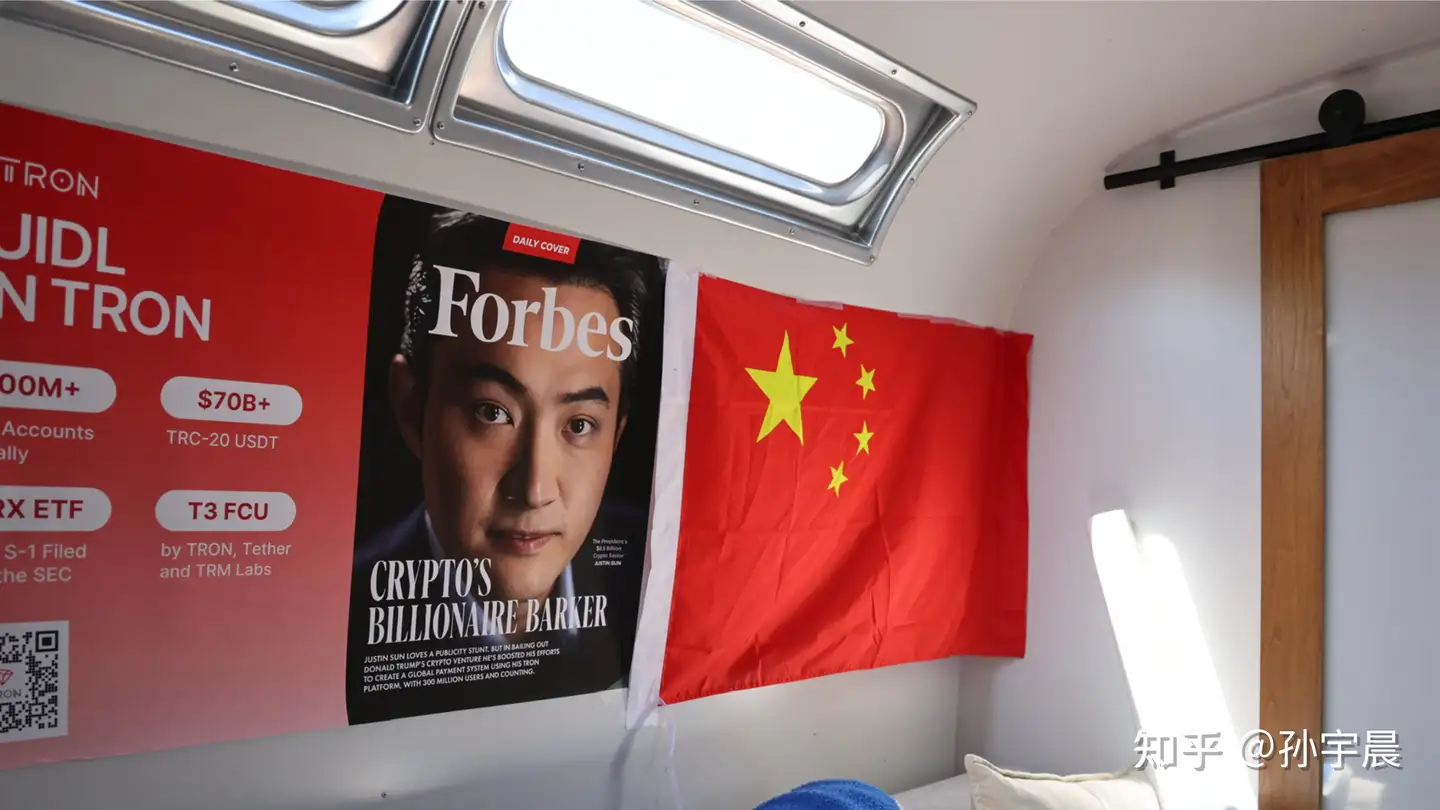
Blue Origin's explanation is very straightforward: the sunrise, sunset, and stargazing conditions here are excellent, designed to let you and your fellow crew members on the mission build connections and memories before takeoff. Living together in Astronaut Village, eating together, training together, burning off nervousness in countless details. So I later understood—in a place like Van Horn, RVs are actually the most logical, most controllable, and most spaceflight-logic-aligned form of accommodation.
What I liked most here was actually after nightfall. Standing in the desert at night, looking at those RVs like a row of "small modules," then looking up at the sky, the wind blowing down from the distant ridges, you suddenly feel:
"Yes, this feels like going to space."
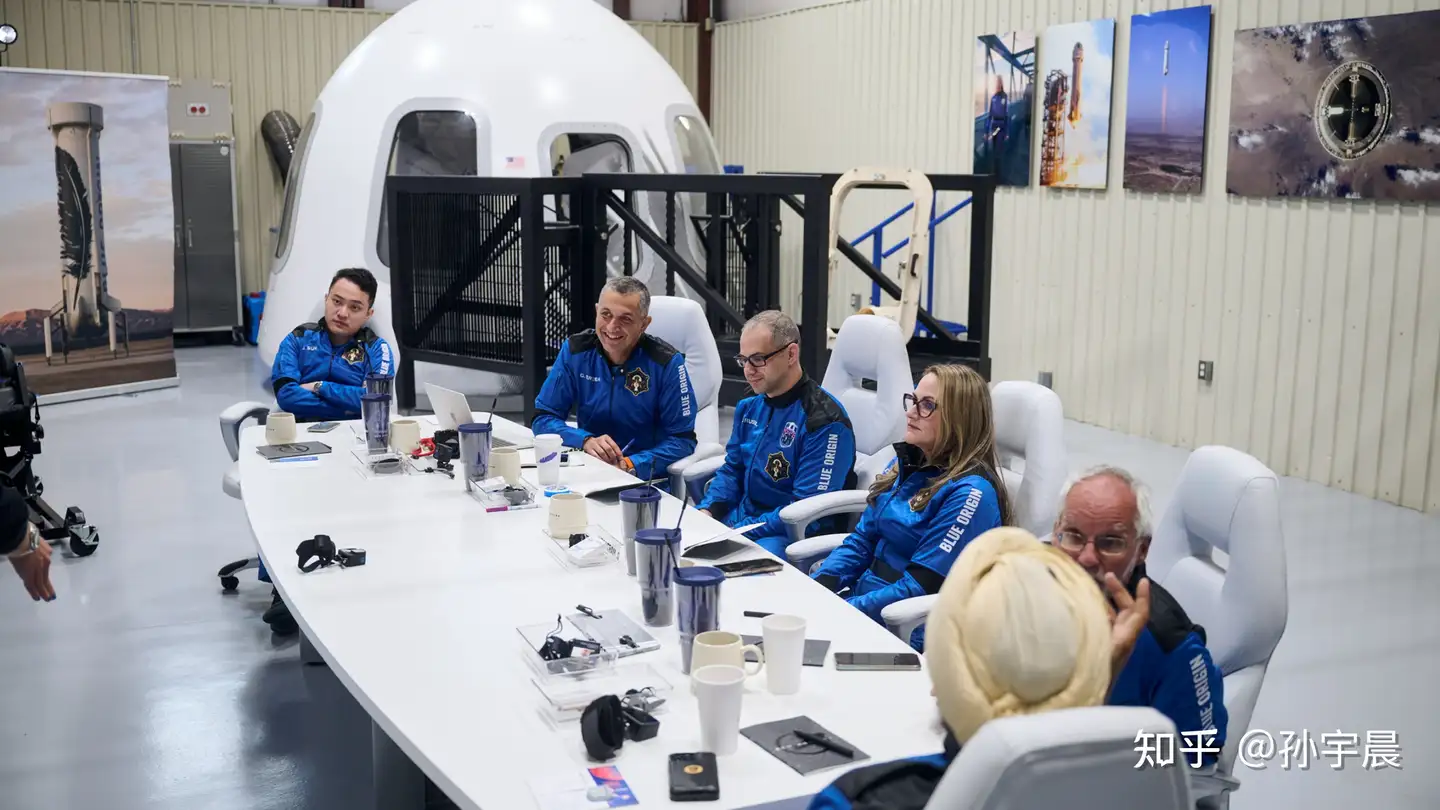
Then the training began. The first lesson was to thoroughly explain the flight logic of New Shepard to us: for example, the rocket is fully automated, there's no control stick, meaning "I cannot pilot the spacecraft." So what we learned wasn't how to fly the spacecraft, but what to do and what not to do at different moments during the flight.
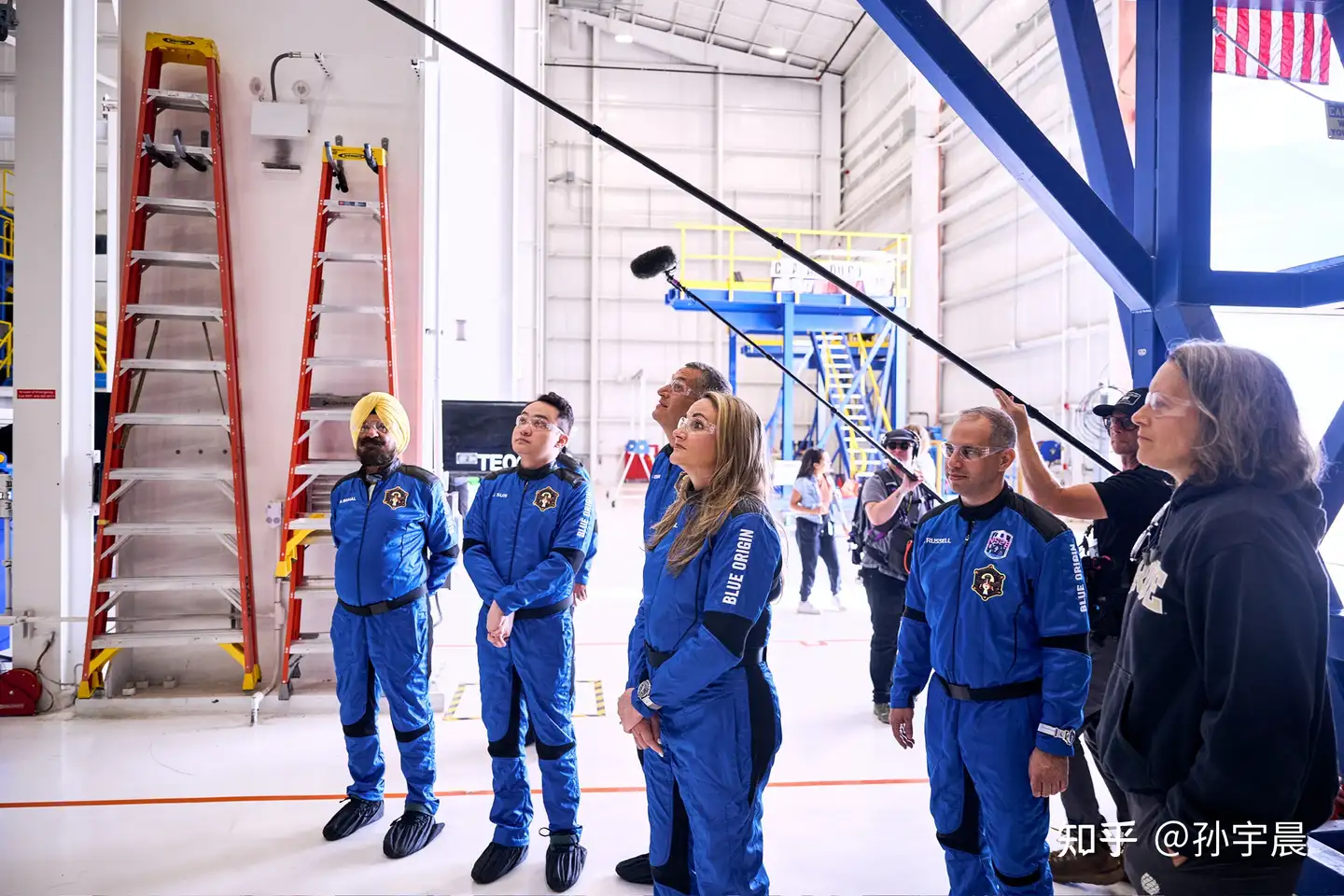
At first, you think you're really learning knowledge, but later you realize you're actually having your muscle memory reshaped—fastening seatbelts, listening for commands, watching prompts, performing actions, holding still, confirming again, repeating again... It's like turning yourself into part of a precise automated system. Not only do you train on standard procedures, but you also practice many "off-nominal" and emergency scenarios, including fire response, emergency oxygen mask use, and how to quickly evacuate the spacecraft on the launch pad, etc. I performed every action dozens of times.
Later, I realized why they drilled "emergency evacuation" to the point of reflex—the command comes out, and you have to move, even without thinking.
Because New Shepard's flight time is too short, so short that you don't have the luxury to "think it through first and then act." You can't say, "Wait a minute, let me confirm what's happening." You only have one option—do what you practiced. This sounds very bland, like a cliché, but to truly achieve it is actually very counter to human nature. When people get nervous, their instinctive reaction is to fidget, look up, seek confirmation from others, even can't help but ask "what's going on." But what they need to do is suppress these instincts layer by layer, to the minimum.
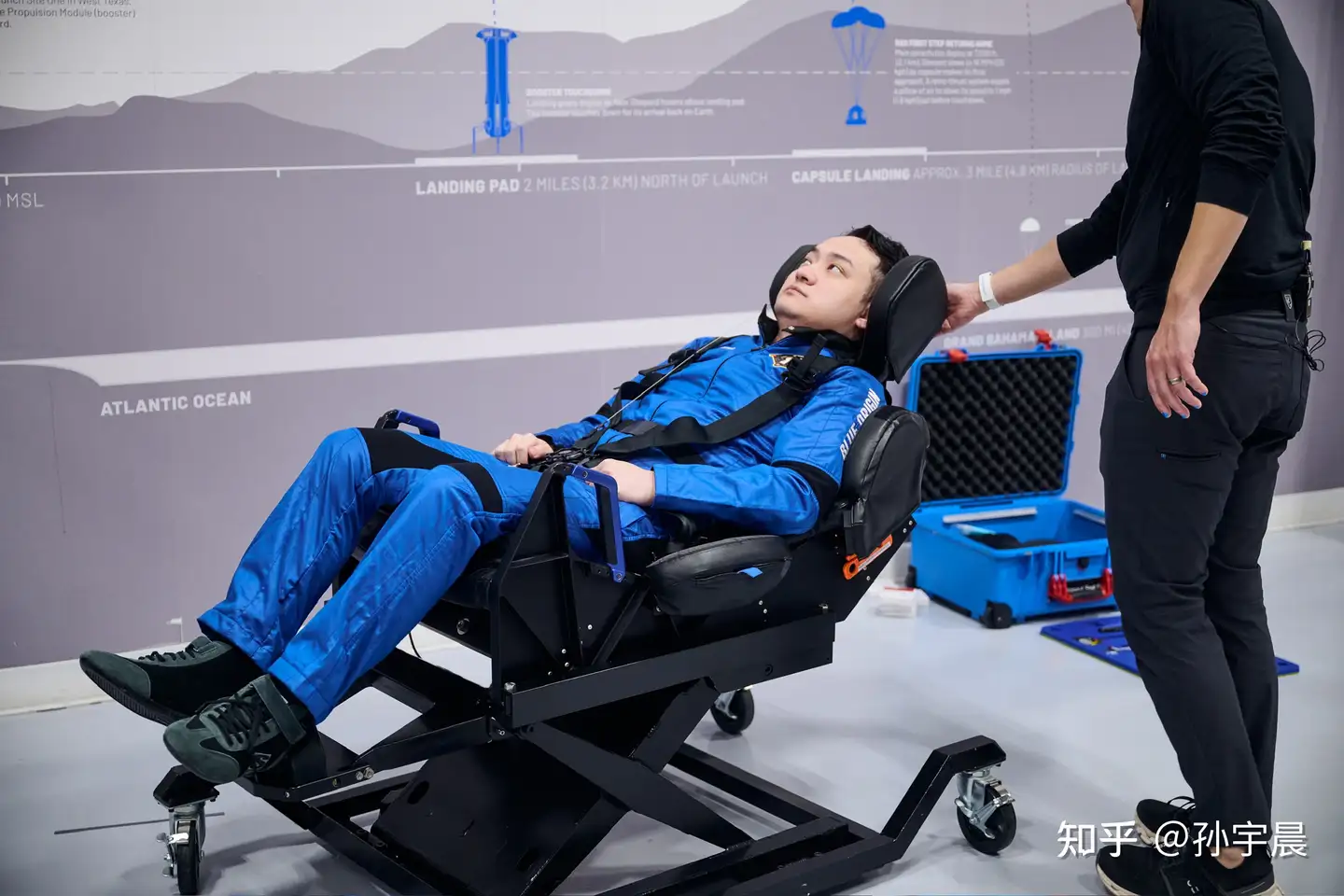
The instructor would stand right in front of you, almost staring at you like you were a machine: is the buckle oriented correctly, is the shoulder strap twisted, is your arm crossing the boundary line. Even if you make a mistake once, he wouldn't scold you, nor give you emotional pressure—but he'd make you do it ten more times. Not as punishment, but as a very cold, very engineering-like correction: you just need to achieve "correctness," not "understanding." You slowly realize they are actually helping you accept a fact: on that day, adrenaline will fill your brain, and what you can rely on isn't judgment, nor courage, but muscle memory.
Overall, these two days were really quite tough. I felt thoroughly worn out, but strangely—precisely because of that, I gradually forgot about being nervous.
It also wasn't at all the formalized experience I imagined before coming—"doing some physical training, putting on a helmet, taking photos." It was more like a mission process intensification: you're treated as a variable about to enter the launch sequence, and then training turns you into a stable variable.
On the evening of the second day, the night before launch, I even entered a very strange "semi-mechanical state." My mind was clearly still nervous, but my body no longer allowed me to be nervous. Every action felt like it was written into a system, like a script being executed repeatedly. Later, I even found I could run through the entire procedure with my eyes closed, with pauses and turning angles almost identical.
What really made me realize "I'm already very close to space" wasn't some grand moment, but a particularly realistic, particularly mundane detail—they started managing my food, drink, and sleep.
The meals at Astronaut Village were customized, and the direction was completely opposite to what we usually imagine as "healthy food": high salt, high sugar, full fat. I almost laughed when I first heard it, thinking, isn't this Astronaut Village? Why does it feel like a late-night instant noodle club? But that's actually the effect they wanted: the goal is to keep your body's sodium levels and blood sugar in a high range to avoid issues like hypoglycemia, dehydration, or dizziness during stress and G-forces.
I remember the dinner the night before launch very clearly: fried rice with salted meat. The salted meat was cut thick, each bite offering an oily satisfaction, the saltiness hitting straight to the head. I actually thought it tasted pretty good, very much to my liking, but I didn't dare eat too much because we were flying early the next morning. I was afraid my stomach couldn't handle the pressure, leading to an awkward situation.
After dinner, there was also a special Blue Origin "8+1" cocktail. I understood it as: you're going to a place few humans have been tomorrow, tonight BO allows you to use a bit of fizz, a bit of alcohol, to loosen your taut nerves by a millimeter.
That night I went to bed early, afraid of not resting well. On the way back to the RV, I deliberately walked slowly. It felt a lot like the night before the college entrance exam, that feeling of "you know what will happen


