Tiger Research: Top 10 Changes in the Cryptocurrency Market in 2026


- 核心观点:加密货币市场正走向机构化与实用化。
- 关键要素:
- 机构资本将集中于比特币和以太坊。
- 市场将淘汰无盈利项目,转向真实收益。
- 传统金融将自建链主导RWA市场。
- 市场影响:推动行业整合,加速优胜劣汰。
- 时效性标注:中期影响
This report was written by Tiger Research . The cryptocurrency industry is moving into the mainstream. Institutions have become key players in the market. Capital is flowing to projects that generate real returns. Short-term price fluctuations are no longer important. Sustainable business models are becoming crucial. Tiger Research predicts the top ten changes in the cryptocurrency market in 2026.
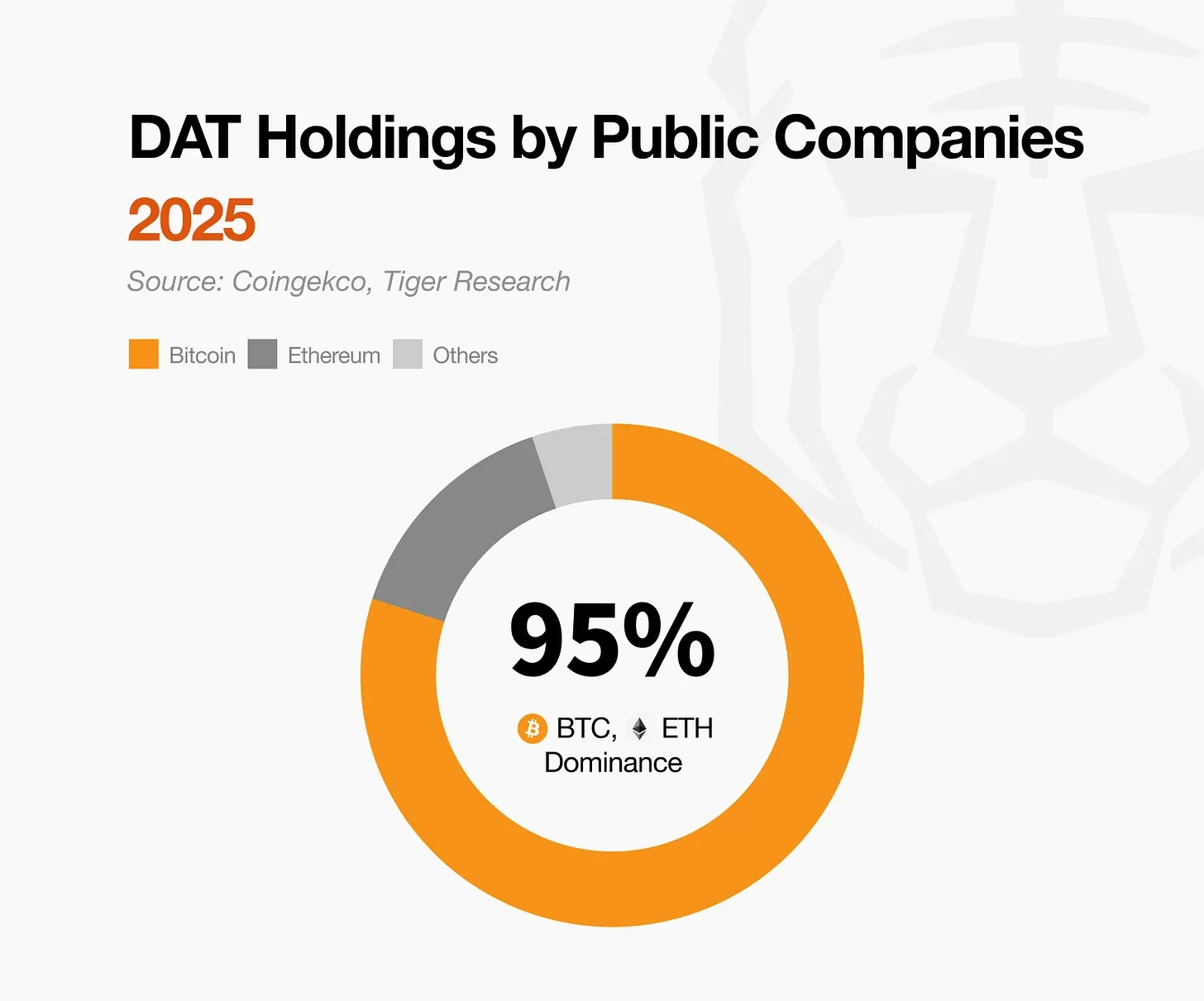
1. Institutional capital continues to remain in Bitcoin
Source: Tiger Research
With institutions dominating the market, capital flows have become more cautious. These investors are avoiding unverified assets, limiting their focus to Bitcoin and Ethereum. This trend is likely to continue. Market growth will concentrate solely on assets that meet institutional criteria.
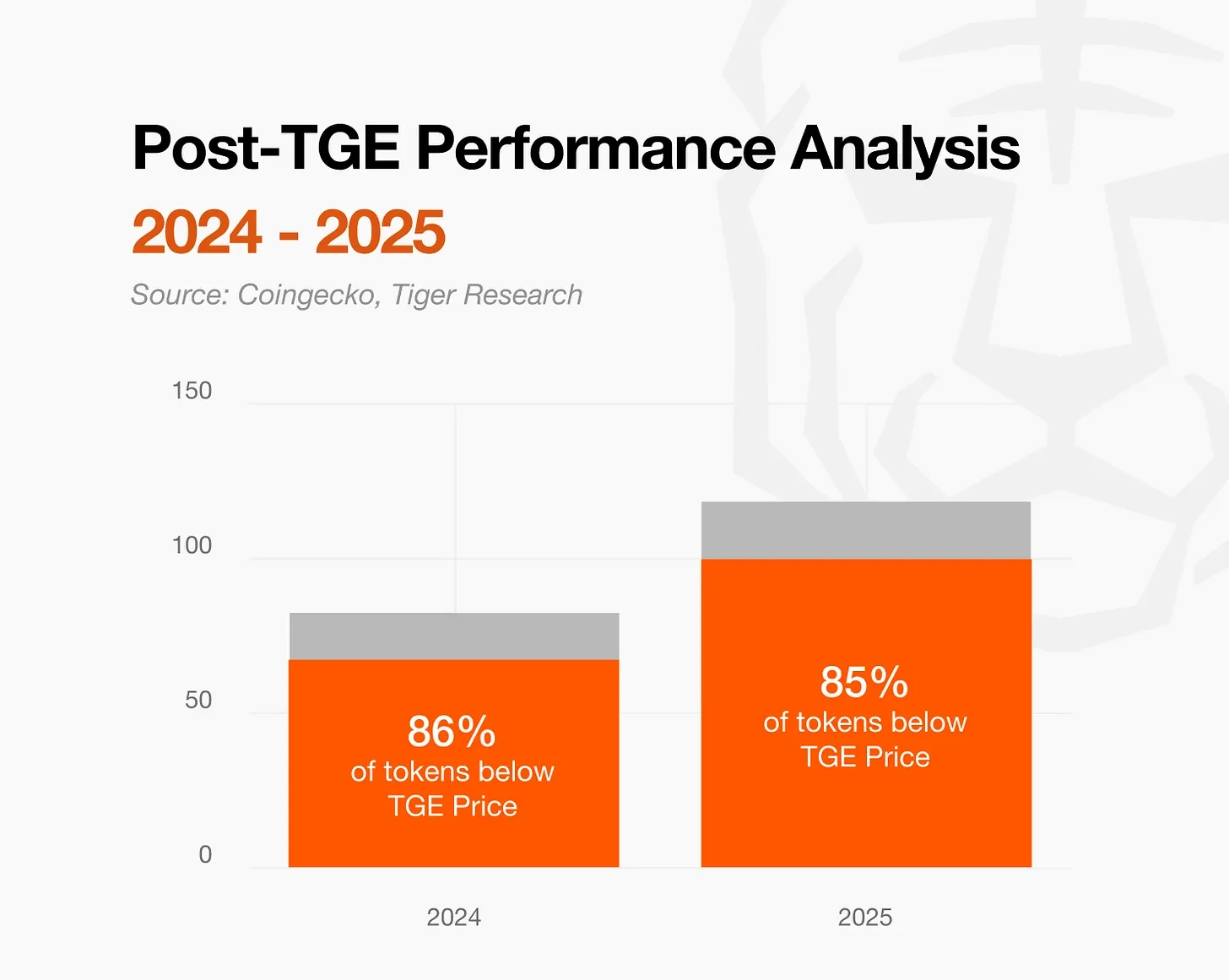
2. Unprofitable projects face market elimination.
Source: Tiger Research
The fact that 85% of new tokens saw their prices fall after TGE exposes the limitations of narrative-driven growth. Projects based on hype will be replaced by new trends at an increasingly rapid pace. The market will shift towards projects that generate real returns and demonstrate solid fundamentals.
3. If it fails in terms of practicality, repurchase is the only solution.

Source: Tiger Research
Utility-focused token economics has failed. Governance voting rights have failed to attract investors. Complex structures are unsustainable. Markets now demand clear value returns. Models that provide direct returns through buybacks and burns will survive. Structures where protocol growth directly impacts token prices will also survive. New innovative models will emerge from this shift.
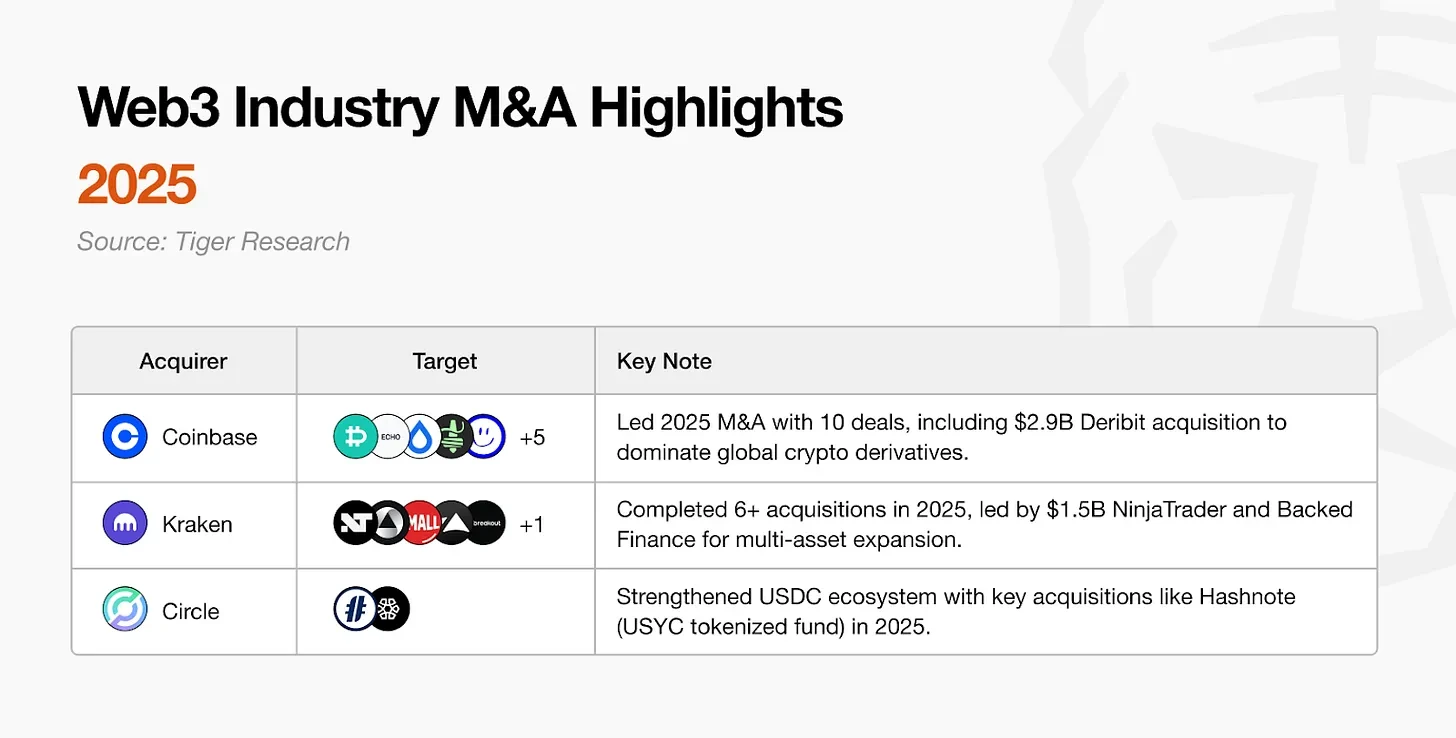
4. Increased opportunities for mergers and acquisitions between projects

Source: Tiger Research
Web3 is maturing. Competition for market dominance is intensifying. Mergers and acquisitions are now the fastest way for companies to scale and enhance their competitiveness. Winners will drive aggressive M&A activity. The market will be reshaped by those businesses that generate real profits.
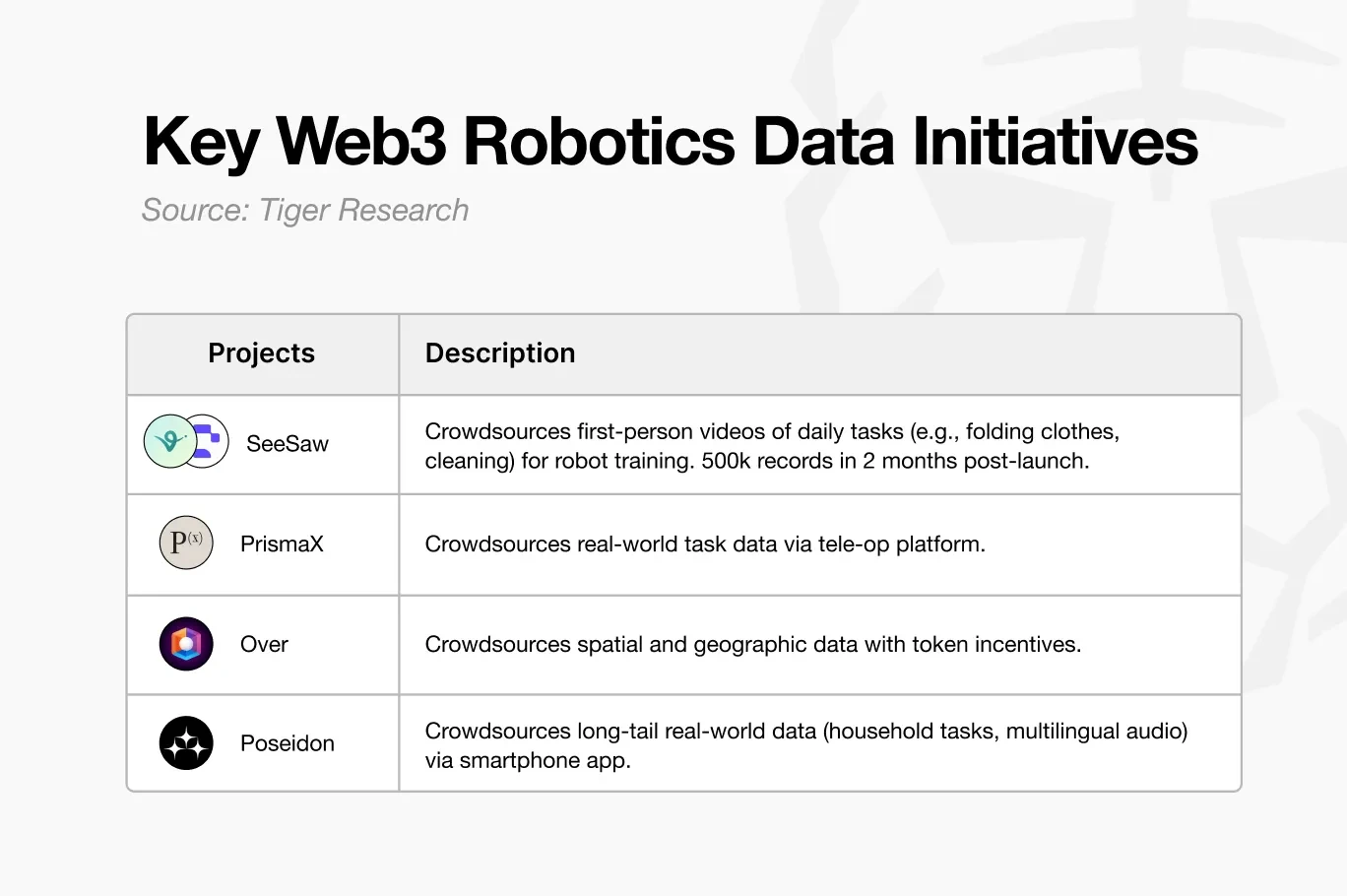
5. Robotics and cryptocurrencies will usher in a new era of the gig economy.

Source: figure.ai
The robotics industry is growing. Real-world data for robot training is becoming increasingly crucial. Traditional centralized methods are inefficient at collecting massive amounts of data. Blockchain-based decentralized crowdsourcing solves this problem. It collects vast amounts of data from individuals globally and provides transparent, instant rewards. A new gig economy centered on robotics is emerging.
6. Media companies use prediction markets.
 Source: Tiger Research
As traditional revenue models reach their limits, media companies will adopt prediction markets as a survival strategy. Readers will shift from passive consumption to active participation, placing capital bets on news outcomes. This shift will optimize revenue structures while driving deeper audience engagement.
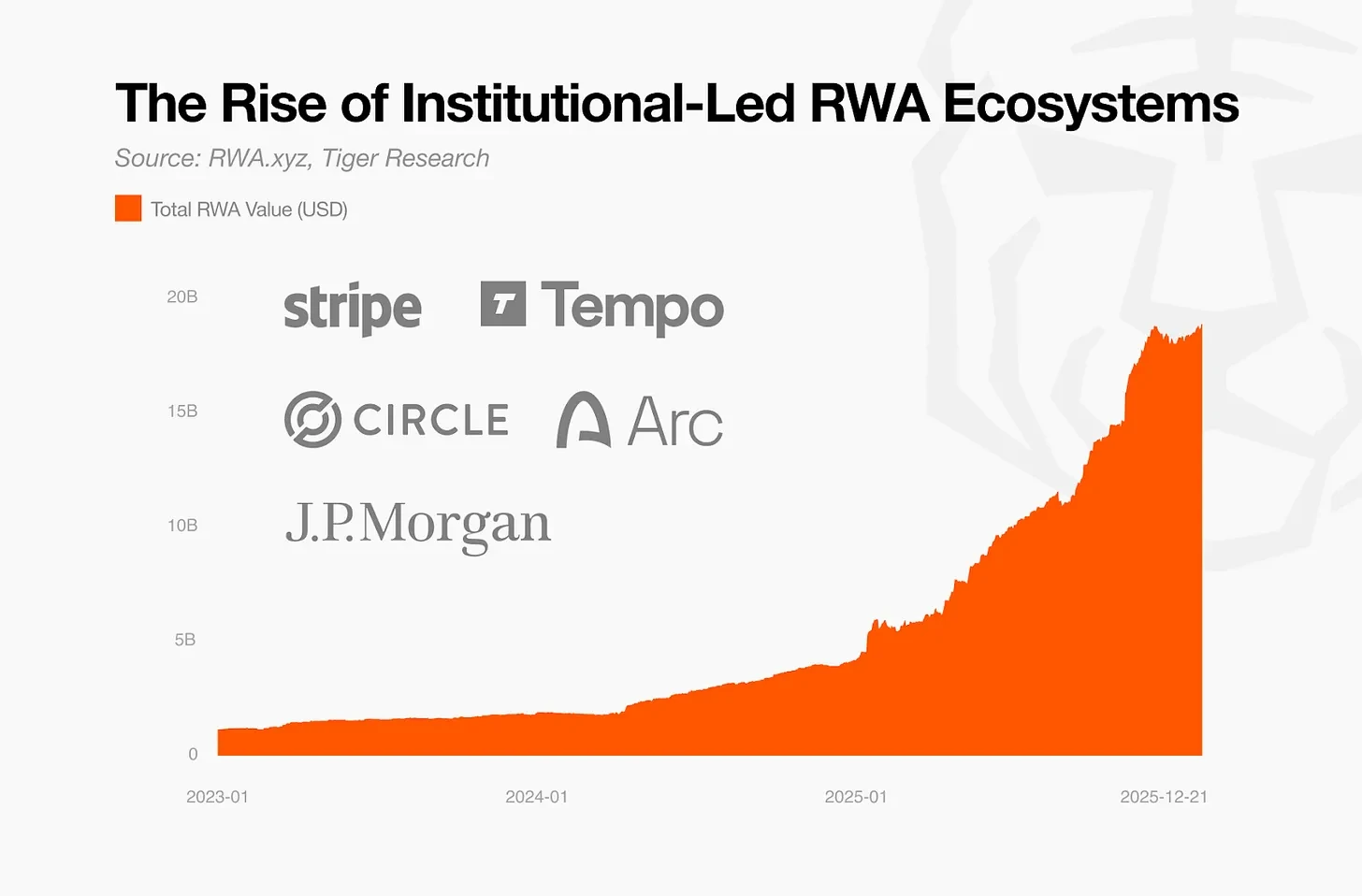
7. Traditional financial institutions are dominating RWA by building their own blockchains.
Source: Tiger Research
Traditional financial institutions are the primary suppliers in the RWA market. Given the need for asset control and security, the benefits of using third-party platforms are minimal. These companies are likely to build their own blockchains to maintain market leadership. RWA projects lacking independent asset supply will lose their competitive edge and face elimination.
8. ETH staking ETFs will drive BTCFi growth.

Source: Tiger Research
The launch of Ethereum-staking ETFs will prompt Bitcoin ETF holders to seek returns. BTCFi fills this gap. As large amounts of capital flow into Bitcoin, the demand for asset utility will increase. This pursuit of returns will drive the next wave of growth for BTCFi.
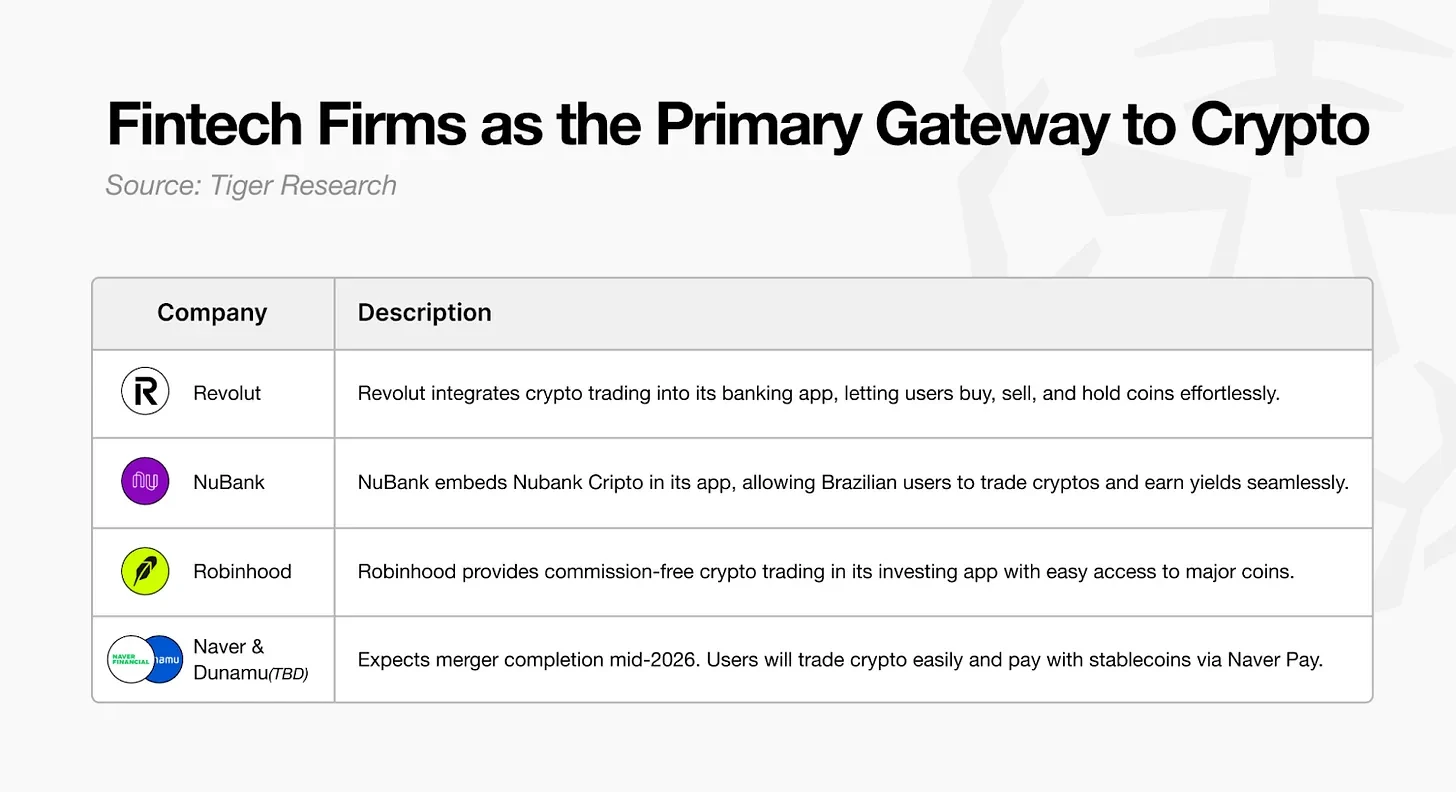
9. Fintech will surpass exchanges as the primary channel for deposits.
Source: Tiger Research
With clearer regulations, fintech apps have become the preferred choice for cryptocurrency trading. New users no longer need to use cryptocurrency exchanges; they can buy and sell directly through their everyday apps. The next wave of growth will be led by these fintech tools.
10. Privacy technology is becoming a core institutional infrastructure.

Source: Tiger Research
On-chain transparency exposes transaction plans. This is a vulnerability for large institutions. High-net-worth participants must conceal their movements to ensure security. Privacy technology is a key tool for these institutions to enter the market. Only when transaction data is secure will large sums of capital flow in.