GameFi Growth: How to Keep Game Users Retained



Mar. 2023, Daniel
Chain games have the problem of low user retention. For all the talk about being the future of gaming, 90% of blockchain games are inactive within 30 days.
Without players enjoying the game for long, most GameFi projects today are still just DeFi protocols, with prettier graphics and some interactive elements.
But is this changing? Moreover, is there a way for blockchain games to use on-chain data to increase retention and create a"just to improve gameplay"More complicated answer?
Footprint Analytics with Tegro'sSiddharth Menon, Shima Capital'sAlex Wettermanand CMO of Yeeha GamesGeezeeDiscussed this issue together.
Is retention the best metric for GameFi?
image description
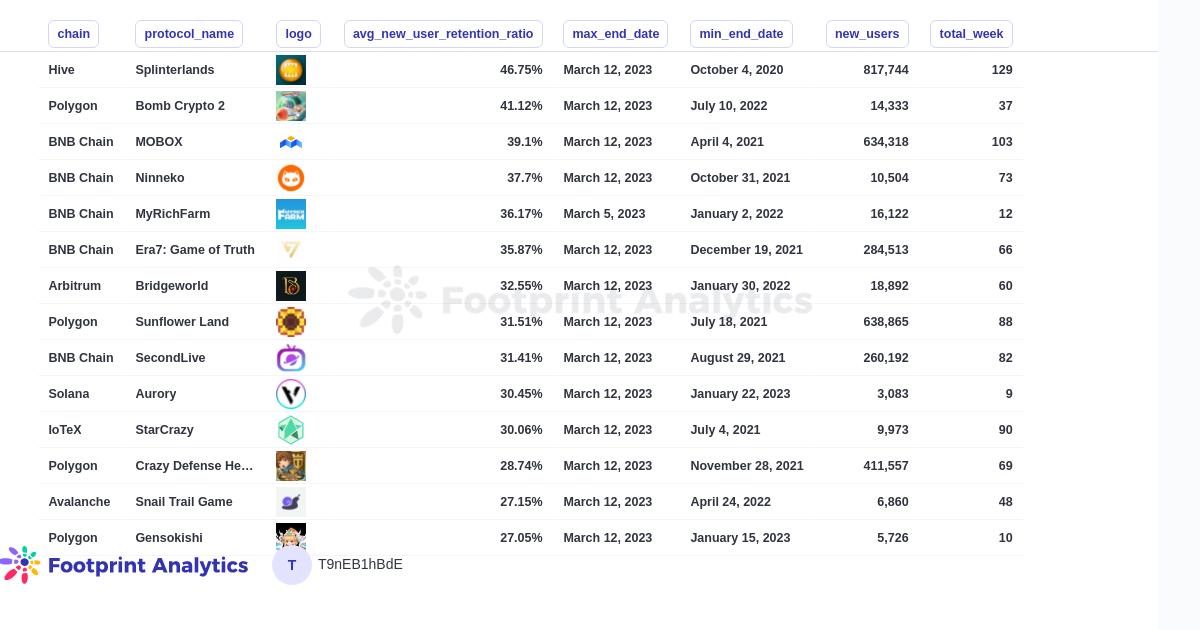
Top Weekly Retention GameFi Projects
However, how effective is the monthly growth in transaction volume and retention metrics when hundreds of thousands of new users come online at the same time?
"Eventually I think this will stabilize and the main metrics will be about the game,"Siddarth said."That's why I think it's very, very important for games to focus on good gameplay, essentially making it more fun. Ultimately, we want to be more independent from this volatile market"。
Siddarth pointed out that you can use percentage-based metrics to mitigate the problems caused by volatility. For example, tracking what percentage of a game's active users out of total active users across all chains over time. Can you grow on a weekly basis?
Will token economics shift to give whales more incentives?
Unlike traditional, non-tokenized games, blockchain games are often driven by whales who pour large amounts of liquidity into a project. Games will increasingly take tokenomics into account in order to retain the most valuable players in their ecosystem.
"I think tokenomics is very important,"Siddarth said."Good design will do more to motivate and retain skilled players. It also captures the value of gameplay. Most of the gameplay we've seen over the past two years revolves around inflation, with very little control over tokenomics or secondary markets."
In some ways, tomorrow's GameFi whales are being made in today's bear market.
"I relate the cryptocurrency world to what it was like back in 2013 when people were mining cryptocurrencies and Ethereum. People have whole houses of graphics cards, and I'm one of them. Back then, it wasn't very profitable, but you could still mine in a bear market, and they were digging, digging, digging. In the end, when the market changed, a lot of them made a lot of money."
Just like in the days of cryptocurrency 1.0, it takes the hard work of consistent believers to keep the system going. And these guys earned their rewards."I see this in the Web3 space. Players who play games are still actively doing, mining a lot of assets by playing these games or minting coins; I think those types of rewards will accumulate. And, hopefully, when things are right, we'll see the rewards come."
How to Use Airdrops to Improve User Retention
image description
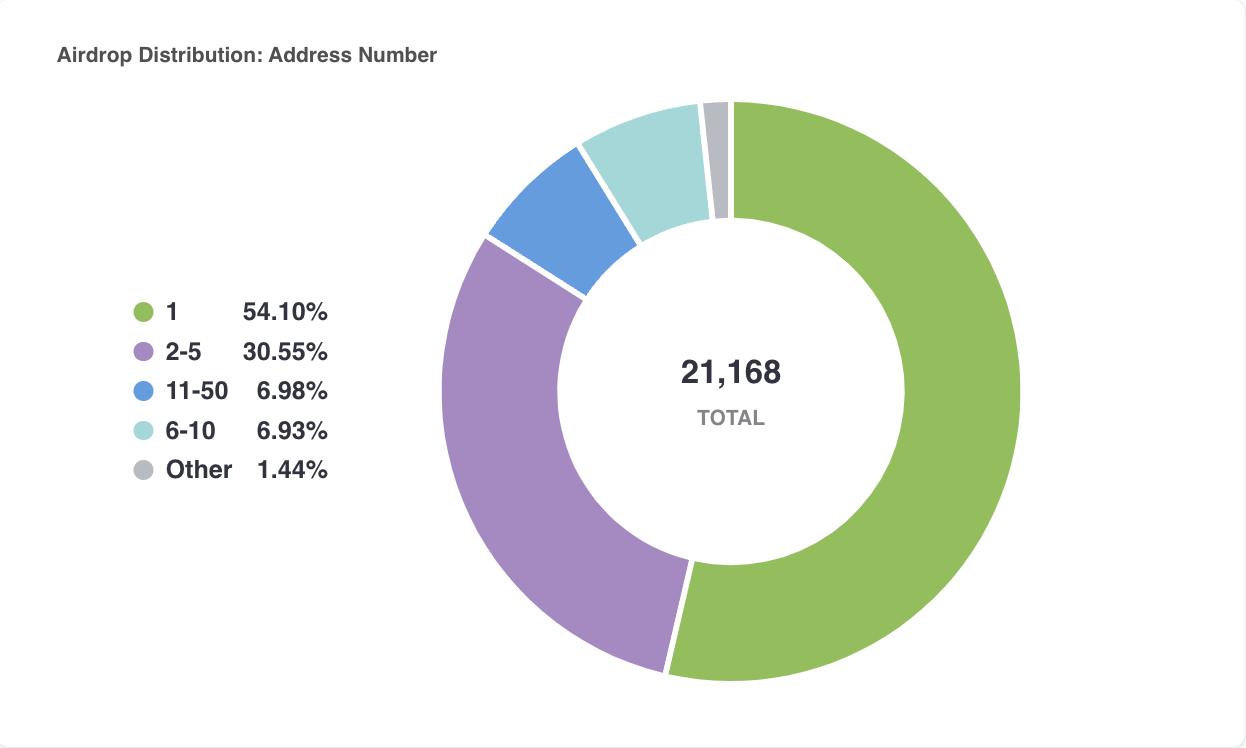
Real Time NFT Airdrop Monitoring
However, this form of marketing, which can be used both to generate hype for an early-stage game and to boost retention, has several significant drawbacks.
For example, a game that regularly airdrops funds to users based on activity inevitably faces a large number of bot-versus-system games.
According to Alex, the question is fundamentally about balancing value extracted from users versus input.
"Now that you can extract value from these ecosystems, creating compelling core loops in the game itself and in the metagame that incentivizes players to provide more value than they extract, that's really important," he said.
“Airdrops are very valuable extractions, but there are ways to design these core loops, vertical slices and letters so that players need to provide value to the ecosystem before they can earn these tokens and will capture value.”
An example of a game mentioned that requires an upfront investment of value is Paradise Tycoon. To be a potential whitelist, you must provide value in the form of a test game.
Therefore, they ask players to provide value. Even with bot issues, they're still delivering value.
How should blockchain game teams segment users?
Game monetization and tokenization create a very different class of participants and players in Web3 than in Web2. In order to segment these users, it is necessary to recognize their differences and serve their needs.
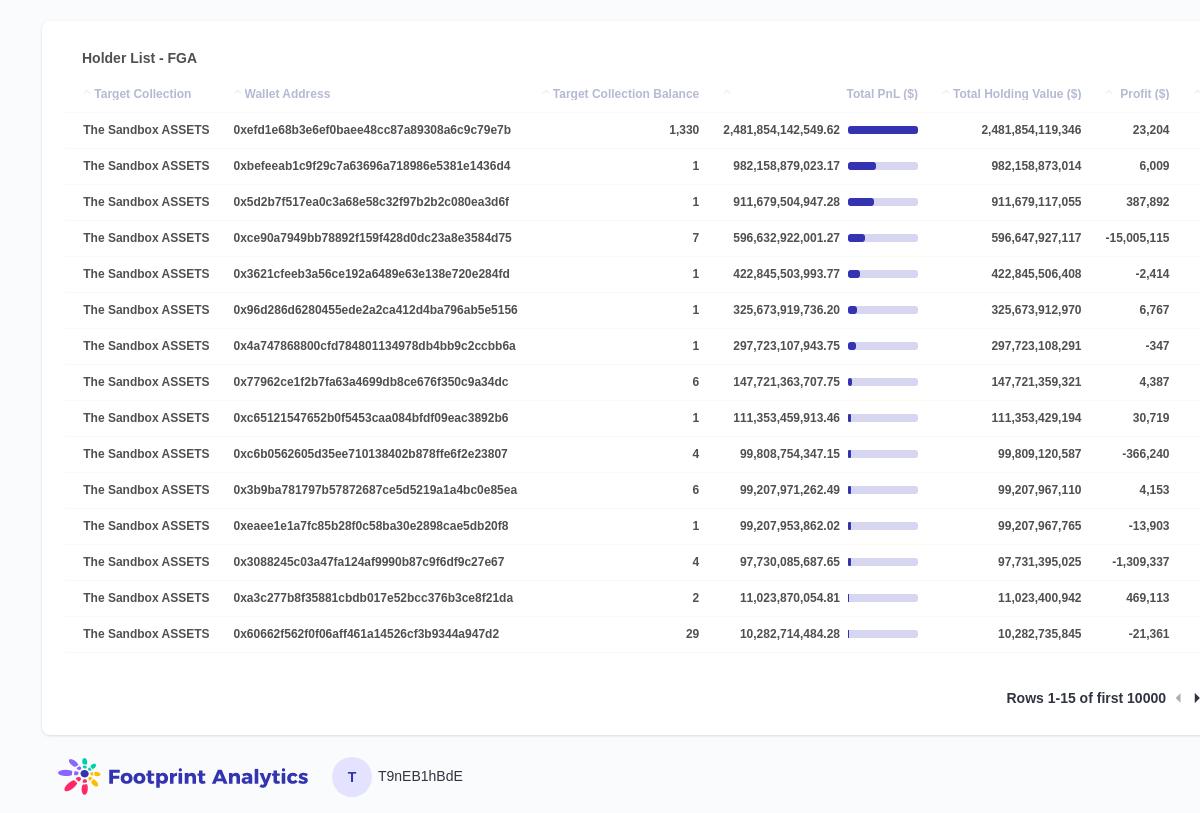
On-chain data allows you to distinguish project participants, such as holders from traders.List of profiles from holders
Siddarth breaks this down into 3 user types.
high frequency players. They spend more time playing poker, but not more money. They are quite skilled and do a lot of hard work.
asset purchaser. They buy assets and bring economic value to the game. They are an important category to balance the first category of people.
investor. They don't play at all, but buy assets and trade. They provide capital for the game.
Incentives may be different for these types of participants. For example, with the first type, you might focus on entertainment, and with the second type, you might focus on level-ups/achievements.
"Alex said."Alex said.
"It's important to understand that there are some archetypes of players who will participate in a Web3 game, and then understand in a granular way how you can break down the different types of players to fit each of these archetypes, and then design the core in the game Loops that help you understand how people interact with the game."
How blockchain game developers can combine internal and on-chain data to understand players
Web3 games present unique challenges and opportunities for developers when it comes to user data. While the data may seem disjointed (without tools like Footprint Analytics, of course), the entire mass of data is significantly more accessible to everyone and everyone.
"You have more data. You have on-chain data. You have what users are doing with their wallets. You know a little bit about their history and how they interact with different things. This is all the data that enables you to make better decisions on how to motivate and create different services in the game to get them more involved,"Geezee said."The Footprint Community is a global, mutually supportive data community where members leverage data visualizations to co-create communicable insights. In the Footprint community, you can get help, establish links, and exchange learning and research about blockchains such as Web 3, Metaverse, GameFi, and DeFi. Many active, diverse, and highly engaged members inspire and support each other through the community, and a worldwide user base is built to contribute data, share insights, and drive the community forward."。
This article comes fromFootprint Analyticscommunity contribution.
The Footprint Community is a global, mutually supportive data community where members leverage data visualizations to co-create communicable insights. In the Footprint community, you can get help, establish links, and exchange learning and research about blockchains such as Web 3, Metaverse, GameFi, and DeFi. Many active, diverse, and highly engaged members inspire and support each other through the community, and a worldwide user base is built to contribute data, share insights, and drive the community forward.
Footprint Website: https://www.footprint.network