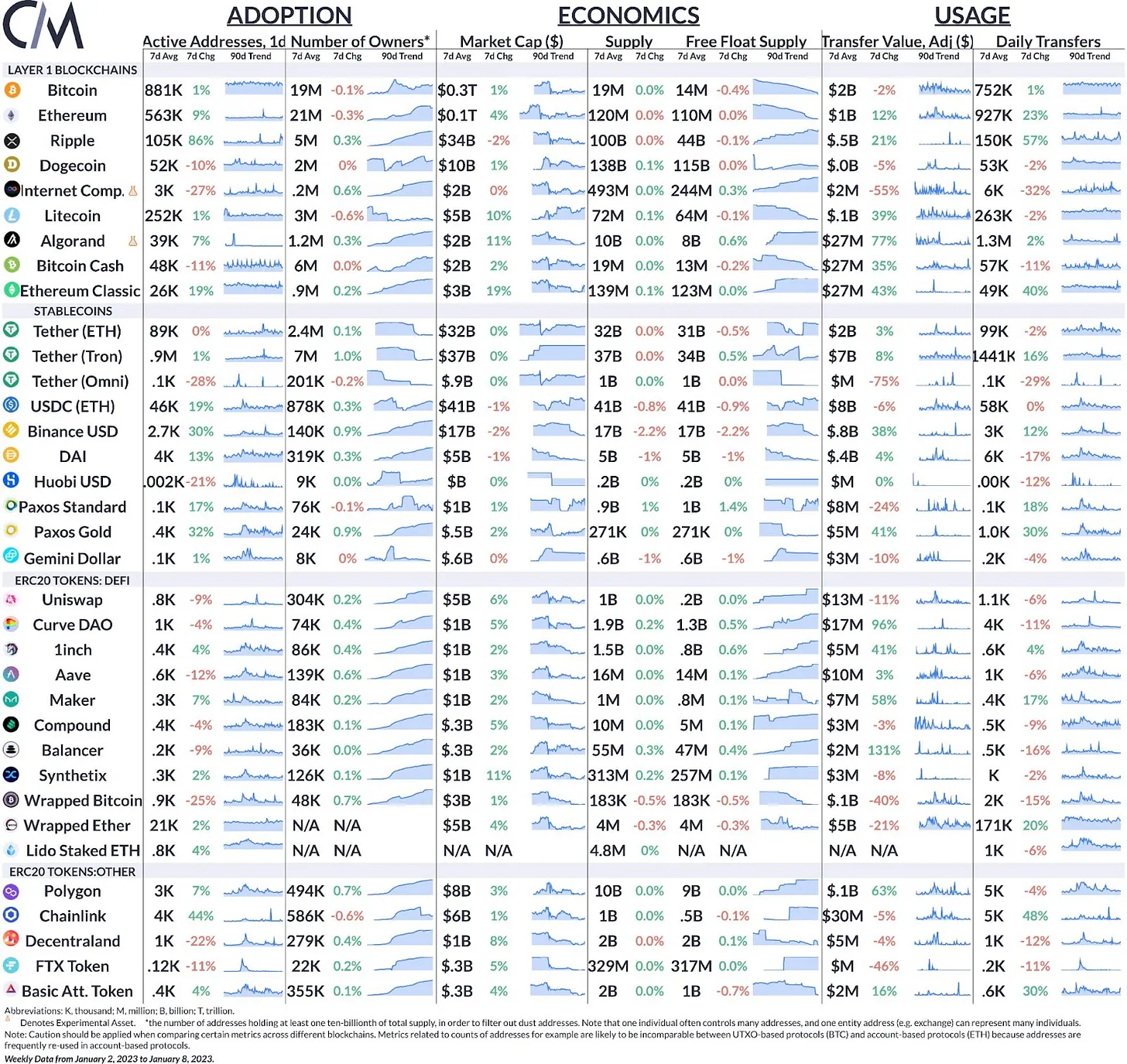
Talking about the development status and future prospects of DeFi tokens


Compilation of the original text: The Way of DeFi
Original source:Coin Metrics
Compilation of the original text: The Way of DeFi
Decentralized finance (DeFi) is a fast-growing application of blockchain technology designed to provide financial services such as access to cryptocurrency collateral loans, investment income and derivative products. Billions of dollars worth of cryptocurrency are locked in various In a variety of DeFi protocols. At the heart of these protocols are DeFi tokens, which are digital assets used to facilitate governance and economic incentives within these protocols.
This article will provide an overview of the latest developments in tokens in the DeFi space, including market dynamics, supply statistics, and adoption measures.
year of construction
image description
Source: Coin Metrics Network data
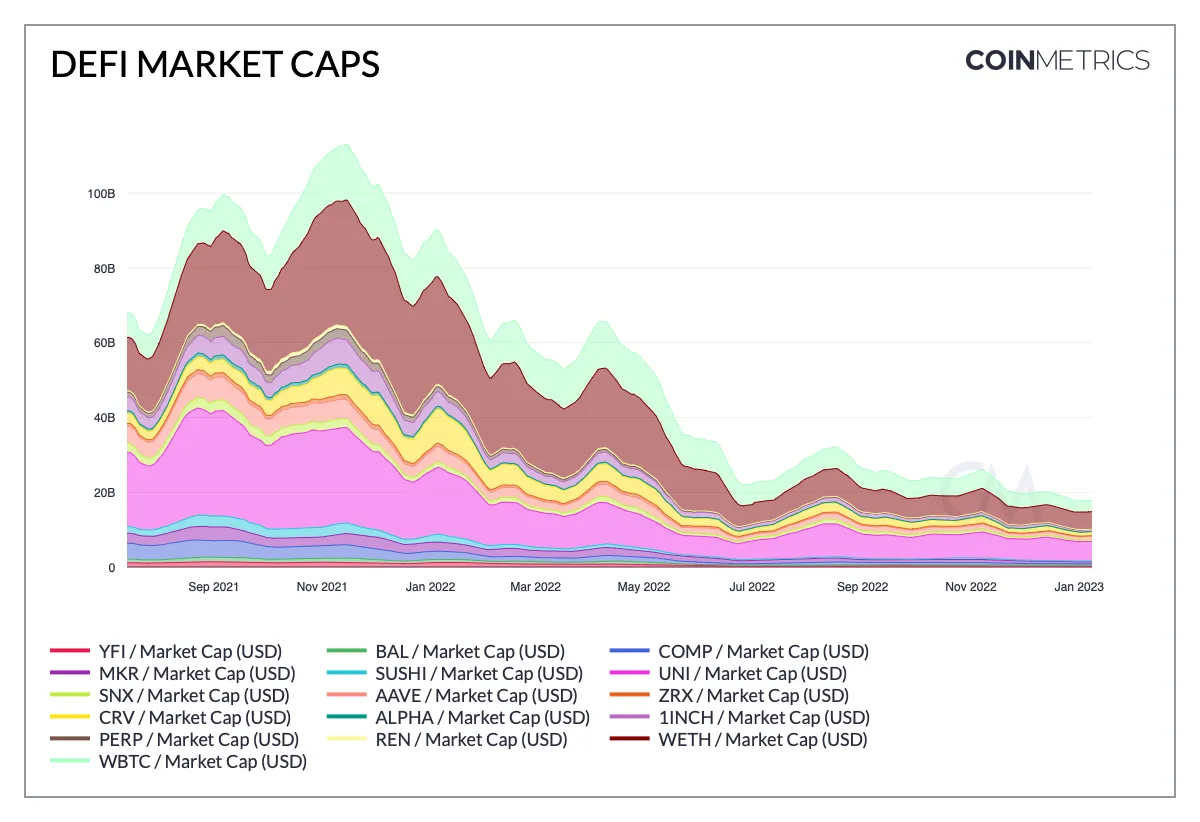
Despite the recent decline, the DeFi ecosystem has seen tremendous growth over the past few years. In January 2020, the entire DeFi ecosystem was worth less than $2 billion. Today, it's worth about $18 billion, though it's still down from its peak valuation of about $100 billion.
image description
Source: Coin Metrics Formula Builder
image description
Source: Coin Metrics Formula Builder
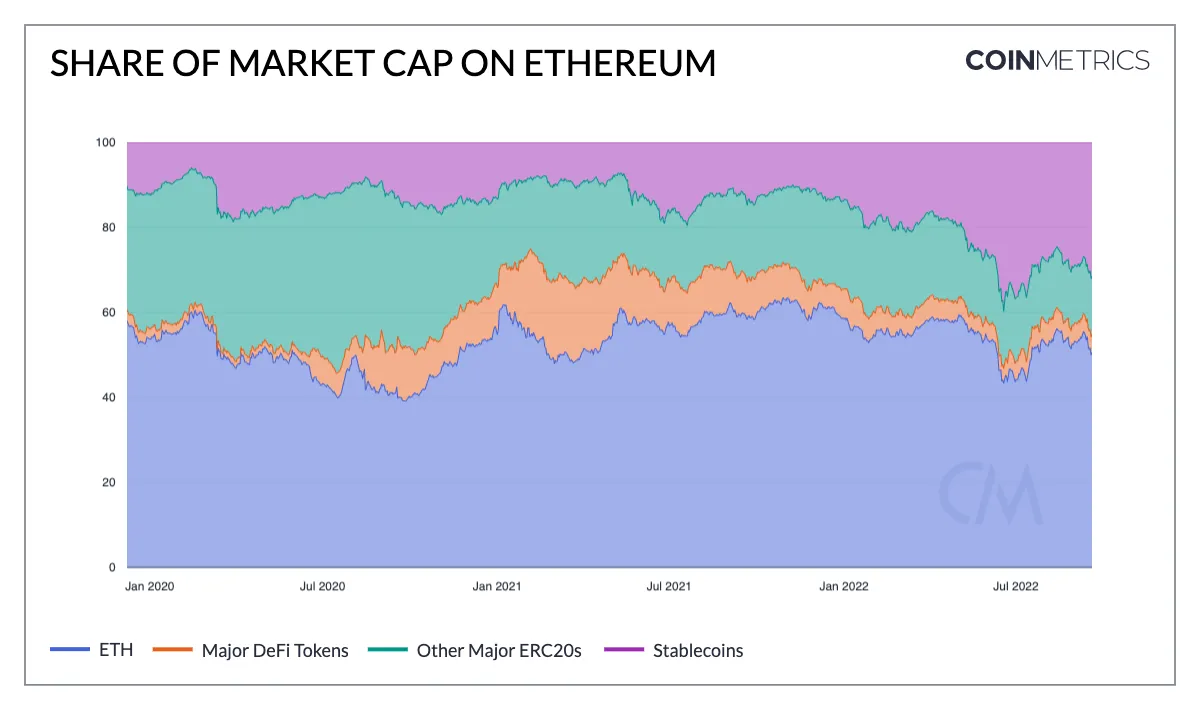
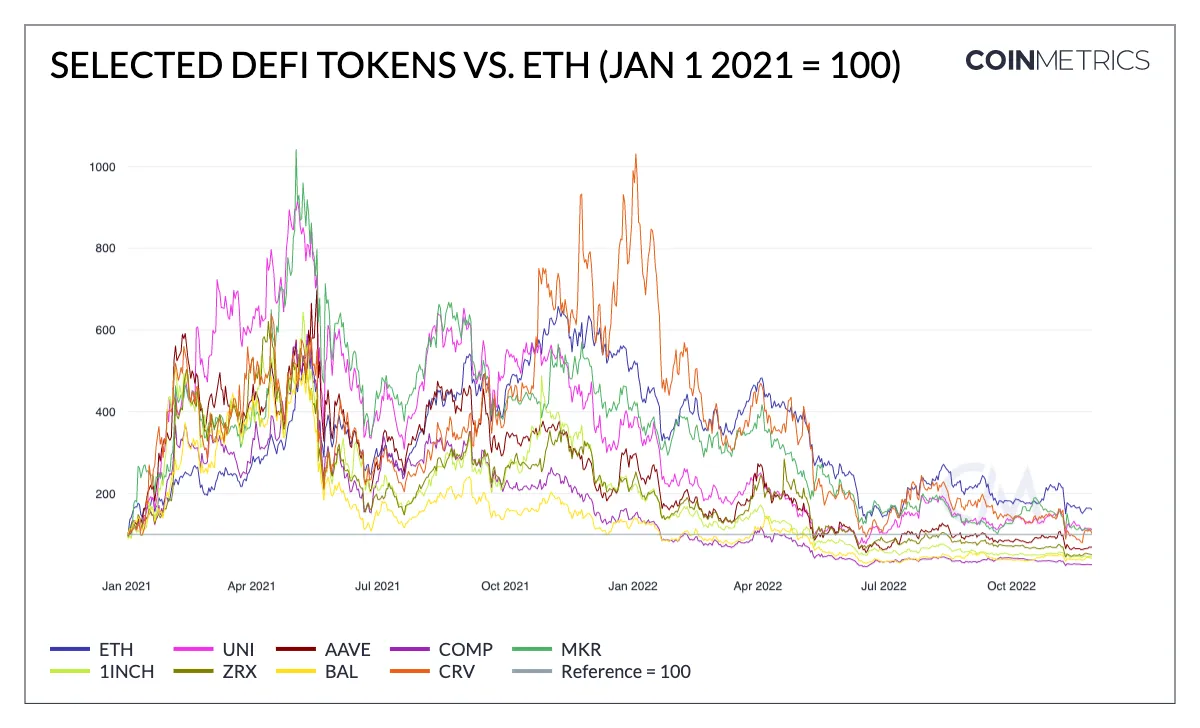
Despite this development, it’s also worth noting ETH’s relative performance compared to various DeFi tokens. It's clear that investors' risk appetite has tightened considerably, but they've also become more selective as they reconsider their holdings. ETH has held value more effectively than DeFi tokens so far.
Supply-Side Token Economics
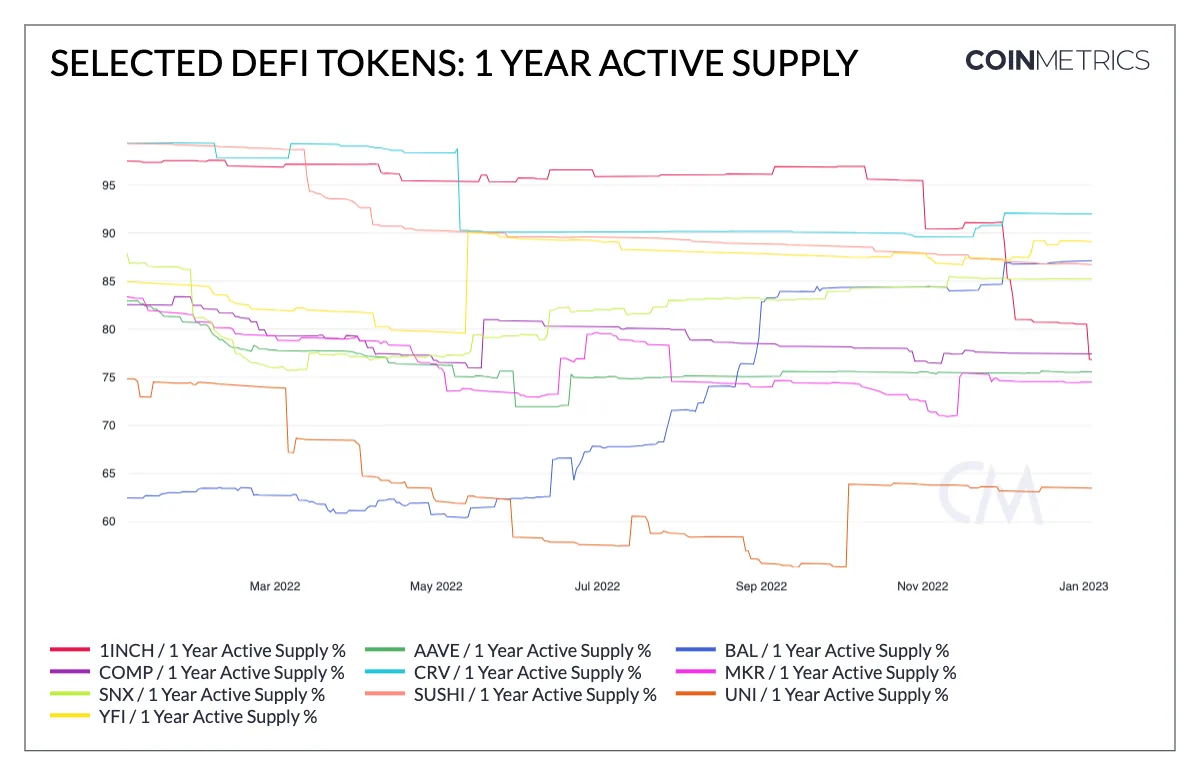
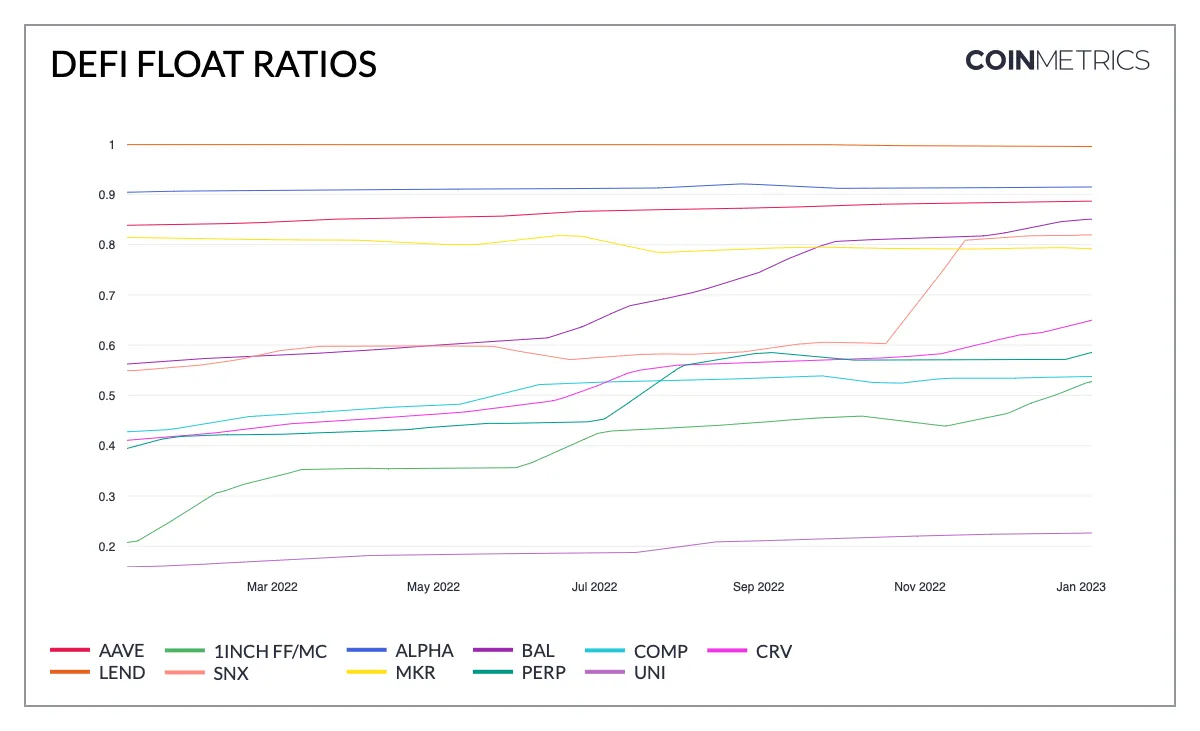
One of the most important issues to consider when judging the relative performance of DeFi tokens, especially when extrapolating future performance, is the relative amount of tokens held by treasuries, developers, or early investors. While most tokens release most of their supply to trade freely in the market, most tokens also have a lock-up period where certain investors can purchase tokens early or at a discounted price, provided they hold a minimum period.
image description
Source: Coin Metrics Network data
image description
Source: Coin Metrics Formula Builder
In the context of DeFi tokens, float ratios can be used to protect a user's investment from volatility by identifying tokens with low float ratios. Interestingly, while the floating ratio and the 1-year active supply chart are different interpretations of the same idea, they are largely consistent.
We can see that the relatively low 1-year active supply coupled with UNI's low float ratio lends consistency to this idea. UNI The 1 billion UNI tokens minted in the 2020 token genesis phase have a4-year release scheduleuse
use
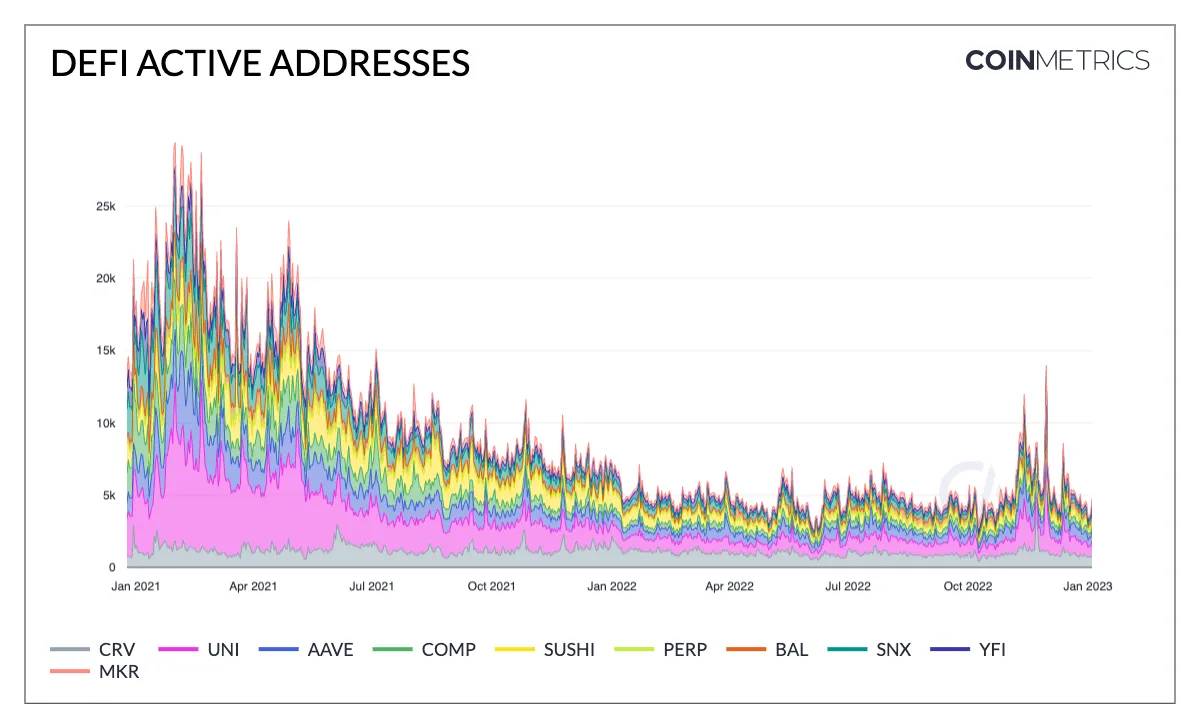
Since the beginning of 2021, the number of addresses interacting with DeFi tokens has declined. However, looking at the active addresses interacting with DeFi tokens is a very rough indicator when measuring the adoption rate of DeFi applications. This is because protocol usage is usually separate from protocol governance (often in the form of a Decentralized Autonomous Organization or DAO).
image description
Source: Coin Metrics Network data
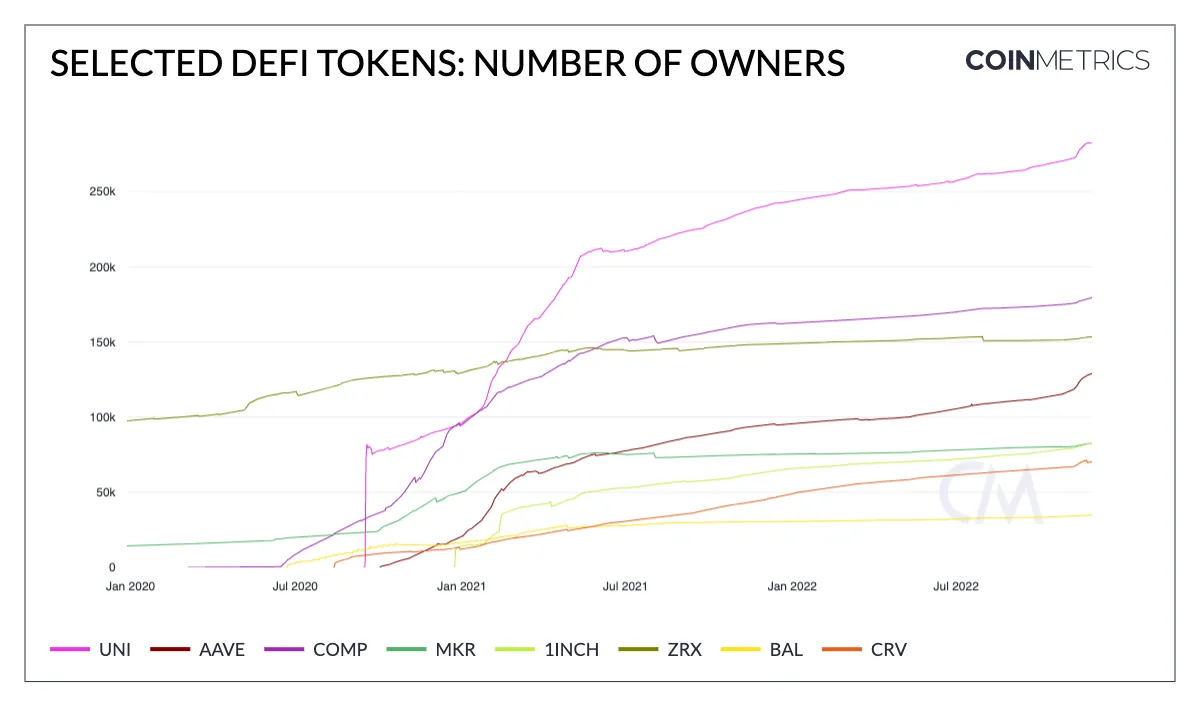
Looking at the number of owners of DeFi tokens can also help gauge adoption and interest. In the context of DAOs, a decentralized owner base can be advantageous, as it implies a broader base of voters with diverse views on issues. Most tokens will see a slow upward trend in the number of on-chain owners in 2022, then rise significantly in November as many users move their tokens off exchanges.
Uniswap’s UNI remains one of the most popular DeFi tokens, with more than 280,000 unique addresses owning the token. As we all know, UNI was first passed in September 2020Airdrop pointsimage description
in conclusion
As an emerging industry with uncertain cash flow, DeFi tokens will experience a period of investor de-risking in 2022. There are a few possible catalysts that could help rekindle interest in DeFi tokens in 2023.
First, some projects may continue to experiment with underlying token dynamics. Last year, the MakerDAO community discussed concerns about the dynamics of the MKR token.Amendments, including the addition of a staking mechanism.On the regulatory front, any move to clarify the issue of tokenized securities versus commodities would be welcome as industry progress, including the possible adoption of a new disclosure framework for token issuers.
With keen awareness of the recent failures of centralized brokers, expectations are high for DeFi to outperform in 2023. In fact, the CMBI DeFi Sector Even Index (CMBIDFIE) - a file containing dataThe even-weighted basket of all assets in the decentralized finance sector — up 14% to start the new year.
DeFi watchers will be keeping a close eye on how tokens perform — but, as we describe in this piece, it is important to decouple DeFi tokens from underlying protocol adoption. With DeFi token data, it is possible to paint a broad picture of the space, but more granular protocol data is needed for proper due diligence and adoption analysis. To this end, we look forward to expanding the breadth of DeFi analysis in 2023.
Web Data: Summary Metrics
image description