






A comprehensive analysis of Web3 social: a booming field full of identity crisis


Original title: "The Ultimate Guide to Web3 Social: A Booming Field with an Identity Crisis"
Original compilation: Block unicorn
Original compilation: Block unicorn
Summary:
Existing Web2 social networking platforms create problems with data and security breaches, manipulation of public opinion, reposting of false information, and more.
Digital assets created according to interoperable standards on public blockchains are portable and transferable, so user history does not stay on one particular platform.
A core philosophical principle of Web3 is that there are more ways to provide value to an ecosystem than through capital — value should be earned, not just purchased.
The open social stack includes data infrastructure (decentralized storage and data layer), middleware (digital identity, social graph and credential protocols), and social applications.
Social networking platforms often face the problem of cold start. With an open social stack, new platforms can use middleware to develop products and quickly test product-market fit.
The most important problem that decentralized social networking needs to solve is the decentralized storage of dynamic data. Protocols like Ceramic Network and Tableland are addressing this challenge.
Every social network relies on a social graph. The leading protocols for building an open social graph with a strong ecosystem are Lens Protocol and CyberConnect.
The challenge with web3 accounts and identities is that wallets, accounts, and identities are not clearly defined in web3, and implementations of digital identity projects often mix these three concepts together.
There should be an identity architecture to help users access web3 applications. The identity architecture includes identities used in different scenarios: public identities, proxy identities, and master identities.
The challenges we see: 1) economic incentive-driven social; 2) data composability is not as simple as we thought; 3) poor user experience, small user base; 4) does not solve pain points, does not create value for users.
Web3 social can only succeed if existing address-based identities are transformed into person-based identities, and focus not only on contract state (showing what assets an address owns), but also on relational status, where a person social status acquired by relationships.
What is Web3?
Web3 is an umbrella term that isn't fully defined. The term encompasses some ideas and visions of decentralization driven by community and user ownership. An article by Him Gajria on web 3.0 says it best:
Web1 can only read: 1) the web hosts the content, and 2) people can consume the content, but not share it.
Web2 readable and writable (creation): Web that supports user participation (such as Douyin, Youtube, WeChat, Twitter).
Web3 will be readable, writable and ownable: 1) built on a peer-to-peer network, 2) to achieve interoperability, different applications can connect and communicate in a coordinated manner.
In the Web2 world, the category that dominates the web is social networking, such as Facebook and Youtube. Social networks allow users to interact with the network, not just consume its content. In the web3 social ecosystem, there have been a large number of financing for web3 social startups. While web3 has yet to see a platform equivalent to Twitter or Facebook, many believe that narratives of data ownership and financial incentives for the network, NFTs and tokens will solve the cold start problem and eventually bring enough creators to the platform and audience.
Web3 Social Requirements
Web3 presents a different value proposition and is a fundamentally different approach than the centralized platform-dominated web2. Chris Dixon explains the inherent problems of centralized platforms in this post. The pattern followed by centralized platforms is that once the usage of the platform by users and creators reaches a strong network effect, the participants of the network will become victims of the platform's growth. The later growth of the platform comes from extracting user data to increase advertising revenue, leading to data leakage and security breaches.
In addition to data and security breaches, social networking platforms can also cause psychological and social problems, including addiction, mental illness, manipulation of public opinion, and reposting of false information.
image description
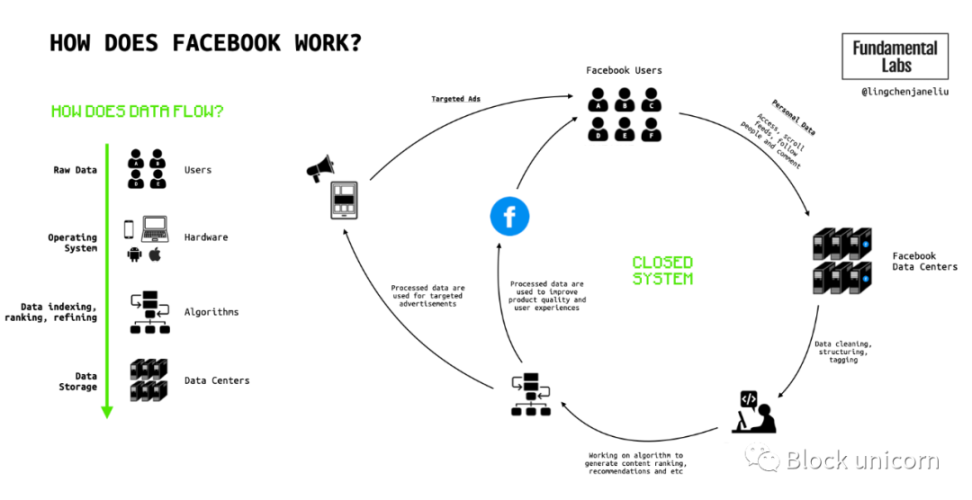
Figure 1: How does Facebook work?
Based on such a premise, in addition to using user data to make money and create platform stickiness, the web3 social stack is committed to building an open platform on which users can own any content they create, digital objects they acquire, and even their own social graph. Digital assets created according to interoperable standards on public blockchains are portable and transferable, so users are not locked into a specific platform.
What is a social graph?
A social graph is a description of the connections between people, groups, and organizations in a social network. Existing social networking companies such as Instagram, Facebook, LinkedIn, etc. are all composed of this graph of social relationships between individuals.
The existing mainstream Internet platforms are based on the aggregation of users and user data. As these platforms grow, so does their ability to deliver value. Platform network effects keep those dominant platforms on top. The user behavior data of major social networking platforms help them optimize their algorithms, making their content supply and advertising positioning significantly better than competitors. Through the analysis of profit margins and consumer demand, Amazon obtains comprehensive data to understand customer needs, thereby optimizing distribution logistics and developing its own product line.
In the business model of traditional Internet platforms, users and their data are the key sources of competitive advantage. As a result, platforms generally do not share data. Therefore, if users decide to leave the platform, it is difficult for them to bring their social graph and content with them.
Why is identity isolated?
Internet companies with which we interact have their own databases. Since the data is disconnected between these companies, the data is siled. In contrast, databases in Web3 can be connected to each other in an open and accessible way.
image description
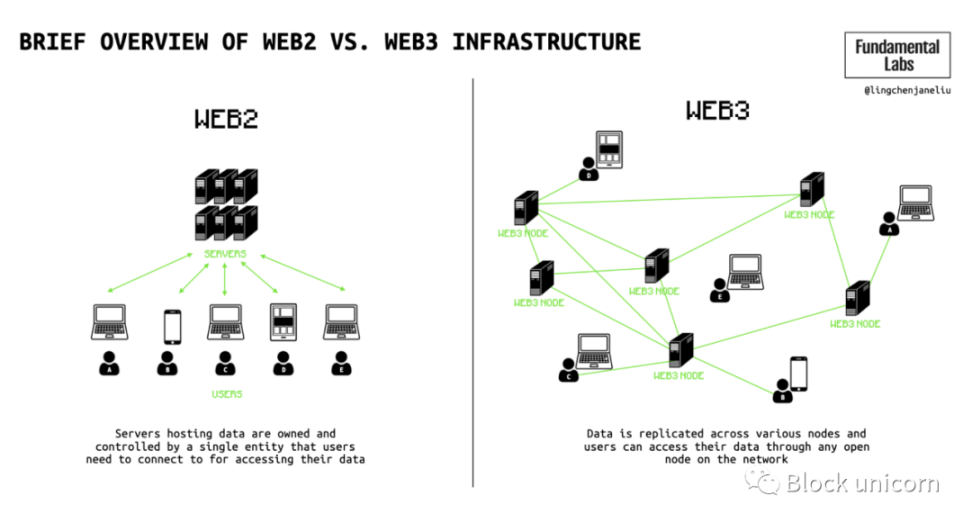
Figure 2: A brief overview of Web2 and Web3 infrastructure
Essentially, data is stored on a network of independent nodes that each ensure that only the data owner can decide what to do with their data. This is in stark contrast to centralized servers controlled by Web2 cloud service providers.
A core philosophical tenet of web3 is that there are more ways to provide value to an ecosystem than capital - furthermore, value should be earned, not just purchased. This is a fundamental difference from the existing structure, where those who own capital earn more through investments than through work, leading to a widening gap between rich and poor over time.
Distributing ownership to participants is also a major shift, with existing platforms being built by employees and investors, where meaningful ownership belongs to employees and investors. In this traditional Web2 model, the content and contributions of these users make these platforms valuable, and the ownership is not owned by the users.
Open Social Stack: Current Market Landscape
image description
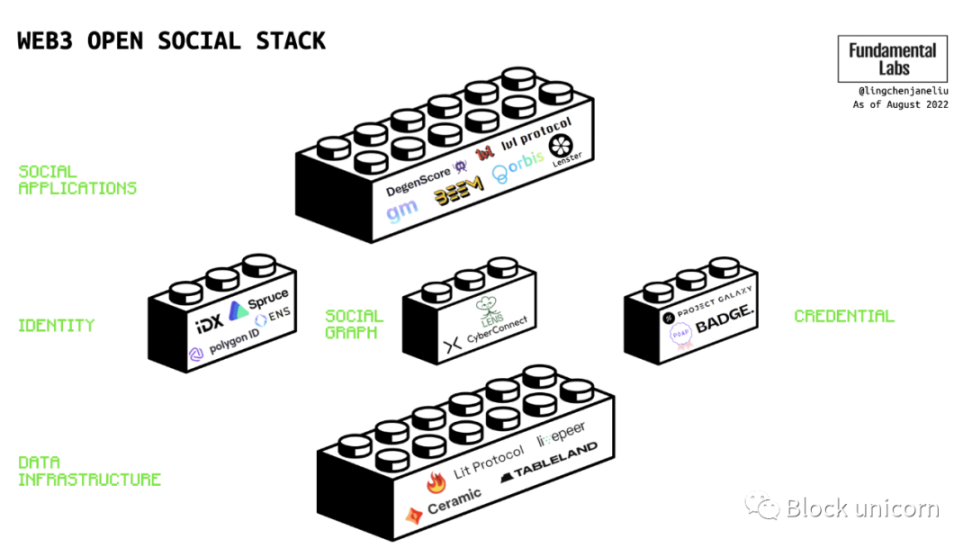
Figure 3: Market landscape for the open social stack
Open Social Stack Overview
Data infrastructure: Data infrastructure includes decentralized storage (for research on data, click here or read the original text) and a data layer established for dynamic data, and caters to the needs of social applications that generate a large amount of underlying data value.
Middleware: Middleware is computer software that provides services for software applications. Middleware speeds up the development of decentralized applications by simplifying connections between applications, application components, and backend data sources. Common middleware for an open social stack includes digital identities, social graphs, and credential protocols.
Social Application: A social application is a software application that facilitates the creation and sharing of information, ideas, interests, and other forms of expression through virtual socializing and networking. There is Facebook in Web2. Instagram, Youtube and Douyin. There are Orbis, Lenster, lvl protocol and Cent in Web3.
The open social stack creates a paradigm shift with very powerful portability and connectable and disconnectable identities that reside in users' encrypted wallets. When you think about it, our web2 online activity is a form of our identity. The photos we post on Facebook and Instagram, and the profiles we create on Twitter and Linkedin are all part of our identity. The challenge we face here is that our identities only exist in the platform where our actions/activities take place, and identities are isolated. With the walled gardens built by the web2 giants, we can't just integrate our Instagram identities and connect them to YouTube to fine-tune content recommendations to match our interests.
Social networking platforms usually face the so-called cold start problem: it is difficult for new platforms to acquire new users and join new users, which is why hackers occupy a very important and prominent role in the traditional Internet industry. With web3's open social stack, new platforms can leverage middleware, such as social graphs and credentials, to develop products and quickly test product-market fit. Since the data is transparent, competitors can view the data of mainstream platforms and give relevant incentives to users with high network value to attract them to join their own platforms. However, since users can easily port their digital assets to different platforms with zero switching costs, platforms need to compete with each other with better user experience and build closer ties with the community to make the mission consistent with the value.
Let's take a look at each layer in the Open Society stack.
data infrastructure
The most important problem that decentralized social networking needs to solve is the decentralized storage of dynamic data. The protocol needs to be able to support dynamic data storage before it can support streaming media, social media and other related applications.
Since social networking applications tend to generate large-scale but low-value transactions, such as shares, likes, or follows, it is not economically feasible to conduct these transactions on Ethereum. Therefore, it is particularly important to find a scalable solution that can facilitate transaction settlement.
Due to the immutability of data on the chain, it is difficult to build social applications on top of the data layer. However, there are some protocols that try to solve this problem, such as Ceramic, Livepeer, Lit Protocol, and Tableland. These protocols are designed to manage and store dynamic data such as images, video and text.
Ceramic Network
image description
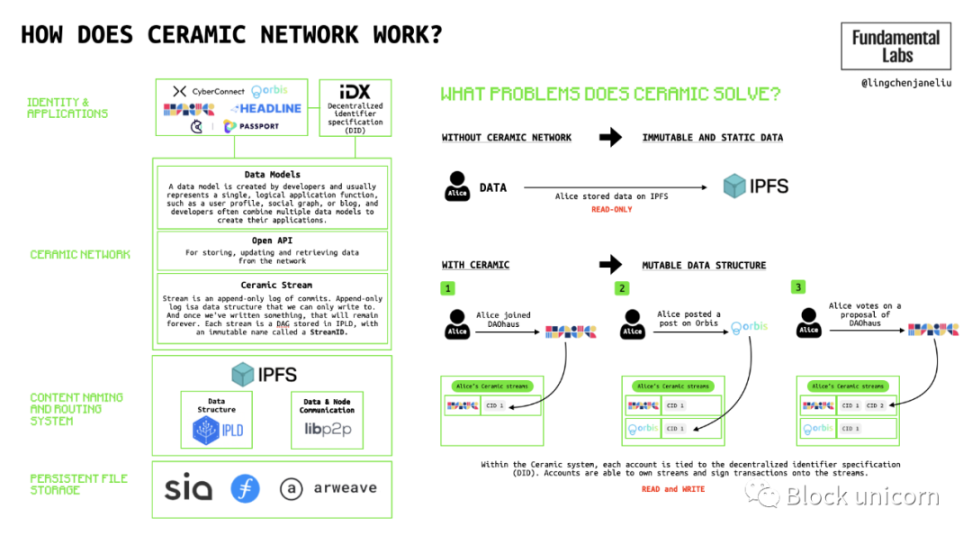
Figure 4: How does Ceramic Network work?
Advantages of Ceramic Network
Users: When data is stored on IPFS, it is difficult for users to track data over time. However, with Ceramic, data is kept on the user associated with the key, and their identity with whatever blockchain wallet they carry. Every time a user comes to an application, the data will be recorded in Ceramic in IPFS. These data correspond to the data model created by the application developer, and when the user goes to another application, the user can migrate the data with him to any platform.
Developers: For developers, Ceramic has a shared database to structure data to build data-driven functionality. Ceramic has a data model marketplace for developers to create their own data models to correspond to the specific functionality they want.
Tableland
Tableland, like Ceramic Network, attempts to address the limitations of the Ethereum Virtual Machine (EVM), which has limited storage space in smart contracts, and the high cost of updating, writing, and storing data on-chain.
Existing web3 applications often use a hybrid approach to storing application data. Taking NFT projects as an example, NFTs in these projects exist in two parts: smart contracts and metadata of artworks. Smart contracts exist on a blockchain, usually Ethereum, and contain a set of rules to facilitate transactions. The smart contract also includes a link to the server where the digital artwork is stored. That is, digital artwork may not exist on the blockchain and may be stored off-chain. NFT projects often utilize centralized databases like AWS or Google Cloud to store structured data.
However, utilizing a decentralized storage provider to host their metadata is a relatively safer option, as digital artwork can be lost if the centralized server goes offline. With decentralized storage providers, if a storage location (node) in one place fails, digital artwork may be found in another storage location. The downside of the current approach to decentralized storage is that the metadata itself cannot be changed and is difficult to query or compose. In contrast, centralized storage providers can make metadata dynamic and also support query functions. However, data stored in centralized storage providers is neither open nor combinable.
Tableland provides a technical solution to the limitations of on-chain data - immutable, expensive to store, not composable, and difficult to query. Tableland builds a data layer that allows users to store, read and write data cheaper and with more storage space than a pure EVM environment. How Tableland does this is through two components: an on-chain registry with access control logic (ACL) and an off-chain table, each table in Tableland is an ERC721 token in the EVM compatibility layer on casting. That is, the access control logic that owns the right to write data exists in the EVM, and users have that right through NFTs stored in their Ethereum wallets. The protocol has two main components: the on-chain registry owner and the off-chain Tableland Network. The link between on-chain and off-chain is handled at the smart contract layer, which has an immutable quality.
On-chain table owner: set ACL permissions for a registry.
Off-chain (decentralized) Tableland Network: manages the creation and subsequent changes of the table itself.
image description
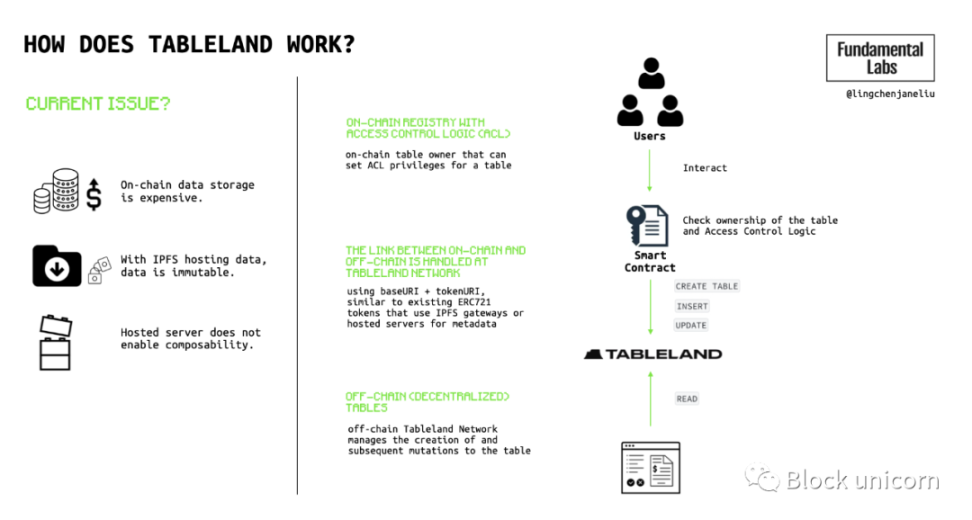
Figure 5: How does Tableland work?
What is access control logic?
Access control logic is an automated system that controls an individual's ability to access one or more computer system resources, such as networks, applications, or databases. Access control logic systems require the identification of individuals through some mechanism such as a PIN, card, biometric or other token.
What is SQL?
middleware
middleware
Social Graph: Every social network relies on a social graph. Social graphs are critical to all communication, from posts and likes to direct messages. A shared public social graph cannot exist without a company or entity responsible for storing the data, and there are protocols that attempt to achieve this.
Lens Protocol
Lens Protocol is a composable and decentralized social graph. Social apps include user profiles, followers, posts, comments, shares and likes. These components define basic data layouts and relationships between data, such as who follows whom or who posts what.
On Lens Protocol, key functions of social media are provided by NFT and owned by users. User profiles are also NFTs, each follower is a different NFT, and each post represents an NFT.
NFTs on Lens Protocol
Profile NFT: A Profile NFT contains user-generated posts, retweets, comments, and followers. A single address can have its own profile NFT, an address can contain multiple profile NFTs, and one profile NFT can be owned and operated by a DAO through the Multisig wallet.
Follow NFT: Every time a user follows a user, the other user will receive a follow NFT with a unique token ID.
Post NFT: The content produced or shared can be posted NFT, similar to posts on traditional social media.
Mirror NFT: Similar to Twitter's retweet function. A user uses the Mirror feature to re-share a post. It is possible that, thanks to human sharing, users can earn a cut from whoever collects the original content.
Collecting NFTs: Users can collect (buy) published NFTs from users they follow, and create collections of self-published NFTs.
image description

Figure 6: Lens Protocol Ecosystem
image description
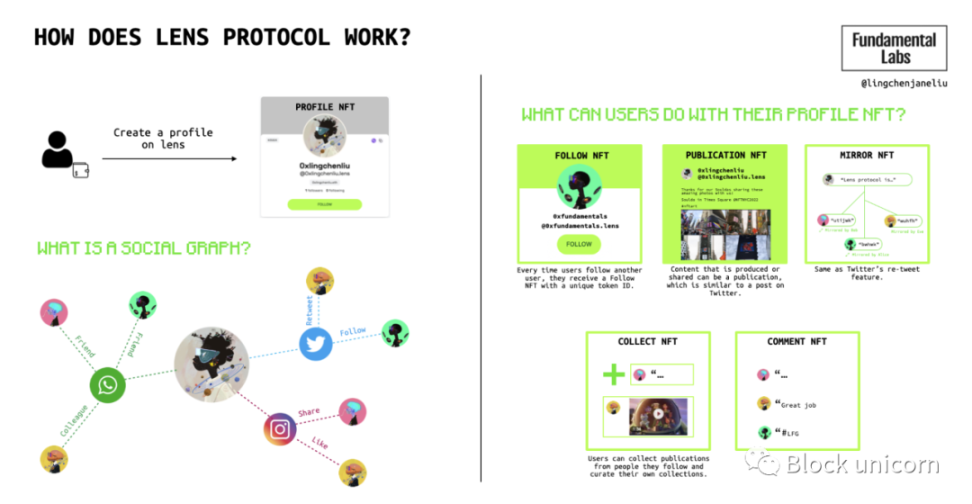
Figure 7: How does the lens protocol work?
CyberConnect
CyberConnect is a social graph protocol that allows dapps to access and use user-provided social graph data. CyberConnect's ecosystem is very powerful, integrating many web3 applications, including Project Galaxy, Mask Network, Light.so, Grape.art, NFTGo, Metaforo, zklink, etc.
image description
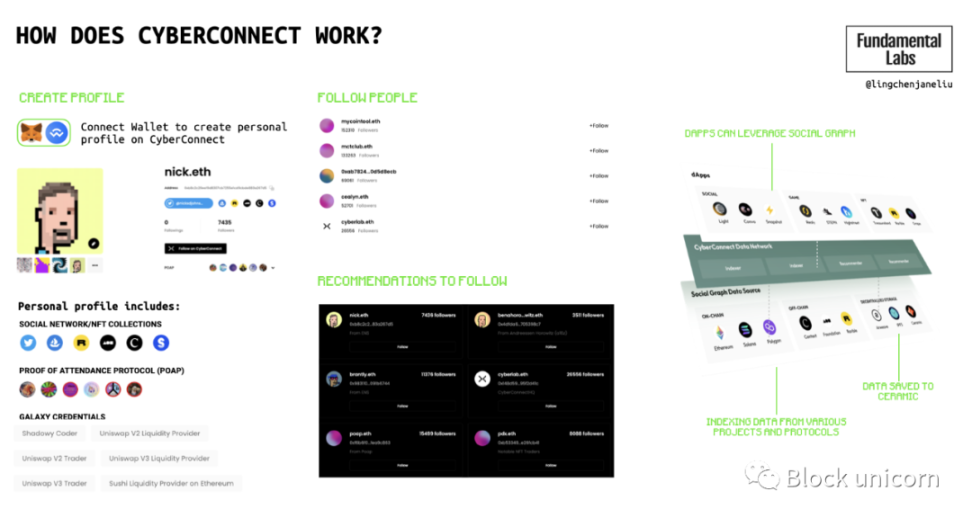
image description
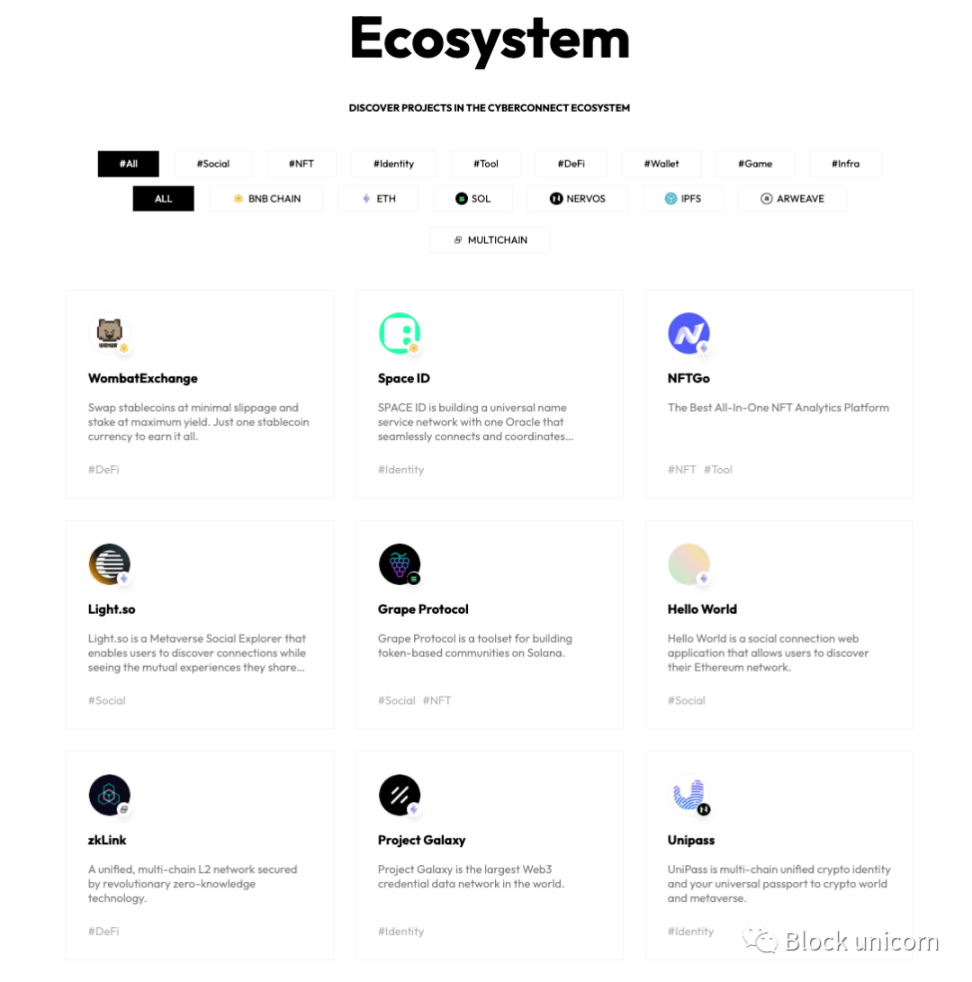
Figure 9: CyberConnect Ecosystem
Traditionally, a social networking app builds their moat not only through good product design and user experience, but also through network effects driven by user data. Therefore, it is difficult for newcomers to challenge the status of mainstream social networking platforms, because users cannot just take their data to another platform and enjoy the same experience, without setting up a new profile, connecting with people, and providing The platform provides better recommendations and content planning to create sufficient data. The cold start problem is one of the biggest problems social networking platforms need to overcome. It is difficult to promote a new social network without preliminary data.
What is the cold start problem?
A user or visitor cold start simply means that the recommendation engine is encountering a new visitor for the first time. Since there is no user history, the system does not know the user's personal preferences. Understanding your visitors is key to creating a good user experience for your visitors.
Identification
Identity is a person's sense of self, established by their unique characteristics, relationships, and social roles. Furthermore, identities have a continuity because people feel that they are the same person over time despite many changes in their environment. So far, identities in Web3 are composed of low-dimensional data, often emphasizing their decentralized nature; thus, decentralized identifiers (DIDs) are the most common solution for Web3 identity.
What is Decentralized Identity (DID)?
image description
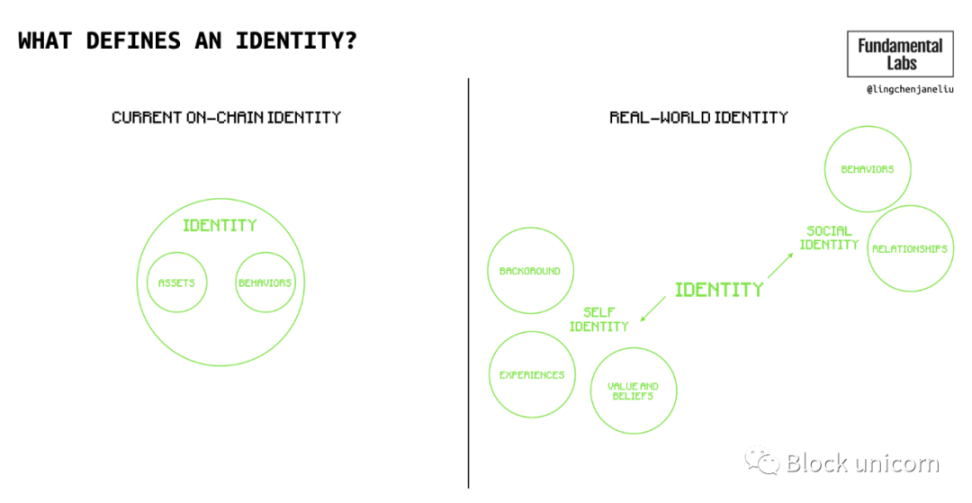
Figure 10: On-chain identities vs real-world identities
Why do we need DIDs?
DID allows for a unique, private and secure peer-to-peer connection between two parties.
The decentralized nature can always be verified using credentials.
Each party - individual or organization - can create a different DID as they wish. Using separate DIDs for different numerical relationships and contexts prevents data correlation.
DIDs are fully controlled by identity owners, and the decentralized identity system is independent of centralized registries, authorities, or identity providers.
Authentication methods transition to passwordless methods
If we learn from authentication process in web2 or physical world, in early days, most web2 applications used account+password as authentication method. Users usually set the same account number and password for different websites and platforms, which is very unsafe.
When mobile devices and apps came along and took up most of the user's time, apps started adopting a new authentication method - mobile phone number and verification code. For the convenience of users, many applications have adopted one-click verification based on Google/Apple/Wechat/Alipay, and the number of applications that only support account ID + password has begun to decrease.
Account Segregation and Identity Aggregation
In China, since Internet giants such as Tencent and Alibaba have multiple applications spanning financial, social, entertainment, and e-commerce services, they have developed a comprehensive credit system based on users' historical transaction data, social behavior, and identity verification.
Most apps in China support one-click login and have credit systems and credit scores like WeChat (WeChat is China's instant messaging, social media and mobile payment app) and Alipay (Alipay is Alibaba's payment app and digital wallet) . For example, when a user borrows a shared bicycle, they can use WeChat or Alipay to scan the QR code on the bicycle to unlock it without registering and creating a new account. The user experience becomes smooth and seamless, with only one authorization required, a perfect example of account separation and identity aggregation. The aforementioned credit system/credit score is our aggregated identity in the digital world, which is a system that includes user identity data and credit ratings. The application only needs to integrate the credit system in its application, and can apply for authorization to read the user's identity and create a temporary account. Such an identity and account experience is required in web3. Users should be able to easily participate in DeFi, play games, interact on social apps with different accounts, but have an interoperable identity on different accounts.
From wallet address to identity
A web3 user typically has multiple wallet addresses on different blockchains, both because of security and privacy concerns, and because the cost of creating a new wallet address is close to zero. Besides that, a typical Internet user also has accounts and social profiles in various web2 applications, such as Twitter, Facebook, and Google. Currently, there are several DID projects established to address different aspects of the identity and account issues surrounding web3. The concept and implementation of DID are mixed with wallet, account and identity, and the definitions of these three concepts in web3 are still vague and not clearly defined. Many times, we think of a wallet as an account, and an account as an identity. Therefore, it is necessary to propose an identity architecture to better help users access web3 applications. Identities used in different scenarios: public identities, proxy identities, and master identities.
public identity:
Purpose: The main role of public identities is to facilitate external relations to identify users and make identities clearer in social relations.
Use case: A public identity is a collection of credentials, identifiers, behaviors, relationships and reputations. The public identity can actually be unified with the proxy identity and share the same account address according to the user's needs. For example, if some users pay more attention to security and privacy, their public identity can be a separate account dedicated to the user's external presentation and relationship building.
Examples: ENS, lens, and Nametag.
Agent identity:
Purpose: The purpose of the proxy identity is to disconnect the wallet address from the account, so there is a firewall between the wallet and the application.
Use case: Users can create a series of accounts with exclusive functions, such as social accounts, game accounts, trading accounts and anonymous accounts. All proxy accounts can be controlled by the master identity and can be used to reset keys.
Examples: Unipass, Spruce ID, Web3Auth and IDX
Primary identity:
Purpose: Separate account authorization from account access.
Use case: When a proxy identity is created, the master identity is used to authorize the proxy identity. Users can manage their wallet accounts just like in web2 applications. Keys to wallet accounts can be retrieved and reset when a risk is detected or keys are lost.
Example: Web3Auth, ERC-4337 abstract account
social application
The front-end application is the user-facing layer, and use cases include social media, video streaming, and community tools. Social applications can leverage middleware projects such as open algorithms, public social graphs, and open digital identities to customize and optimize their offerings. By opening up social stack middleware, multiple applications can exist on the same user data and infrastructure components, which changes the competitive landscape. Apps will have a hard time fending off competition and building a competitive advantage because users can switch between apps without friction. So for web3 apps, they need to experiment with methods of user acquisition, retention and monetization models.
Web3 Social: Too much thunder but little rain?
The Web3 social space is hot with the influx of developers and capital, yet no protocol dominates the market yet, why? We explain these challenges in the next paragraphs and discuss where we can explore to Accelerate the growth of this field.
Web3 Social Challenges
From Economic Motivated Social to Relationship-Driven Social
Real social interaction means that users form connections with others when they share common interests, topics, and backgrounds. However, the social interaction on the chain is still far from the real society. The reasons behind this are:
Behavior driven by speculation and financial incentives: Currently, social behavior on the chain is driven by speculation and economic incentives, and social data on the chain is not based on the behavior of users trying to establish natural and effective connections with others.
Social networking itself is the interaction and connection between people. Now in web3, users interact through addresses. The current technical reality is that addresses only hold data such as transaction history and assets. Since these data do not help identify real and valid target users, connection establishment is very inefficient and ineffective.
Data composability is not as simple as we think
image description
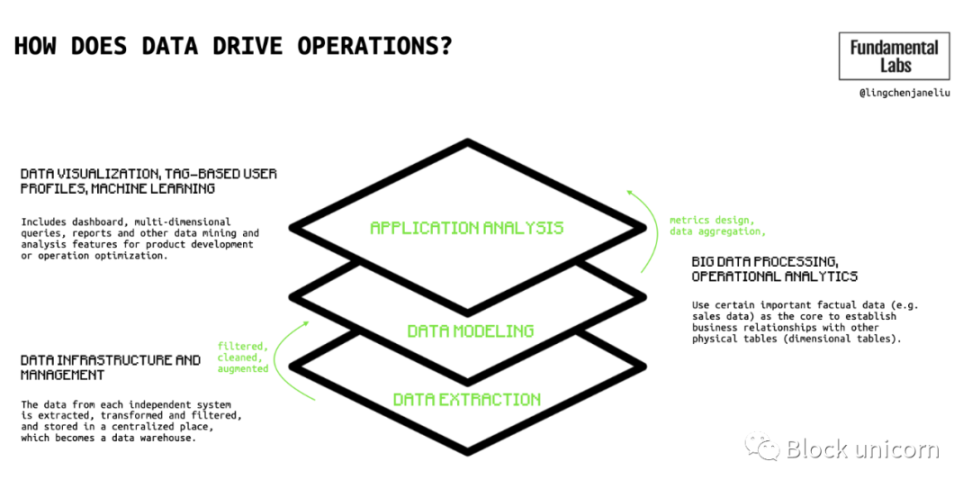
Figure 11: How does data drive the operation of the Internet industry?
From factual data, such as browsing time, ticket size, items purchased, to business-level analytical data, such as retention rate, conversion rate, involves multiple steps. The data models and business indicators used to draw user portraits and design social recommendations, content supply, target marketing, and algorithms are truly valuable, which helps optimize products and operations, and promote business and user growth.
A Better User Experience Accelerates User Adoption
Poor user experience, resulting in a small user base:
There are too many industry terms: airdrops, cold wallets, DeFi, diamond hands, fiat currencies, hard forks, gas, hashrate, private keys, proof of stake, seed phrases, stablecoins, and smart contracts, to name just a few. In a foreign domain where research, content and apps are full of acronyms and industry jargon, it can be very difficult to engage new users.
Poor UX is a major barrier to mass adoption: UX is not just how the product looks, but also how it works, is it easy to install, is it easy to use, is the solution scalable, is it expensive, transaction speed How to wait. Knowing how to add a network to their MetaMask wallet, the differences between different chains, and how to transfer tokens to different networks is very difficult for non-geek users. The development of the traditional web for decades has been committed to providing user-friendly solutions. When the older generation can use the web intuitively, it is difficult to convince users to switch to web3 when the user experience of web3 is generally not as good as that of web2.
Web3 should solve real user pain points and bring unprecedented value to users
Great narrative, but business model still unclear: Decentralization of data and information and user ownership of data and content is a great narrative, but when decentralization brings higher costs for users to use these protocols, go Centralization itself is not of immediate practical significance or urgent importance to most users. In contrast, centralized platforms absorb transaction and platform support costs, including storage, bandwidth, computing power, product development, and operations, and use the data they collect to monetize and support the development and maintenance of the platform. Web3 still needs time to find its native business model, which should be different from the existing web2 model. So far, we haven't seen business model innovation happening.
Where can we explore?
Digital identity is a critical cryptographic problem that needs to be solved before social applications can flourish.
Web2 digital identities are isolated and cannot be fully defined by users:
Existing digital identities on Web2 are siled, closed, and exist on each independent platform. In addition, because traditional social network platforms have been building business models, the platform creates user tags based on user behavior, and designs a series of algorithms to use these user tags to recommend content, increase user retention and stay time, and optimize paid advertising revenue. Thus, a user's digital identity is fragmented, scattered across multiple social networking platforms, and partially defined by those platforms (user tags). In the current model, users don't have real online accounts. The truth is, they rent accounts from companies and centralized organizations. As a result, users are exposed to the risk of their digital identities being hacked, manipulated, regulated or lost.
Web3 identities should be tied to individuals, not addresses
Markets based on scarcity, reputation, or authenticity require identities that are tied to individuals. The word identity has multiple meanings: one is to indicate the subject, that is, the concept that one person is different from another, that is, the identity on a person’s ID card, which corresponds to “identity”; The description of the relationship between a person, that is, the status or status in society, corresponds to "status". So far, address-based identities have only focused on state, specifically contract state, which shows what assets an address owns. To build richer social applications, it is indispensable to have relational identities that show social relationships among humans, and relational states can only occur when people interact with each other.
Contractual Status: The social status a person acquires through the execution of a contract.
Relational Status: The social status a person acquires through their relationships with other people.
While there are many projects in this space, it is still nascent and developers are experimenting with how to put these building blocks in an open social stack and build a sustainable business without sacrificing user experience and web3 vision model. With soul-bound tokens proposed by Vitalik, it will be possible to map real-world relationship states onto the chain. Since then, in-depth and human-based social networking has become possible.
What are soulbound tokens?
Original link


