In-depth analysis of NFT fashion: fans, culture and new consumption



In recent years, the fashion industry has followed the trend of the times and stepped into the digital age. With the change of demographic structure, the main consumer group is slowly transitioning to Generation Z. Among the fashion brands involved in NFT, there are established fashion companies that are popular all over the world, and there are also emerging projects that only operate virtual fashion. There are many ways to combine the fashion industry and NFT. From the basic combination of NFT IP in fashion to the transformation of virtual brands into reality, NFT is affecting the current economic model in a subtle way.
At present, NFT empowers the fashion industry in four main ways:
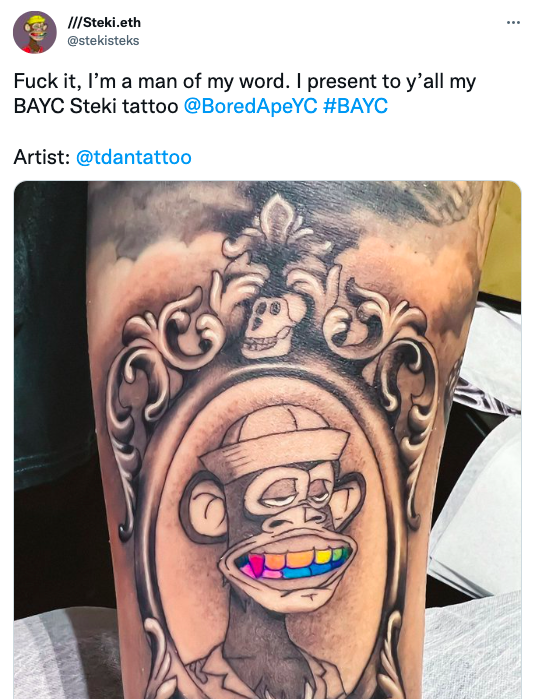
One is to create virtual products and experiences based on digital brands issued by NFT, such as RTFKT, BAYC, etc.;
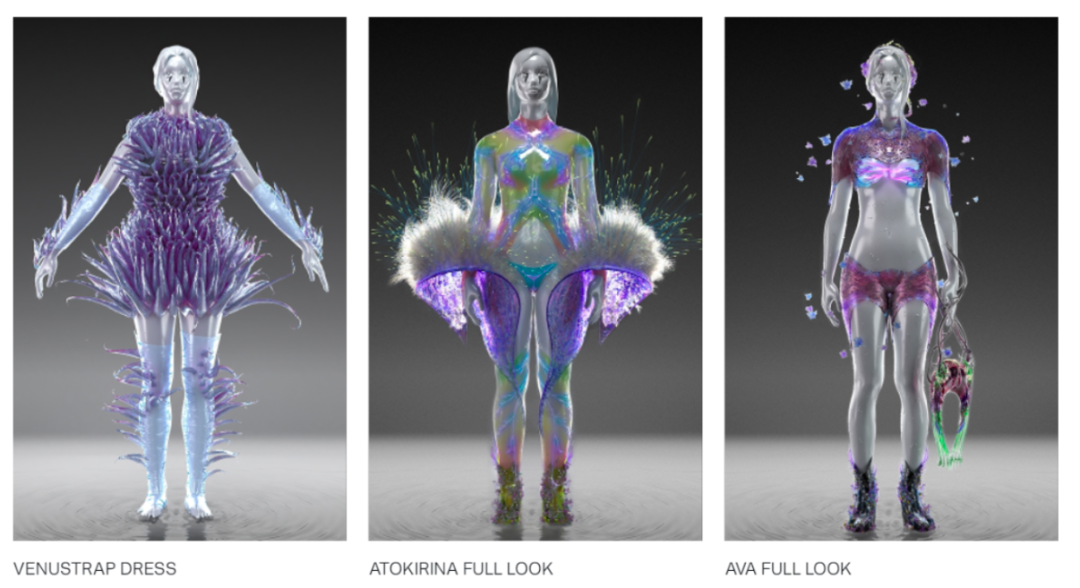
The second is fashion design for the metaverse, focusing on virtual clothing in the metaverse, such as The Fabricant;
The third is the virtual experience on top of real fashion, looking for new consumer groups through secondary design with PFP IP, such as Li Ning;
The fourth is the expansion of NFT consumption under luxury brands, slowly using their own influence to enter the NFT field, such as Gucci and so on.
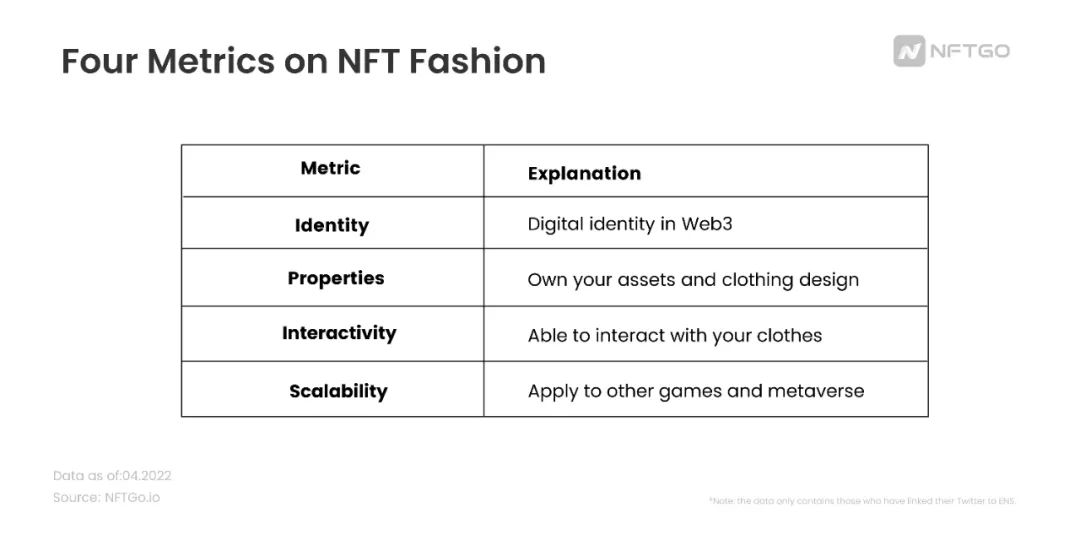
Data source NFTGo.io
Data source NFTGo.io
In the fashion industry of Web3, whether it is for sale, display, cooperation or application, NFT plays a core role in the industry. The project gathers fans through the power of digital IP, gathers common participants in the form of DAO, and empowers its application in GameFi gameplay and metaverse through airdropping digital fashion. Rarity, secondary market transactions increase the liquidity of the clothing itself. The later physical and offline business is just icing on the cake, far from necessary.
first level title
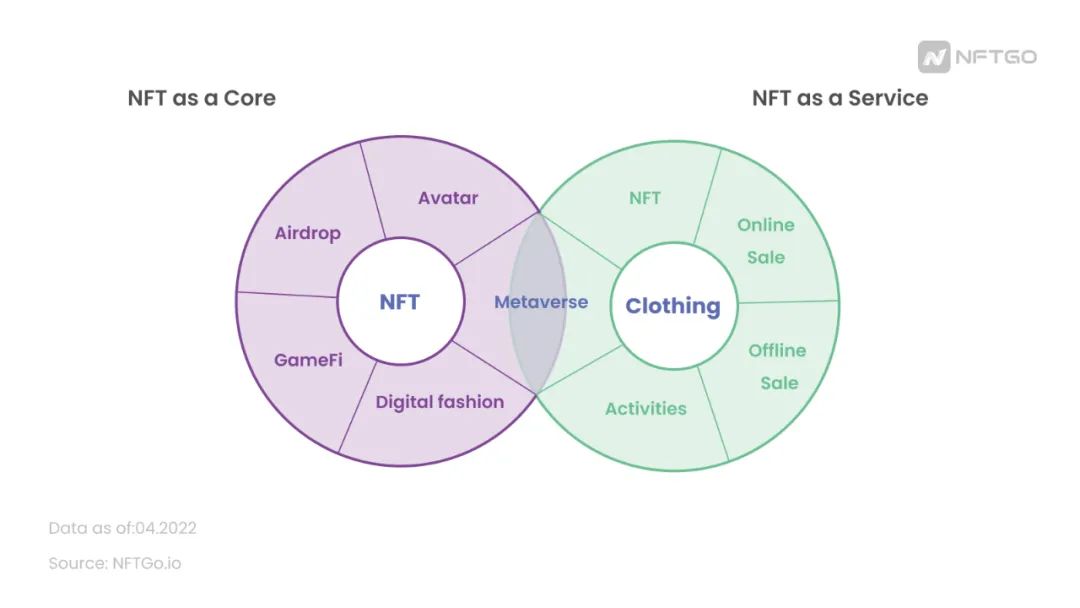
Data source NFTGo.io
Web3 PFP vs. native fashion brands' cultural confrontation
Compared with traditional fashion and luxury brands, Web3 has differences in cultural communication.
Traditional fashion brands rely on annual fashion festivals and media news to transmit their values to the public "top-down", while the new communication of Web3 tends to be "decentralized" and "community culture", so we see BAYC and The birth path of Azuki's popular culture is "bottom-up", full of rebellion and symbols, which is more in line with Crypto's native culture.
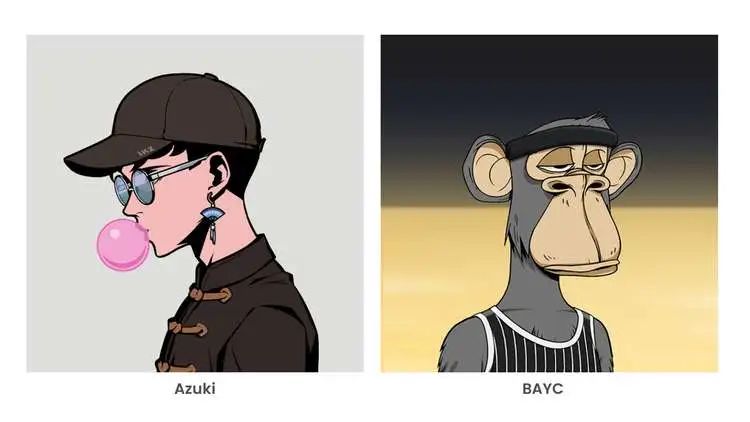
The popular fashion excavated from the essential attributes of NFT is more in line with people's consensus on the Web3 trend, while "traditional fashion + NFT" is more like an imported product from the old age.
The so-called "no break, no stand", new fashion has never been grafted from classical aesthetics, and there are often "non-mainstream" and "rebellious feelings" in the early days of its birth, just as Beethoven did to classical music and Van Gogh did to the 19th century painting school.
first level title
An independent brand based on NFT issuance
secondary title
RTFKT
first level title
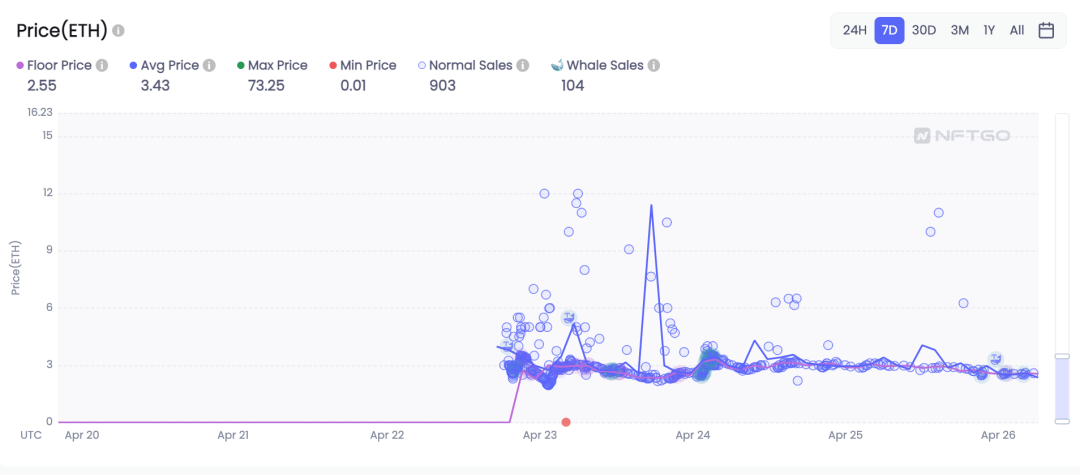
Data source NFTGo.io
Fashion Design for the Metaverse
The rise of Metaverse and NFT has driven a brand-new digital economic ecology, and virtual experience and interactive economy have become mainstream. A complete virtual identity can be embodied in many ways, such as avatars, virtual real estate, and clothing.
secondary title
Genies
secondary title
Republiqe
secondary title
The Fabricant
Many people remember 2019's Iridescence, the first purely digital dress sold in the blockchain world, which cost $9,500. The Fabricant just recently raised $14 million to focus on creating virtual avatars. The positioning of The Fabricant can be seen from the phrase "ALWAYS DIGITAL, NEVER PHYSICAL".
first level title
Virtual experience based on real clothing
There are two main ways to combine reality and virtuality.
One is to buy well-known PFP NFT and sell it through secondary design. For example, Li Ning released a fashion design based on BAYC#4102 and an upcoming pop-up store sale.
first level title
secondary title
Gucci
secondary title
Louis Vuitton
secondary title
Dolce & Gabbana
Dolce & Gabbana once launched 9 collections at Venice Fashion Week, with a total auction price of 5.56 million US dollars. In addition to NFT, buyers can also get physical products, as well as VIP access to D&G events. In addition, Dolce & Gabbana also plans to launch a $10 million "cultural fund" aimed at promoting the development of NFT in the fashion industry.
Digital fashion will also have many display opportunities. With the spread of the new crown epidemic, many current fashion weeks have adopted an online format, and NFT has become the new favorite of fashion weeks. "French Couture" and "Federation of High Fashion" cooperated with the Arianee platform to create an NFT that can be used by exhibitors in the 2022 Paris Men's Autumn-Summer Fashion Week, allowing users to browse exclusive fashion.
first level title
Sustainability and the future of fashion
The creative director of The Fabricant once said, "The digital world is coming, we are no longer bound by physical space, and we are slowly entering a new system, which has an inner model closer to human instinct, which was born out of slow evolution. Not controlled by a central power. What becomes of a human being when he is freed from the bondage of the flesh? What does our identity mean when there are endless bits and bytes to express identity? We long to reach out Head to find a new world, and the window to the new world is gradually being established, and the infinite potential of human beings is the driving force for all of this.”
Fashion actually represents an attitude and conveys an idea. People's consumption behavior and consumption psychology in reality will also migrate horizontally to the Web3 field, and the pursuit of rarity and personalization has never stopped and will not stop. Many driving factors such as attitude expression and identity recognition make virtual fashion more and more important. The combination with NFT is one of the entry points of the world of fashion and Web3.
Everything in Web3 is based on consensus. Both digital assets and NFTs have a strong consensus foundation, so all this can happen. At present, the entire consumer industry is in a transitional and chaotic stage of Web2.5. The past economic upward growth momentum has gradually faded away, and the market needs new consumer content and hotspots.
Good brands and stories also originate from consensus. Whether it is the entry of traditional fashion companies or the emergence of virtual fashion brands native to the digital industry, they need to be clear about their positioning in the industry. From virtual to reality, from reality to virtual, or purely digital virtual, it is necessary to consider the value of "virtual" itself.