Talking about Creator Economy: New Practice from Platform Thinking to Decentralized Model



Original author: Pile Smoke #7170
Suddenly found that there has been no output for more than a year, and Lore has not been updated. 😅
Today, I was forced to take on a task to sort out my understanding of the creator economy.
Development experience
From 2014 to mid-2015, the author has been developing Chu Ci, positioning it as an open Chinese knowledge base based on the Semantic Web. During that time, I have been worrying about the amount of data and application scenarios, and sometimes I also think about the opposite of openness: privacy and non-publicity-located in private knowledge management and enterprise knowledge management.
Since the second half of 2015, there have been a lot of negative articles about Evernote in the media: from the darling of Silicon Valley to the troubles, the inside story of the decline of the unicorn Evernote. The author thought to himself, maybe you can try to start with the form of notes, after all, it is easy to expand: notes are a pit, and everything can be placed in it (text, pictures/screenshots, sounds, videos, handwriting, etc.).
Combined with the thinking during that time, what would happen if Chu Ci abandoned the definition of knowledge and only kept data? That's JSON - can the user group be positioned as a geek's note-taking project?
Thus, Lore was born.
With the demand for efficiency and ease of use, Lore gradually introduced JSON visual templates, mind maps, answer questions, analysis frameworks and other content forms after the concepts of JSON editor and templates.
It was also in 2015 that I began to make up for it in Zhihu output. — Well, forced output.
However, although there is a lot of thinking about profitability, due to various reasons, it has not been realized.
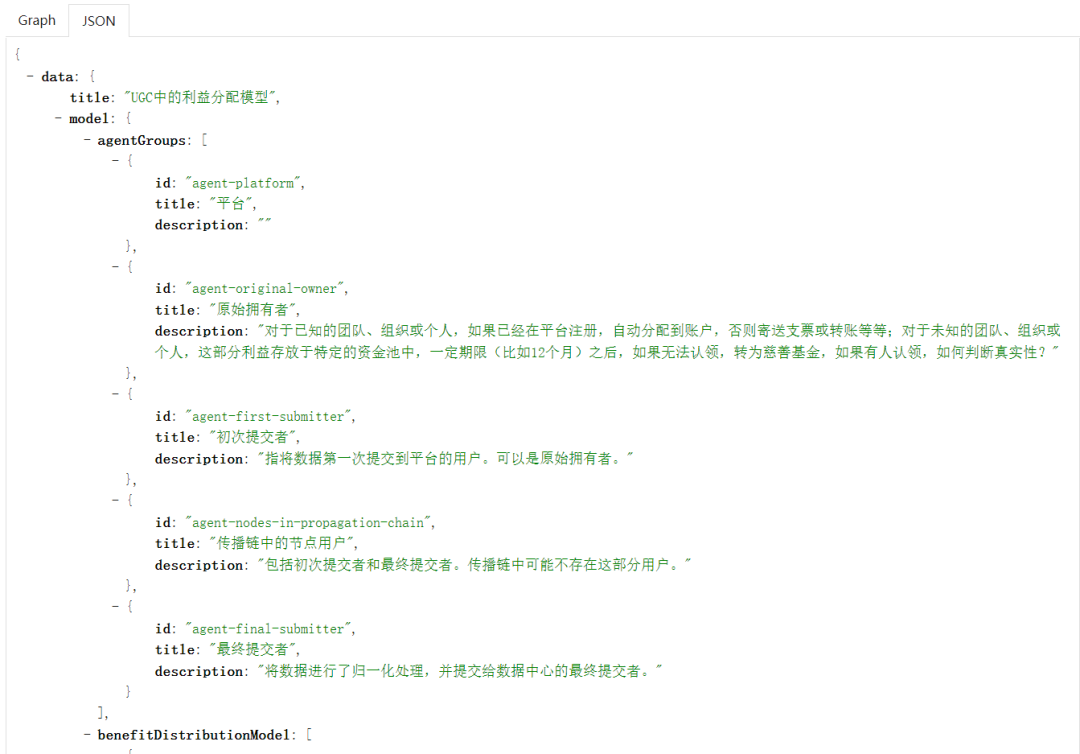
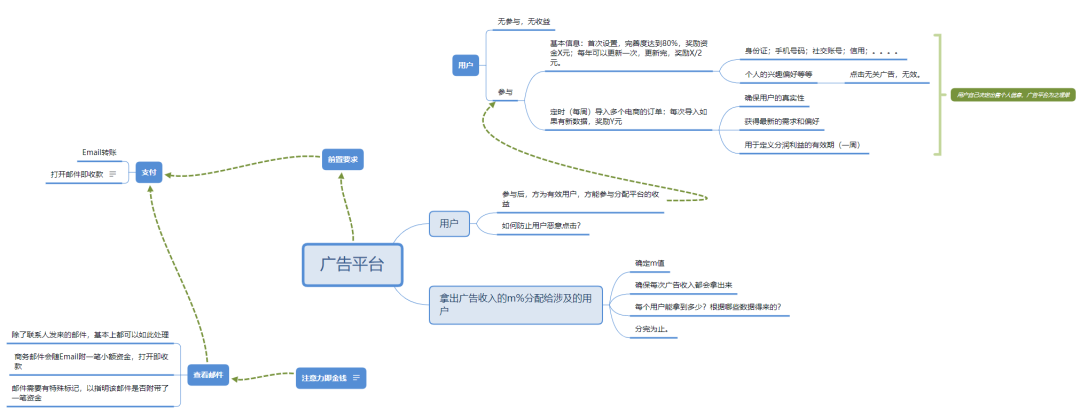
Benefit distribution model in UGC
This model initially considers the distribution of data benefits, involving roles such as platform, original owner, data submitter, normalized data processor, and users in the transmission chain.
decentralized
decentralized
In 2019, Google Reader and Google + were shut down one after another.
After the Spring Festival in 2020, the author began to enter the currency circle, and a series of projects I came into contact with made me no longer limited to notes and knowledge management, and many ideas began to change.
First, Lore introduced SoLiD, the project of Internet father Tim Berners-Lee. You can dump the notes on Lore to the SoLiD server. The protocol of SoLiD is open, and users can choose where to store data, set up servers by themselves, or choose and switch third-party service providers.
Matataki |
This is the first personal tokenization project I have come into contact with.
1. Each author can issue Fan tickets, and the price is determined by the issuer by providing initial liquidity.
This is the fan ticket issued by the author called EP. The total circulation is 666666, but when the liquidity was provided for the first time, 666 Tokens and 100RMB were provided, which determined the initial circulation price of EP 100÷666=0.15.
2. Articles are automatically saved to IPFS.
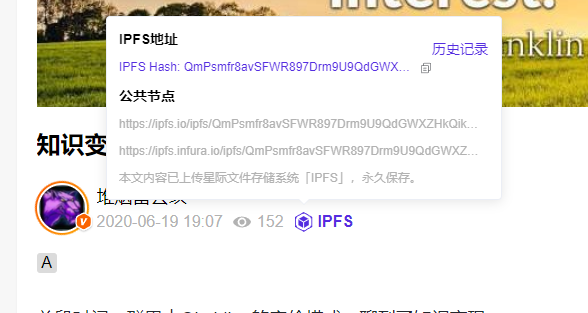
3. Readers can click [Reward] at the bottom of the article to reward and support all the Fan tickets you currently hold.
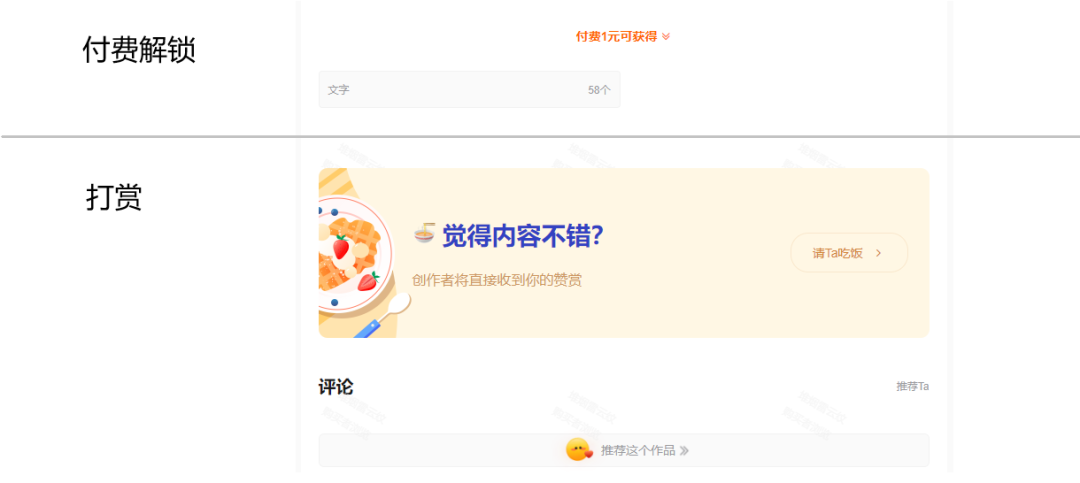
4. Support payment, and hold a certain number of Fan tickets to unlock (part of) the content of the article.
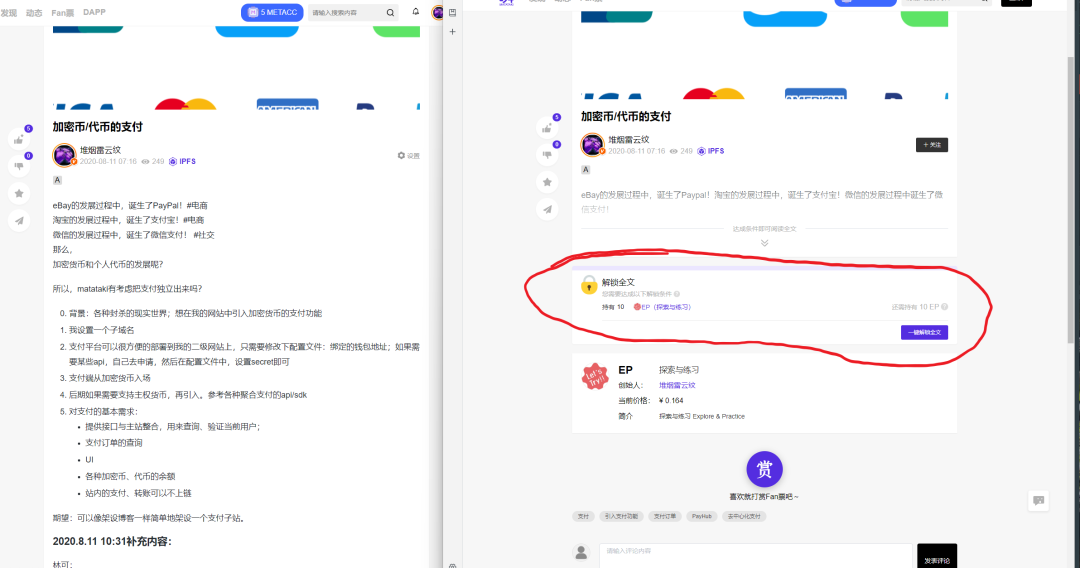
5. The project party launched a series of tool DAPPs: NFT, quadratic voting, DAO governance, etc.
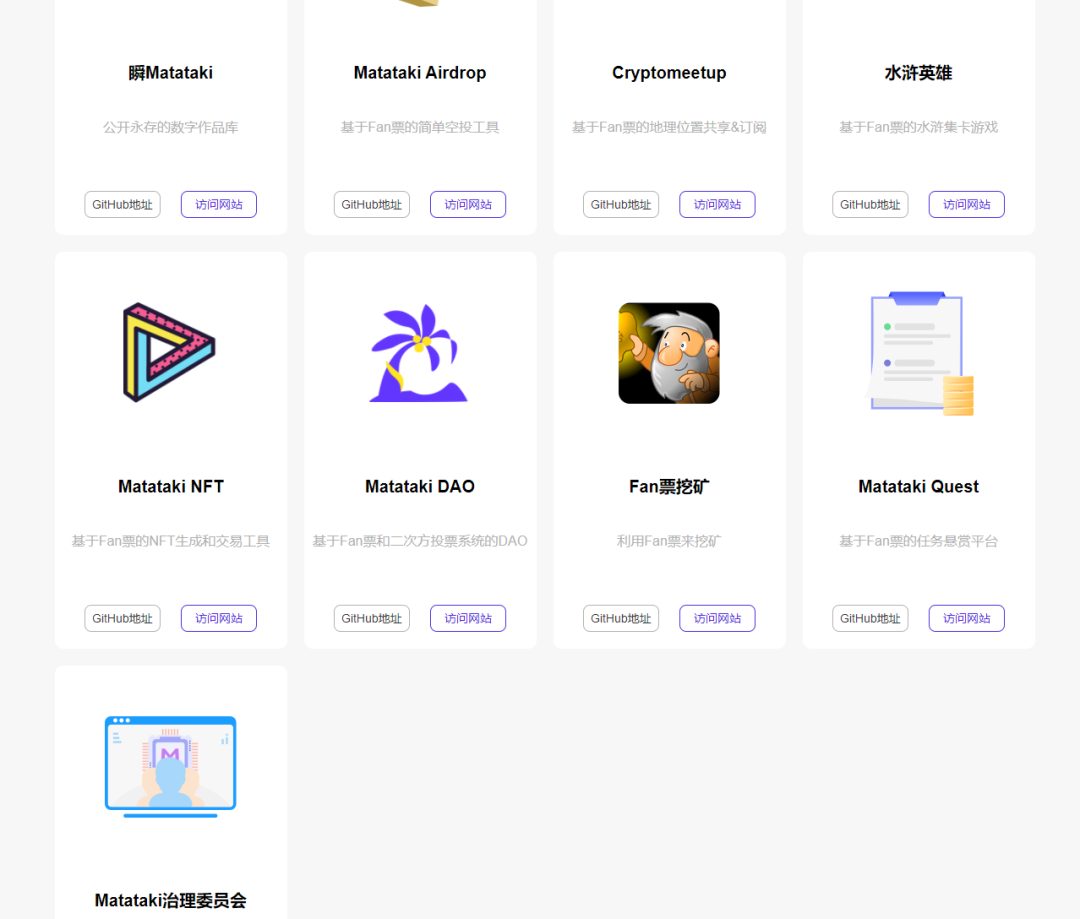
6. Friendly to readers and fans, you can post comments and participate in the governance of creator tokens.
At the beginning, in the process of using Matataki, I compiled a rough understanding of personal tokenization & community:
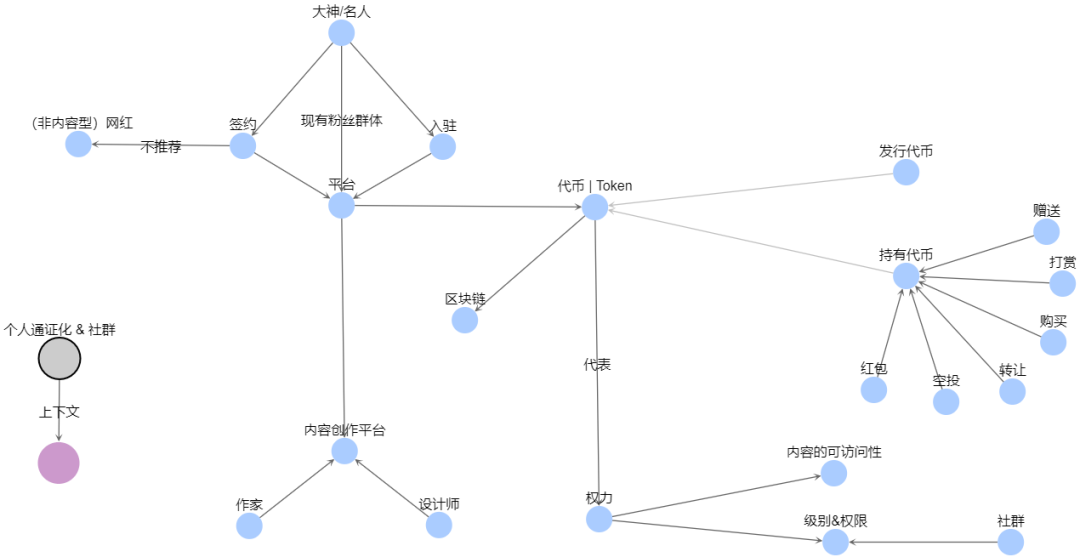
Reward platform
By setting different tipping levels, amounts, and rights and interests, fans can support creators and creators give feedback to fans.
love power generation
BuyMeACoffee
Patreon
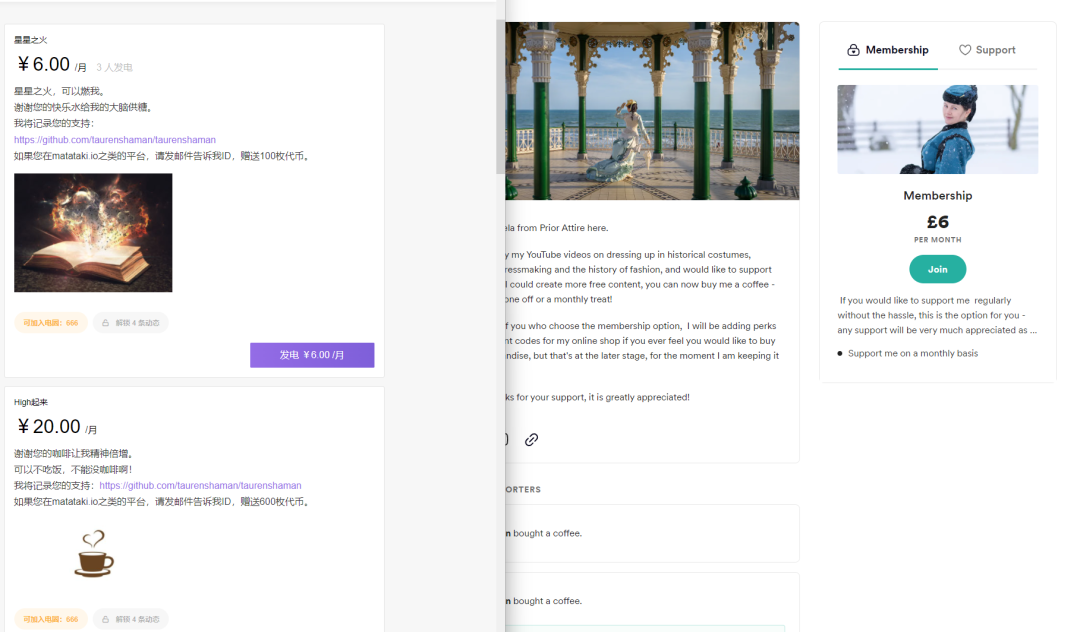
more bread
The reason why this is listed separately is because it integrates multiple functions such as rewards, subscriptions, and paid unlocks.
Hive / Steem
I liked this project quite a bit at first, but the atmosphere of the whole community is to help each other and mine pools, so I still like Cent a little bit more. So as the USB flash drive was damaged and the Owner Key was not retrieved, I didn't pay attention to it anymore.
https://peakd.com/@taurenshaman
https://hive.blog/@taurenshaman
Cent
The author discovered this project a little earlier than Steem, and the first post was published on March 21, 2020:
And, at first, its mechanics are interesting:
A like is a reward, and each like is 1 cent, which is also the source of the project name.
Users can like multiple times.
Creators can choose to allocate a certain percentage of revenue from likes to high-quality comments/replies in reverse.
If you are optimistic about a certain author, you can sponsor him for a long time, and then the author's works (on Cent) will be shared with you. In the update of Cent 2.0, the founder mentioned the traditional stock market ( Capital invests in companies he is optimistic about), and the original intention of cent: users should be able to invest in authors he is optimistic about. And the investment should pay off.
Unfortunately, now that the project has been updated many times, many of my favorite functions are no longer visible...
Features:
Art Blocks #eth
fx (hash) #tez
……
Features:
This form of creation is mainly a platform model, because it can bring traffic to creators.
Features:
Mirror
Features:
It is suitable for high-cold official media and does not require reader feedback.
The content takes various forms.
Ethereum wallet login.
Store to IPFS.
Cons: Can't interact with readers.
In the era of Web2.0, everyone has seen the charm of the community. It is expected that MuseX will make a breakthrough in the direction of interacting with readers.
Features:
Features:
In the form of browser extensions.
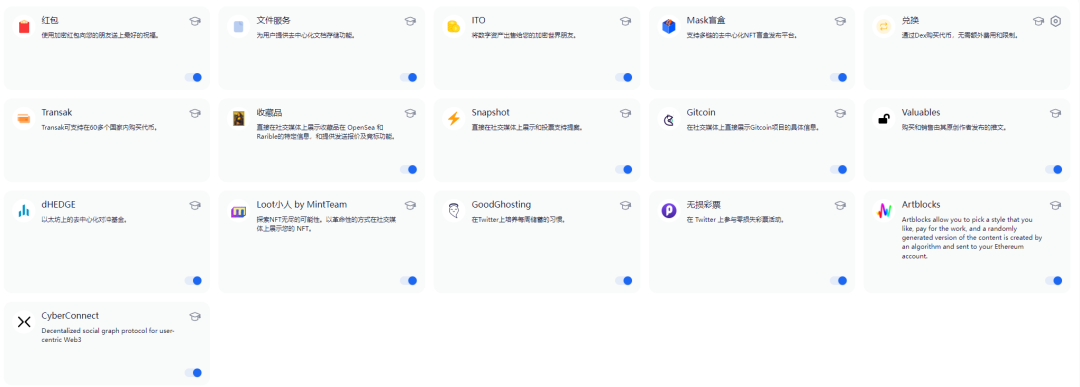
Support Twitter, Facebook, Instagram and other mainstream social platforms, add information, and support interaction with authors.
Summarize
Summarize
Several elements that creators cannot do without:
1. Sharing & dissemination
Share knowledge and experience.
Spread the work.
The wider the spread, the greater the influence and the more readers.
2. Influence
Readers, audiences, form communities.
3. Community/Community
consensus
consensus
Cohesion
4. Earnings
reward
Pay to unlock
subscription
Tokenization
Feed back the community