A panoramic interpretation of the development status of Web3 media: Why is Web3 media inevitable?



Today we talk about Web3 media, why it is inevitable, what is the current state of Web3 media, and where the future is headed.
1. The trend of Web3 media is inevitable
We are in an era of peak cultural production. In 2021, about 60,000 new songs will be released every day on Spotify, which is a significant increase from the 40,000 new songs in the previous year. The platform currently has more than 82 million songs and 3.6 million podcasts as of the end of last year.
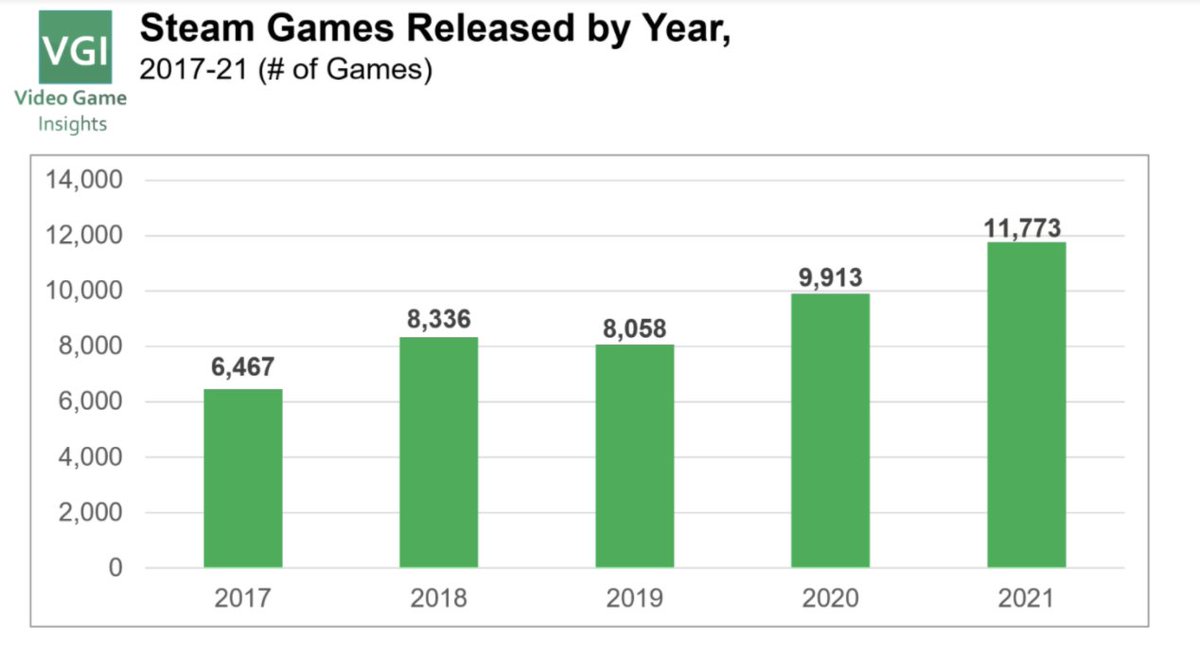
On Steam alone, 11,773 games will be released in 2021 (about 32 new games per day), which is much higher than the 6,463 games in 2017. There are now more than 69,000 games in the platform's game library.
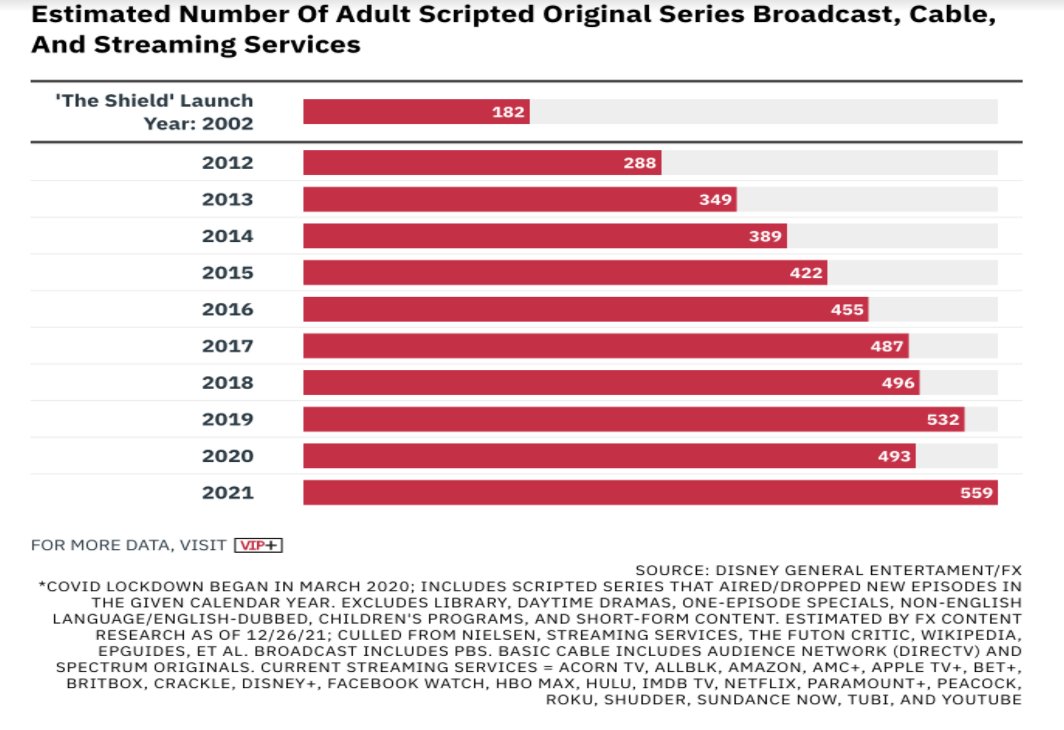
In the U.S., 559 new original scripted series will be released on broadcast and streaming platforms during 2021, more than double the number in 2012. On the streaming back-catalog, you can find nearly 160,000 movies and 30,000 TV episodes from around the world.
Among such rich content, one of the most obvious features is the degree of resource aggregation:
There are 8 million artists on Spotify, but 0.7% of them account for 90% of what artists are paid on the platform
98% of games released on Steam come from independent studios, and 78% of games that sell more than 500 units come from the top major game publishers
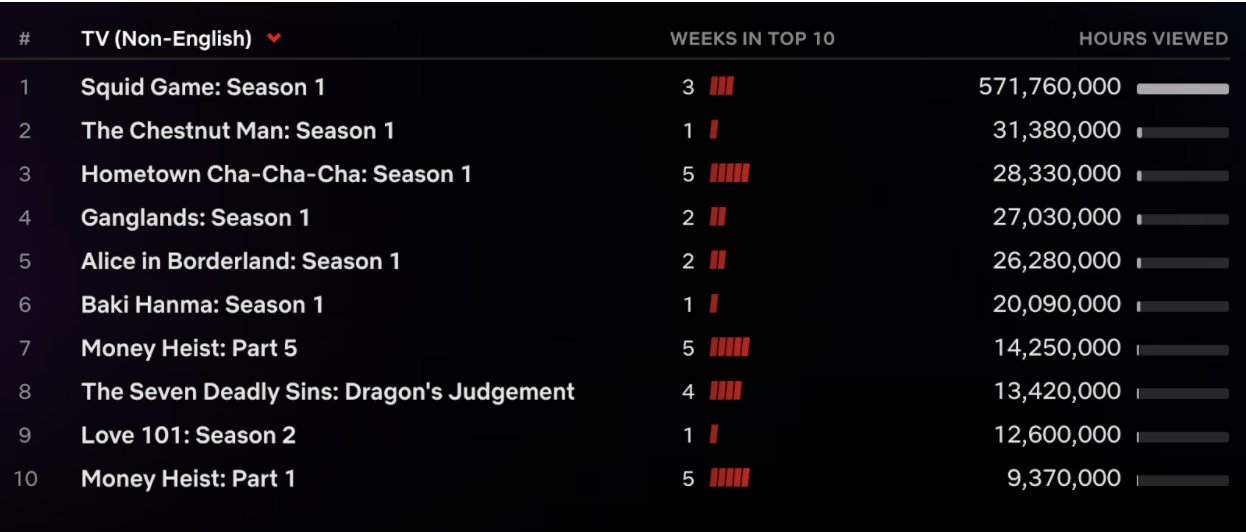
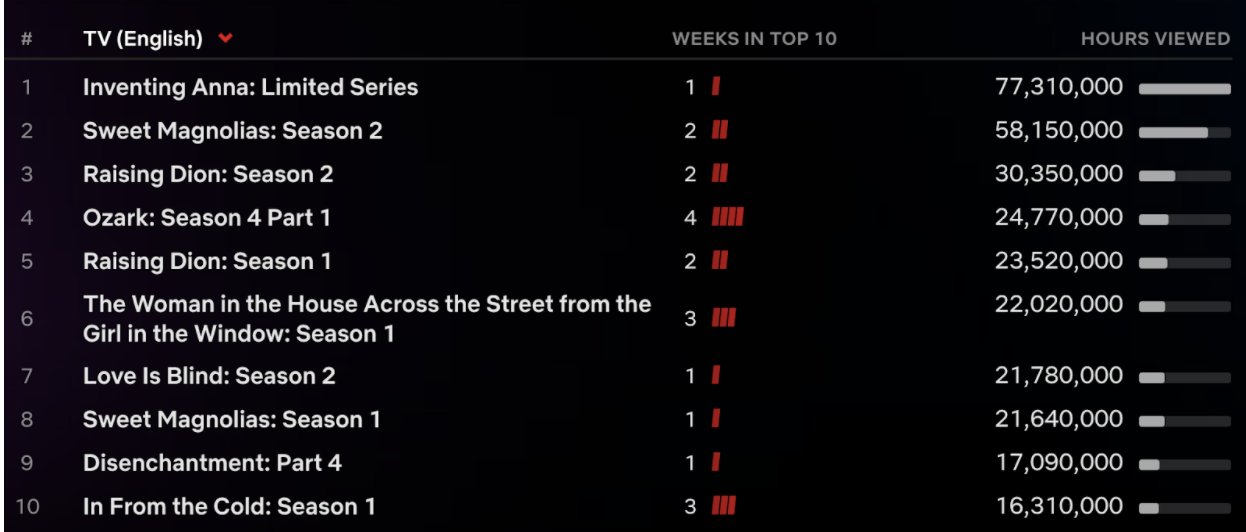
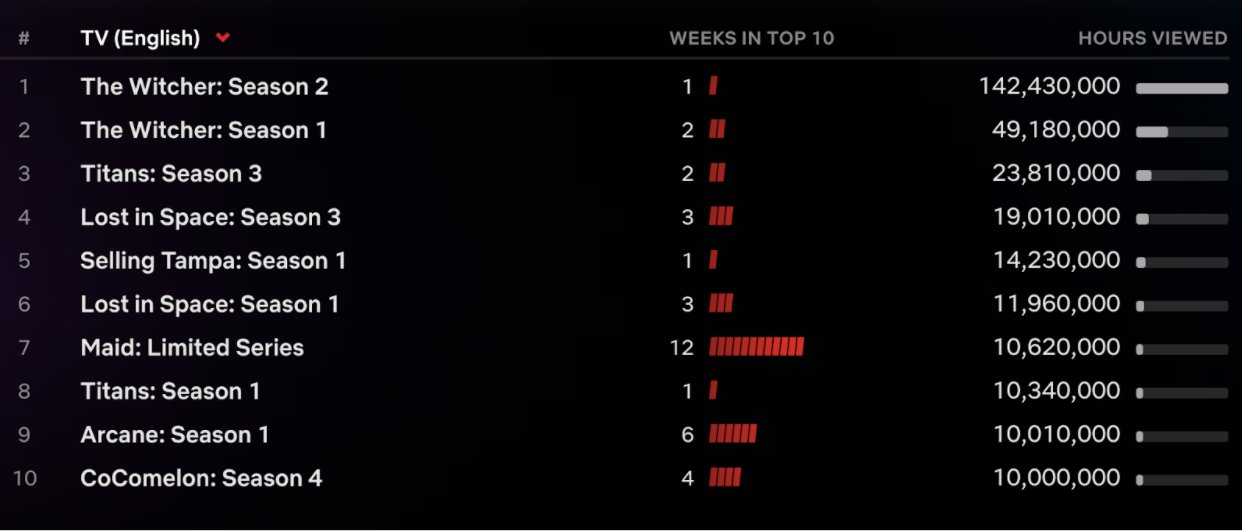
Netflix publishes audience metrics for their top 10 shows (other streaming companies don't at all), but even the top shows show the pattern described above. The highest-rated episode may be 5-63 times more popular than the 10th-ranked episode, and the lower the episode is, the wider the gap may be.
The second generation of the Internet upended business models that had ruled for decades: album and game sales, movie tickets (allowing studios to make riskier movies with potential upside), and monetization through linear advertising and subscriptions. Internet and cable TV, which have been replaced by unlimited digital access.
In the long run, this is bad for creators. On the gaming side, this makes it tough for game companies to compete (@Carrawu has a good look at this). When it comes to music and video, streaming places an artificial cap on how much the most talented artists can earn.
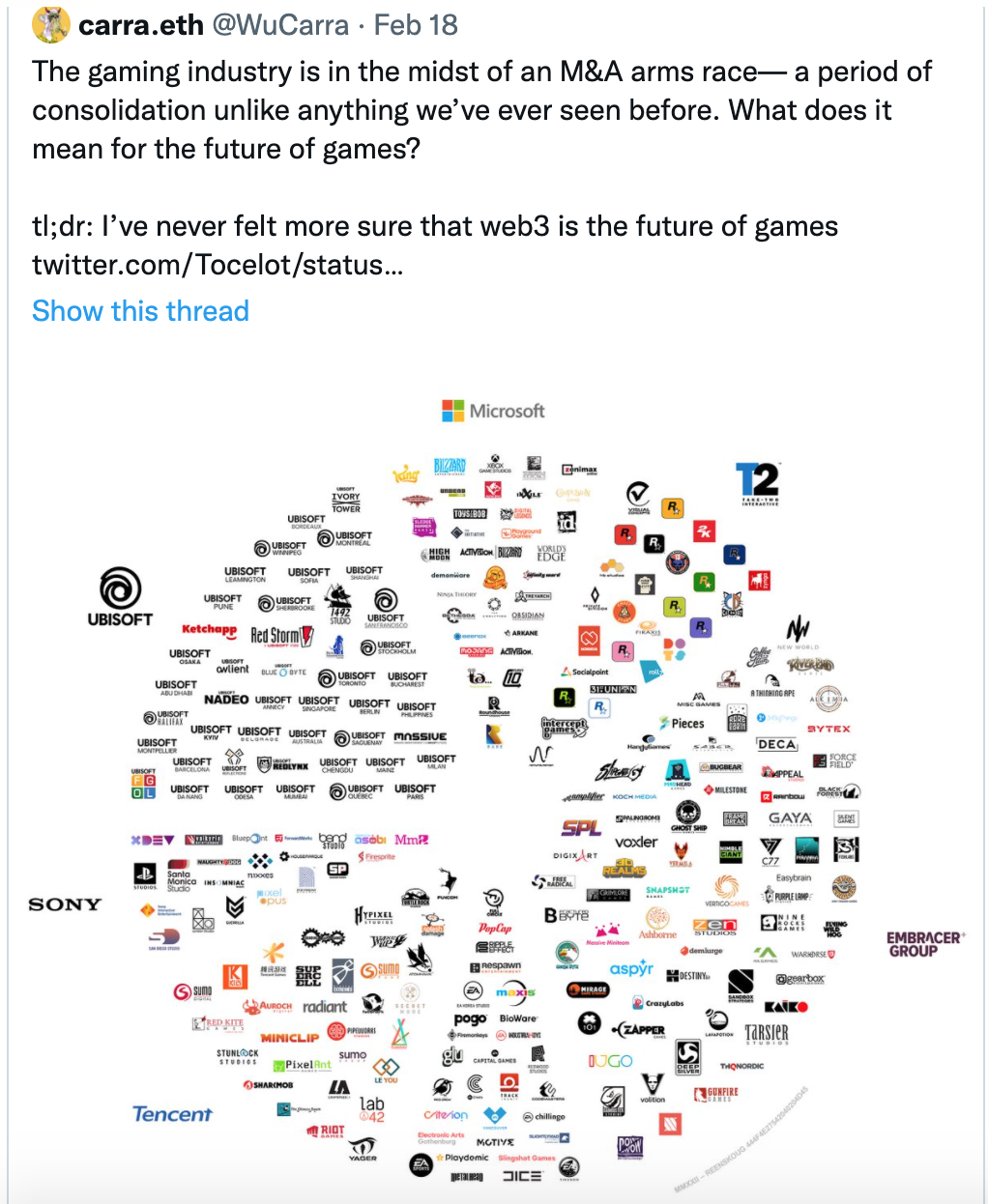
The gaming industry is in an M&A arms race, a period of consolidation like we have never seen before. What does this mean for the future of gaming?
Simply put: I've never been more convinced that Web3 is the future of gaming
While streamers are paying big bucks for top talent (e.g. JJ Abrams, Shonda Rhimes, Joe Rogan on Spotify), emerging talent struggles to capture the upside from the value they create.
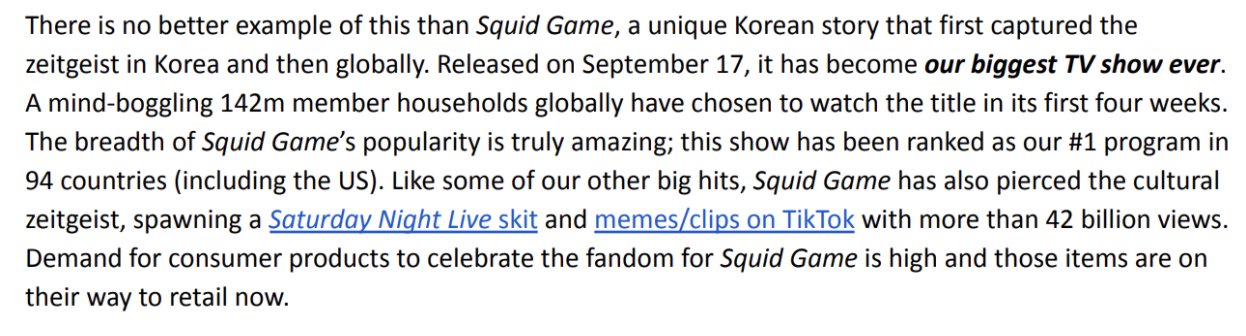
The highest-grossing series in Netflix history, The Squid Game, was acquired for just $21.4 million, yet it was seen by more than 142 million households.

There is no mechanism in Web2 for artists to capture the revenue they create for the platform. Web3 is changing that — primarily by doing away with the notion of a platform entirely, and reorganizing the internet around atomic units of media, inviting communities to cross-create.
The State of Web3 Media
New essentials for funding, sharing and distributing creative work:
Music NFTs Allow Fans to Fund and Share Artists' Success
NFTs as Building Blocks for Games and Intellectual Property (IP) Studio DAOs
Artists Exploring New Models of Community Building
In the music NFT space, a number of markets are evolving:
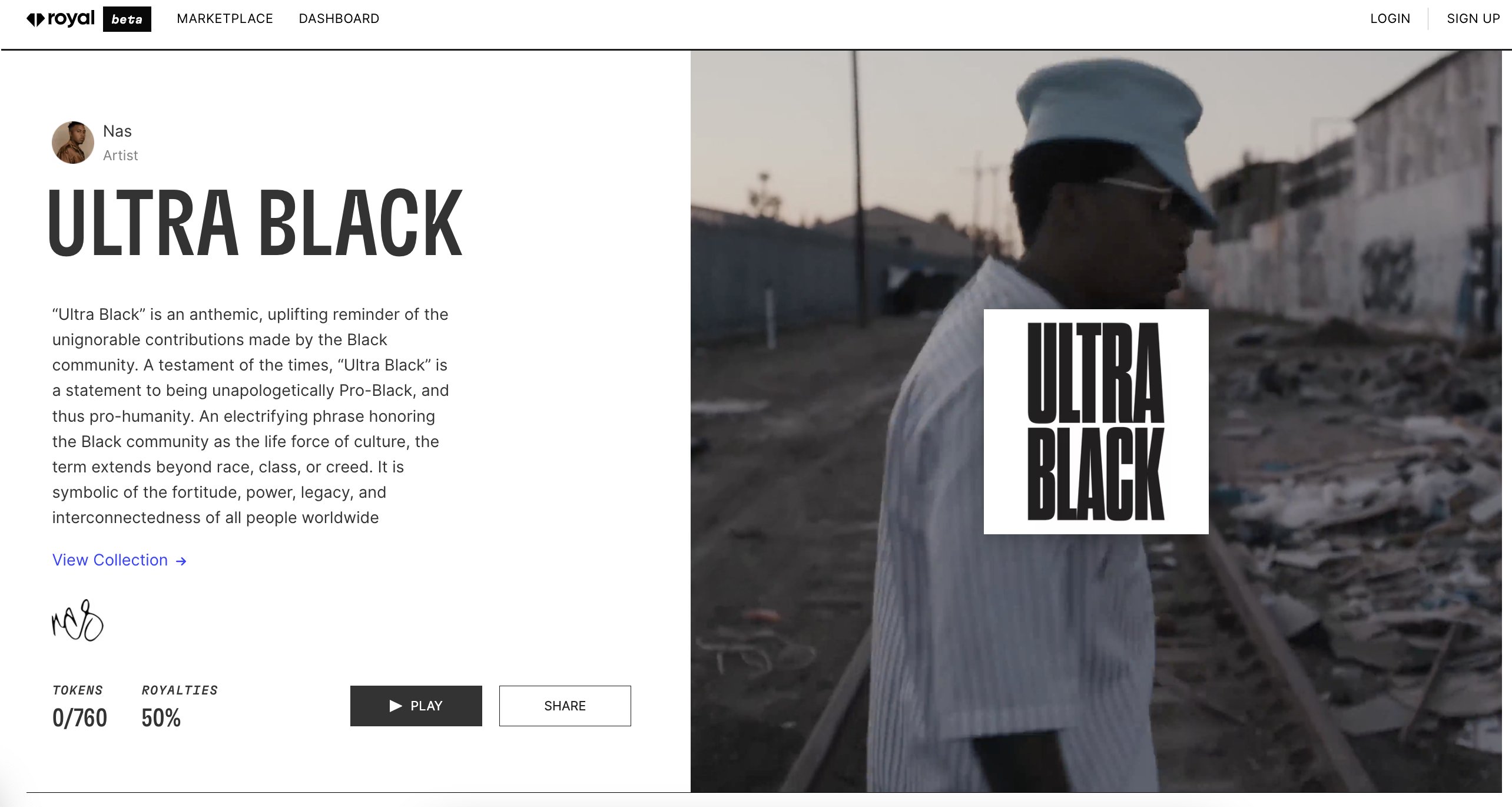
- Investing in music royalties (example: @Join_royal)
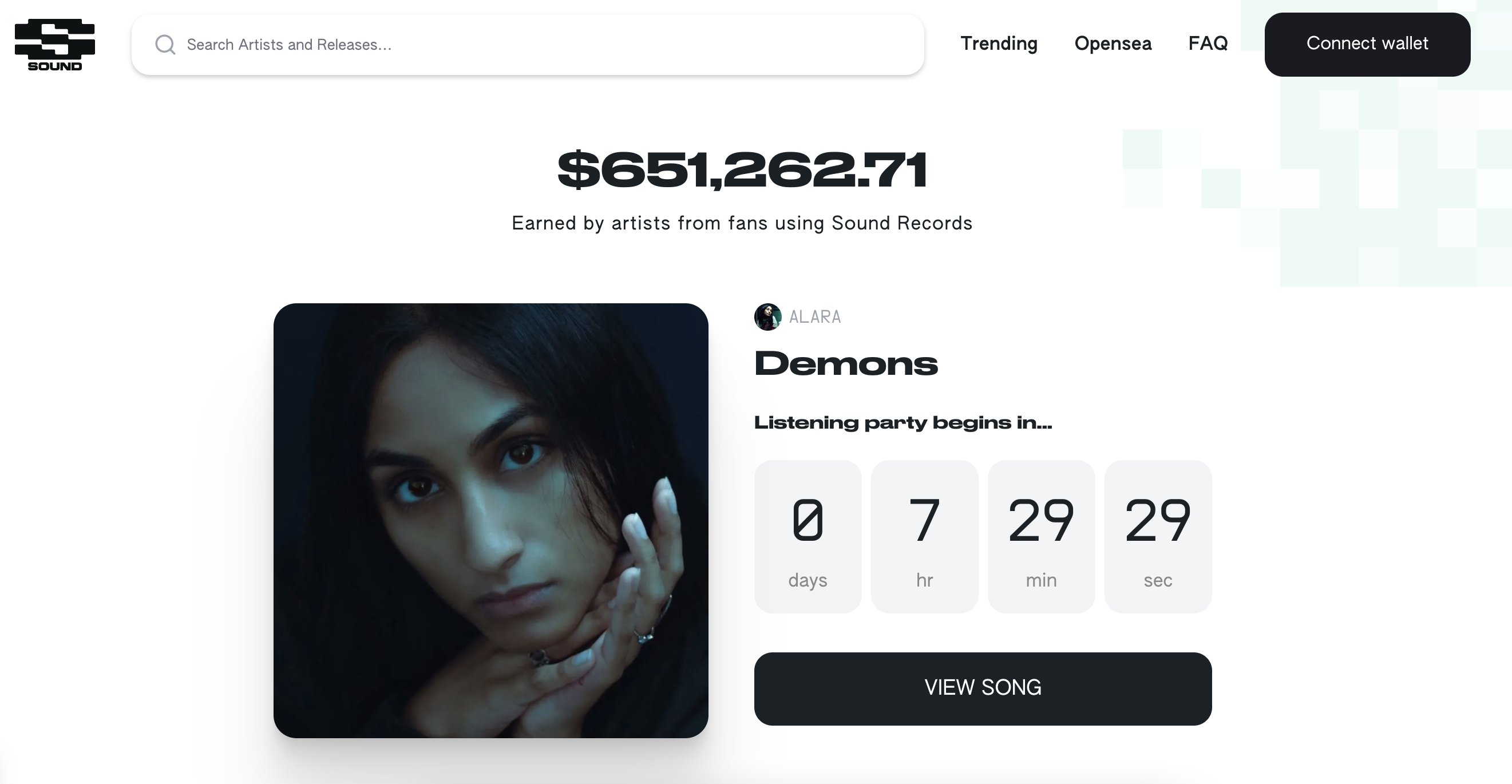
- Record and Album Ownership/NFT (eg: @soundxyz_)
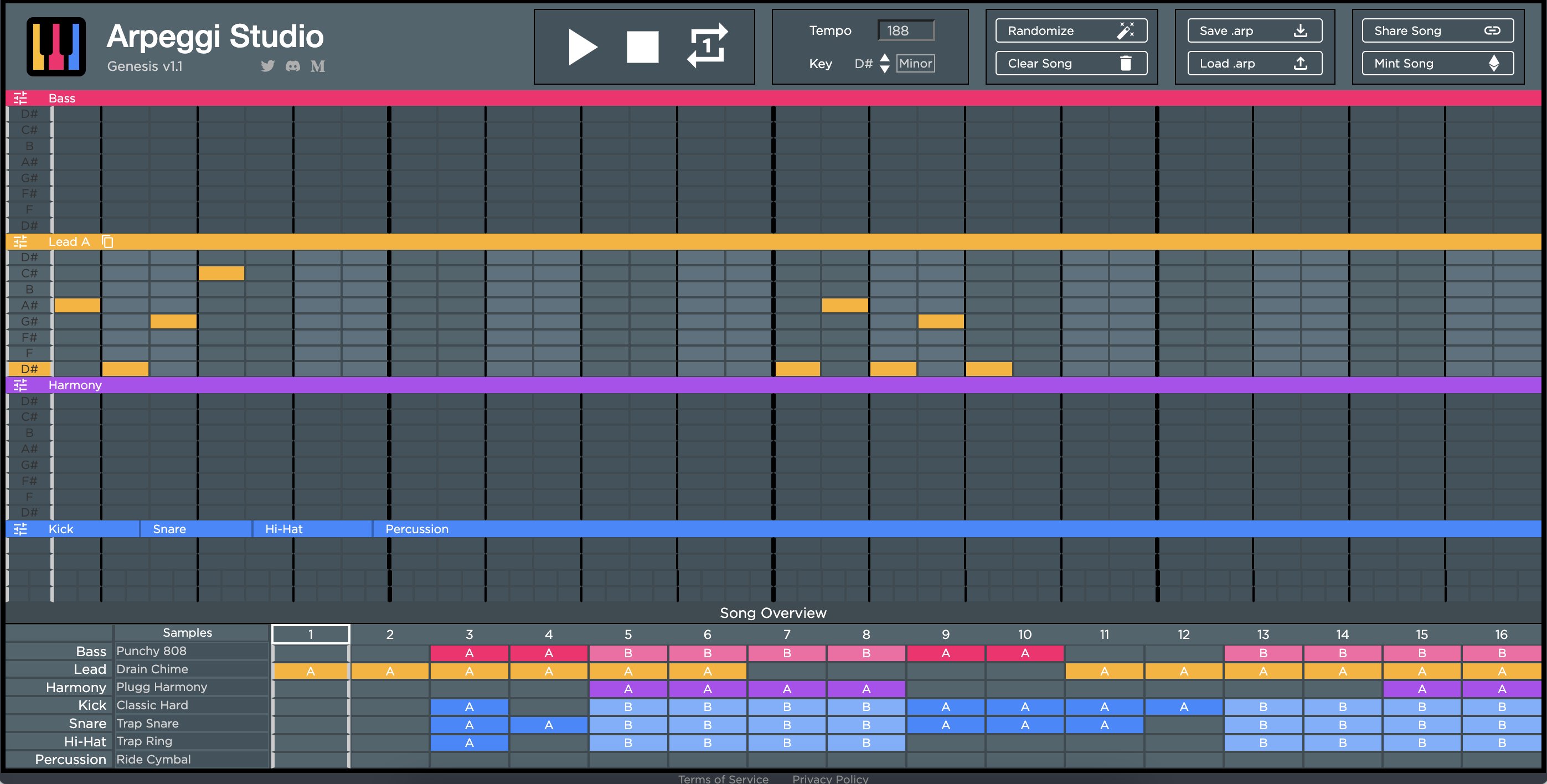
- On-chain music creation (e.g. @arpeggi_labs)
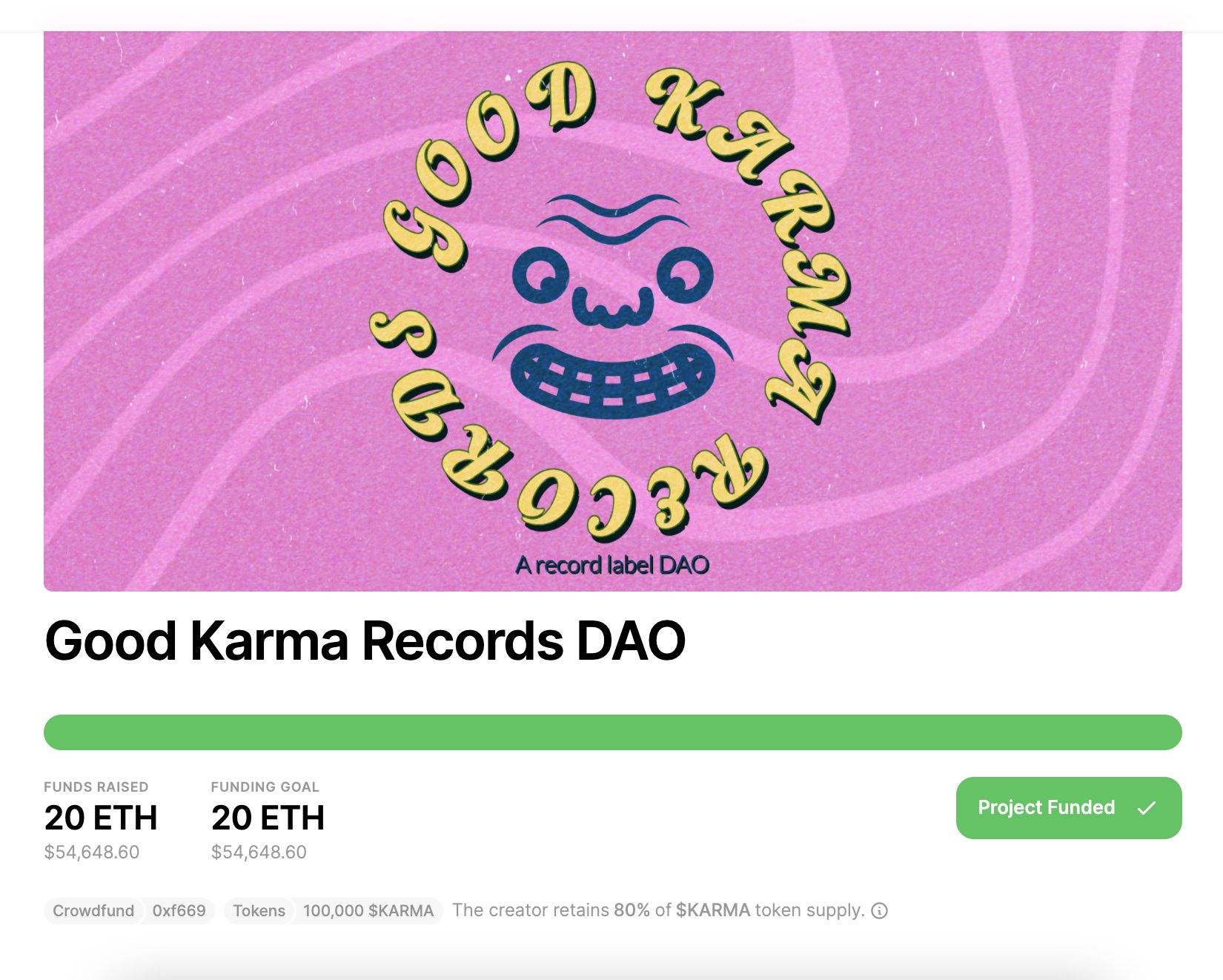
- Music crowdfunding (e.g. projects on @viamirror like @goodkarmadao Records)
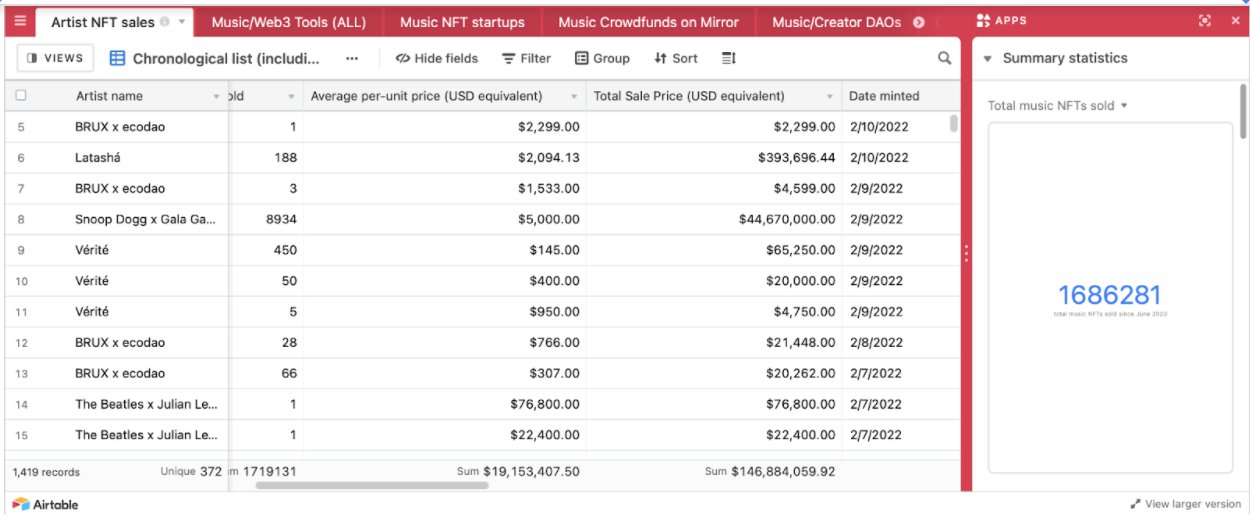
Since 2020, almost 1.7 million music NFTs have been sold, with a combined value of over $146 million (data from @water_and_music). The transfer screenshot below represents the full range of artists: indies like @CallMeLatasha and @Verite, to legends like @SnoopDogg, who is building a decentralized record label.
We are also beginning to see visual NFT projects trying to create new forms of media. Many of the most exciting examples are teams taking advantage of existing NFT projects, generating and encouraging derivative works, and expanding the entire ecosystem.
Here are some examples:
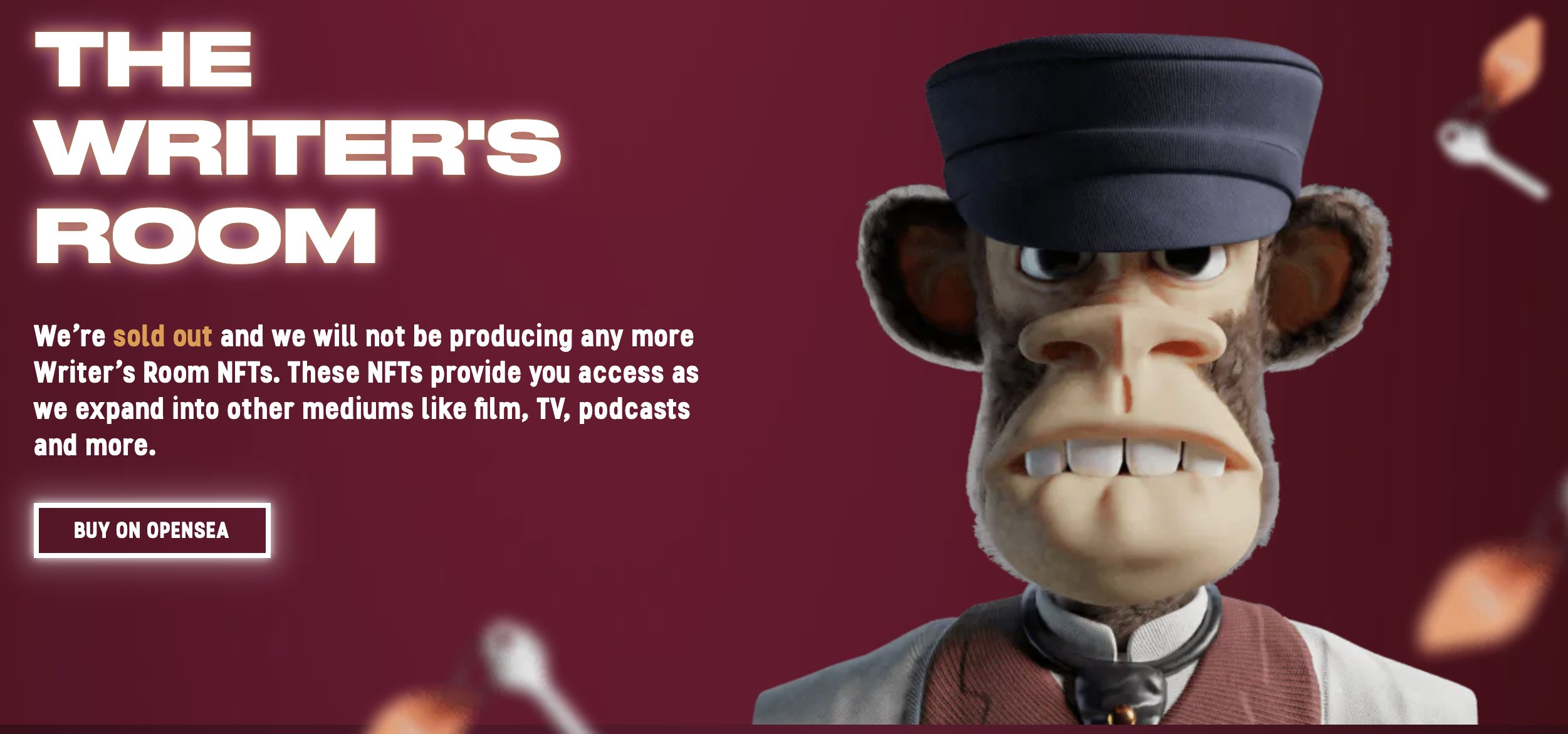
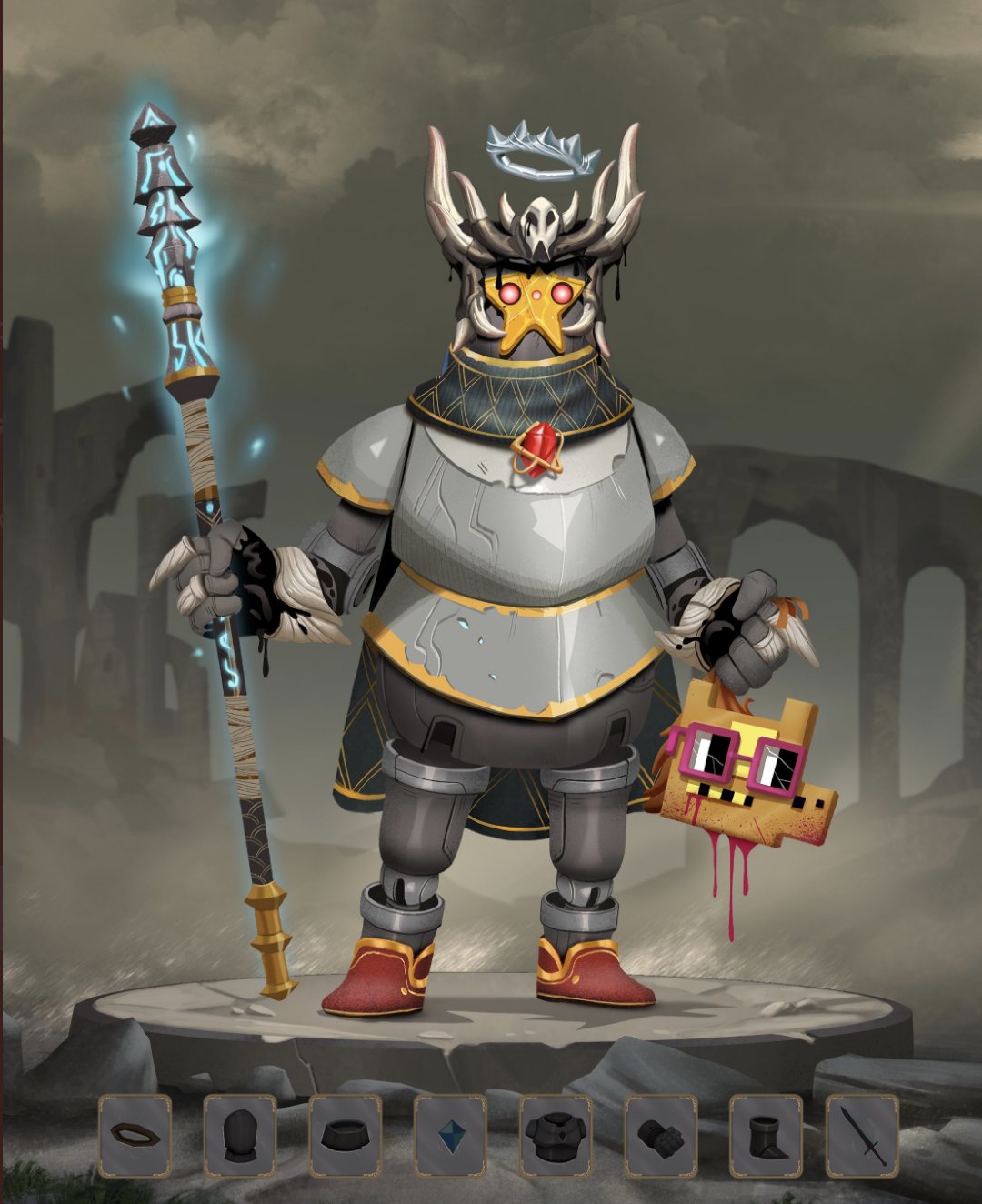
- @Jenkinsthevalet is creating a new and decentralized Hollywood studio out of a single Boring Ape NFT.
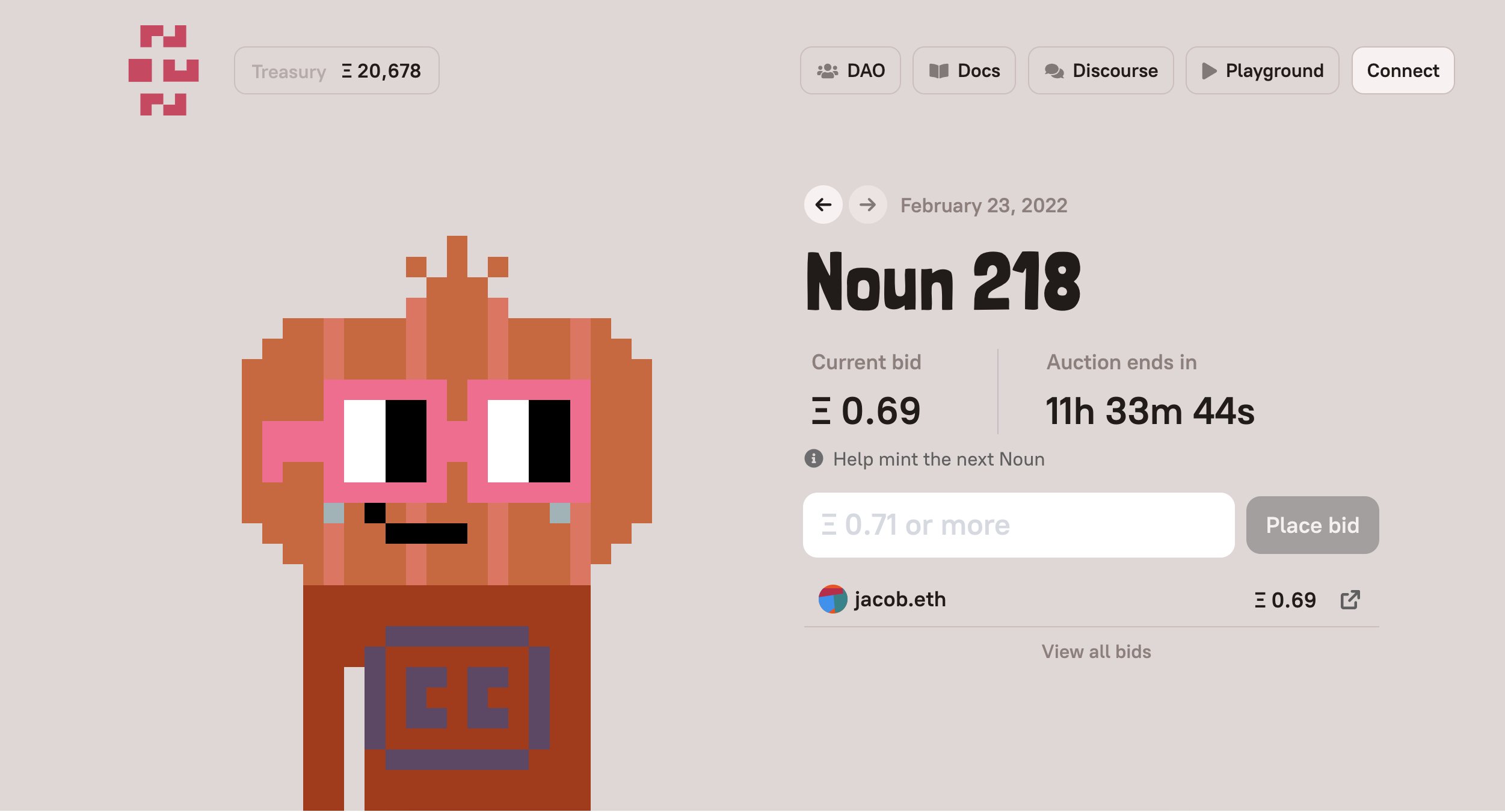
- @nounsdao is using governance to promote Nouns in Super Bowl commercials and IRL.
- Some teams like @Treasure_DAO and @hyperloot_ are using @dhof's Loot NFT as building blocks for games.
As @cdixon pointed out, these projects bring more than creative freedom; they enable artists and developers to be completely freed from traditional corporate structures. Tokens are a way to market yourself; the holders of the tokens, not the company, will have an interest in the success of the project.
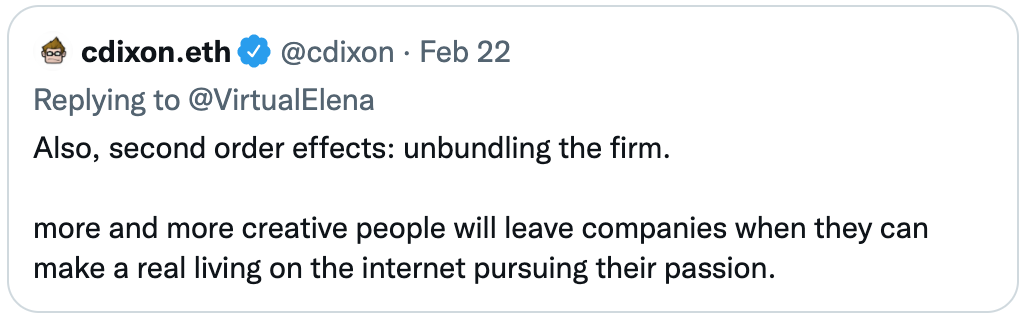
Reply to @VirtualElena
In addition, the second-order effect: unwinding for the company.
More and more creative people will leave companies because they can pursue their passions and get a real life on the Internet.
In traditional media, large corporations invest in game and movie projects, but these projects represent a small percentage of the company's revenue. Detective Pikachu may have been a box office success, but it accounted for only 1% of Time Warner's overall revenue (first image via @ballmatthew https://matthewball.vc/all/gamingip)
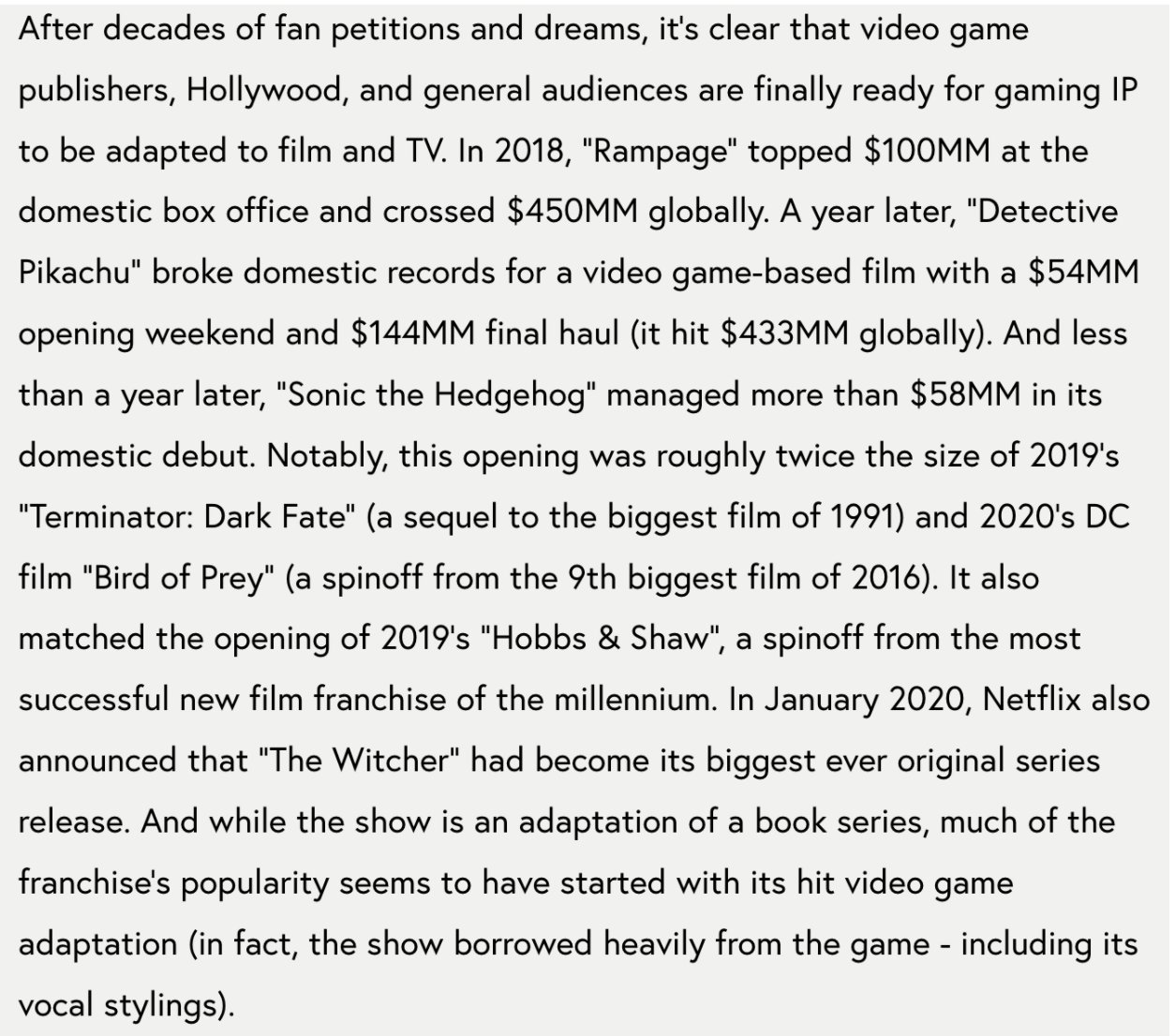
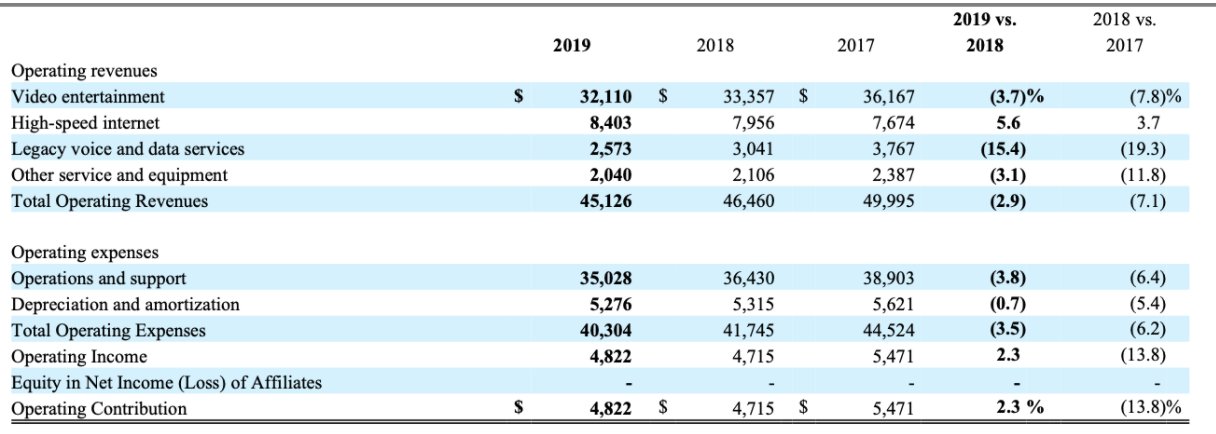
Activist media are caught in a lifeless cycle because the work itself means nothing to their company's bottom line. And the permissionless and composable nature of third-generation networks promises to unleash creative freedom and economic upside not possible with second-generation networks.
The Future Development Direction of Web3 Media
We are in the early stages of a radical transformation in the way media is created, distributed and owned. It’s worth pointing out that music NFTs and more synthesizable visual NFTs are at different stages of development, and both areas need something to push.
Artists launching music NFTs are usually either unsigned indie musicians (and managing their careers), or stars with their own work (such as Nas, who is very famous so that he can guarantee his influence and distribution). Their success will be a big factor in encouraging more artists to make music in Web3.
Musically, there are a few must-haves:
More label structures for DAOs
Non-Web2 Music Discovery Channels
Standardize music metadata for interoperability/compatibility between royalties and NFTs (@Garretthughes
WorkWork)
In terms of games and entertainment, the team should make more efforts to stick to the physical world.
@nounsdao already does a good job at this, however, we can do better by harnessing the power of compatibility.
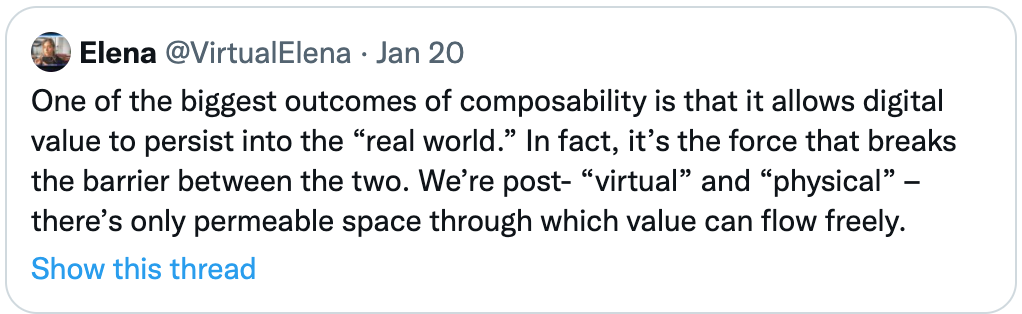
One of the greatest fruits of composability is that it allows digital value to continuously enter the "real world". In fact, it is the force that breaks down the barrier between these two. We are in a post-"virtual" and "physical" era with permeable spaces in between where value can flow freely.
a few months ago. @FEhrsam posted one of Virgil Abloh's early plans to organize a collective of Web3 artists, and I'm impressed by the image below:
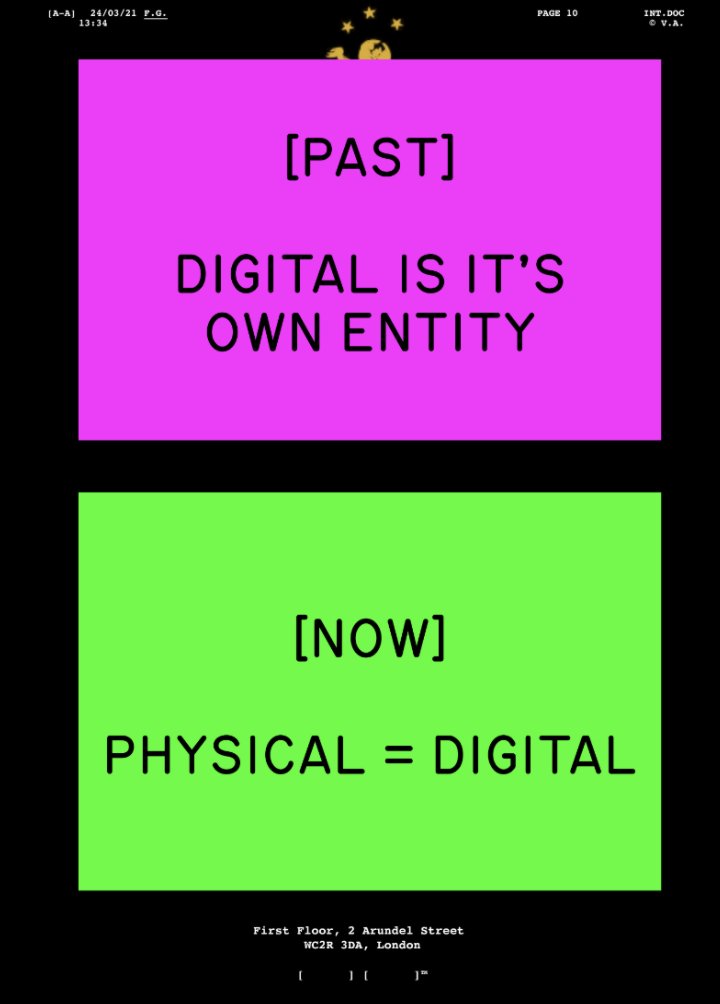
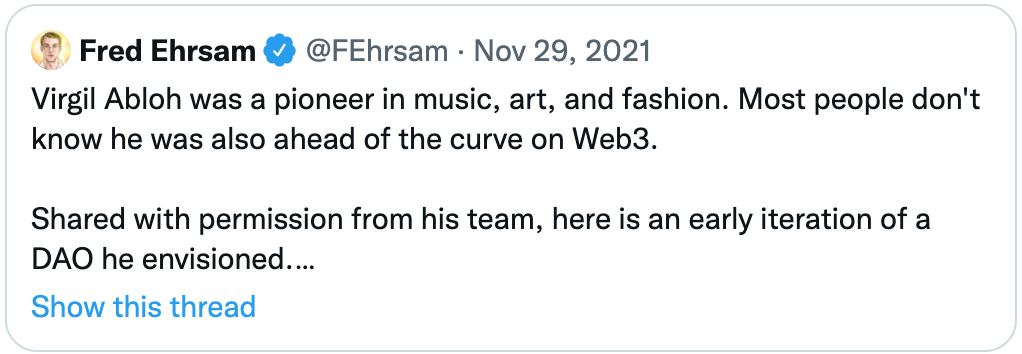
Virgil Abloh is a pioneer in music, art and fashion. Most people don't know that he is also ahead of the curve in Web3.
Shared with permission from his team, this is an early iteration of what he envisions as a DAO.
Arguably the team that has done the best job at this so far is Disney, but that could change soon.
Disney has become an iconic brand because they recognized (since Disneyland opened in the 1950s) that people have a natural tendency to experience things for themselves. But we are now beyond Disney because we have the technology to create decentralized brands and intellectual property.
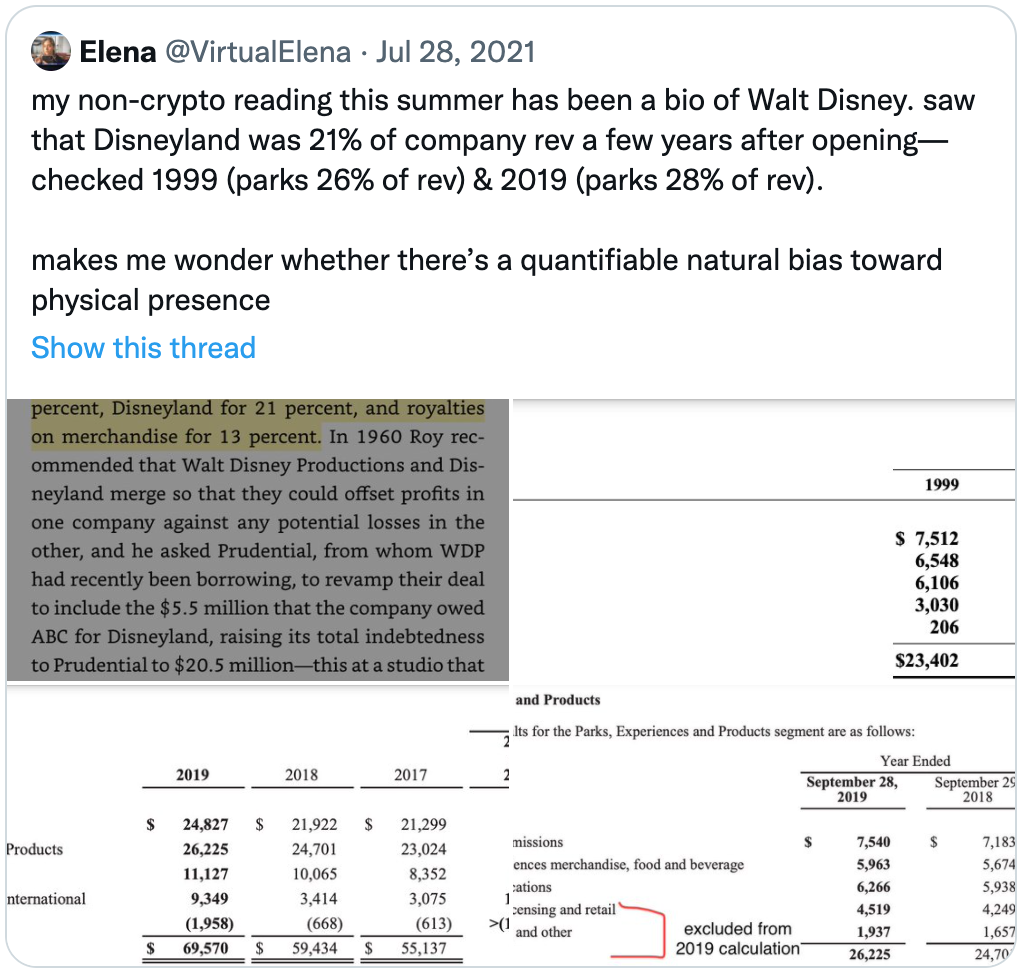
My non-cryptocurrency reading this summer was Walt Disney's CV. I saw that Disneyland accounted for 21% of the company's revenue a few years after opening, and I also checked Disney's revenue in 1999 (26% of revenue from parks) and 2019 (28% of revenue from parks) data.
It made me wonder if there was a quantifiable natural bias toward physically present items emerging.
The future will be a Web3-based collective that encourages spin-offs and cross-project portfolios, allowing artists, collectors, and curators to share ownership. IRL will also be a big part of it.