






How to use the DeFi mortgage financing benchmark interest rate to assess the risk of the decentralized financial market?


image description
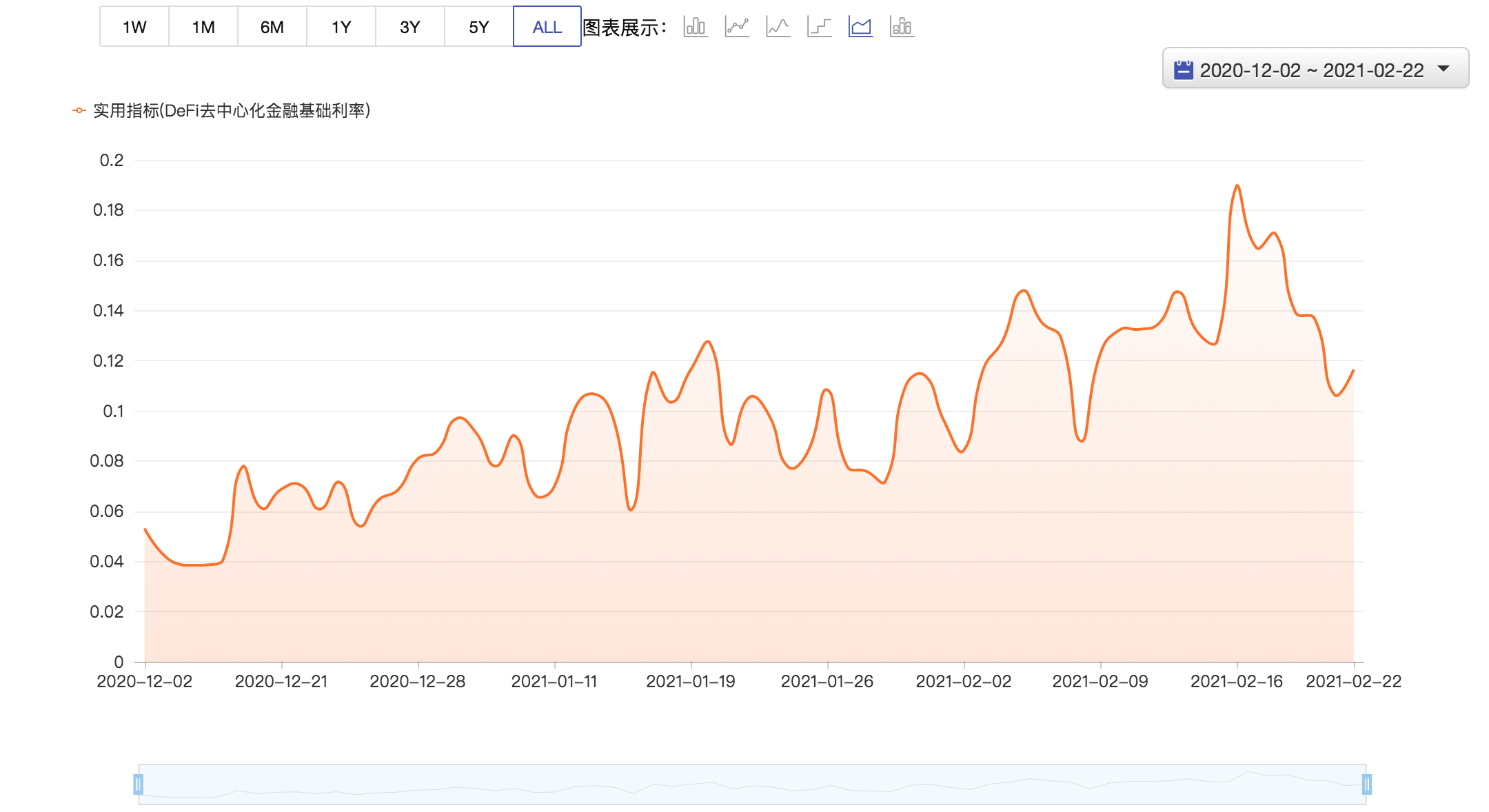
△Data source: TBanic digital financial terminal
The base interest rate of DeFi decentralized finance is based on the statistical results of defipulse.com/defi-lending. The US dollar business IPY ranks among the top five platforms that display effective interest rate data. One platform with the highest interest rate is removed, one platform with the lowest interest rate is removed, and the remaining platforms are mortgage loans. The interest rate is the weighted average of the total USDC loan volume on the platform.
The interest rate is benchmarked against the U.S. Treasury bond mortgage repurchase rate [1] (Repo Rate), which can effectively reflect the level of capital gains and credit risks in the decentralized financial market. The U.S. Treasury-backed repurchase rate (Repo Rate) is the rate at which various market participants exchange Treasury securities for cash to meet short-term cash needs. Repo rates help ensure banks have enough liquidity to meet their daily operating needs and maintain adequate reserves. The repo rate typically aligns with the Fed's target rate.
The credits spread is the difference in interest rates between two bonds of similar maturity but of different credit quality. The DeFi mortgage financing benchmark interest rate can be calculated as the interest rate difference with the U.S. Treasury bond mortgage repurchase rate (other similar interest rates are also available), so as to measure the credit risk level of the decentralized financial market relative to the traditional financial market. Example: If the interest rate on a 10-year U.S. Treasury note is 6% and the interest rate on a 10-year corporate bond is 8%, the interest rate differential on that corporate bond is 200 basis points. Wider interest rate differentials point to growing concerns about the ability of corporate (and other private) borrowers to service their debts.


