OKEX Investment Research: The correlation between Bitcoin and the S&P index skyrocketed, and both were sold off


Written by: OKEx analyst Robbie Yansong
# Highly speculative and liquid assets are sold first by the market
# Bitcoin and the S&P have shown a strong positive correlation recently
foreword
foreword: The article "OKEX Investment Research: When the Next Economic Recession Comes, Where Bitcoin May Go" published at the end of October 2019 once speculated on the possible trend of Bitcoin in a crisis: "When the market is looking for safe-haven assets, Bitcoin may not be an ideal target, it is still a highly speculative and liquid asset, and assets with this characteristic are the first batch of assets to be sold when the music stops in the traditional sense.” Although the article at the time was too idealistic about the expectation that Bitcoin would break away from "tradition", the above judgment was confirmed by the market this week. The price of the OKEX Bitcoin quarterly contract fell from the highest point of $9300 on March 7 to the lowest point of $3899 on March 12. The currency price hit a new low since March 2019, with a 24-hour drop of nearly 50%.
image description
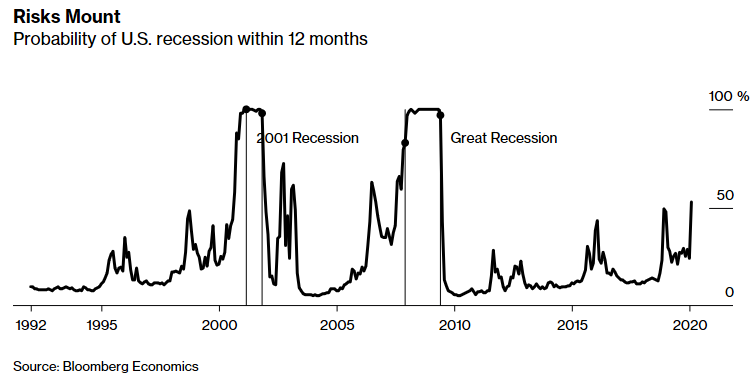
Figure 1: Bloomberg US Recession Model – Probability of US recession in next 12 months – Bloomberg
U.S. Treasury market
image description
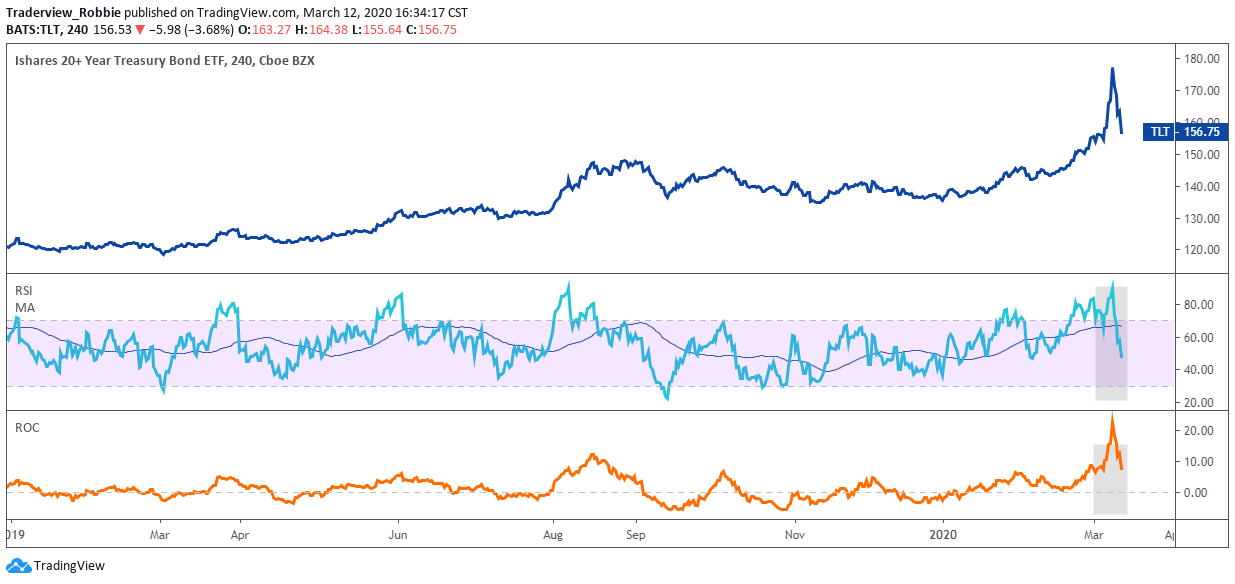
Figure 2: iShares 20Y+ US Treasury ETF Price & 14-Day RSI & 30-Day Return Curve % (Up/Middle/Down)
crude oil market
Affected by the epidemic, oil demand in the Chinese market has declined after the year. OPEC failed to reach an agreement on production cuts last Friday, and then Saudi Arabia started an oil price war. As a result, oil prices hit the largest one-day drop since the 1991 Gulf War on Monday. It plummeted nearly 25% in a day, hitting $30 a barrel for the first time since February 2016. The plunge in oil prices also led to losses in most asset classes on Monday.
The slump in oil prices has implications far beyond the oil industry, and the catalyst for oil prices could have serious consequences. According to Morgan Stanley, while in major stock indexes such as the S&P 500, energy stocks account for a small proportion of about 4%, but in the high-yield bond market, energy stocks account for a much larger proportion. many. The overall scale of credit bonds in the energy sector was US$857 billion, accounting for 9.6%, of which energy high-yield bonds were US$142.1 billion, accounting for 11.4% of the overall high-yield bonds. If these companies get into trouble and credit conditions tighten, the knock-on effects will be felt around the world. According to data from Rystad Energy, only five companies in the United States have a break-even cost lower than the current oil price, and the remaining more than 100 companies cannot achieve profitability at an oil price of US$31.
stock market
After hitting an all-time high on Feb. 19, the S&P 500 has experienced its fastest 20% correction in more than 70 years and has now fallen below the 20% decline threshold often considered the dividing line between bulls and bears. If the public believes that the spread of the epidemic and the oil price war will further dent corporate profitability, the stock market may continue to experience the current decline. Judging by the stock market's tepid reaction to the Federal Reserve's rate cuts over the past few weeks, the situation is not optimistic, and the level of stock prices depends on the outlook for future income growth.
image description
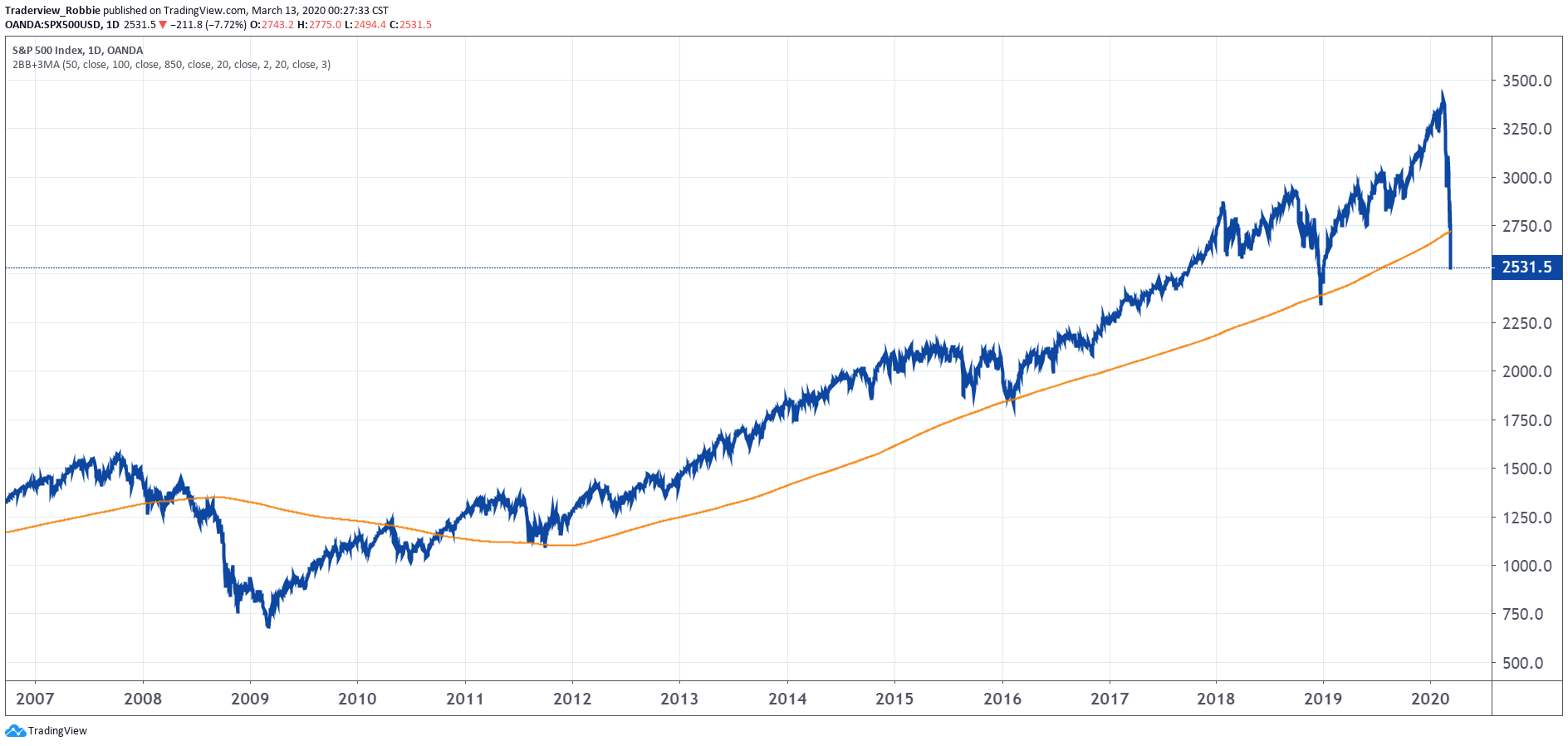
Figure 3: S&P 500 Price Trend 2008-Date & 850 Moving Average (Blue/Orange) - Tradingview
Bitcoin has recently shown a strong positive correlation with the S&P
image description
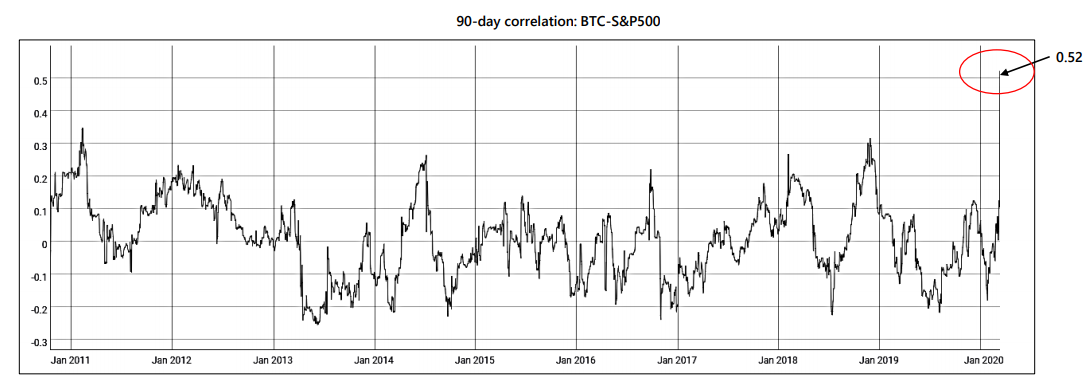
image description
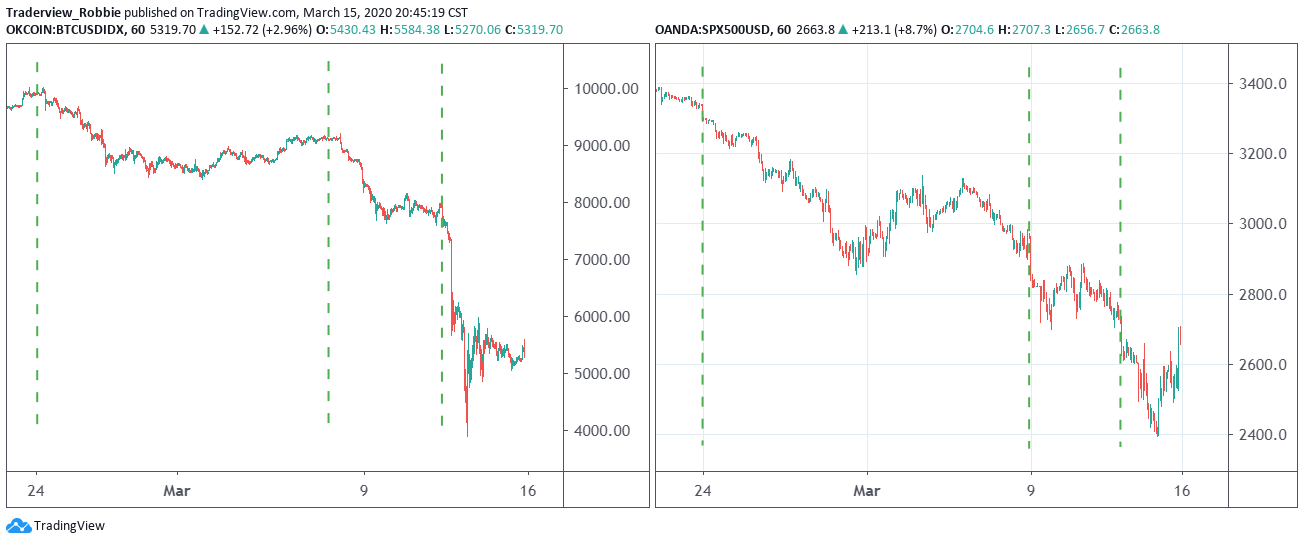
Figure 5: One-hour K-line comparison chart of Bitcoin/S&P 500 Index (left/right)
In the past two years, we have seen many cases in which Bitcoin has been synchronized with gold for a certain period of time due to cross-market trading behaviors, and thus obtained "risk-aversion attributes". Follow the price trend of gold in the context of the US trade war. But when this real crisis came, the price performance of Bitcoin has fully proved its attributes of risk assets. We can clearly see that the correlation between Bitcoin and the S&P index has climbed rapidly from a low level.
Outlook
In the article at the end of February, I mentioned that "at the stage when the stock market plummeted and the VIX panic index skyrocketed, it seemed a little bit wrong that the implied volatility of Bitcoin was still at a low level", and then the trend of Bitcoin also verified our opinion Judgment, that is, trading volatility itself through options, straddle options and other tools is a relatively safe strategy.
Risk warning: This article does not constitute an investment recommendation. Investment is risky. Investment should consider personal risk tolerance. It is recommended to conduct an in-depth investigation of the project and carefully make your own investment decisions.
Risk warning: This article does not constitute an investment recommendation. Investment is risky. Investment should consider personal risk tolerance. It is recommended to conduct an in-depth investigation of the project and carefully make your own investment decisions.