SignalPlus宏观研报特别版:放缓紧缩



Source: WSJ, X / Twitter
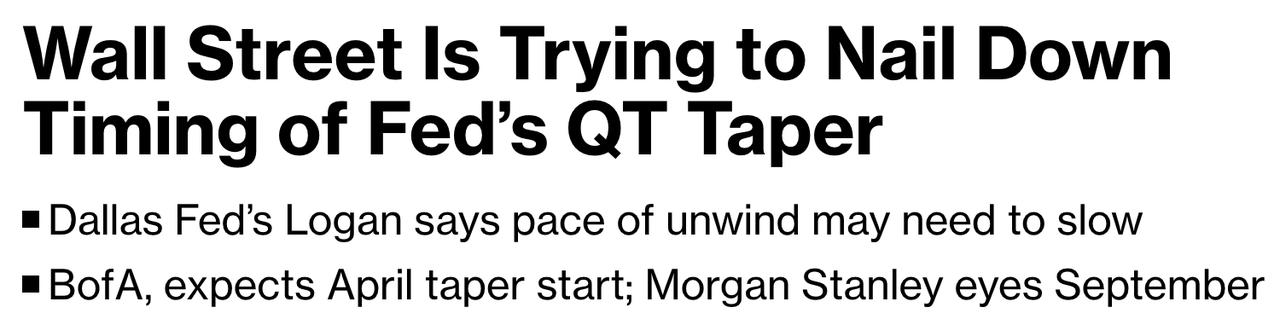
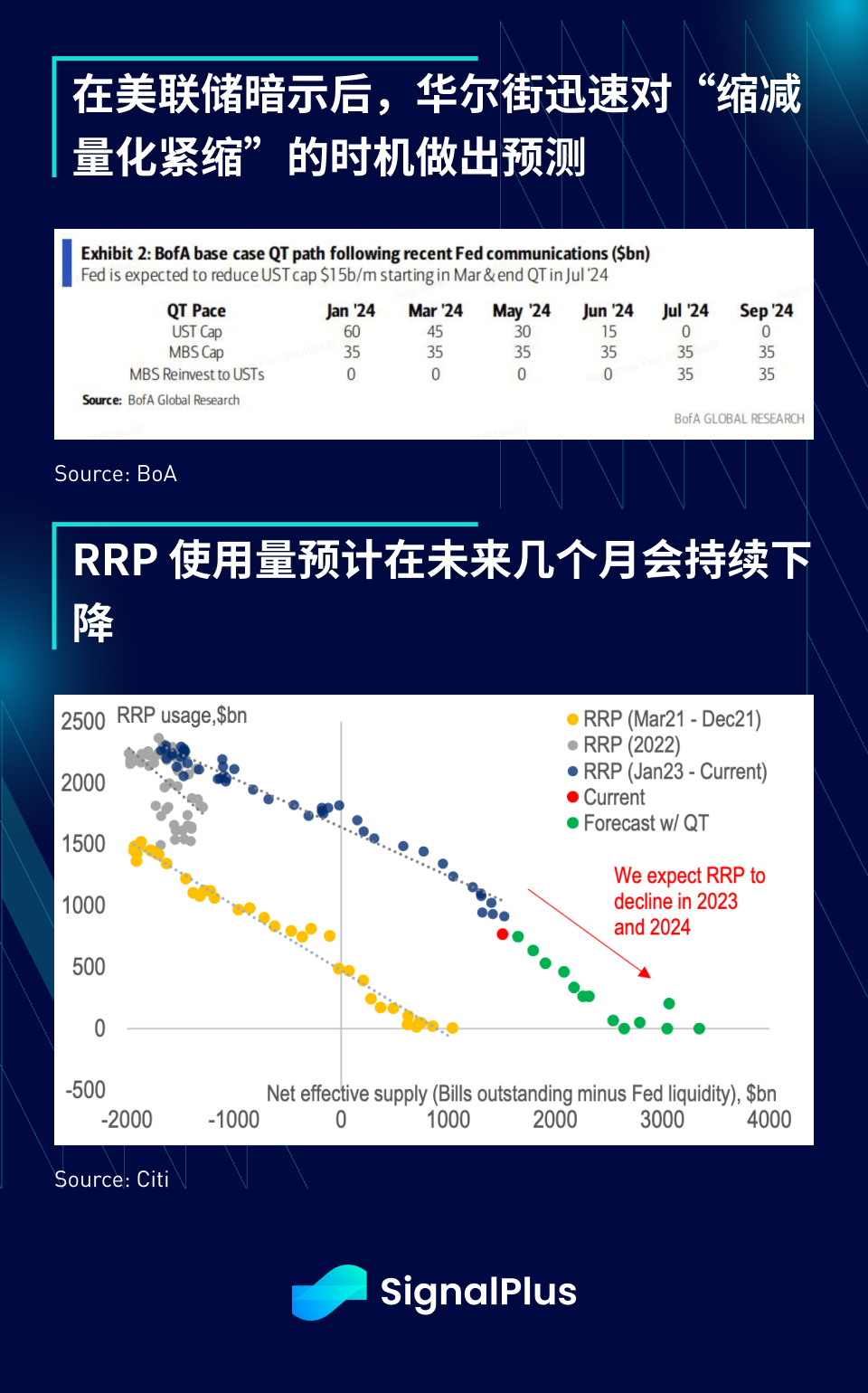
After a busy first week of price corrections, the market returned to a risk-on tone yesterday, in large part due to Dallas Feds Logan hinting that the Fed will slow down the pace of quantitative tightening, talking about reducing the use of RRP (that is, mutual fund deposits). to reduce excess liquidity, Logan said, In my opinion, as overnight RRP balances approach low levels, we should slow down the pace of reduction, adding that in the long run, the slowdown The pace of balance sheet adjustment actually helps achieve a more efficient balance sheet because it makes redistributions smoother and reduces the likelihood that we have to stop early.
At a time when unemployment remains below 4% and inflation remains well above the Feds long-term goals, not only have we experienced a Fed Pivot but now are seeing a Slowdown in Quantitative Tightening, its no wonder everyone is heading into the New Year Go long on risk assets with all your strength.
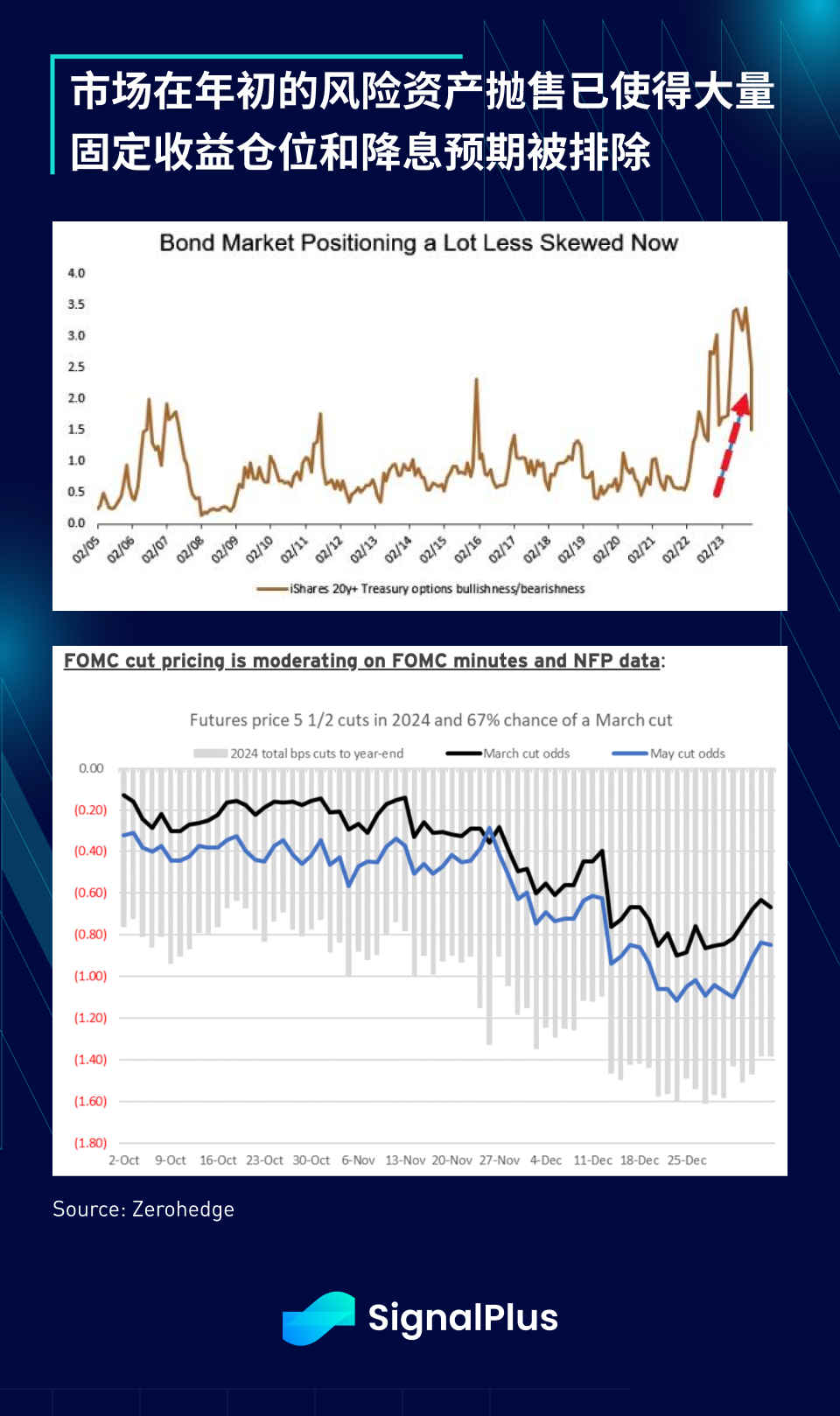
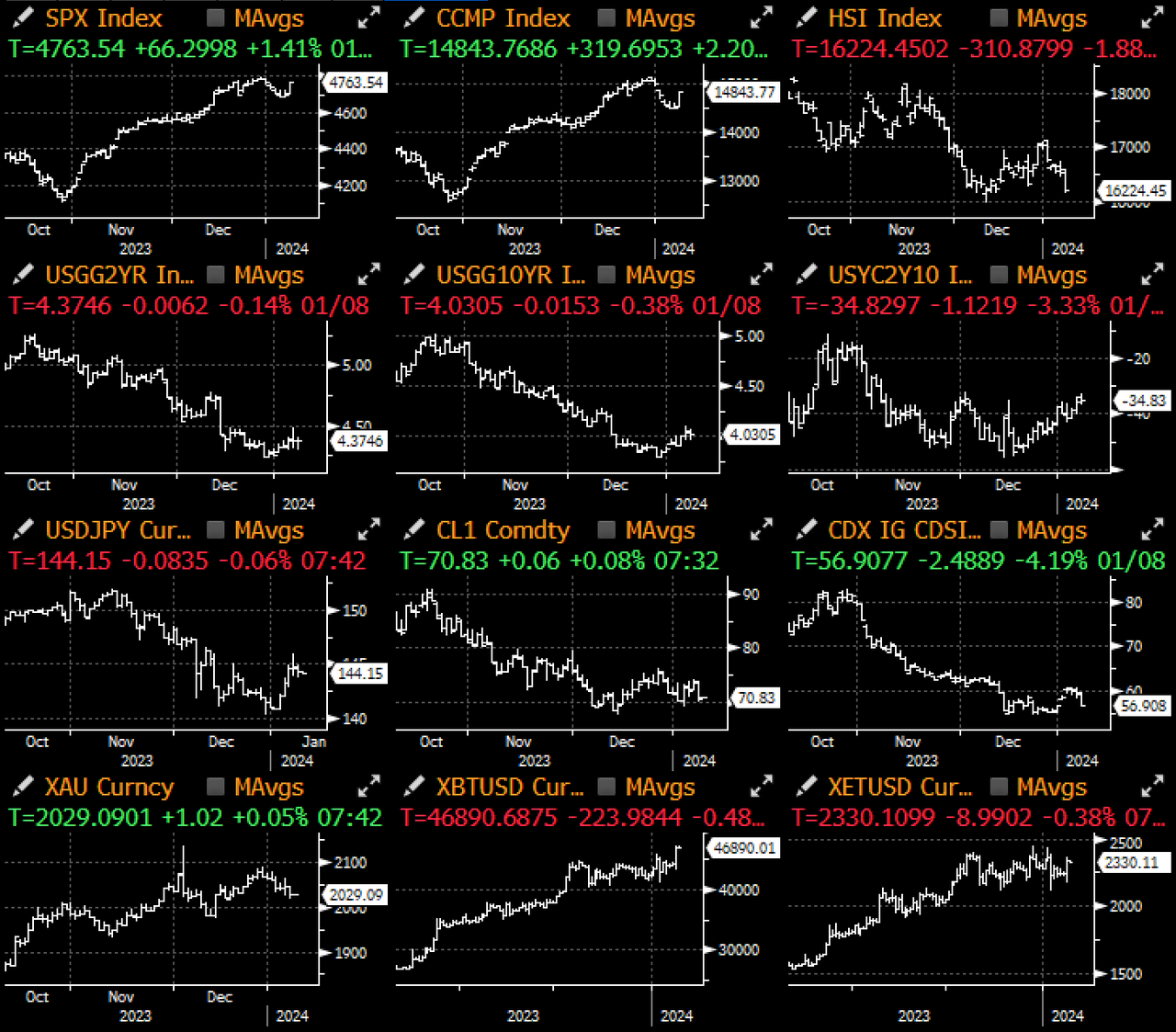
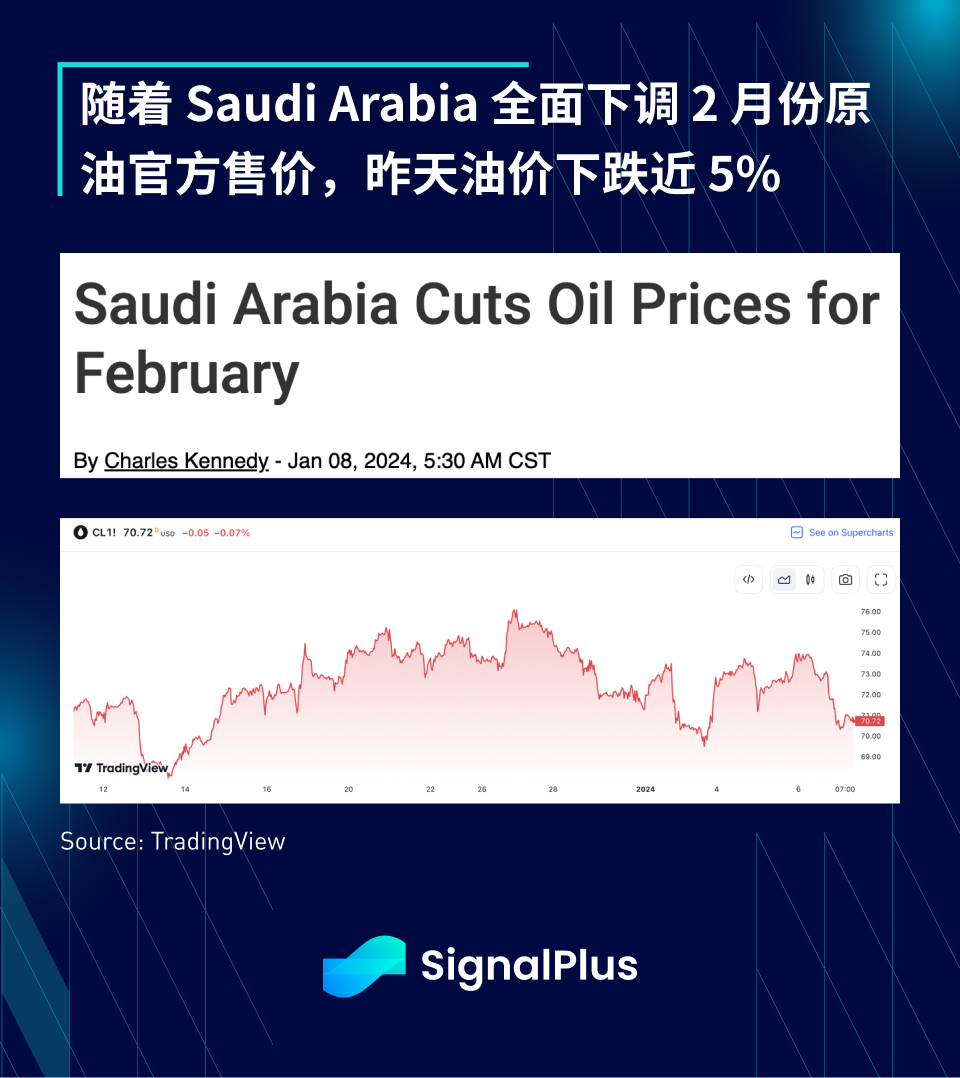
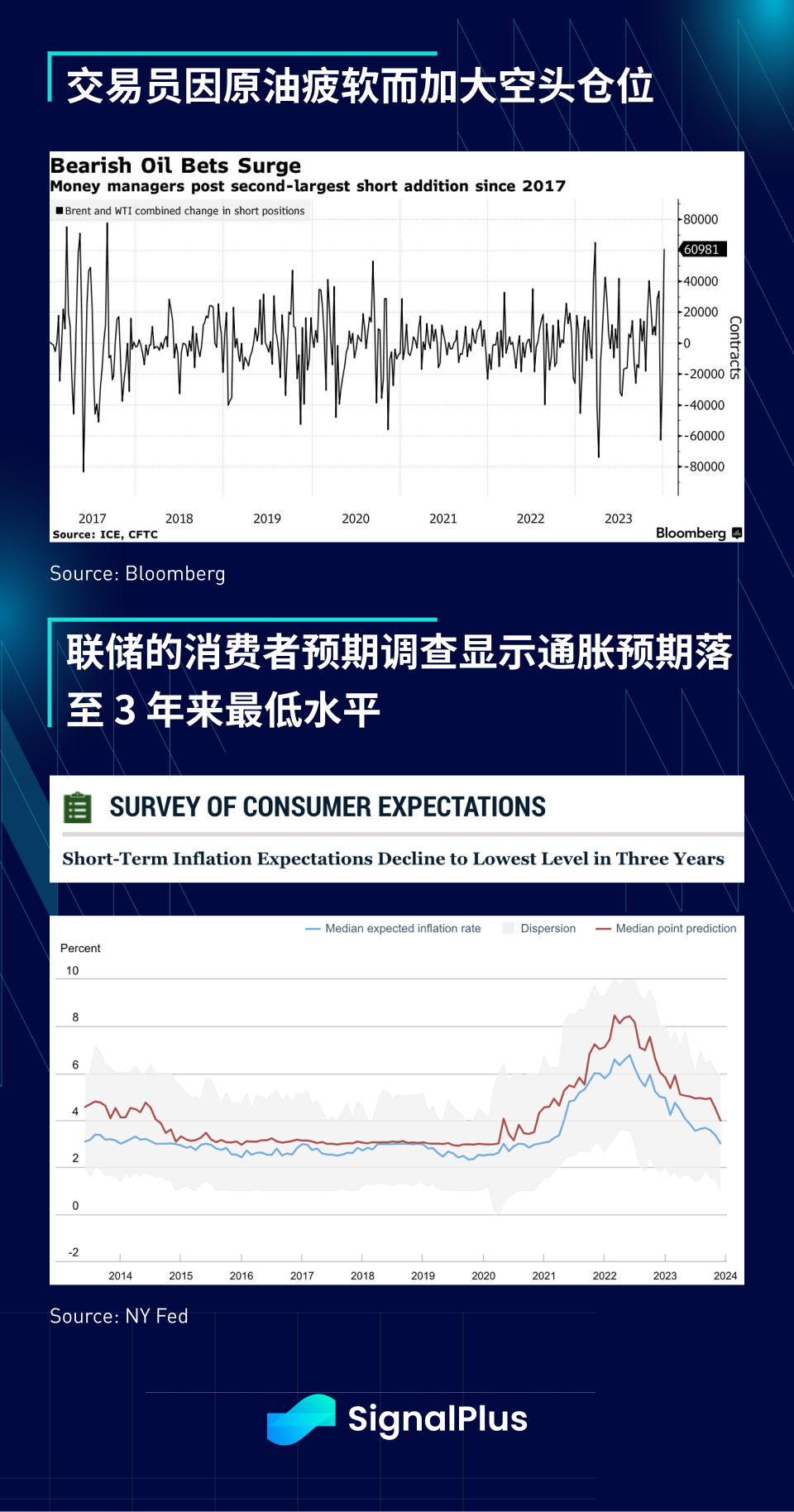
In terms of inflation, Saudi Arabia once again significantly cut crude oil pricing (this time for North American and Asian buyers), causing oil prices to fall by 4.5%, natural gas prices also fell by nearly 8%, and traders increased their largest short crude oil positions in five years; In addition, the New York Feds consumer expectations survey showed that short-term inflation expectations have dropped to the lowest level in three years, with one-year inflation expectations falling from 3.36% to 3.01% and three-year inflation expectations falling from 3% to 2.6%; Finally, Atlanta Feds Bostic mentioned that inflation fell more than expected and the Fed continues to pave the way for an interest rate cut in the short term.
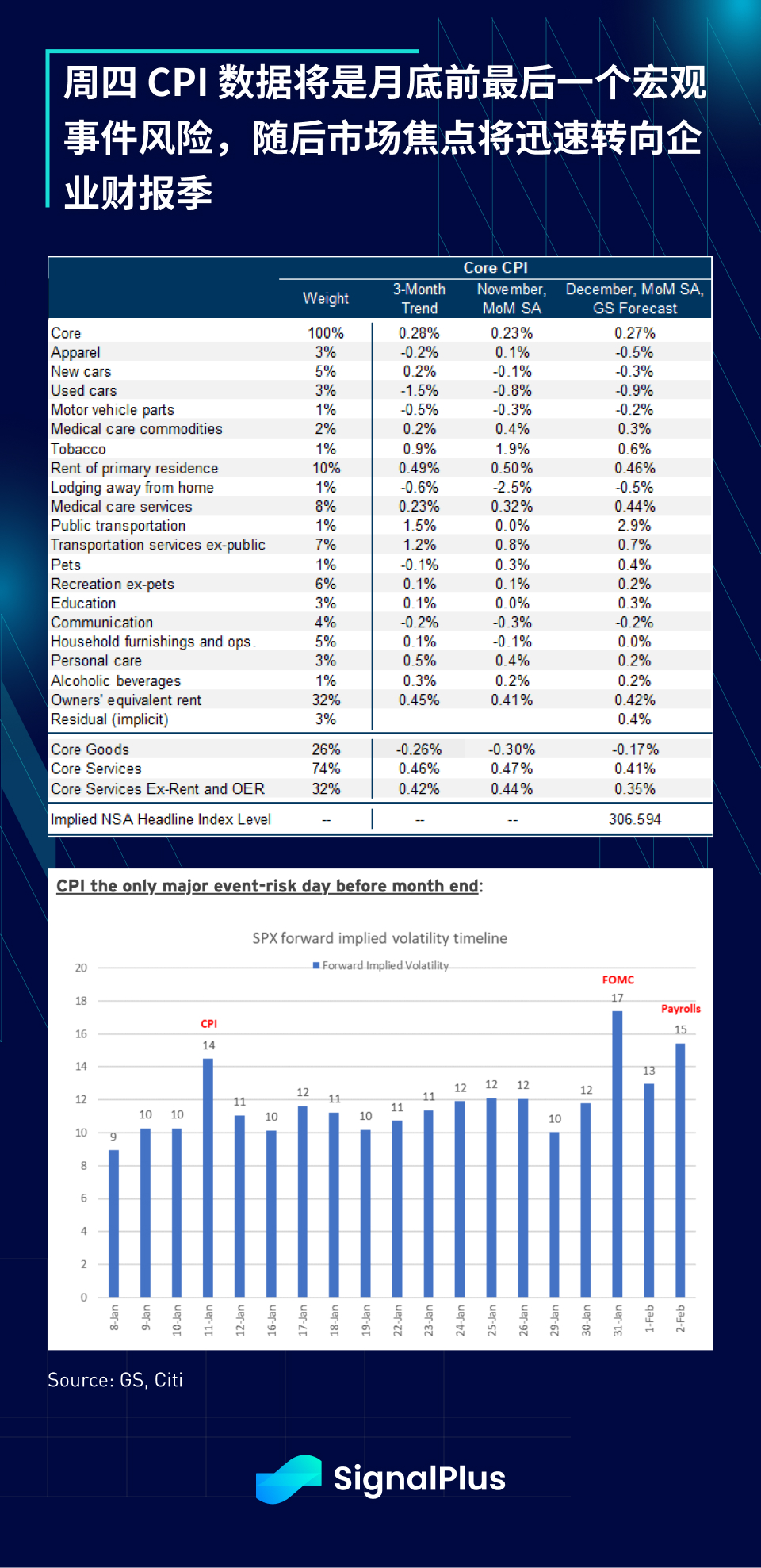
CPI data will be released on Thursday. The market expects the core CPI to be 0.3%/3.8% month-on-month/year-on-year, respectively, and the overall CPI month-on-month/year-on-year is expected to be 0.2%/3.3%. The increase is expected to be driven by food and energy prices, while housing prices will Once again contributing to most of the base growth; CPI will be the last macro event risk before the end of the month, and then the market focus will turn to corporate earnings until the FOMC meeting on the 31st.
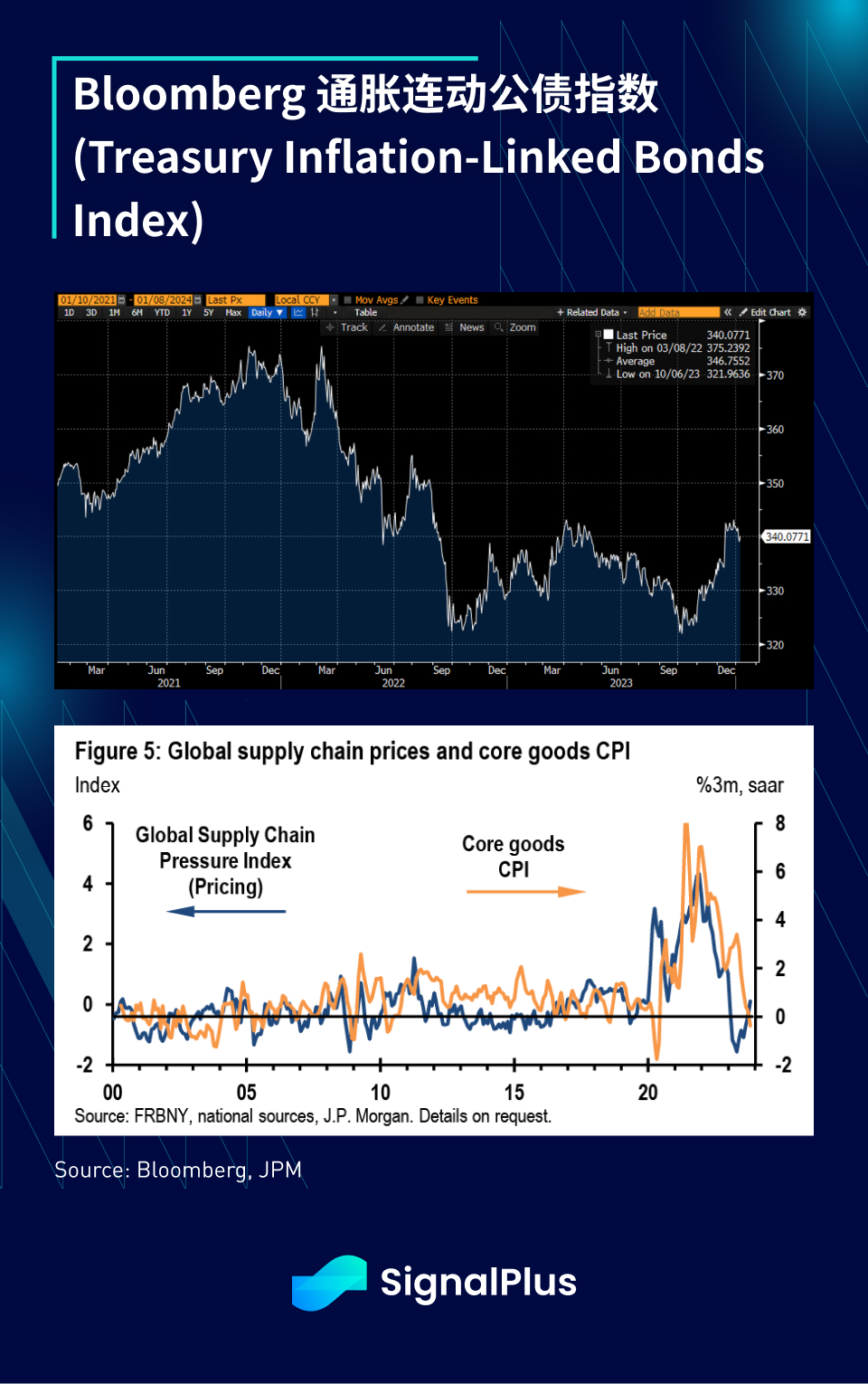
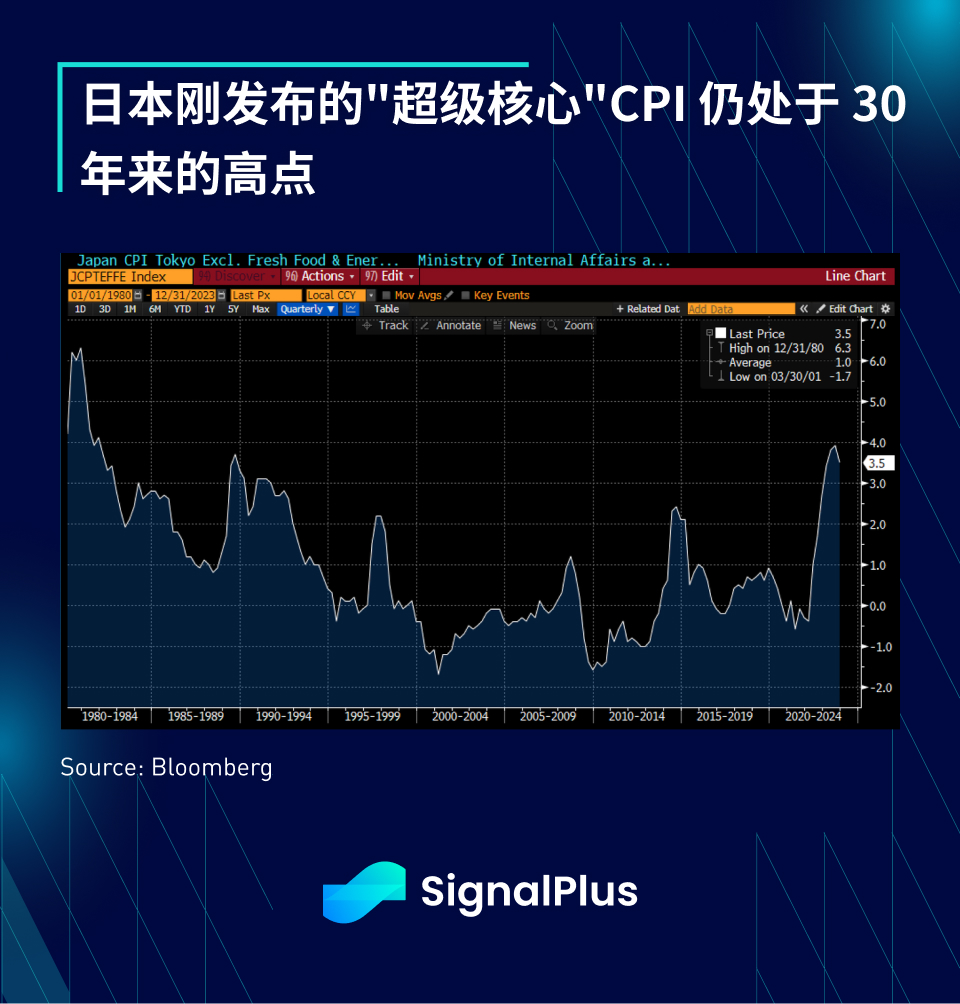
 Interestingly, as the Fed prepares markets for an imminent victory in the fight against inflation, investors continue to buy inflation-protected bonds on worries that price pressures will resurface later this year; in addition, pressures from supply chain disruptions such as the recent The expectation of a Red Sea attack also hints at worries about future inflation. The recent German inflation data and the super core CPI data released by Japan today also remind us that we may have gone to the other extreme in terms of inflation expectations.
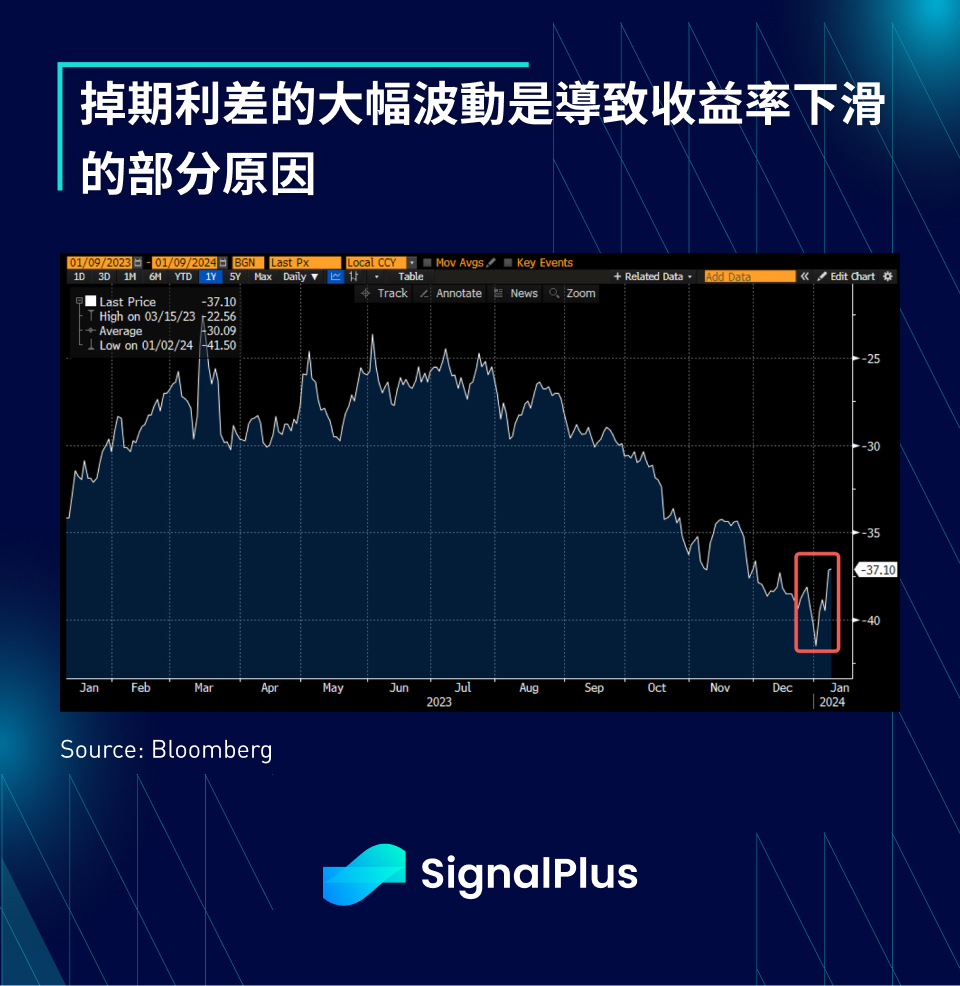
Although there are expected to be up to US$110 billion in US bond auctions and US$30 billion in corporate bond issuance this week, and there will be more bond supply after the release of banking industry earnings reports, US bond yields ultimately fell by about 4%. basis points; part of the fall in yields may be a reaction to tapering quantitative tightening, with the 10-year swap spread (interest rate swaps minus Treasury yields) jumping 8 basis points since the beginning of the year. Its coming to an end, which could mark a long-term bottom for yields.
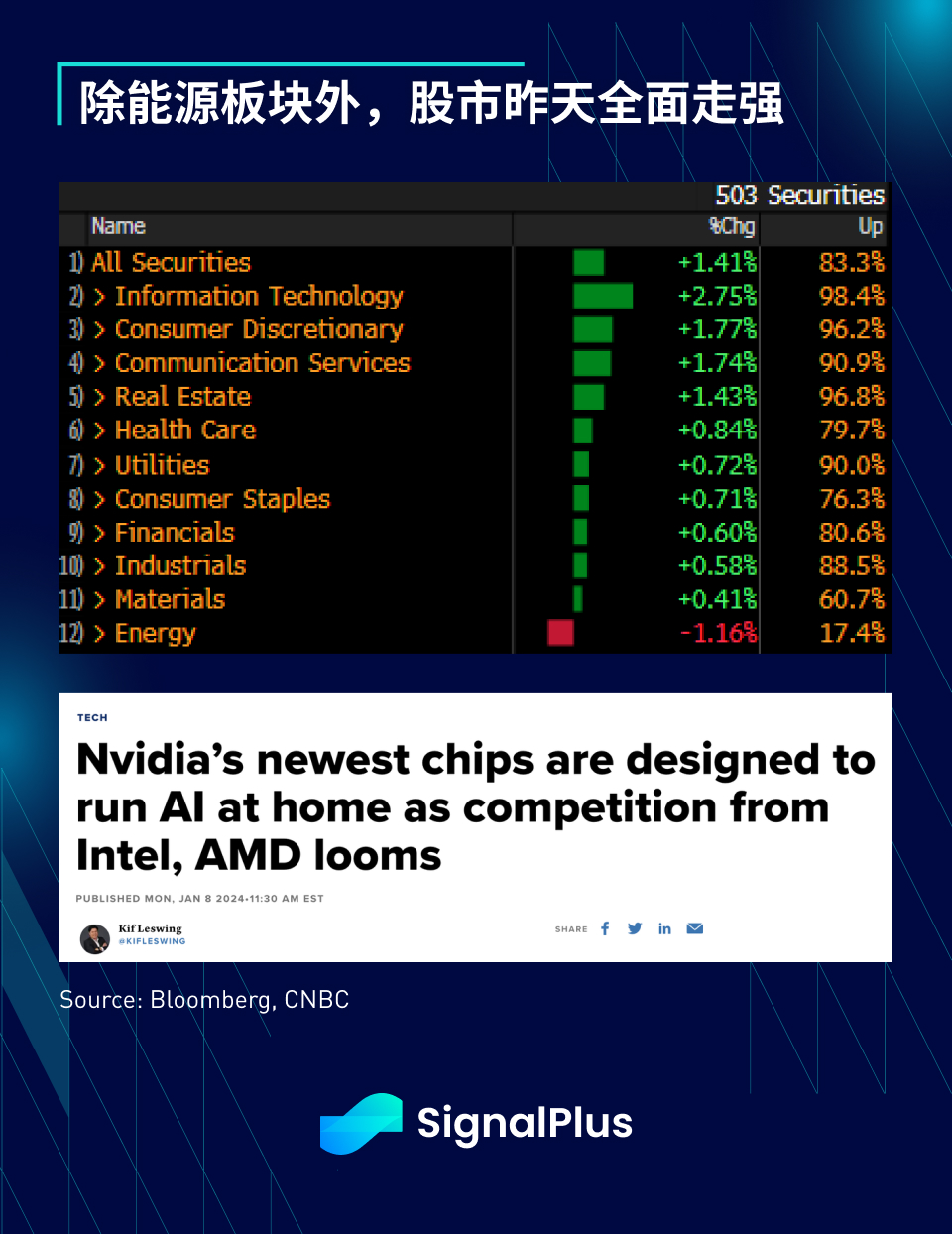
 In the stock market, all sectors generally rose yesterday, with large technology stocks leading the gains again, with 83% of the constituent stocks showing gains. If it were not for the energy sector falling 1% due to the decline in oil prices, all SP sectors would have turned green yesterday. Nvidia launched a new desktop computer graphics card and announced that they will tailor the H20 chip for the Chinese market to comply with the latest US export restrictions. Spurred by the news, the stock price rose by more than 6% yesterday.
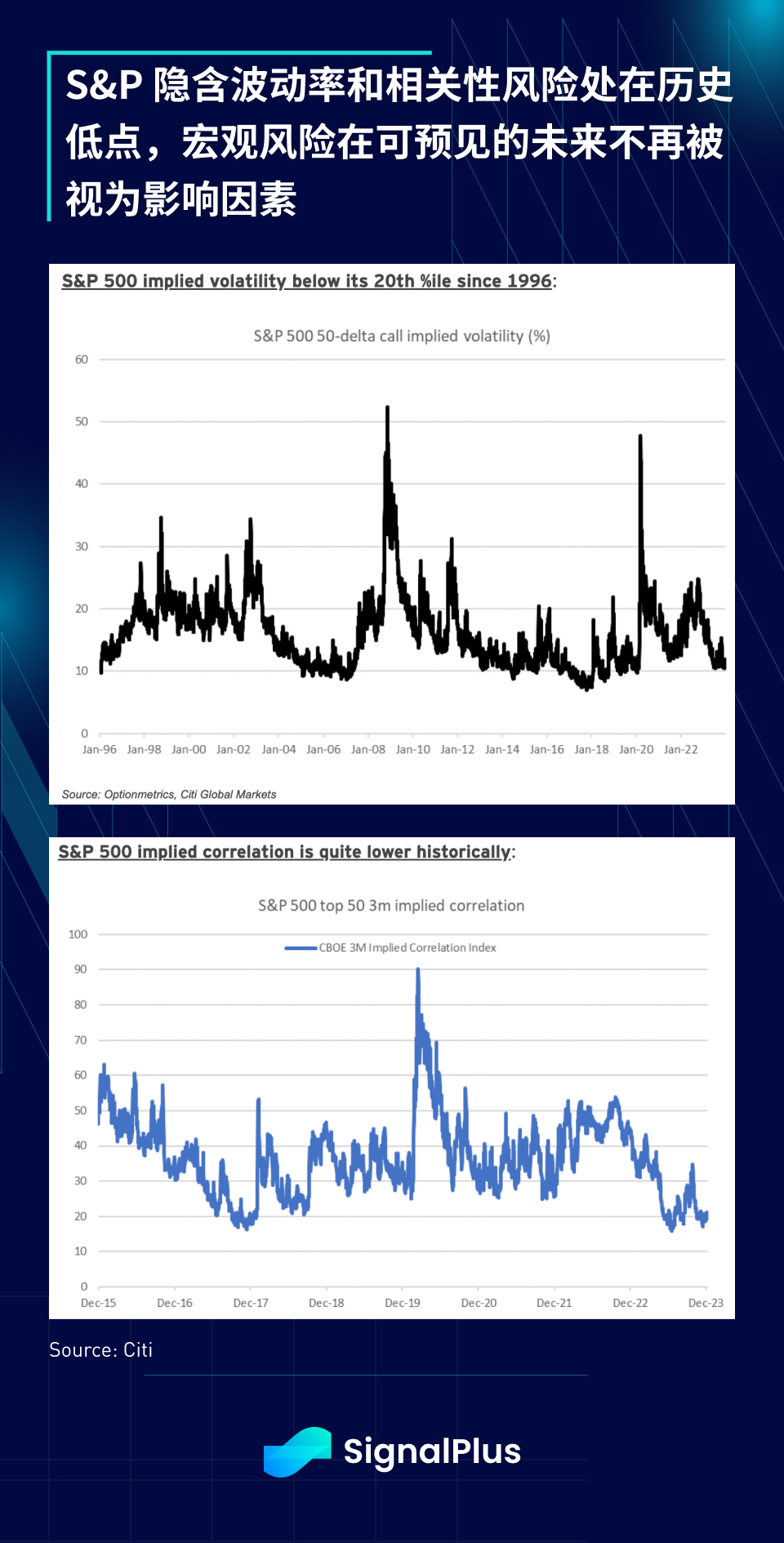
From a risk premium perspective, SP implied volatility has fallen back to the lowest range in the past 30 years, and the implied correlation is also at a historical low (3rd percentile since 2006), indicating that investors are currently optimistic about Macro risks feel very reassured and complacent, and in the short term the stock market will focus on corporate earnings performance.
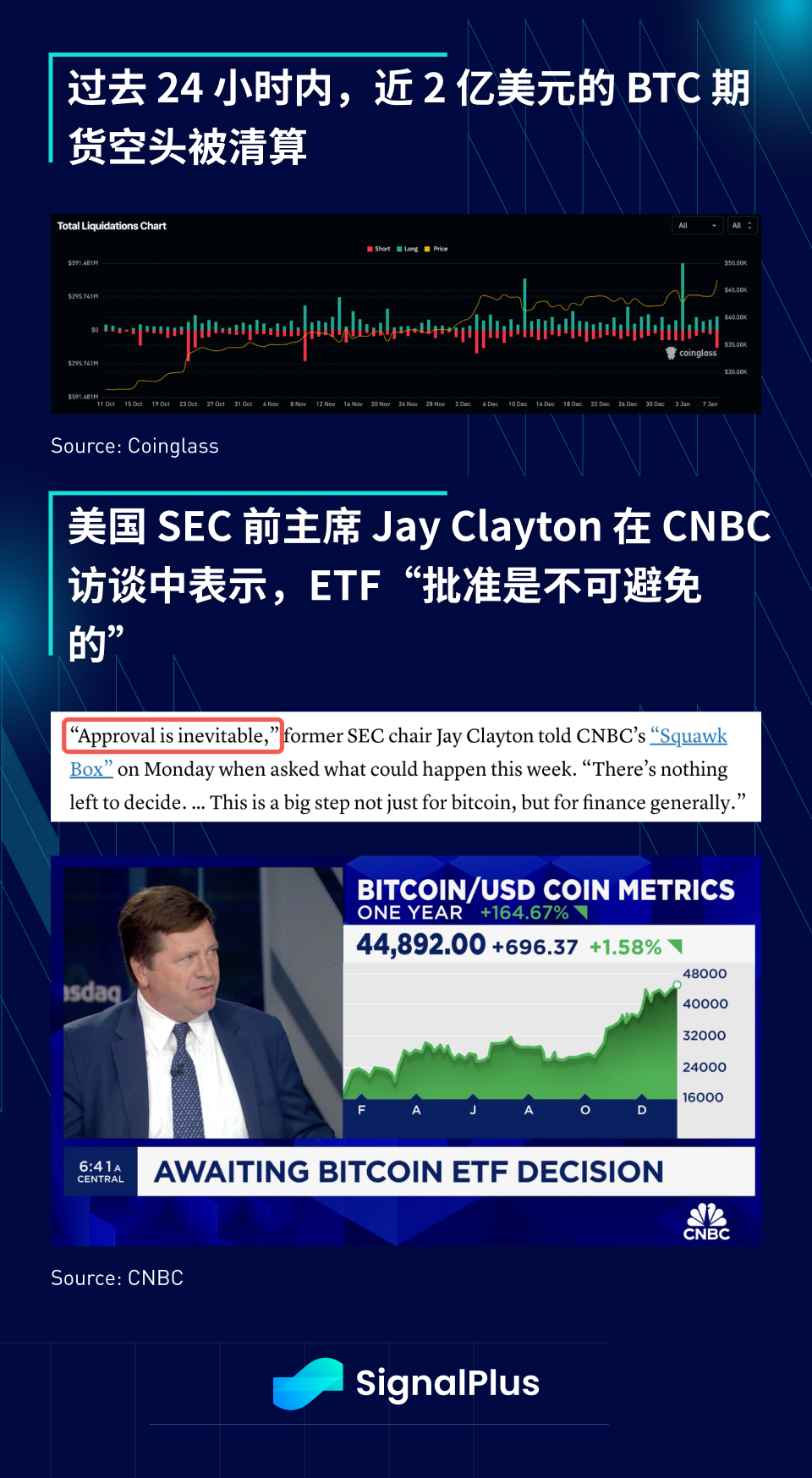
 On the cryptocurrency front, BTC has rebounded from previous sell-offs with prices approaching $47,000, with nearly $200 million in short futures liquidated in the past 24 hours, and ETF approval expectations have now reached a fever pitch with reports that ETF applicants have After submitting the final revised S-1 prospectus, former SEC Chairman Jay Clayton also said in an interview with CNBC yesterday that approval is inevitable.
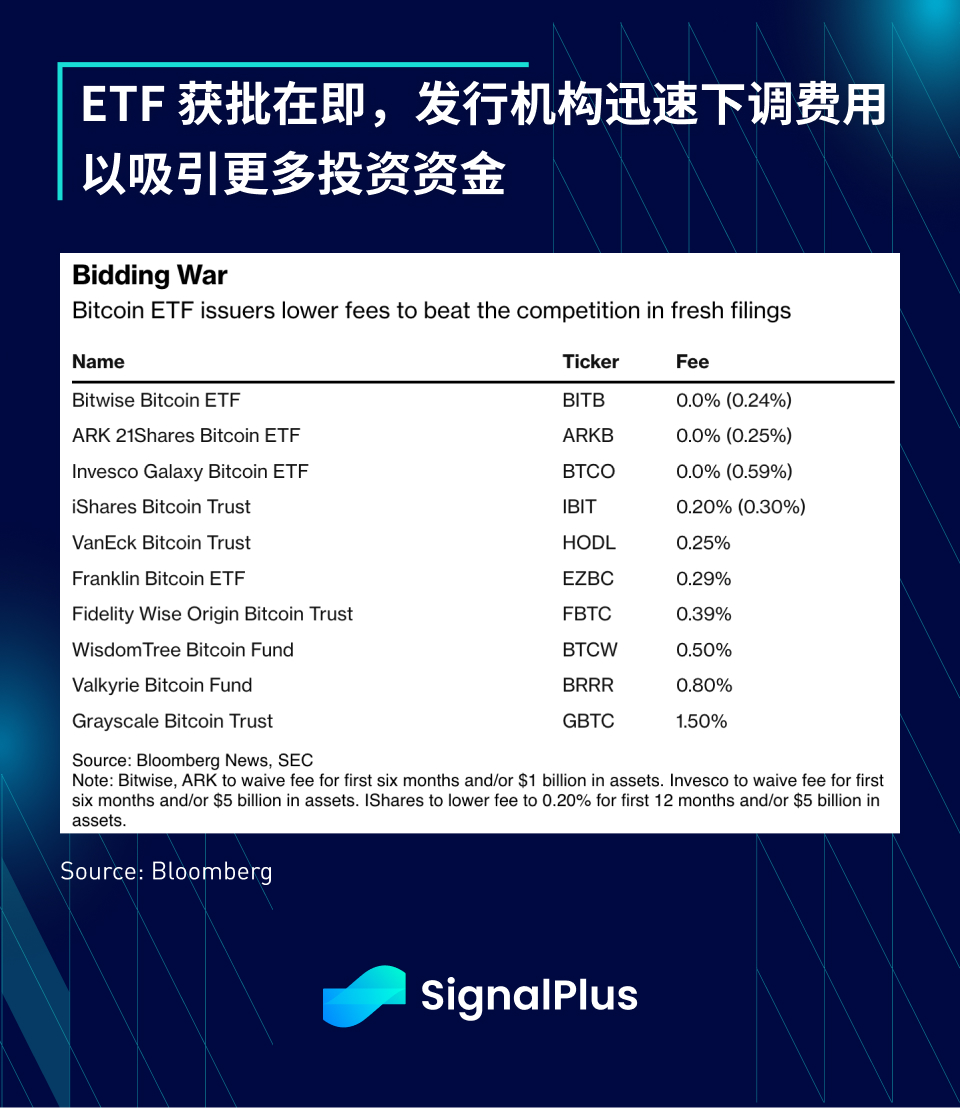
In addition, the fee war for BTC ETF has begun, with many issuers reducing the handling fee to as low as 0.25%, which is much lower than Greyscale’s 1.5% handling fee. We expect that Greyscale will still be the first choice for long-term cryptocurrency investors, but due to The handling fees of other institutions have been significantly reduced, and most new participants will switch to new issuing institutions, not to mention the convenience compared to existing cryptocurrency investment structures. Let’s give a warm welcome to our TradFi friends who will be joining us (hopefully)!
 You can search for SignalPlus in the Plugin Store of ChatGPT 4.0 to get real-time encryption information. If you want to receive our updates immediately, please follow our Twitter account @SignalPlus_Web3, or join our WeChat group (add assistant WeChat: xdengalin), Telegram group and Discord community to communicate and interact with more friends.
SignalPlus Official Website:https://www.signalplus.com