A Glance at 3 DeFi Protocols: Permissionless On-Chain U.S. Debt


Starting from March 2022, the Federal Reserve will continue to raise interest rates, raising the federal interest rate to 4.75% to 5% in one go, which can be said to be the fastest and largest rate hike cycle in history.
The 5% federal interest rate means that you don't have to do anything, and you can enjoy a risk-free interest rate close to 5% by putting your money in the money market fund.
At the same time, the general rate of return of the old protocols (Curve, Aave, Compound) in the DeFi world is between 0.1 and 2%. The risks that need to be borne in order to obtain this 1% interest rate include smart contract risk + oracle machine single point risk + The risk of de-pegging of USD stablecoins, and in fact, there have been countless hacker attacks, bad debts caused by wrong quotes from oracles, and short-term but substantial de-anchoring of USDT and USDC.
It’s really difficult for DeFi farmers this year, so it’s better to simply spend money to buy treasury bonds. Unfortunately, the various thresholds of tradfi are too high for us who grew up in mainland China, let alone U.S. debt. It is difficult for many people to open a U.S. dollar account for a class I account and deposit U.S. dollars on a regular basis.
At this time, the DeFi protocol led by MakerDAO tried every means to bring Real World Asset (RWA) to the chain, thereby introducing non-Ponzi real yield into DeFi.
first level title
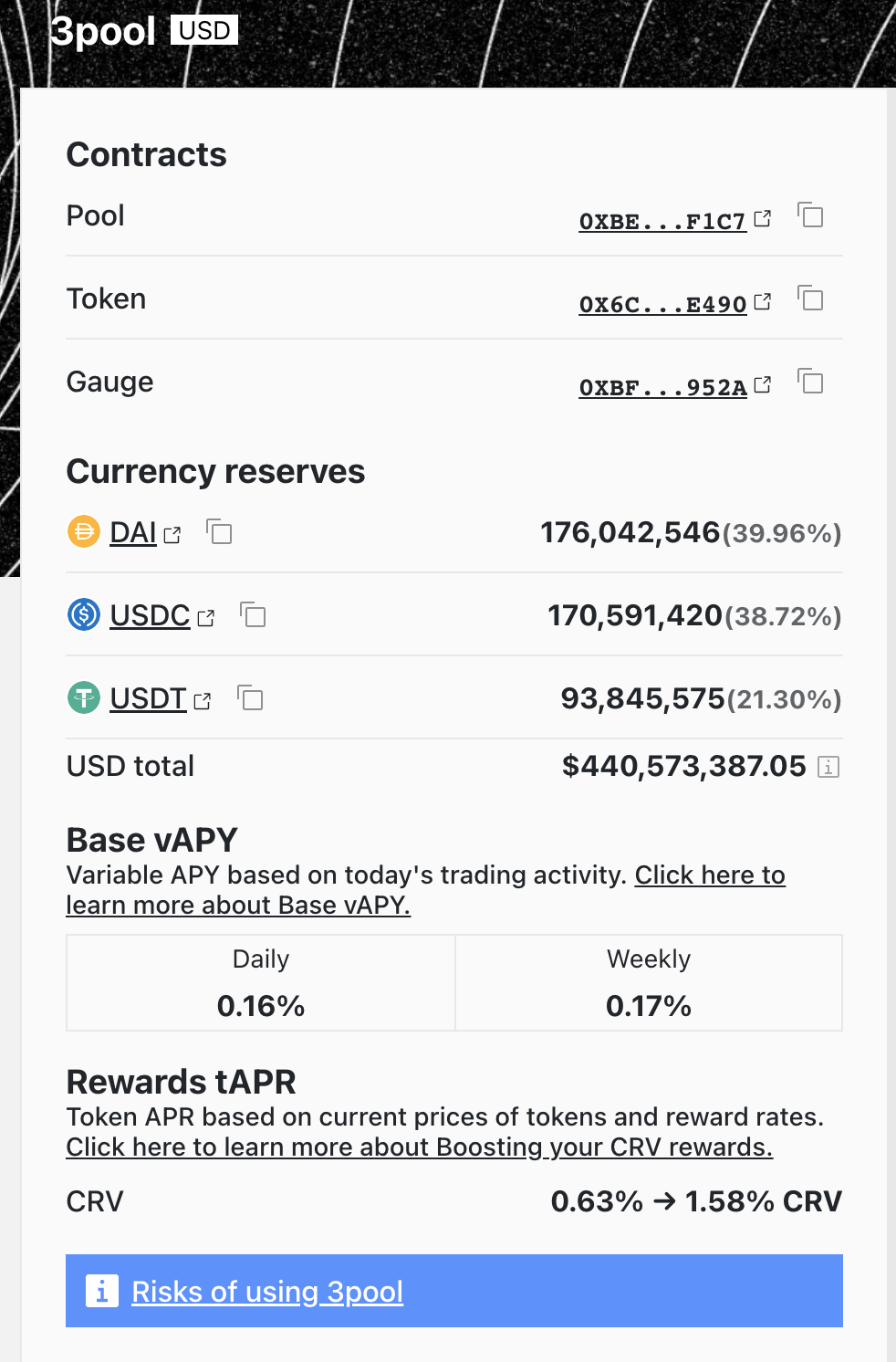
Flux Finance
Summarize
Summarize
advantage:
advantage:
There is no threshold for retail investors to participate, no KYC is required, and no permission is required;
Flux Finance is a compound V2 fork, so the security is guaranteed;
shortcoming:
shortcoming:
only on Ethereum;
first level title
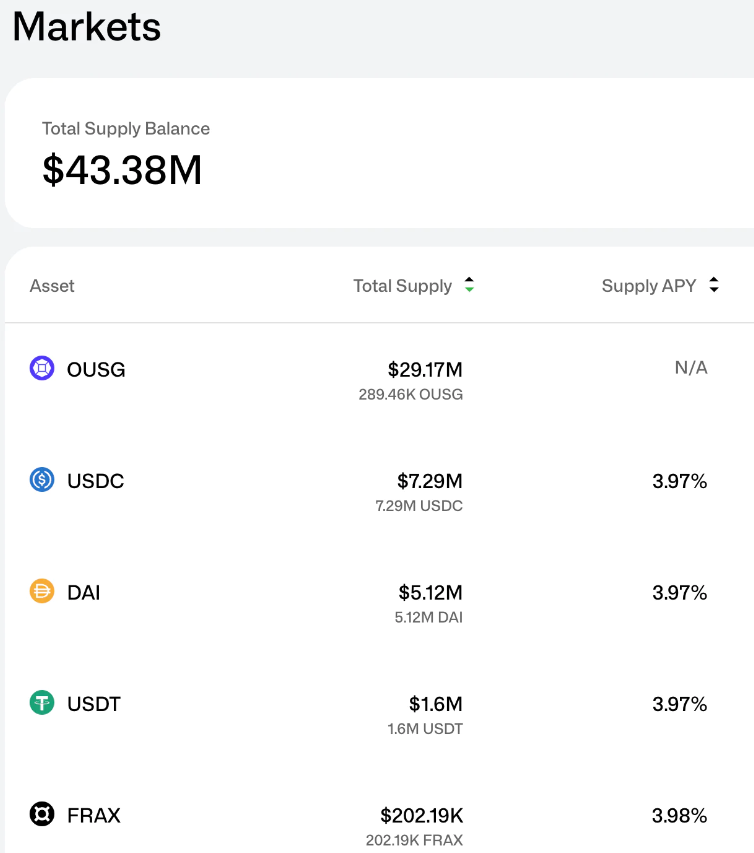
T Protocol
Summarize
Summarize
LinkLink(Cannot be Hong Kong, US or North Korea IP when accessing)
advantage
No license, no threshold;
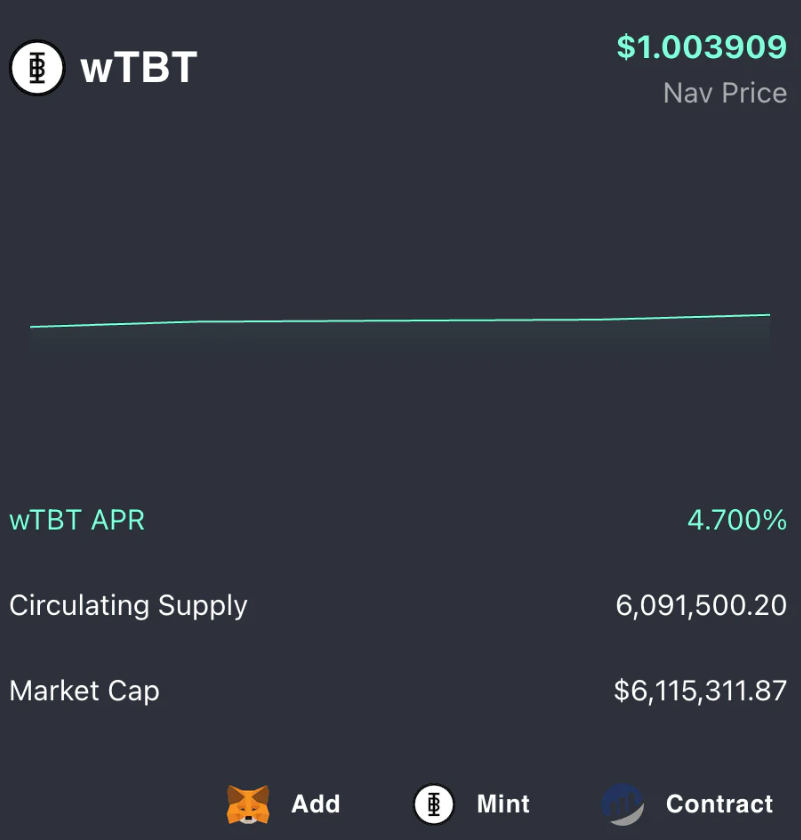
APR is slightly higher than Flux Finance;
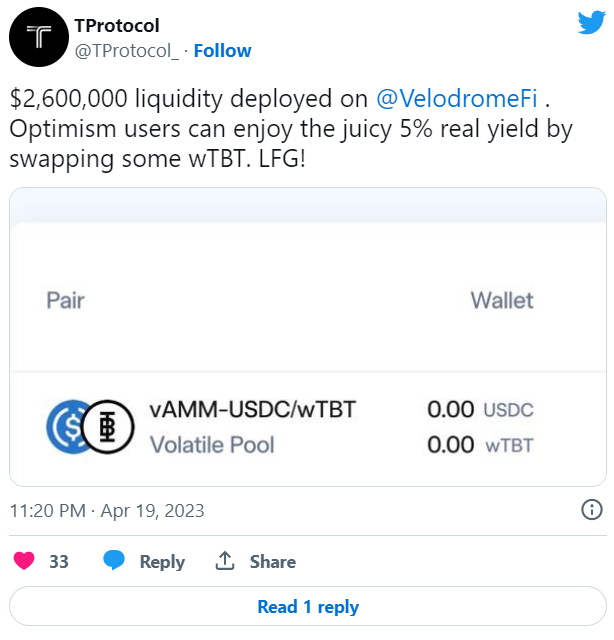
Currently on Ethereum, but plans to expand to Optimism, also seems to go to BNB Chain;
An airdrop of $TPS tokens is in progress, and early miners of TBT have the opportunity to receive an airdrop.
shortcoming
The interface is slightly rough compared to Flux Finance, but this is a common problem of Liquity fork;
Documentation pages are not well organized;
first level title
Ribbon
Ribbon Finance is a project I love and hate. Before FTX collapsed, they launched Ribbon Lend unsecured loan products and Ribbon Earn principal-guaranteed option products. At that time, Ribbon Lend interest was as high as 13%, and I also released 300 k USDC to borrow For Folkvang (known as Little FTX), the project team said that there would be an airdrop for those who deposited before a certain day. I didn’t expect them to cheat and change the date, so I only earned interest money and didn’t get the RBN airdrop.
The basic annualized rate of Ribbon Earn comes from unsecured loans to market makers. Then FTX crashed, and their Ribbon Lend and Earn projects were supposed to die, and I got away with it.
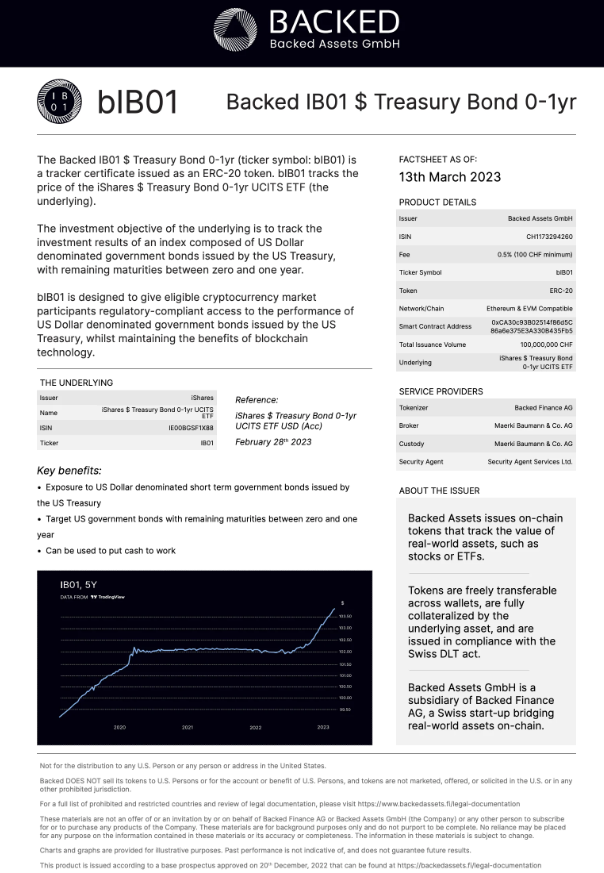
But recently they partnered with BackedFi to launch a principal-guaranteed option product based on treasury bonds.
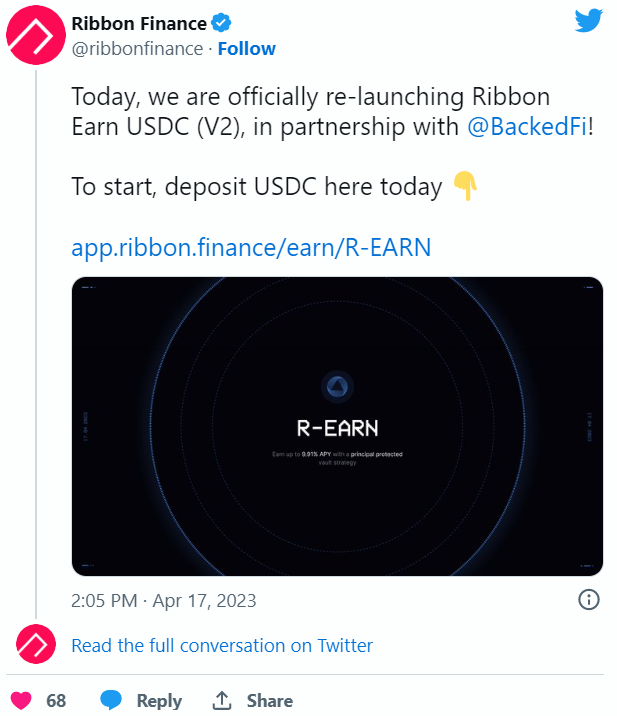
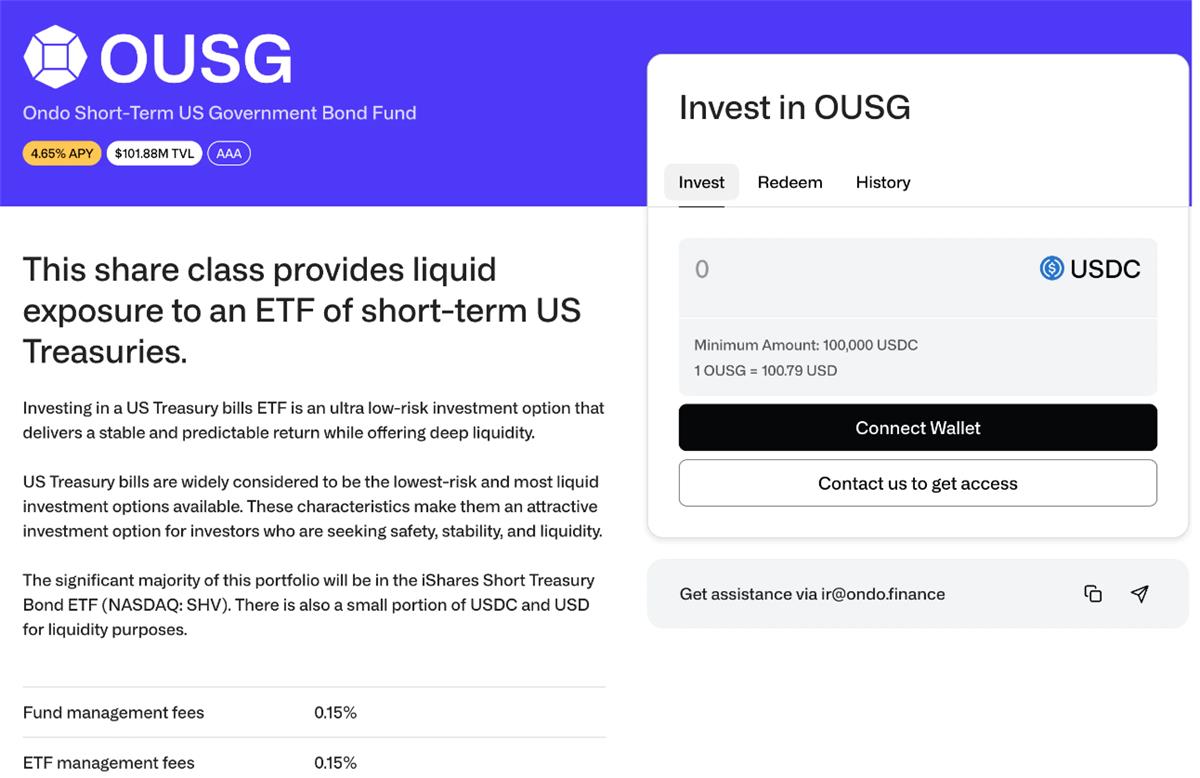
It can be seen from the figure that the annualized rate of the national debt products provided by BackedFi has reached 4.65%, but the pitiful thing is that the basic annualized rate of Ribbon Earn is only 2%, which is far lower than other competitors who are purely unlicensed government bonds.
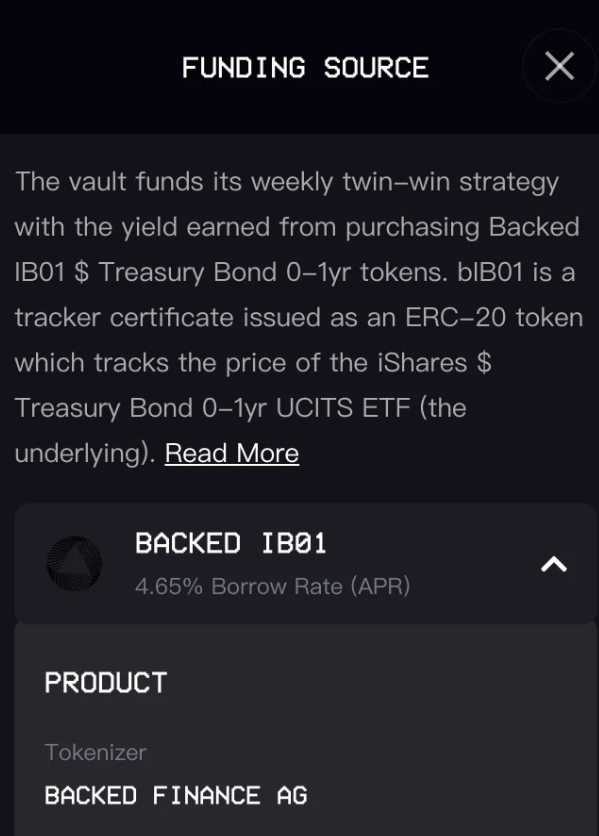
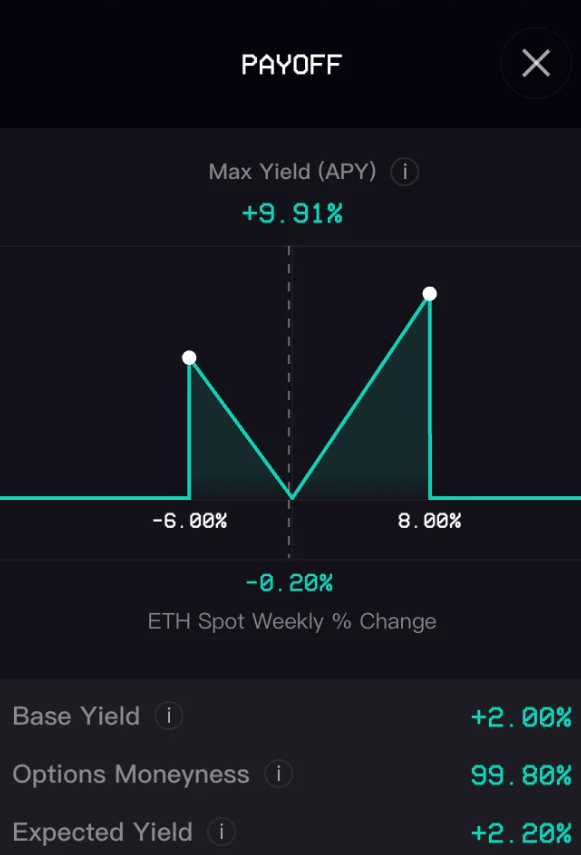
Many people do not understand this option product, and neither do I, so I just copy and paste the words in the document:
Let's explain with an example:
Step 1: You deposit USDC into the R-Earn vault.
Step 2: The vault invests in IB 01 treasuries and charges an interest rate.
Step 3: Ribbon uses the 2% annualized yield to purchase weekly at-the-money knock-out barrier options.
Outcome 1: ETH rises or falls, but does not break the barrier, resulting in a profit for the vault;
Outcome 2: ETH breaks through the barrier, rendering options worthless. However, since the options are purchased with the interest earned on the principal loaned out, you will not lose any money.
Summarize
Summarize
advantage
Beautiful UI
Ribbon Finance's established projects are trustworthy
shortcoming
Low base annualized rate
The product is complex, not everyone understands options
Although Ribbon is a multi-chain deployment, Ribbon Earn is only available in Ethereum