


This article teaches you how to deal with the "generative art" boom in Ethereum


Original title: "Ethereum's "Generative Art" craze is coming, this article teaches you how to deal with it", the author's overnight porridge
image description

Ringer #666
image description
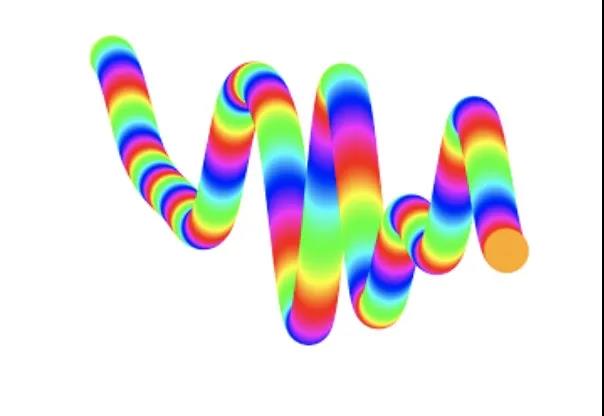
Chromie Squiggly #4637
It sold last night for $275,000.
These are just two examples of the recent boom in "generative art," a form of computer art generated through algorithms.
For "generative art", the artist does not directly create the work, instead, they customize a computer algorithm for generating the artwork! Although "generative art" has historically been a relatively niche area of the art world, it is now in the spotlight thanks to Ethereum and NFTs.
One of the projects spearheading this craze is Art Blocks, a platform where artists and collectors can create and buy unique works of "generative art".
There's a lot to digest here, luckily our resident NFT expert William knows the stuff.
secondary title
1 How to deal with the "generative art" boom in Ethereum
The NFT ecology of Ethereum has experienced vigorous development in 2021, and the fastest growing in this field so far is "generative art".
In this post, we'll take you through the history of this nascent field and give you a quick overview of what Ethereum + "generative art" is all about.
Goal: Explore Ethereum's "generative art" scene
Skills: easy to master
Efforts: 1 hour to familiarize yourself with relevant information
If 2020 is the first breakthrough year of DeFi, then 2021 has been proven to be the first breakthrough year of NFT.
A handful of categories like collectibles, games, virtual worlds, and crypto art are proving to be quite popular amid this craze. And when it comes to the last field - crypto art, the niche market of "generative art" has been the king of it in recent months.
The origins of "generative art" can be traced back to the 1960s. In the past, some artists denounced generative creation as not real art, and some technologists thought the field was boring.
With all due respect, I think such criticism is complete nonsense. As long as creativity is used in interesting ways, that is art. Generative artists have long been creative in innovative and sublime ways.
Why?
Why?
secondary title
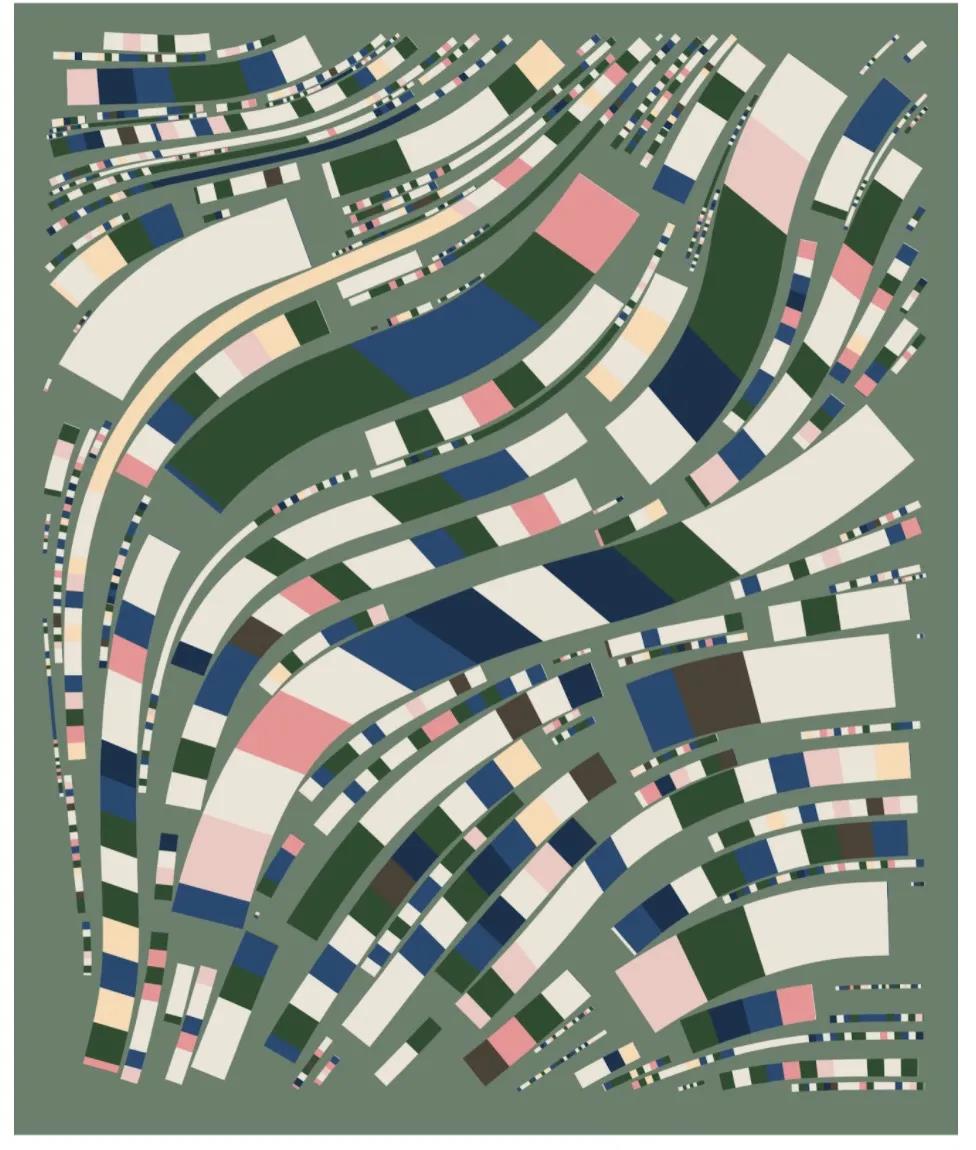
Fidenza #0 by Tyler Hobbs via Art Blocks
2 What is generative art?
"Generative art" is algorithmic art, which is a form of art generated by computers. "Generative art" works use an algorithm customized by the artist to produce unique output results.
In the context of Ethereum and NFTs, "generative art" typically involves artists uploading custom art algorithms into smart contracts. When a collector calls the mint function on the contract, the underlying algorithm will output unique artwork in the form of NFT.
Therefore, automation and disintermediation are important elements of Ethereum's generative art scene. As accomplished artist and ringtone producer Dmitri Cherniak put it this year:
"I like to say that 'automation' is my artistic medium, and this project allowed me to realize my artistic vision from start to finish; from selling via smart contracts, to generating artwork using unique transaction hashes, to sending to Wallet tokens deliver merchandise. My 'art' is to make sure someone can get their hands on an interesting and unique piece without any human interaction."
If you're just starting to pay attention to "generative art" and are keen to delve deeper into it, then two articles by art historian and crypto-art pioneer Jason Bailey (aka Artnome) I personally think are must-reads. These two articles are:
"Why do you love generative art?" - August 2018
https://www.artnome.com/news/2018/8/8/why-love-generative-art
secondary title
https://www.artnome.com/news/2019/4/08/autoglyphs-generative-art-born-on-the-blockchain
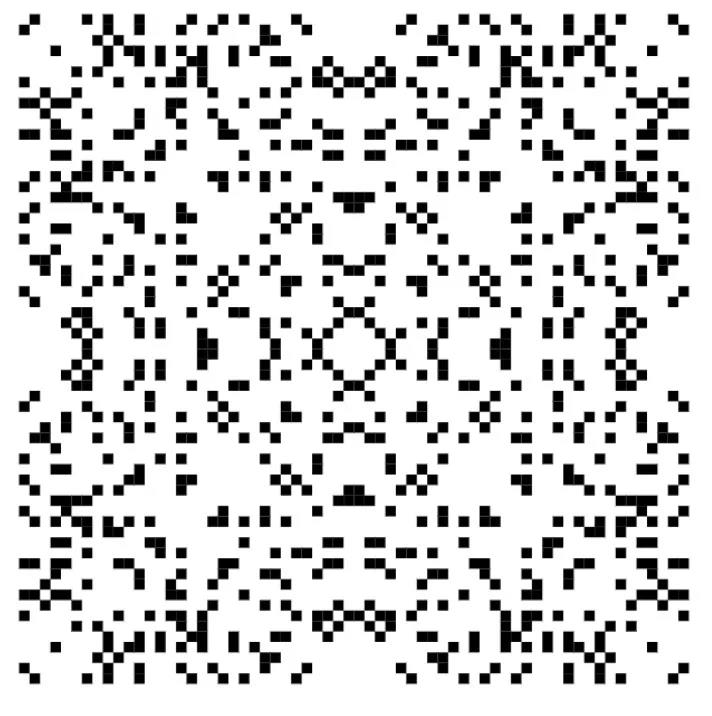
Autoglyph #14 by Larva Labs
3 A Brief History of Encryption "Generative Art"
The entire history of crypto generative art cannot be unfolded one by one, here are some major events that everyone needs to remember:
CryptoPunks (June 2017): Images for CryptoPunks are procedurally generated off-chain by Larva Labs.
MoonCats (August 2017): The first on-chain NFT collectibles project, all generation and data is entirely powered by Ethereum.
CryptoArte (August 2018): A generative art project to create artwork based on Ethereum blocks.
Autoglyphs (April 2019): Larva Labs' first on-chain crypto art project.
BitsForAI (January 2020): Self-described as "a 16-bit NFT generated for future AI art collectors".
Chainfaces (January 2020): Text Faces, created on-chain by Nate Alex;
Avastars (April 2020): An on-chain avatar collectible whose 12 "genes" consist of generative vector art.
Proof of Beauty (September 2020): Similar to the aforementioned CryptoArte project, Proof of Beauty lets collectors tokenize Ethereum transactions into unique generative artworks.
Squiggly (October 2020): 100 compositions by Nate Alex consisting of "randomly generated squiggly lines entirely on chain";
Art Blocks (November 2020): Ethereum's first on-chain generated art dapp, tailored for artists and collectors.
secondary title
Ringer #879, a.k.a “The Goose” by Dmitri Cherniak via Art Blocks
4 The Prosperity of Art Blocks
If the creation of CryptoPunks is a representative event of NFT in 2017, then in 2021, I think Art Blocks will have a similar atmosphere.
Why is it rising so quickly?
(1) Art Blocks is led by some of the most talented people in the NFT field, such as Snowfro and Jeff Davis.
(2) The platform has also introduced some of the most iconic generative artists of our time, including Dmitri Cherniak and Tyler Hobbs.
(3) A passionate community is rapidly growing around the project. Those three things lead to all the magic we've seen lately!
In more detail, Art Blocks currently has three different branches:
Art Blocks curation: These are a collection of generative art curated by the Art Blocks team, so in that sense many consider these works to be the very essence of the Art Blocks world.
Art Blocks Playground: Any artist who has previously curated an Art Blocks pitch will have access to the Playground, a sandbox system that allows those artists to pitch their work without having to go through the "curation" process again.
secondary title
5 How to mint "generated artwork" on Art Blocks
To mint and generate artwork on Art Blocks, all you need is some ETH and a browser wallet like MetaMask.
Of course, this is just a brief statement, the more specific answer is that Curated, Playground, and Factory all work on their own schedules, so you'll have to follow the community communications to see what's going on.
Then there is the issue of gas competition. When Art Blocks releases artwork, many people will try to mint it, so that the gas price will rise sharply. I don't think anyone will like these "wars", but on the other hand, they show that Art Blocks has found a product that fits the market very well!
The good news is that Art Blocks has recently been experimenting with new delivery styles (e.g. Dutch Auctions where the minting price drops steadily over time) to help prevent major gas events, and these experiments have worked well so far.
Lastly, if you plan to mint artwork on Art Blocks, make sure you (1) keep track of the time, and (2) have some ETH ready to pay for gas.
Speaking of the last point, never invest in NFTs with ETH you can't afford, it could be a one-way ticket to getting you into trouble. In addition, if you missed some of the artwork put on by Art Blocks, but still want to participate, you can also participate in the transaction on NFT secondary markets such as OpenSea.
You can check out these resources:
Art Blocks Cumulative Sales Dune Analytics Dashboard by @rantum
DeGenData Art Blocks Curation and Playground Analysis
Early Art Blocks feature rarity analysis provided by rarity.studio
Art Blocks Community Wiki
secondary title
6 Looking to the future
Dapps like Art Blocks are ushering in the "golden age" of "generative art" on Ethereum. In the meantime, you'll have to be patient, and remember, Art Blocks hasn't even had its first birthday yet, it's still early.
This article is from The Way of DeFi, reproduced with authorization.
This article is from The Way of DeFi, reproduced with authorization.





