


Market Analysis | Ethereum transaction volume soared by more than 1,000% in the first half of this year, and demand is returning to the market


Original title: "Market Analysis: Ethereum trading volume soared by more than 1,000% in the first half of this year, and institutional buying drove the crypto market rebound", author Amy Liu
Ethereum transaction volumes soared more than 1,000% in the first half of the year, easily outpacing Bitcoin's growth for the first time.
Ethereum's native token outperformed Bitcoin and other major cryptocurrencies in terms of trading volume in the first half of 2021, according to data from Coinbase, the largest U.S. cryptocurrency exchange.
In the first half of this year, Ethereum transaction volume soared 1,461% to $1.4 trillion, up from $92 billion in the same period last year. In contrast, the increase in bitcoin trading volume was relatively low, rising 489% to $2.1 trillion from $356 billion in the same period last year.
According to data from Coinbase, this is the first time that Ethereum’s transaction volume growth has consistently outpaced that of Bitcoin.
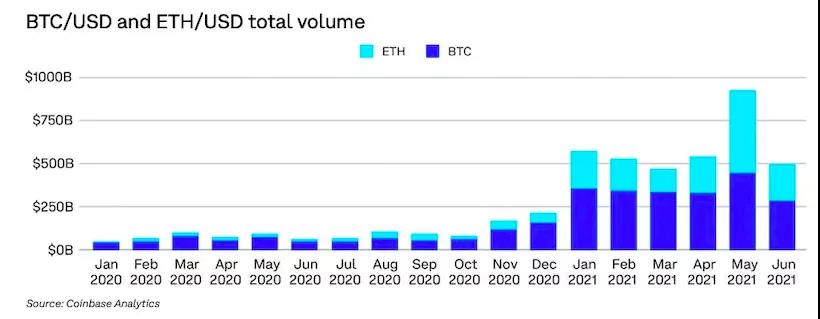
According to data collected from 20 crypto exchanges around the world, the first half of 2021 has been one of the most active periods on record for cryptocurrencies, with both user adoption and trading activity hitting new highs.
Data show that at the beginning of this year, the total market value of cryptocurrencies was $769 billion, and it rose by 86% to $1.4 trillion at the end of the second quarter.
While Bitcoin is considered an emerging store of value that can rival gold, it is not as versatile in use as Ethereum.
Factors leading to ethereum's outperformance include increased use of decentralized finance applications and investor optimism about ethereum's upgrade to "ETH 2.0," Coinbase said in the report.
Many large institutional clients, including hedge funds, endowments, and corporations, increased their ETH holdings in the first half of 2021.
Both ethereum and bitcoin have soared, up 210% and 37%, respectively, so far this year.
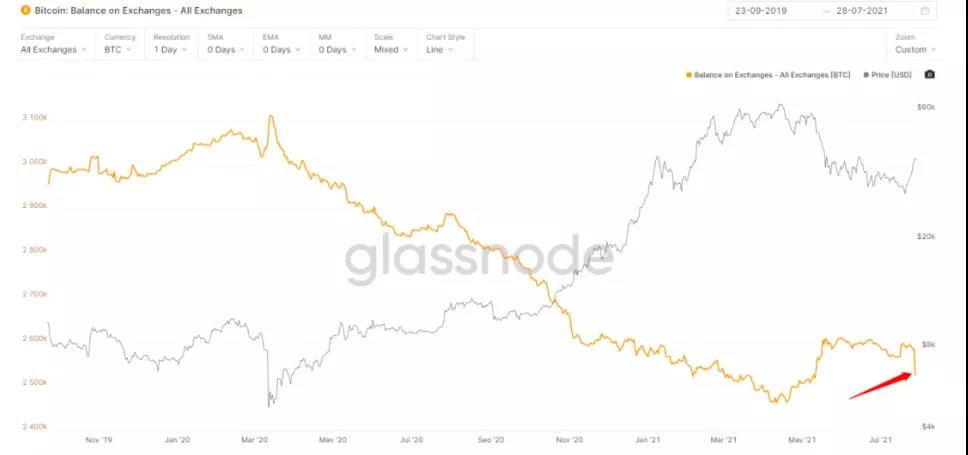
According to data from Glassnode, the outflow of bitcoin from exchanges reached more than 60,000 yesterday, the largest single-day outflow in nearly a year.
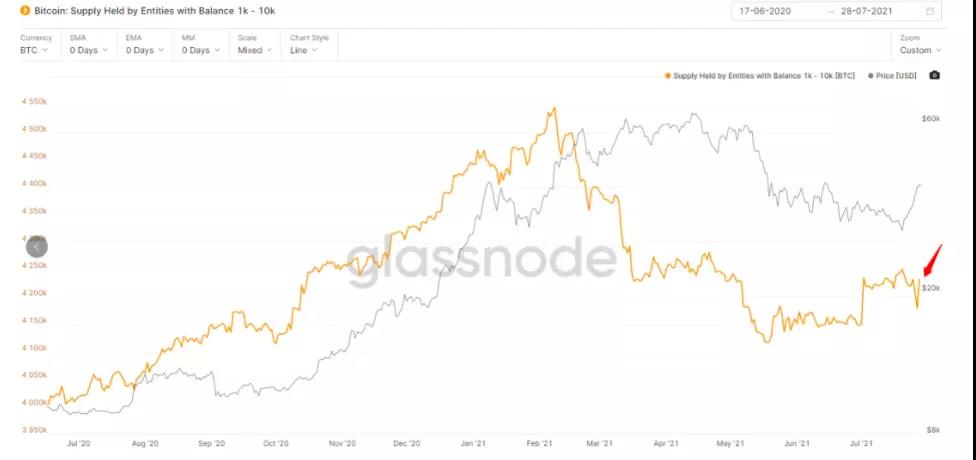
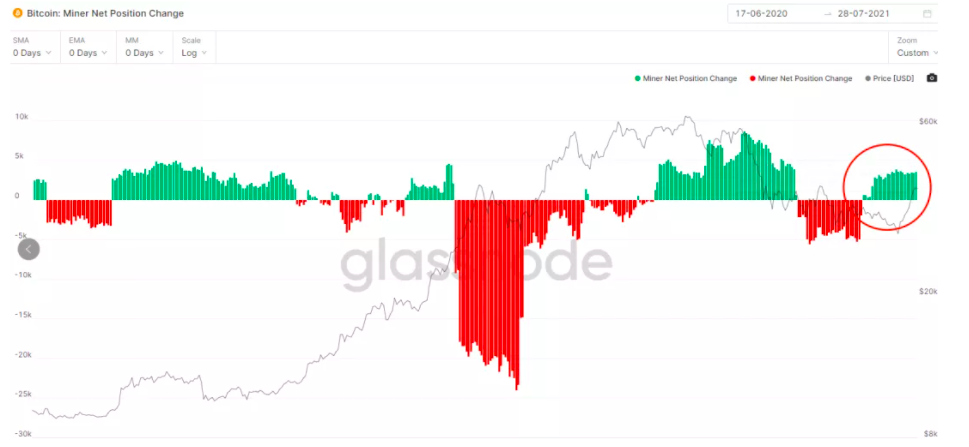
At the same time, 1k-10k bitcoin addresses increased their positions, and miners continued to accumulate without selling coins.
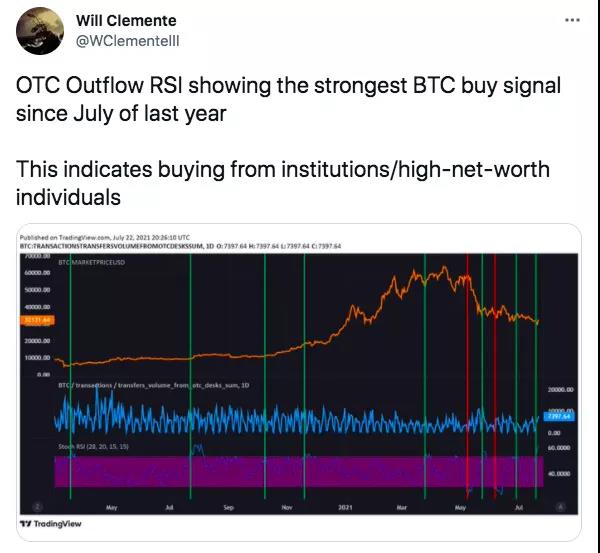
Market analyst William Clemente tweeted that the outflow RSI shows the strongest BTC buy signal since last July. This suggests buying is coming from institutions/high net worth individuals.
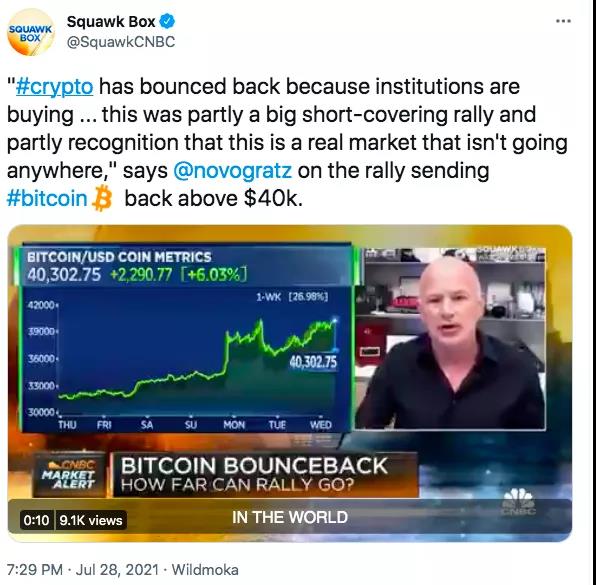
Mike Novogratz, CEO of Galaxy Digital, said in an interview with CNBC that institutional buying is an important reason for the recent rebound in the crypto market.
Bitcoin, the leading cryptocurrency by market capitalization, currently has a price floor of around $37,300, Chainalysis wrote in its latest market report on Thursday.
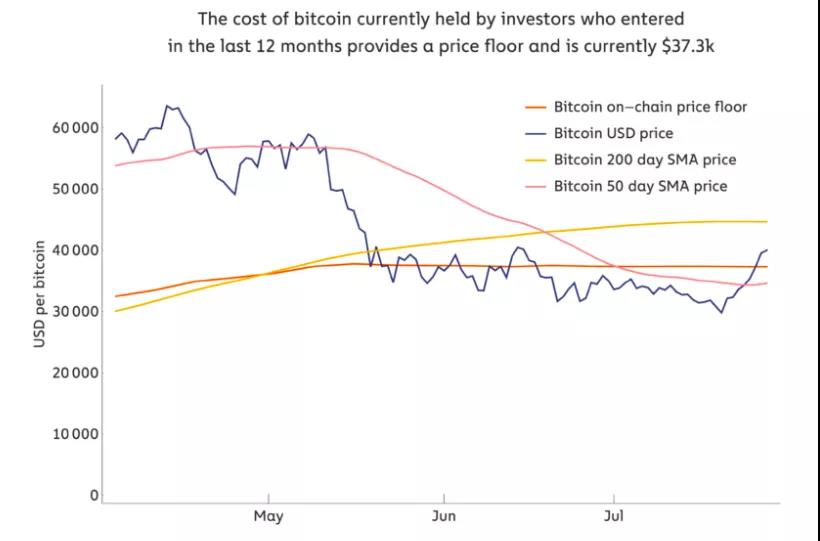
The analysis writes that the market is holding the price floor as demand from existing whale investors (large Bitcoin holders) has resumed.
Bitcoin prices have risen in a month, from $35,000 on June 30 to nearly $40,000 today. It took three weeks to fall, falling below $30,000 on July 20 before rising sharply again.
Ethereum prices have been flat for the month at around $2,300, but also fell to a low of $1,700 on July 20 before rising recently.
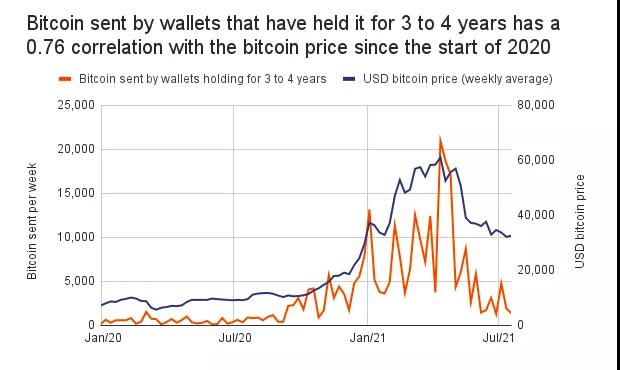
In traditional markets, the relationship between fundamentals and price tends to stabilize over time. For Bitcoin, changes in price can be far greater than changes in fundamentals. That said, there are some highly correlated metrics. For example, since the beginning of 2020, bitcoins sent by wallets that have held bitcoins for 3 to 4 years have a correlation of 0.76 with the bitcoin price, as shown in the graph. This makes sense because long-term holders simply give away their bitcoins at top prices, and when they sell bitcoins, they essentially increase the supply, which puts pressure on the price.
Whale investors have bought again in the past week, restoring holdings to mid-May levels, although this was driven by existing whales rather than new ones. There have also been greater efforts within the industry, such as the B Word conference, to address investor concerns. Therefore, demand is returning to the market. Since the price drop in May, supply has become more liquid and is only as liquid now as it was in December 2020. All of this suggests that the market is at least sideways and unlikely to enter a phase of extreme price declines.
This article is from Bitpush.News, reproduced with authorization.
Author: Amy Liu
This article is from Bitpush.News, reproduced with authorization.





