






SignalPlus:2023年宏观回顾及2024年展望



Welcome to read the SignalPlus 2024 Macro Outlook, and sincerely thank all friends for their continued support and encouragement. SignalPlus looks forward to continuing to provide opinions and solutions to our customers in the future. Please feel free to contact our team via TG / X / WeChat / Email , share your opinions and suggestions.
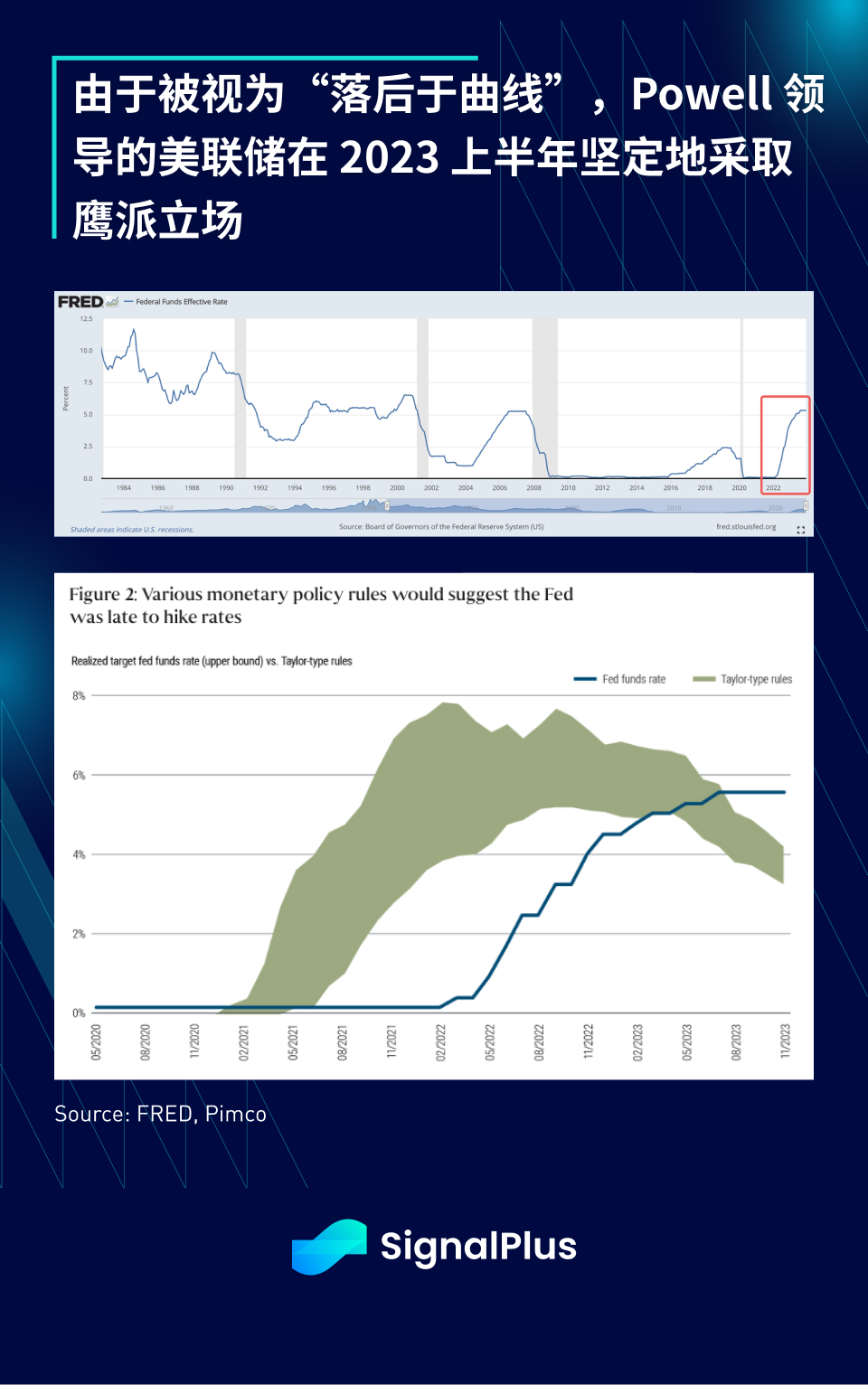
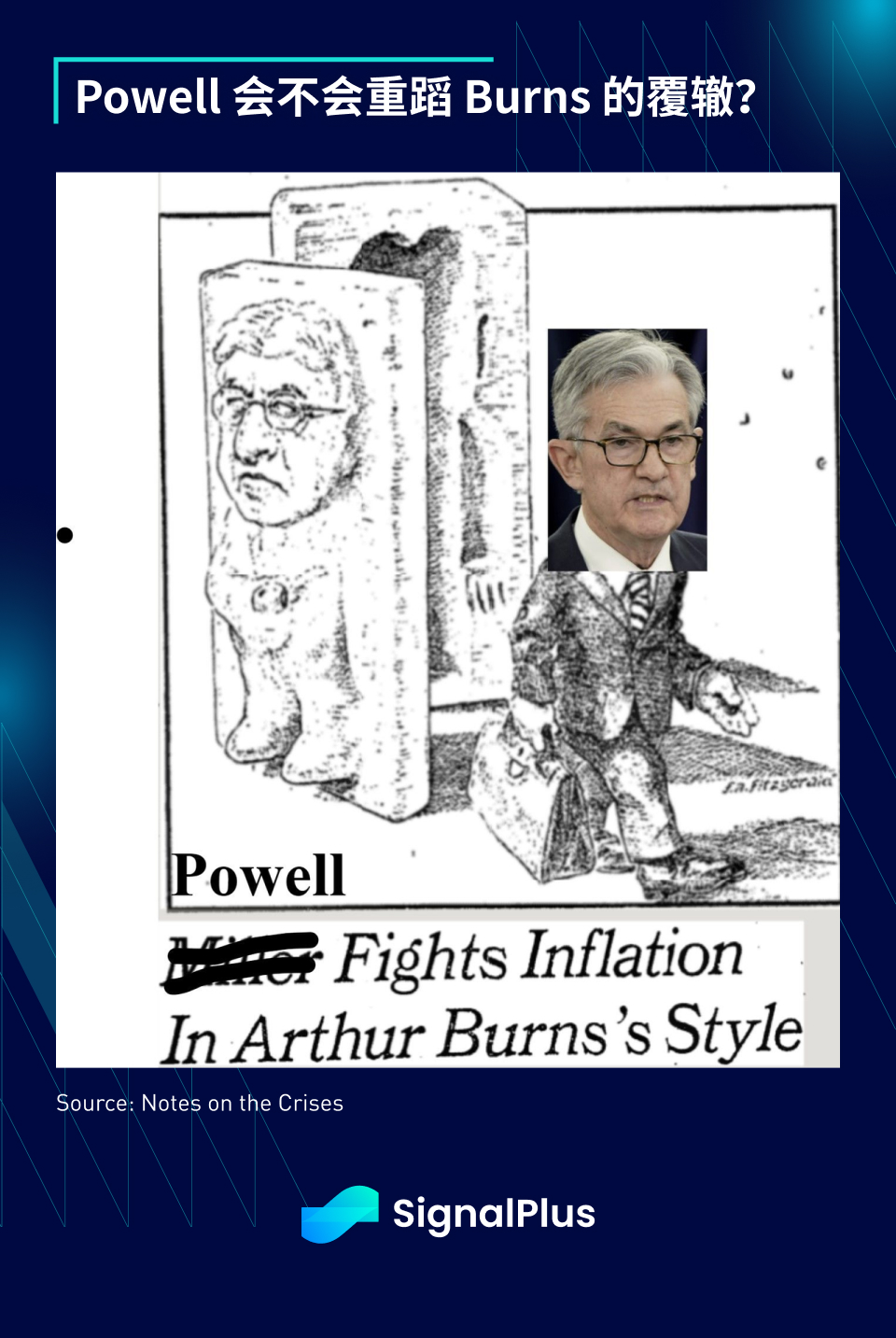
As the Federal Reserve takes unprecedented action to raise interest rates, bond yields face the risk of taper tantrum and asset prices are widely expected to plummet. In the first half of 2023, the Federal Reserve led by Powell firmly maintains its advocacy of fighting inflation and has no intention of confronting the FOMC. For asset markets, every step poses a challenge.
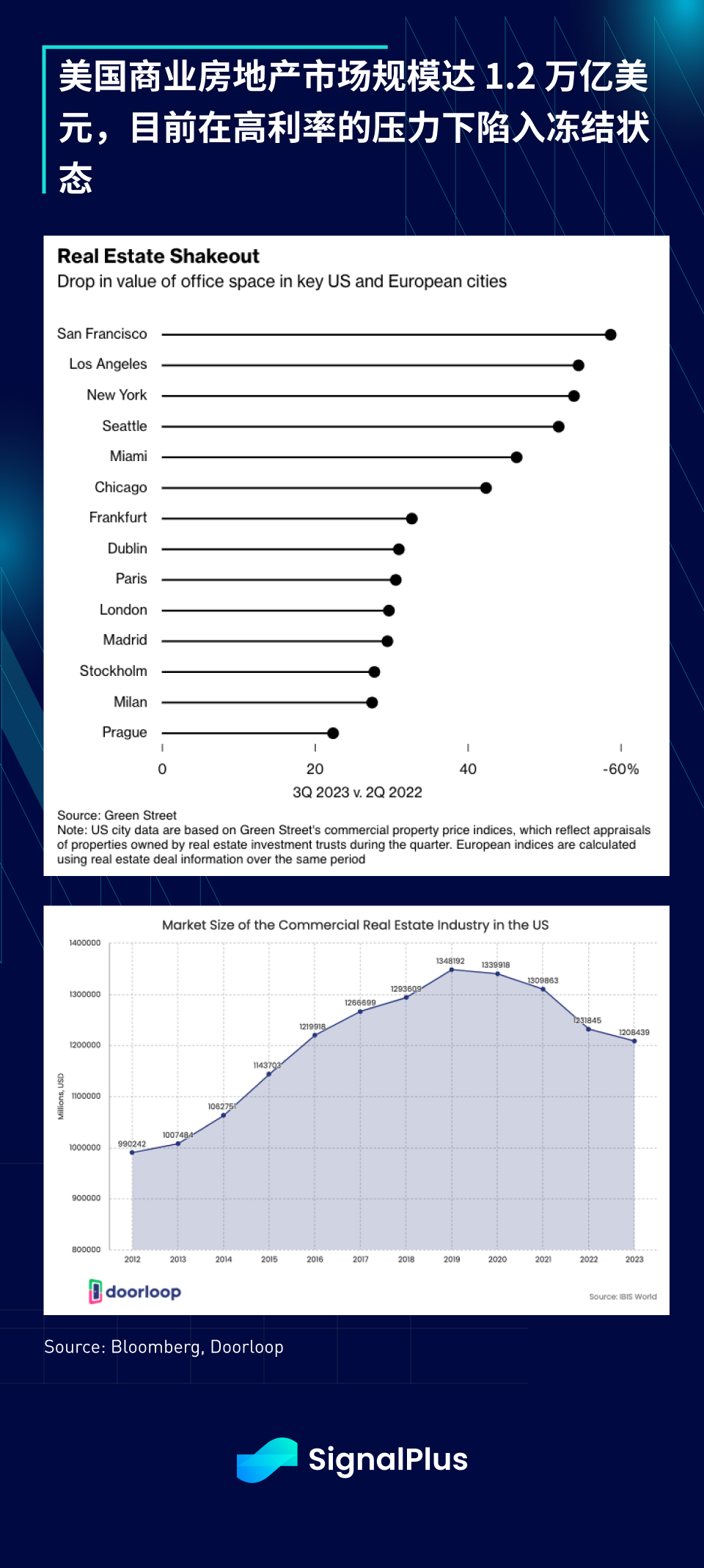
While the problems facing high-value, institutionally held commercial real estate may only affect professional investors, the pain of tightening interest rates is quickly spreading to regional banking systems and may even spill over to other parts of the economy; discount rates The surge resulted in a significant impairment of the banks held-to-maturity net book assets and became the trigger for a severe panic in the regional banking system, ultimately leading to the rapid collapse of Silicon Valley Bank (SVB) in the first quarter of last year.
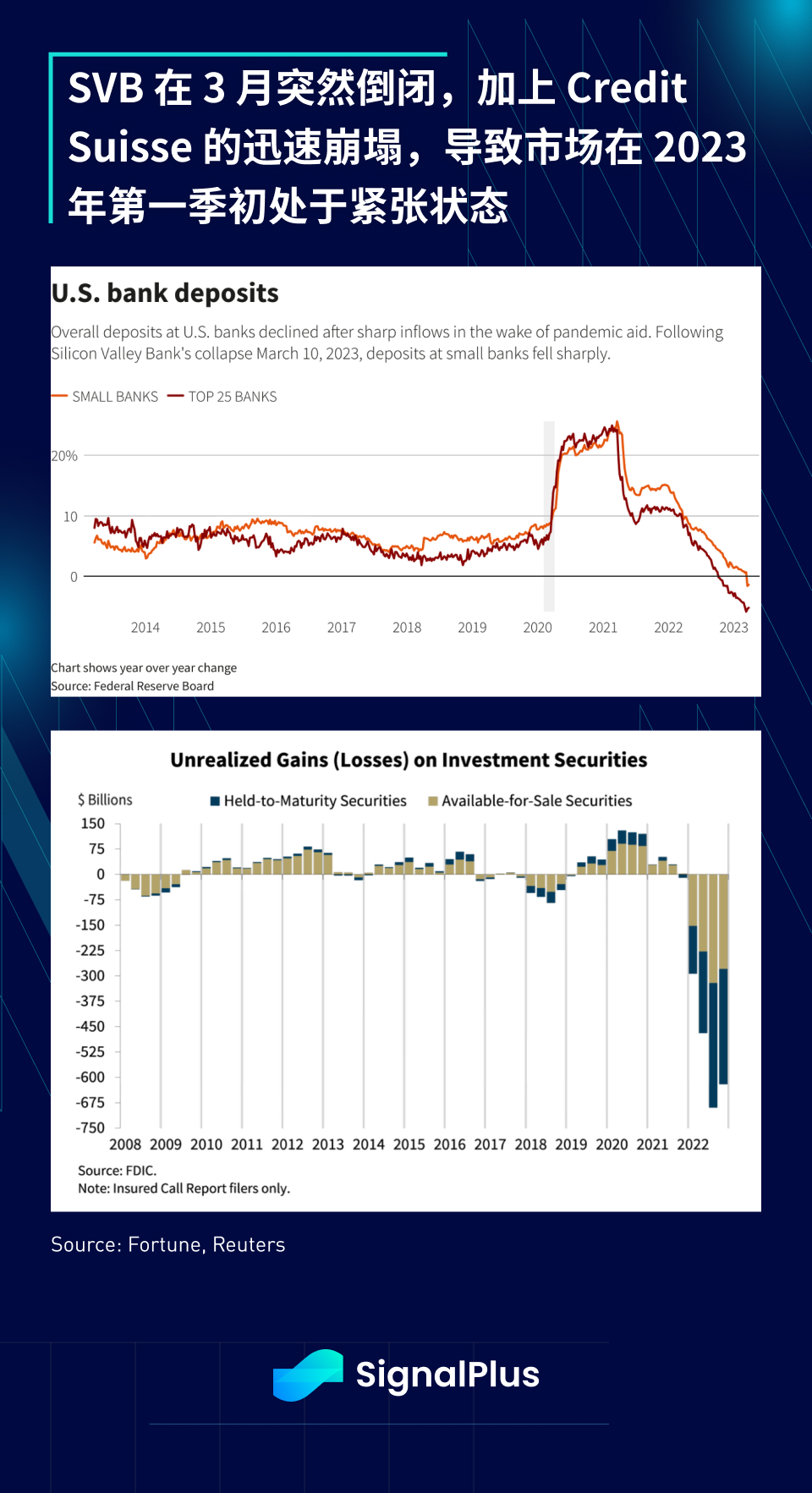
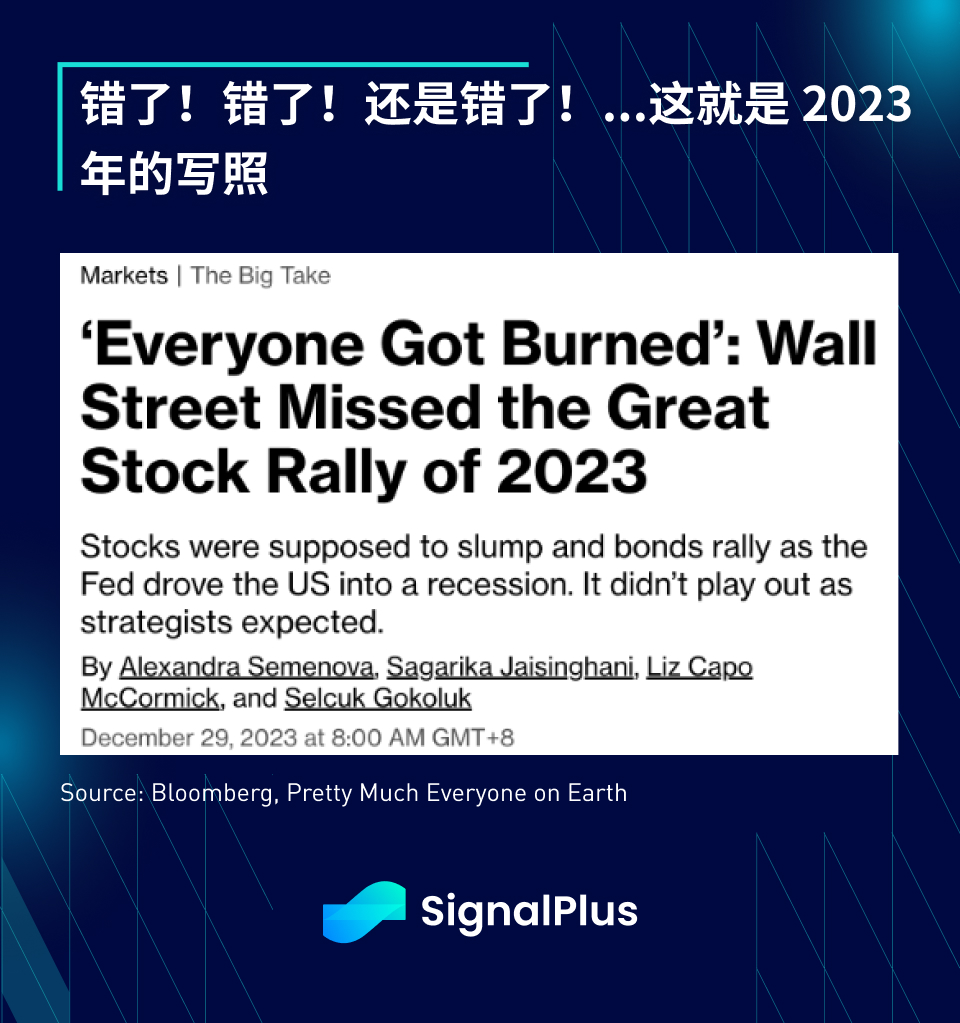
Inflation remains above trend, the U.S. banking system faces Lehman-like contagion risks, the commercial real estate and private equity industries have stalled, and the Fed remains aggressive in fighting inflation. The combination of these factors should give U.S. risk markets a It’s a heavy blow and the stock market is due for its long-awaited correction, right?

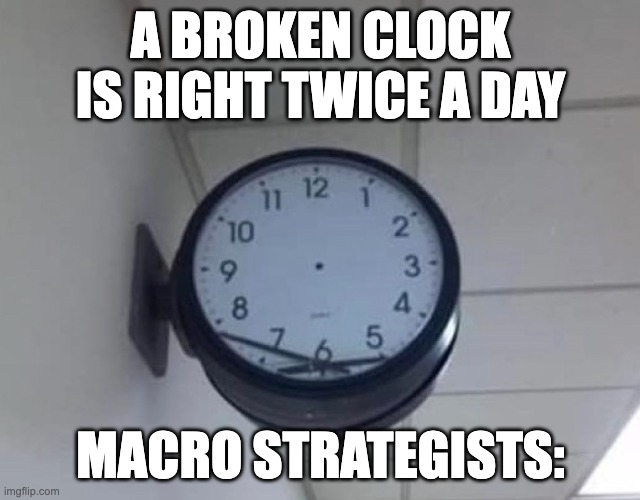
If you think so, you may end up being a laughing stock; instead, the SP Index returned a whopping 26.3% in 2023, and the Nasdaq Index returned a whopping 54%, even though overnight rates surged 100 basis points, and the 10-year U.S. Treasury yield Basically unchanged at 3.8% in 2023; active managers are once again significantly underperforming the index (again) and US stocks are once again outperforming every other global market.
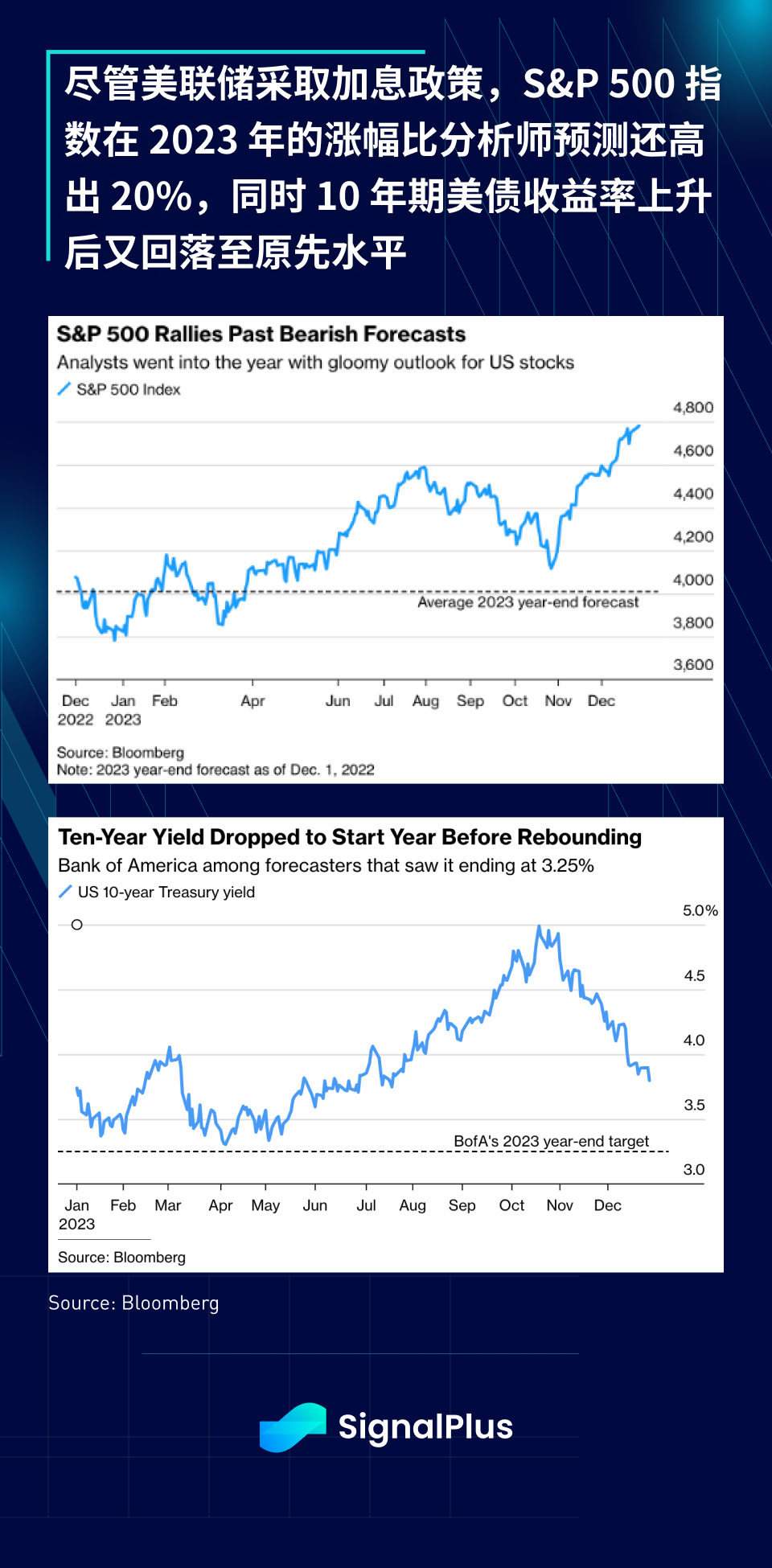
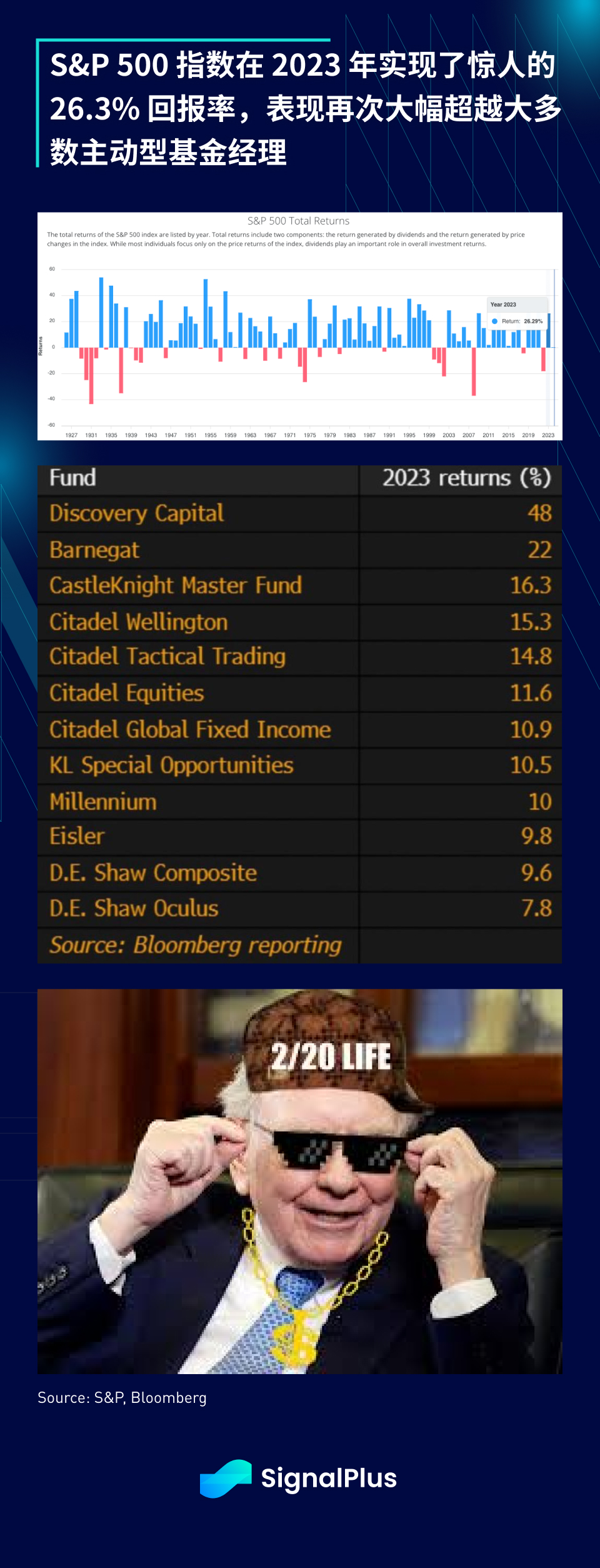
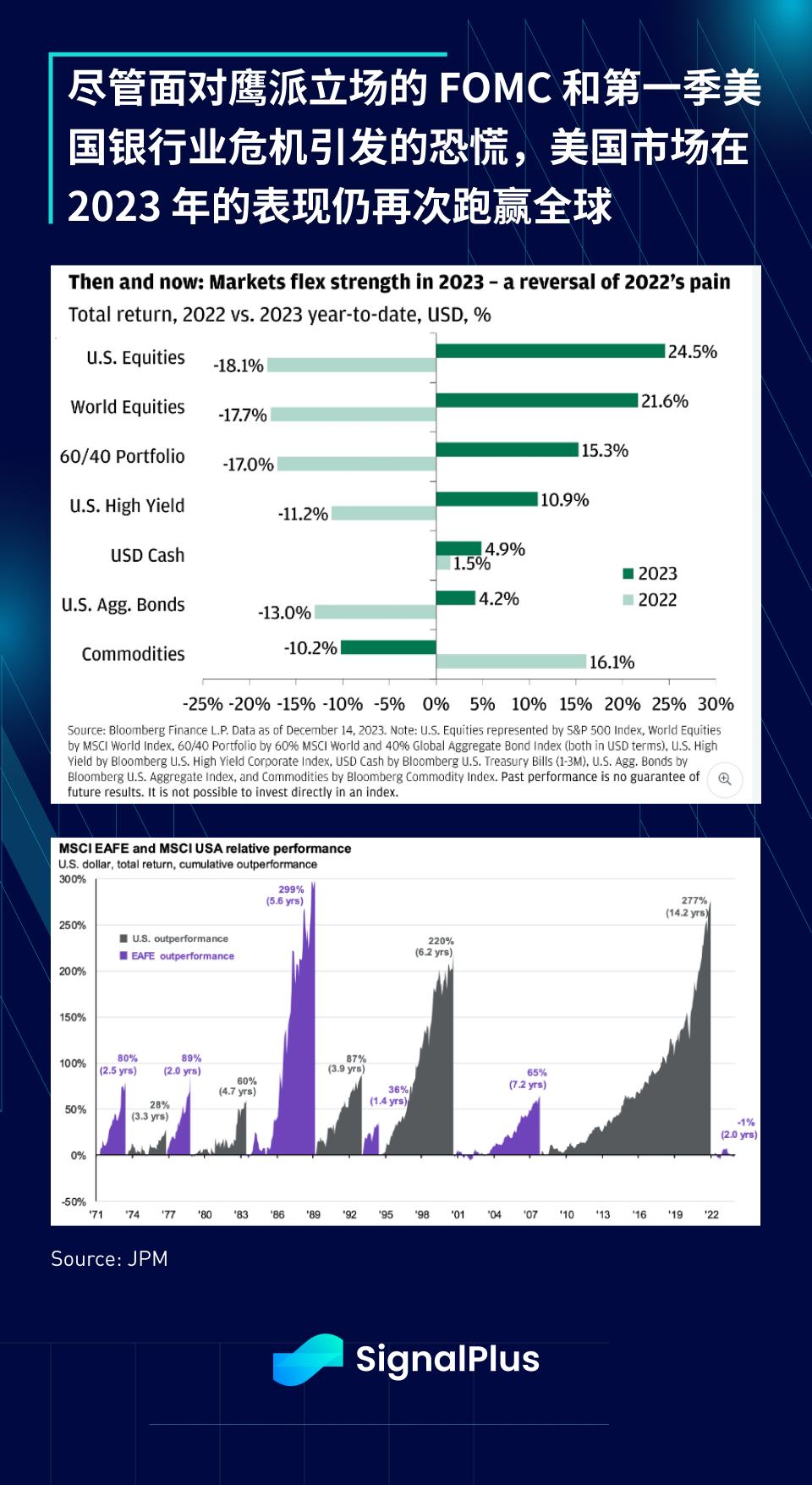
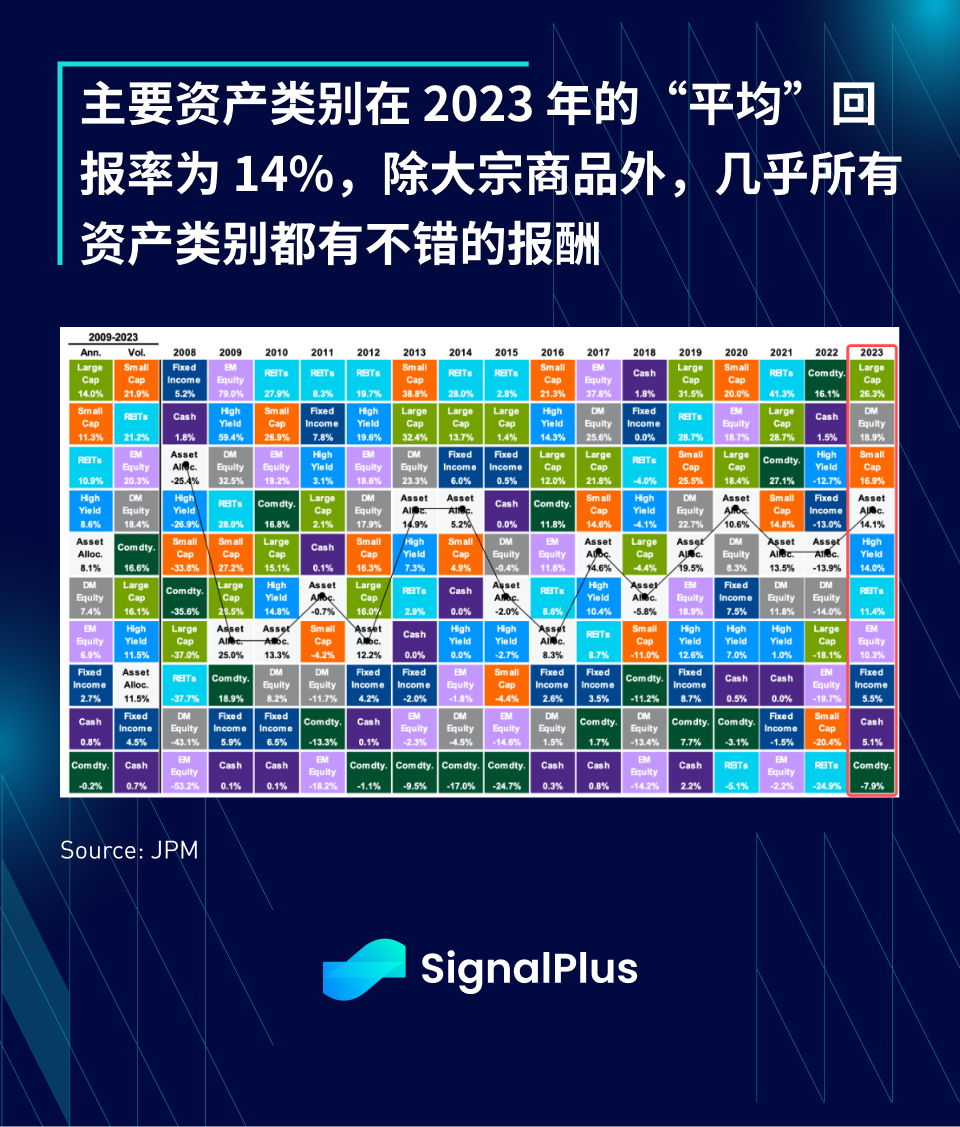
Why is performance so strong in 2023?
Investors are generally under-positioned after a tough 2022
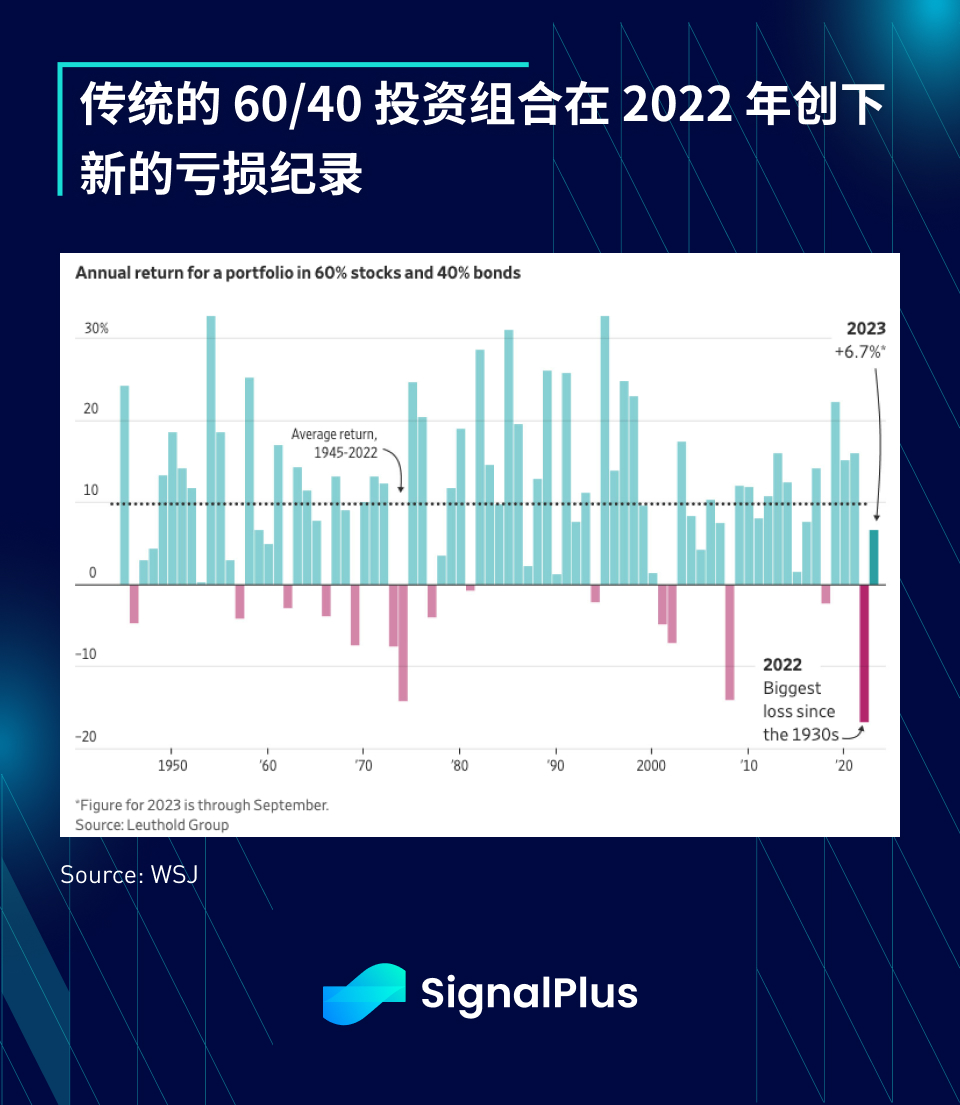
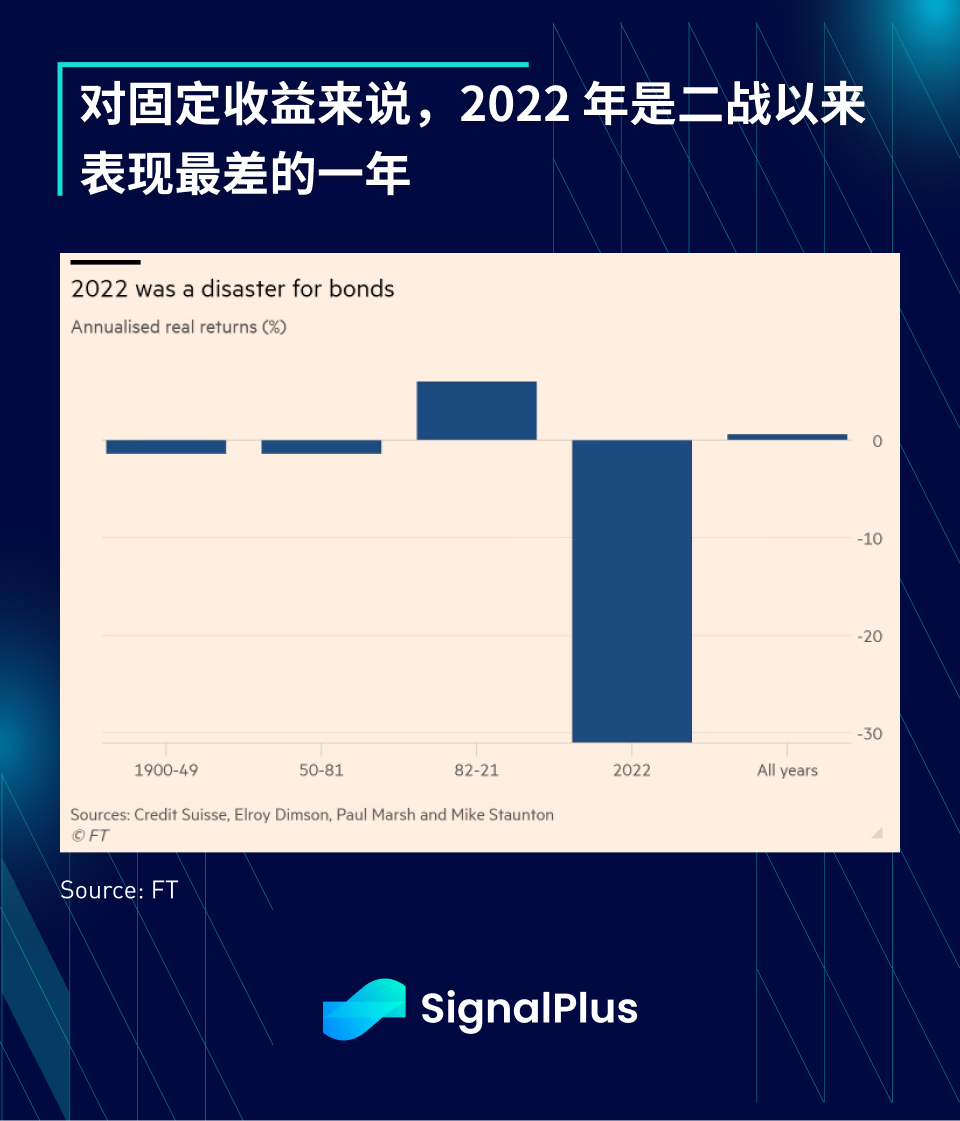

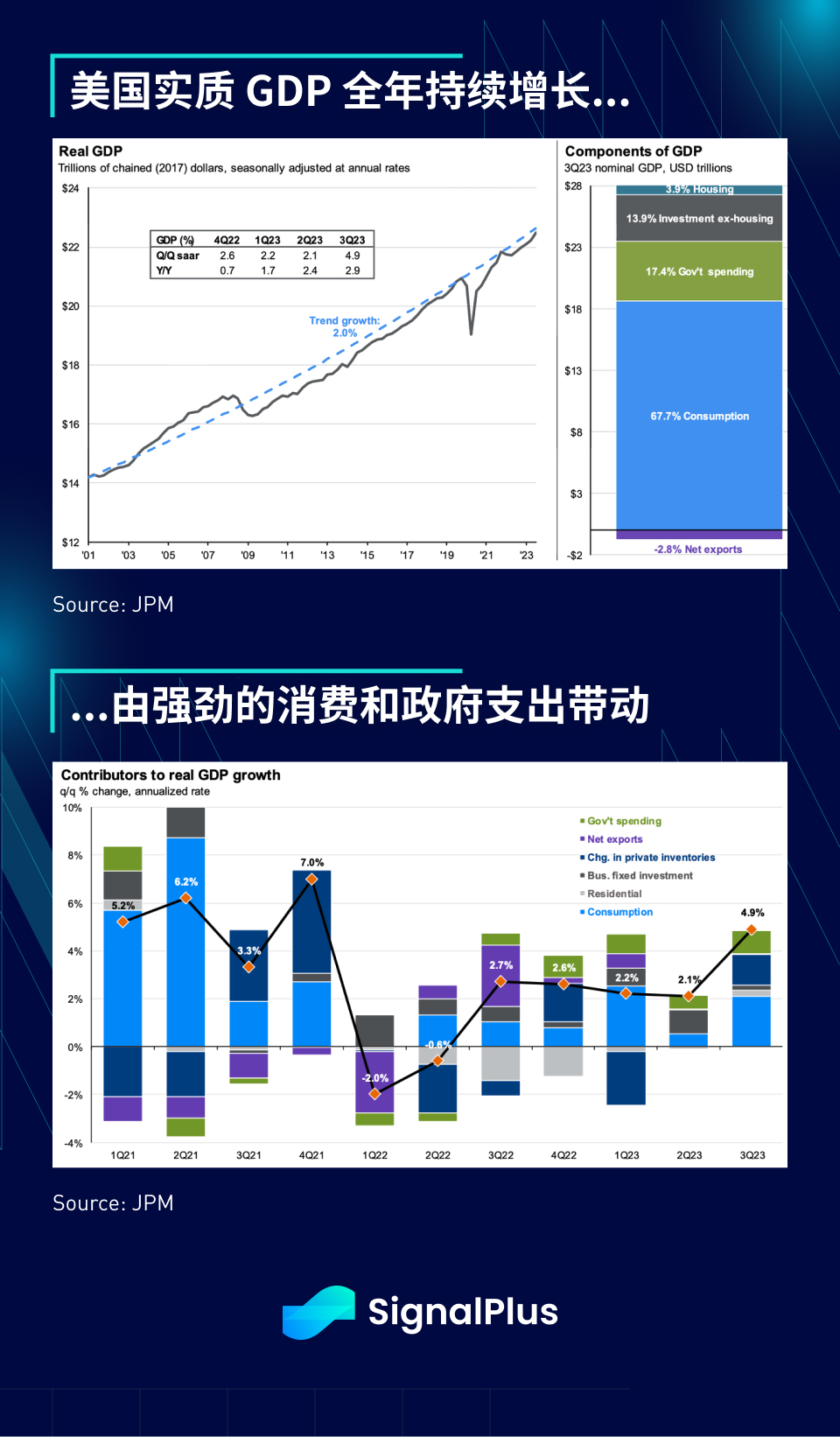
Even though the market is flooded with pessimistic forecasts of a global economic slowdown, and the inversion of the yield curve is constantly regarded as a conclusive signal of an imminent economic recession, in fact the U.S. economy is still far from a recession, and consumption performance throughout the year is particularly outstanding.
pessimism
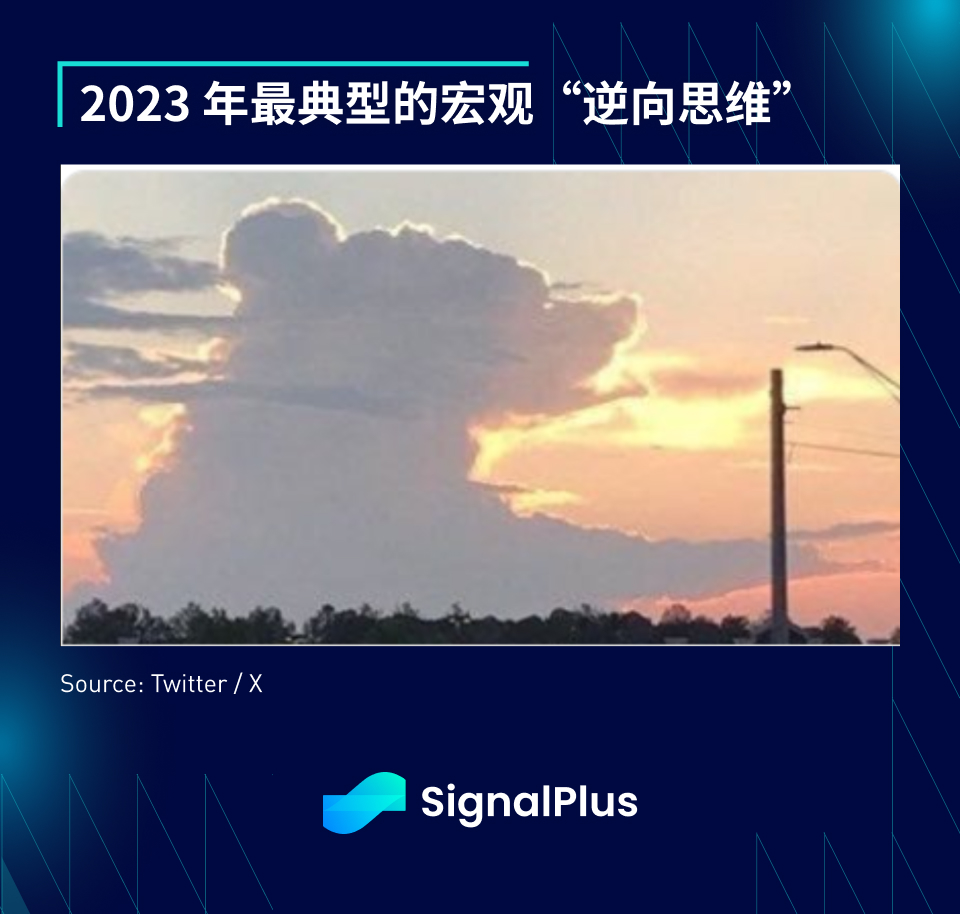
Investors have chosen to remain pessimistic even as economic data suggested the opposite, with soft-data sentiment surveys lagging hard data all year, as if it was more honorable to buck the trend and be bearish.
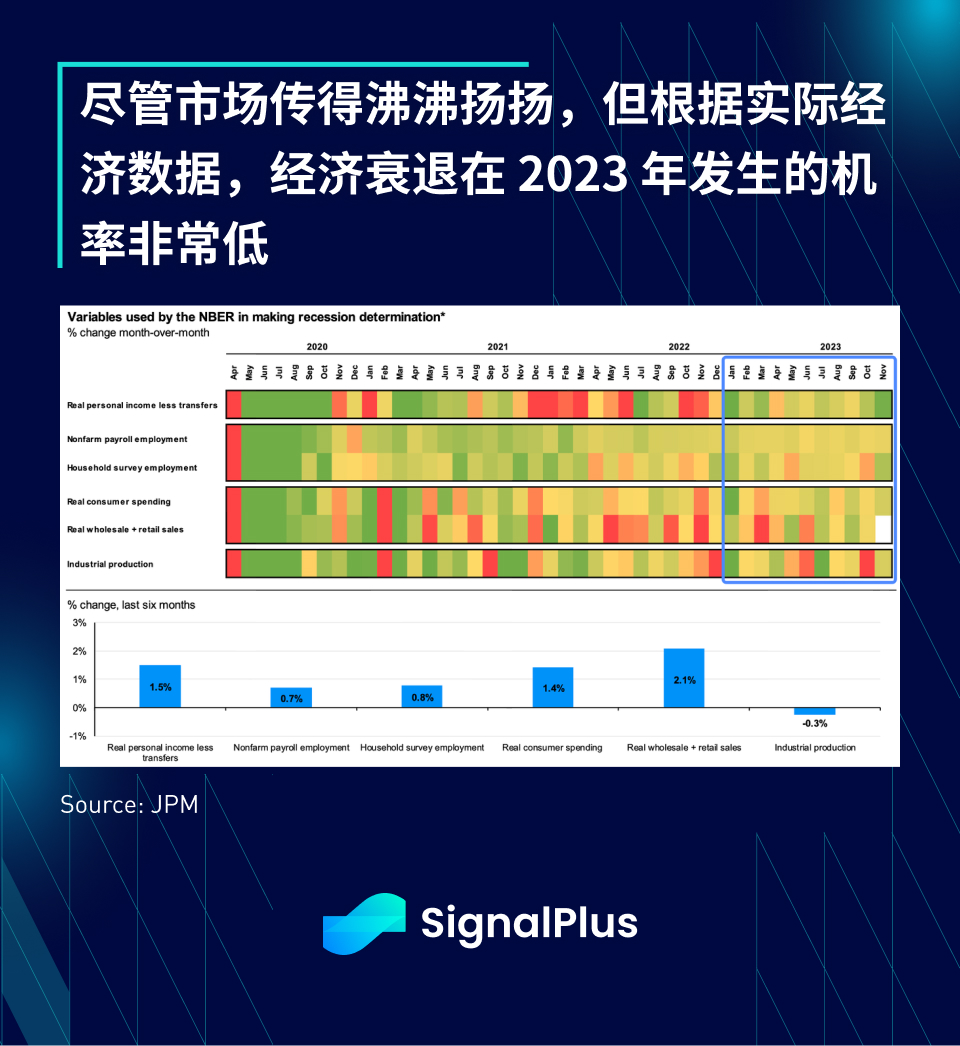
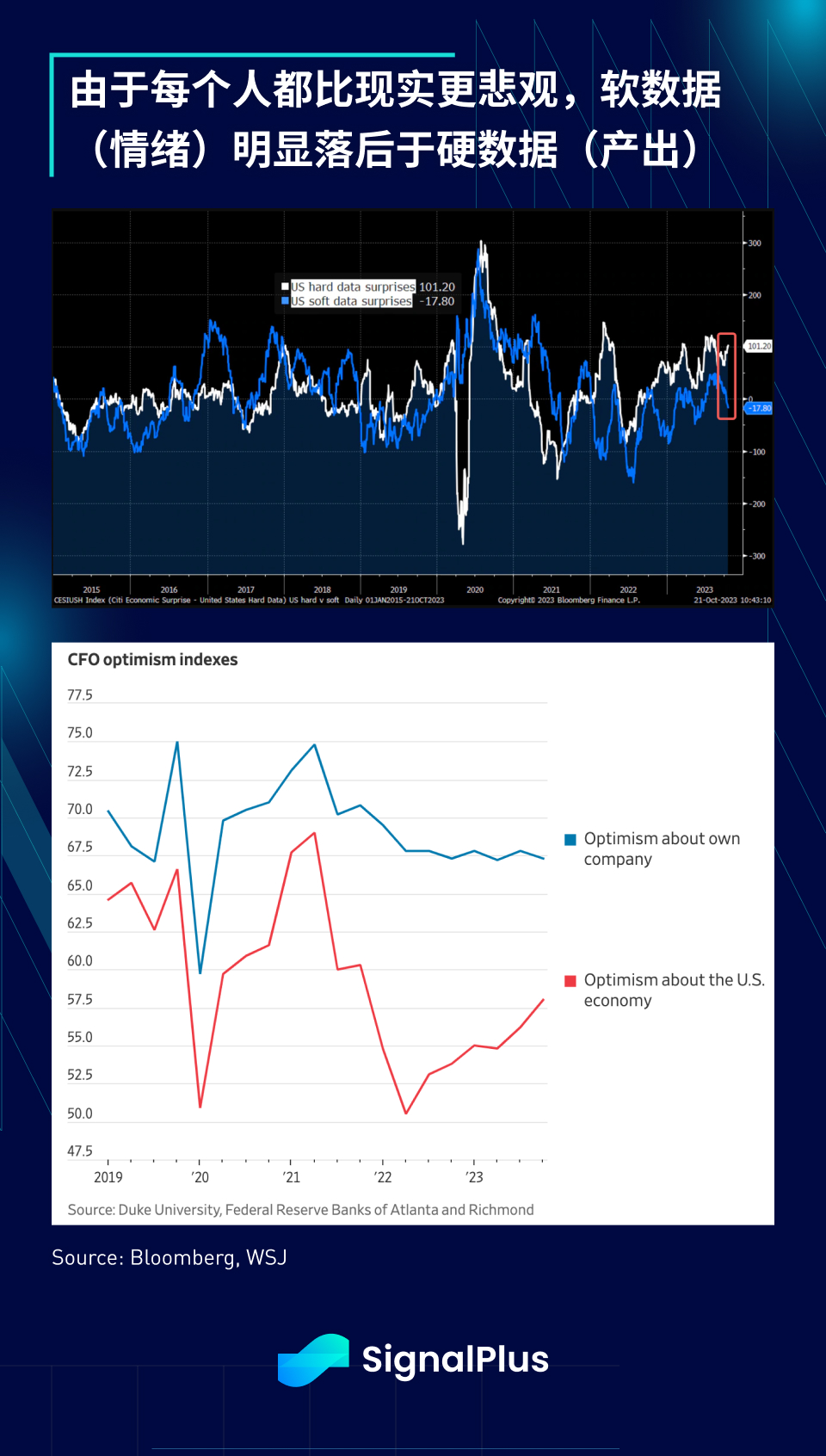
It is indeed worthwhile to be cautious, but we should also remember that developed economies and professionally managed enterprises often have the ability to self-correct, and humans usually learn through mistakes, which is why market observers who are good at macro analysis may not necessarily Become a good operator.
The enduring American consumer

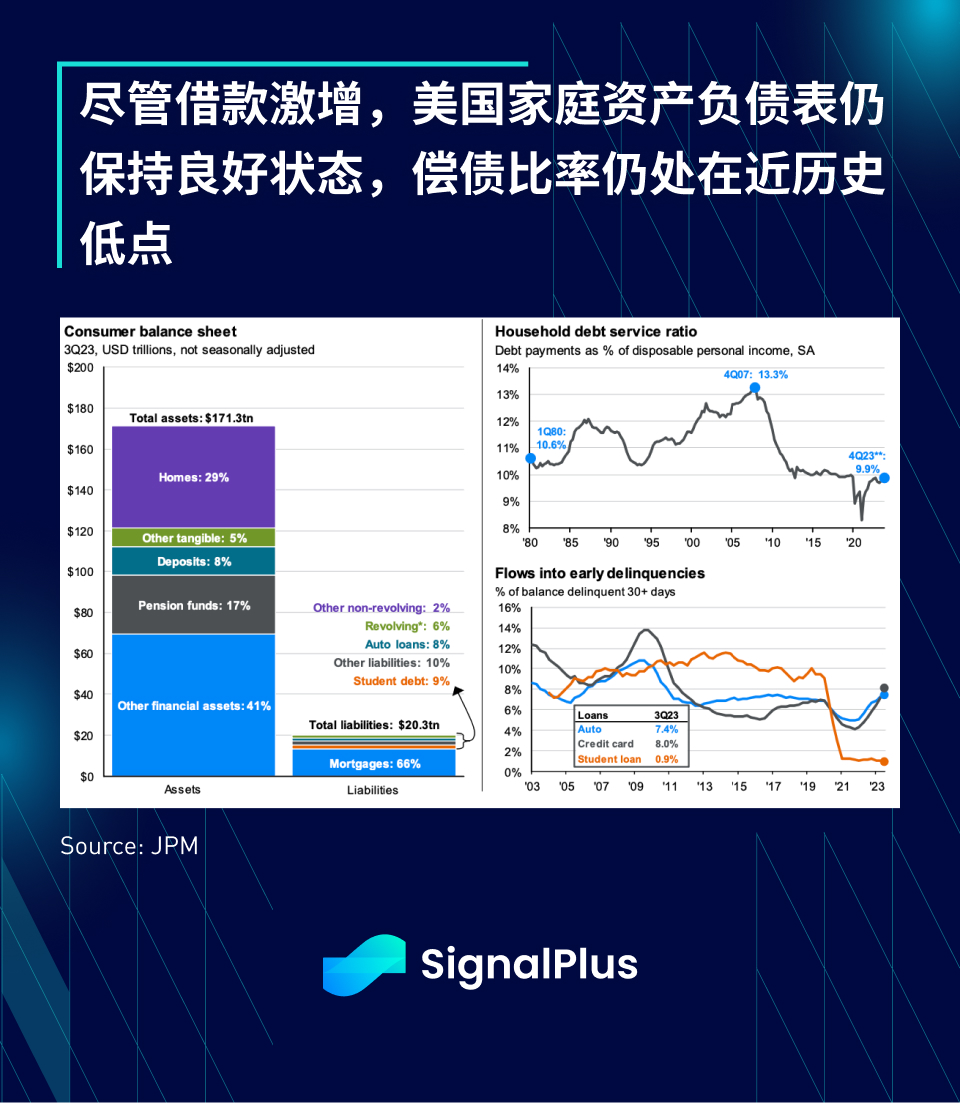
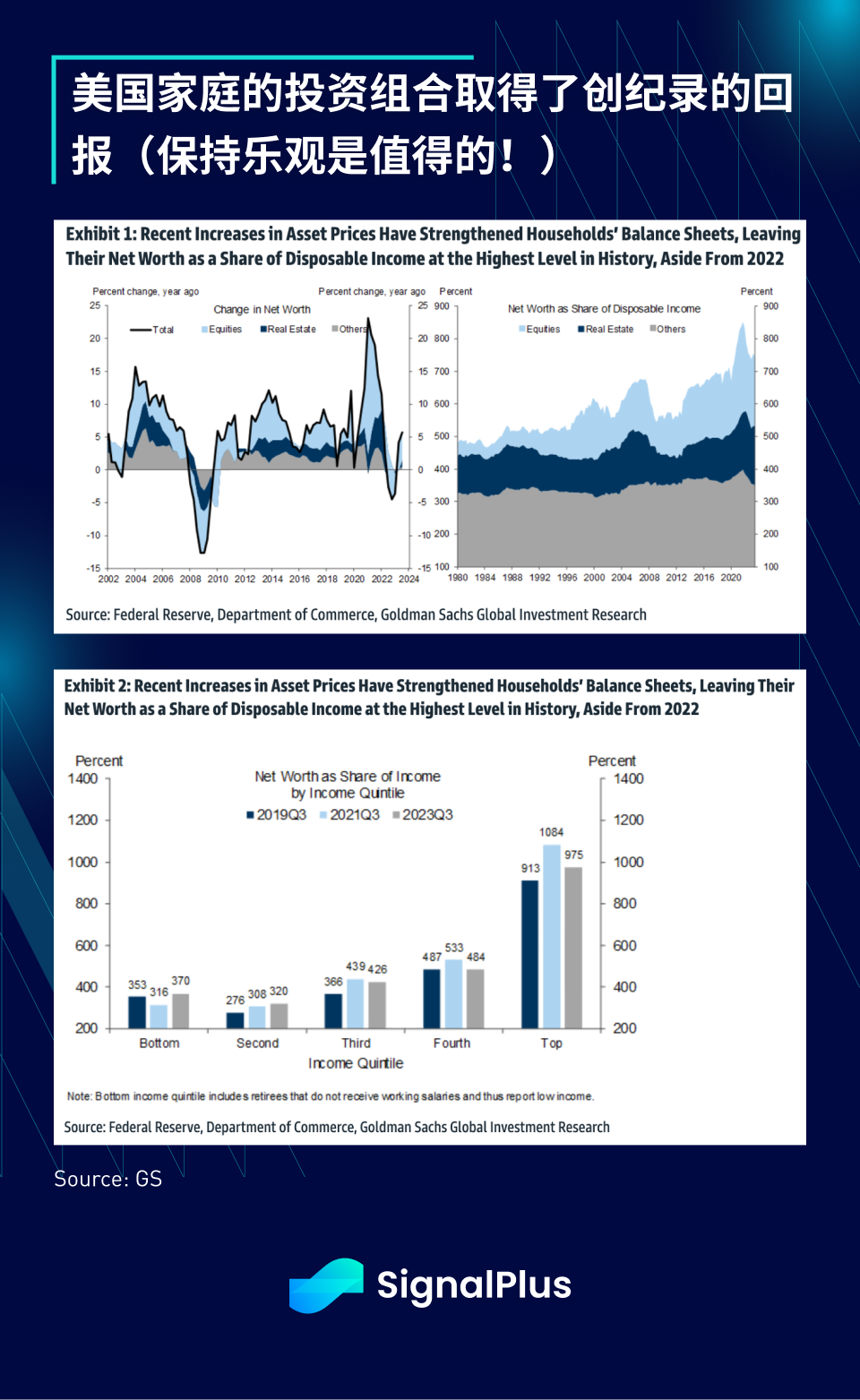
For a long time, some people have criticized American consumers for over-consumption and believe that this situation cannot continue. However, by 2023, the net wealth of American households (taking into account debt) has remained at a level close to historical highs, continuing the past The 40-year upward trend remains virtually untouched.
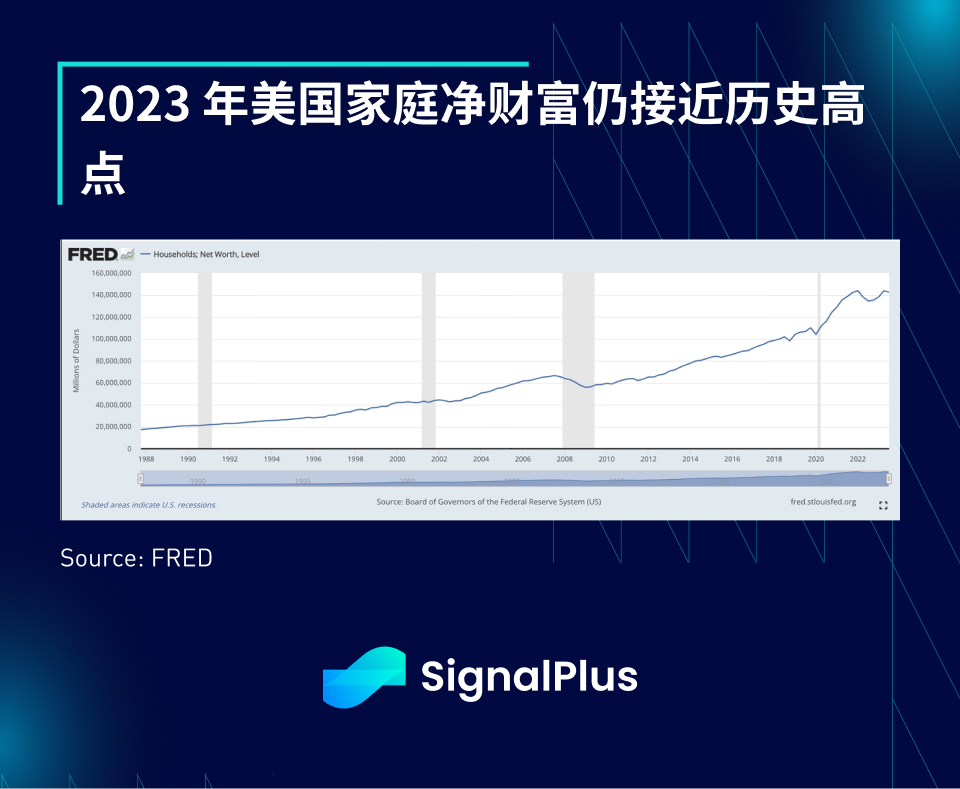
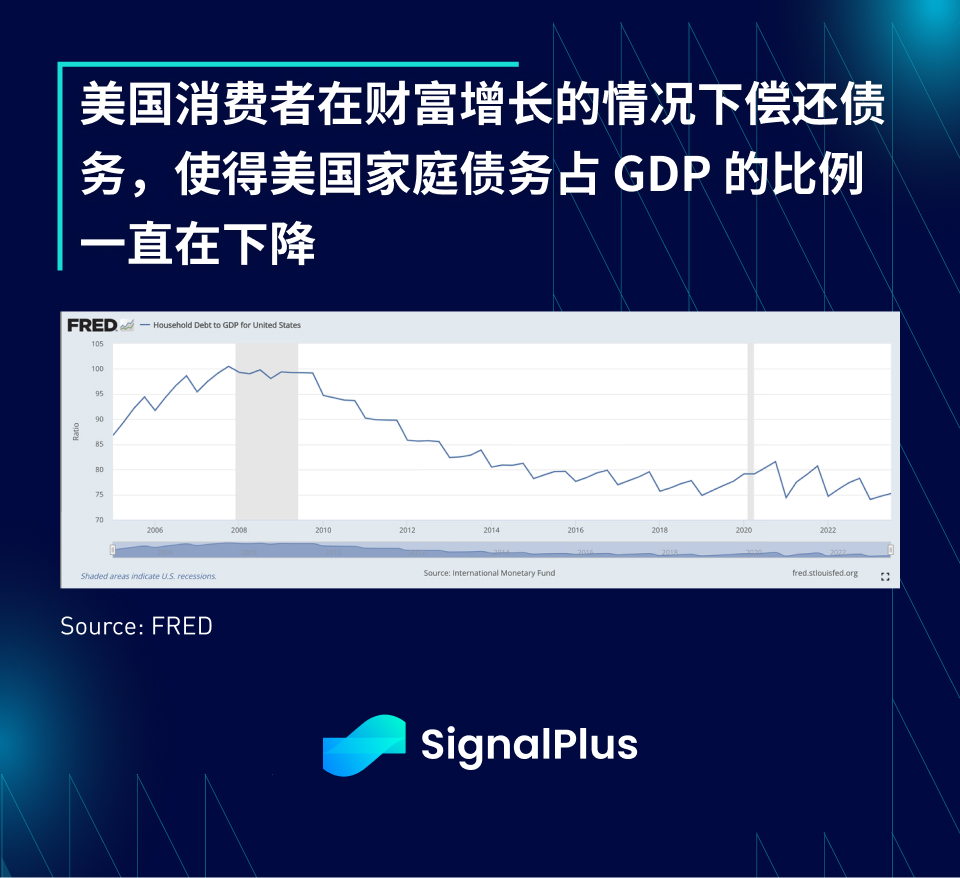
While absolute consumer debt levels have increased, they pale in comparison to dramatic increases in home values, stock investments, pensions and other financial investments, with the U.S. consumer balance sheet reaching $171 trillion, while The debt in the third quarter of 2023 is only US$20 trillion; in addition, 66% of the debt is residential mortgage loans. Compared with borrowing for consumption purposes, this type of debt is relatively reasonable.
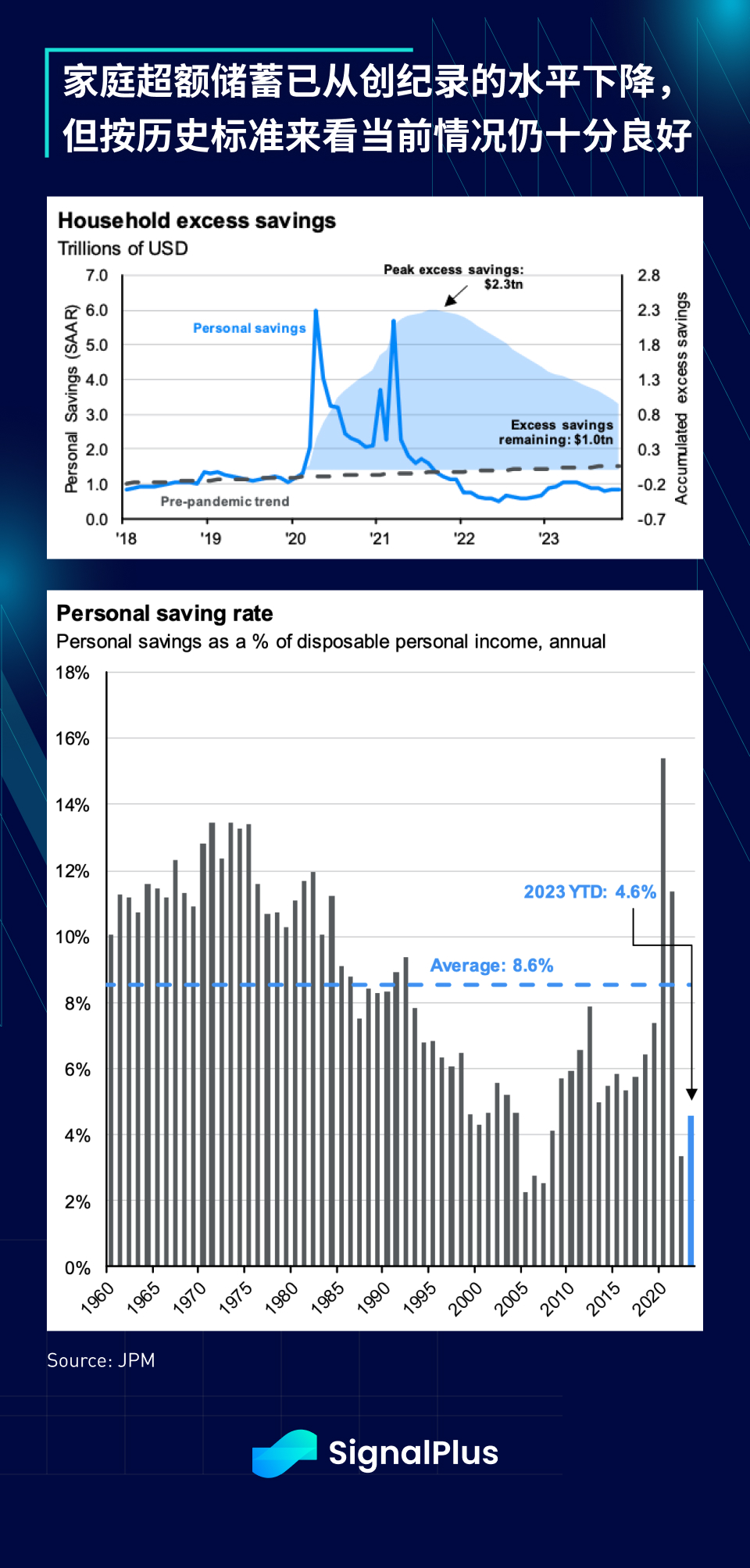
While the rate and size of excess household savings (which peaked at $2.3 trillion) have declined from pandemic highs, they are still in very good shape by historical standards, and most of the money withdrawn has been used to repay Debt, making stock investments and stimulating consumption.
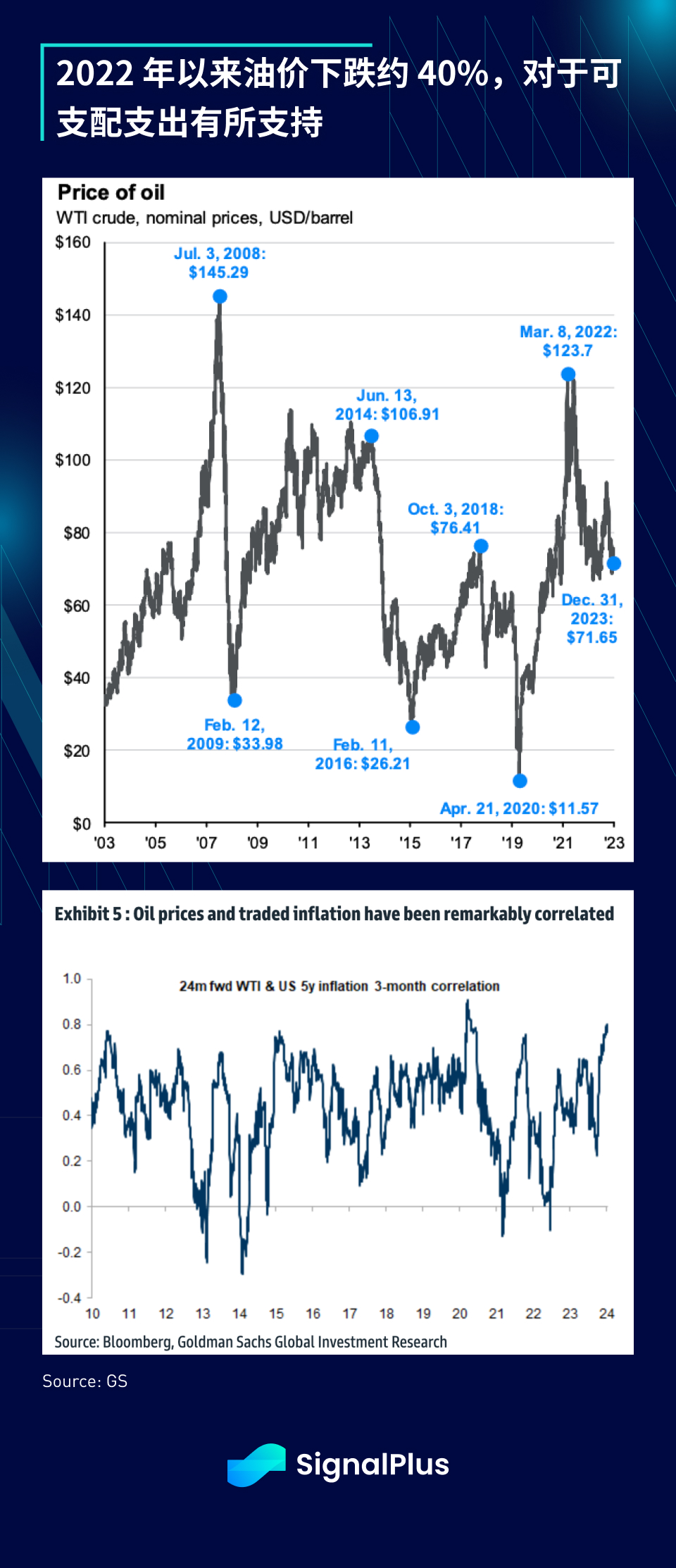
In addition, WTI crude oil prices have fallen by about 40% from the high in March 2022, providing strong support for consumers spending budgets. At the same time, the correlation between oil prices and inflation expectations remains at a high level.
thirsty for talent

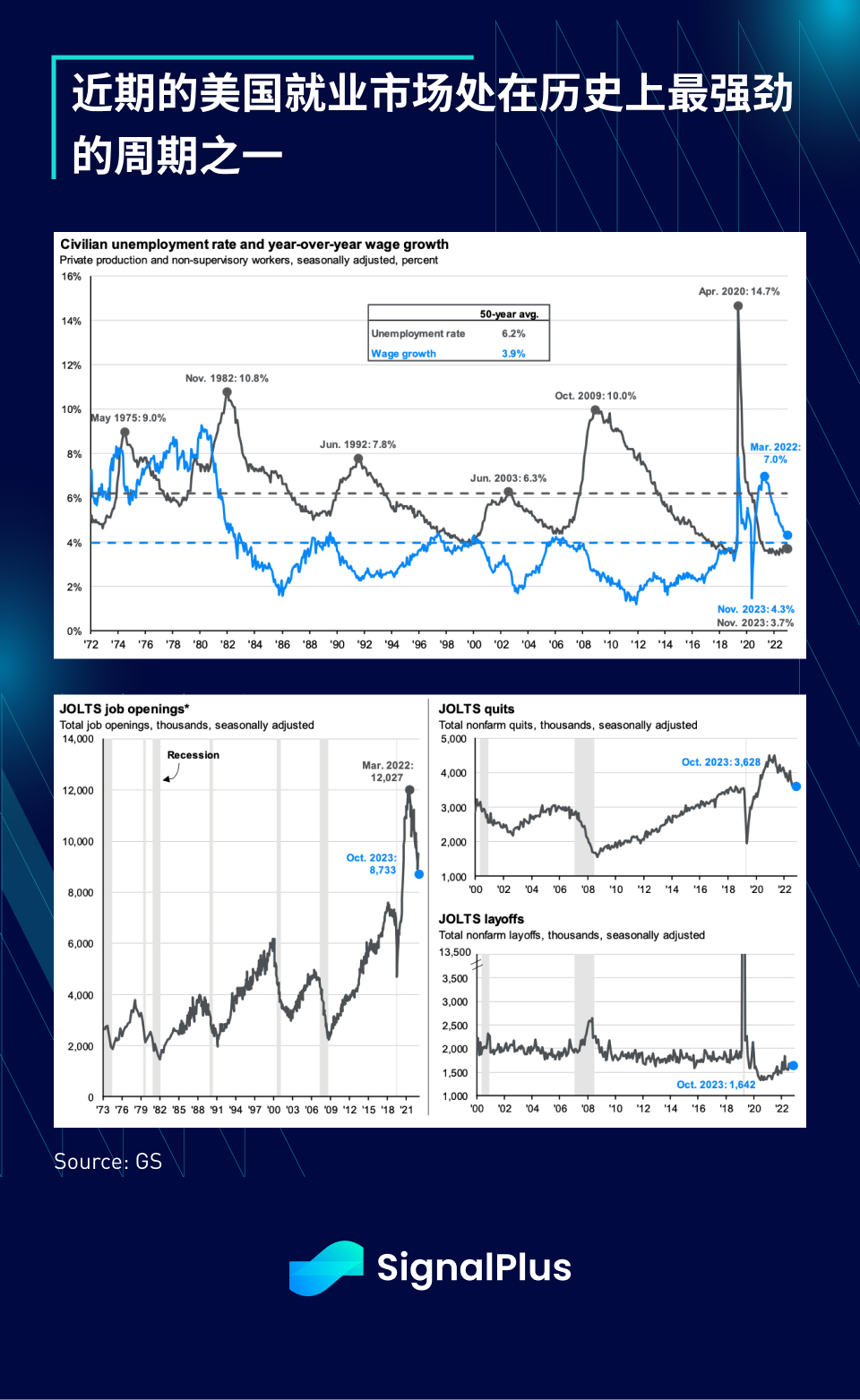
The U.S. job market is currently in one of the strongest cycles in history. The layoff rate has reached a new low, the number of job vacancies remains high, and wage growth has reached a 40-year high and is much higher than GDP growth. In this growth cycle , the bargaining power of employees has also increased, and many unions (such as the United Auto Workers) have obtained unprecedented concessions from employers in labor conflicts.
In short, American workers havent had it this good in a long time, fueling strong consumer spending and rising confidence.

U.S. housing market returns to up-and-down mode

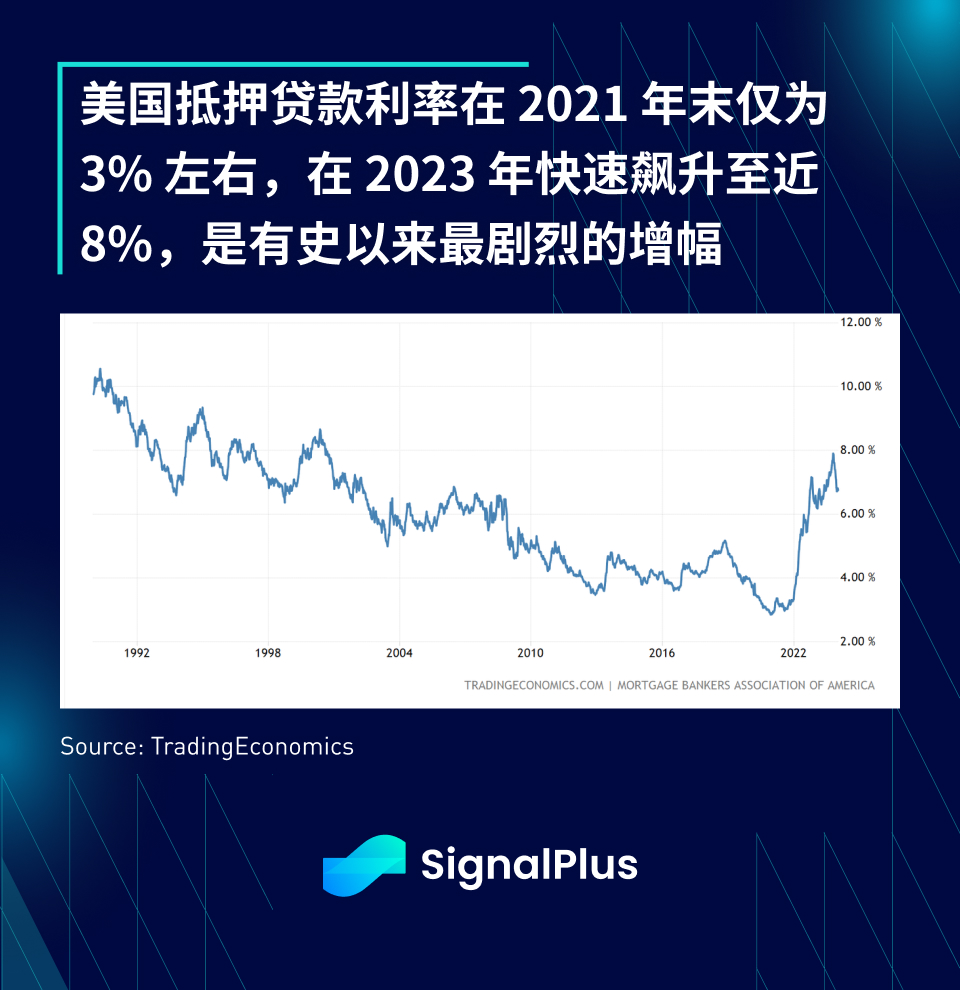
Normally, when mortgage costs soar from a low of 3 percent to nearly 8 percent in just two years, you should expect to see home prices plummet, home equity go negative, and foreclosures rise.
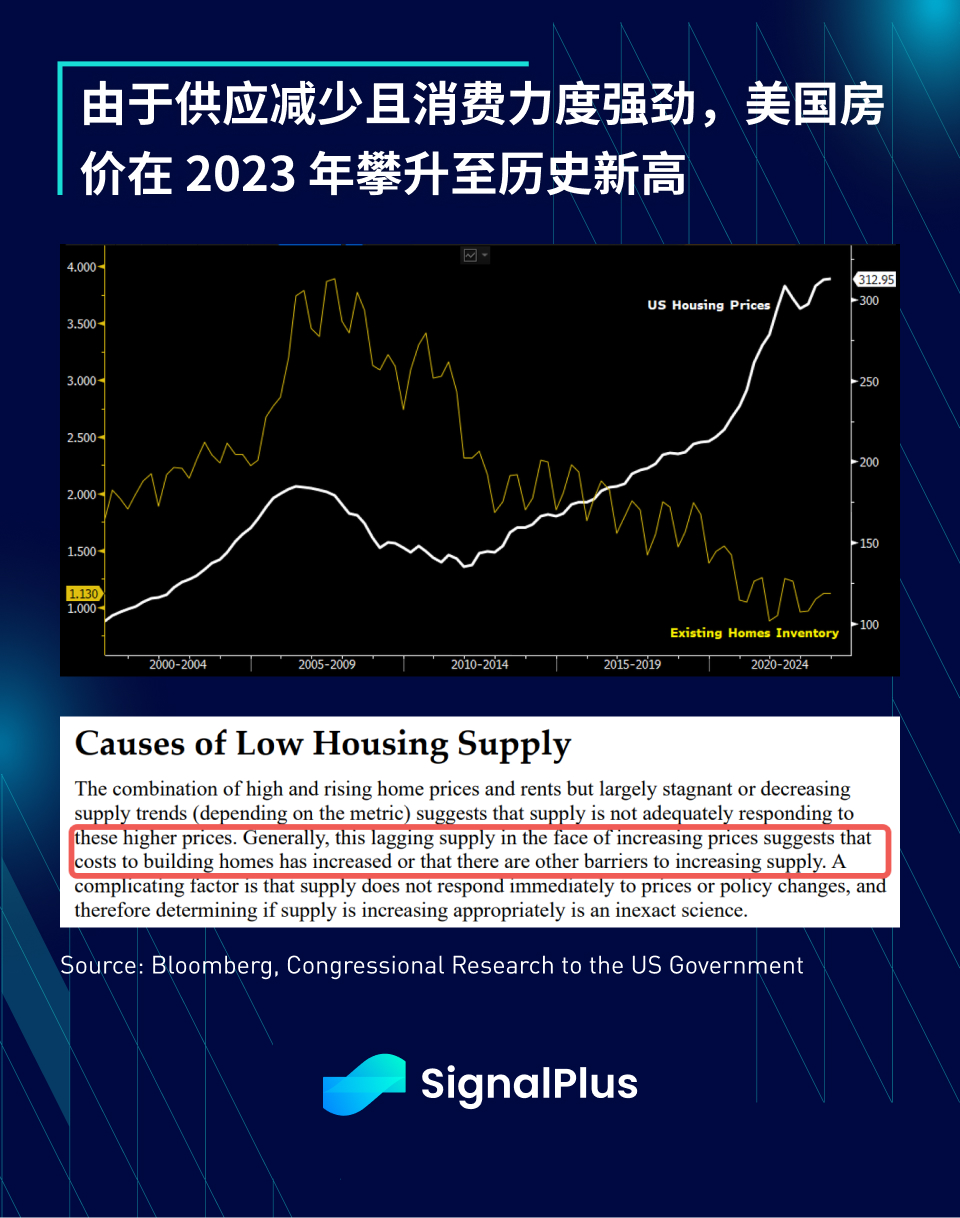
However, the current economic cycle is anything but normal. Strong economic performance, a good job market, healthy immigration inflows, and soaring construction costs have left housing in short supply, with home prices rising in 2023 as the inventory of homes for sale has fallen to a 20-year low. It continued to rise throughout the year and hit a record high at the end of the year.
While interest rates may affect overleveraged borrowers and home prices in the short term, over the long term, hard asset prices are ultimately driven by supply and demand fundamentals.
Large companies are making steady profits
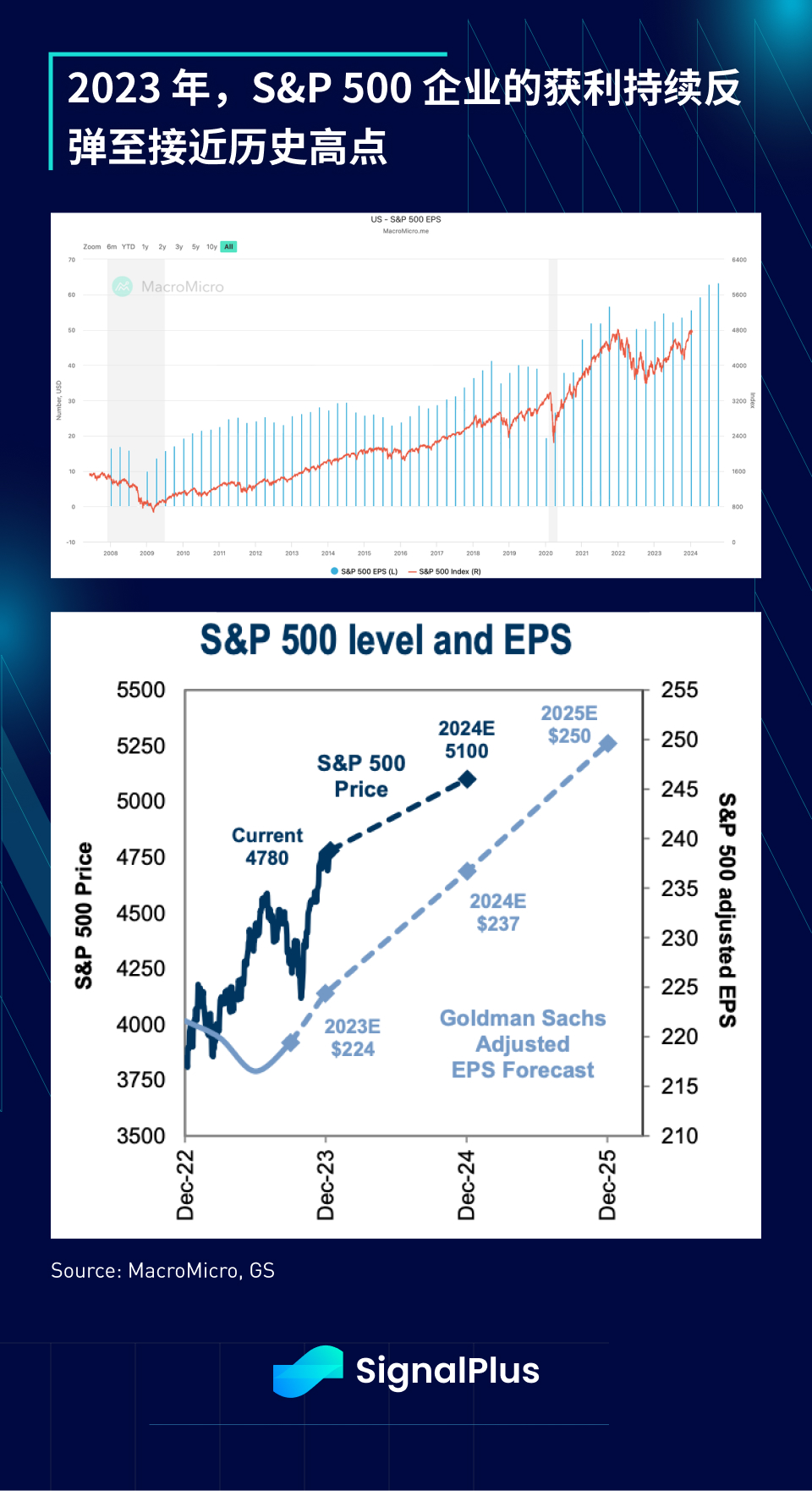
In 2023, EPS for SP 500 companies continued to rebound, returning to near post-pandemic all-time highs at the end of the year, with EPS increasing 0.4% compared to 2022, given the higher baseline and the massive withdrawal of liquidity by global central banks last year. Sexual situation, this performance is very good.
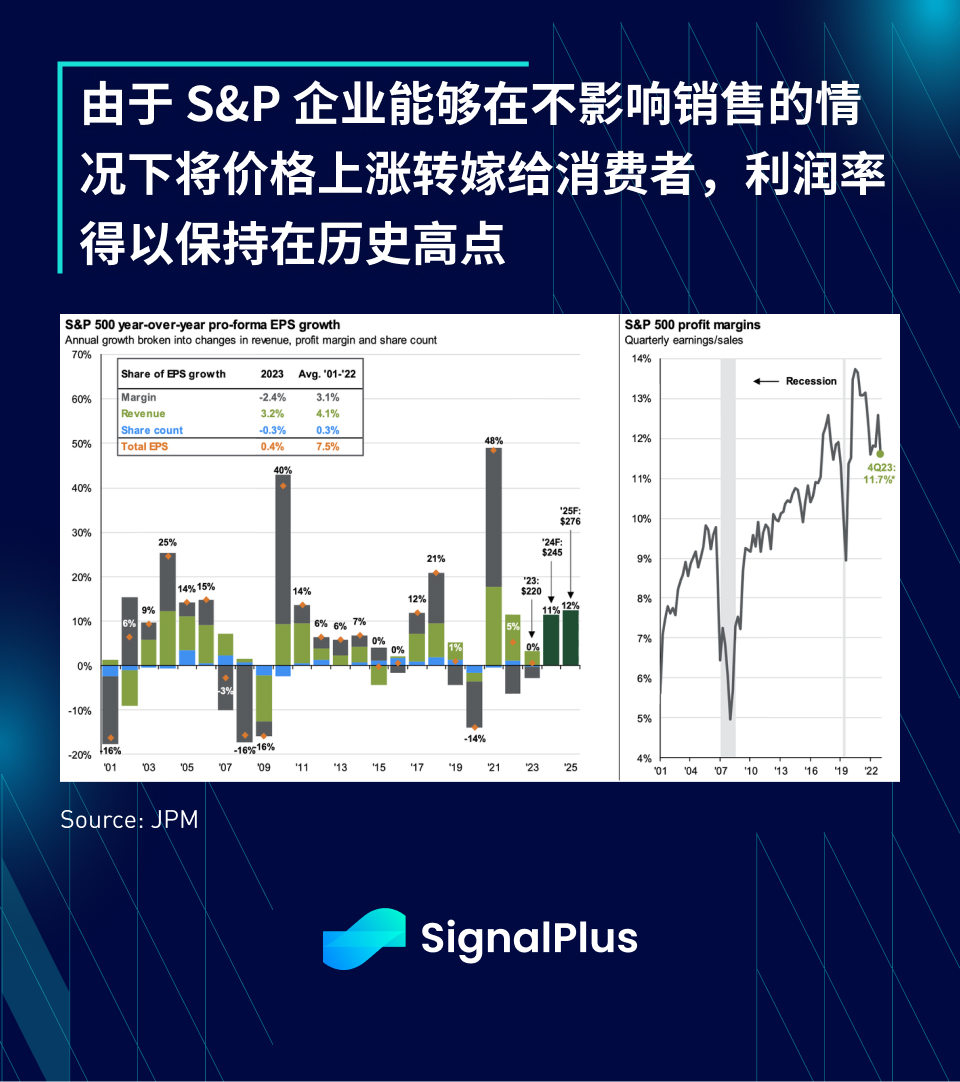
Additionally, as companies were able to pass on cost increases to consumers without impacting sales, profit margins were able to remain at 12%, near a 20-year high and well above the 9% average over the past 20 years. It proves that corporate management has sufficient wisdom and strategies to deal with the impact of severe macro-environment.
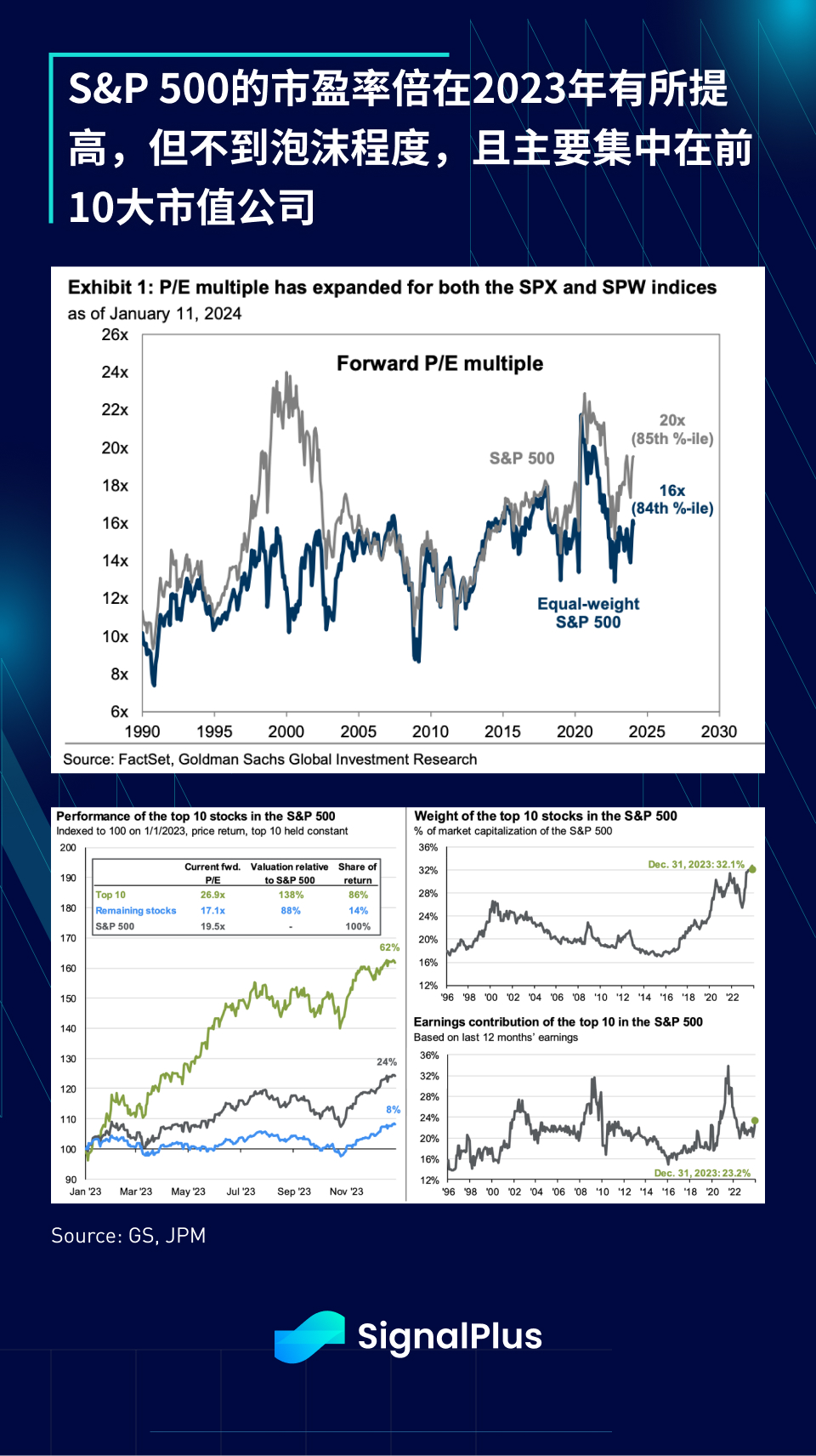
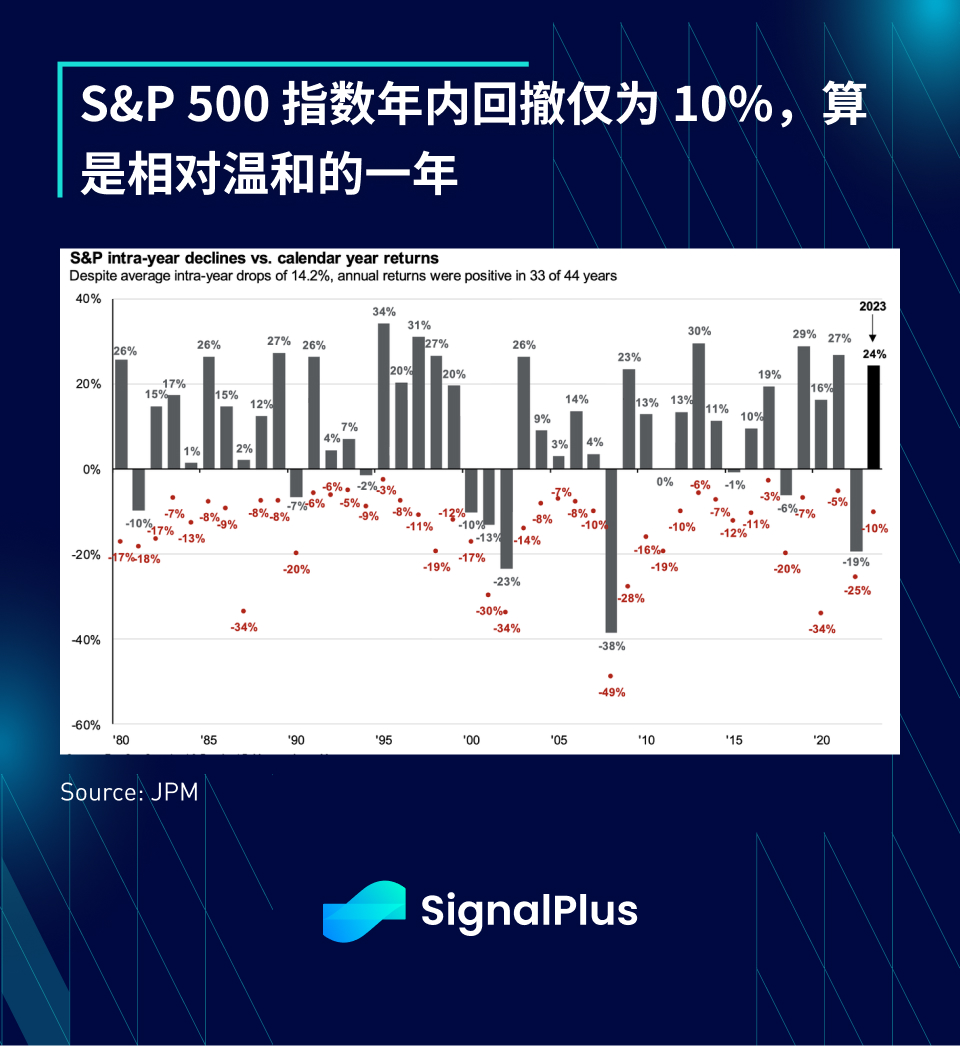
While SPXs P/E multiples have improved, they have not yet reached extreme levels and are mostly concentrated in large-cap tech stocks (the Big 7 tech giants). Additionally, valuations have never reached bubble levels and are expected to remain high through the year 2023 With a retracement of only 10%, last year was a relatively mild year compared to the average of the past 40 years.
The Fed’s new tools

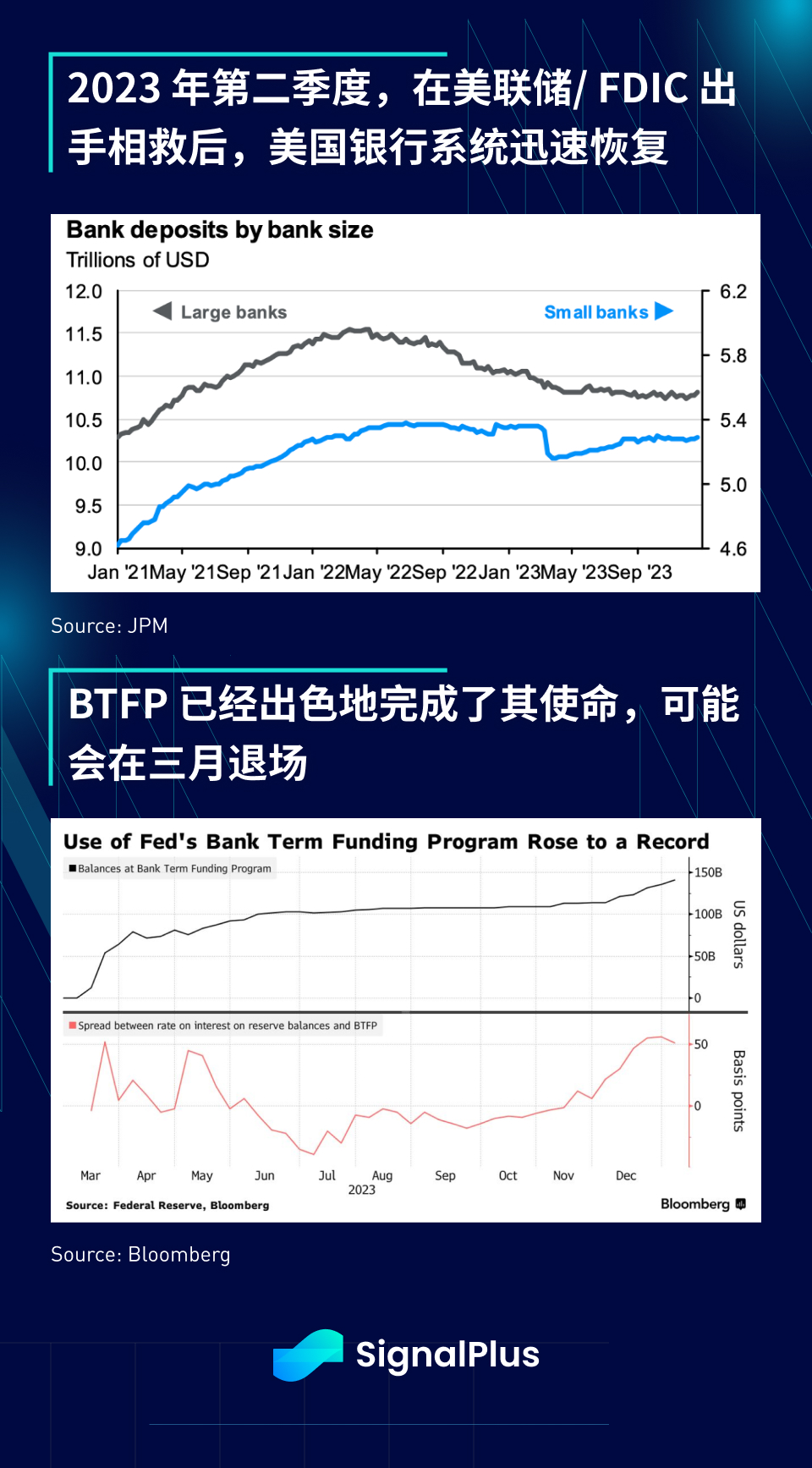
The BTFP program, which successfully helped banks weather a period of deposit flight and eventually stabilized bank deposit balances, is likely to be withdrawn from the market in March as banks no longer require emergency liquidity support. In recent months, as OIS rates have fallen, banks have gained another arbitrage opportunity, causing BTFP usage to surge to record highs.
Regardless, this is a textbook case of how to design and execute a good aid program, and it also shows that policymakers are constantly learning from past experience, just as CEOs of US public companies are adapting to the changing macroeconomic situation. Learning how to cope with the environment is the same.
The wealth effect of generative AI
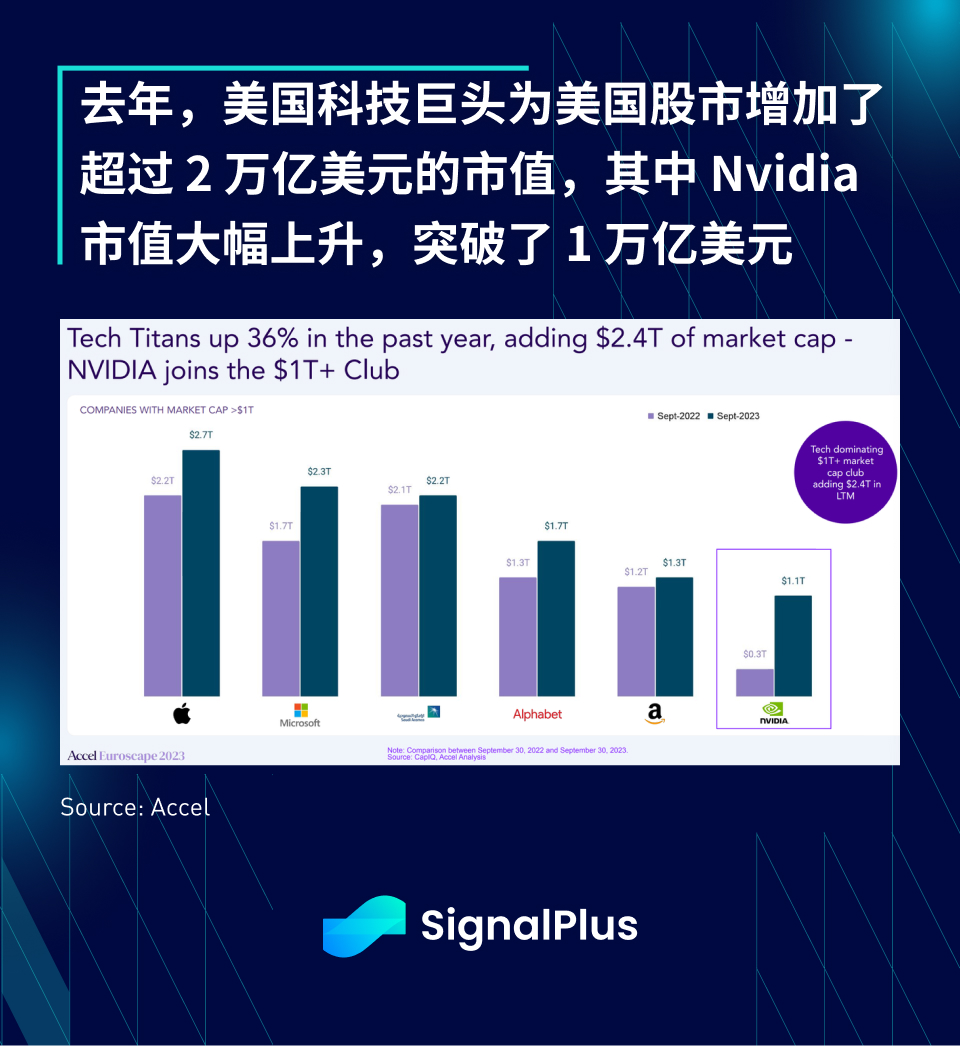
In 2023, generative AI added more than $2 trillion in market capitalization to the U.S. stock market, of which Nvidia accounted for nearly $1 trillion due to surge in chip demand, and its added market capitalization in one year was almost 70% of the total market capitalization of cryptocurrencies. .
It took the Nasdaq index just 18 months to recover 80% of its decline from its 2021 high. In comparison, it took the market as long as 14 years to recover its decline from its 2000 high.
About 60% of unicorn companies are related to generative AI, while traditional SaaS and cloud companies have been greatly affected.
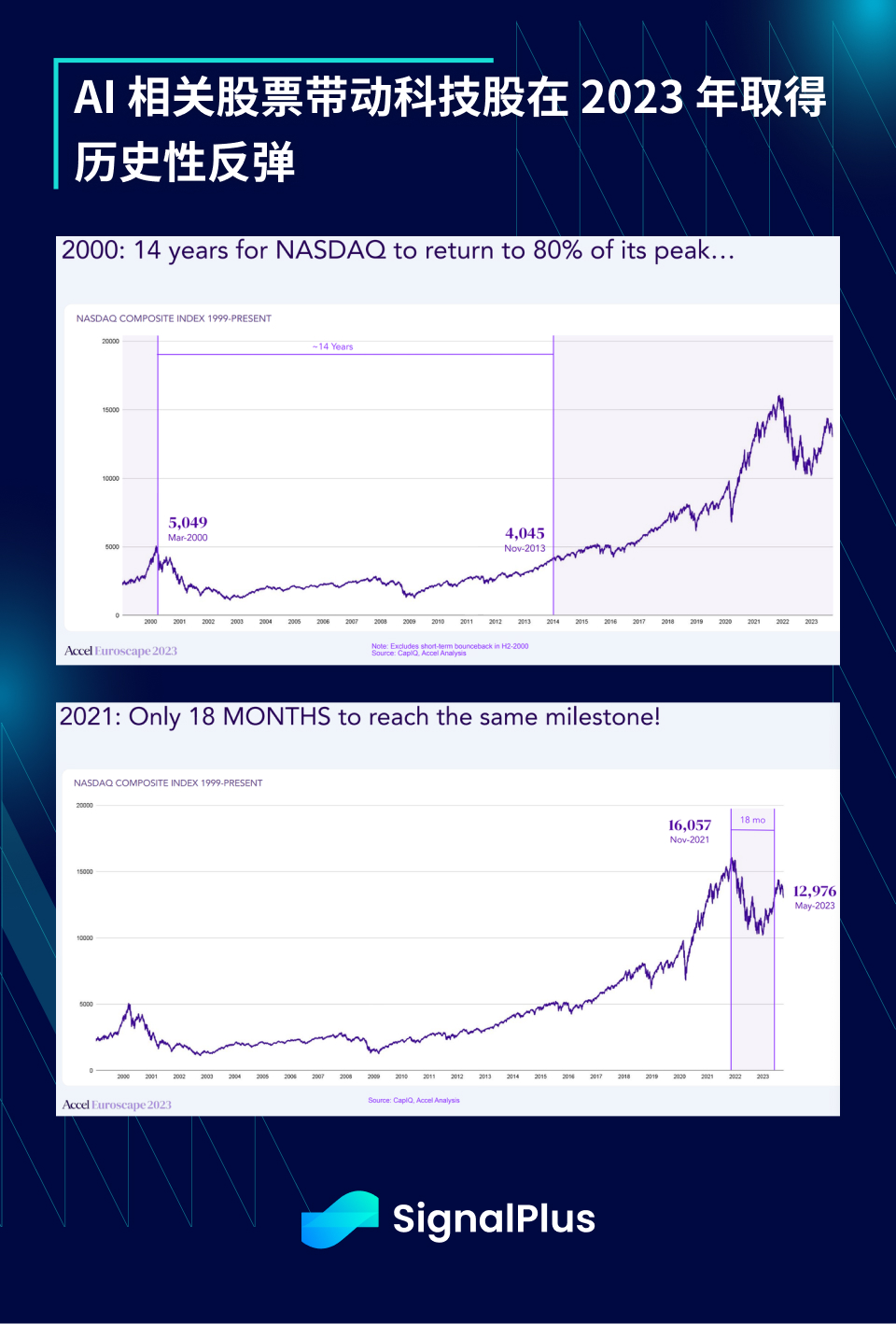
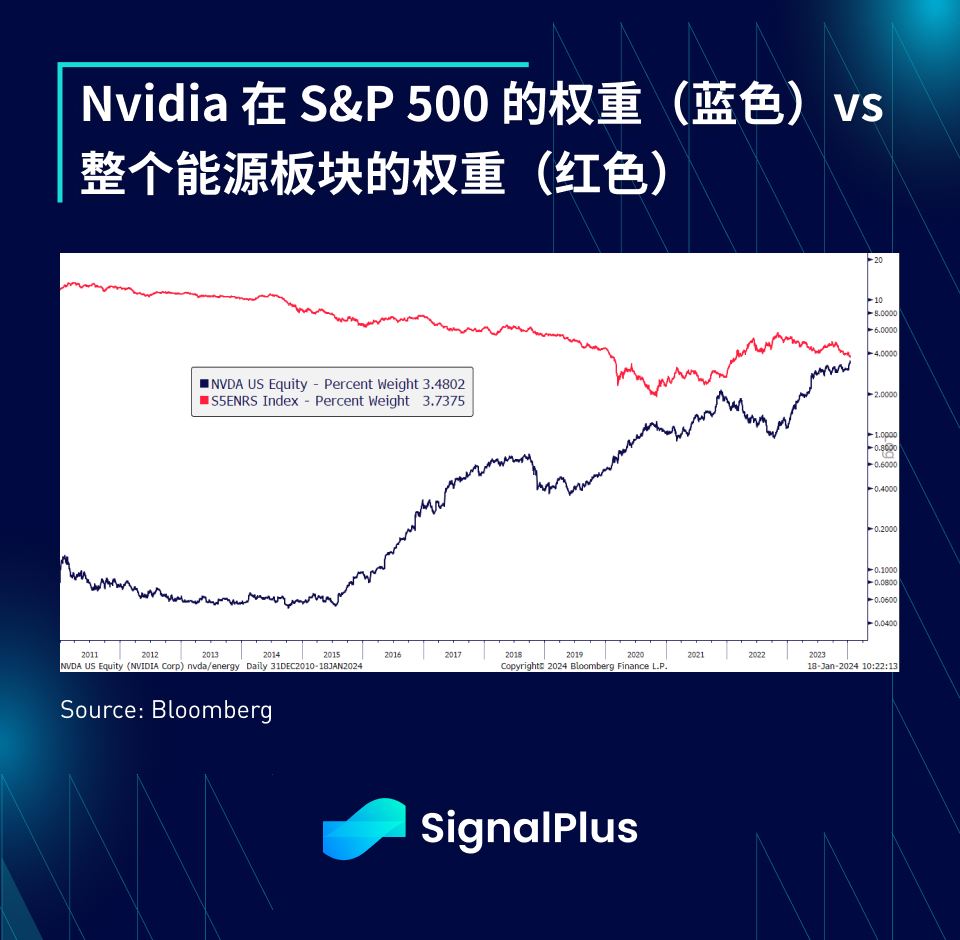
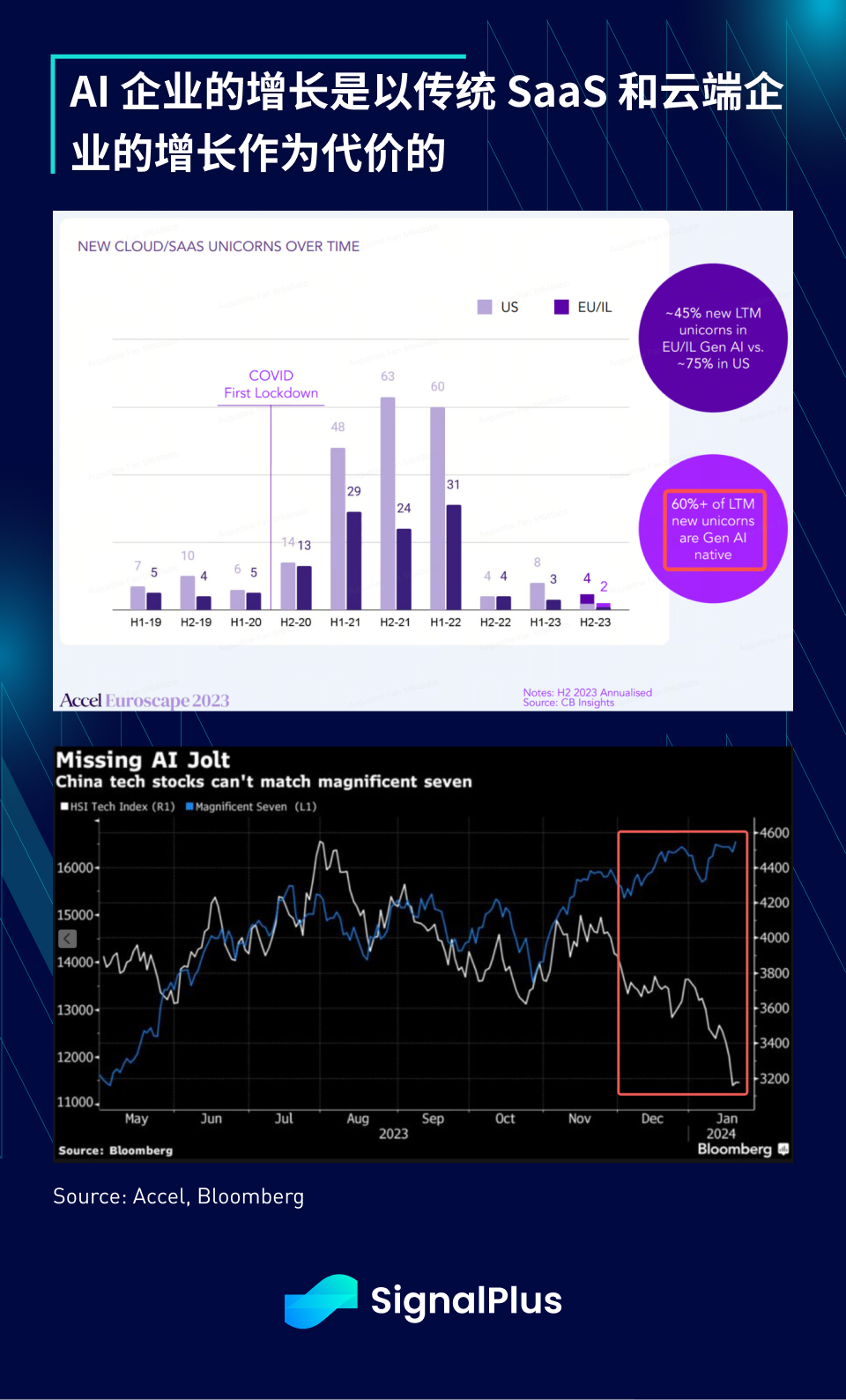
In short, the wealth effect over the past decade has been driven primarily by quantitative easing, zero interest rates, and loose monetary policy, but now the main force maintaining FOMO sentiment has shifted to generative AI, at least in the short term. In addition, compared to cryptocurrencies, AI can distribute the wealth brought about by FOMO to a wider group of people, thereby creating a higher velocity of wealth and thus promoting the development of the overall economy.
Turn
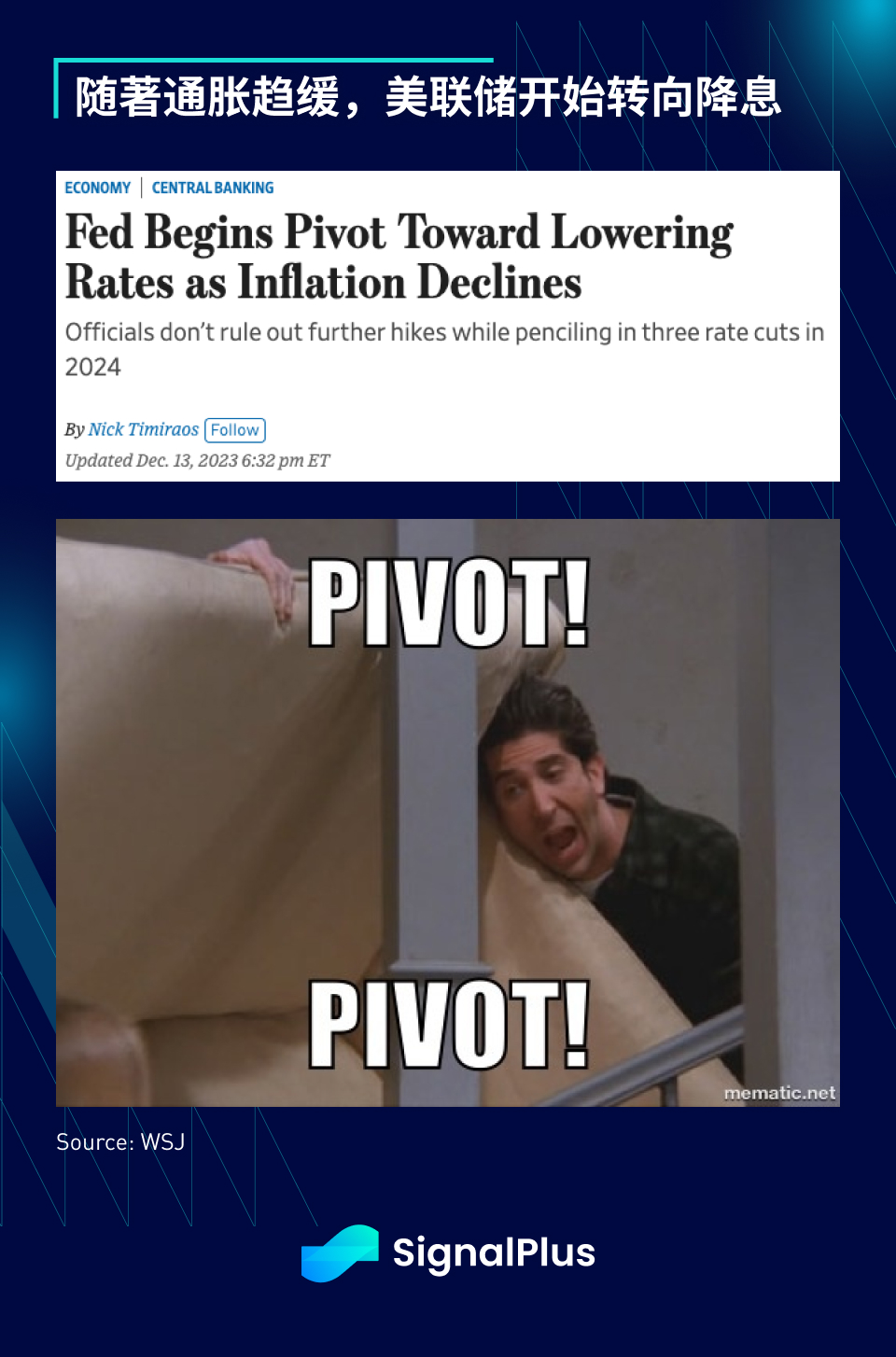
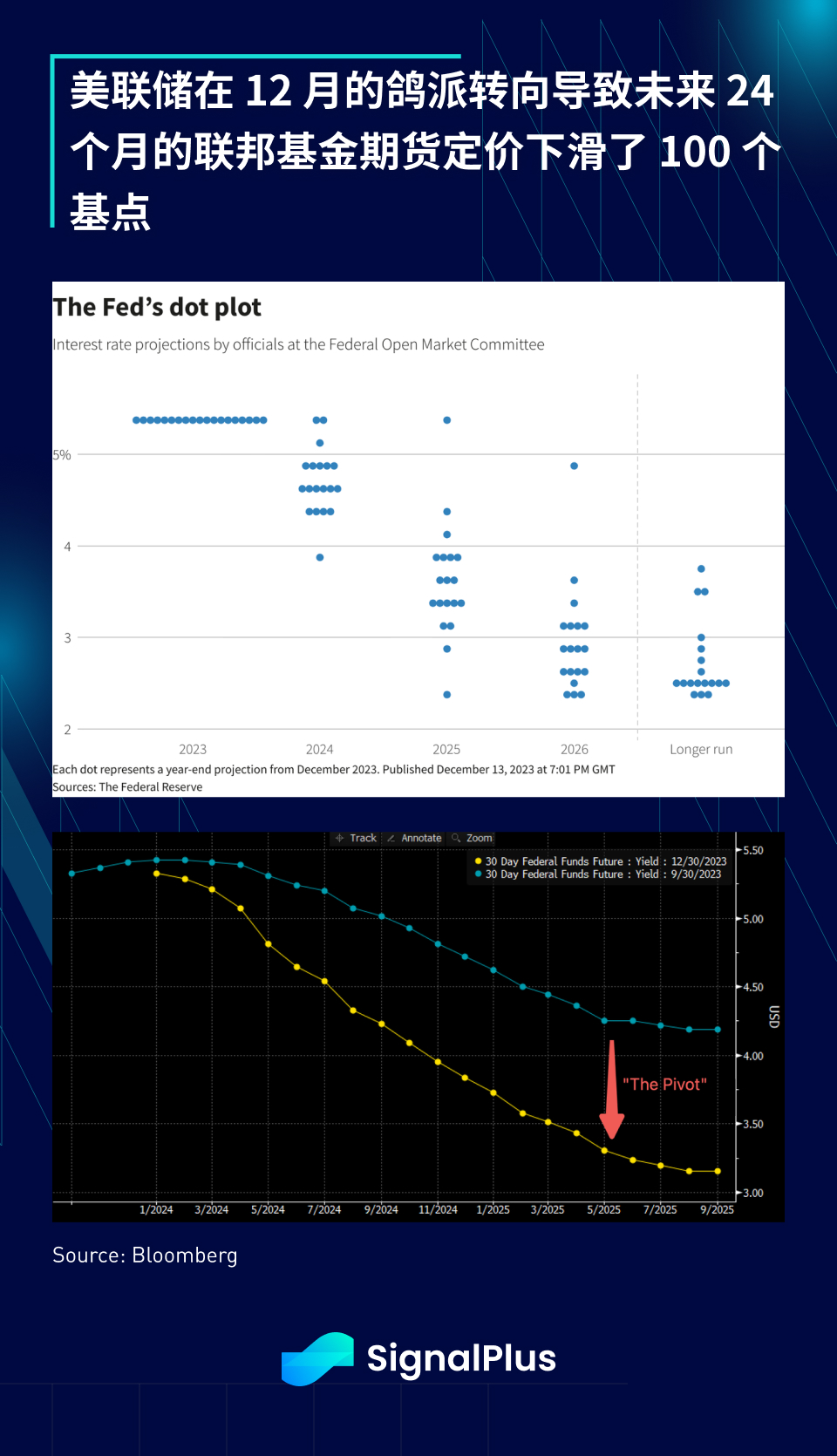
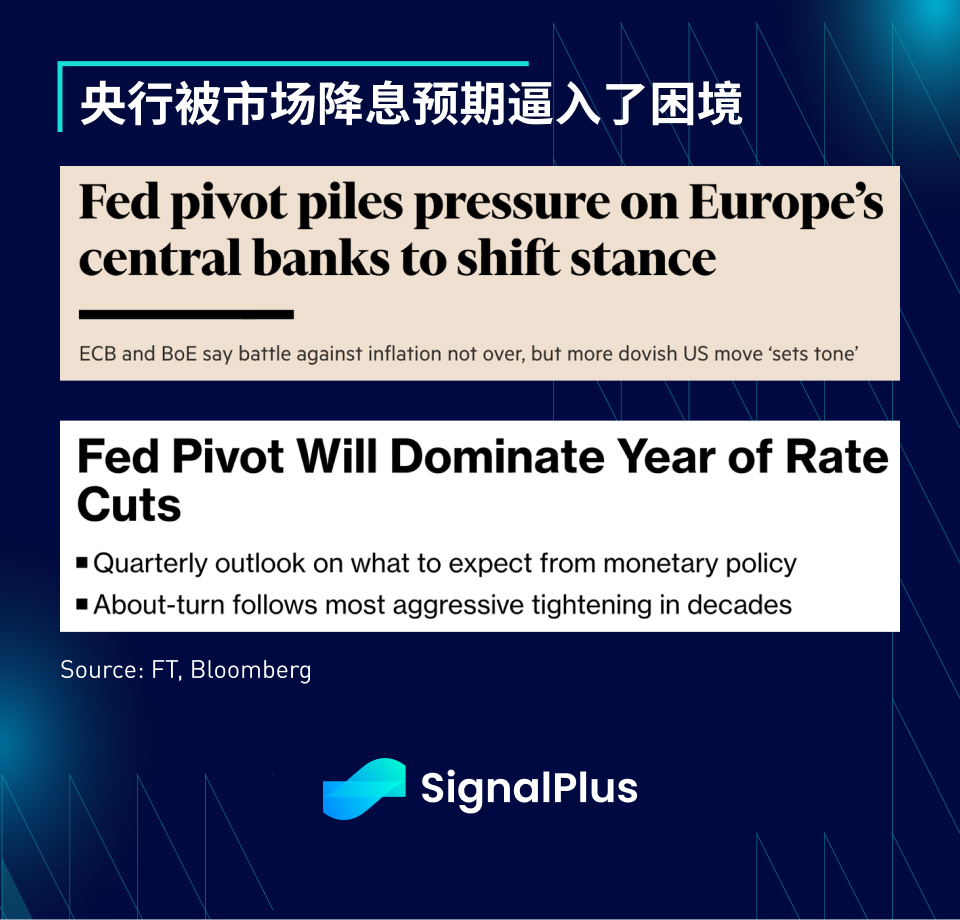
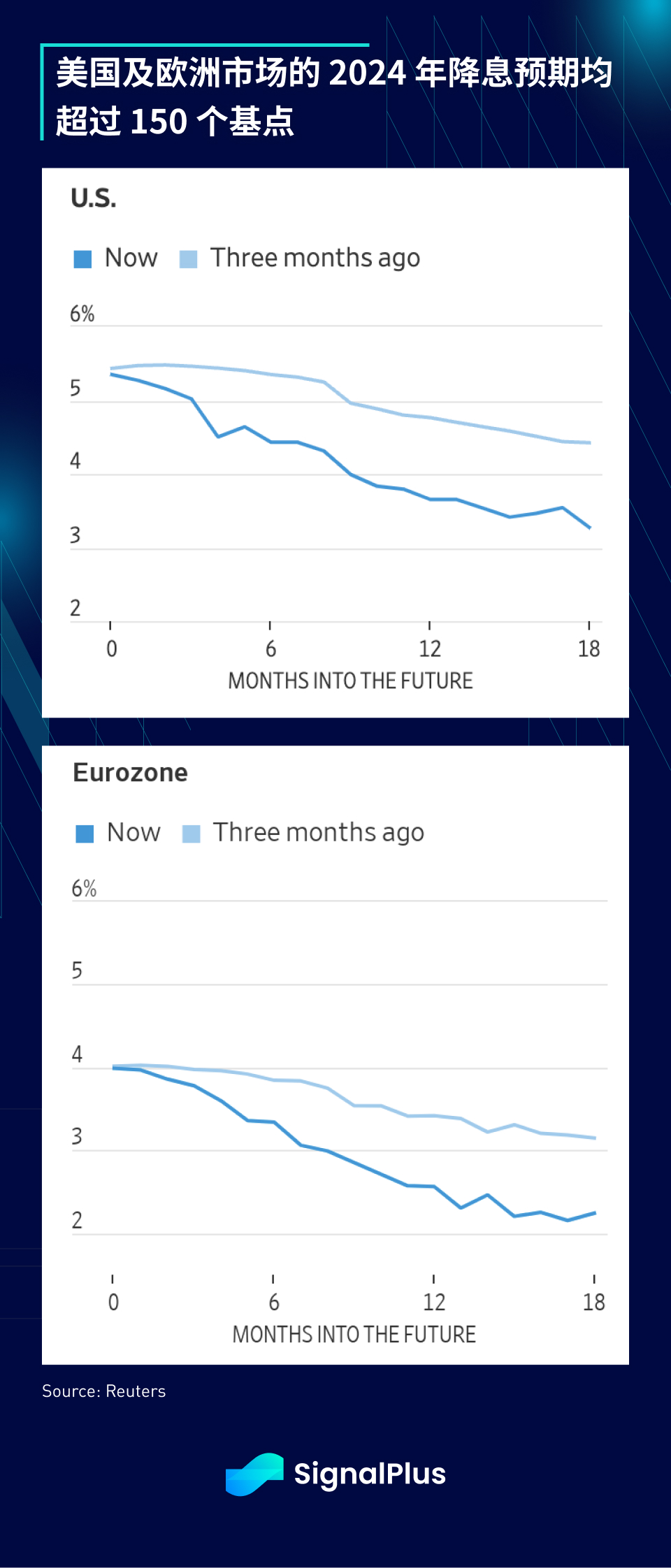
Not long after, Powell also made his own dovish turn at the December FOMC meeting, sharply lowering the interest rate dot plot, pushing the federal funds forward rate downward by about 100 basis points, and preparing for a 2024 interest rate cut. Expectations also rose to over 150 basis points.
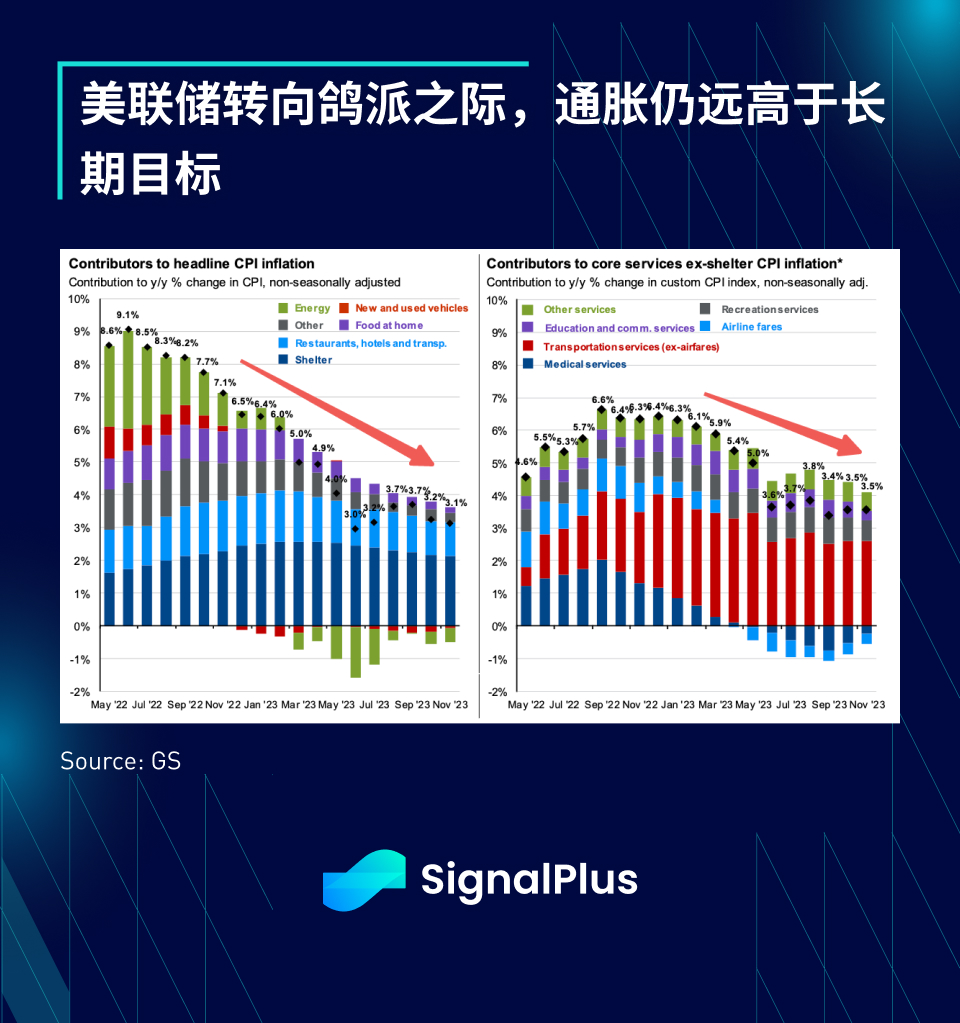
All of this is happening against a backdrop of core inflation, while falling, remaining well above the Feds 2% target, whether thats in response to the potential risk of an economic slowdown or because the Taylor rule shows the Fed is behind the curve. , or to revitalize the frozen commercial real estate/IPO market, the result is the same - a sharp change in market risk sentiment towards the end of the year.
If you are not careful, the opportunity will be fleeting.
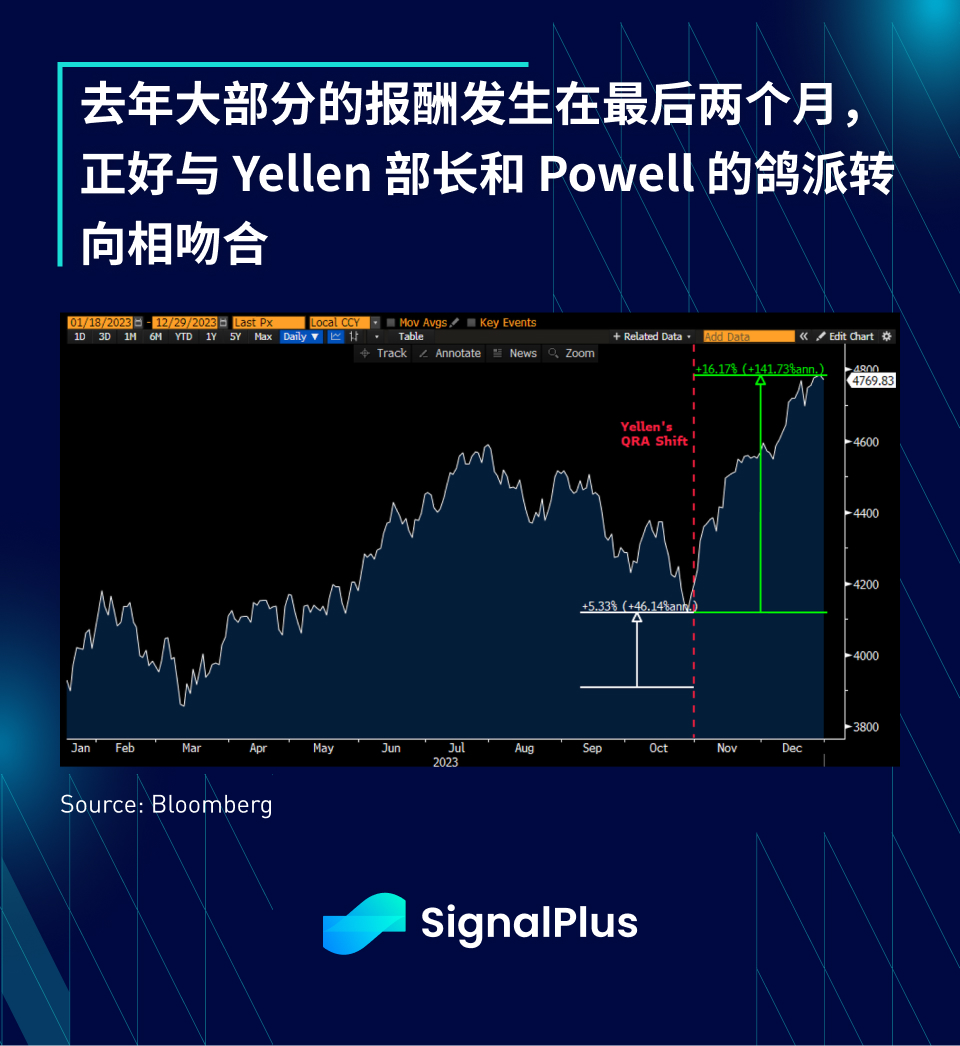
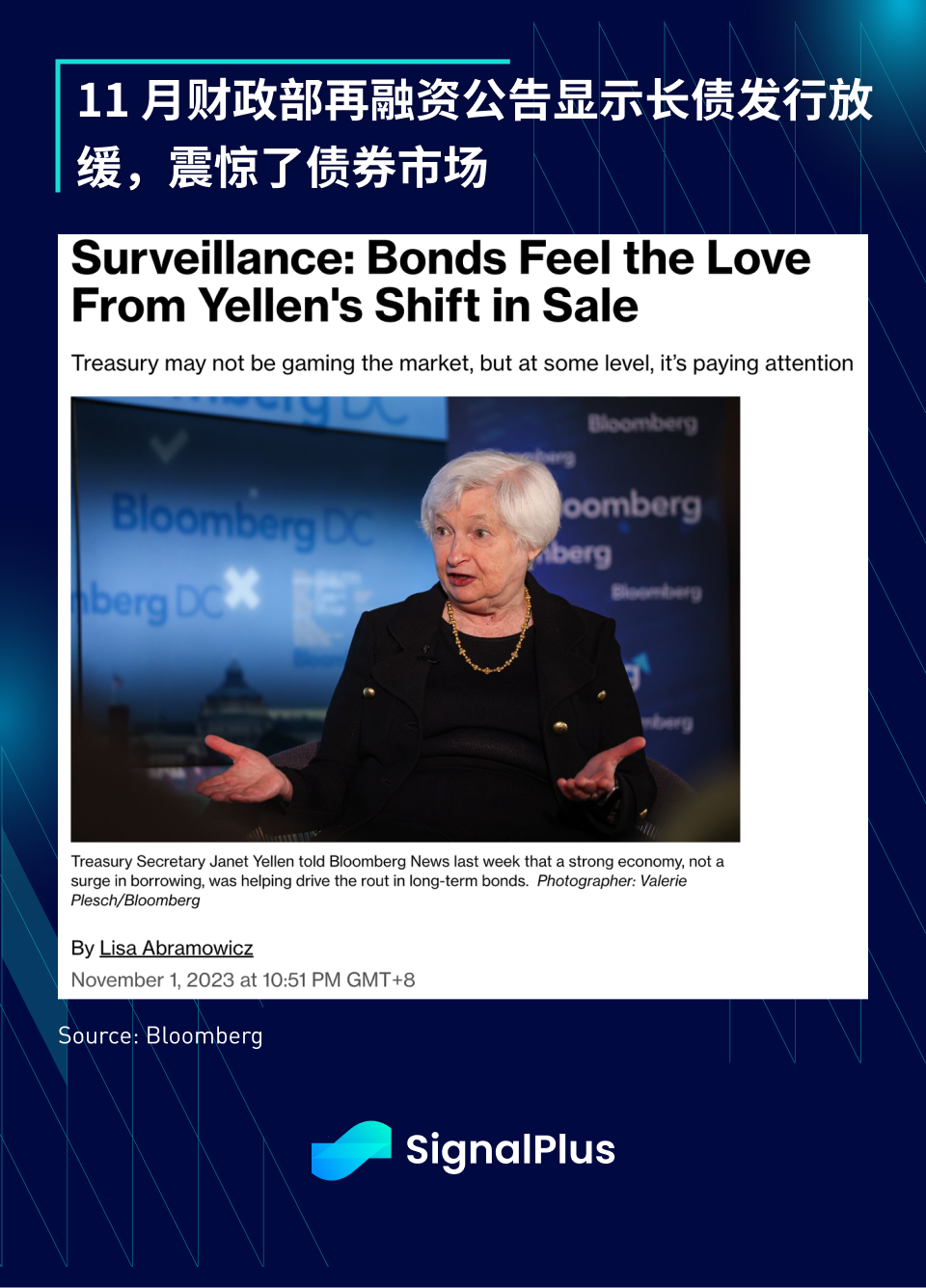
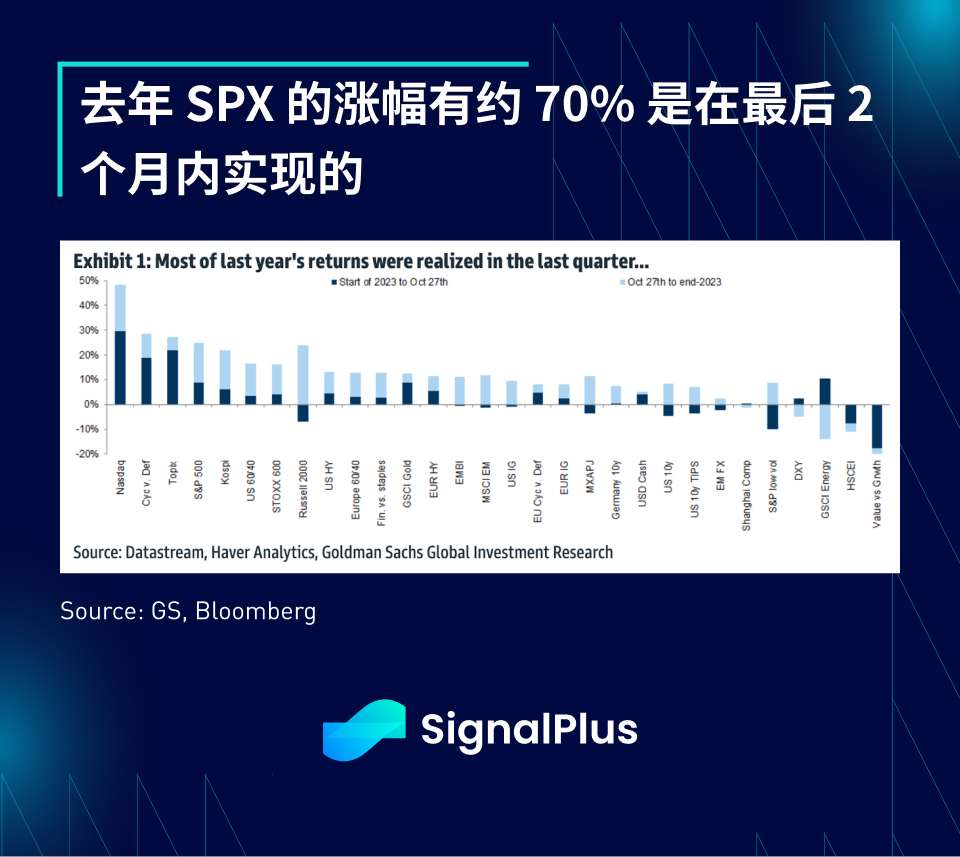
As with many things, timing is key. Despite all factors, most of last years market returns occurred in the last two months, coinciding with Secretary Yellens November shift and further spurred by Powells dovish turn towards the end of the year.
Finally, we have come full circle and returned to the Federal Reserve. We must still have a respectful attitude towards the rulers of monetary policy...
What should we focus on in 2024?
As mentioned at the beginning of the article, it is common to misjudge the situation, and the views we put forward may be proven to be (extremely) wrong in the future, but after all, life is short, so why not have your own views?
Here are some important developments we think investors should pay attention to in the Year of the Dragon.
As mentioned earlier, the dominant narrative in the second half of 2023 is a slowdown in inflation and a policy shift by the Fed, while the massive asset price gains in 2024 are expected to be driven by interest rate cuts across the world, although core inflation remains far away in both Europe and the United States. Higher than the policy target, but expectations for interest rate cuts in Europe and the United States this year have exceeded 150 basis points.
With PMIs continuing to weaken, headline inflation finally declining, and the job market showing tentative signs of softening in the fourth quarter, risk asset markets are getting signals to go full steam ahead.
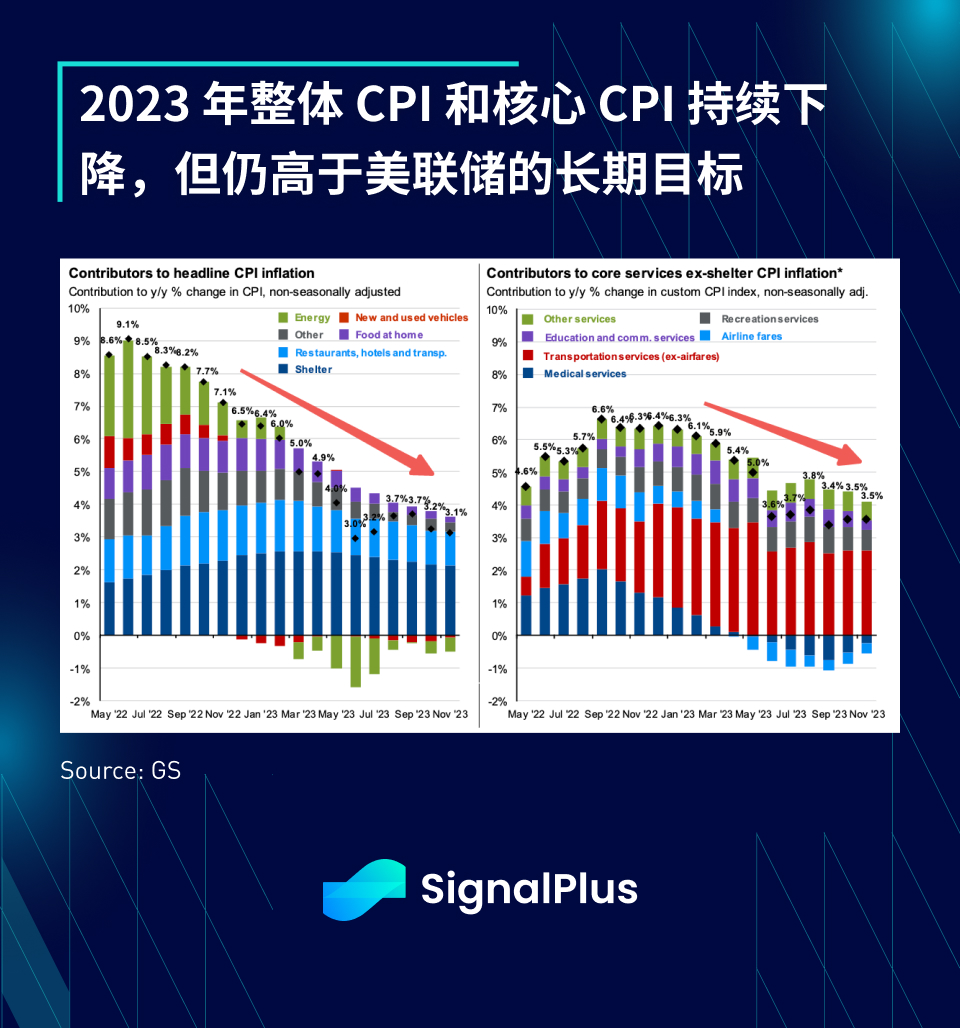
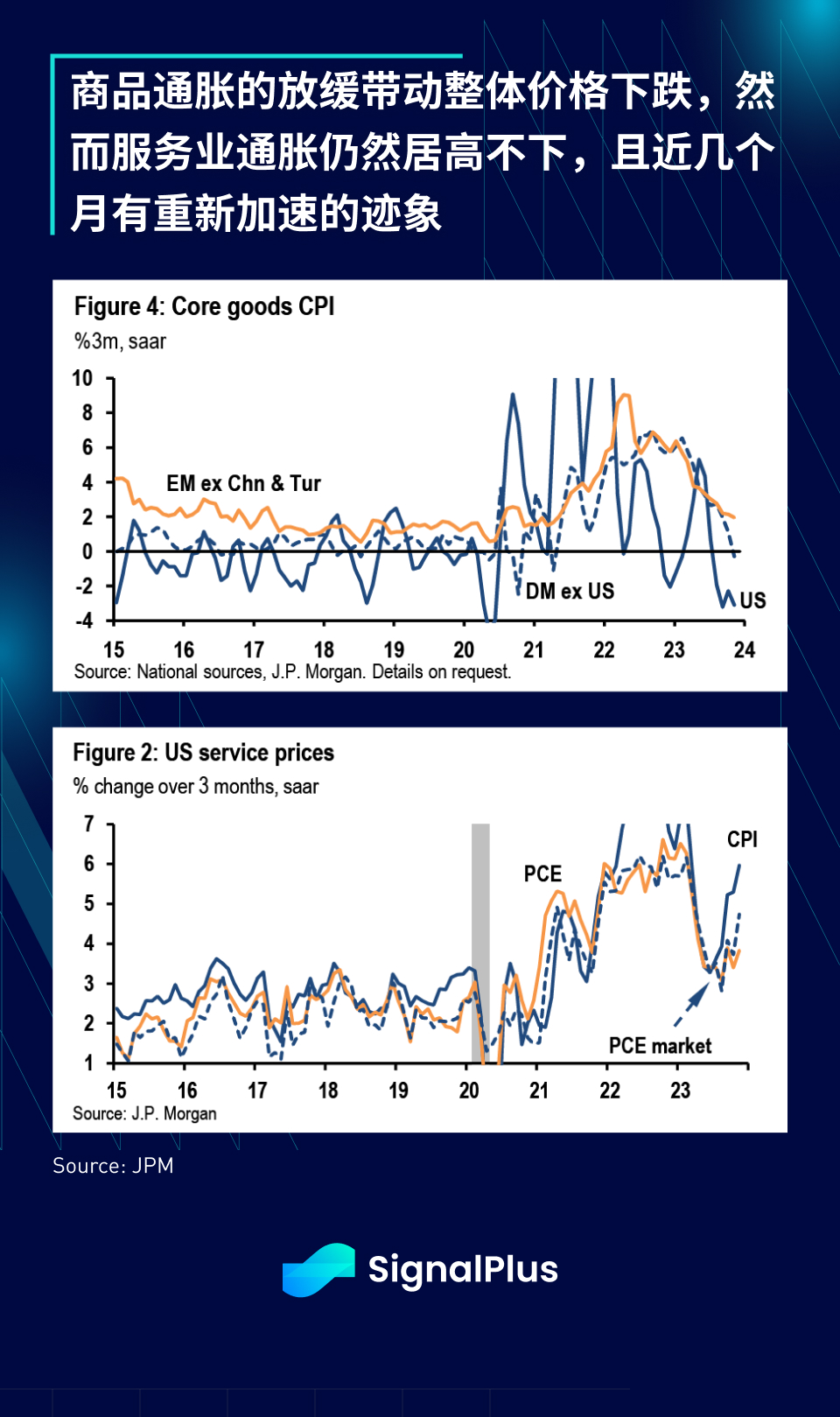
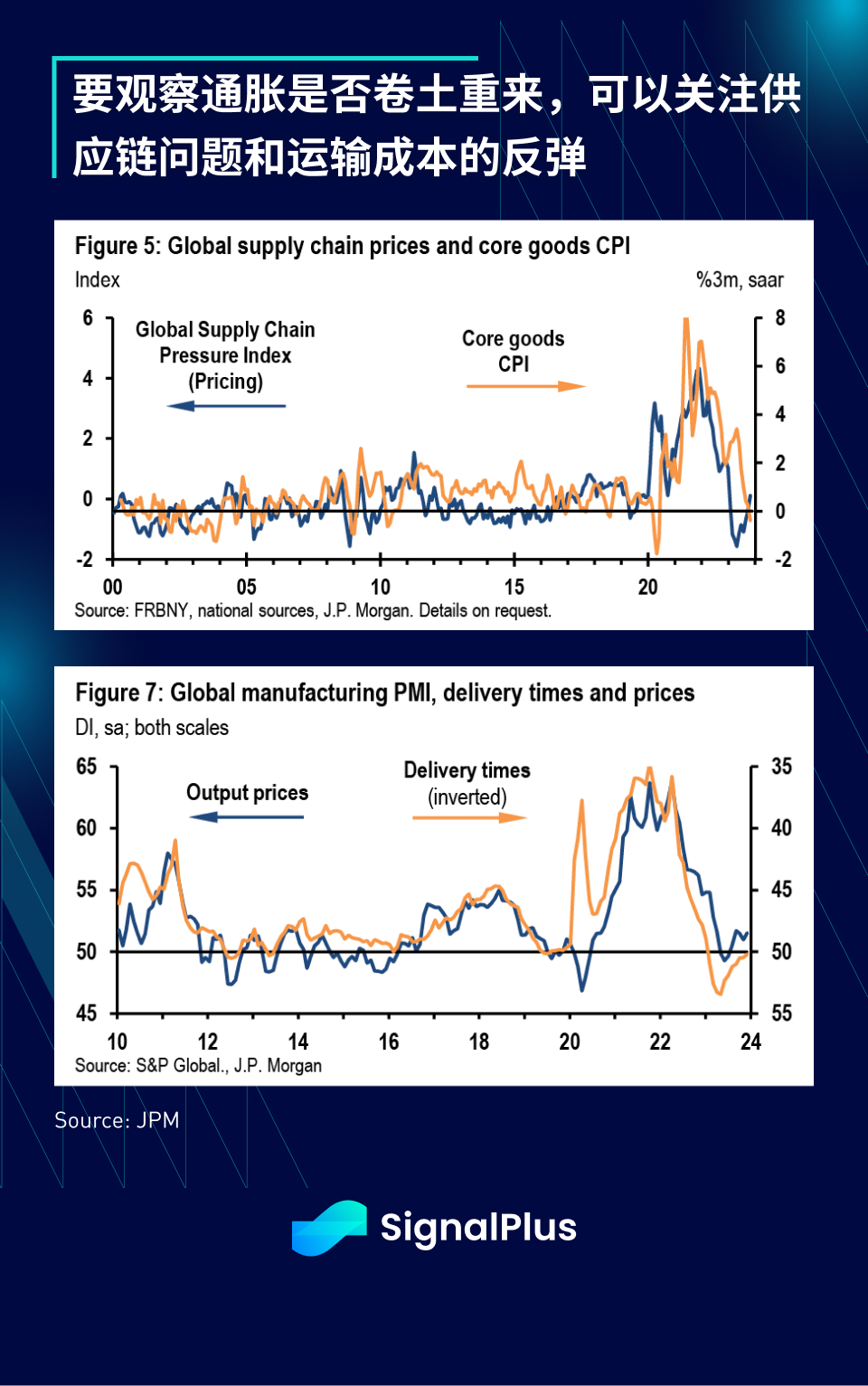
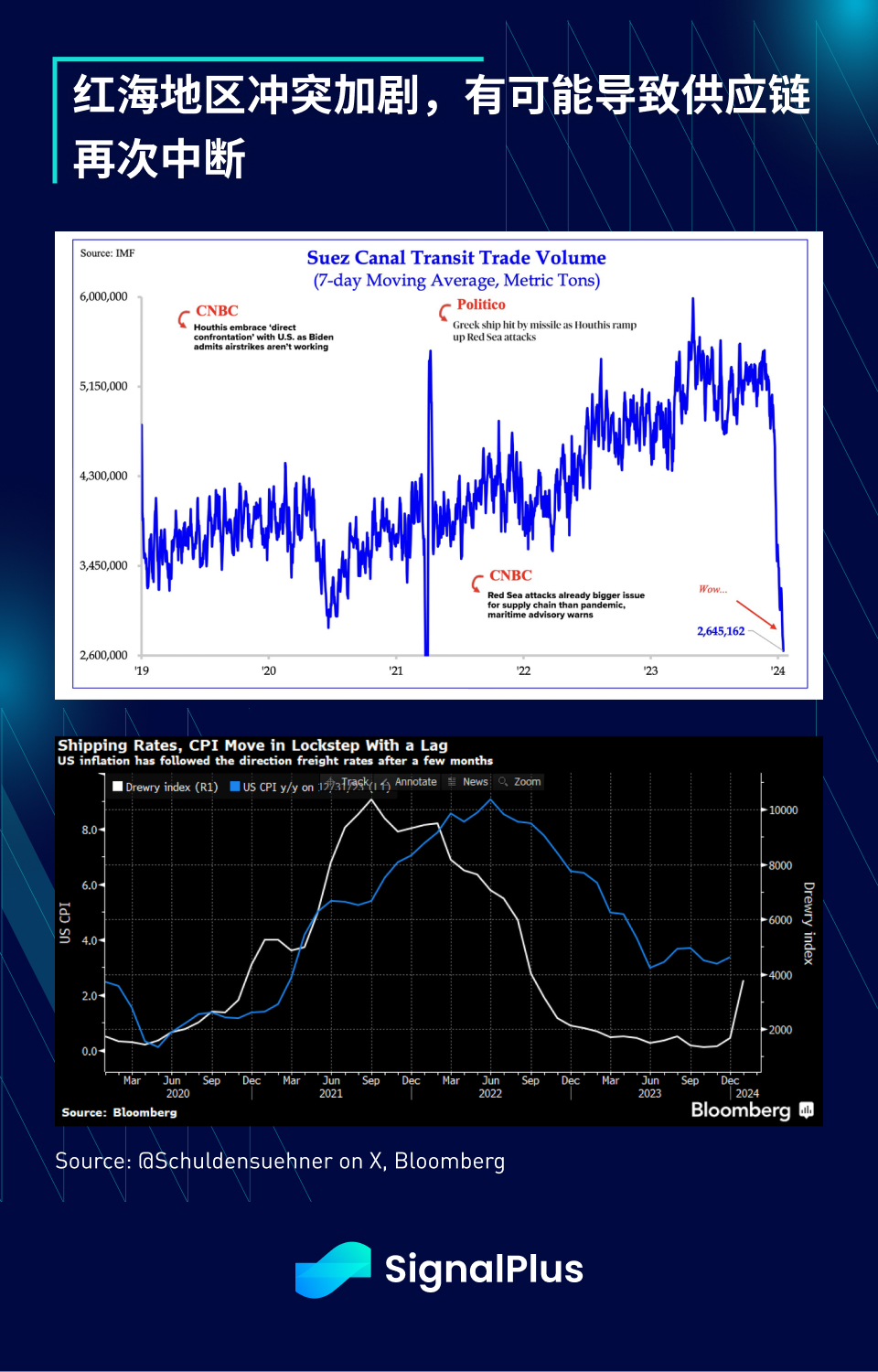
Furthermore, the easing of supply chain issues is the main reason for the slowdown in commodity inflation in 2023, however the benefits of the base effect will disappear this year, and the recent conflict in the Red Sea has begun to cause transportation costs to rise significantly.
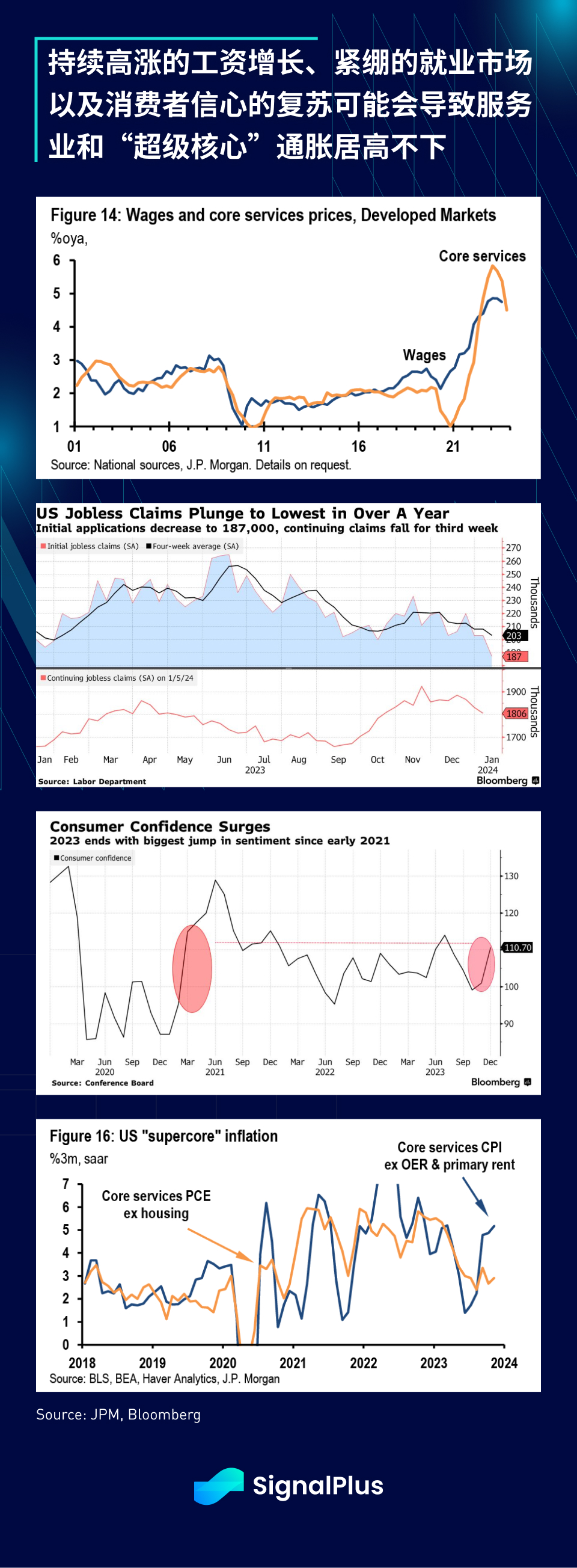
On the services side, continued high wage growth, a protracted tightness in the U.S. job market, and recovering consumer confidence are likely to combine to cause services and super core inflation to remain well above the Feds target levels.
Treasury Refinancing and Bond Term Structure
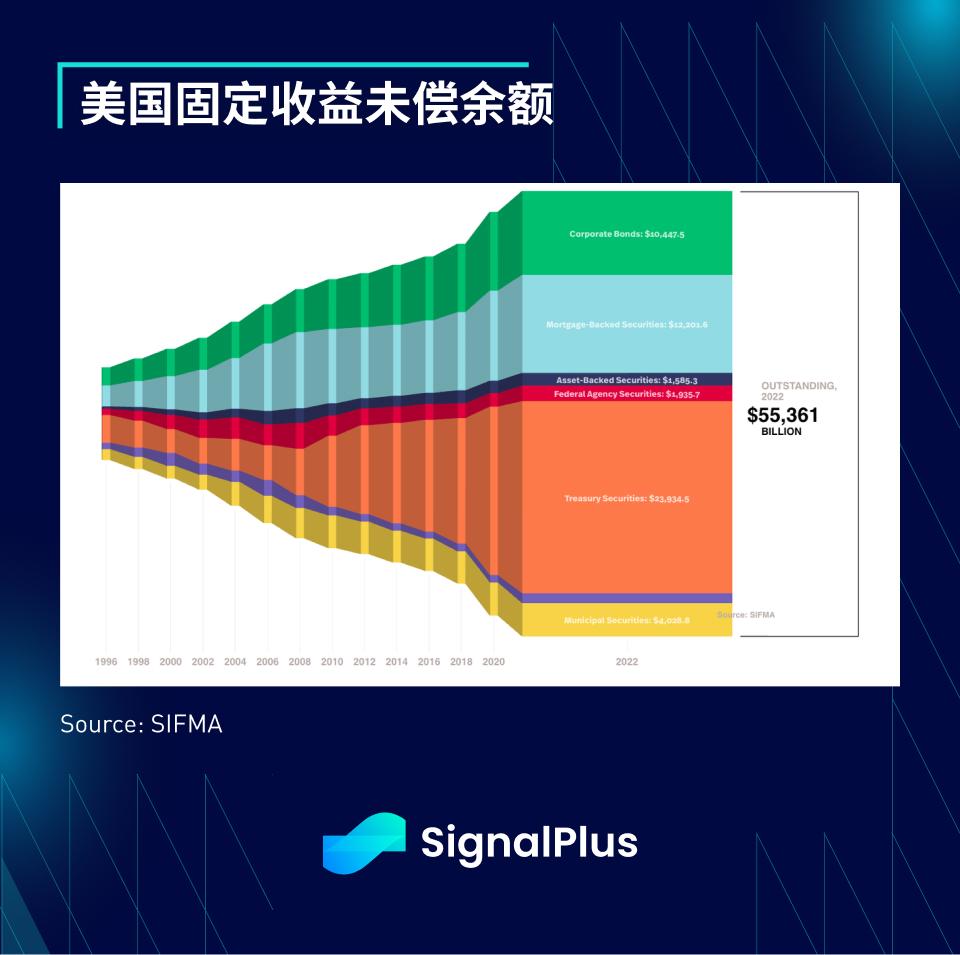
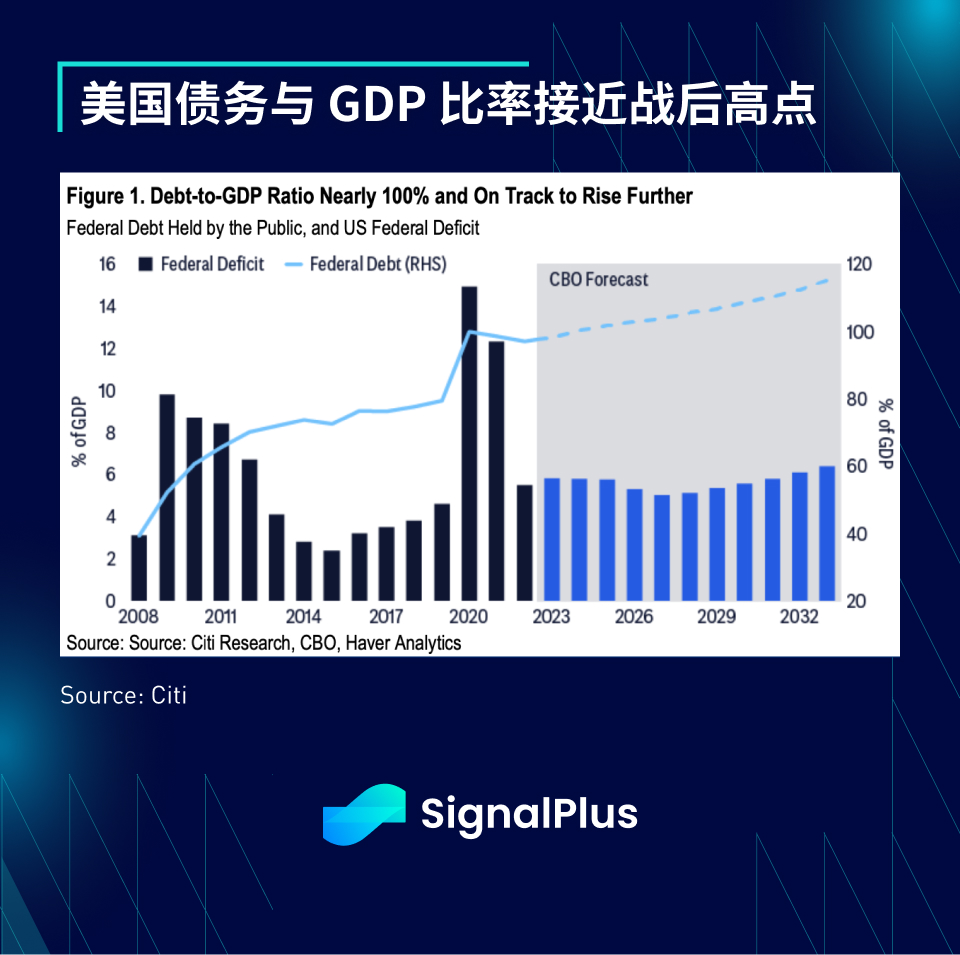
Every day, pessimistic predictions are made about the U.S. governments debt problem, emphasizing that the debt-to-GDP ratio is near postwar highs and that debt interest payments exceed $1 trillion annually.
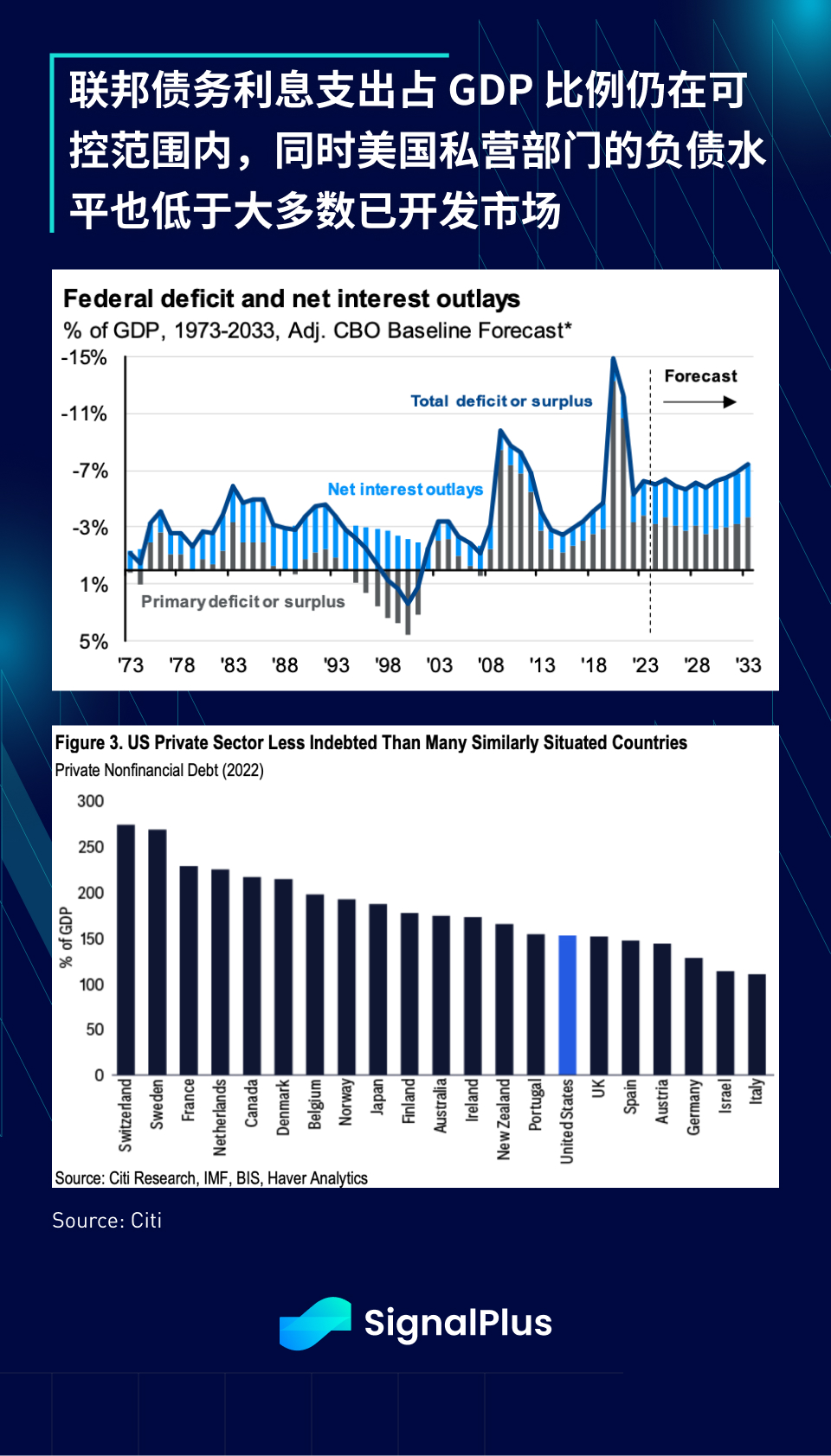
However, from the perspective of debt service coverage ratio, the ratio of interest expenses to GDP is still at a controllable level of about -6%, which is far lower than the level during the epidemic (-13% to -15%), and even lower than the global financial crisis period (-8% to -10%); furthermore, as U.S. consumers struggle to pay off debt, the U.S. private sectors financial position is actually much better than most developed markets.
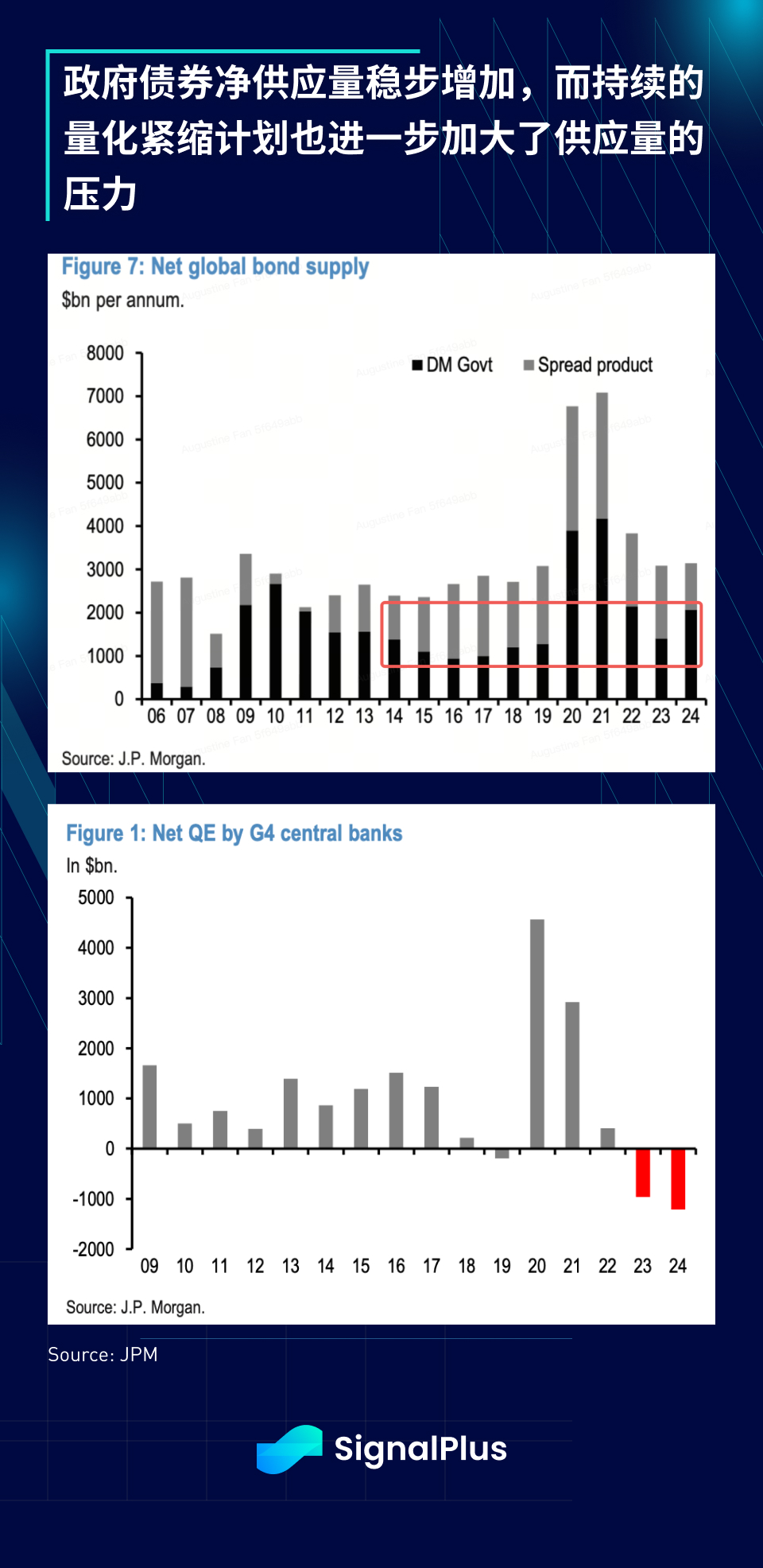
Secretary Yellens strategic move to shorten the maturity of debt was a clever move that effectively drove down long-term yields, however, is this just a one-time bluff or will she continue to use this new method to further manipulate investments? the reader’s emotions?
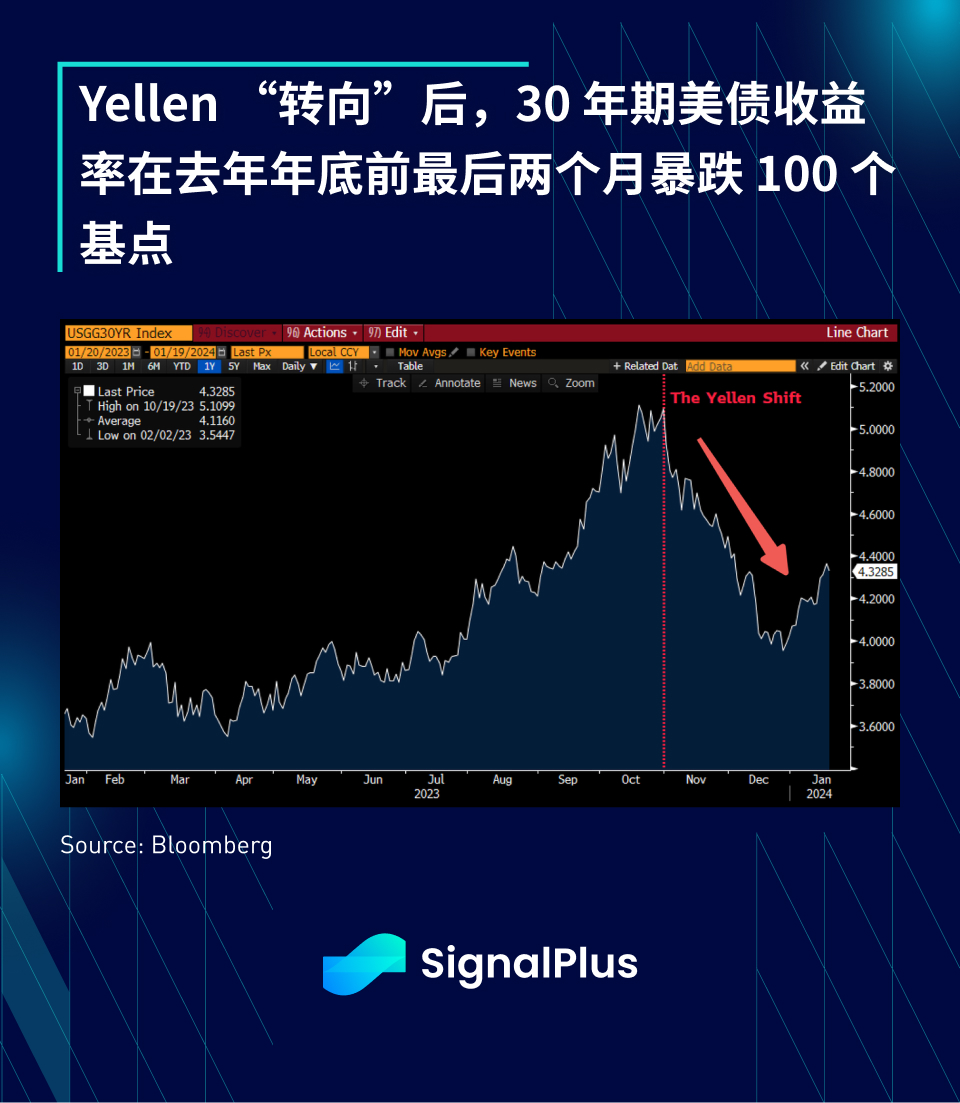
The Treasury Borrowing Advisory Committee (TBAC) outlined three possible but widely varying debt maturity structure outcomes, depending on the mix of long- and short-dated bonds to be issued, if the shift to shorter maturities persists and auction sizes are smaller than expected. Will benefit risky assets.
The next refinancing announcement will be released on January 31, 2024, next to the JOLTS data on the 30th, the ISM/FOMC on February 1 and the non-farm employment data on the 2nd, which constitutes the first macroeconomic note worthy of attention this year. Event week, be sure to be prepared.
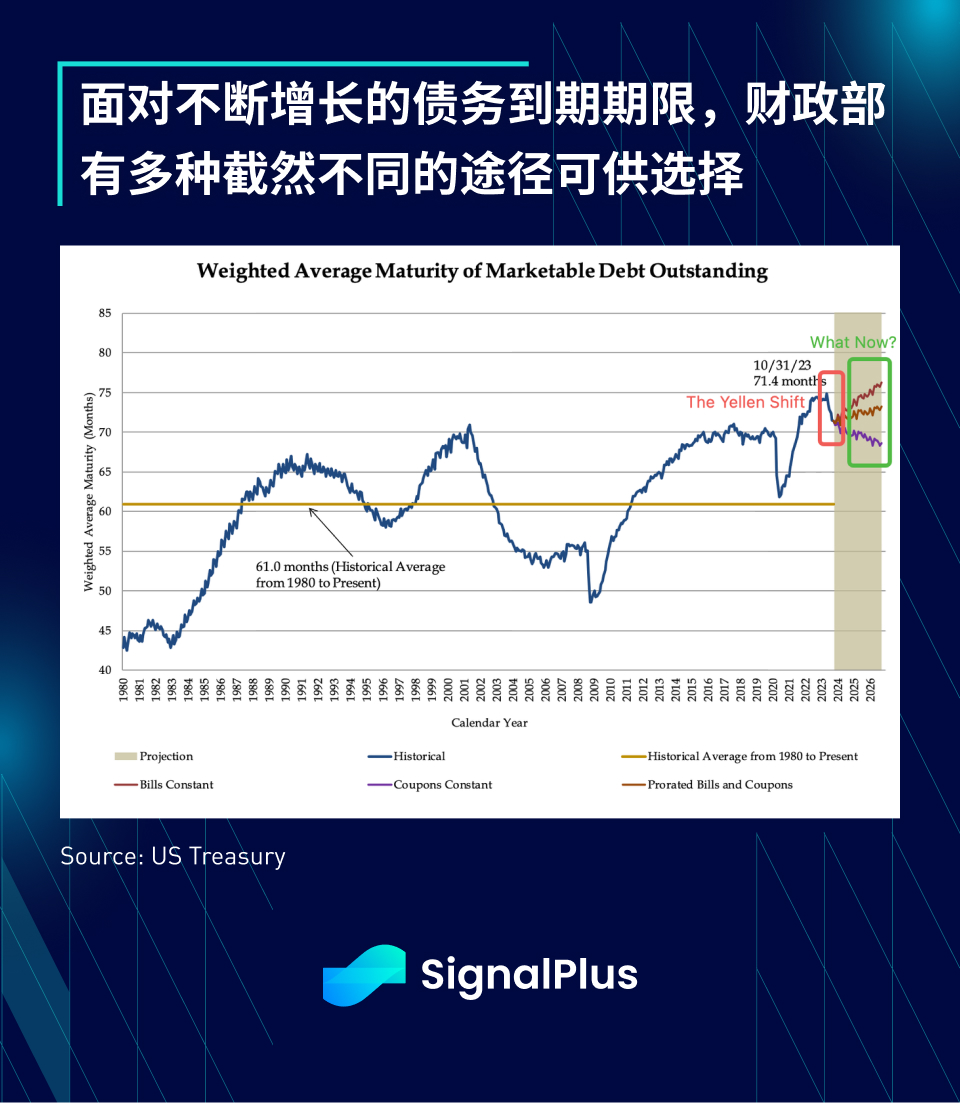
Slow down the shrinkage

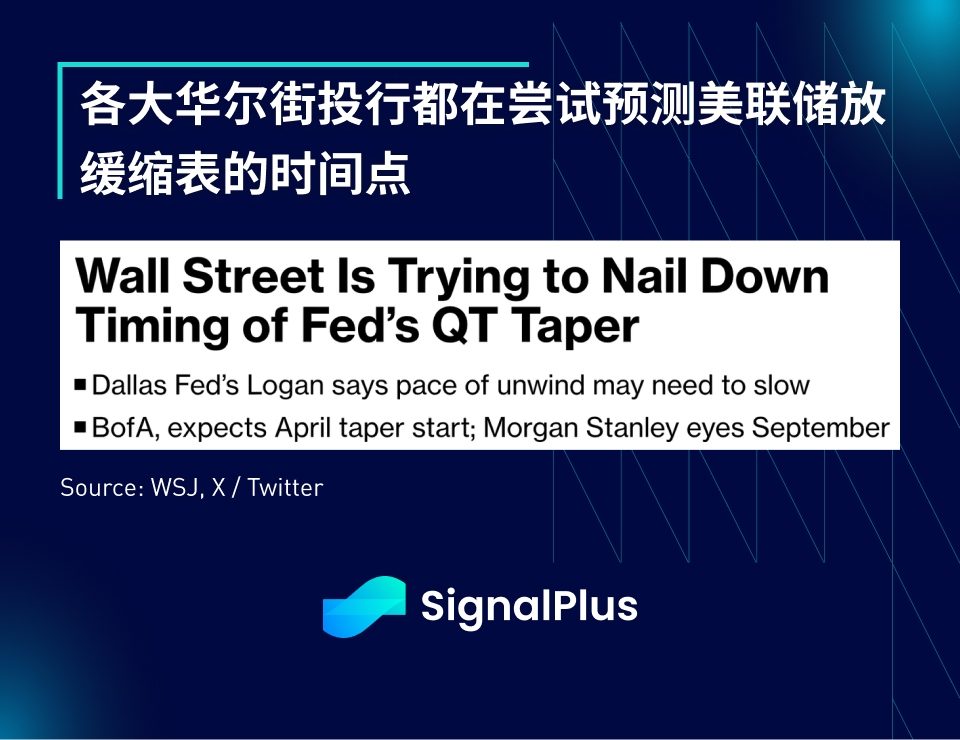
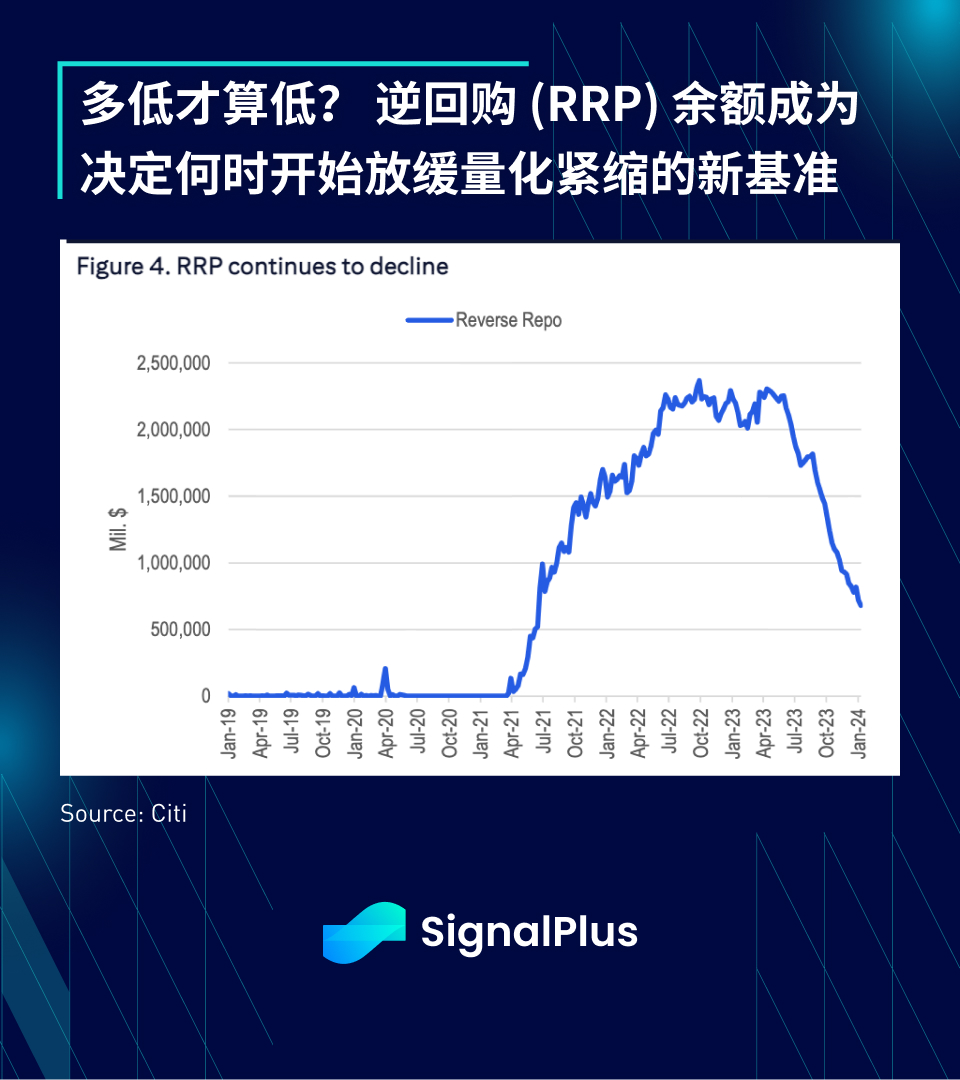
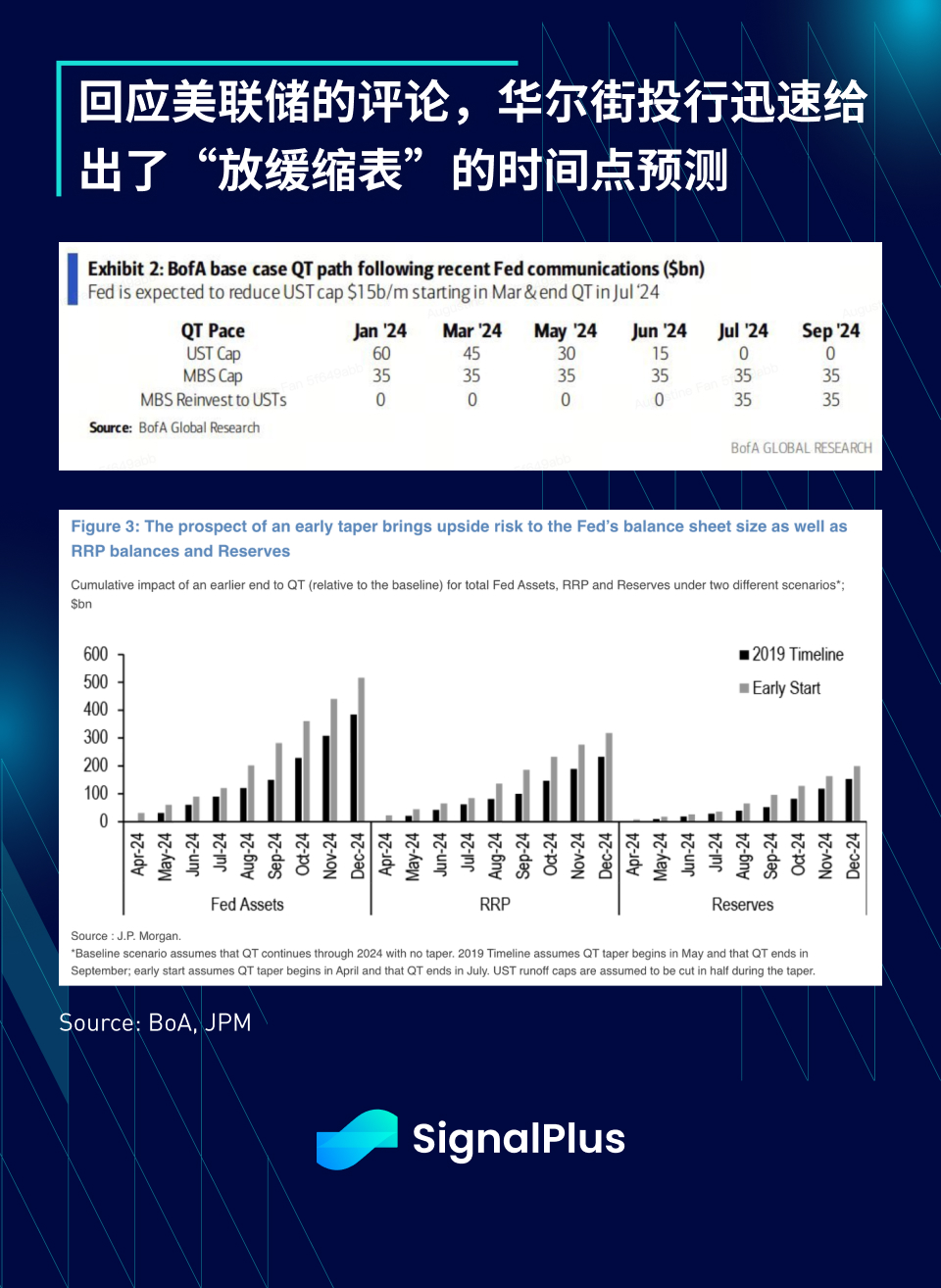
The minutes of the December FOMC meeting put forward the idea of stopping the balance sheet reduction early (that is, slowing down the balance sheet), mainly based on some technical discussions on the shrinking reverse repurchase (RRP) balance. Key quotes from the meeting minutes are as follows:
“Several participants noted that the Committee’s balance sheet plan indicated that balance sheet reduction would be slowed and ultimately halted when reserve balances are slightly above the level of adequate reserves, and these participants suggested that the Committee should Before making relevant decisions, we should start discussing the technical factors that may lead to the decision to slow down the balance sheet as early as possible so as to provide the public with appropriate advance notice.” - December 12-13, minutes of the FOMC meeting released on January 3.
No matter when it finally happens, dont say they didnt have advance warning that easing could come at any time.
Track money flow
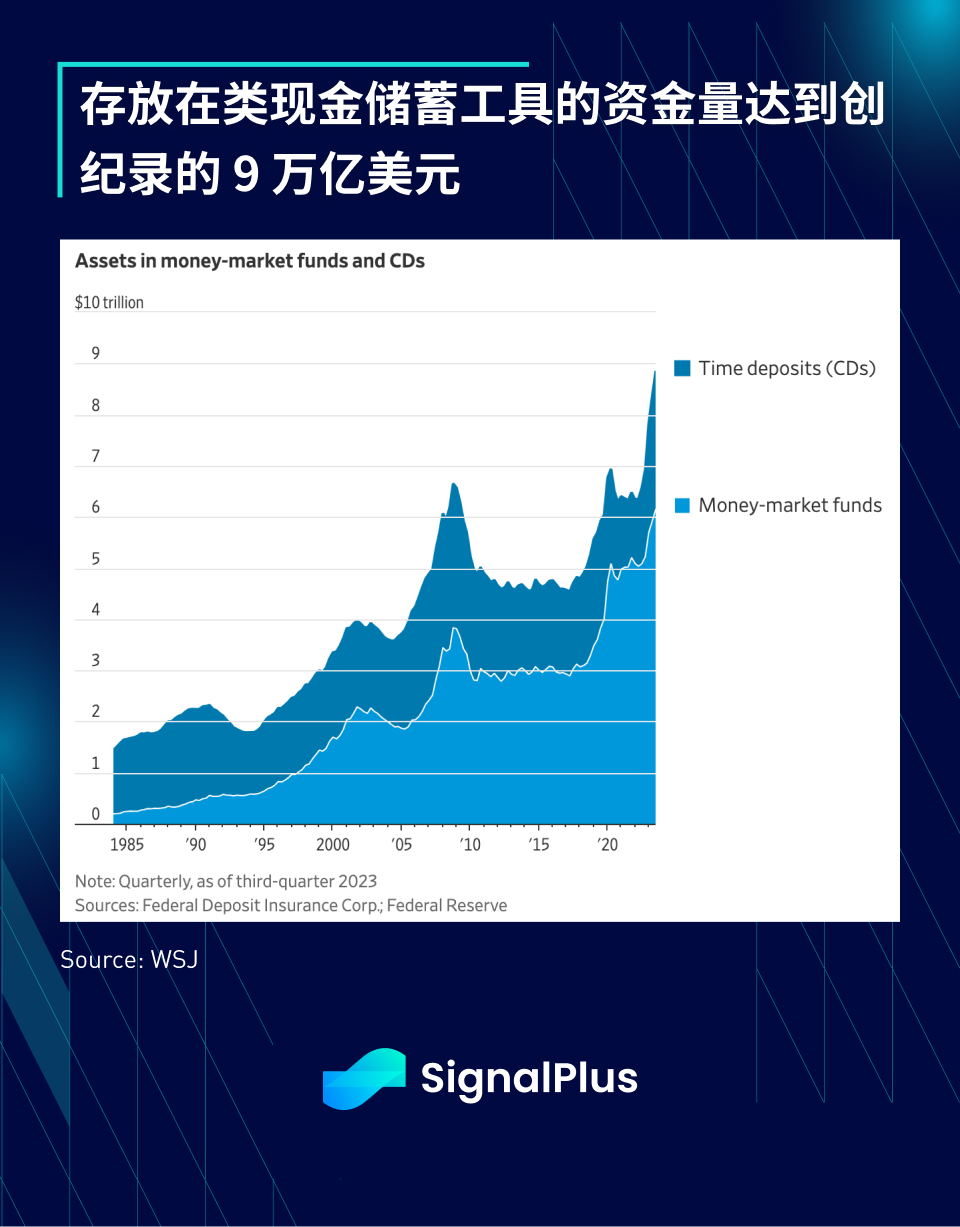
Regardless of the source and purpose of the funds, deposit rates as high as around 5% have attracted a record $9 trillion in inflows into money market funds and similar vehicles over the past two years.
Commercial real estate in deep freeze
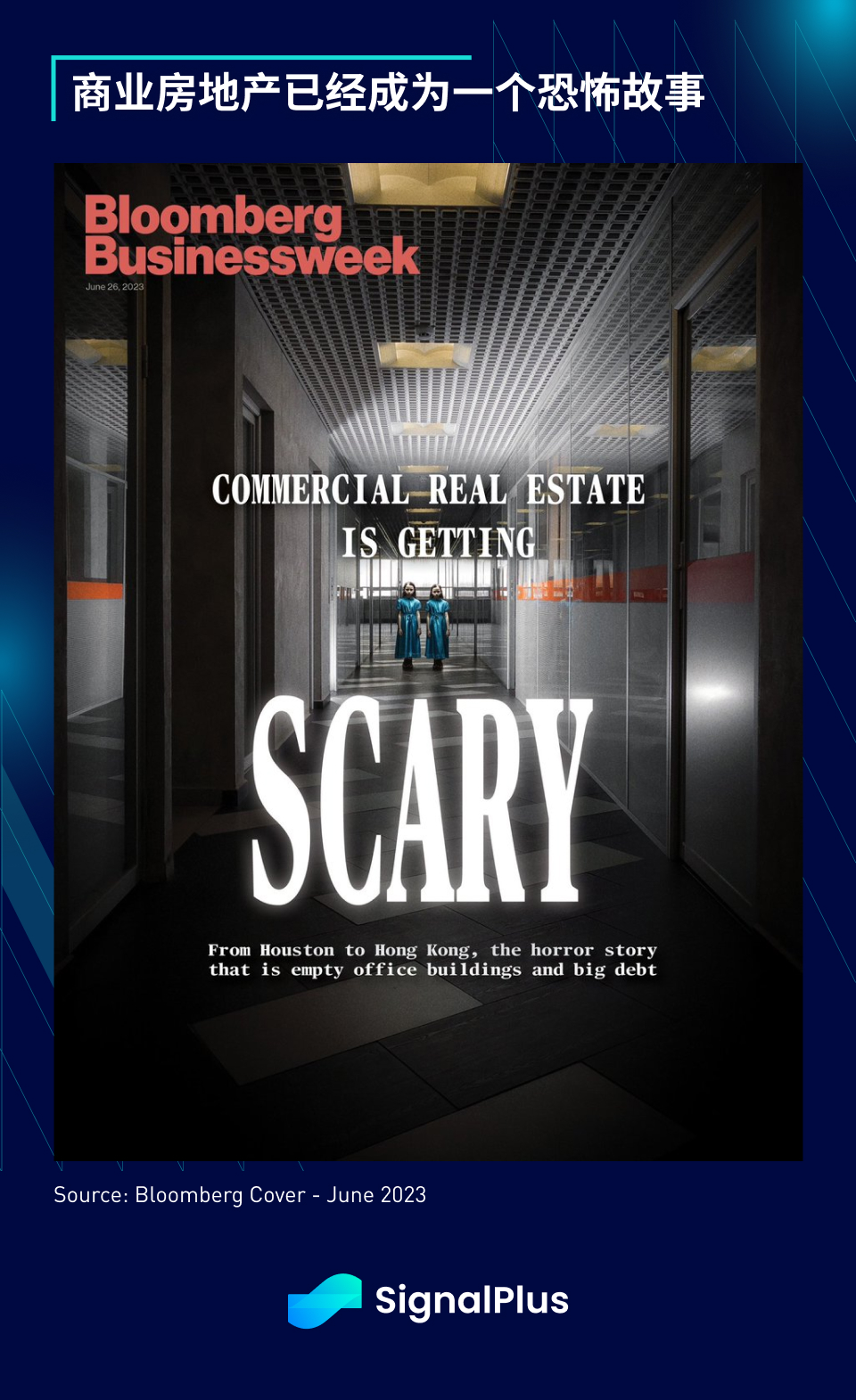
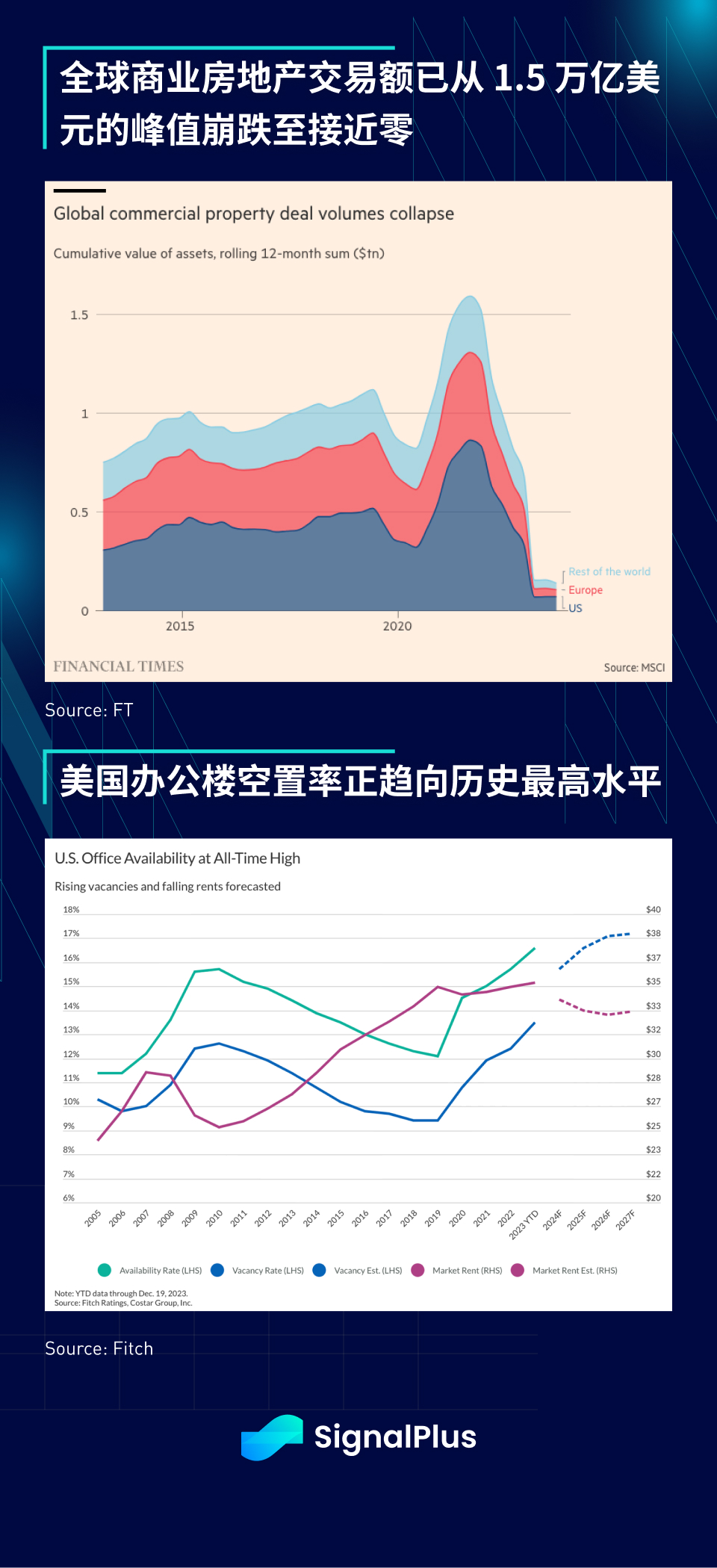
Unlike the housing market, which only rises but never falls, office buildings are the biggest collateral damage in the Feds anti-inflation actions, and the commercial real estate market has sunk to its lowest point.
Rising financing costs, shrinking bank lending lines, soaring labor and input costs, and the rise of remote working after the epidemic have fundamentally changed the appeal of office buildings, said Barry, CEO of Starwood Capital Group ($115 billion in assets under management) Sternlicht described the current situation as a Category 5 hurricane, while distressed debt investment firm Oaktree ($170 billion in assets under management) said that the risks facing commercial real estate are currently the most severe due to the upcoming wave of debt maturities.
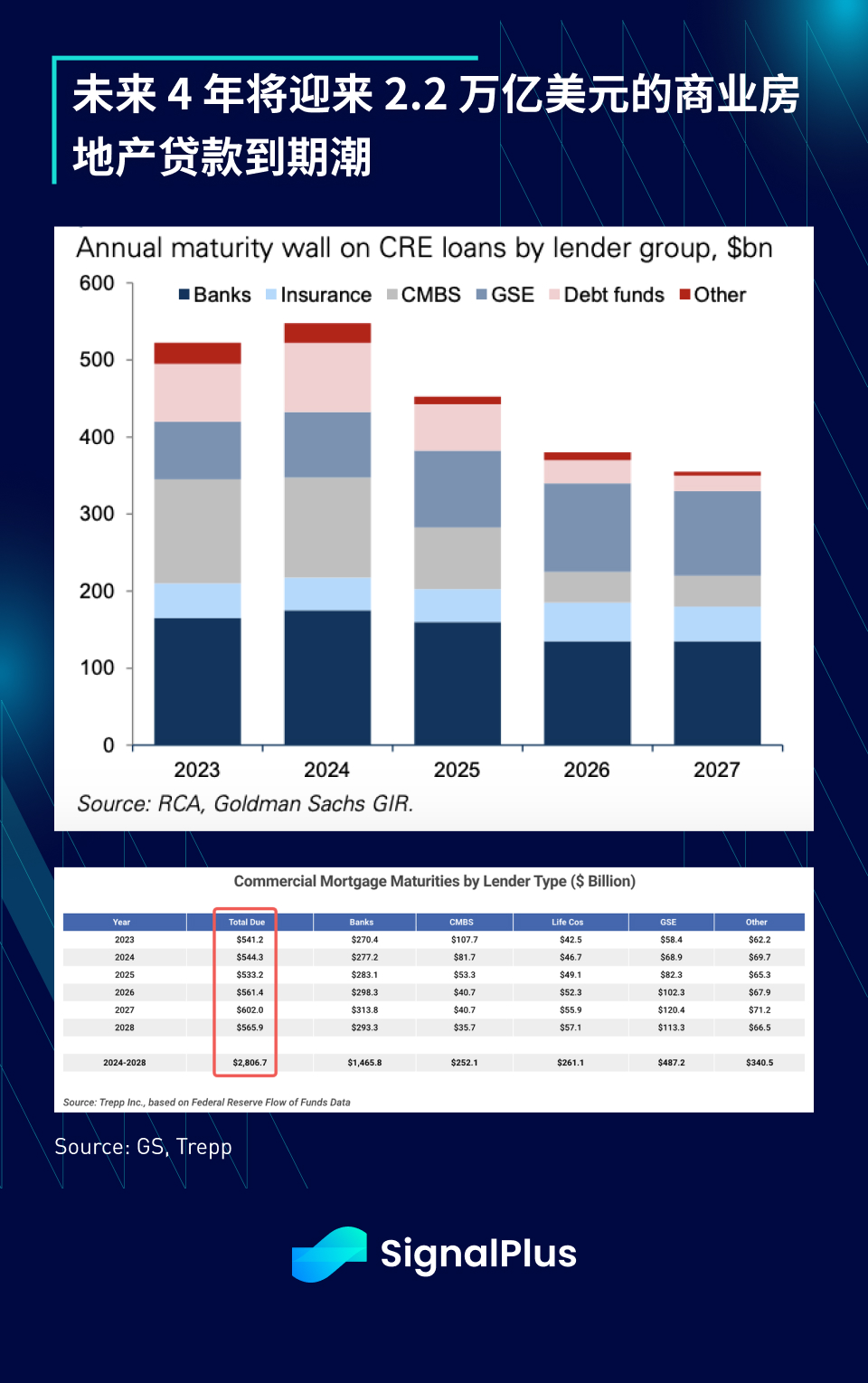
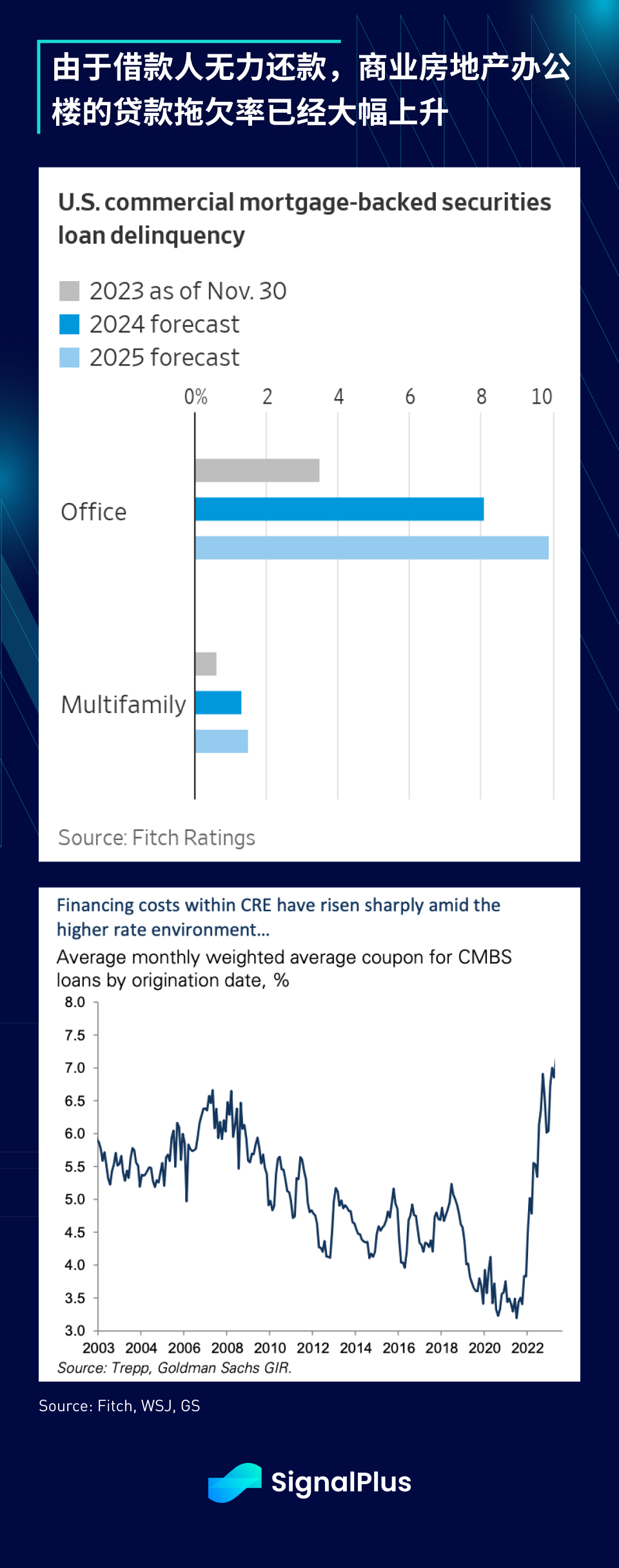
According to Trepp, more than $540 billion in commercial real estate loans are due to mature in 2023, the most in a single year, which has already put the industry in trouble. To make matters worse, as much as $2.2 trillion will come due in the next four years. Loan maturity tide. In the current interest rate environment, loan delinquencies have begun to climb as borrowers are unable to repay or extend their loan terms.
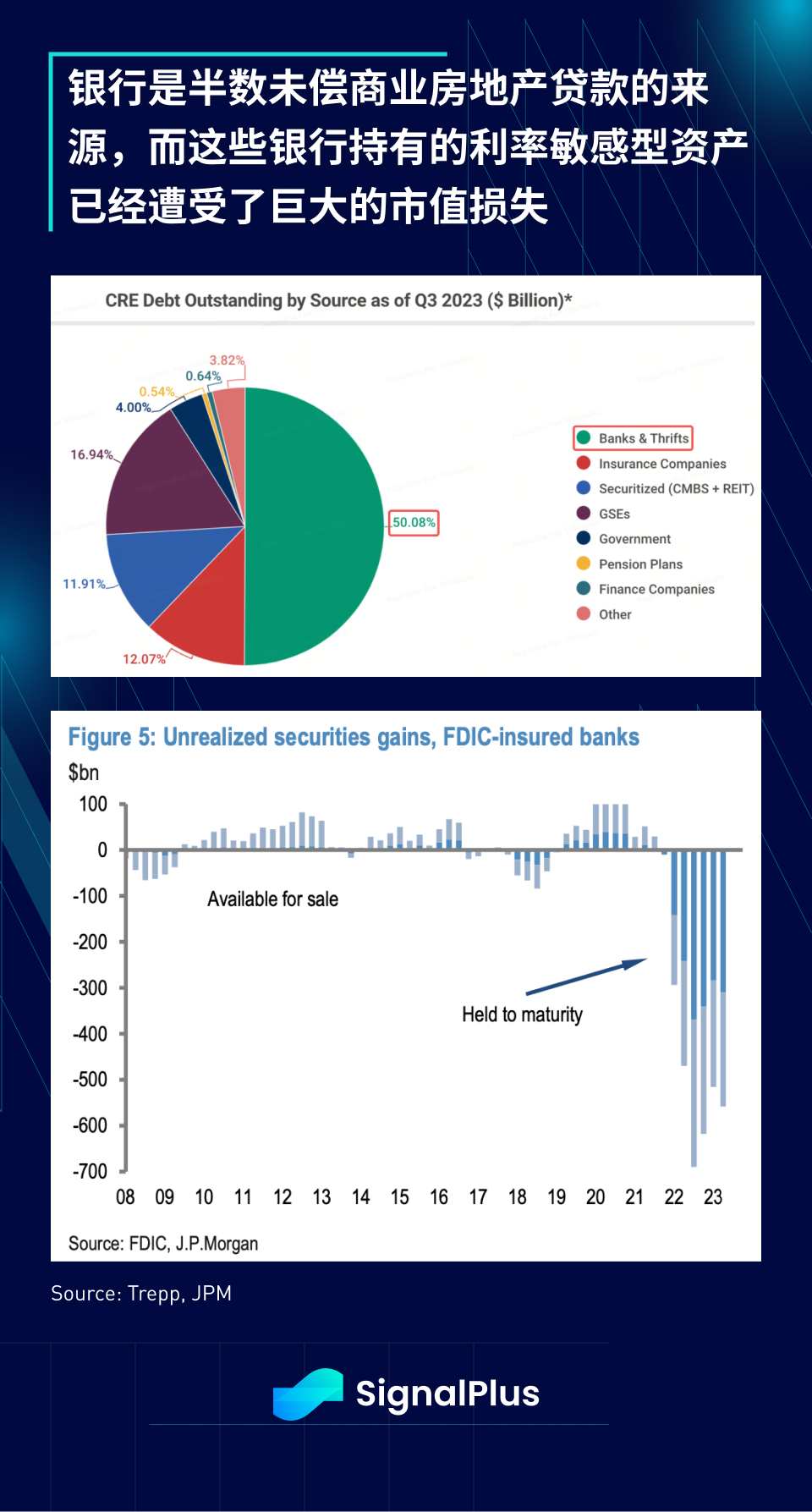
Data shows that about 50% of commercial real estate loans come from banks whose balance sheets were hit by unrealized losses on their portfolios as early as the first quarter of last year. Of course, we cannot expect banks to bear all losses alone. Over the next few quarters, borrowers and lenders should work together to negotiate solutions to share this pressure; if a rate cut actually occurs, the pain may be lessened, but we will still need to keep a close eye on the impact this may have on balance sheets. areas of risk.
Will China shine in the Year of the Dragon?
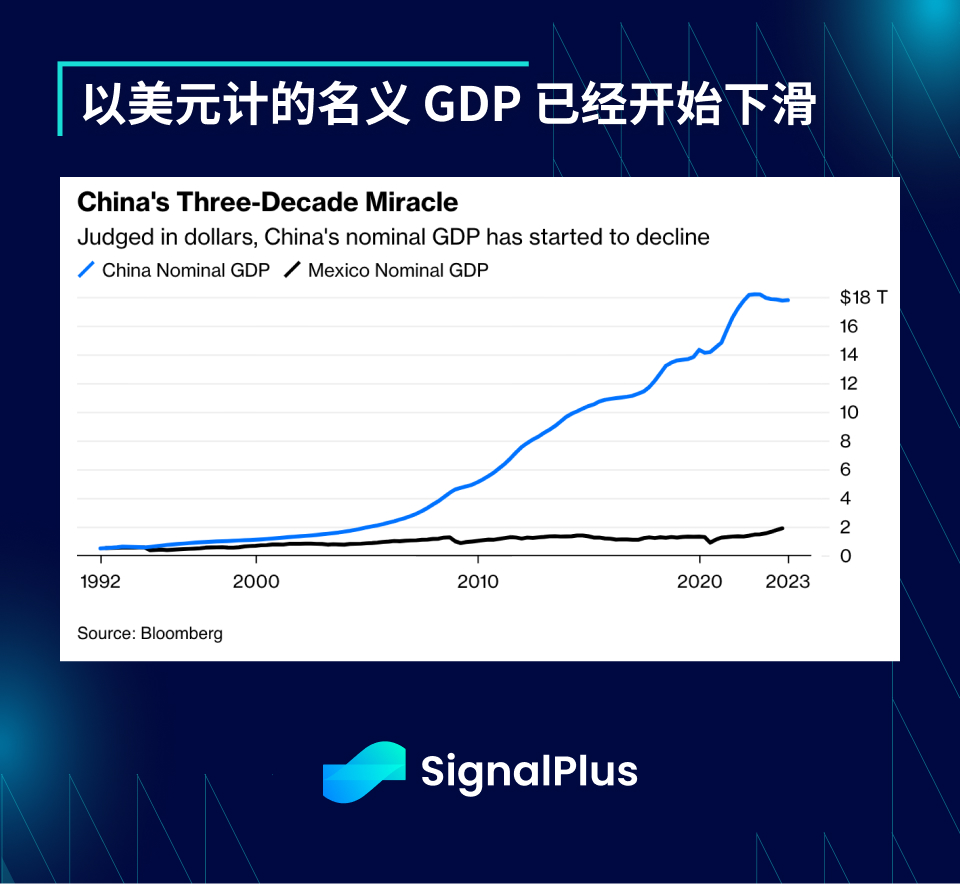
If we talk about the area where (overseas) macro strategists have made the most misjudgments, it is probably China.
Almost everyone predicts that after experiencing a severe epidemic blockade, China will usher in a year of recovery with the support of macro policies.
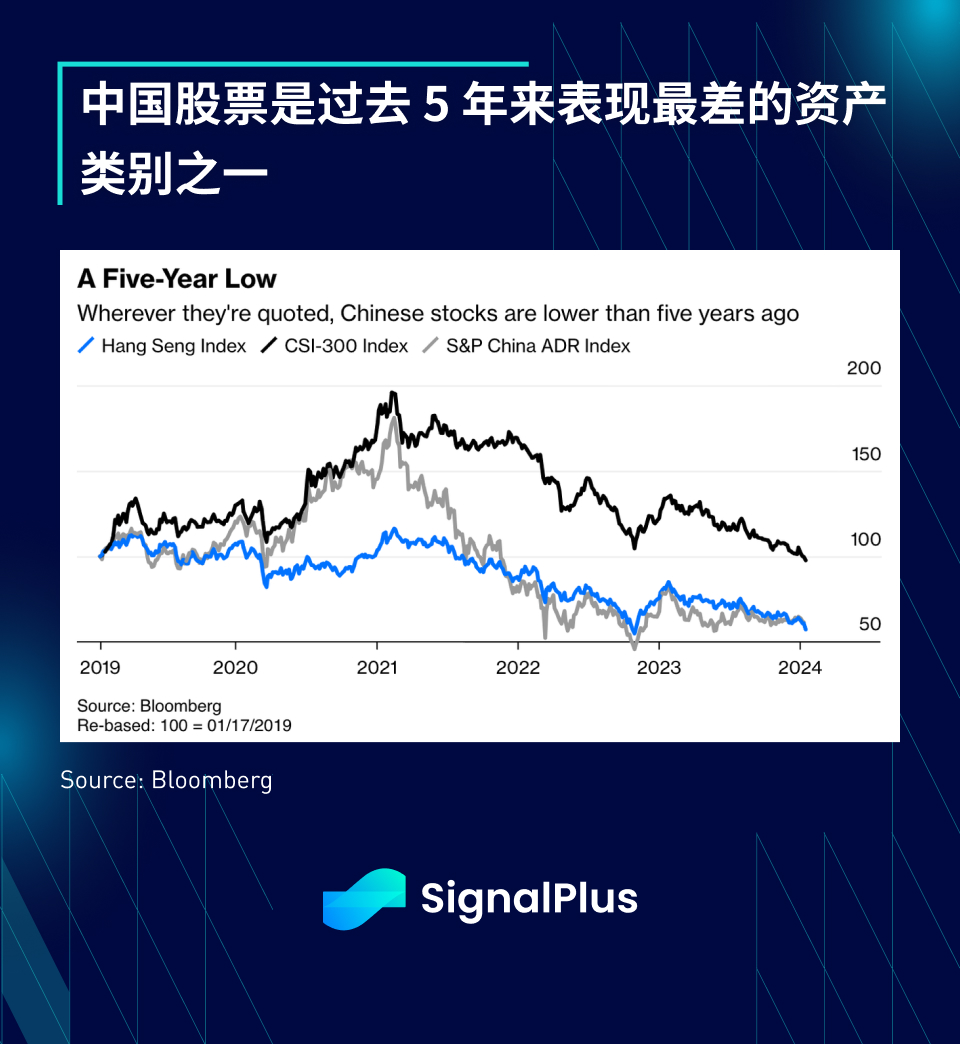
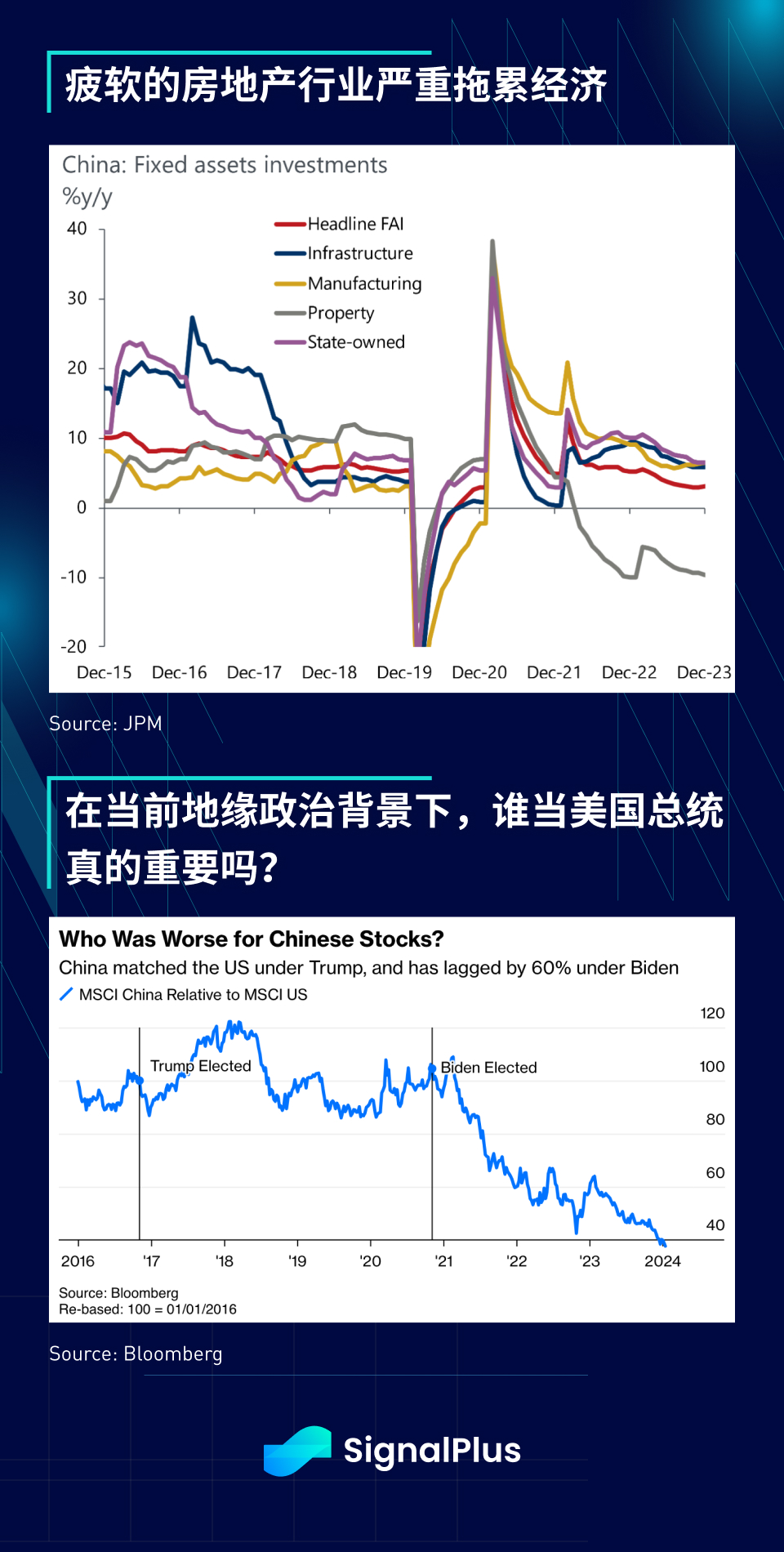
However, worsening developer defaults, rising youth unemployment, weak consumer spending, waning foreign interest, ongoing geopolitical tensions and lukewarm policy easing make China one of the worst-performing markets in 2023. one.
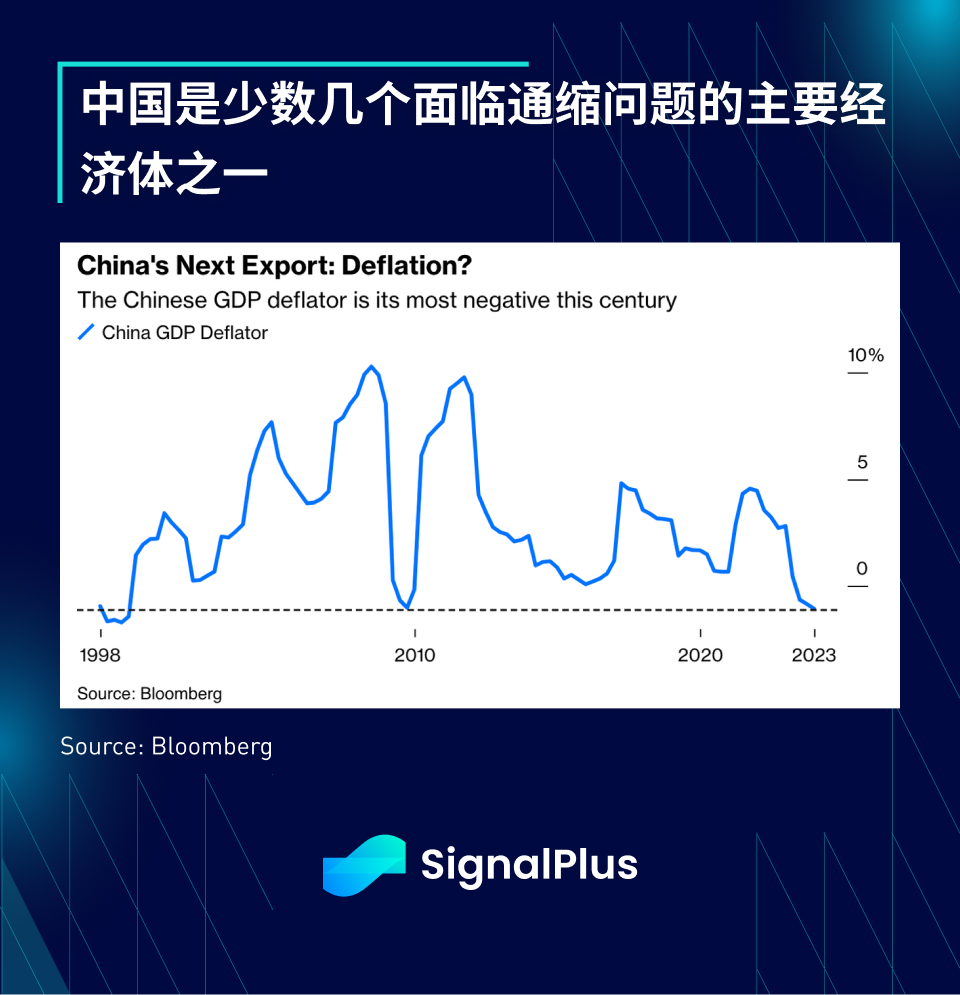
In addition, at a time when the world is worried about runaway inflation, China has suffered its most severe deflation in decades, and its nominal GDP (in U.S. dollar terms) has also begun to stagnate.
Most Wall Street analysts are once again predicting a rebound in China, supported by loose monetary and fiscal policies and new measures to stabilize the real estate market. Will this year be a turning point in the fortunes of the worlds second-largest economy, or will things remain the same? We can only wait for time to give the answer.
Investors’ positions and the market’s perfect pricing

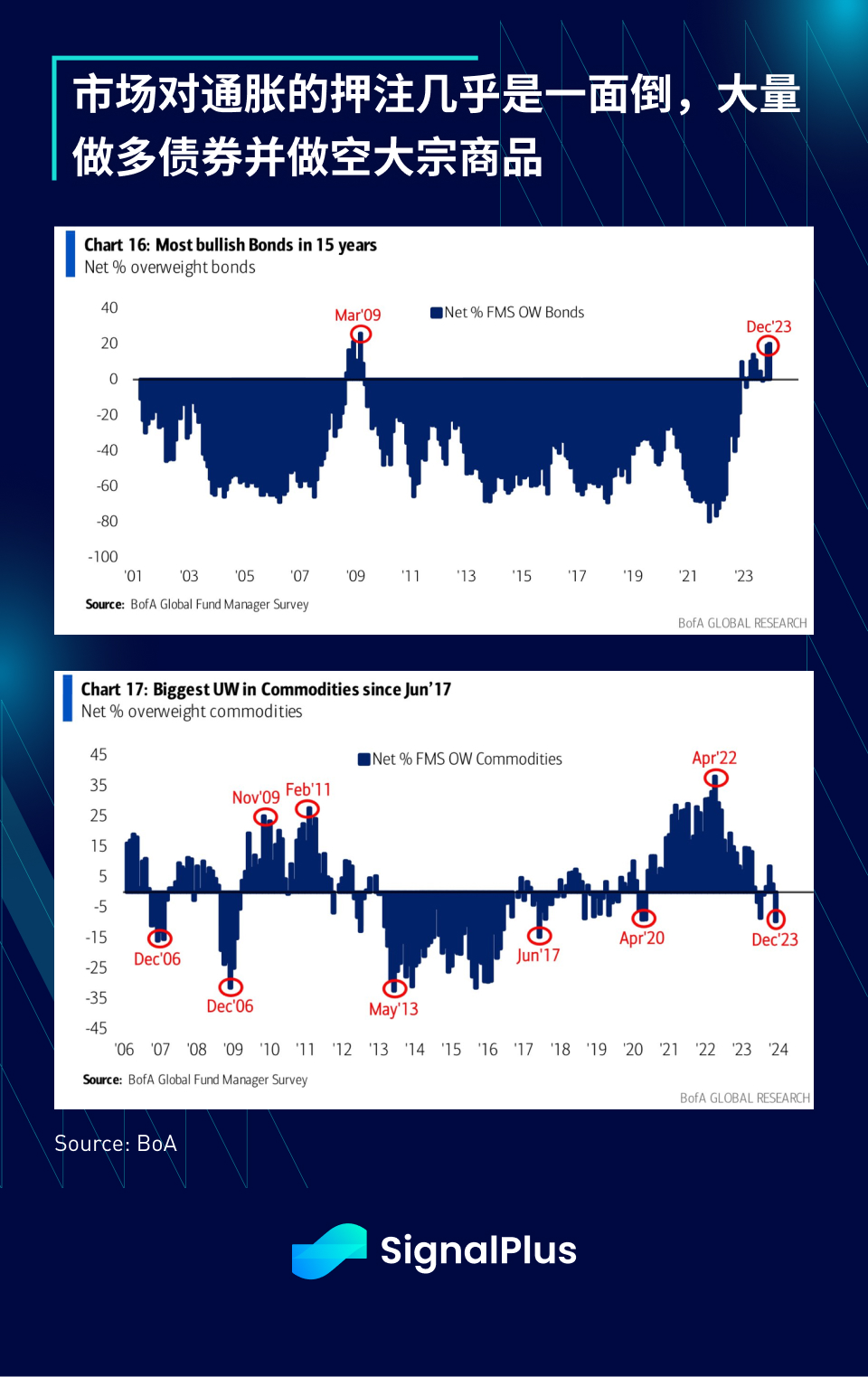
In contrast to the situation at the beginning of 2023, investors were actively holding long positions in almost every risk asset class except commodities at the beginning of 2024.
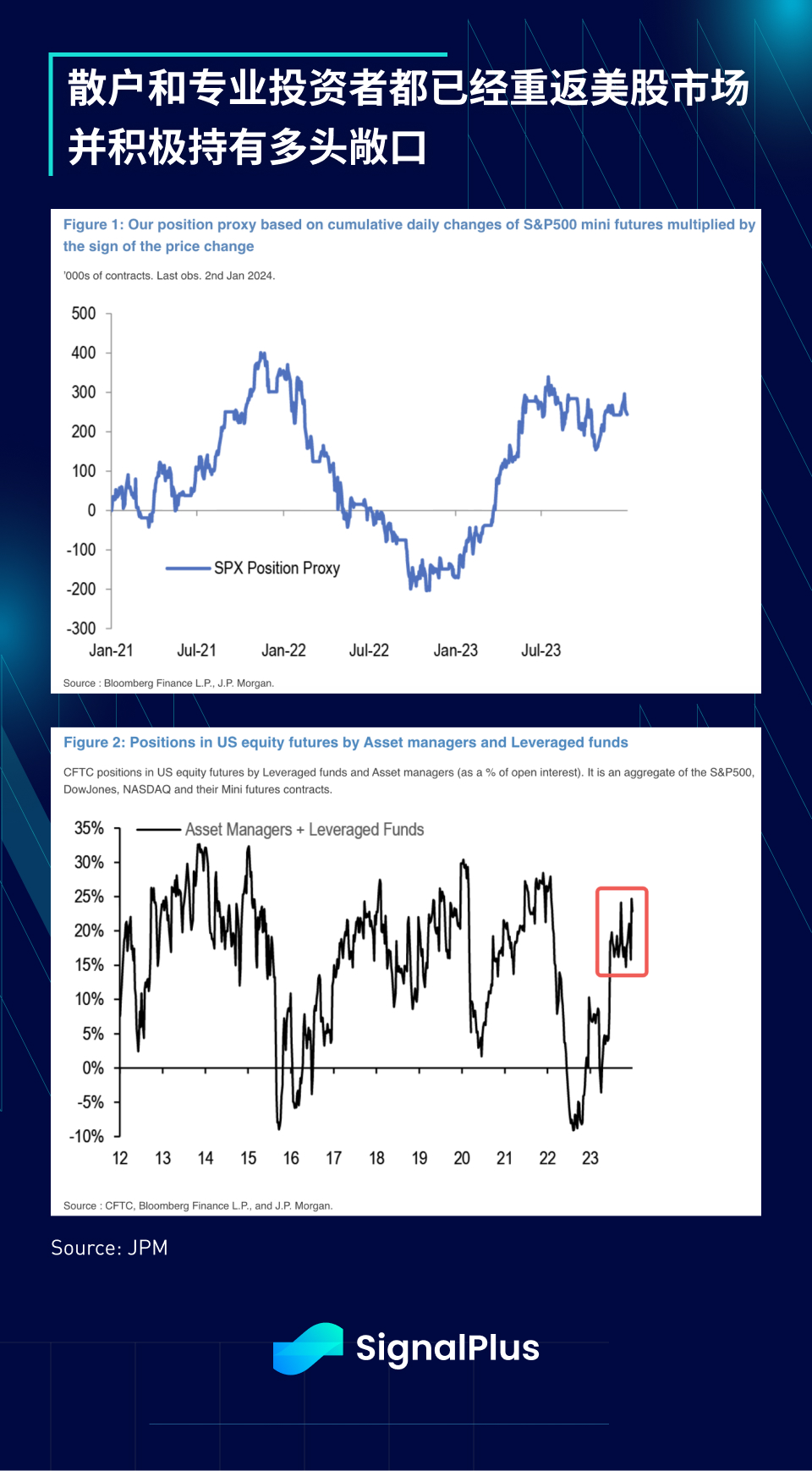
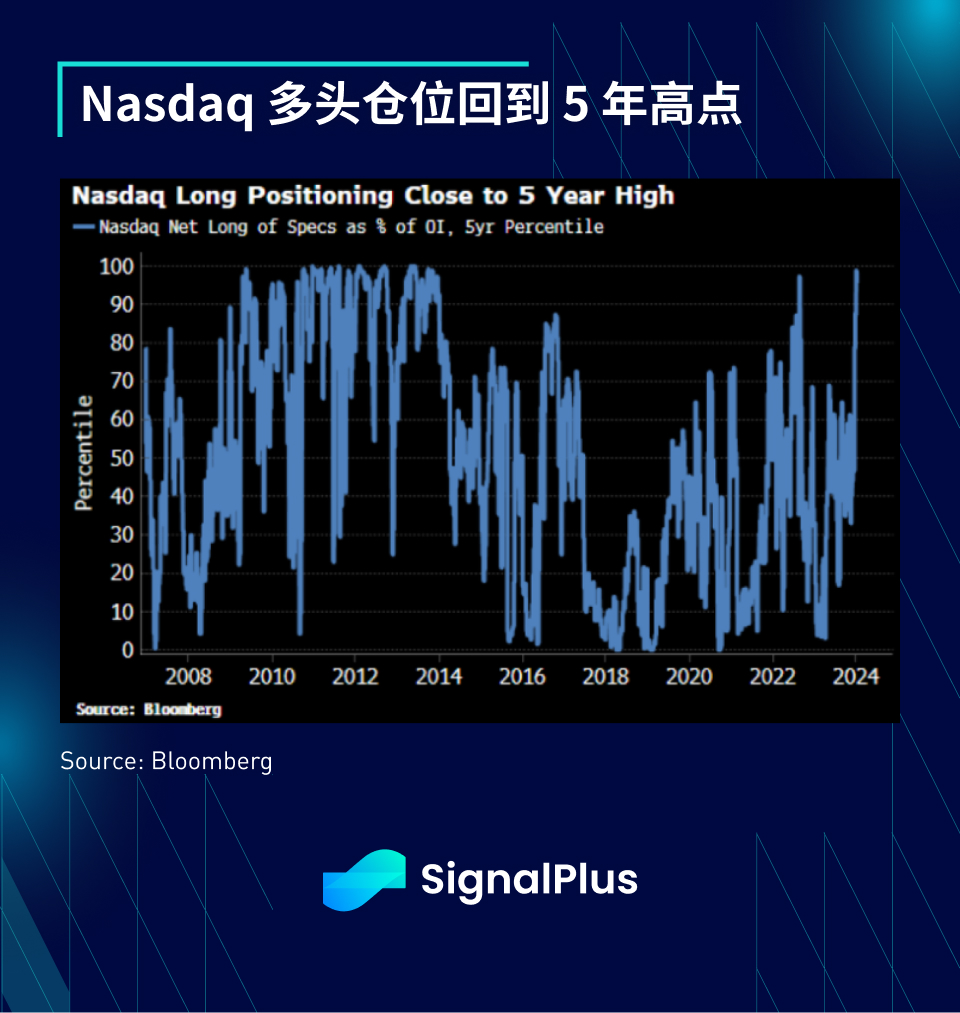
Investor optimism isnt limited to stocks, with fixed income and corporate bond inflows also hitting record highs in 2023, and investors also actively taking long positions in the new year.
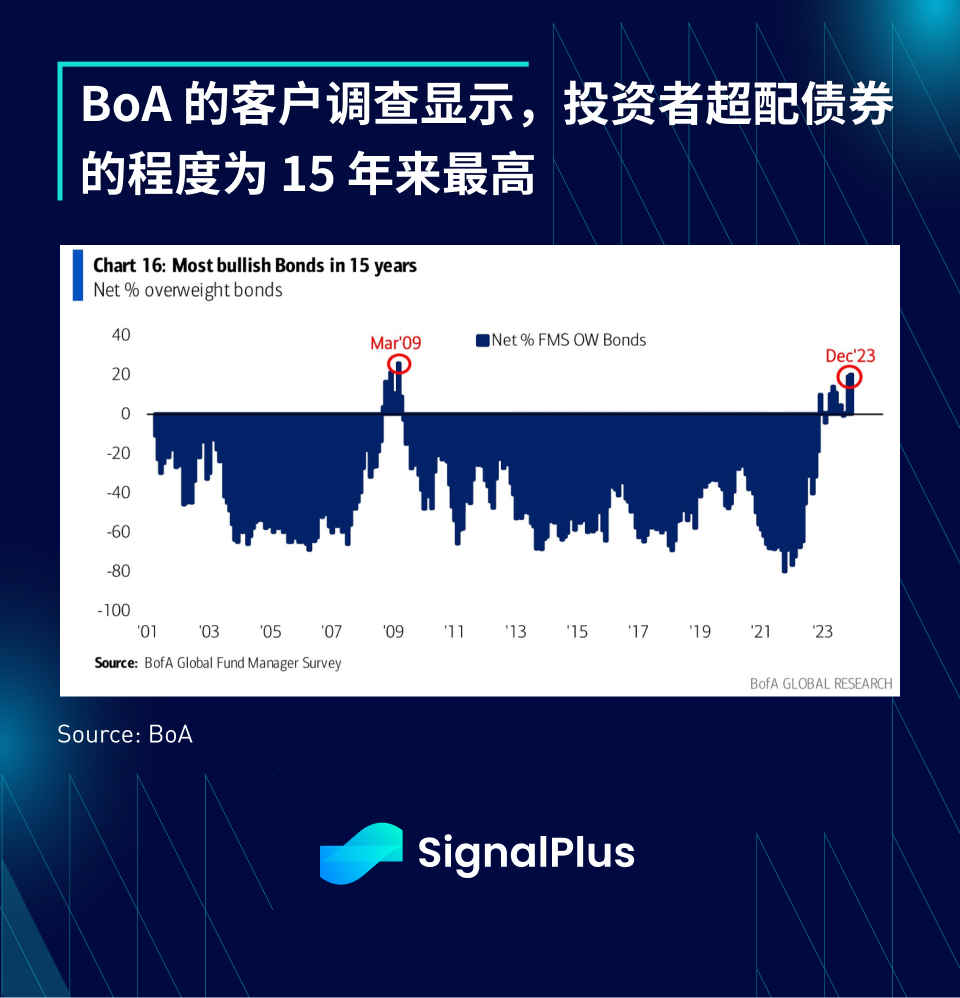
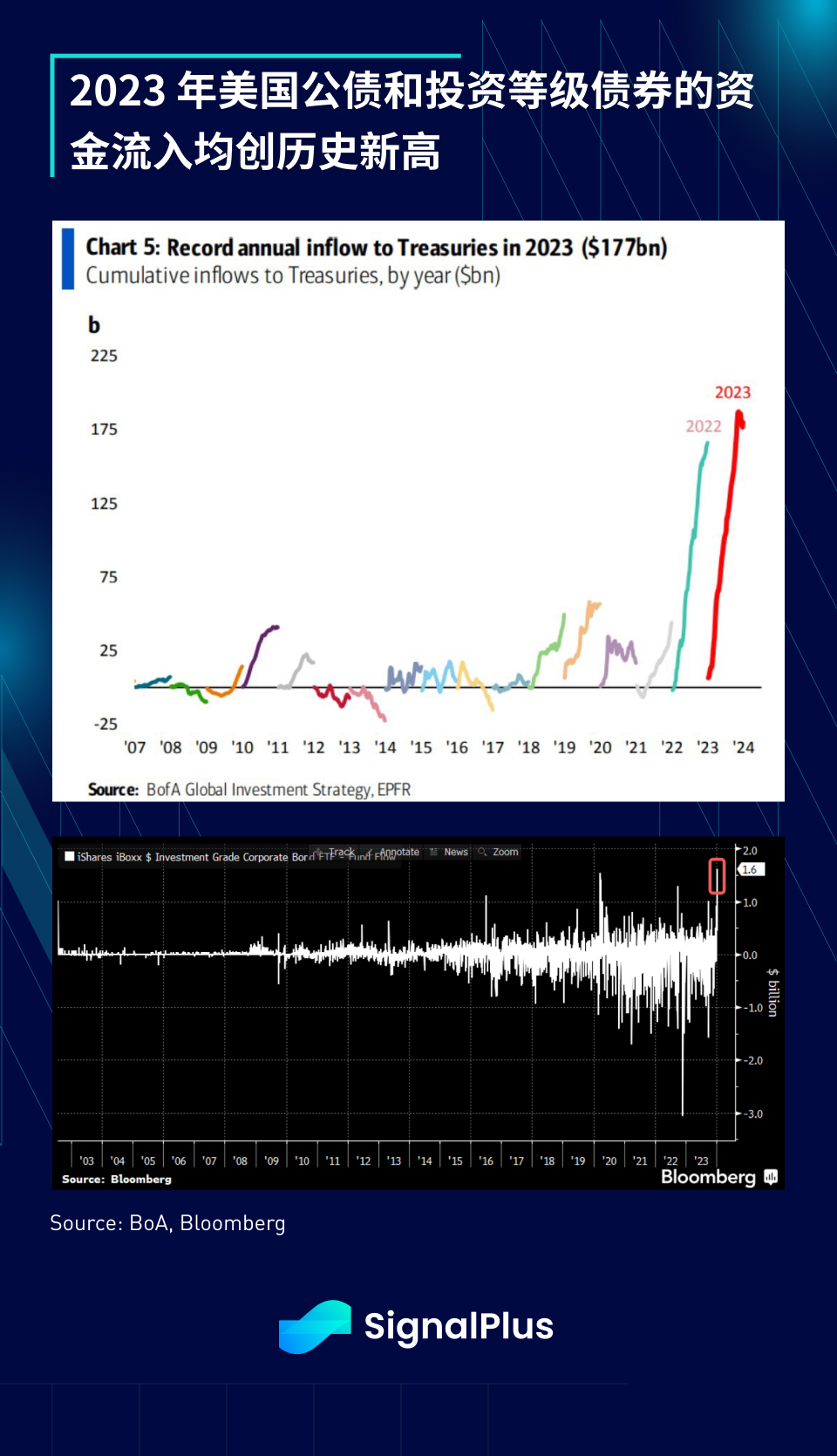
Additionally, short interest in ETFs such as SPY and QQQ fell to one of its lowest levels in five years, while SP 500 option implied volatility has fallen below the 20th percentile level over the past 30 years.
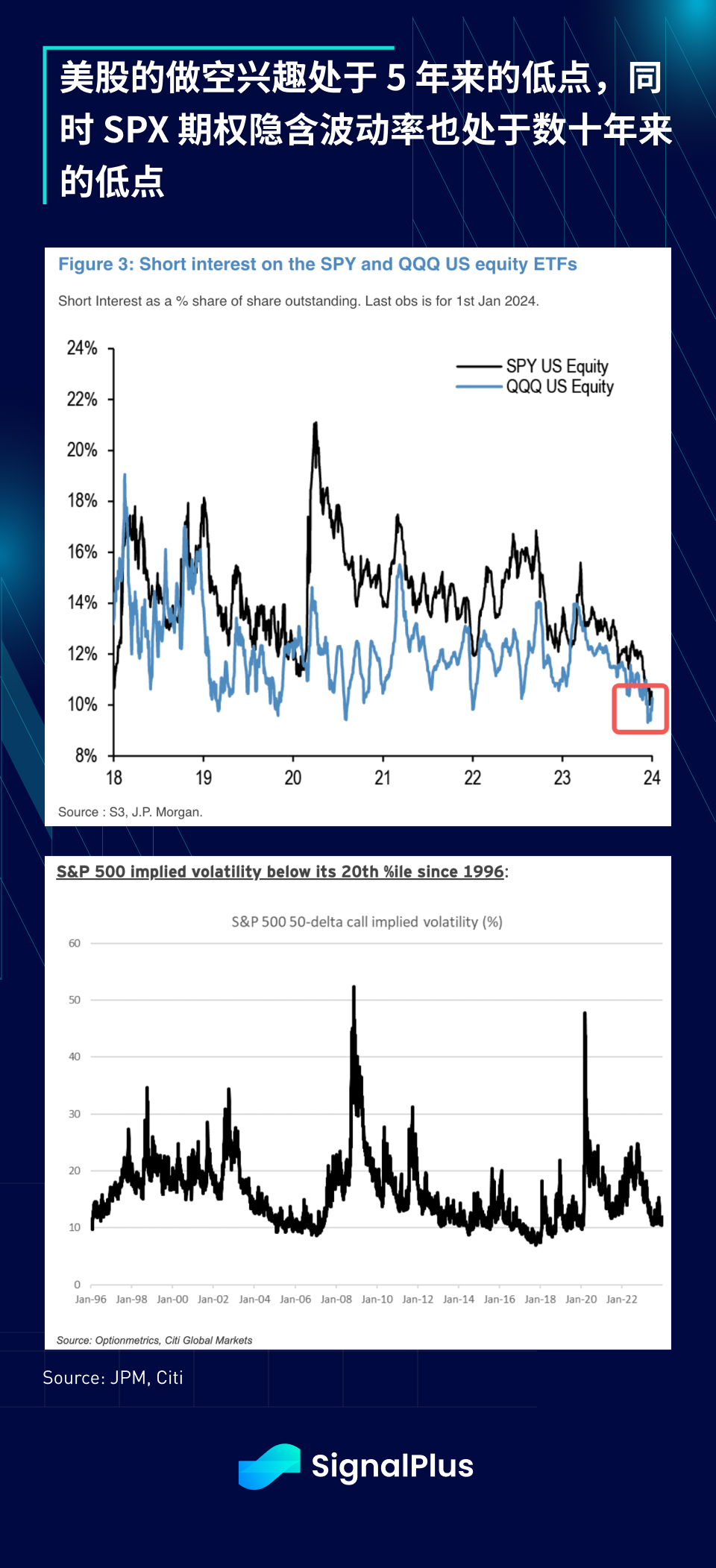
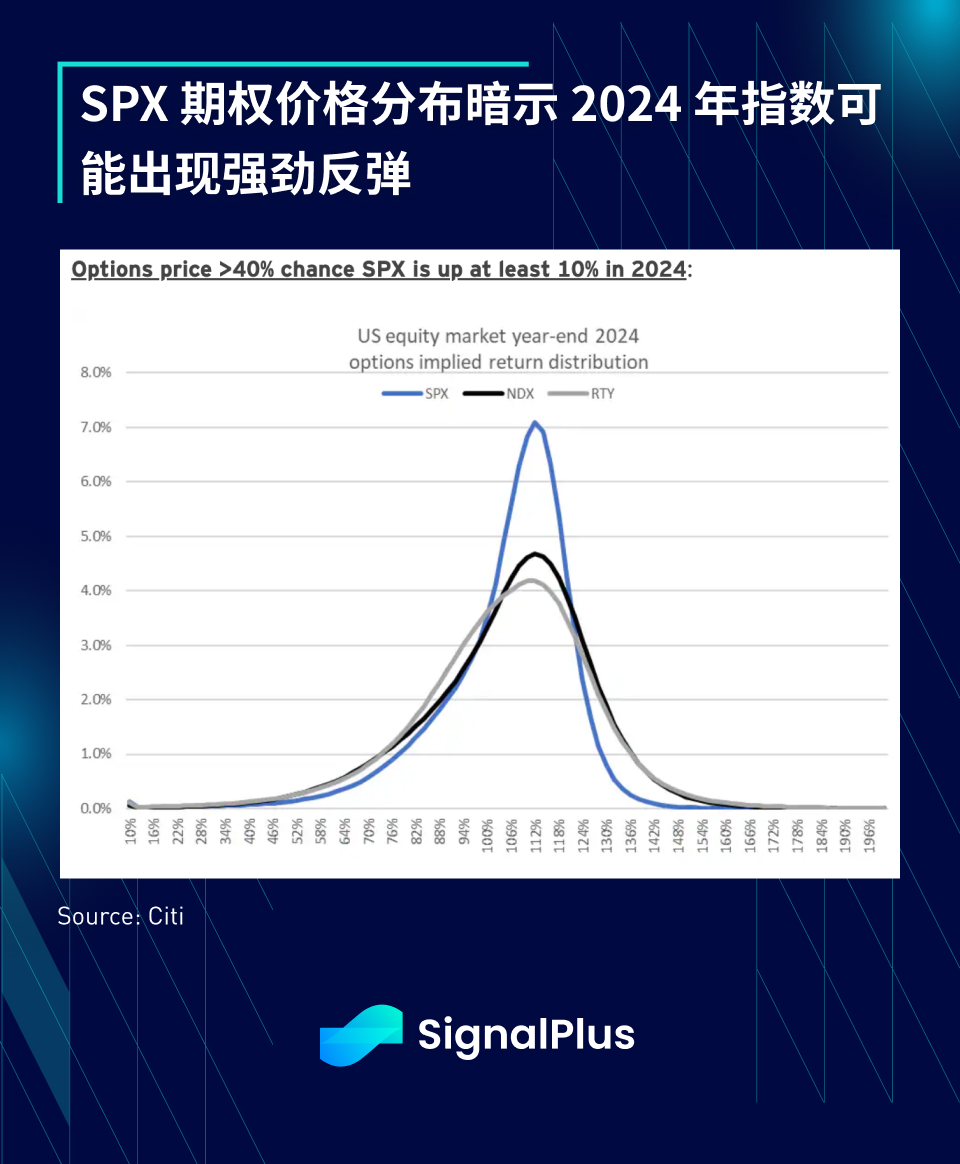
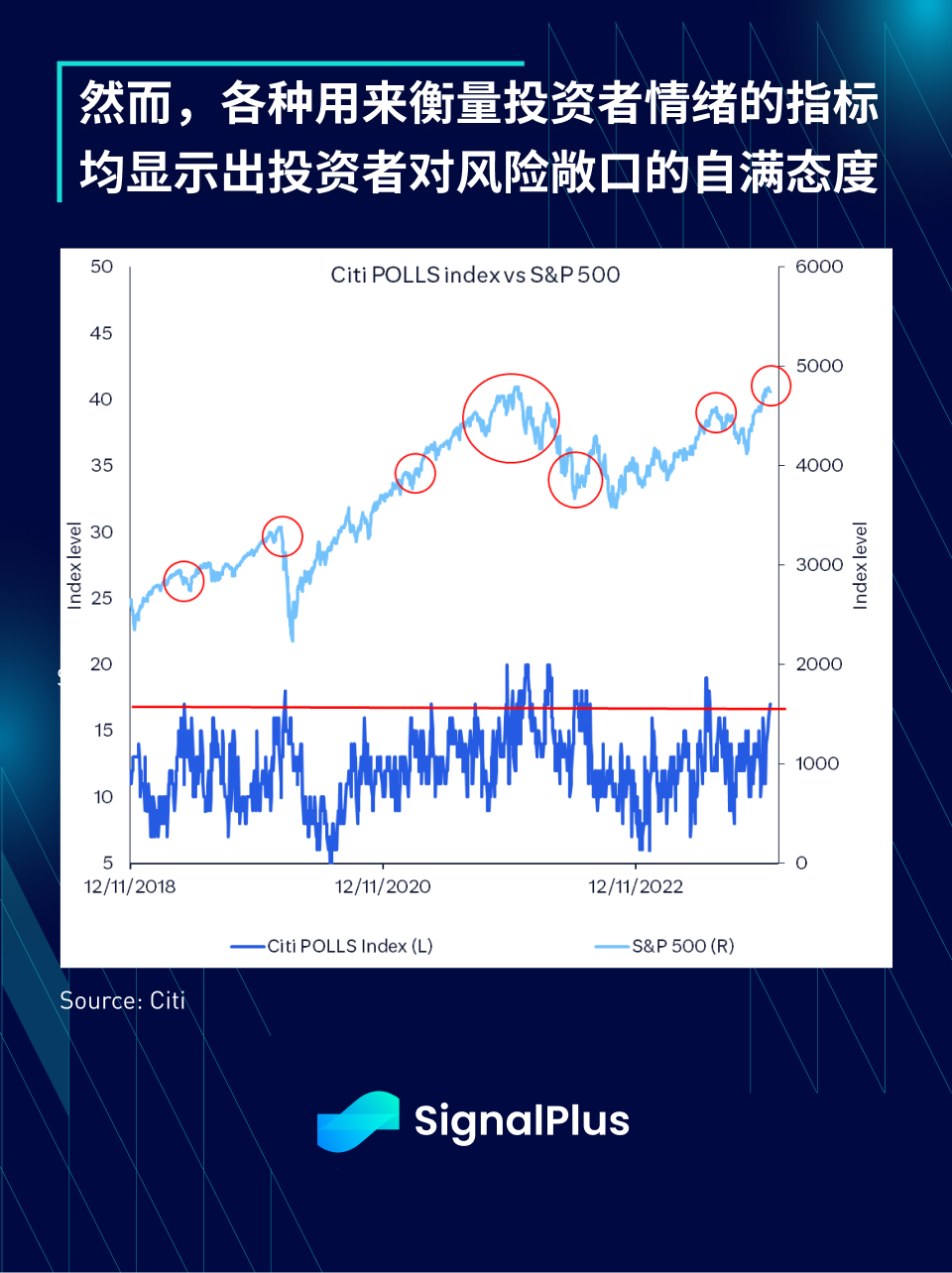
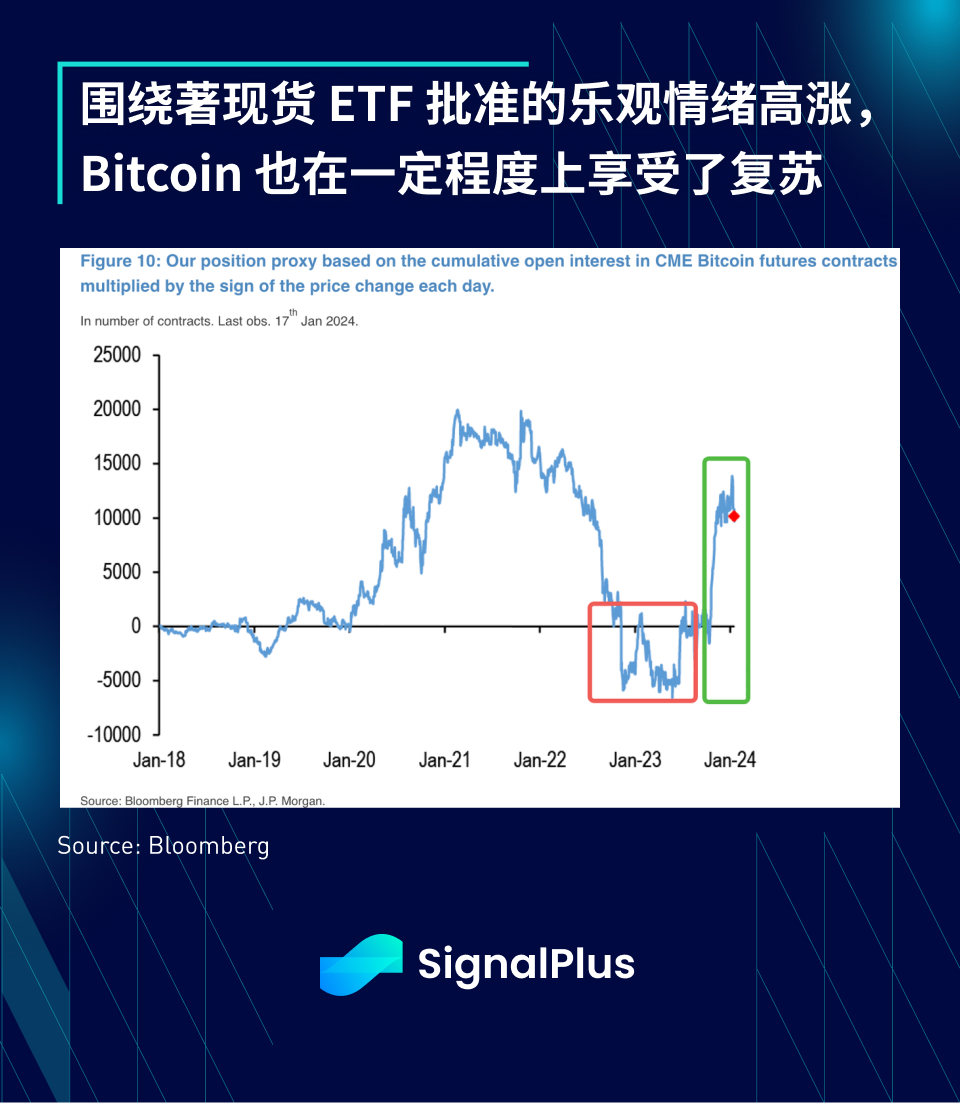
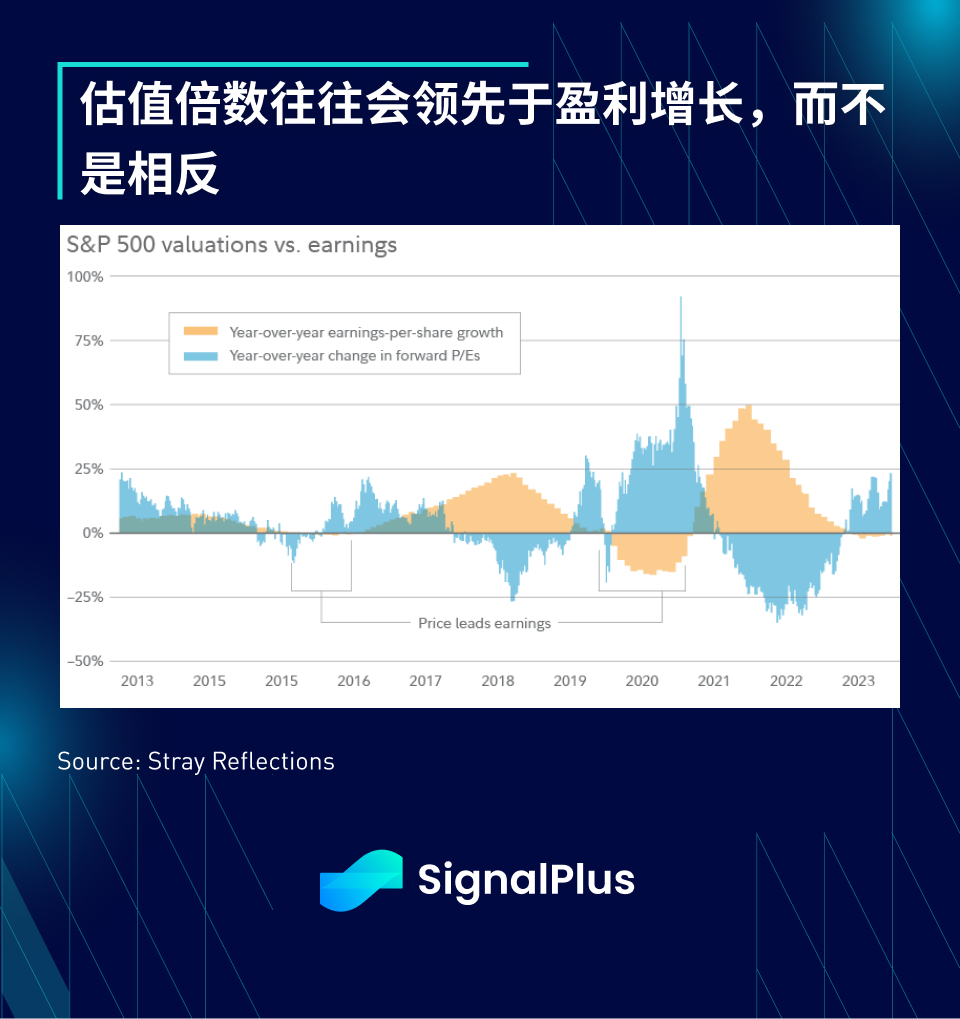
Many wise investors often say, You pay price, you get value. A sharp rise in asset prices raises the bar for expectations, and the stock market is often forward-looking, with forward P/E multiples often leading actual earnings growth. U.S. stocks will have to live up to expanded valuation multiple expectations in 2024. At the same time, investor complacency is at its highest point in more than five years and the margin for error is shrinking, which is indeed impeccable pricing.
As policymakers prepare to take interest rate cuts, we believe the macro outlook appears clearer than in past years. However, we are also concerned that markets may be disappointed with the extent of policy easing as central banks continue to unleash liquidity across the board in the wake of the epidemic. Sexually more cautious.
We also have doubts about whether inflationary pressures have completely subsided and should focus on various factors that may lead to a recovery in prices. The U.S. economic situation may continue to exceed expectations, the asset market may react in advance due to easing expectations, the escalating regional conflicts may cause supply chain disruptions again, and the trade war before the U.S. election may return again. These are just some of the known Its just a risk.
All in all, while we remain more alert to risks, experience has taught us to never be too pessimistic about markets, and patience is likely to be our main guiding principle in the coming months.
Interest rates are cut, what next?
Theres an old trading adage: Markets tend to move in the direction that causes the most pain to most speculators, especially in the short term. The market has no emotions and certainly doesnt care how you think it should act.
Markets are the ultimate expectation discounting mechanism, and they rarely move in the direction we most expect, which is why capital markets are the best casino in the world, and speculators love it.
Assuming the Fed does cut interest rates in 2024, what happens after that? Would a mere 0.25% or even 1.5% reduction in lending rates immediately solve global problems and drive prices up indefinitely? Is this really the answer to everything?
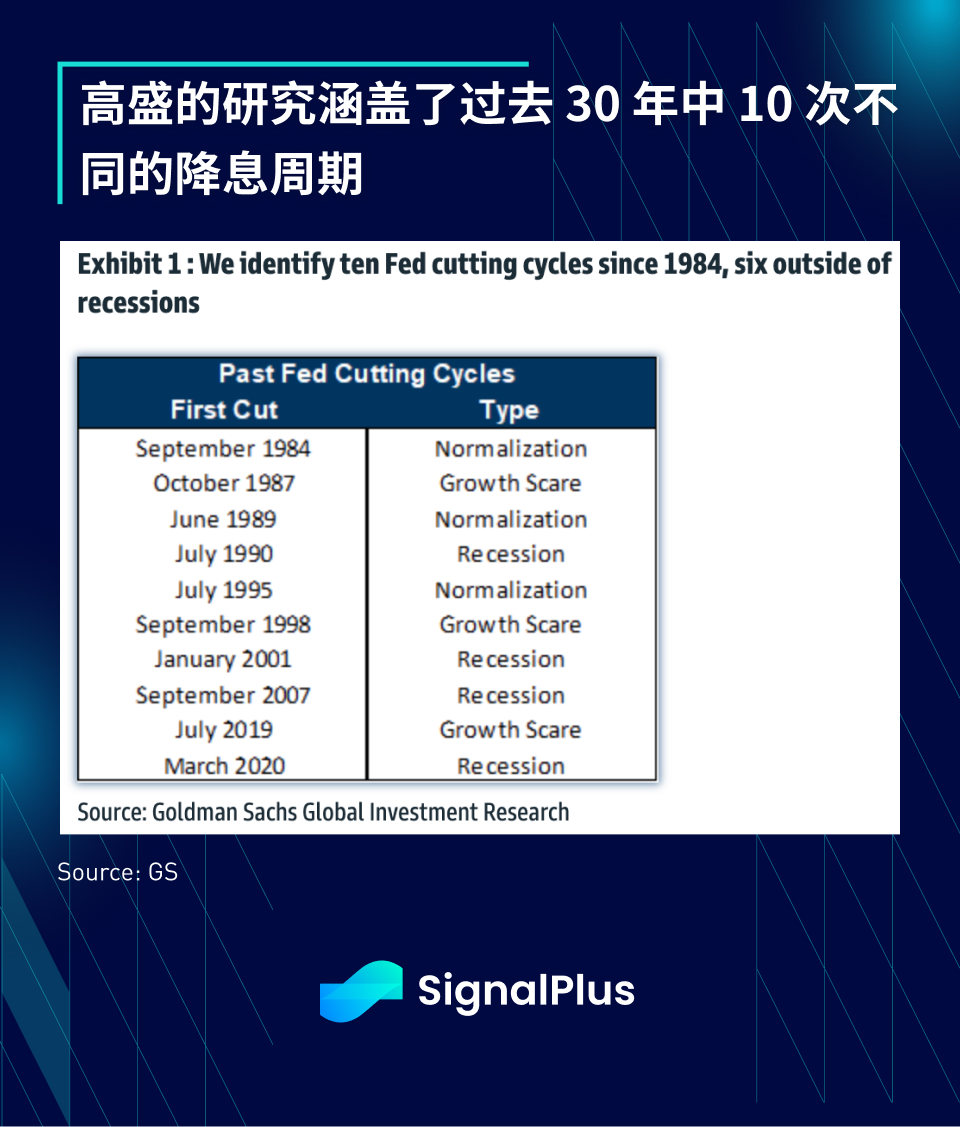
Goldman Sachs recently conducted a study that looked at the past ten rate-cutting cycles and conducted a detailed cross-sectional analysis of each cycles beginning and ending scenarios and outcomes.
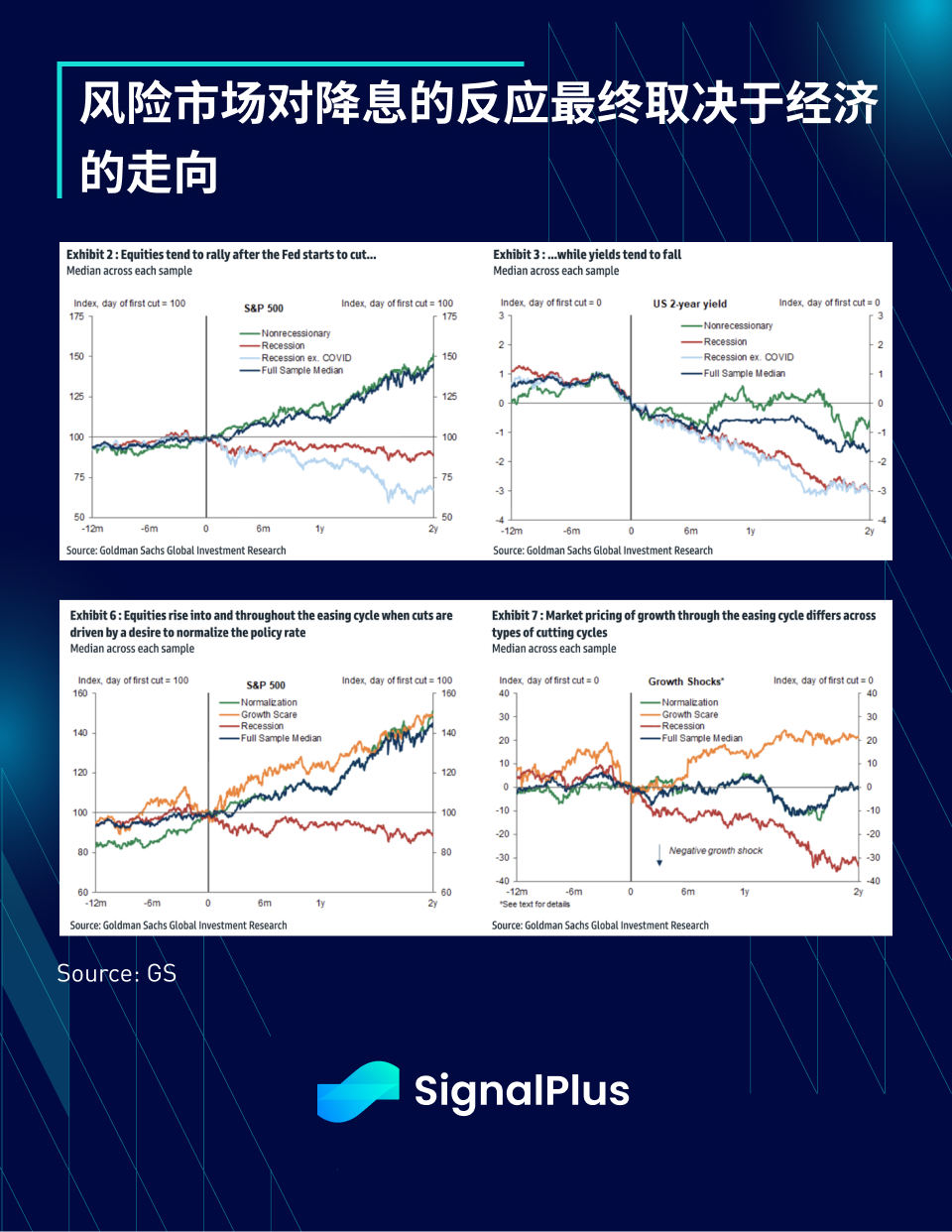
The takeaway from the study is that while rate cuts typically help boost stock prices, and bond prices are almost certain to rise, the long-term path for asset prices really depends on where the economy ultimately goes, and if the Feds easing occurs before the economy sinks During periods of recession and still growth, lower discount rates will further boost economic output growth and asset prices will perform very well.
On the contrary, if the rate cut is due to an impending economic recession, stock prices are likely to fall, because the economic downturn will lead to lower corporate profits and a contraction of P/E ratios.
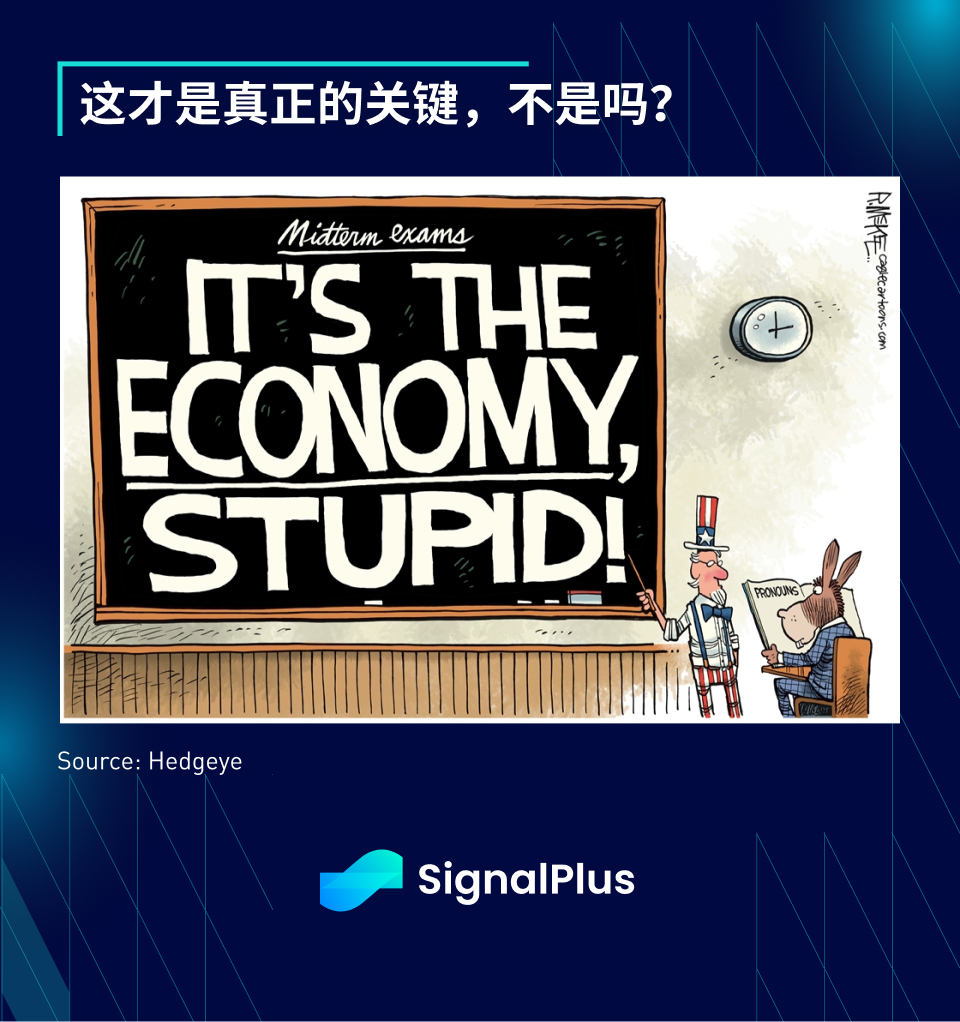
Therefore, interest rates themselves are not a panacea for solving the worlds problems, but rather function as a catalyst for reactions, and the impact of interest rate easing must be fully understood in the context of overall global output. Macroeconomic analysis ultimately still depends on the economy. I hope it has provided some valuable insights to friends who have read this.
I wish everyone smooth trading and huge profits in 2024!

You can search for SignalPlus in the Plugin Store of ChatGPT 4.0 to get real-time encryption information. If you want to receive our updates immediately, please follow our Twitter account @SignalPlus_Web3, or join our WeChat group (add assistant WeChat: SignalPlus 123), Telegram group and Discord community to communicate and interact with more friends.
SignalPlus Official Website:https://www.signalplus.com





