






RWA: The Cornerstone of the Next Bull Market in Cryptocurrency


Author: Shih Chun Chen, CFA, Founder of InVar Finance Marlboro Zhang, Researcher from 3WW3
Since the beginning of the bear market, the term Real-World Assets (RWAs) has become increasingly common. The scope of RWAs is wide, ranging from tokenization of physical assets to traditional financial instruments (TradFi), and even ESG-related assets. When intertwined with blockchain technology, traditional real-world assets can provide many benefits, such as efficiency, increased transparency, and optimized liquidity management, ultimately achieving inclusive society. By incorporating RWAs into the cryptocurrency space, the development of centralized finance will become more diversified.
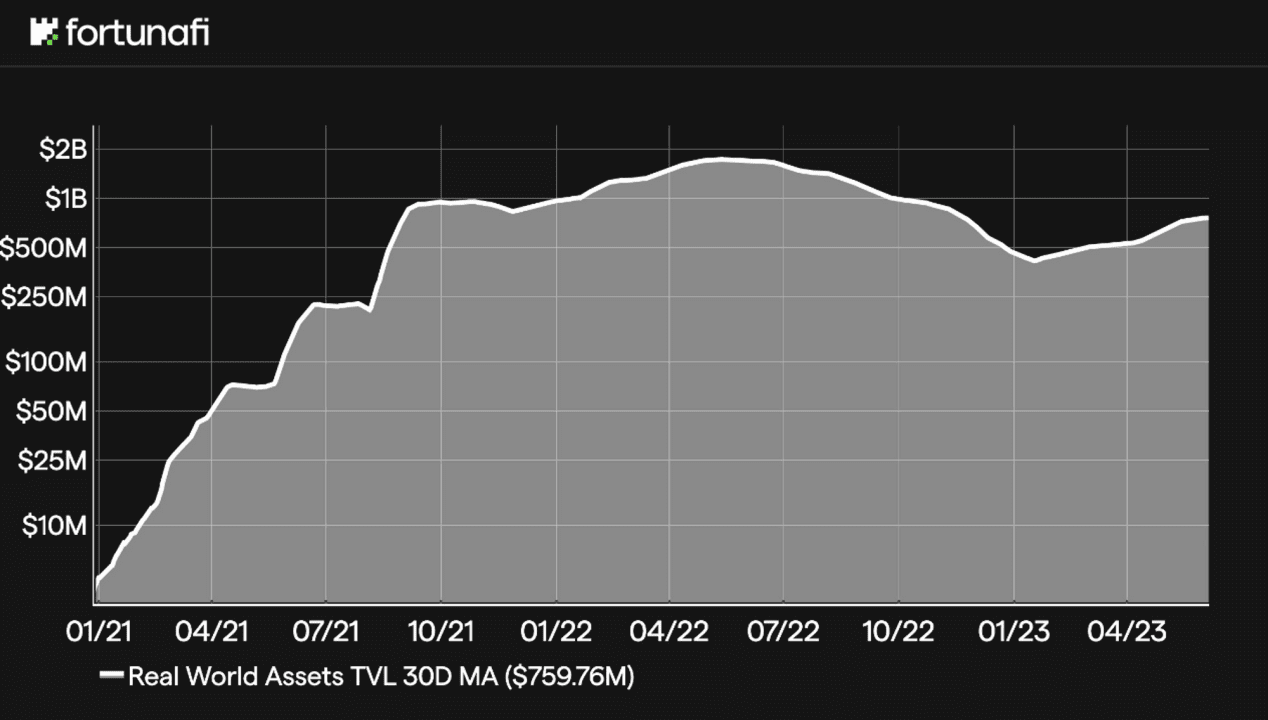
The total value locked (TVL) of RWA has rebounded to $750 million, reaching a 7-month high (source: fortunafi).
By combining tokenization with the cryptocurrency ecosystem, RWA leverages the advantages of blockchain to iterate traditional financial instruments (TradFi) for innovation, including credit loans, income-based financing, corporate lending, mortgage loans, and other assets. Compared to the market crash of DeFi or NFT in 2022, the market demand for RWA tokenized products has become stronger.
Although tokenization is not a new concept, the development of RWA tokenization has steadily increased, providing a channel for people to use cryptocurrency in familiar scenarios. One of the most successful RWA tokenization cases is stablecoins - currently with a market size of $127 billion. The innovation of stablecoins brings stability, which is beneficial in combating the volatility of cryptocurrencies and maintaining efficiency in managing capital - but in a new form of digital dollars.
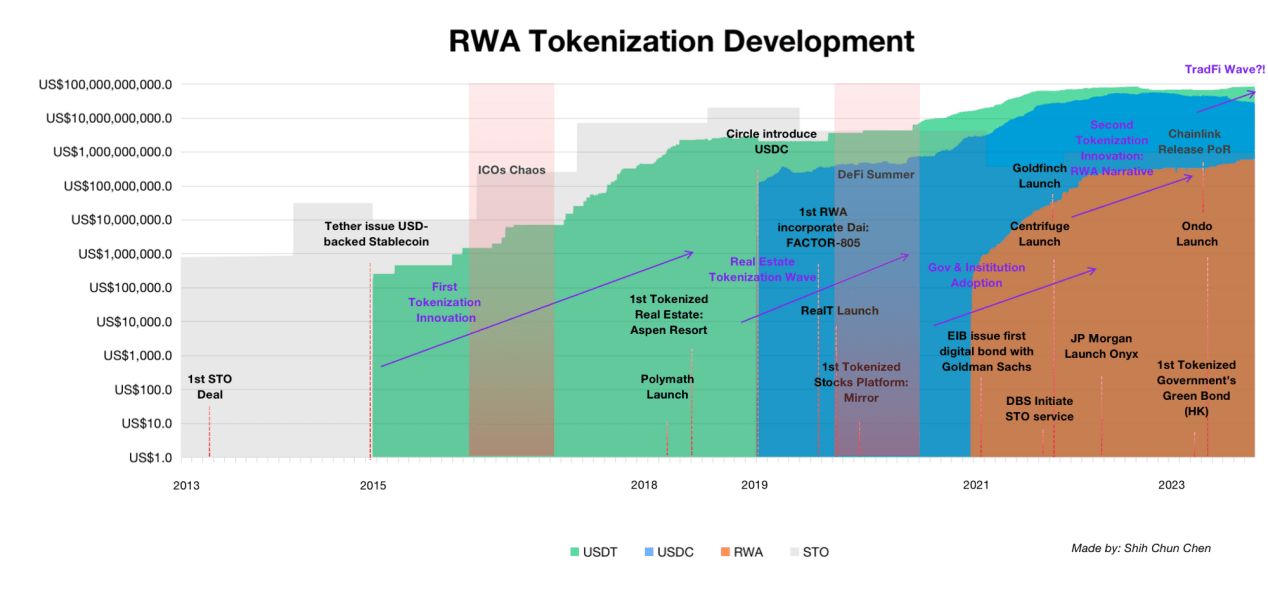
In addition to stablecoins, the tokenization of real estate and traditional financial instruments (TradFi) is also a huge market. This huge market has attracted many participants, such as startups, governments, and financial institutions, who are exploring the tokenization of real estate and TradFi. Tokenization can give real estate or TradFi greater flexibility in terms of transaction size, transaction time limits, and transaction processes. In addition, blockchain's native features such as programmability, immutability, and composability will give RWA tokenization a new paradigm.
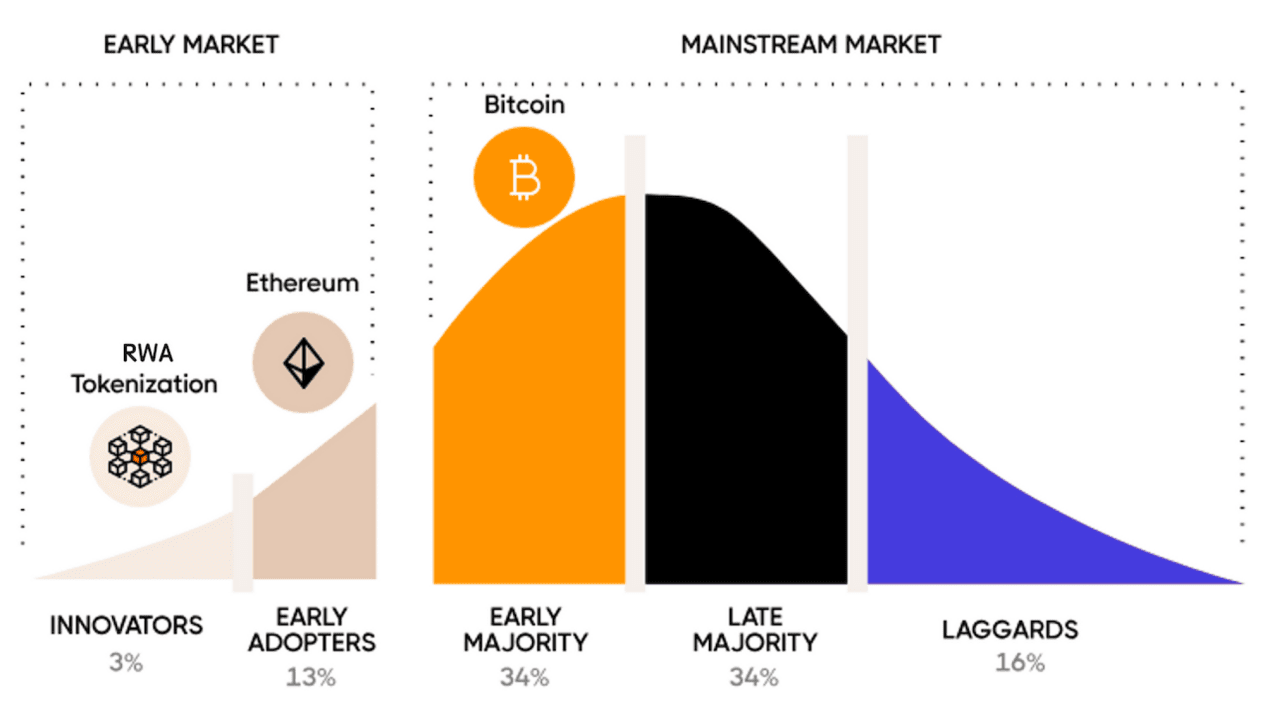
By reviewing the history of RWA tokenization, we can see that when ICOs become chaotic, it is the moment for security token offerings (STOs) to enter the scene; and when DeFi and Layer 1 become more accessible to the public, tokens as mediums can offer partial ownership and returns to a wider range of investors. In addition, when DeFi becomes a niche market due to weak scalability and high entry costs, we can obtain traditional financial returns from tokenized short-term treasury bills or RWA-backed loans. Therefore, RWA is still in its early stages of development, but its value to cryptocurrency has long been evident.
Exploring Cutting-Edge RWA Applications
RWA tokenization is not limited to bringing physical assets and traditional financial businesses onto the chain, but there are also many other areas worth exploring. For example, MakerDAO is expanding the applications of RWA, diversifying cash flows and helping financial institutions leverage the high capital efficiency advantages of the chain to unleash liquidity. This is a breakthrough milestone in promoting new scenarios for RWA tokenization.
Another representative example is the derivative DEX ProsperEx, which is also an early use case in the RWA field. The DEX itself retains the inherent form of derivative DEX, including on-chain perpetual contracts, on-chain options, and other major derivative trading models. At the same time, it introduces RWA assets such as stocks and bonds as tradable assets, which can be further used for derivative trading.
ProsperEx provides unique opportunities and market efficiency for derivative traders. It is completely built on-chain and based on two mainstream trading methods: spot-to-pool and peer-to-peer (order book), as well as the adoption of zero-knowledge proof technology. It can provide services to all traders in a non-permissioned and private manner, which is its advantage. It also has the feature of expanding more trading functions, such as supporting the trading of more diverse asset types, including NFTs, in addition to trading FT assets. ProsperEx is expected to provide early reference for the development of DEX in the RWA field.
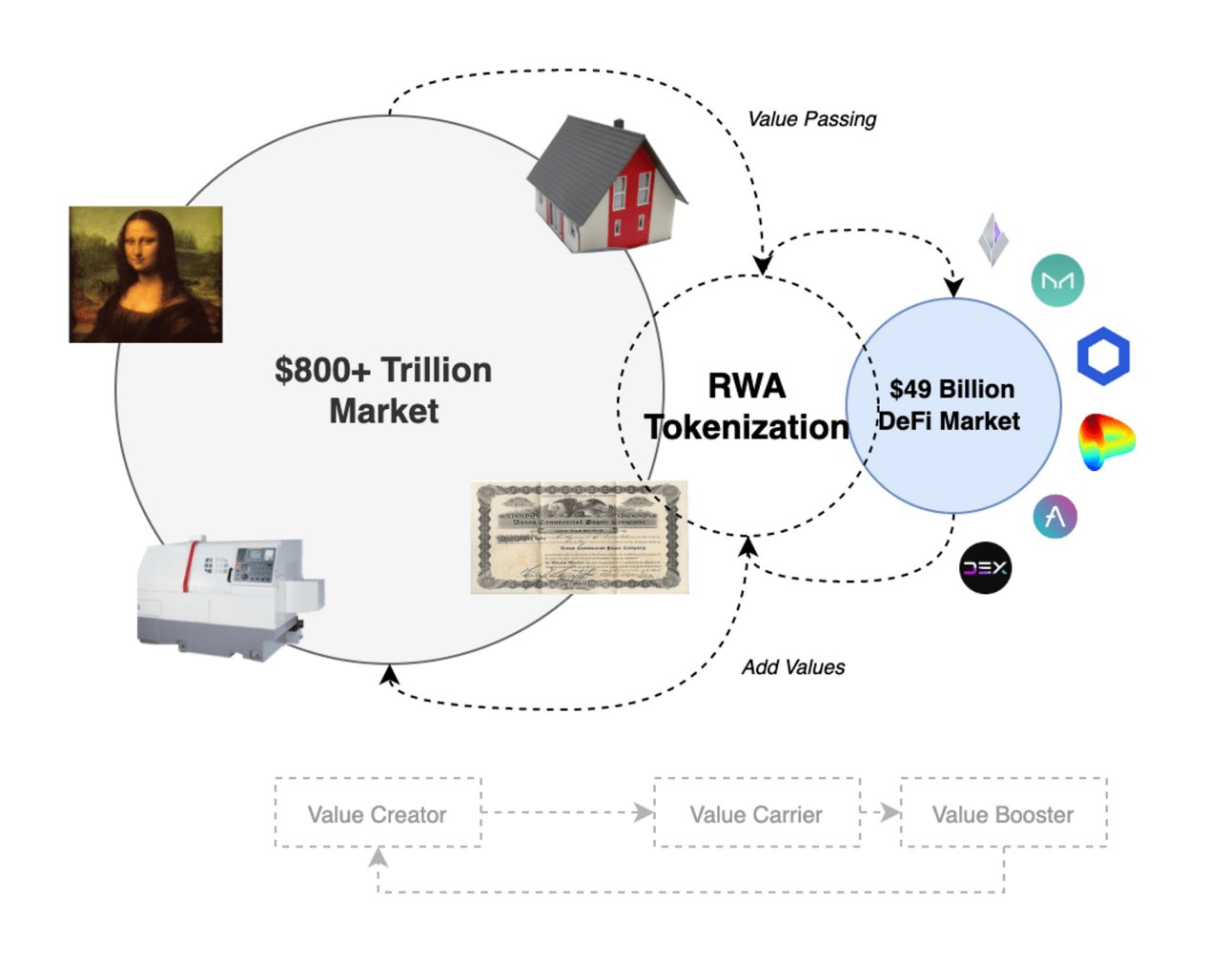
Tokenization of RWA creates a communication and interaction channel between DeFi and traditional finance to meet different use cases. The market value of RWA is much larger than the cryptocurrency market because the tokenization of RWA redirects liquidity to the powerful catalyst of cryptocurrencies and can counter the weaknesses of decentralized economies. Using RWA as collateral is a popular concept of tokenization, where asset initiators can borrow capital in DeFi using tokenized RWA. Moreover, users can transfer ownership or related rights of underlying assets through tokenization. In this application, the value on-chain and the unlocking of liquidity potential fully demonstrate the tokenization potential of RWA.
Just as we have seen in the cryptocurrency market, RWA has unlimited potential to become a necessary tool for unlocking value and enhancing ecosystem sustainability. InVar Finance takes the first step by developing a trust-minimized tokenization model, exploring the flexibility of maximizing tokenized RWA and bridging solutions with Web2. By building the tokenization model on ERC-3525, InVar Finance's trust-minimized tokenization model breaks the limitations of ERC-721 and 1155 solutions, while also adding additional investment options for users.
The content you provided is already in English. I will return it as is: flexibility.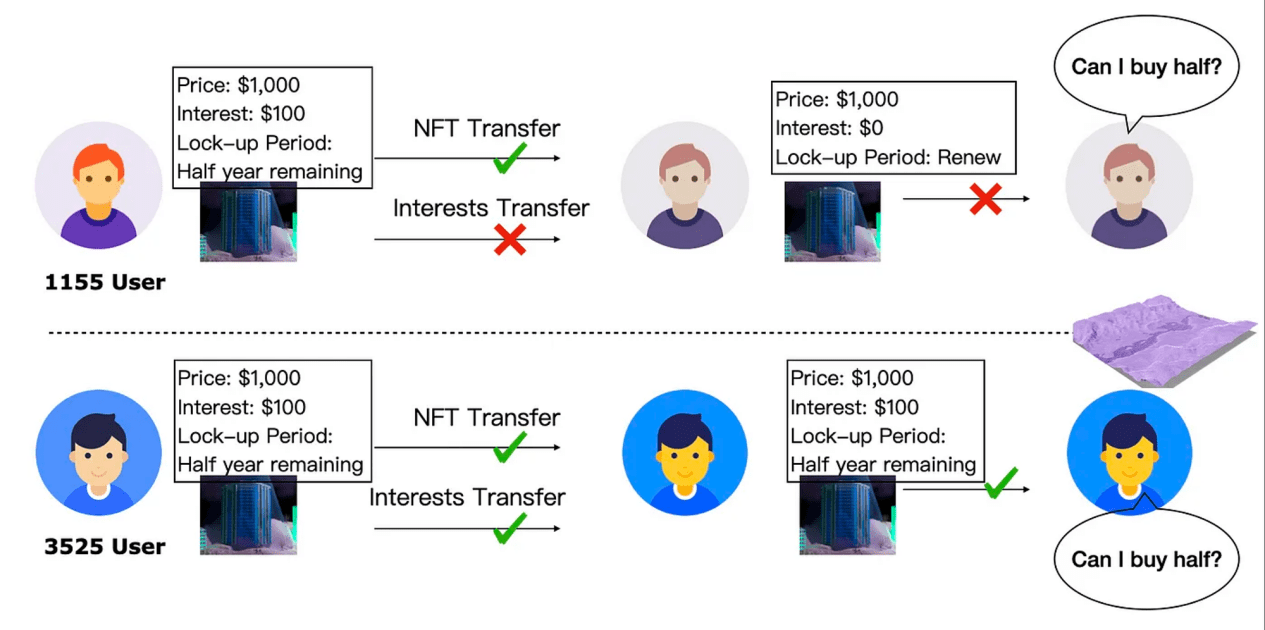
ERC-1155 v.s. ERC-3525
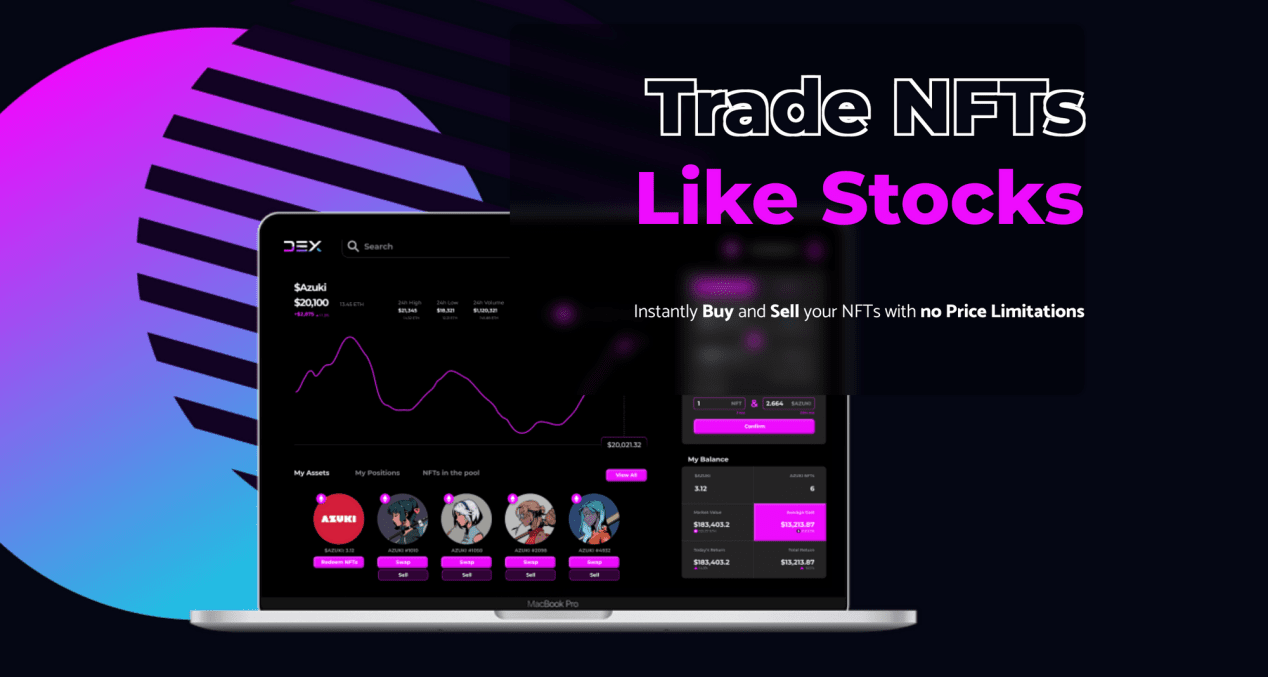
Imagine that everyone in the world could invest $100 in real estate, have discretion to manage RWA NFTs, and freely trade on DEXs like ProsperEx without worrying about security issues. This is the huge advantage of RWA NFTs compared to traditional investments. The larger data capacity and high visualization make NFTs the best medium for RWA on-chain identities. Therefore, DeFi and NFT infrastructure are crucial for the new applications and expansion of RWA NFTs.
D 3 X, a new decentralized NFT exchange, aims to provide ultimate liquidity for NFTs through a comprehensive trading infrastructure. Regardless, improving liquidity is essential for NFTs. Therefore, D 3 X provides a channel for instant trading of RWA for RWA NFTs by supporting custom liquidity pools that integrate NFT projects, including NFT AMM, incentive distribution, NFT issuance, and more. It also allows new users to gain relevant benefits while maintaining RWA risk exposure, including token rewards provided by D 3 X.
RWA: Overcoming Challenges and Moving Forward
Although the potential for tokenization of RWA is unlimited, it still needs to overcome a series of challenges at the current stage.
One major issue with the tokenization of RWA is the execution and coordination of on-chain and off-chain processes. Unlike DeFi lending protocols, where liquidation is fully automated and managed by code, liquidation of RWA collateral (at least partially) must be handled off-chain, typically through the legal system. This adds complexity for the debtor and can lead to legal disputes for the protocol using RWA as collateral.
In addition, the valuation and liquidity of tokenized RWA may be influenced by market dynamics and investor sentiment, which are not always directly related to the intrinsic value or performance of the assets. This introduces volatility and uncertainty that differ from, or even surpass, traditional assets.
Furthermore, the legal and regulatory frameworks governing the tokenization of RWA may not seamlessly integrate with the digital space. The market also needs to address issues related to jurisdiction, ownership rights, and enforceability to safeguard the legitimacy of tokenized assets.
The potential of Real World Assets (RWA) lies in emerging countries in Asia, Africa, and Latin America.
Marlboro, a researcher at 3 WW 3 (Asia-Africa-Latin Web3 Institute), believes that the world is currently in a phase of lack of investment targets. With the intensification of the rivalry between China and the United States, many ordinary investors are hoping to invest in emerging market countries. However, this vision is often difficult to achieve due to high entry barriers, lack of effective channels, and foreign exchange controls.
Currently, stocks and real estate markets in emerging countries such as Vietnam, Indonesia, and India are increasingly favored by investors. This is because these regions have fast economic growth and huge market potential, offering substantial returns for many multinational capital investors. However, due to a lack of direct investment channels, ordinary investors cannot benefit directly.
Blockchain can tokenize RWA and bring it to the global investment market, enriching the investment targets of the cryptocurrency world. This allows more non-native cryptocurrency users to participate in cryptocurrency trading, bringing more new users and funds to Web3, and mitigating the overall bull and bear fluctuations caused by the four-year cycle of Bitcoin.
In summary, the scope of RWA has undergone unprecedented expansion. Tokenization of RWA is fundamentally superior to traditional financial instruments, as it can improve liquidity, cost-effectiveness, transparency, and many other aspects. Although the development path of RWA tokenization is arduous and complex, many practitioners are making unremitting efforts to achieve the goal of inclusive RWA tokenization in society.
Supported by value outside of cryptocurrency, RWA allows for the introduction of new collateral types in DeFi. Users can easily obtain on-chain investments in traditional financial instruments such as real estate or short-term Treasury bonds through cryptocurrencies and generate returns outside of the blockchain or hybrid returns. However, the differences between cryptocurrencies and fiat currencies bring certain challenges. If these challenges can be overcome, the prosperity of RWA will eventually come.
Overall, due to its inherent diversity and solid value foundation, tokenization of RWA can become a new hope for the cryptocurrency industry. In addition to technology, proving the tokenization of RWA through
The meaning, reliable evidence to educate the market, while regulation, technology, tools, and consumer behavior also need to be synchronized and keep up with the pace of tokenization of RWA.





