Macro Weekly Report (8.7): Impact of Soaring Anchors in Global Pricing


Overview
Last week, due to the downgrading of US bonds, long-term bond prices plummeted and stock indices in major developed countries fell. Although there was a slight rebound after the release of the US employment report on Friday, it was eventually completely reversed.
In the past week, although the performance of the 2nd quarter reports of US stocks was generally good, the overall stock market did not see further gains. The macro data is still relatively stable, but it has reached the expected upper limit.
Global risk appetite has declined, with emerging market currencies generally falling sharply and the US dollar rising, which has also suppressed gold prices. However, oil prices have risen as there are reports that Saudi Arabia's voluntary production cuts will continue until September or even longer.
Digital currencies were initially boosted by the positive stimulus of the downgrade of US bonds, but eventually fell back together with global risk appetite. Stablecoins have flowed out of both on-chain and exchanges.
Considering that US stocks have not seen a correction for more than 4 and a half months, a small-scale correction of 3-5% is not surprising, as this duration has far exceeded the typical cycle of a 2-3 month adjustment.
Market Highlights
Narrowing of the US Treasury Yield Curve Inversion: Last week, the spread between the two-year and ten-year Treasury bond yields shrank by 20 basis points, the largest narrowing since the banking crisis in March 2008. The main reason is that long-term interest rates have risen faster, and the ten-year Treasury bond yield rose 8 basis points this week to 4.03%. After the release of the July employment data, it briefly rose to 4.20% in early trading, only 2 basis points below the peak on October 21st last year. At that time, it was the highest level of yield since June 2008.
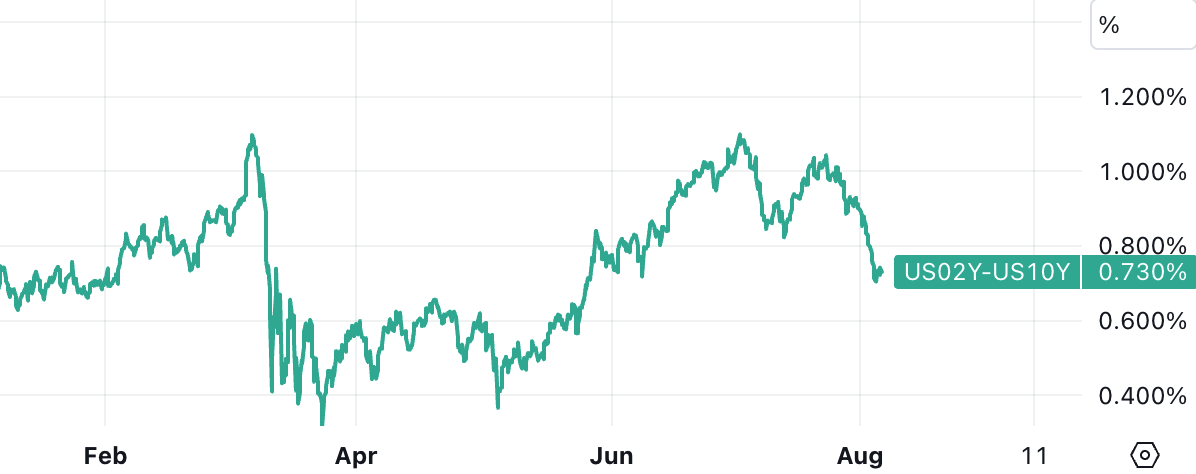
Meanwhile, the two-year bond yield fell 11 basis points to a near three-week low of 4.77%. The market expects the probability of a 25 basis points rate hike by the Fed at its September 20 meeting to decrease from 19% to 13%.
Bond yields have been rising in the long term and falling in the short term, accompanied by a decrease in expectations of rate hikes. Such a trend has been very rare in the past two years.
Emerging markets: Last week, there was a global safe-haven sentiment, putting pressure on emerging market currencies. For example, the South African Rand fell 4.5%, the Russian Ruble fell 3.9%, the Colombian Peso fell 3.7%, and the Chinese Yuan fell slightly by 0.35%.
Stock market performance: The Nasdaq 100 index fell nearly 3%, marking its largest decline since the Silicon Valley bank crisis on March 10. The S&P 500 fell 2.3%, the largest decline since March.
The single-week decline was the largest since September last year, with utility stocks plummeting by 4.7%. The Dow Jones Industrial Average fell by 1.1%. Major European stock indices also dropped, with Germany's DAX down 3.1% and France's CAC 40 down 2.2%.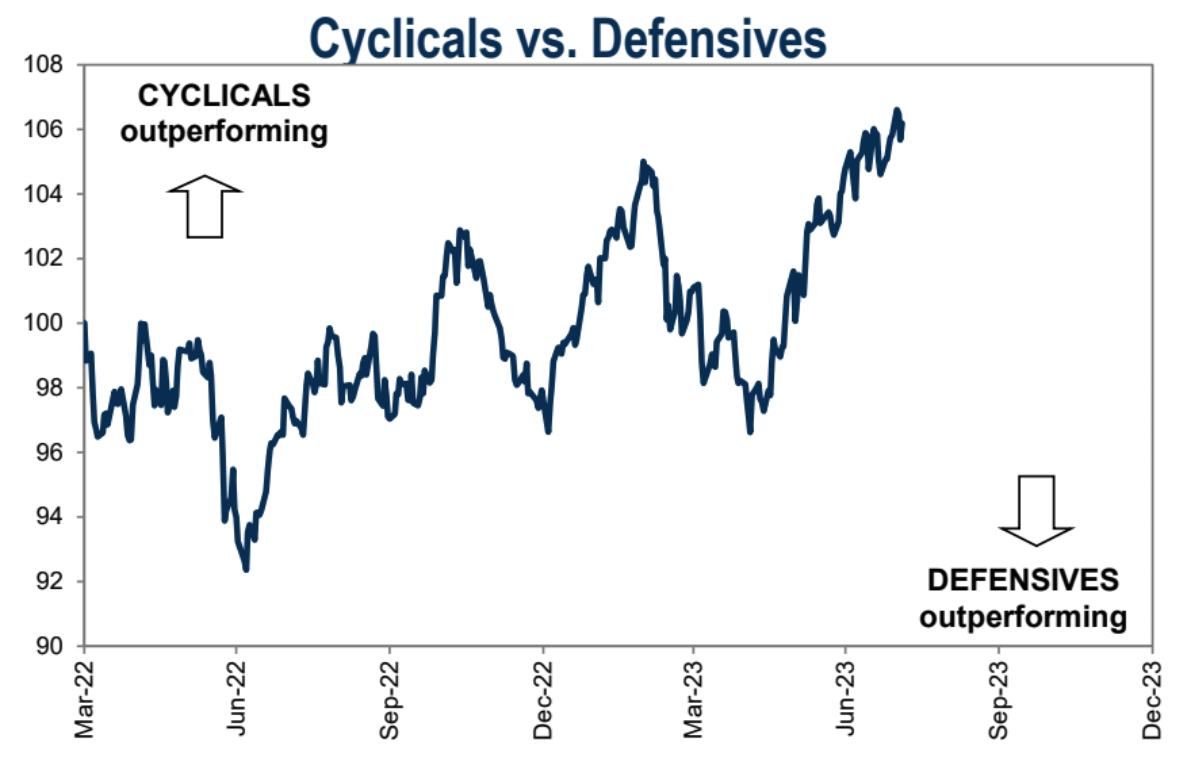
Apple's big drop: Apple's stock price fell 4.8% on Friday, bringing its weekly decline to 7.2% (the largest since November). It is worth noting that Apple's stock closed at a record high on Monday, with a cumulative increase of 51.6% since the beginning of the year.
Despite better-than-expected third-quarter revenue and EPS, record-high service revenue, and significant positive performance in the Greater China region, Apple's total revenue has declined year-on-year for the first time since 2016. All hardware product lines except for Mac computers have declined, and executives have warned that fourth-quarter revenue may continue to decline year-on-year, with double-digit percentage declines for iPad and Mac. After a brief 1% increase, Apple's stock price turned downward.
Apple's current P/E ratio is 30.59, compared to a P/E ratio of 25.56 for the S&P 500.
Impact of U.S. credit downgrade: Fitch has lowered the credit rating of the United States, a decision that has been widely criticized on Wall Street and in Washington. There is hardly any support for their decision.US Treasury Secretary Yellen called it 'flawed' and 'completely baseless,' while former Treasury Secretary Summers called the view that expanding deficits and partisan disputes would lead to a default on US debt absurd."
In addition, Fitch has also downgraded the long-term default rating of US mortgage finance giants Fannie Mae and Freddie Mac. The last time the US was downgraded by the three major rating agencies dates back to August 2011 when Standard & Poor's downgraded the rating during the debt ceiling crisis.
This event, coupled with the unexpected supply of bonds from the US Treasury, has led to a rapid rise in long-term US bond yields and a global stock market decline. Bitcoin briefly rose above $30,000 following this event, riding on the concept of a substitute for US dollar assets, but eventually fell following the spread of global risk aversion.
An interesting viewpoint is that the downgrade reflects the US government's long-term misallocation of investments and expenditures. Unlike past spending on productive investments such as highways, current federal spending mostly goes to inefficient projects. The current government spending has fueled the military healthcare complex and funded non-productive citizens, which is unsustainable. The US must stop squandering resources for votes and funding ineffective projects, and instead use them to enhance future economic strength.
Comparison between 2011 and today: Twelve years ago, when the US lost its AAA rating from Standard & Poor's (which still hasn't been restored), S&P's decision triggered a drop in the S&P 500 on the day of the announcement, August 4.
;4.8%, 8th August fell again by 6.5%. In the following two months, the stock market continued to fluctuate. However, counterintuitively, investors rushed to government bonds and the US dollar as safe-haven assets in the uncertain environment.Compared with 2011, the stock market's reaction to the downgrade by Fitch last week was calmer. In 2011, before the debt ceiling showdown and the downgrade by S&P, investor sentiment was fragile, the memory of the global financial crisis was still fresh, and economic growth was weak with unemployment rate reaching 9%. Now, the economic growth has been higher than the trend for the past four quarters, and the unemployment rate is at a historical low of 3.5%.
Undoubtedly, the continuous increase in federal debt, especially during economic expansion, is worrisome and may require tax increases and spending cuts in the future. However, US Treasury bonds remain the safest asset globally. This has nothing to do with the credit rating of US Treasury bonds, but is due to the vast market liquidity and depth, which enables international investors to store funds and invest in the government debt of the world's largest economy, whose currency is also the global reserve currency. Currently, there are no other asset classes that can serve as practical substitutes.
Therefore, it is unlikely that the market will completely change its view on US Treasury bonds. This is likely an excuse for a stock market correction (the stock market has risen by 20%+ in the past two months) and an opportunity for the extremely inverted yield curve to correct itself.
Debt and fiscal conditions worsening beyond expectations: To address the deteriorating fiscal deficit and continue to replenish cash buffers, the U.S. Treasury Department has increased net borrowing for the current quarter.The estimated amount is expected to reach 1 trillion US dollars, significantly higher than the forecasted 733 billion US dollars at the beginning of May. The deteriorating levels of debt and fiscal deficit in the United States have raised concerns in the market about a potential debt crisis in the future. Cooling of US service sector activity: The ISM non-manufacturing index for the United States in July decreased to 52.7, with a decline in employment and business activity. However, the price sub-index increased, and backlogs of orders expanded for the first time since February, indicating a healthy growth in exports. The final value of the Markit PMI data for the service sector in July was 52.3, reaching a new low since February 2023 but still showing expansion for the sixth consecutive month. Among them, the employment sub-index fell to 50.9, marking a new low since January 2023. However, a worrisome factor is the accelerated price increase in the service sector in July, which is usually associated with rising labor costs. This wage-driven inflation in the overall service sector naturally raises concerns for policymakers. Record-breaking money market funds: The assets of money market funds in the United States increased by $29 billion this week, reaching a record-breaking $5.516 trillion. Mortgage rates reach an 8-month high: Freddie Mac's 30-year fixed mortgage rate rose by 12 basis points this week, reaching an 8-month high of 6.92%.-paragraph ms mt fw mu b mv oe mx my mz of nb nc mf og nf ng mj oh nj nk mn oi nn no np fp bj" data-selectable-paragraph="">Labor market cools down: Non-farm employment in July increased by 187,000, slightly lower than expected, the lowest since December 2020. Healthcare and government sectors accounted for the majority of new jobs, while more cyclical manufacturing experienced contraction. Despite a slight cooling of labor demand in recent months, the unemployment rate dropped to 3.5%, the lowest since the 1960s, with wage growth exceeding expectations - average hourly earnings in July grew by 0.4% higher than expected, a year-on-year increase of 4.4%. The consecutive monthly growth of 0.4% in June and July indicates a resumed acceleration in wage growth. Looking back at the previous bubble cycle, the year-on-year growth rate of average hourly earnings peaked at 3.5% in 2007 and 3.6% in 2008. The average growth rate during the ten-year period from 2009 to 2018 was 2.6%.
In addition, there were 9.582 million job openings in the US in June according to JOLTS, the lowest since April 2021, indicating weakness in the labor market. Furthermore, the quit rate has declined to 2.4%, the lowest level since February 2021. A higher quit rate indicates tightness in the labor market, as workers have confidence in leaving their current jobs to seek better opportunities, and vice versa.
US Q2 earnings reports -
Profit expectations surpassed: As of last week, about 80% of S&P 500 companies exceeded consensus earnings per share (EPS) expectations for the second quarter, indicating strong corporate profitability.
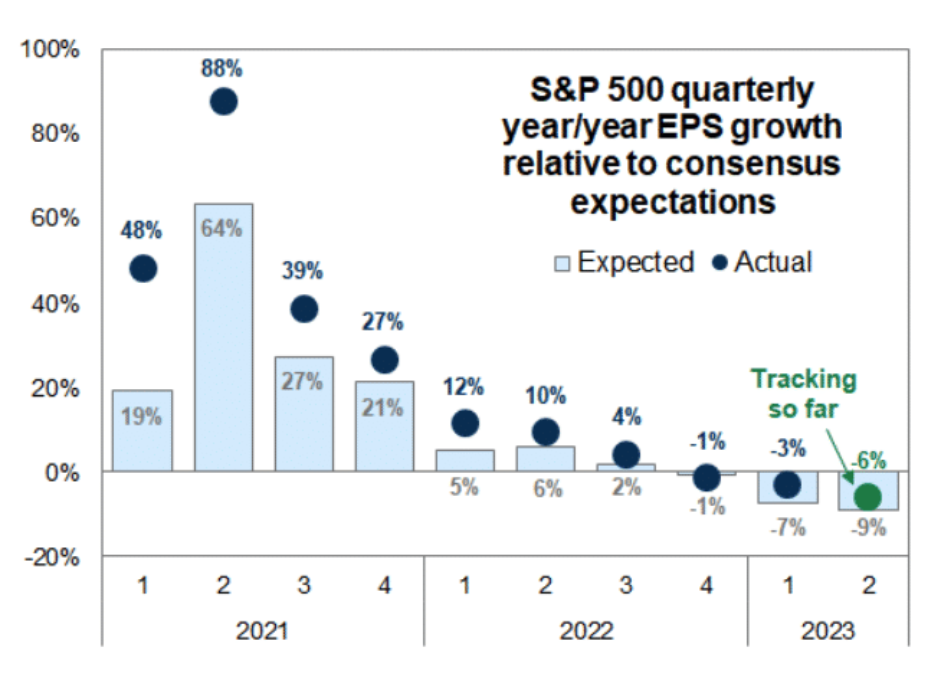
Revenue expectations unmet: However, only 59% of companies exceeded revenue expectations, the lowest level in three years, reflecting the revenue growth pressures that some industries may face.
Considering the recent surge in the stock market over the past 5 months and the increasing correlation between stocks and bonds, the risk-return for US stocks is not as attractive in the current financial reporting environment.
Trading activity in the US by China has reached its lowest level in nearly two decades:
This is a sign of the pressure on cross-border financial activities due to the geopolitical tensions between the two countries.
According to Dealogic, US investment from China this year amounted to only $221 million, the slowest investment growth since 2006.
Last year's total amount was $34 billion. Except for the United States, China's transactions in Germany so far this year were only $189 million, the lowest amount in more than a decade. Meanwhile, activities in the United Kingdom and Australia accumulated to $503 million and $228 million respectively.China's output gap promotes deflation (according to JP Morgan):
China's policy focus is shifting towards stabilizing the real estate market, promoting consumption, and restoring business confidence. Although policy changes may limit the downward momentum of the economy, it is unlikely to narrow China's significant output gap. Among the major economies, China's post-pandemic recovery has been the weakest, with its GDP still more than 3% below the pre-pandemic potential path.
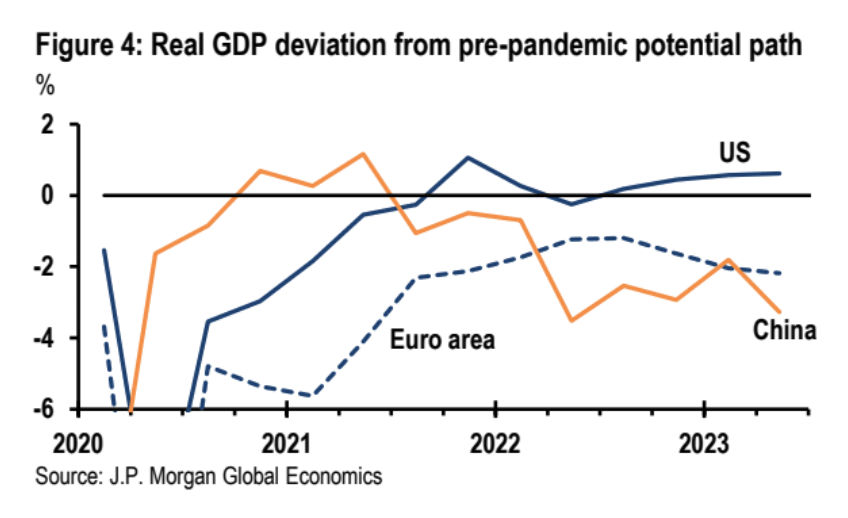
The July PMI data announced last week (from the National Bureau of Statistics and Caixin) showed moderate growth in industrial output, with slower growth in non-tourism-related services and construction, indicating that this gap may further widen. The large gap between domestic demand and production capacity has reduced inflation, and it is expected that the July CPI will show a negative value (calculated on a monthly and year-on-year basis). Concerns about domestic deflation and growth will put pressure on the renminbi. These dynamics have already depressed export prices and are expected to have a negative impact on global commodity prices in the coming period.
Position Indicator
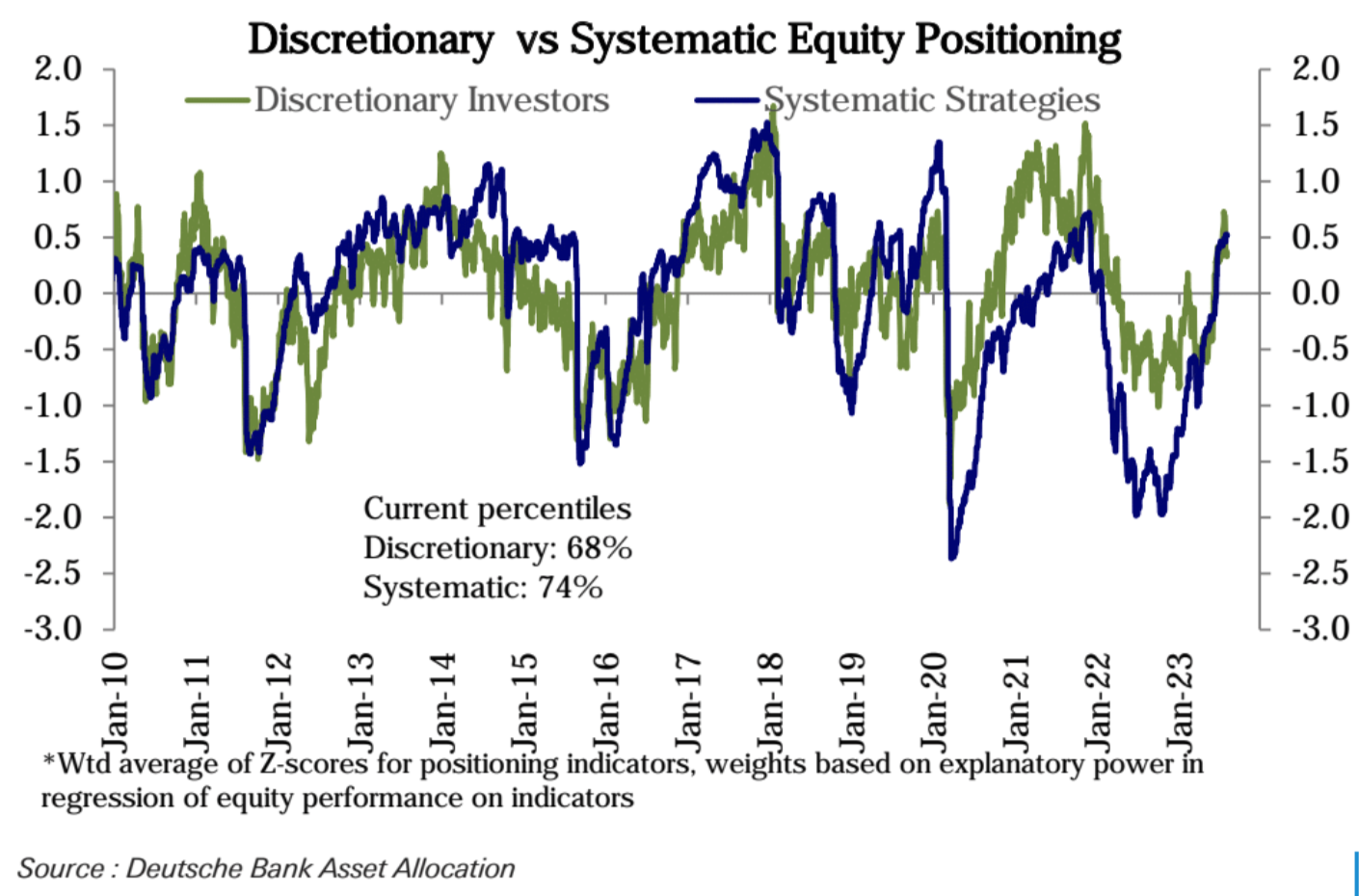
Deutsche Bank's overall market position indicator measured a slight decrease last week, with a slight decrease in systematic strategy positions (from 76 to 74 percentile), and subjective investor positions have fallen for the second consecutive week (from 71 to 68 percentile), giving up about a third of the gains since the end of May.
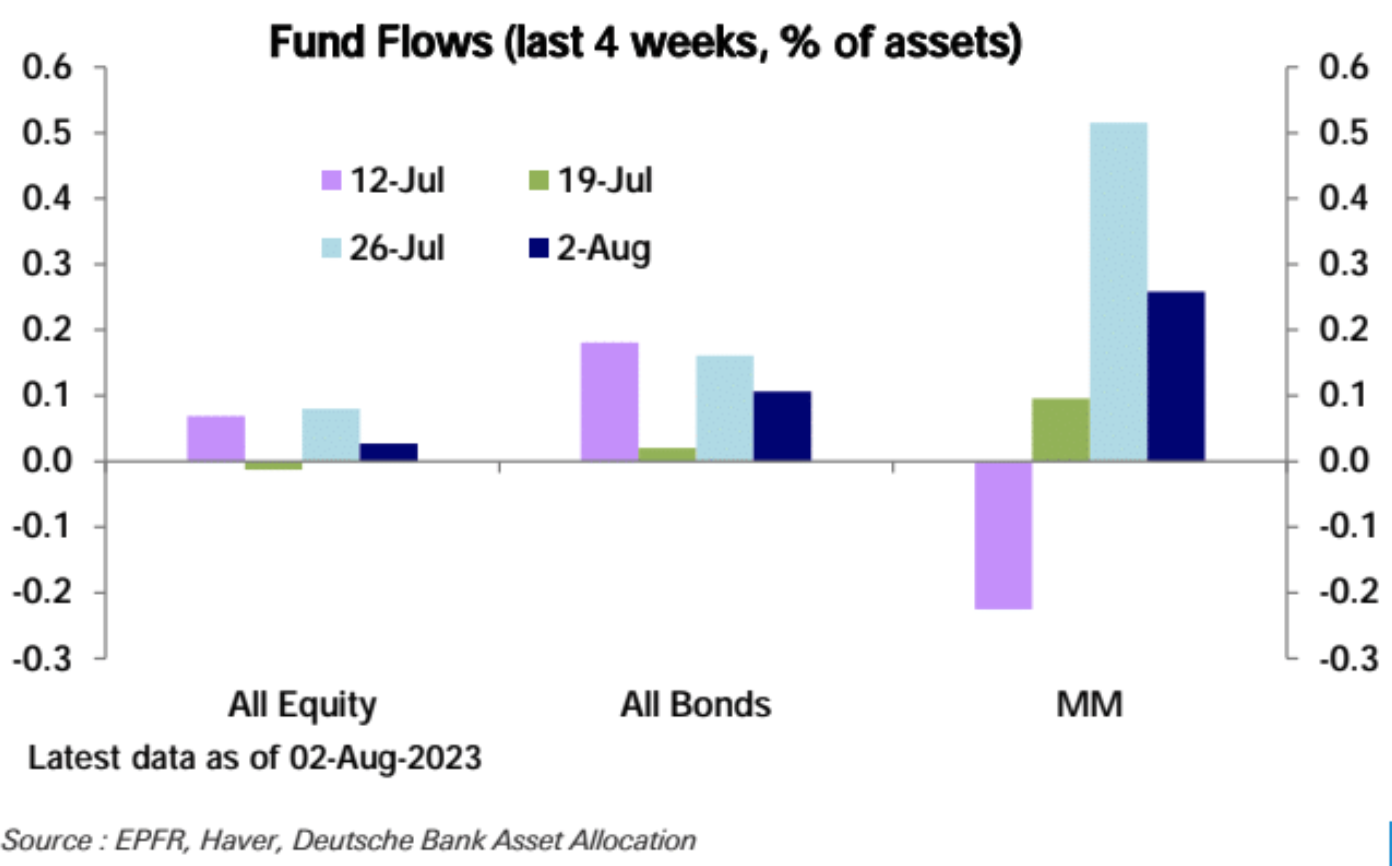
Last week, global stocks, bonds, and money market funds all recorded net inflows, although the inflow magnitude decreased compared to the previous week:
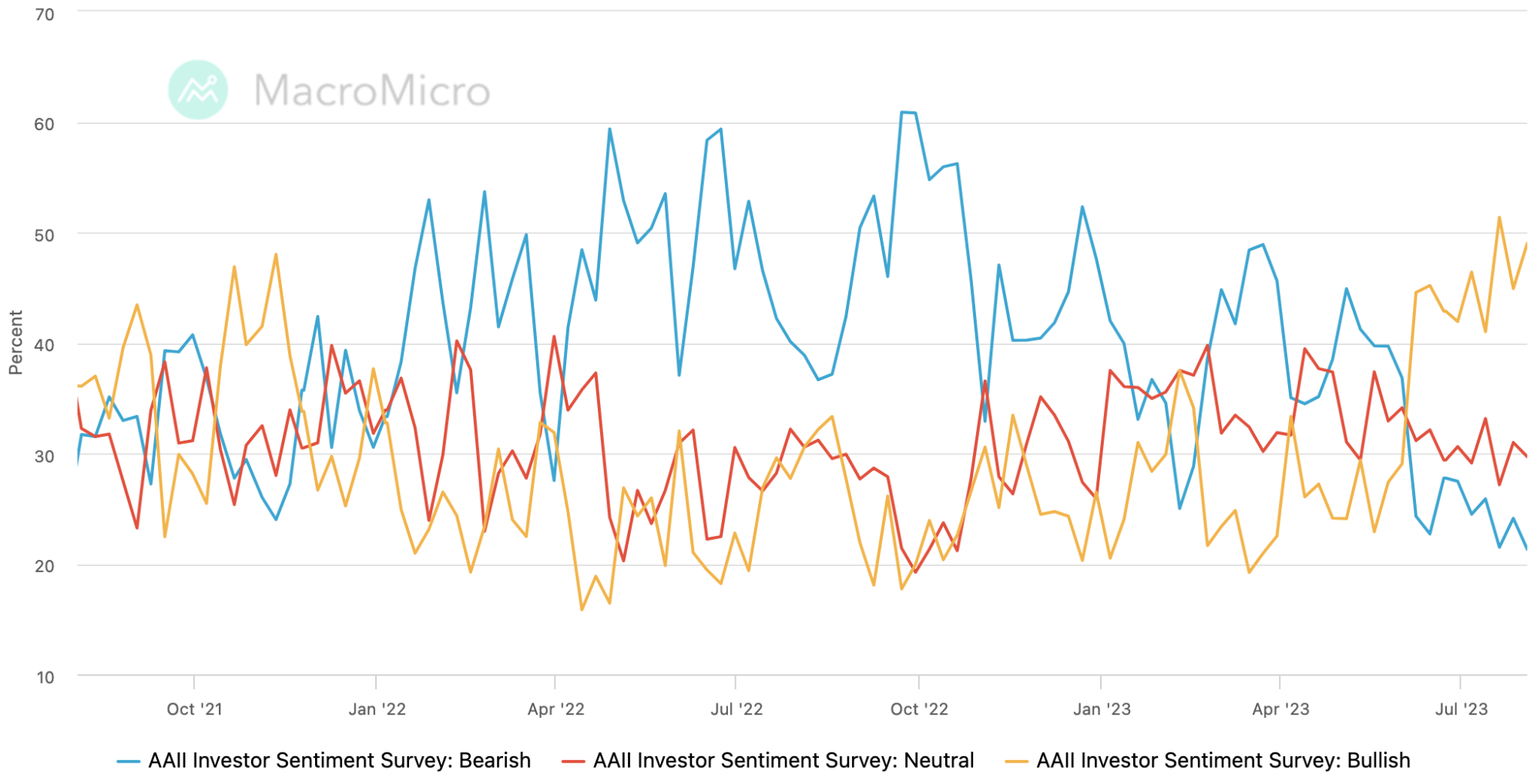
Investor Sentiment Index: Overheated Investor Sentiment Cools Down
By the end of the week before last, various signs indicated that investor sentiment was building up to near-zealous levels. The American Association of Individual Investors (AAII) sentiment index and the CNN Greed and Fear Index both reached their high points of the year in the frenzy phase of 2021.
After months of crazy chasing, investor positions had reached their highest point of the year at the opening of last week, and the market may need to digest this.
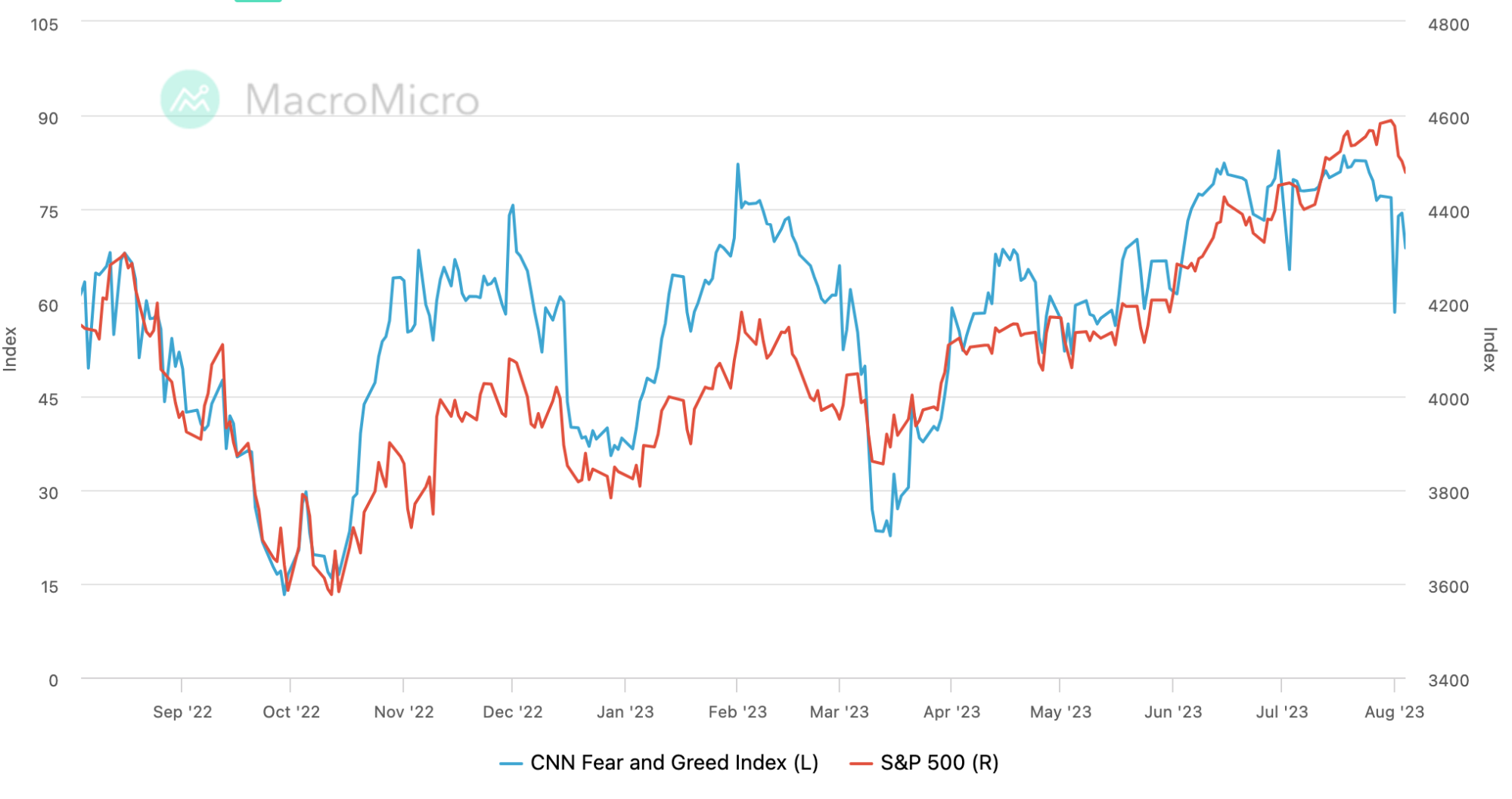
Last week, the CNN Greed and Fear Index rebounded slightly before falling back, currently reporting 69, below the "extreme greed" level of 75:
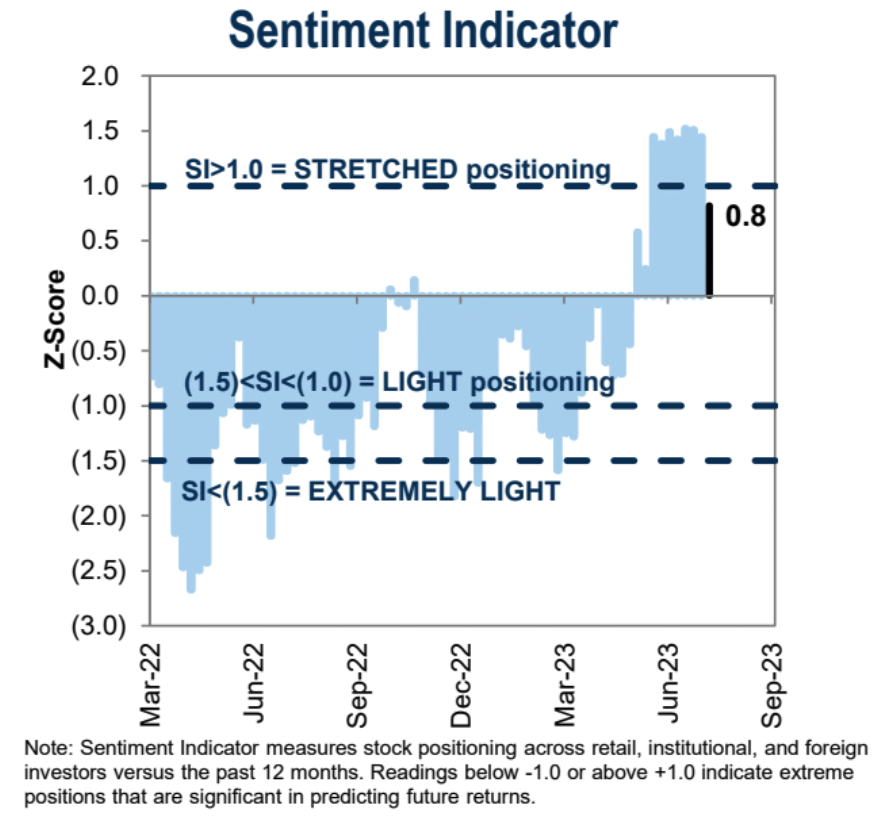
Investor sentiment data from Goldman Sachs dropped significantly to the lowest level since June:
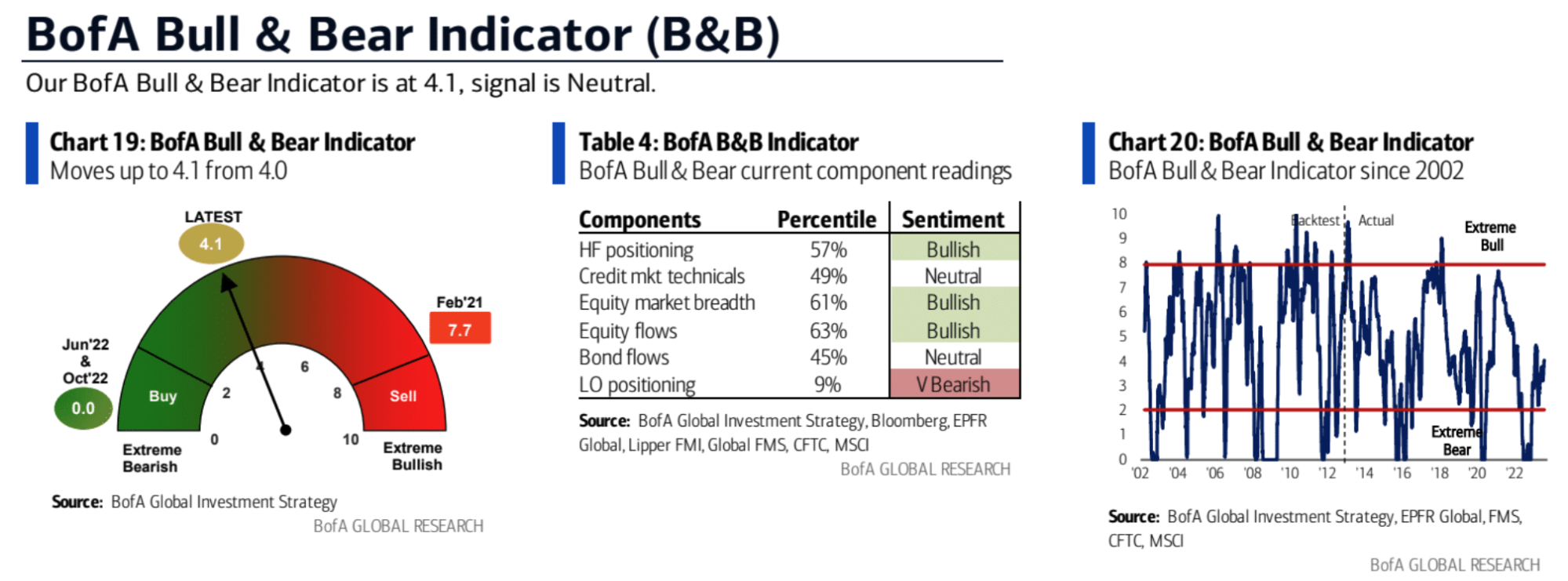
Bank of America's bullish-bearish sentiment indicator rose 0.1 to 4.1 compared to last week, still remaining in the neutral range:
Cryptocurrency Changes
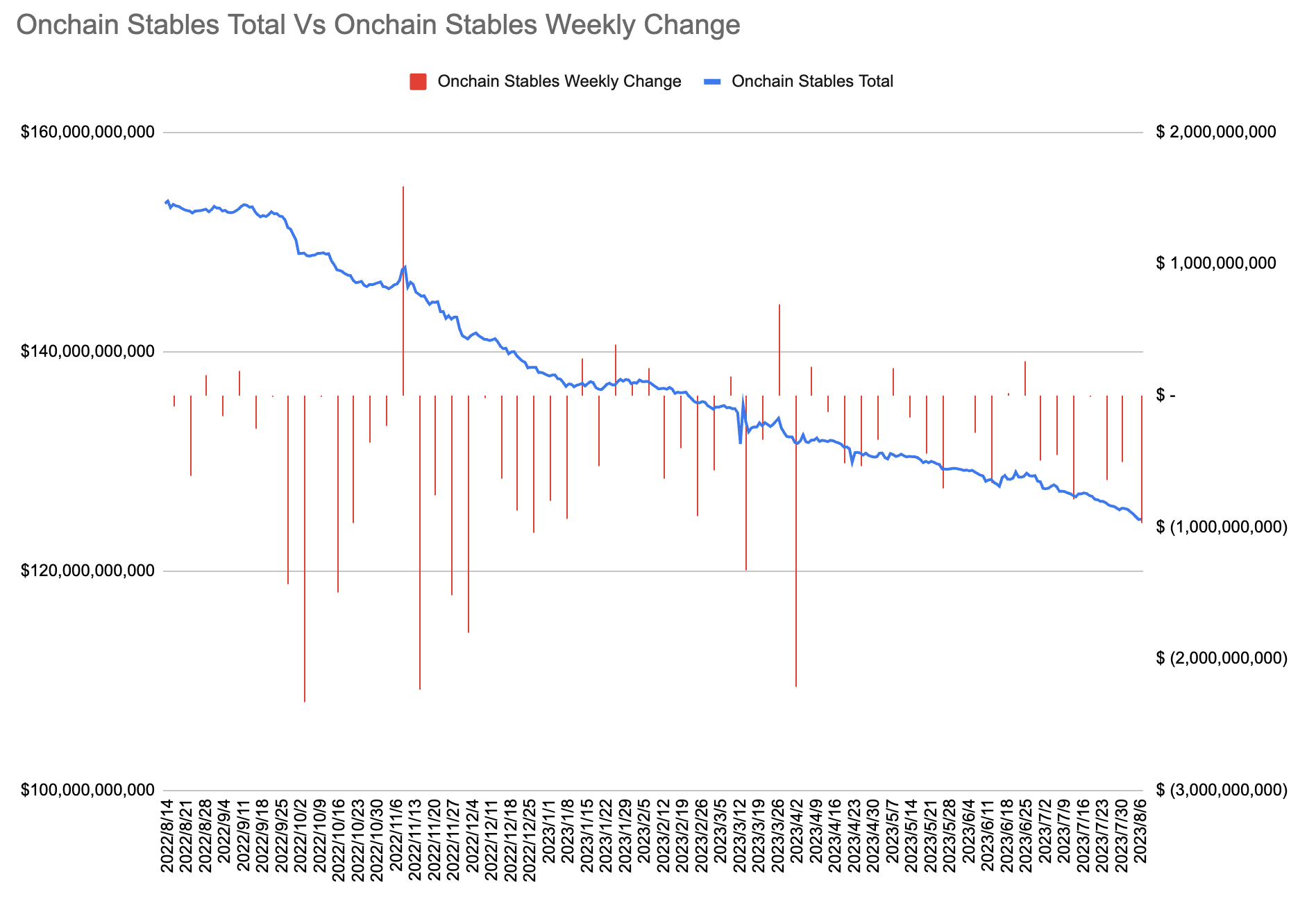
Stablecoins on the chain have continued to outflow for the seventh consecutive week, with a weekly outflow of $970 million, the largest weekly outflow in four months:
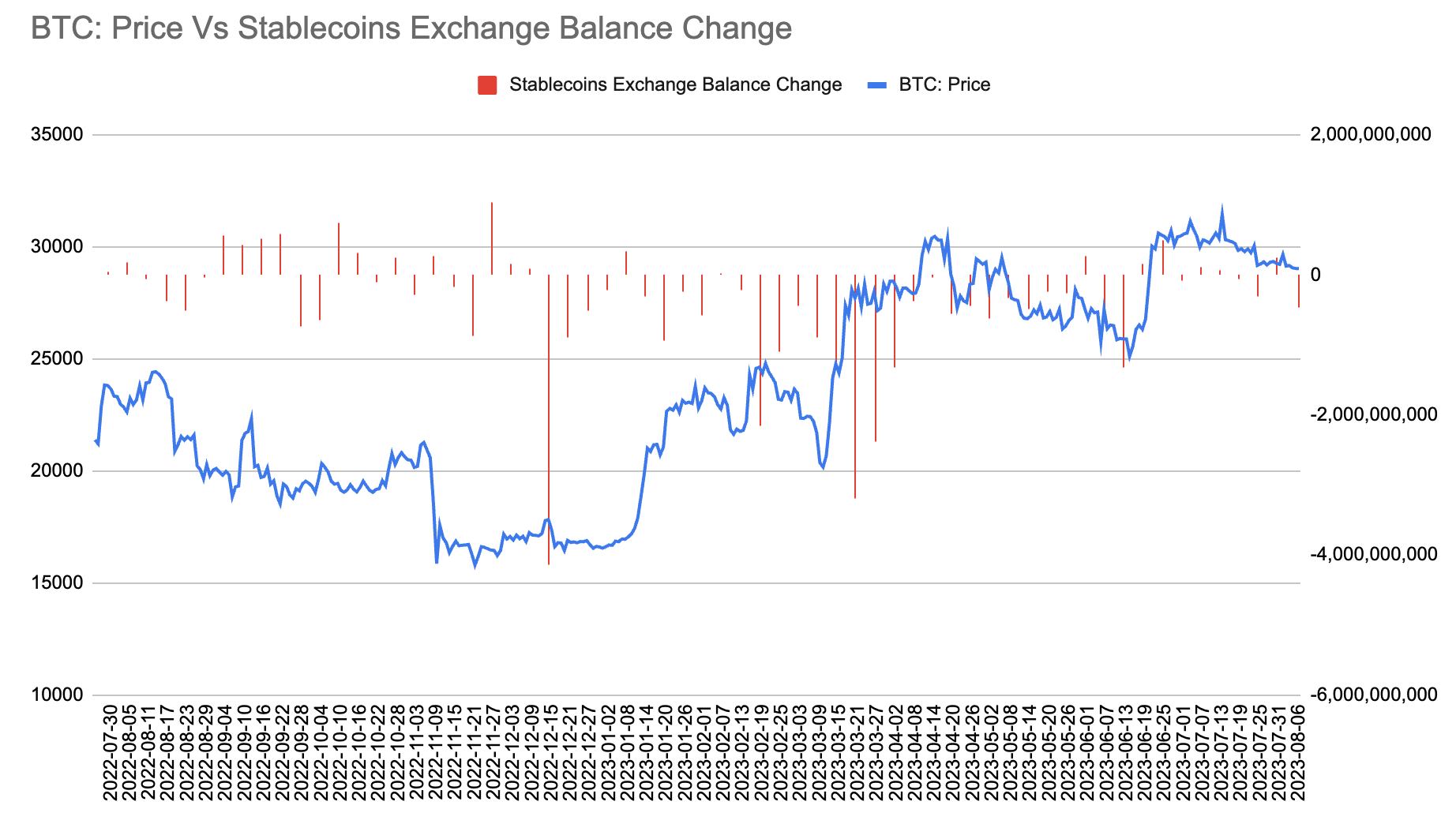
Stablecoin exchange balances saw a net outflow of $476 million last week, dropping to $18.06 billion, the largest weekly net outflow since June.
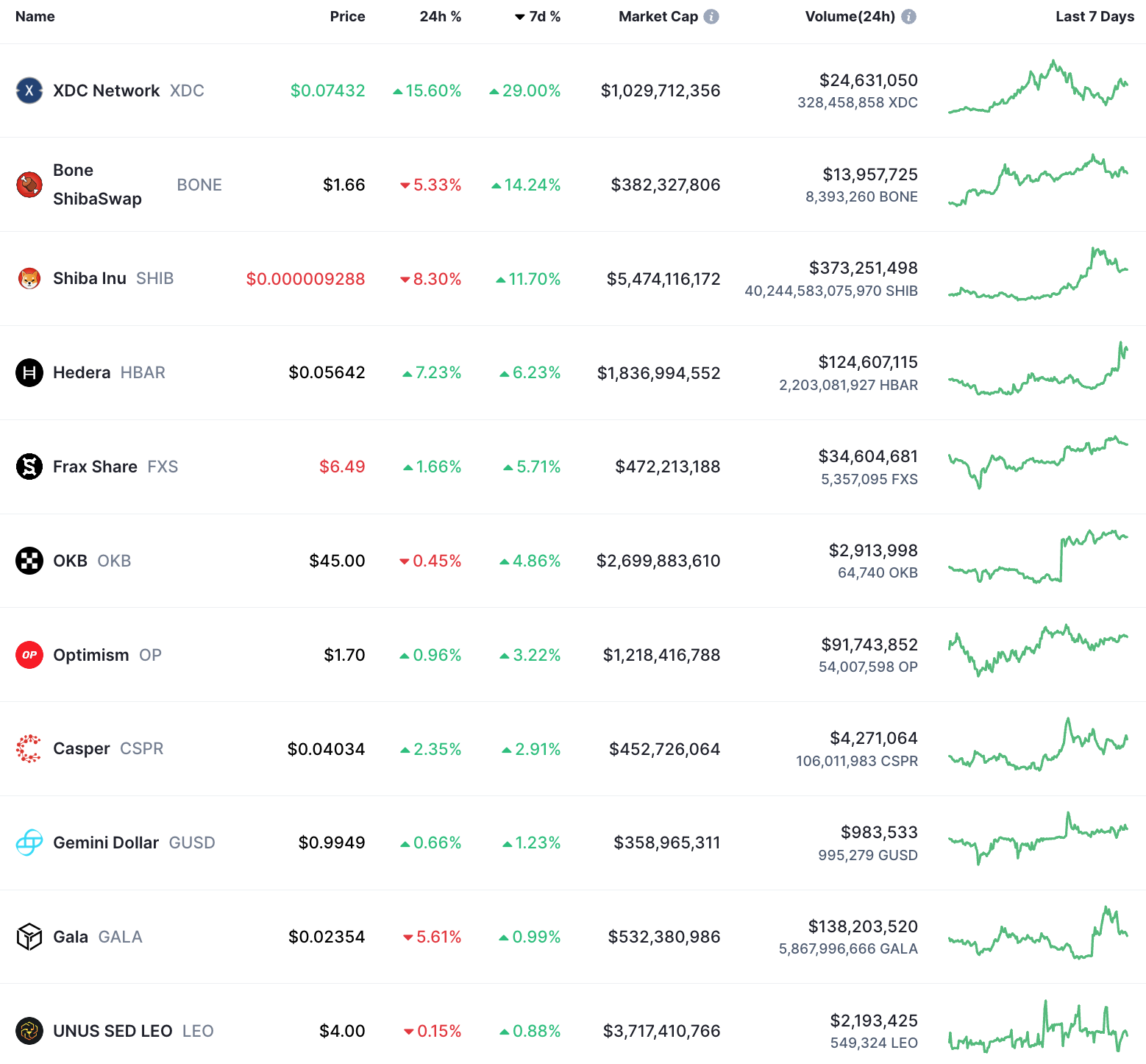
Weekly percentage gain of the top 100 cryptocurrencies by market capitalization:
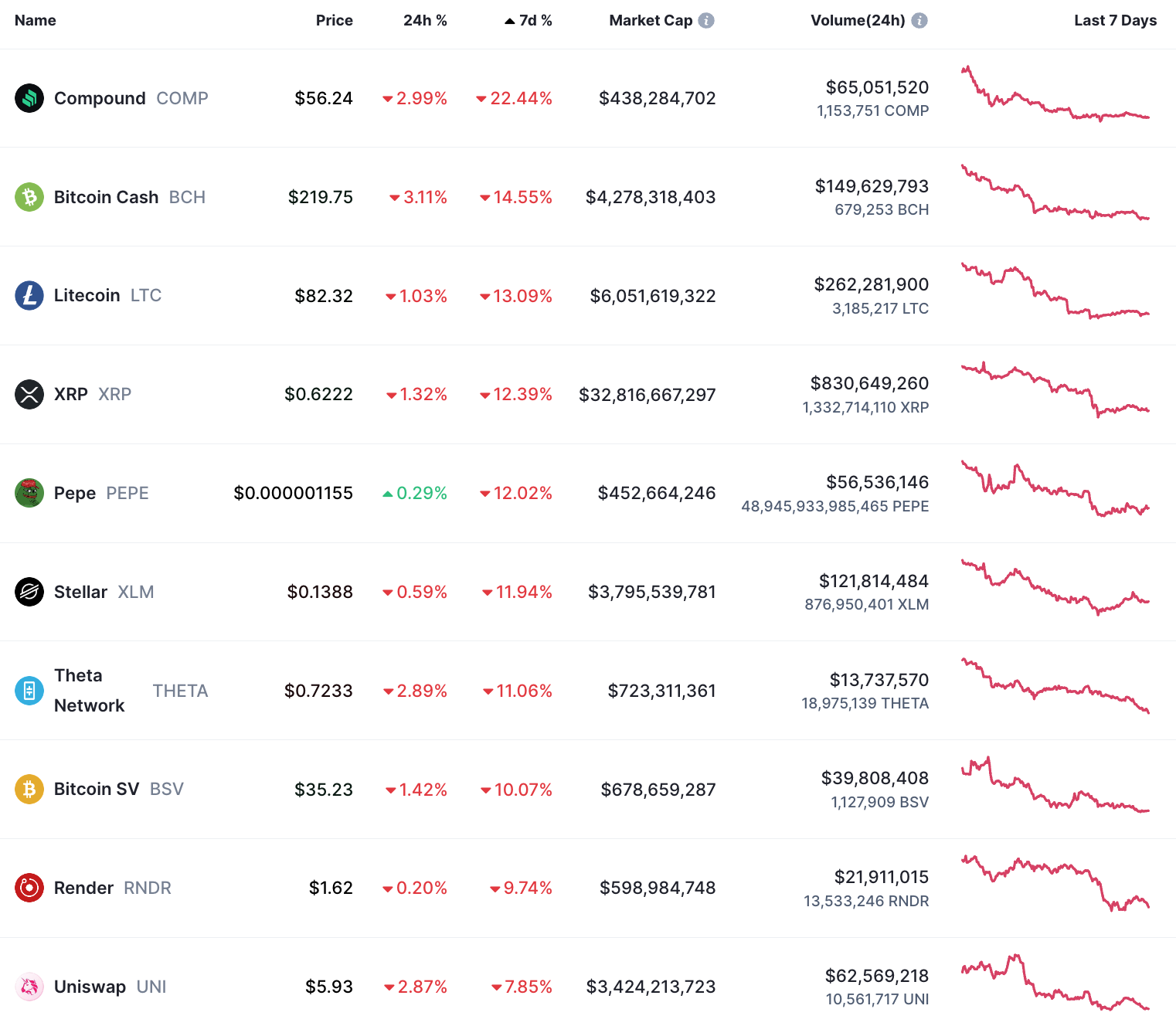
Weekly percentage loss of the top 100 cryptocurrencies by market capitalization:
Last week's encryption news:
Ethereum Futures ETF Application Surge
Recently, seven companies have submitted applications for Ethereum ETFs. Tracking Ethereum futures ETFs essentially means investing in futures contracts for the industry's second largest cryptocurrency.
Hashkey Retail Trading Gets Licensed
The Hong Kong Securities and Futures Commission has approved upgrades for HashKey Exchange licenses No. 1 and No. 7, allowing it to serve retail traders. To promote their upcoming retail products, HashKey Exchange has also recently launched a zero fee spot trading campaign.
However, the platform currently offers few assets and trading pairs, officially supporting only BTC, ETH, USDT, and SPiCE (the native token of the first fully tokenized VC fund SPiCE), among 4 assets and 7 trading pairs, which may not satisfy experienced cryptocurrency users.
Currently, HashKey Exchange does not support registrations from users in jurisdictions such as China, Japan, the United States, and other sanctioned countries/regions where virtual assets are restricted.
Curve Finance Founder Sells CRV Tokens for a total of $57.06 million
Since August 1st, the founder of Curve Finance has sold a total of 142.65 million CRV tokens to 30 investors/institutions, raising a total of $57.06 million in funding. Some of the funds have been used to repay loans from protocols such as FXS, mitigating market liquidation risks.
Buyers of Curve tokens include individuals or institutions such as Justin Sun, Wintermute, DCF, DWF, Huang Lizheng, Prisma Finance, Cream Finance, etc. Some analysts believe that the monopoly of CRV as a liquidity token may be broken, and the Curve ecosystem may receive further empowerment from relevant parties in the future, which is a positive development for Curve in the medium to long term.
Previously, Curve suffered losses of over $60 million due to a vulnerability in the Vyper smart contract programming language compiler. This incident almost led to liquidation, as founder Michael Egorov had borrowed $110 million stablecoins by pledging CRV tokens in multiple lending protocols. Despite the negative impact of this news, the market, including centralized exchanges, did not experience such a significant loss of liquidity. Finally, the situation was resolved with the help of MMichael sold CRV tokens at a price of $0.4 (more than 20% below market price) to several well-known industry insiders through OTC, temporarily concluding the transaction.
In terms of Curve product, the return rate doesn't seem to correlate with the risk. This event also highlights that even the seemingly safest DeFi projects are not 100% secure. If CRV tokens are not staked, the overall APY for liquidity providers is only 1.5%. Even by staking as many CRV tokens as possible or using yield aggregators like Convex, the APY obtained doesn't exceed 3%.
YGG whales with over 200% gains start reducing holdings
In the past week, YGG token price has surged by about 232%, reaching a market value of around $150 million. Yesterday, two investors collectively deposited 3.57 million YGG tokens (approximately $2.06 million) into Binance after the sharp increase. Among them, BITKRAFT Ventures deposited 1.57 million YGG tokens (approximately $907,000) into Binance through Wintermute Trading and FalconX, and a whale with the address starting with 0x639B deposited 2 million YGG tokens (approximately $1.16 million) into Binance and currently still holds 2 million YGG tokens (approximately $1.16 million).
ARK Invest has accumulated significant reduction in holdings this month
180 million US dollars of Coinbase stocksAs of last week, ARK Invest has reduced its holdings of 208,859 Coinbase stocks in August, with a current value of approximately 182.4 million US dollars.
Unlocks to watch this week:
Aptos (APT) will unlock approximately 4.54 million tokens on August 12th at 8:00, with a value of approximately 30.44 million US dollars.
ImmutableX (IMX) will unlock approximately 18.08 million tokens on August 12th at 6:00, with a value of approximately 13.31 million US dollars.
This Week's Outlook
Economic Data
The July trade data for China showed weak performance, with a continued decline in year-on-year export and import declines expected.
The June trade data showed continued weakness in China's foreign trade. Both exports and imports were significantly lower than expected, marking the largest monthly decline since 2020. It is expected that export and import declines in July will continue, with decreases of 12.5% and 5.5% respectively, further highlighting the severe challenges facing the Chinese economy. The ongoing COVID-19 pandemic and deteriorating external environment have severely constrained China's foreign trade.
CPI is expected to turn negative in July, while PPI declines may widen
After CPI and PPI in June fell to 0% and -5.4% respectively, it is expected that China's inflation data will remain weak in July. Contraction in manufacturing activity and a sluggish real estate market have contributed to rising deflation expectations. Analysis predicts that CPI in July may slide further into negative territory, and PPI declines may continue to widen, adding to downward economic pressure. Maintaining growth is currently a key policy focus.
The July CPI data in the United States may be more concerning than market expectations.
The US CPI significantly declined in June, but the June CPI was the most "friendly" one in this cycle. With the rebound in oil prices and a weakened base effect, it is difficult for CPI to further decline significantly: analysts expect CPI to rise 3.3% year-on-year in July, with a 0.3% month-on-month increase. This is higher than the 3% year-on-year increase and 0.2% month-on-month increase in June. The core CPI is expected to rise 4.8% year-on-year, with a 0.2% month-on-month increase, consistent with June.
CPI and PPI data will have a significant impact on Fed decisions.
It should be noted that gasoline prices in July rose sharply, with a year-on-year increase of 6.84%, the largest increase so far this year. Although the impact on the July report is limited, considering that gasoline has a weight of 3.4% in CPI, inflation will be more severe in August and September. Inflation expectations for August have risen to 3.6%, and expectations for September are 3.37%, both higher than previous expectations. Crude oil prices also rose sharply in July, up nearly 16%, marking the largest monthly increase since 2022. Rising oil prices will undoubtedly push up future inflation.
If inflation intensifies, long-term yields may rise further, which means that the valuation of risk assets may come under pressure.
Bond Auction
Last week, the U.S. Treasury increased the quarterly issuance size of longer-term bonds for the first time in over two and a half years. The sharp increase in U.S. government borrowing needs was one of the reasons for Moody's downgrade of the U.S. AAA sovereign credit rating.
The Treasury said it will issue $103 billion of longer-term bonds in this week's quarterly refunding operation, with maturities of 3, 10, and 30 years. This is higher than the previous total issuance amount of $96 billion, and slightly higher than the expectations of most dealers. Close attention is being paid to the auction's bid rates and bid-to-cover ratios, as the current bond market sentiment is fragile.
In addition, the Treasury expects net issuance of marketable bonds to reach $1.007 trillion in the third quarter.Trillions of dollars, reaching a new high for the same period in history, exceeding the estimated value in early May by 274 billion US dollars.
Morgan Stanley strategist Nikolaos Panigirtzoglou believes that even if the reconstruction of TGA and additional issuance of debt result in a liquidity contraction in the United States of at least 4% or more. The bank defines "broad liquidity" as the sum of money supply (M2) and institutional money market fund assets.
Key Financial Reports
On Wednesday, August 9th, Walt Disney and Roblox will release their quarterly financial reports, attracting high market attention as important companies in the entertainment and metaverse sectors. Disney's subscriber growth and Roblox's user data will be key indicators.
On Thursday, August 10th, Alibaba will release its financial report. As the leading Chinese e-commerce and cloud computing company, its financial report will directly influence the assessment of the Chinese economy. Cloud computing and business growth will be the key points.