






OKEx Research Institute: Game Industry and GameFi Research Report


foreword
foreword
The game industry has shown a growth trend in the last two decades or so. It is estimated that by 2021, the overall scale of the global game industry will reach US$175.8 billion, and the number of game players will reach approximately 3 billion. Client games, page games, mobile games, and the current hot chain games are taking turns, pushing the market size of the game industry forward. Of course, the game industry has also encountered some difficulties at present, especially in China, where the government has introduced relevant policies, especially to prevent minors from indulging in games; in addition, there are also some challenges in the game industry itself and the competitive environment: other forms of entertainment The emergence of the game has had an impact on the game industry; the life cycle of the game itself is short, and the competition in the industry is fierce; in addition, the concentration of industry oligarchy is high, and it is difficult for small and medium game manufacturers to survive.
Blockchain games are the addition of blockchain technology to online games, using the characteristics of decentralization, transparency and security in blockchain technology to solve some pain points in traditional games. Current blockchain games are usually presented in the form of DApps. A popular chain game represented by Axie Infinity was born, and a new economic model Play-to-Earn was also born.
1. Overview of the game industry
1. Game industry chain
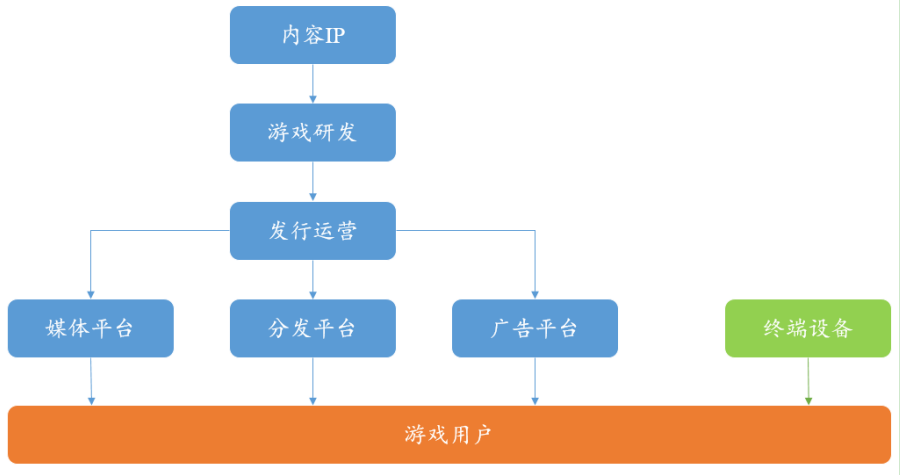
image description
Figure 1 Overview of the game industry chainGame IP holders:
Similar to raw material suppliers in traditional manufacturing, it provides IP, one of the "raw materials" for making games. Any IP may be made into a game and "purchased" by game producers, such as animation, movies, novels and so on.Game developer:
It is the producer of the game. It is generally a studio-based structure. One studio corresponds to one game. Small game teams generally have 30-50 people, and medium and large games may have more than 100 people.Game Publisher:
It can be compared to a "sales agent", responsible for specific tasks such as sales, operation, update, channel connection, and market launch. The core role of the publisher is to "sell" the game and maximize traffic. The current industry trend is the integration of research and operation, that is, both development and distribution are done by ourselves.That is, the "sales/distribution platform" of the game, which is the provider of traffic. All kinds of online official websites, online game malls, app stores in mobile phones, offline physical stores, Internet cafes, and even old newsstands are all channel providers, and there are many types. Channel operators generally rely on water sharing and advertising to make profits, which is the most stable link in the industry chain of "sit on the ground and collect money".
secondary title
2. Market conditions of the game industry
In 2020, despite the surge in game participation and spending by players under the new crown epidemic, the negative impact of the second-order effect of the epidemic has also become more significant in 2021. Teleworking and supply chain disruptions will continue to pose challenges to the gaming industry, especially the console and PC gaming markets.
In July 2021, Newzoo released the "Global Game Market Report 2021". According to the content of the report and related data, the global game market is expected to generate US$175.8 billion in revenue in 2021, a slight decrease of 1.1% year-on-year. The report makes a detailed introduction from the revenue distribution of various regions and vertical markets, as well as the expected growth trend of the global game market until 2024. The overview of each region and market is as follows:
Ø The report predicts that in 2021, mobile games will generate US$90.7 billion in revenue, a year-on-year increase of 4.4%, and the revenue from the mobile game market will account for more than half of the global game market revenue.
Ø Compared with console games and PC games, mobile games are less affected by the second-order effect of the epidemic. Similar to the situation in the previous year, emerging markets such as Asia-Pacific, the Middle East and Africa will still boost mobile game revenue. most of the growth.
Ø Through 2024, the revenue growth of mobile games will continue to outpace that of console and PC games. Content ported to mobile devices.
Ø Apple’s removal of the IDFA (Identifier for Advertising) will inevitably limit the marketing space of the mobile platform, and at the same time, it will also restrict the income from advertising (advertising income is not included in Newzoo’s statistical method) and relying on Mobile games targeted by precise users will have an impact, but this practice will not prevent consumers from spending money on games.
Ø The continued growth of mobile games also means that the market share of PC games will decrease slightly in the next few years. On the other hand, by 2024, the increasingly mature new generation of console game content will accelerate the growth of console game revenue in the global game revenue share. Many games originally scheduled to be released in 2021 will be launched to the market in 2022 or in subsequent years.
Ø In 2021, the annual revenue of the console game market will shrink by 8.9%, falling to US$49.2 billion. This decline is mainly caused by the impact of the new crown epidemic on the development of 3A-level console games. The development of 3A-level console games requires large-scale cross-departmental cooperation, and the research and development costs are very high. A similar effect exists for PC gaming, though to a lesser extent.
Ø In 2021, the global PC game market will generate US$35.9 billion in revenue, a year-on-year decrease of 2.8%. The vast majority of that revenue figure ($33.3 billion) will come from boxed/digital PC games, with the remaining $2.6 billion coming from web PC games. As web game players continue to convert to mobile terminals, by 2024, the revenue of web games will further shrink.
Ø In 2021, game revenue in the Asia-Pacific and North America regions will account for 50% and 24% of the total global annual revenue respectively. By 2024, the share of these two regions will shrink slightly, mainly because there will be more growth in Latin America, the Middle East and Africa.
In 2021, with a market size of US$88.2 billion, the Asia-Pacific region will become the region with the highest proportion of global game revenue, accounting for 50.2% of global game revenue. Among them, the Chinese market has become the most important contributor to game revenue in the Asia-Pacific region with a revenue of US$45.6 billion. Since most of the game market in the Asia-Pacific region is dominated by mobile games, it has been less affected by the new crown epidemic. In comparison, the majority of North American users are console game users, so they have been hit hard by the epidemic. Despite this, North America still ranks second in the global game market revenue ranking in 2021, contributing as much as US$42.6 billion in revenue (mainly from the United States).
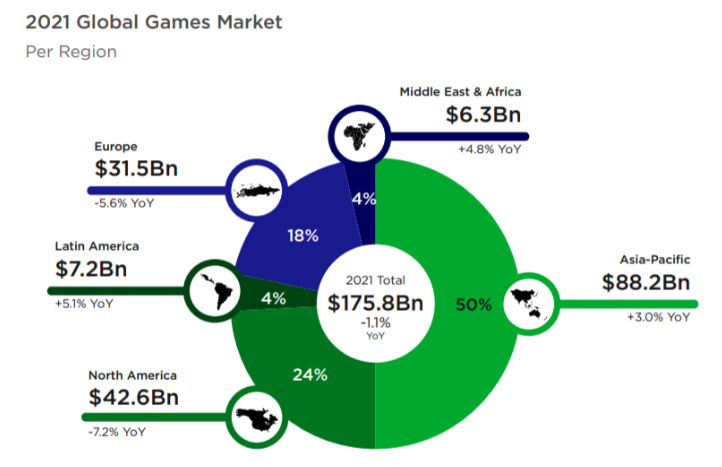
image description
Figure 2 2021 Game Market Size - By Region[6]
2021 Global Gaming Market Segments
In contrast, the impact of the new crown epidemic on mobile games has been much smaller, because mobile game revenue is more dependent on consumer spending on popular games and other alternative games. In 2021, this segment will reach $90.7 billion in revenue, representing a solid 4.4% year-over-year growth. Although hardcore mobile games and cross-platform games have boosted consumer demand for high-end mobile devices, the impact of the global semiconductor supply shortage on the mobile gaming market is still limited, because for mobile gamers, the hardware of the device is not as good as that of the console and PC is so important.
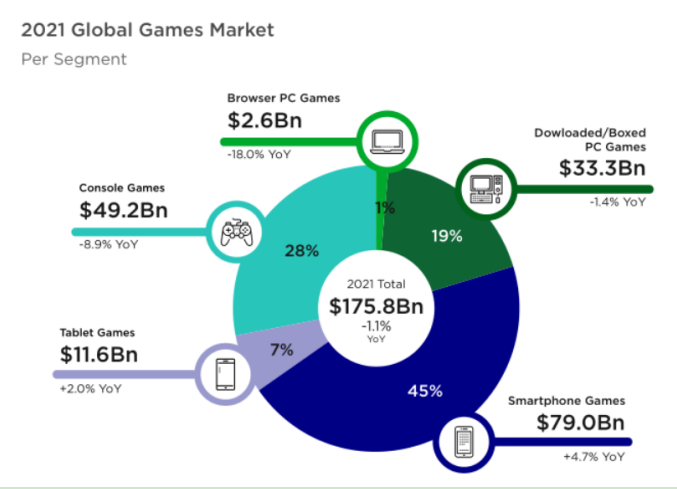
image description
Figure 3 Global Game Industry Market Segments in 2021[6]
In 2021, the total number of gamers worldwide will approach the 3 billion mark. Compared with 2020, this figure has increased by 5.3% year-on-year, indicating that the strong growth momentum of the game industry in 2020 not only leads to the continuous growth of the number of players, but also has more room for growth. Similar to every previous year, there are several main drivers of player growth: an increase in the number of Internet users, better network infrastructure conditions, and affordable smartphone and mobile network data plans. The above-mentioned main driving forces are particularly influential in regions with significant growth rates, such as the Middle East, Africa, and Latin America. These regions are also the regions with the fastest growth in the number of players. The Asia-Pacific region, which includes emerging markets such as Central and South Asia and Southeast Asia, has the largest number of active gamers in the world, accounting for 55% of the total number of players in the world, much higher than the number of players in other regions.
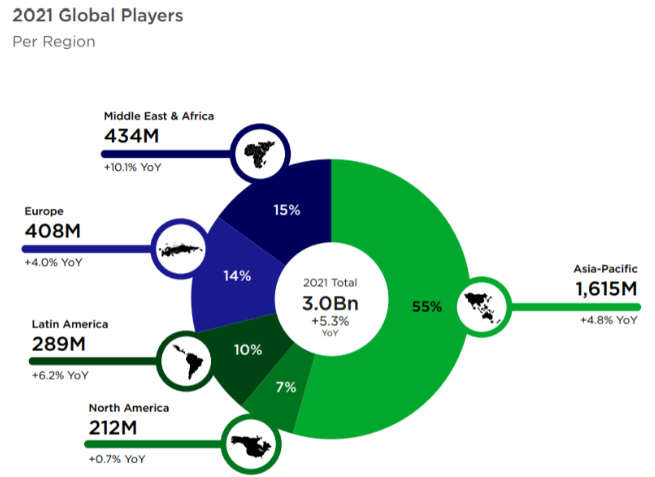
image description
Figure 4 Structure of global game players in 2021[6]
The gaming market will recover quickly from a slight downward adjustment in 2021. The global game market will climb at a compound annual growth rate of 8.7% (2019-2024), break through the $200 billion mark in 2023, and reach a total revenue of $218.7 billion in 2024.
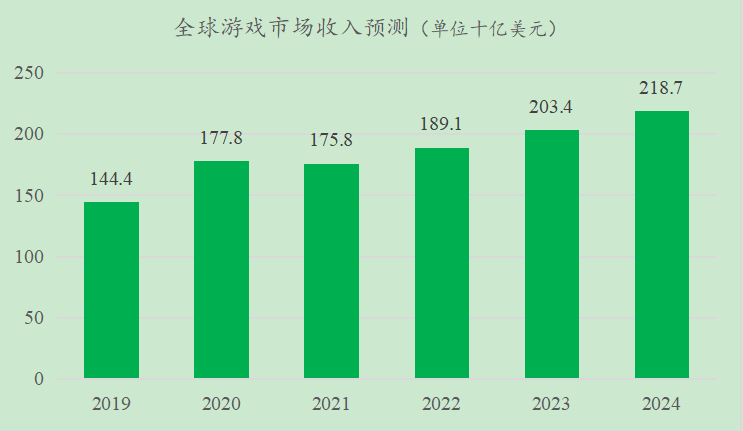
image description
Looking ahead, in 2022, the total number of game players worldwide will exceed the 3 billion mark. The total number of global players will continue to grow at a compound annual growth rate of 5.6% (2015-2024), reaching 3.3 billion by 2024. Growth in the total number of gamers will slow down as more and more users around the world access the web through mobile devices. By 2024, the growth rate of the total number of players will be reduced to "just" 3.2%. In terms of market segments, most players are mobile gamers. In 2021, out of the 3 billion gamers in the world, approximately 2.8 billion gamers will be mobile gamers. By 2024, we predict that the total number of mobile game players will grow to 3.1 billion, surpassing the 3 billion player mark last year. In comparison, there will be 1.4 billion PC gamers in 2021, a figure that also includes web gamers who are slowly migrating to mobile games. In 2021, the total number of console gamers will reach 871 million. The number of players of console games will continue to grow through 2024, mainly due to the increase in the share of console games in two major markets such as China and South Korea. Previously, the development momentum of console games in these two markets was not very strong.
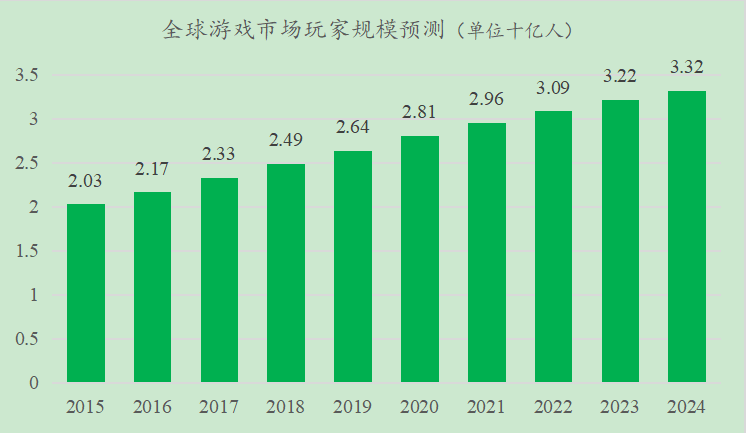
image description
Figure 6 Forecast of the scale of global game players[6]
In 2020, the world's top 100 listed game companies generated a total of US$166.3 billion in revenue, an astonishing 23% year-on-year growth, accounting for 94% of the total game market revenue in 2020 (excluding advertising). Compared with 2019, the revenue of the top 100 listed companies accounted for 93% of the total game market revenue, marking that 2020 is a year with stronger development momentum for large game companies. Currently, the largest gaming company in the world is the Chinese tech giant Tencent. Tencent is the wholly-owned parent company of Riot Games, and also holds shares in many leading companies in the market. Last year, Tencent earned a cumulative game revenue of US$27.4 billion, a year-on-year increase of 34%, nearly US$10 billion more than Sony, which ranks second in terms of revenue.
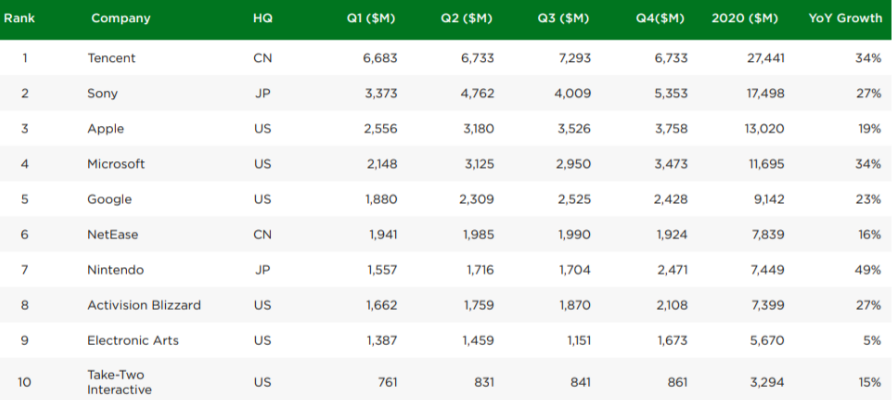
Figure 7 Top ten game listed companies[6]
secondary title
2. Overview of blockchain games
As of September 27, 2021, data from DappRadar shows that a total of 836 game Dapps have been deployed on the entire network. On September 27, the number of game users reached 927,000, and the daily transaction volume reached 15.62 million US dollars. Since July 2021, the data of chain games has grown rapidly. Players have increased from 80,000 in early April to 928,000 in September, and daily trading volume has increased from about US$500,000 in early April to an average of about US$40 million. Level, the highest daily trading volume exceeded 93 million US dollars.
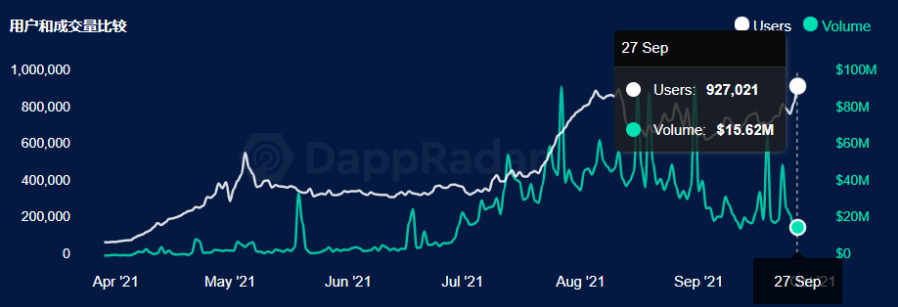
Fig. 8 Users and trading volume of chain games on the whole network [DappRadar]
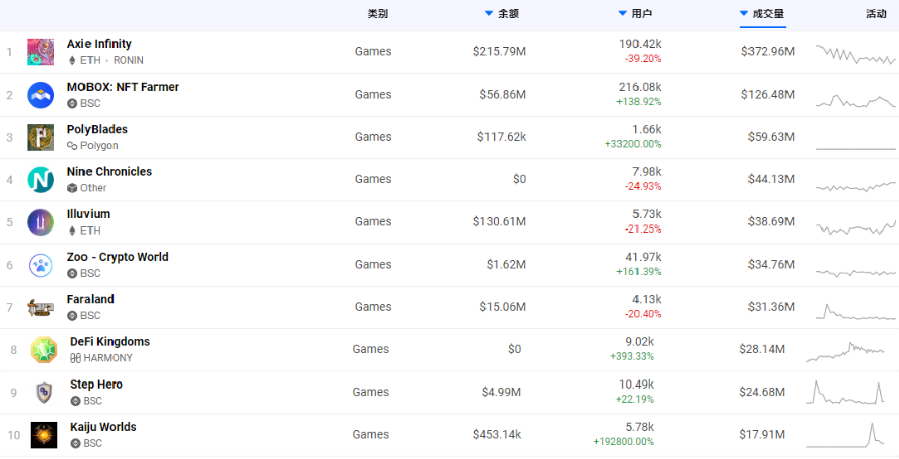
Figure 9 Top 10 by trading volume in the last 30 days [DappRadar]
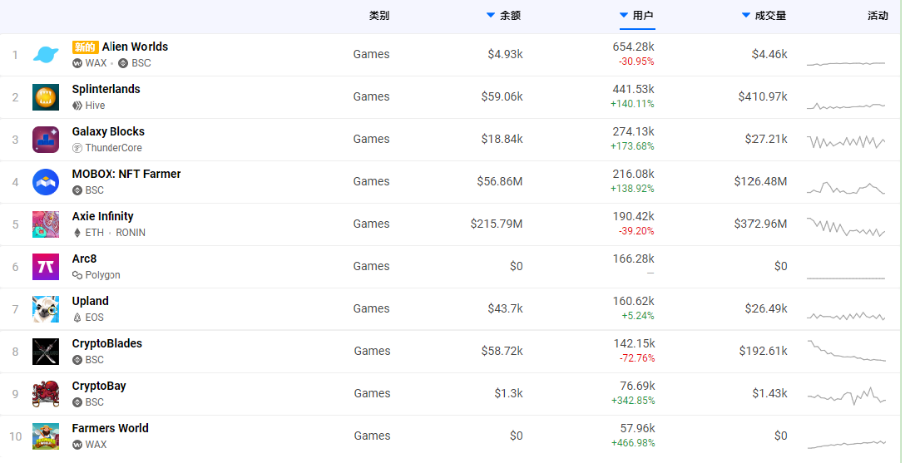
image description
According to the information released by Nansen, the development of blockchain games can be roughly divided into four stages.
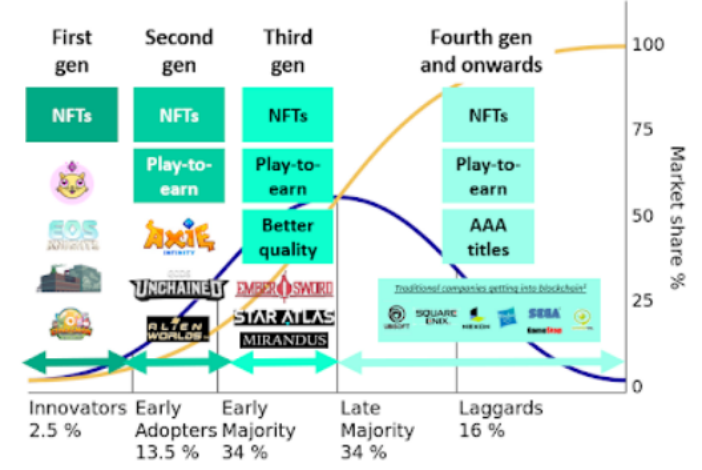
image description
Figure 11 Blockchain game development stages [2]
The first stage: The market is dominated by innovative NFTs mini-games and nurturing mini-games. The game attributes are not strong, but this opens up the chain game market.
The second stage: PC games and mobile games with Play-to-Earn and NFTs as the main highlights and attributes. This type of chain game has certain game attributes. Compared with traditional games, the playability is insufficient, and the development difficulty and cycle are shorter. It pays more attention to the value of its assets than to the gameplay. Due to its short development cycle, a variety of small games with mixed quality quickly seize the market.
The third stage: On the basis of the second stage, higher-quality game products were developed almost at the same time. It is also an independent game team with blockchain as the main background, but compared with the second stage, there are more With the addition of solo game teams and members, the overall game quality has been greatly improved. A small number of traditional gamers with a curiosity-seeking mentality are attracted by relatively high-quality games and join the player group of chain games, and chain games have gradually entered the public eye.
At present, the blockchain game market is between the second and third stages, and many 3A manufacturers are also making attempts in this area. However, there are currently few mature products in the blockchain game market, and the main products are play-to-earn. Game-oriented, and the quality of the games is uneven, and the overall quality is not ideal. At present, tens of thousands of players have entered the blockchain game market with one hand. As players continue to join, the requirements for game quality will become higher and higher. At the same time, the original game players are willing to pay for game products and content. These players are more likely to accept the P2E logic of chain games. In the future, with the development and popularization of blockchain technology, more traditional game manufacturers will join in, bringing more While diversifying high-quality games, it will also bring more traditional players to pay attention to the blockchain market. From an optimistic point of view, the professional development of chain games and the entry of 3A game manufacturers will bring a large number of fresh blood into the blockchain. We look forward to seeing games become a bridge connecting centralization and decentralization.
secondary title
3. GameFi mode
According to public information on the Internet, MixMarvel Chief Strategy Officer Mary Ma first proposed the concept of GameFi in her speech at the Wuzhen Summit in the second half of 2019, that is, Game Finance, gamified finance. In layman's terms, GameFi=DeFi+NFT+Game, that is, introduce DeFi and NFT pledges into the Game, and convert the player's assets into in-game assets or token assets, etc., to increase the player's income through liquidity mining. GameFi refers to the presentation of decentralized financial products in the form of games, the gamification of DeFi rules, and the NFT of game prop derivatives. One of the most notable features is that the user's assets become equipment or tools in the DeFi game, and in turn, users can obtain benefits or rewards during the process of participating in the game. DeFi is still the core of GameFi, NFT is an essential means of decentralization, and games are the shell of GameFi. With the popularity of Axie Infinity, GameFi's new Play-To-Earn economic model has been born.
At present, most of the DeFi game methods mainly include role-playing, virtual space, battle development, and multiplayer building. Compared with the previous liquidity mining model, the GameFi project is more interactive, experiential and immersive with users, and it is also more interesting. For example, many games will use NFT pets to breed , Use NFT equipment to improve skills, pledge NFT to obtain income, or introduce PK battle mode, participate in battles, and complete tasks, allowing users to make money while playing games.
1. Play-To-Earn mode
Play-To-Earn is essentially a business model driven by blockchain technology. Players can obtain in-game assets or token ownership by recharging and playing games. Compared with Free-To-Play, Play-to-Enjoy and other models, most of the revenue in Play-To-Earn games no longer belongs to large centralized game companies, but to excellent players. By participating in the in-game economy, players create value for other players and developers. In turn, players are rewarded with in-game assets. These digital assets can be any encrypted assets confirmed on the blockchain. P2E is more focused on maximizing player engagement than profit.
In fact, the P2E business model has a long history in traditional games. In some traditional games, a group of players make money by selling equipment or equipment. In blockchain games, this model has been upgraded, and players can earn real money by playing games with cryptocurrency-based assets (NFTs). By actively participating in these virtual economies, players can earn rewards such as in-game assets and tokens, which can then be traded or sold on the open market.
Blockchain technology, which gives players ownership of in-game assets and allows them to increase their value by actively playing the game, is a key component of the game-to-peer model. Most of the revenue in P2E games no longer belongs to large centralized game companies, but to outstanding players. By participating in the in-game economy, players are creating value for other players and developers. In turn, they are rewarded with in-game assets. These digital assets can be any encrypted assets confirmed on the blockchain, which is why the P2E model is very suitable for blockchain games.
The Play-To-Earn model of chain games is an important change in the game world, because traditional in-game asset transactions are only in the game ecosystem, and it is difficult for players to trade or sell their digital assets outside the platform.
Some characteristics of P2E mode:
(1) Using DeFi's Farming to solve some of the early drainage problems. Some players will be attracted to the game because of the revenue, or some people who are not originally players will be attracted to the game because of the revenue (which may or may not convert into players).
(2) The game is not a pure financial gambling. NFT makes Farming itself not have the problem of flooding liquidity, but the premise of the game’s playability and mechanism can attract players to join in a steady stream. If players continue to lose, NFT will be meaningless.
(3) Farming income helps to improve the player retention rate of the game, in order to try to solve the problem of over-squeezing players in F2P games.
(4) The ultimate goal of most P2E is to achieve DAO governance, enabling the community (player guild) to participate in project governance, voting and revenue distribution.
2. Game Guild
Analyzing the popularity of AxieInfinity, the YGG game guild behind it has contributed a lot, making it possible for Axie Infinity to capture more users. So what role does the chain game game guild play and what role does it play? It not only helps players enter the chain game market, but the broader significance of the game guild is to promote the development of DeFi and DAO, which is equivalent to a fund that does not require access.
As we all know, DeFi can provide financial services to people without bank accounts, but the premise of providing services is that users hold funds in their hands. For example, users need to have funds in their addresses to enter the lending market to obtain loans. Of course, the unsecured lending launched by Aave makes it possible for users who lack funds to obtain financial services, but the complexity of credit entrustment can easily discourage users, and some agreements also need to provide credit endorsement from the centralized financial market. In contrast, the advantage brought by the game guild is not only to lower the threshold of entering the financial market, but also to those who have no credit rating and savings and have lost their jobs due to the epidemic, it is more important to act as an open-end fund. Role. Before entering the fund, people do not need to be approved by anyone, and they will not face investment thresholds, and they can earn income only by investing time and cost. It can be said that the game guild, which is equivalent to an open-end fund, allows more people to understand cryptocurrencies and provides the first pot of gold for the latter to enter the market.
The relationship between game guilds and chain game projects is complementary. High-quality guilds can promote more new users to enter the chain game and cryptocurrency market, while novel and profitable games can help increase the number of guild members and increase guild income. Based on this, the scale of the chain game market will gradually expand, and the assets in the game will also penetrate into the DeFi market, providing more collateral for lending agreements, enriching asset categories, and promoting the integration of NFT and DeFi.
3. Economic model
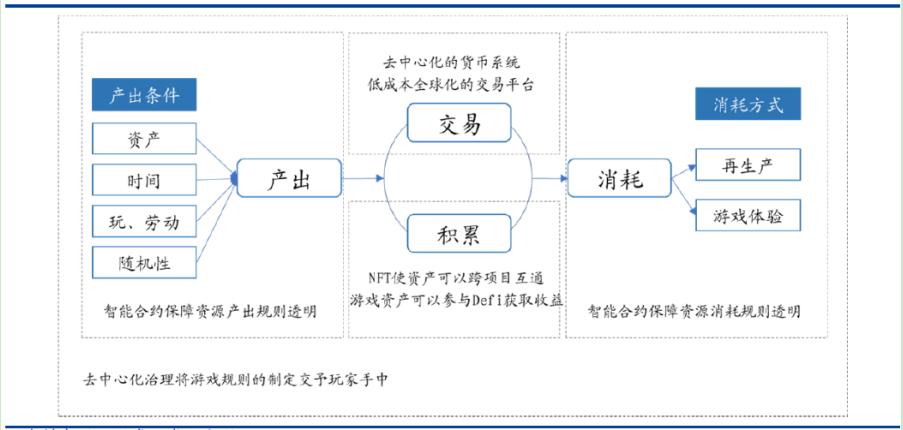
Figure 12 GameFi economic model [7]
secondary title
4. Typical cases and ecological data
1、Axie Infinity
Axie Infinity is a decentralized turn-based strategy game built on the Ethereum blockchain, which developed its own Ethereum sidechain Ronin. By transferring the main operations from Ethereum to the application chain, the user's cost of use has been reduced by several orders of magnitude; the response speed has become faster; and the Ronin wallet integrates the payment gateway, which greatly reduces the entry threshold. The revenue of the product in the third quarter of 2021 exceeded 780 million U.S. dollars, and the revenue ranks in the first echelon of global single game revenue. In August, the single-day revenue exceeded Tencent’s King of Glory. The current gameplay is based on Ethereum. Players control the NFT elf "Axie" in the game to carry out activities such as fighting and breeding. At the same time, they can trade the game SLP coins obtained in the game or sell "Axie" in Ethereum to obtain actual Economy Profit. Players enter and exit by building a complete "purchase 'Axie' in Ethereum to start in-game activities, battles, etc. to obtain SLP coins, use SLP coins to upgrade and develop 'Axie' or sell SLP coins, and sell 'Axie'" Axie Infinity has become the first game product built on NFT to generate a large amount of revenue. .
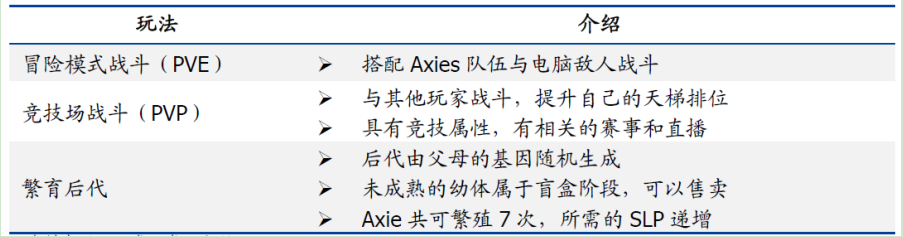
image description
Table 1 Axie gameplay[7]
Starting from Q1 in 2021, Axie Infinity's revenue data and active players have grown rapidly. In February 2021, Axie’s monthly income was US$240,000, and from August 1st to 26th, the income was US$308 million, with a monthly compound growth rate of more than 309%. In August, the MAU reached 315,000. The price of AXS tokens representing Axie Infinity equity also increased from US$0.9 in February 2021 to US$74.29 on September 30. According to dappradar statistics, among all blockchain games in July, Axie’s revenue scale ranked first, surpassing the second place by 80 million US dollars; the total transaction volume was 9 times that of the second place, and the data in August is further expanding.
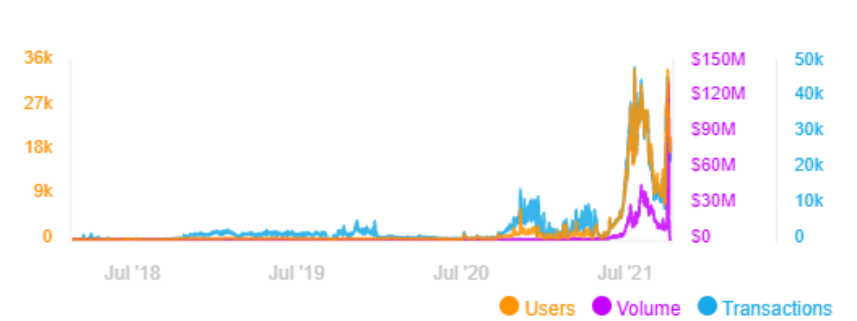
image description
Figure 13 Axie historical data [DappRadar]
The Axie ecosystem is mainly composed of Axie, AXS coins, SLP coins, game players and external investors.
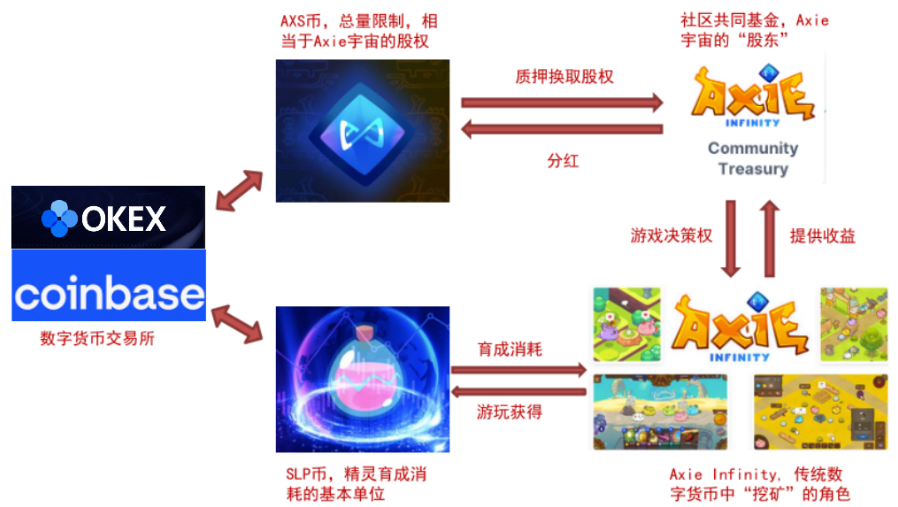
image description
(2) Digital assets in Axie
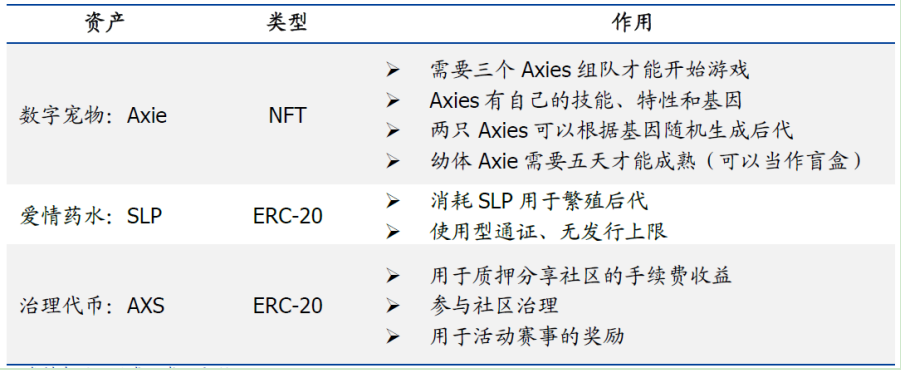
image description
AXS is a digital currency issued by Sky Mavis, which represents the overall Axie GameUniverse and also constitutes the most basic goods for interaction between Axie players. The ecology represented by AXS coin is composed of players (AXS holders), Axie games and Axie community mutual funds. Players obtain AXS coins through trading and playing Axie games, and players spend AXS coins when entering the game and cultivating pets. Outside the game, players who hold AXS coins can "take shares" in mutual funds, and obtain voting rights for game decisions based on their shares, as well as the benefits provided by the game.
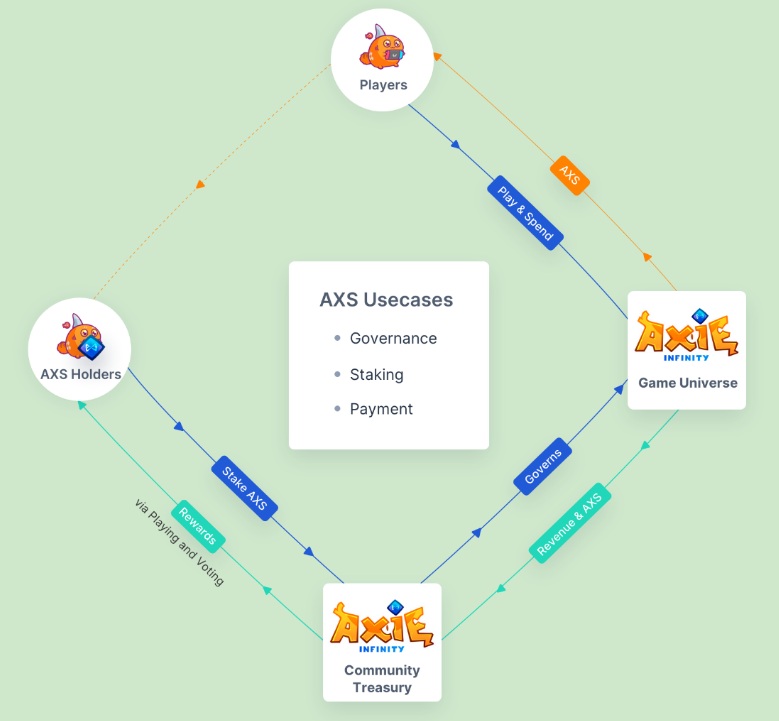
Figure 15 AXS use case [9]
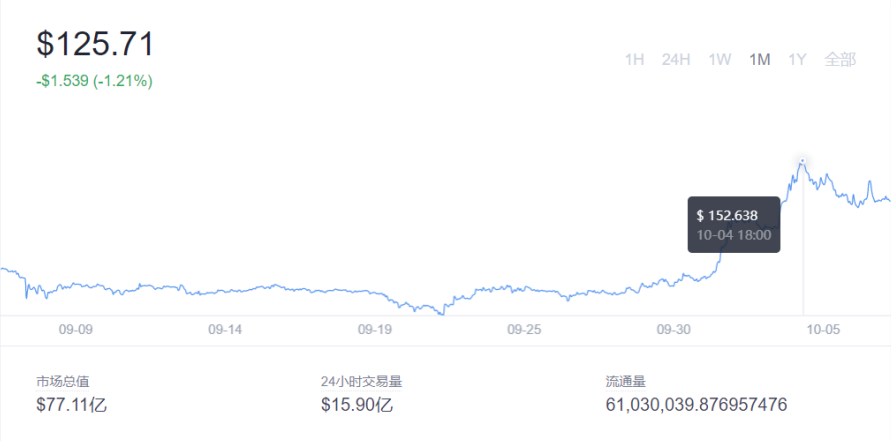
Figure 16 AXS price trend [DappRadar]
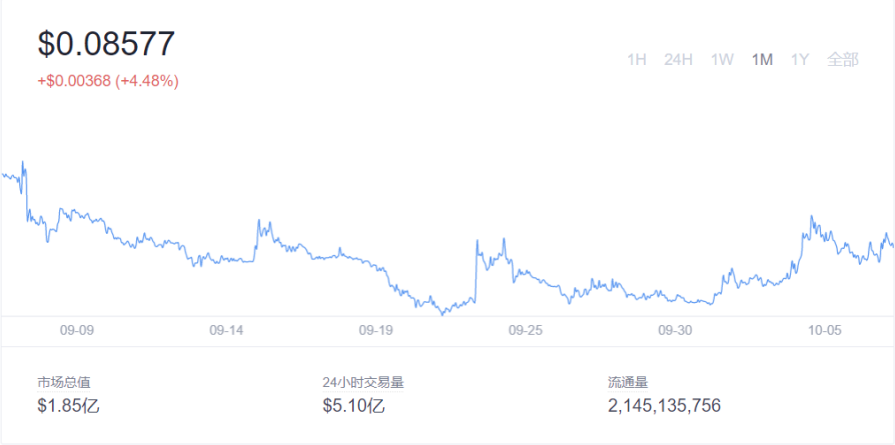
image description
Axie Infinity is a decentralized turn-based strategy game based on Ethereum. Players control the NFT elf Axie to fight and reproduce. Most of the game process does not need to interact with the blockchain, which ensures the most important playability for the game. sex.
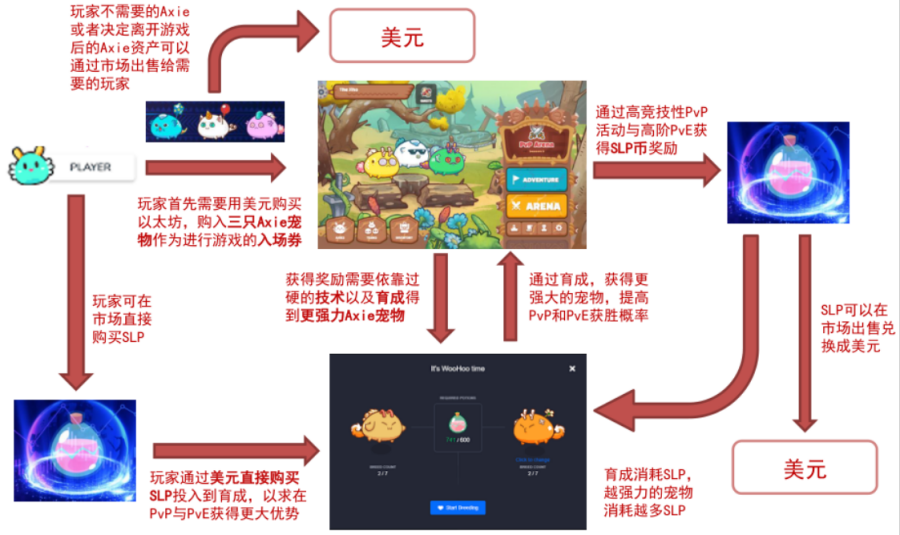
image description
Figure 18 Axie game ideas [8]
The Axie Infinity system is currently divided into four major sections, namely the breeding system, the trading market, the combat system and the home system.
Breeding system:
Players can pair two Axies to breed a new Axie, whose attributes are randomly determined according to the parents' genes. And each Axie only has 7 breeding chances, which will also be a factor affecting the selling price. Each Axie has 4 basic attributes, and the different attributes determine the attributes of the Axie in battle. In addition, each Axie consists of 6 parts, which determine the skill cards that can be used. These sites are controlled by three genes, the dominant gene D, the recessive gene R1 and the less recessive gene R2. In the breeding system, the emergence of SLP tokens actually makes the game a closed loop. SLP has output channels and consumption channels, and can be traded. This provides a channel for ordinary users to earn income, because the birth of any new Axie needs to consume SLP, and the more times of breeding, the greater the consumption. For Axie with better genes, the consumption of later breeding volume will be considerable. The continuous birth of new Axies provides a wealth of optional Axies for new players to enter, and Axies with good attributes are generally not cheap, which provides motivation for the continuous birth of new Axies and the continuous consumption of SLP.
Trading System:
According to official statistics, in August, the Axie Infinity market had 1.7 million transactions in the past 30 days, with a total transaction volume of 1.04 billion US dollars, far exceeding all other similar games. The average price of each Axie reached 611 US dollars. Axie Infinity charges a 4.25% tax during the transaction, which is also the second largest source of revenue for the game. Game participants can directly purchase Axie in the official market. Currently, the total number of Axie displayed for sale is 229,443. You can select different types of Axie for purchase through the filter box on the left. Different types of Axie have different characteristics and need to be purchased. Reasonable collocation.
In comparison with other blockchain games, Axie Infinity's complete and balanced economic system is its biggest highlight. On the way to the metaverse, how to use virtual currency to realize a complete virtual economy has always been one of the important issues. Axie Infinity answers this question by decentralizing the game's sovereignty through dynamic economic balance and the introduction of community mutual funds. According to statistics, the growth rate of SLP in the past three months was 378%, far lower than the year-on-year growth rate of 674% for players and 1243% for transaction volume. At present, the total stock of SLP is 950 million pieces, worth 150 million US dollars.
Combat system:
Axie Infinity's combat system is the most frequent scene for players, and it is also the main source of in-game revenue. You need to download the client to participate, including desktop, l0S, and Android. The Axie owned by the player is the colorful elf in the game, each with different types of skills, and can be changed through breeding. The combat style emphasizes energy, cyclic decks, and highly coordinated Combos. It also has combo skills and Chains that are common in card games. This will also continue to update the types and contents of cards with each quarter. The battle deck consists of 12 skill cards*2 of 3 Axies. The initial hand has 6 cards and 3 energy points, and then draws 3 cards each round, increasing 2 energy points. Compared with the current card games on the market, Axie is more similar to NetEase's Baiwen Card. The difference is that it weakens the random elements in the battle and gives more randomness to the breeding part. For ordinary players, the most important income of the game comes from the daily tasks of the game. Axie gets SLP token rewards through battles, and SLP is also a must for Axie breeding. If you don’t want to breed, you can sell it through Uniswap in exchange for US dollars. According to the New York Times, in the Southeast Asian country, some families can rely on the SLP they earn to make ends meet. Earn SLP by fighting and then sell it in the market. This process has formed assembly line studios in the Philippines, Vietnam and other places.
Home system:
(3) Axie's economic model
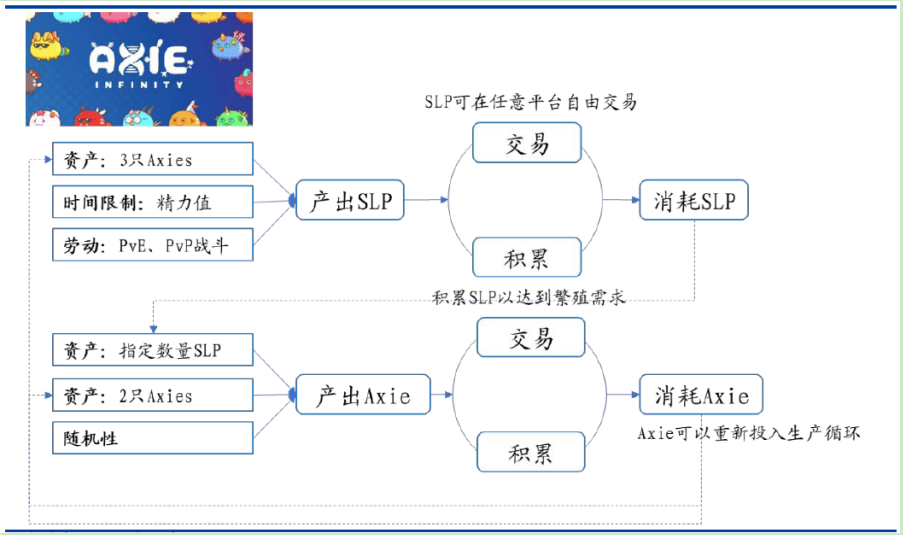
image description
Figure 19 Axie economic model [7]
(4) YGG Game Guild
YGG is a Filipino game association (also known as the Golden Game Association) established in August 2020. Its founder Gabby is a senior player of Axie Infinity. He has nearly 18 years of experience in mobile game development and once founded the mobile game development studio Attitude Games. During the outbreak of the epidemic last year and the economic downturn, Gabby witnessed how Axie Infinity helped Filipino players earn living expenses, so he decided to start the game association YGG to help new users who have no blockchain game experience enter the market.
Lending the three Axies needed to enter the game and training new players are the root causes of YGG's drive for Axie Infinity to explode again. The former allows players to enter the game at almost zero cost, and the latter helps players reduce the learning threshold and time cost. This series of initiatives is what YGG calls the scholarship program. Under this mechanism, the revenue brought by the game revenue is held by players, community managers (training players) and guilds, and the proportions are 70%, 20%, and 10% respectively.
Statistics show that Filipino players can earn US$500 per month through Axie Infinity, which is equivalent to 2 to 3 times the local minimum wage. Many unemployed and college students who have not found a job can obtain financial resources through this. SLP can actually be exchanged for Philippine Pesos, so people spend their time playing games and collecting game rewards, as well as exchanging them for cash.
2、Alien Worlds
Alien Worlds is a comprehensive chain game on the WAX chain that integrates elements such as staking, mining, and combat, and integrates DeFi, NFT, and Metaverse into the game. Alien Worlds created a virtual world in 2055 for players. Players can explore, mine and fight among 6 Odaily. Each Odaily is a decentralized autonomous organization (DAO) interstellar. Players can colonize Odaily through battles. Earn Trilium (TLM) by mining in the game, and you will have the opportunity to mine NFT every time you mine. After entering the game, players will first obtain the free mining tools that come with the system, and the obtained token Trilium can be used to pledge to the six Odaily in the game. In addition, you can also sign up to be a candidate for the Odaily director. After success, the player can rule this Odaily. NFT game cards will also continue to introduce more different ways to play over time, including upgrading cards through "shine" and fighting in fighting games. Different from the liquidity mining of DeFi projects, participating in Alien Worlds mining does not require pledge tokens, as long as you register an account, you can participate in mining.
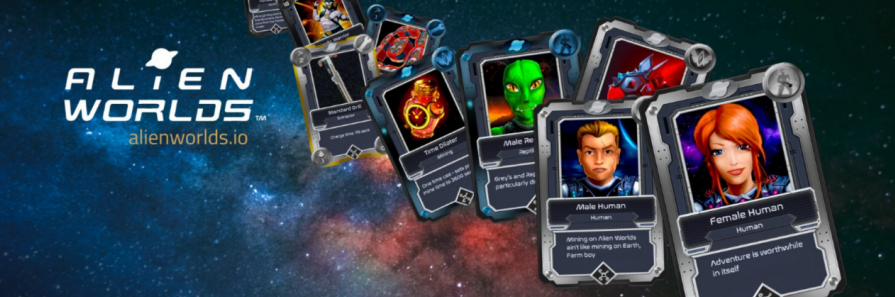
Figure 20 Alien Worlds[https://alienworlds.io/]
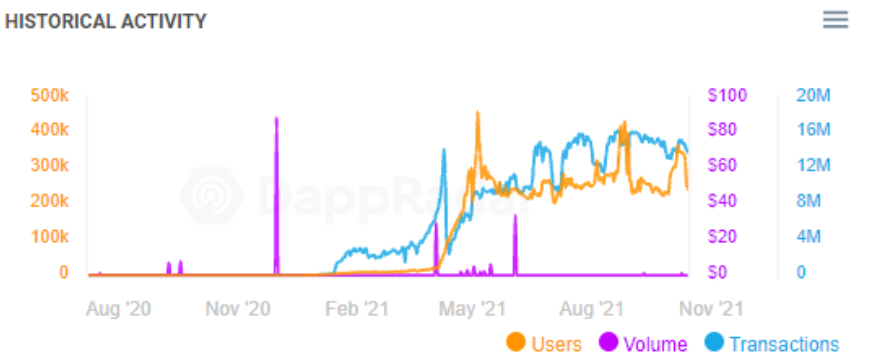
image description
Figure 21 AlienWorlds historical data [Dappradar]
(1) Select the character image
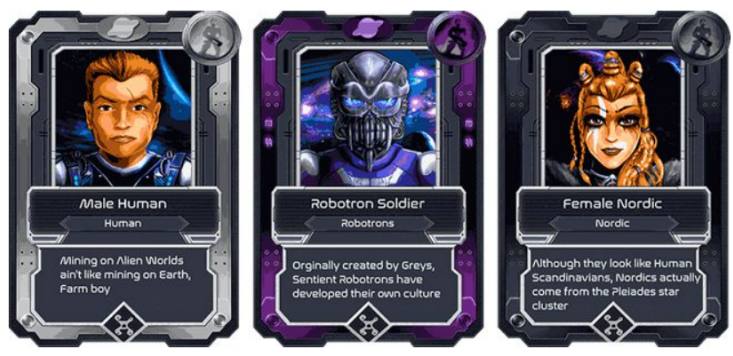
image description
Figure 22 Avastar [https://alienworlds.io/]
(2) Select land
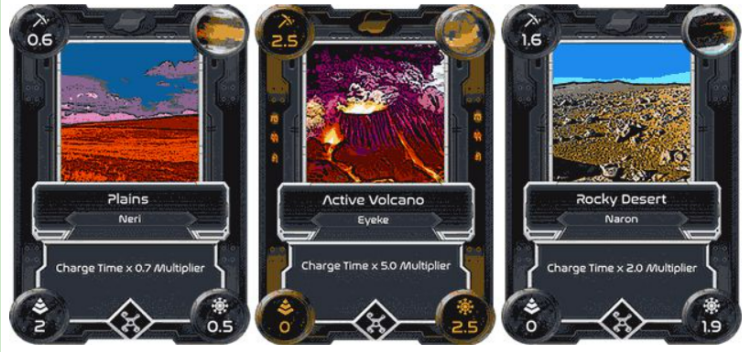
image description
Figure 23 Land [https://alienworlds.io/]
(3) Select a mining tool
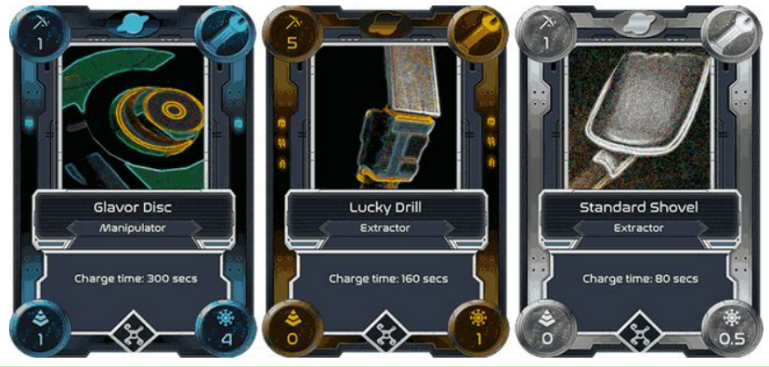
image description
Figure 24 Mining tools [https://alienworlds.io/]
After selecting the land for mining, players need to choose the appropriate mining tools. Players can obtain TLM token rewards and NFT through mining, so players need to consider three factors when choosing tools: mining efficiency, charging time and the probability of obtaining NFT.
(4) Player duel
Thunderdome battle is a function that Alien Worlds is developing, and pawns and weapons in NFT props can be used in this function. First of all, the player needs to choose pawns and weapons. Each pawn has different attack power, defense power and combat characteristics, and the weapons that need to be equipped are also different. Players need to choose the strongest character in their team to fight with other players. After the equipment is completed, the player needs to choose Odaily to fight, and each Odaily has different ability bonuses for the battle situation. Players can also select items and issue commands. Commands include: Aggression, Defense, Strongest Attack, Weakest Attack.
TLM (Trilium) is the native utility token of Alien Worlds, which can be used for Odaily governance, mortgage mining, game currency, incentives on games, and purchase of NFT, etc. Game players can earn TLM through mining, and there is a certain chance of digging NFT every time they mine. The game also supports players to exchange the obtained NFT and TLM into legal tender. At the same time, the DAO of Alien Worlds achieves the purpose of dominating Odaily through staking and rich functions.
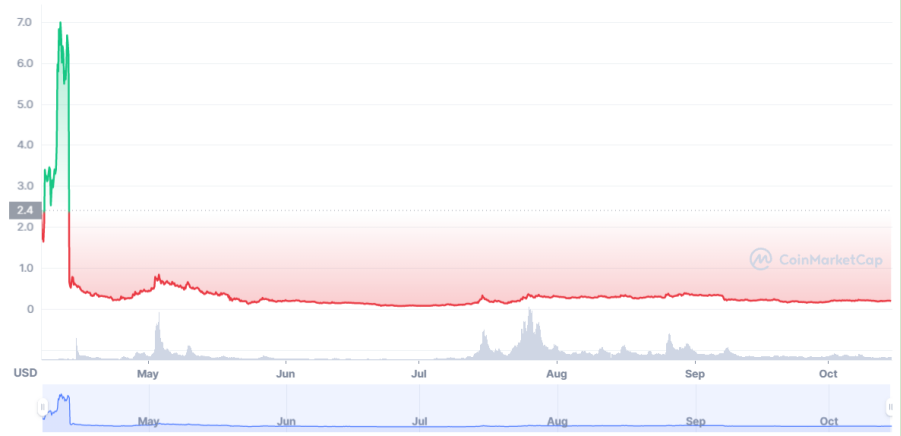
image description
3、Splinterlands
Splinterlands is a card + battle strategy game. As a chain game that has been running on Hive (the fork of the original Steem chain) for 3 years, its game mechanism, high-quality picture quality, and diversity of gameplay have won many loyal players. There will be more room for imagination in the later supplementary NFT, land sales and other gameplay.
Figure 26 Splinterlands[https://splinterlands.com/]
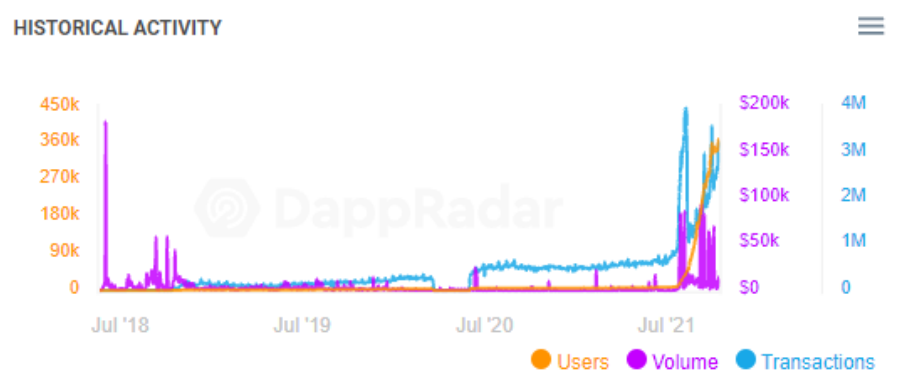
image description
Figure 27 Splinterlands historical data [Dappradar]
Game strategy:
(1) Cards: Before starting the game, Splinterlands will lend you a set of entry cards that can be used in battle, allowing you to learn basic card knowledge. To have your own collection of playable NFT cards, you'll need to pay $10 for the Summoner's Spellbook. This mode prevents depreciation of the card. There are two types of cards: Summoners and Monsters.
(2) Battle: Challenge other players, enter from the battle button on the top, there are two modes: match or rank. Each battle contains information about the opponent, mana and some special information, from restricting the team to a certain fragment or banning flying monsters to fight, and then needing to choose a formation for the team.
Economic Model (Play-to-Earn):
(1) Climb the ranking list. All players on Splinterlands belong to an alliance and contain a rank within it. The higher you go, the more rewards you get. You will get more rewards if you play against opponents with higher ratings.
(2) Season rewards. Splinterlands runs seasonally and usually takes around 15 days. Getting into the highest leagues gets the most benefit, so use your time before allocating rewards.
(3) Earn income from market sales. Officially established sales rules: gold cards and higher rarity equal higher value. There are some other nuances, though. Let's take a look at the anatomy of a market card.
Asset types in the game:
(1) Cards. No redundant instructions here, pick a few to enhance your deck, keep duplicates to upgrade and sell or convert the rest to DEC. It should be noted that reward cards are of separate releases, so some of them may appreciate in value later.
(2) Potion. Use these to increase the drop rate of rare cards, get more loot boxes, or claim mystery prizes.
(4) Governance token SPS. In order to promote the long-term sustainable development of the game, the official will invest a lot of SPS in the game to reward players in the early stage, and will maintain 37.5 million per month in the initial stage. The rewards in this part of the game will last for 65 months, with a monthly decay of 1% , which means that players can earn a lot of SPS through the game.
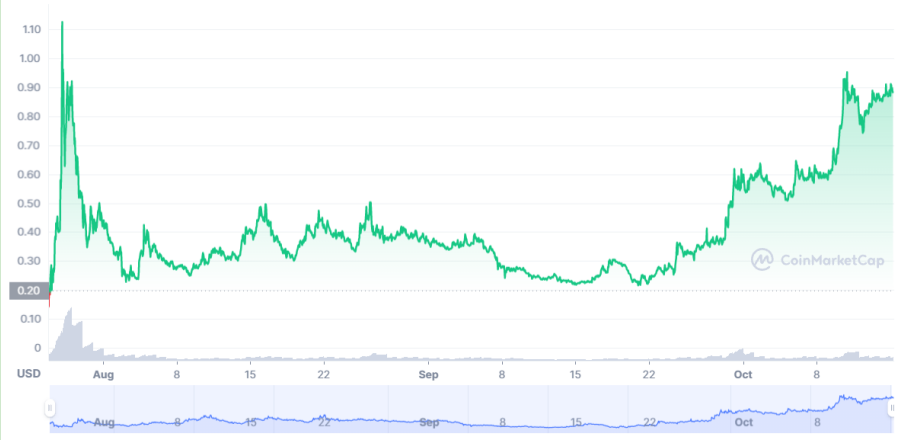
image description
4、Illuvium
Figure 28 SPS currency price historical data [CoinMarketCap]
Illuvium: An RPG and NFT collection game based on Ethereum. The core mechanism of the game is that players capture wild beasts by fighting monsters and upgrading them, and mint them to generate NFTs, and then sell them in the trading market for profit. The game is not live yet, but is expected to launch on Immutable X in late Q3 or Q4.
Illuvium uses sci-fi as the background of the game, and it is set that all players are survivors of an interstellar spaceship that crashed in an alien world. The player's task is to go to various parts of the world, find and fight with the beast (Illuvial), and the winner can capture Beasts, upgrade the level, then enter more dangerous areas or fight other players, win rarer beasts and cast them into NFTs; but if the player loses, they will lose the beasts or NFTs they own.
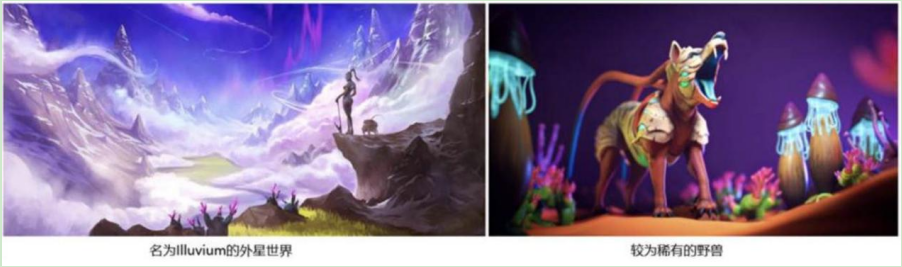
image description
Figure 29 Illuvium
Core mechanism:
More than 100 kinds of beasts live in the alien world of Illuvium, with different attack power and rarity. However, the attack power of each beast is related to its rarity, the rarer the beast, the stronger the attack power. Each beast has 2 basic attributes: affinity, occupation type.
For all novice players who have just entered the game, you can get some fragments for free through game tasks, which can be used to capture beast cubs, and then upgrade your own beasts through constant battles. For players who do not want to waste time and directly join the battle, they can use ETH to purchase equipment in the game, and the purchase fee will be sent directly to the Illuvium Vault.
Adventure: Players explore various regions in the Illuvium game, trying to find and capture the beast.
Competitive battle: Players can find other players to fight against, and the system will randomly match them with opponents with similar skills. Additionally, unrelated players can watch and place bets on the winner or loser.
The game will release an online trading market, IlluviDEX, for players to buy and sell all NFTs in the game. Players need to capture beasts with higher levels and stronger scarcity, and cast them into NFTs, which can be sold at higher prices in the market.
Illuvium's token is ILV:
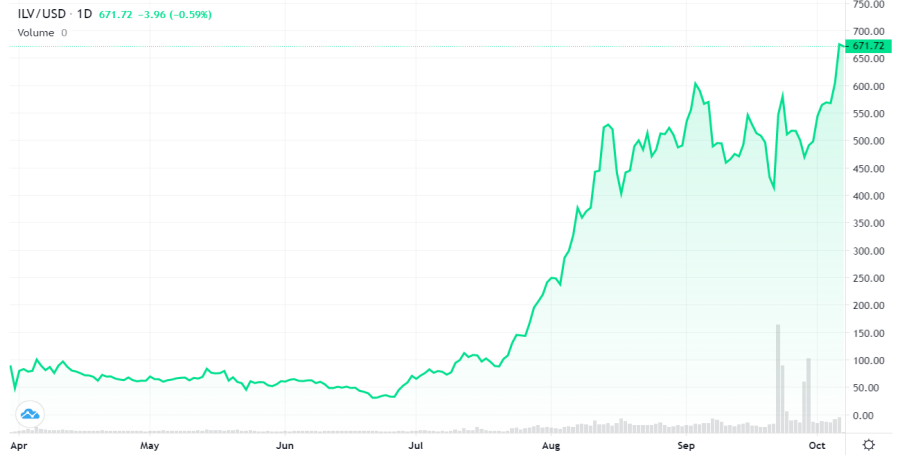
Figure 30 ILV price trend [Nomics]
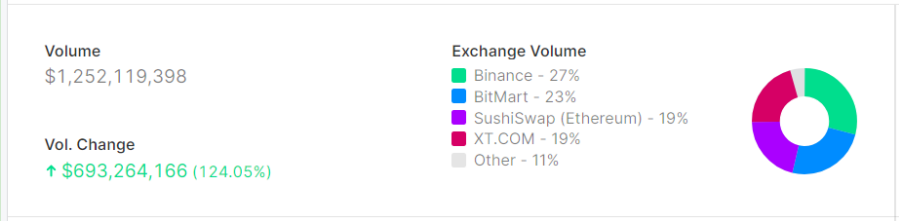
Figure 31 ILV issuance [Nomics]
5、Decentraland
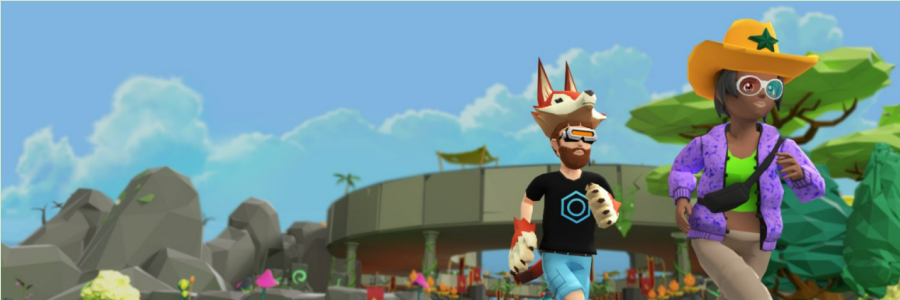
image description
Figure 32 Decentraland [https://twitter.com/decentraland]
Decentraland is the first Ethereum-based virtual world where users can create, experiment and earn money from their content and/or applications.
Main scenario: In Decentraland, users can explore at will, and can also purchase land through the Ethereum blockchain platform, become the owner of the land, own the ownership of the land, and decide the content published on the land, such as 3D scenes, Game system, etc., creating a unique user experience.
By simply interacting with a digital wallet (such as Metamask), users can enter the game, freely create a personal image in Decentraland, socialize with other users, participate in entertainment activities such as concerts or art performances, and build houses on digital land.
Economic system: There are two main digital assets in the project: territories and MANA tokens. Territories are irreplaceable and transferable NFTs stored in Ethereum smart contracts, and territory ownership is an identity authentication system.
Similarly, users have complete control over their own territory, can create a unique user experience on the territory, and can rely on the development platform content and program experience to operate, obtain MANA for their own content, and create profits.
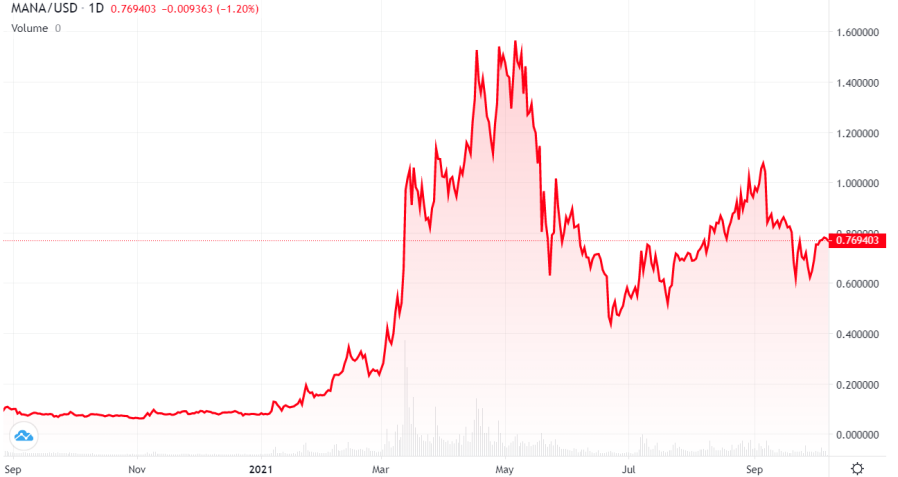
Figure 33 MANA price trend [Nomics]
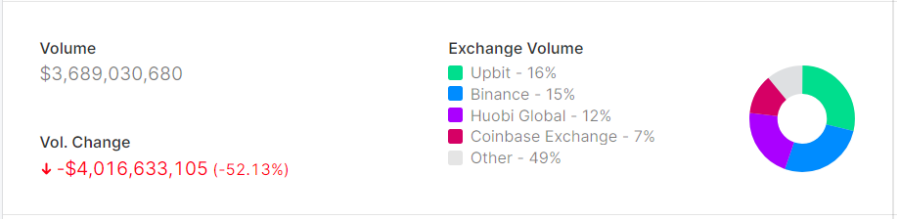
Figure 34 MANA Issuance [Nomics]
6、Sandbox
image description
Figure 35 SandBox [https://twitter.com/thesandboxgame]
Main scenario: The core mechanism of Sandbox is a Play-to-Earn sandbox game. Simply speaking, sandbox games are: the game itself has no main storyline, no unique end point, and players experience the fun of the game through exploration and construction in the game. Just like Roblox, Sandbox focuses on creating games in games, and is committed to making him an entertainment world.
Economic system: In the virtual world of The Sandbox, there are three main types of assets: land LAND, token SAND, and NFT assets (characters, props, etc.). These types of tokens build the economic system of The Sandbox.
Platform token SAND: The platform token of Sandbox is SAND, which is an ERC20 token with a total supply of 3 billion pieces and a current circulation of 705 million pieces (circulation rate is about 23%). The main functions of SAND include transactions, governance and pledge. 5% of all transactions made with SAND tokens (transaction fees) will be allocated 50% to the pledge pool as a reward for token holders who pledge SAND tokens, 50% To the "Foundation"; the Foundation provides grants to incentivize high-quality content and game production on the platform.
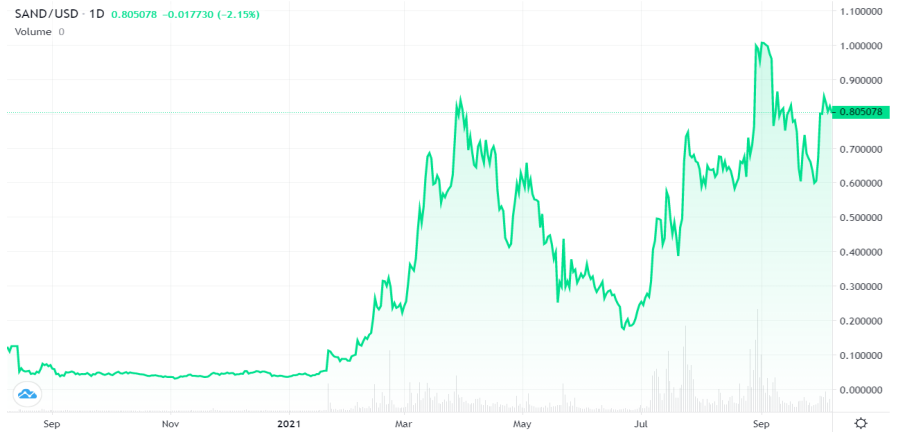
Figure 36 SAND price trend [Nomics]
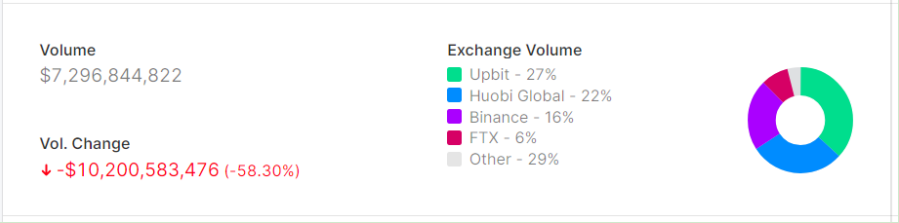
image description
7. BigTime (under development)
image description
Figure 38 BigTime[https://bigtime.gg/]
Big Time is a multiplayer online action role-playing game. In this world, players can create their own characters, choose races and skills, explore maps, and interact with various social behaviors such as team formation, battles, production, and trading.
BigTime is a 3A masterpiece. The development team members come from Fortnite, Call of Duty, Gears of War, Medal of Honor, God of War, Warcraft and other games. The CEO is the co-founder of Decentraland. The current way to participate in this game is to turn its internal test qualification into NFT.
Big Time will use the Unreal engine. According to the official Discord news, Big Time will open its internal beta to players for the first time and is expected to start in the first quarter of 2022.
Ember Sword is a multiplayer online role-playing game (MMORPG) based on blockchain technology developed by Danish game developer Bright Star since 2018. It hopes to solve the problem that traditional MMORPG rare items cannot be realized through NFT. Committed to creating a game ecosystem driven by the player community, allowing players to earn income through game activities.
image description
Figure 39 Ember Sword[https://embersword.com/]
Gamers can create a character and choose a nation, venture into mysterious worlds with weapons of choice, prove their worth in the combat system by defeating monsters and other players, or explore the entire world as a peaceful seeker of goods and rare items. game world, or make yourself a refiner and artisan to participate in the game.
9、Roblox
Roblox is not a chain game, and I will introduce it here mainly because it has built a new model Create-to-Earn. Roblox is a sandbox game platform mainly aimed at children and teenagers, allowing children to create 3D worlds and games. The core of the platform is its simulation engine, which shows a virtual world similar to Lego.
image description
Figure 40 Roblox[10]
According to the prospectus, the story of Roblox began in 1989, when Roblox founders David Baszucki and Erik Cassel wrote a 2D simulated physics laboratory called Interactive Physics, which would later influence the methods that laid the foundation for Roblox. Students around the world use "interactive physics" to learn how two cars can crash, or how to build a destructible house.
The Roblox platform has a stable economic system covering content creation and consumption. The platform has a stable economic system covering content creation and consumption. Roblox's economy is built on a currency called Robux, which can be purchased through Roblox customers and the Roblox website. Roblox works with a variety of payment methods and gift card issuers, including Amazon, Apple, ePay, PayPal, and more.
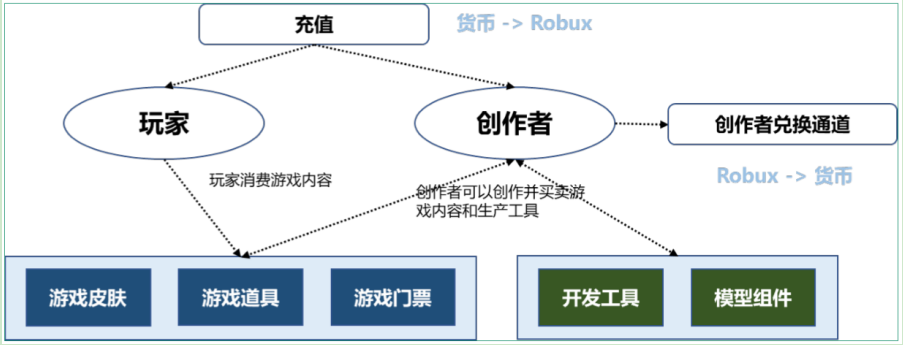
image description
Figure 41 Roblox economic system [11]
On March 10, 2021, Roblox successfully landed on the New York Stock Exchange, with a peak surge of 65% on that day, and its market value exceeded US$40 billion on the first day of listing.
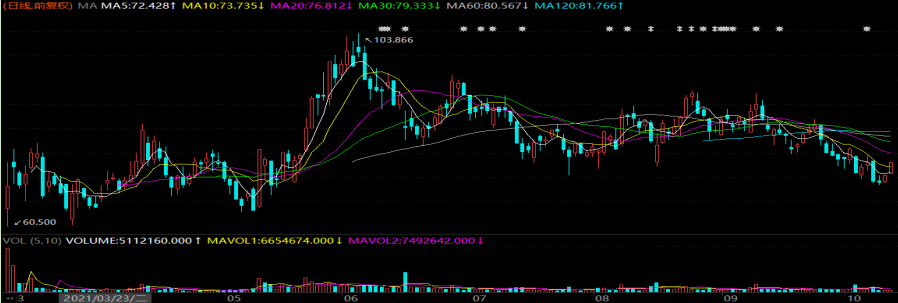
Figure 42 Roblox stock price [Oriental Fortune]
secondary title
V. Summary and Outlook
With the development of 3D digital content manufacturing technologies such as Unity and Unreal, and the maturity of related VR and AR software and hardware technologies, it is expected that games will become one of the main presentation forms of blockchain applications. The game industry is actively trying in various aspects such as more refined visual effects, virtual world construction, automatic generation, user independent creation, and social models, and user creation and social platforms such as Roblox have appeared. , social games, virtual currency and other categories have made continuous innovation and evolution, and a large number of 3A-level chain games will be born in the future. The game types will also be deeply expanded to RPG, competitive and other fields to satisfy players with a higher gaming experience.
The emergence of game guilds with new models has brought new changes to the chain game industry. Traditional game guilds focus more on publicity and game experience communication. The new game guild provides the necessary conditions for players who do not have the threshold conditions for blockchain games, and provides professional training for initial players. The model of sharing revenue is to promote the development of game ecology.
(Note: This article does not represent any investment advice)
References
1、https://zhuanlan.zhihu.com/p/401910610References
2、https://www.tuoniaox.com/news/p-507913.html(GameFi Zhihu)
4、https://zhuanlan.zhihu.com/p/110172455
5、《Play2Earn: How Blockchain Can Power a Paradigm Shift in Building Game Economies》
(development stage)
6. "2021 Global Game Market Report" Newzoo
7. "Blockchain Metaverse (4) - The rise of the GameFi track, Metaverse embarks on a journey to break the circle" Guosheng Securities
9、《AxieInfinityWhitePaper》
10、https://m.hugangcaijing.com/news/13729.html
8. "From Games to the Metaverse Series Report 2: Exploration of the Metaverse of the Explosive NFT Game AXIE Ethereum Blockchain" by CITIC Securities
12、https://www.bilibili.com/read/cv12443336
13、https://blog.51cto.com/u_15329020/3721208





