


Data Interpretation Why Ethereum Gas Fees Will Fall to a Six-Month Low


This article comes fromThe Block, original author: Yogita Khatri
Odaily Translator |

This article comes from
, original author: Yogita Khatri
Odaily Translator |
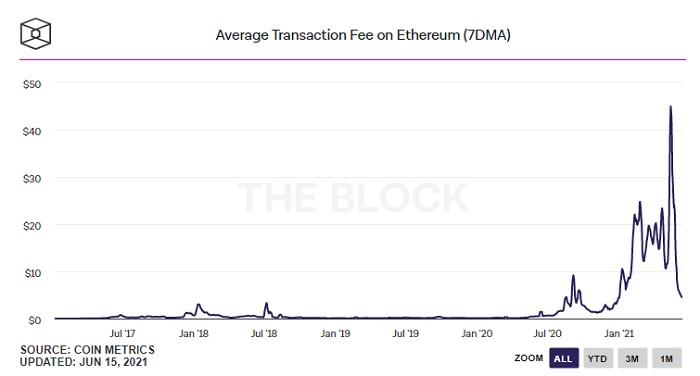
Gas fees on the Ethereum blockchain have been reduced by nearly 90% over the past month, and transaction costs have dropped significantly. However, what are the special reasons behind the decline in gas fees? Let's take a closer look at the data charts.
According to The Block Data Dashboard, the average transaction fee on Ethereum is now about $4.50, compared to nearly $45 a month ago - which means that the current transaction cost has dropped by 90%, and the average transaction fee is at nearly six months. low point. It is worth noting that the average transaction fee data is taken from the 7-day moving average (7MDA) value, which means it represents a short-term trend.So, why did gas fees plummet from historical highs to rock bottom in just one month? In fact, there are mainly the following factors:First, Ethereum transaction volumes have dropped significantly in recent weeks. With the recent crash in the cryptocurrency market as a whole, both decentralized finance (DeFi) and non-fungible token (NFT) trading volumes have declined.
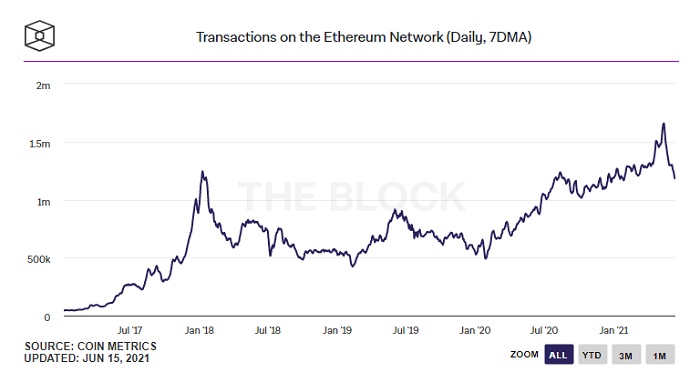
The numbers don't lie: currently
Ethereum’s average daily transaction volume has dropped to about 1.2 million from 1.65 million a month ago.According to The Block Data Dashboard data, the current NFT transaction volume and transaction volume have also declined to a certain extent.Second, another factor behind lower gas fees is the increasing usage of Layer 2 scaling solution Polygon (formerly Matic Network). Especially in recent weeks, the transaction volume on the Polygon network has increased significantly.
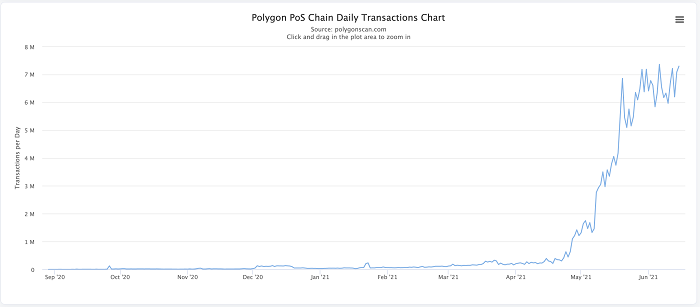
According to data from the cookie PolygonScan,
The average daily transaction volume on the Polygon chain has grown from about 1.5 million in the past to nearly 7.5 million now
— that’s more than five times the number of Ethereum’s average daily transactions.
Polygon is a proof-of-stake (PoS) blockchain, while Ethereum is still a proof-of-work (PoW) blockchain at present, and the work of moving to a proof-of-stake consensus model has not yet been completed. Frankly, while both models have their own advantages and disadvantages, the proof-of-work consensus model does have limited transaction processing capacity and thus generally results in higher network transaction costs.
However, one thing is certain: due to the increasing demand for Ethereum scaling solutions in the market, Polygon is currently the most preferred solution for users to use. As The Block Research recently reported, there are currently over 350 DeFi projects in Polygon’s ecosystem alone.





