Thinking too much, RTX 3060 is now only halving the efficiency when mining Ethereum, mining other cryptocurrencies can still make money, and the impact on the efficiency of other tasks such as deep learning remains to be seen.This was followed by news that some manufacturers had been authorized to restart production of the previous-generation graphics card, the RTX 2060, and that even the older GTX 1050Ti was on the way.With the rise of a new round of mining boom, not being able to get a graphics card has become a major problem for many consumers such as gamers and deep learning practitioners, but are these measures taken by Nvidia really effective? Is the graphics card really better? The outlook doesn't seem so rosy.
Restrictions are only for Ethereum
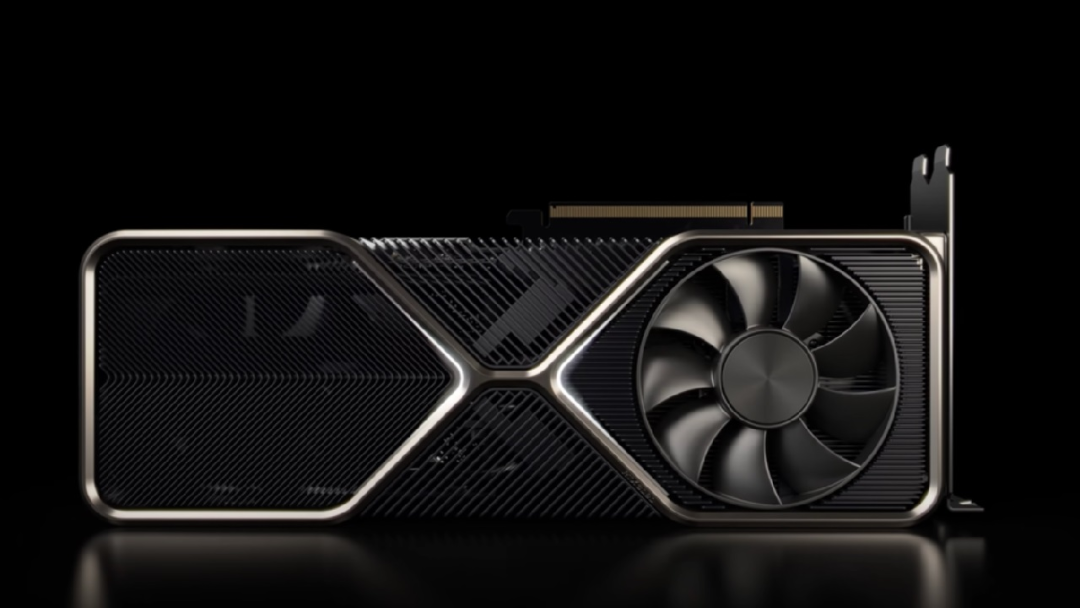
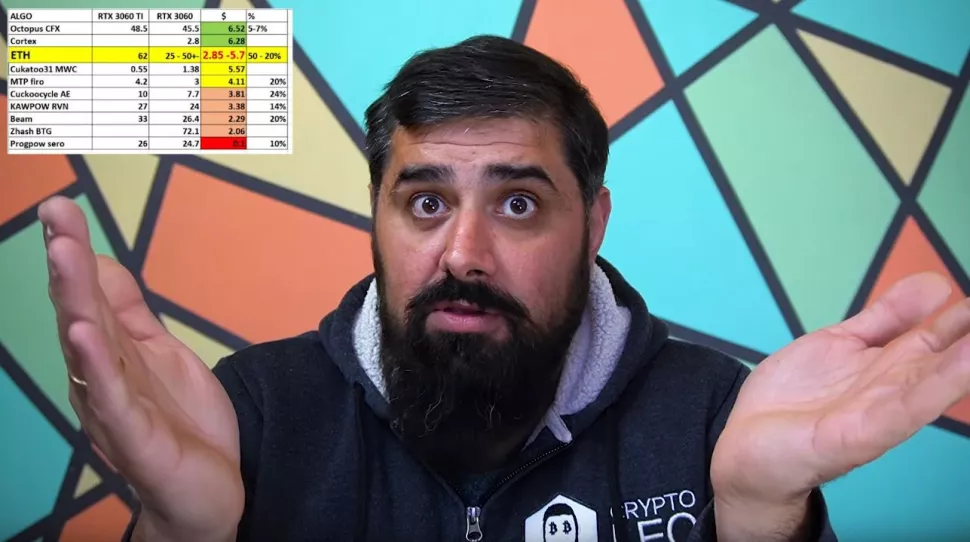
Nvidia said in a statement restricting mining that the company's consumer-grade graphics card, the RTX 3060, will reduce the hash rate or cryptocurrency mining efficiency when it detects specific properties of the Ethereum (ETH) mining algorithm. Limit around 50%. Although Nvidia's restriction method through BIOS, driver and hardware handshake seems to be comprehensive, it is strange that it only chooses to restrict the popularity of Ethereum in the ranks of virtual currencies and ranks second in price.After all, Ethereum is not the only cryptocurrency, and in the "currency circle", Bitcoin has dedicated mining machines for mining, and other new algorithms and currency types are constantly being updated.Leo tested a pre-NDA engineering version of the RTX 3060 GPU and used it to try to mine ETH, as well as some virtual currencies such as Octopus and Cortex. He found that although the hash rate has dropped from 41.5MH/s to 24-26MH/ s, but can still generate about $6.50 per day when mining some virtual currency, which is attractive enough for miners, but for gamers, it means that the upcoming competition for graphics cards has not become any more serious. easy.Of course, due to overall lower profitability, these tokens are far less popular than Ethereum - the price comparison between them is telling. From this point of view, Nvidia has its own reasons for choosing to limit Ethereum mining. But this can’t help but also make people think: whether restricting “mining” is just a public relations behavior of Nvidia, and it’s more about taking care of players’ emotions.
Why not limit all mining algorithms?

Of course, many people are asking this question, but the solution is not that simple. Creating a general algorithm to limit mining activity is theoretically possible, but there is a serious obstacle: how to distinguish mining from GPU load that may look like mining but actually belongs to other purposes? Graphical work such as machine learning, cryptography, and Adobe family buckets. Perhaps with this in mind, Nvidia set the limits very narrowly.
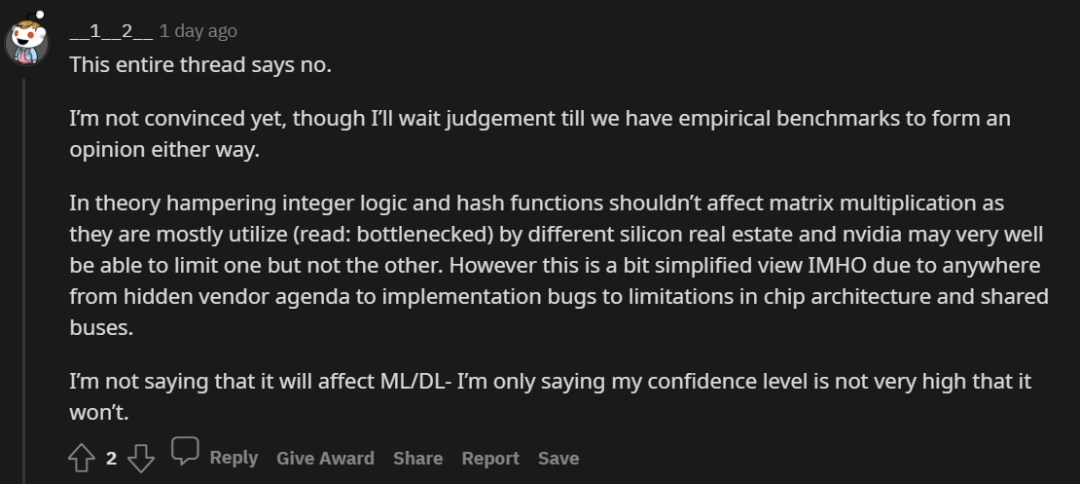
But there are still some people who take a wait-and-see attitude and think: "Theoretically, blocking integer logic and hash functions should have no impact on matrix multiplication, because the silicon space they use is different. Nvidia may well limit it." One of them, but does not limit the other. However, due to implementation defects and limitations in chip architecture, shared bus, etc., it is a bit hasty to directly draw the conclusion of "no impact". The real situation still needs to wait for further test results. "Since the restrictions imposed by Nvidia are very limited, if the Ethereum protocol changes slightly (such as updating to 2.0, using a new Proof-of-Stake mining model), the entire mining limit may become invalid. Of course, there is still a long way to go to achieve this, and the main current problems still exist with other profitable cryptocurrencies and the risk of detection in vBIOS being cracked.
However, after looking at the specifications of the CMP HX series, many people were disappointed: if the price is not competitive enough, if the limitation can be broken, who will buy these new cards?
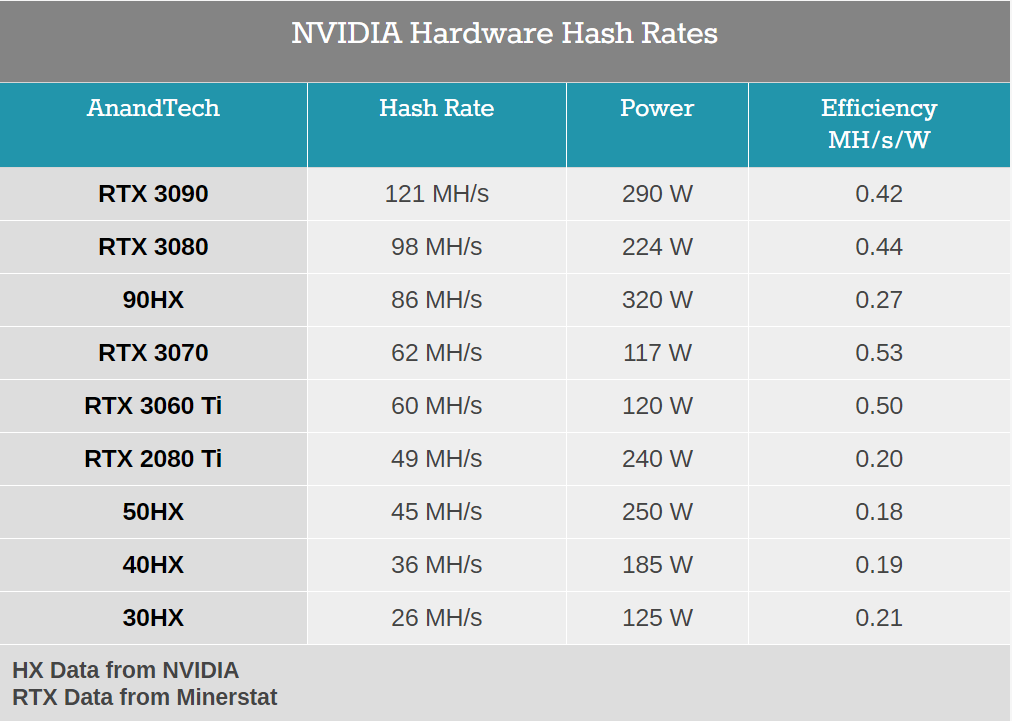
Image source:https://www.anandtech.com/show/16493/nvidia-launches-cmp-dedicated-mining-hardware
At present, we don't know to what extent the restrictions imposed by Nvidia and the introduction of mining-specific chips will reduce the enthusiasm of "miners" to snap up the RTX 3060, and it is not clear whether (when) this restriction will be cracked. Wait and see.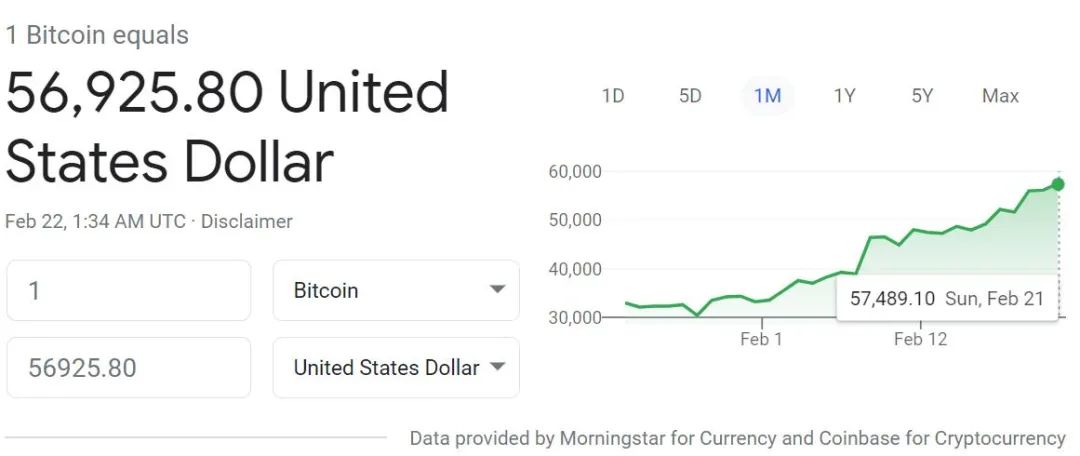
The RTX 3060 is expected to launch on February 25th at a price of $329, but it's sure to fetch much more than that, and things will get even worse if miners' enthusiasm for it continues unabated. Before this round of mining climax, Nvidia Ampere-based GPUs were already in short supply, and this problem may not be alleviated in the short term.





