Observing multiple problems under the PoS mechanism from ETH2.0 |


The latest data of ETH 2.0 shows that the number of pledges is close to 2.3 million, and the annual interest rate has dropped from the initial 21.6% to the current 10.4%. As the price of ETH continues to soar, the cost of participants is getting higher and higher.
However, judging from the past 2020, the big concepts of DeFi, DAO, and NFT broke out this year, and also promoted the development of more public chains and projects. The fundamental logic of their outbreak lies in the PoS consensus mechanism. The expansion of DeFi has led to the explosion of DeFi.
Although the ecology has been developed and everyone has obtained benefits through staking methods such as liquidity mining, I would like to illustrate its shortcomings from the actual scene of PoS.
image description
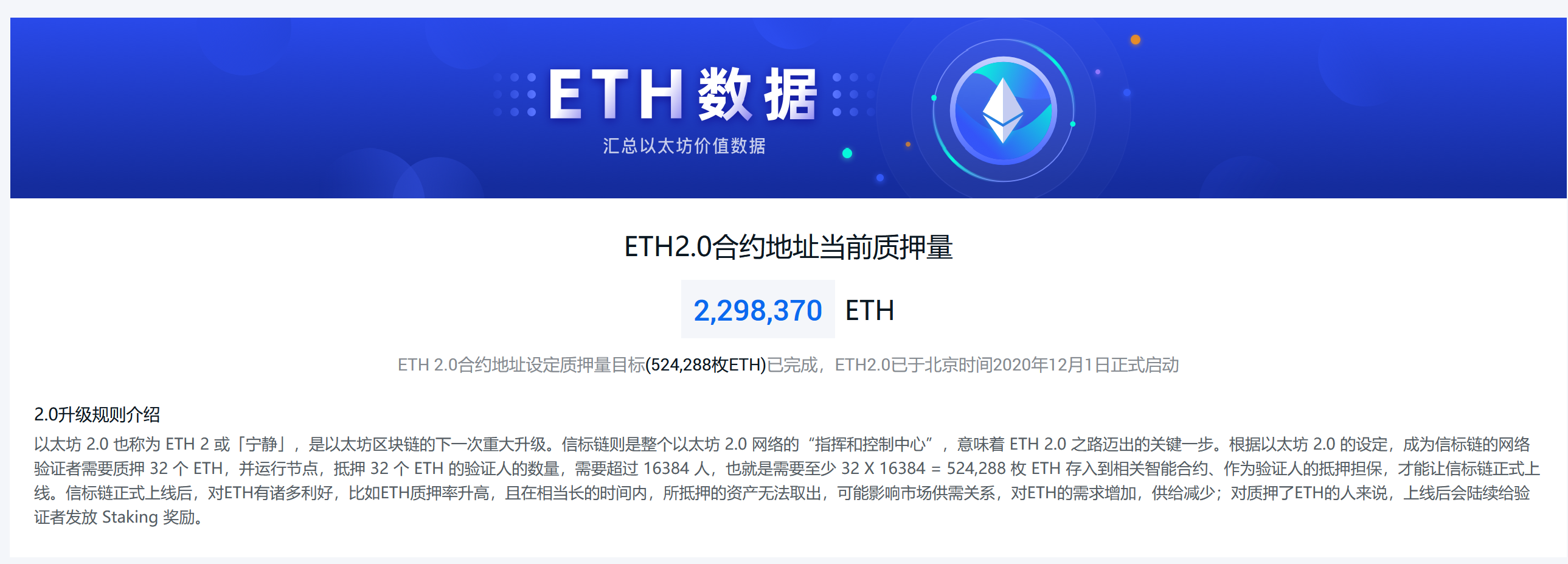
Image source: Feixiaohao
It itself is a better solution for retail investors who cannot participate in the PoW mining mode, but it is also an indicator to evaluate whether the node is competent according to the number of pledges, and then decide whether to continue to provide services. In this case, it will inevitably Vicious competition caused the node side to collect tokens from the secondary market instead of continuing to cultivate through technical methods. When the currency price fell, this became the most painful pain point for the node side.
This is the first problem with the PoS consensus mechanism.
From the Ethereum 2.0 pledge analysis chart that everyone is paying attention to, it can be seen that the higher the pledge amount, the less the income. As the price of the currency continues to rise, the cost of the participants is also getting higher and higher, and the income will be less in the later stage. When the price of the currency falls, investors who enter the market later will even reach a situation where their profits and losses are out of balance. In fact, in detail, all liquidity mining is just an upgraded version under deduction. No matter how it is modified, such a factor cannot be changed.
Image credit: CoinGecko
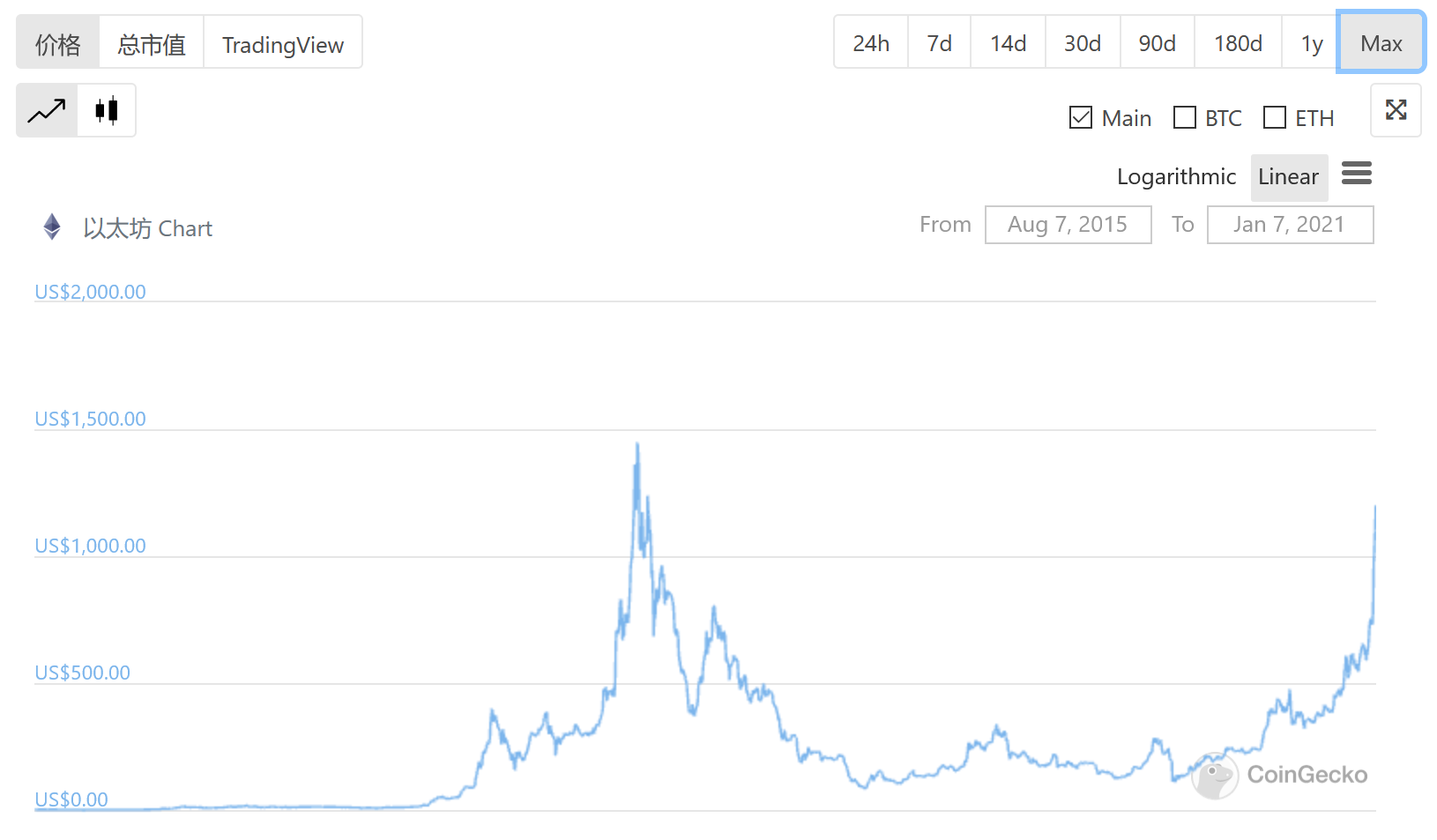
Image credit: CoinGecko
The voting power of many people is meaningless. If you meet a few bigwigs who hold a lot of coins, they will decide the final voting proposal and become the object of competition for nodes. The previous capital game, this is similar to Baidu's bidding ranking model. For example, we can see that after Unsiwap issued its currency in September, its governance token UNI is still held by some large households. This is confirmed by the news that the proposal was not passed.
This is the third biggest problem with the PoS consensus mechanism.
Traffic attracts users, which is the main strategy of Internet companies, and it has also become the main operation method under the blockchain PoS mechanism in today's era. Nodes with a large number of currency addresses can distribute tokens for the public through activities, but most of them just attract The arrival of some cash-strapping people led to the sell-off of tokens in a short period of time. The airdrops of UNI, LON, and 1inch just confirmed the pain points under the PoS mechanism. The sell-off caused the currency price to drop, causing dissatisfaction among miners.
This is the fourth biggest problem with the PoS consensus mechanism.

These are the four main problems of the PoS consensus mechanism in my opinion from last year, but I have to admit that at this stage, it is the best mechanism model, which will make Ethereum change from PoW to PoS, but the circulation will change. Will there be new problems when it is extremely low?
Now we can see that the pledge work of Ethereum 2.0 is progressing smoothly, and I am also very optimistic about the long-term value of Ethereum, but in the bigger environment next year, will there be new types to attract investors? This requires our long-term research.