


OKEx Insights: The Ethereum 2.0 Beacon Chain is officially launched, and the "Wei Krypton Party" pledge method is reviewed


At 8 o'clock last night, the official monitoring data of Beaconcha.in showed that the main network of the Ethereum 2.0 beacon chain was officially launched, which is another milestone step away from the "world computer".
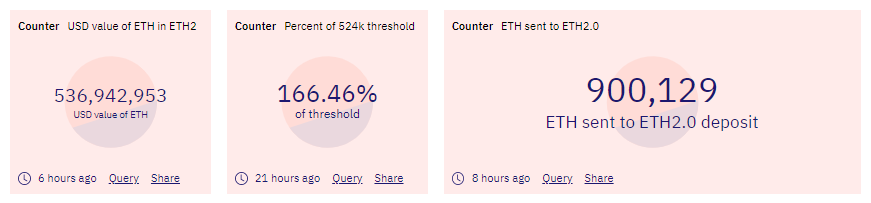
As planned, the Ethereum 2.0 deposit contract reached the target of 524,288 ETH on November 24. So, can you continue to participate after the total pledge amount reaches the standard? In this regard, V God replied to netizens on Twitter, saying that deposits can still be made at any time. According to Dune analytics data, as of press time, the current Ethereum 2.0 deposit contract address has received more than 900,000 ETH, reaching about 1.6 times the original target.
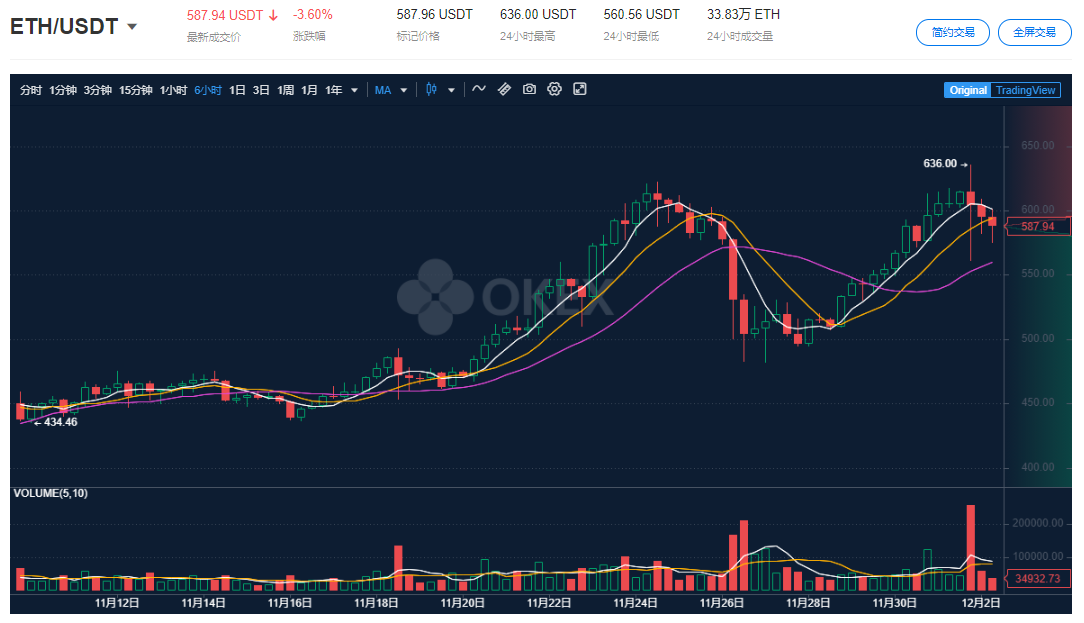
At the same time, the price of ETH has also performed well. According to OKEx data, although the market has fluctuated recently, ETH still stands firm at $580, and it even hit $636 last night, a new high since 2018.
secondary title
Not friendly to retail investors
Source: OKEx
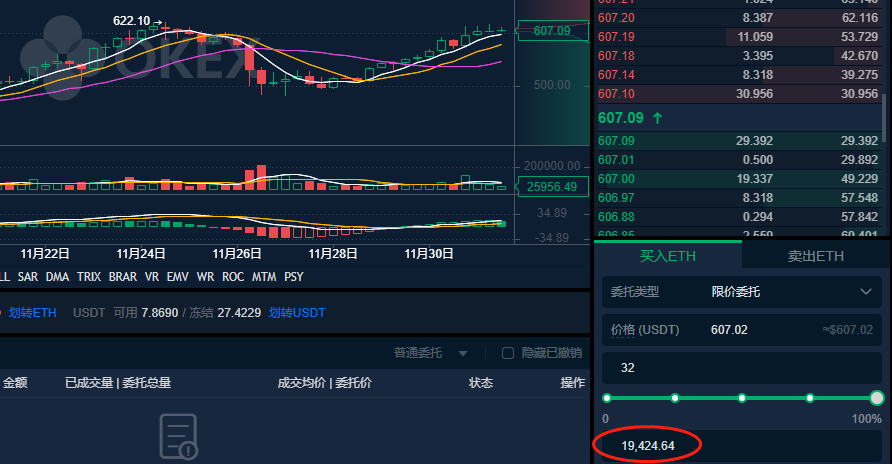
Source: OKEx
In addition, the verifier has to face technical barriers - the computer performance must be sufficient, and the verification program must be run at all times after the pledge, because if there is a bug in the code of the verifier node or a problem with the network link, it will lead to a loss of principal or a reduction in income.
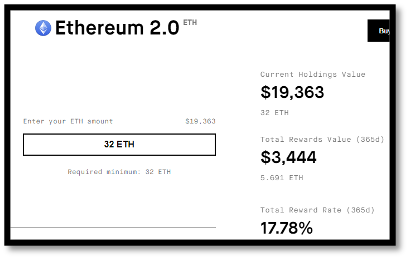
Under the high mortgage threshold, the income is not satisfactory, especially this year's DeFi fire is a mess, and everyone's expectations for income have been raised. According to the data from the Stakerewards website, as of December 1, the annualized return on pledges of Ethereum 2.0 was 17.78%, and this number will decrease as the number of pledges increases; while the annualized return on Synthetix, a DeFi project, reached 39.28%. There is no minimum staking threshold.
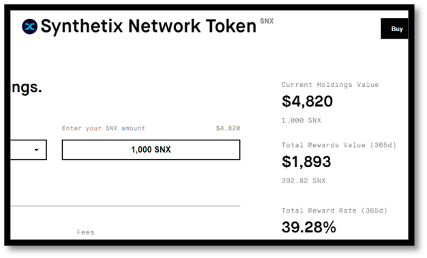
Finally, there is the pledge cycle. According to the official route, Ethereum 2.0 only allows transfer operations at about phase 2. The pledged ETH must be locked for at least two years. If the process is not smooth, this cycle will be longer. During this period, if ETH falls, the pledged users will not be able to escape, and the pledged income may not be enough to compensate for the loss caused by the decline in the currency price.
secondary title
text

LiquidStake is a lending platform for Ethereum 2.0 staking related services. According to the official website, the platform supports the ETH pledged by users on Ethereum 2.0 as collateral to provide USDC loans; users can also directly participate in ETH2.0 pledges through the platform, without the minimum limit of 32 ETH.
Another similar plan comes from StaFi, a DeFi project that unlocks the liquidity of pledged assets. The project has been in development and financing since last year. This year's DeFi season went online. Last week, it launched a plan for Ethereum 2.0 pledge.
The project party introduced on Medium that pledgers can participate in 2.0 pledge through StaFi, and only need a minimum of 0.01 ETH to participate, and do not need to run the validator node themselves.
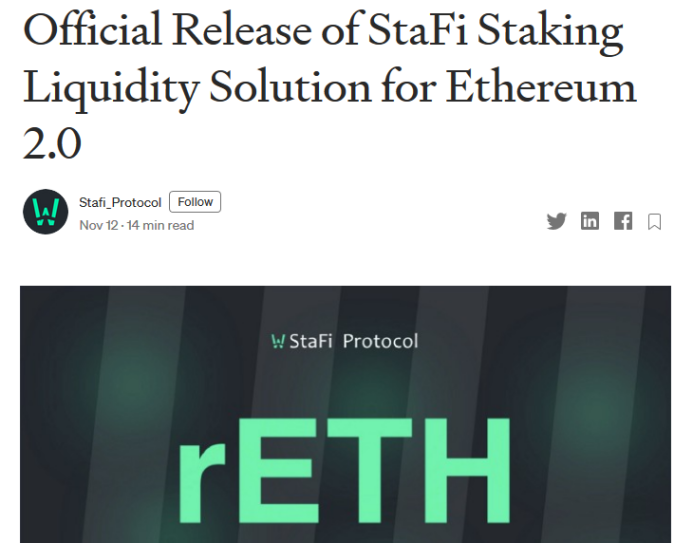
When investors mortgage ETH to StaFi, they will automatically get a certain amount of rETH tokens (ERC20) - anchoring the amount of pledged ETH and corresponding pledge rewards. rETH tokens can then be traded on various exchanges and used in other DeFi projects.

There is also a DeFi project Stkr, which was only launched in October, developed by Ankr. According to Stkr's official website, the project provides users with non-custodial pledge and micro-pool services. Micro-pool means that users can mortgage at least 0.5 ETH to participate in Ethereum 2.0. In addition, Stkr can also help large users who want to "heavy krypton" stake more than 32 ETH at a time, without having to allocate multiple nodes.
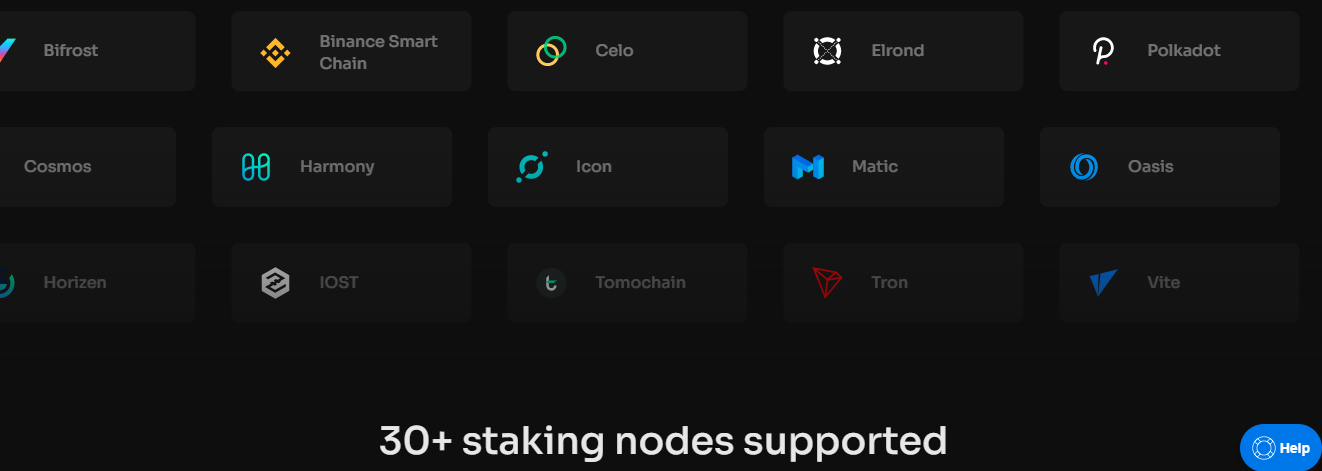
Like rETH, Stkr also introduced aETH to solve the liquidity problem. However, in the scheme of lowering the technical threshold, Stkr is realized through Ankr behind it. Ankr is a cloud computing service provider that has been established for three years. Its node business is relatively mature and supports more than 30 protocols. Users can deploy nodes on these protocols with one click through Ankr, including ETH2.0.
Summarize
Summarize
In addition to these three projects, there are many solutions on the market for the threshold of Ethereum 2.0 pledge funds, technical threshold and liquidity, which are more suitable for friends who want to participate in "Weikrypton". However, it is still recommended that you choose the platform carefully before investing, and beware of the risk of running away and hacker attacks.
Now that the beacon chain has been launched, I believe that the functions of Ethereum 2.0 will continue to improve. In the future, new ways of playing besides pledge may be born, let us wait and see.





