


YFI founder: How to understand the yETH machine gun pool that locks 140 million US dollars


Editor's Note: This article comes fromBabbitt Information (ID: bitcoin8btc)Editor's Note: This article comes from
Babbitt Information (ID: bitcoin8btc)
Babbitt Information (ID: bitcoin8btc)
, Author: Andre Cronje, Compiler: Overnight Porridge, published with permission.
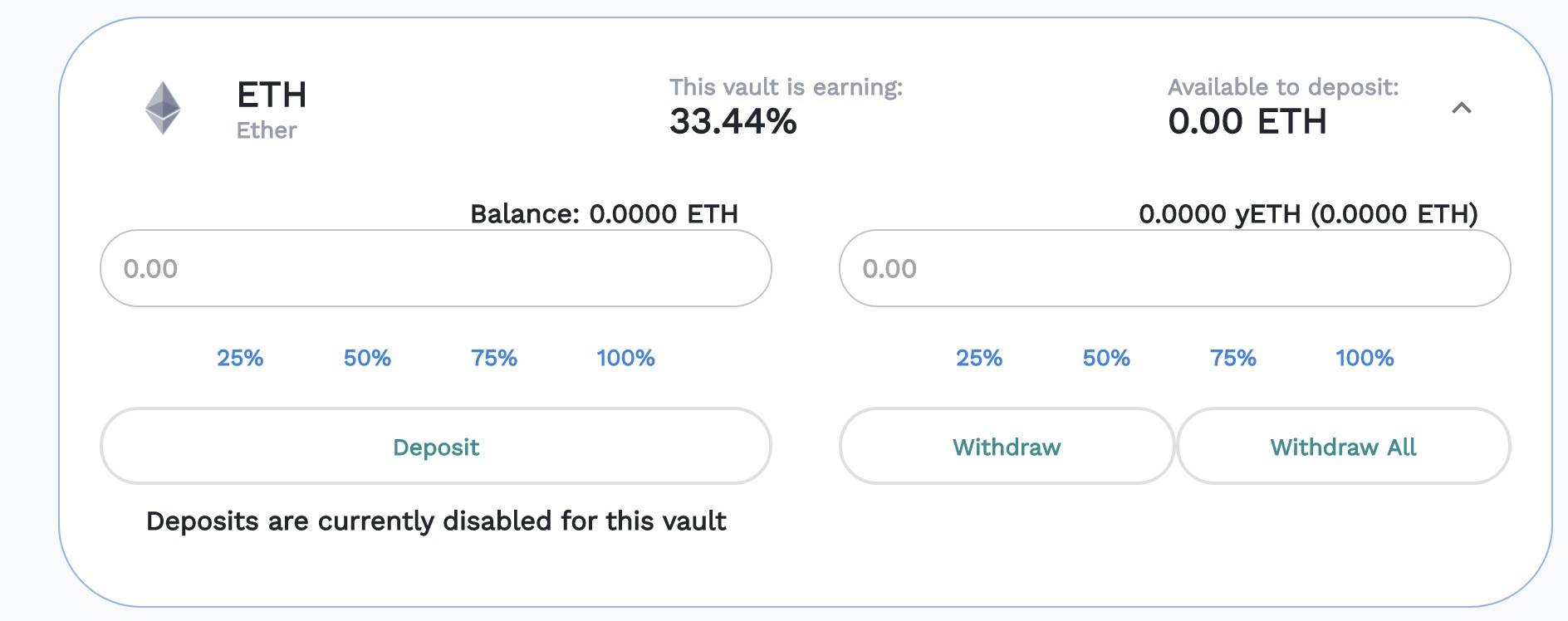
Yearn.finance, a DeFi liquidity mining protocol, recently launched the yETH smart pool, and it quickly gained popularity in the market. According to data on September 4, yETH Vault has successfully locked 345,000 ETH, worth about 140 million U.S. dollars. At the time of writing, the yETH smart pool shows an annualized return of about 33.49%, which is far higher than that of general wealth management products. So where does the return of this product come from?
For this important issue, YFI founder Andre Cronje gave his explanation:
The article is intended to provide a quick introduction to how the yETH smart pool works, and there seems to be a fair amount of misinformation circulating at the moment.
First of all, where does the income of the yETH smart pool come from?
Borrowing, assets are lent through Aave, Compound and dYdX platforms to obtain interest;
LP income, provided to Uniswap, Balancer and Curve to earn transaction fees;
Liquidity incentives, such as Compound, Balancer, and Curve provide additional incentives for liquidity providers;
The risks involved in the yETH Smart Pool:
The risk involved in lending, since the yETH Smart Pool is the lender, assets may not always be available. So how does it work, the closer the asset pool is to being emptied (that is, the maximum amount of funds lent), the higher the interest it will earn. This allows new assets to be offered (or borrowed assets to be returned), but there does exist a window when more assets are offered than are available to borrow.
There may be smart contract risks involved, and there is always the possibility of bugs and other flaws.
Lack of trading activity, which means lower fees;
Liquidity encourages price fluctuations, resulting in unstable annualized yield (APY);
yETH smart pool explanation:
The yETH smart pool provides Maker with ETH to mint DAI;
DAI is provided to yDAI (yearn.finance DAI smart pool);
yDAI smart pool explanation:
DAI provided to curve.fi/y;
curve.fi/y LP tokens locked in the dashboard to receive CRV;
We’ve seen a lot of misinformation about the yETH smart pool and the DAI it mints, vs. available DAI. This is no different than lender/borrower utilization.
If you offer 100 tokens to a lender and someone borrows 50 tokens. Then you can't withdraw your 100 tokens, but you can withdraw 50 tokens, when you withdraw 50 tokens, the borrower pays an additional premium, so other lenders are incentivized to increase tokens, Or the borrower will repay the debt.
This is the basic premise of Smart Pool, and yETH is no exception. But there is a difference, since yETH uses yDAI, the "lender" is actually curve.fi.
When the DAI in the asset pool becomes low, arbitrageurs sell DAI in exchange for other stablecoins (USDC, USDT or TUSD), which increases the amount of DAI in the pool. And when DAI is removed, then trading in DAI becomes more valuable. This is the same explanation for lender and borrower utilization.





