


Four years ago, Ethereum was forced to the gate of hell, and now it is reborn because of DeFi


Editor's Note: This article comes fromBabbitt Information (ID: bitcoin8btc), author: free and easy, released with authorization.
Babbitt Information (ID: bitcoin8btc)
Babbitt Information (ID: bitcoin8btc)
, author: free and easy, released with authorization.[1]Four years ago, the birth of The DAO made the world pay attention to the concept of DAO (Decentralized Autonomous Organization) for the first time, and its collapse also forced the immature Ethereum to go through the gate of hell. Today, four years later, with the rise of the concept of Defi (decentralized finance), DAO, which complements it, has once again returned to the public's attention, and this time, it has shed its exaggerated appearance in the past.[2]。
secondary title
What is DAO?
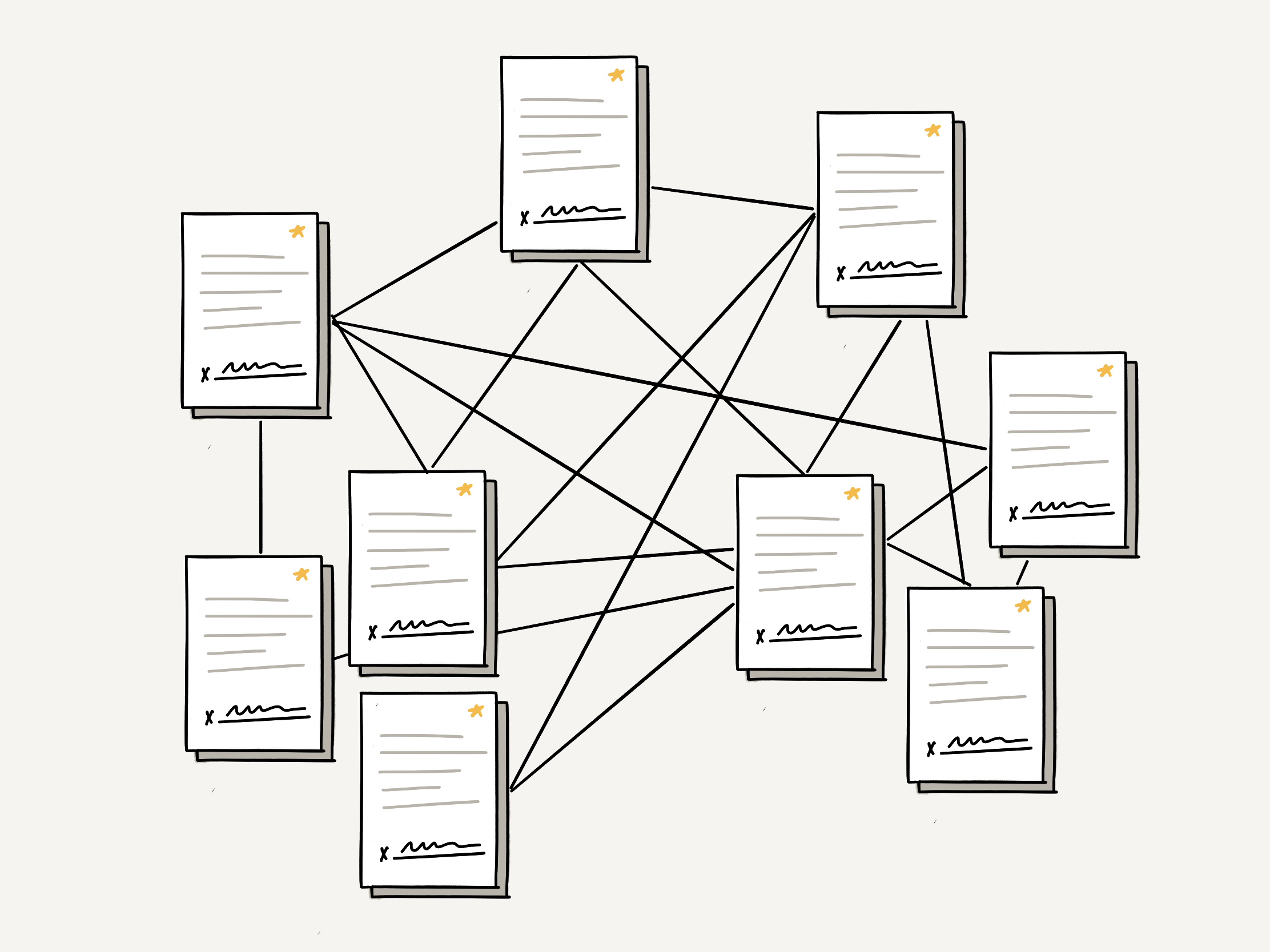
The full name of DAO (Decentralized Autonomous Organization), translated into Chinese is a decentralized autonomous organization. This concept originated from the DAC (Decentralized Autonomous Corporation) proposed by Daniel Larmier (BM).[3]。
, was later adapted into DAO by Vitalik Buterin and written into the white paper of Ethereum
What is the difference between the two?
In essence, organizations are made of contracts, and an economy is a network of contracts
The so-called DAO allows members distributed all over the world to vote on proposals and make final decisions with minimal trust.
This is naturally inseparable from the concept of contracts, but the contracts involved in DAO, we call them smart contracts, they are digital agreements written in code, and are enforced by the blockchain network, not through the courts.
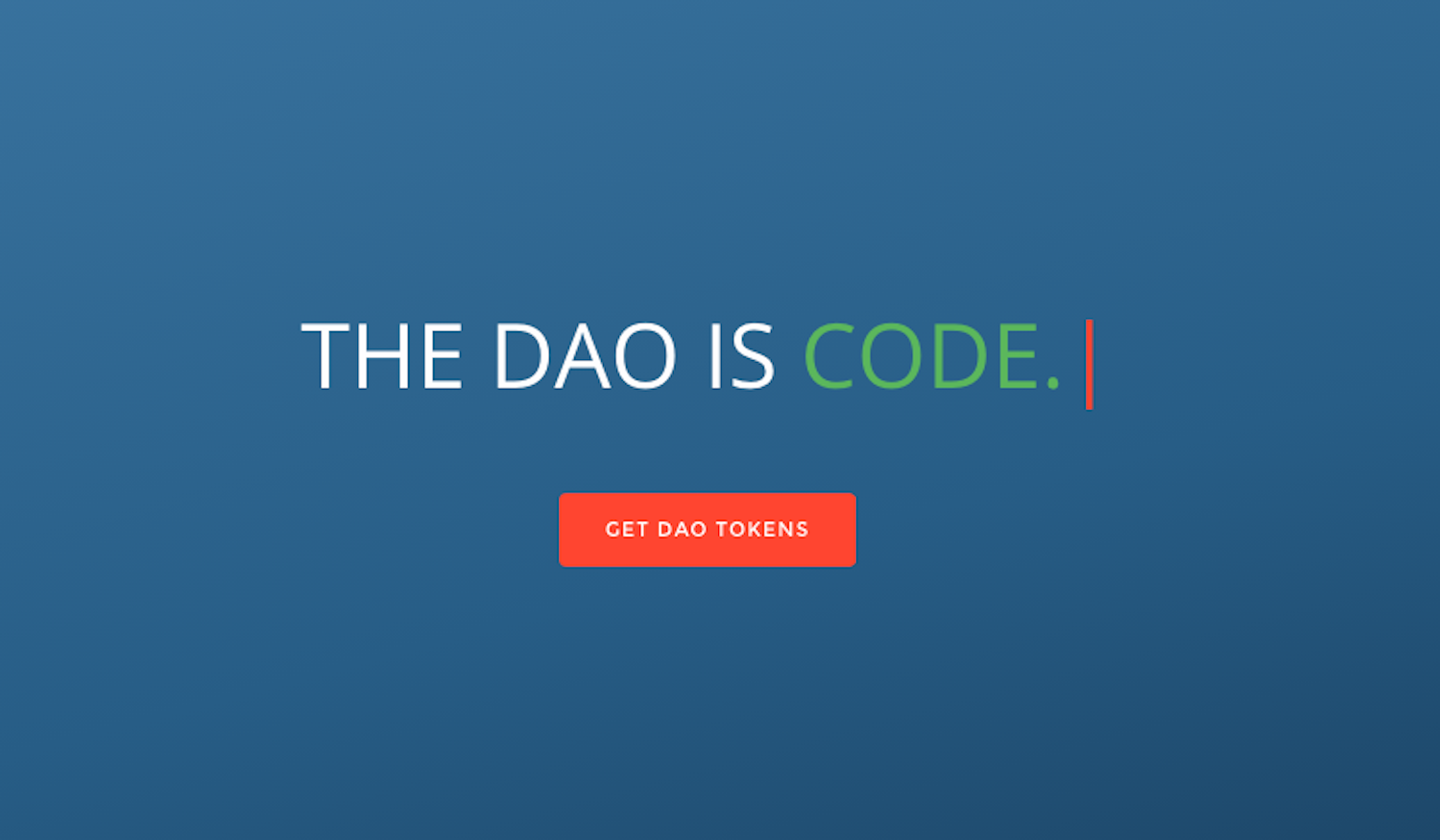
Smart contracts are better than paper contracts, like email versus letters: faster, cheaper, and more scalable. Additionally, smart contracts reduce the cost of coordinating and enforcing agreements, just as the Internet reduced the marginal cost of communication to near zero.[4]secondary title[5]The DAO, which raised 11.7 million ETH, its collapse once forced Ethereum to the gate of hell
When it comes to DAO, we will inevitably talk about The DAO. Although it is not the first DAO organization in human history, The DAO is definitely the most famous DAO known by people.
Launched in April 2016, this decentralized autonomous organization raised 11.7 million ETH worldwide in just 28 days
, according to the scale of ETH, The DAO is the most fund-raising blockchain project in history, even EOS, which raised nearly 4 billion US dollars later (a total of 7.2117 million ETH was raised)
), it is also difficult to hold a candle to.
This plan, which sounds like a very powerful vision, was once touted by the Ethereum community as subverting the existence of the VC model.
However, just 2 months later, a hacker found a fatal recursive call loophole in The DAO's contract code, which allowed him to withdraw 3.6 million ETH (currently worth $806 million) from The Dao's contract, After this incident, the Ethereum community was on the verge of a formidable enemy. The developers decided to stop verifying all transactions that day, and the price of Ethereum dropped from 145 yuan to a minimum of 68 yuan.
Afterwards, Vitalik Buterin, the co-founder of Ethereum, proposed a hard fork proposal. With the support of community members, a new chain with no stolen transaction records was established and named Ethereum, so as to return the huge amount of Ethereum funds involved to the participants. By.
This incident once pushed Ethereum to the gate of death, and also warned future generations about the importance of smart contract security audits.
secondary title
The Rebirth and Expansion of the DAO
Innovation doesn't happen overnight. If no one had continued to reinvent the car after the "Caboore" accident, we might still be riding in a carriage today.
The same is true for the innovation of DAO.
There is no denying that the concept of a DAO is very exciting because it strives to solve all the problems in the way modern organizations are run. In theory, a well-structured DAO can provide each participant with the opportunity to shape the organization. There will be no hierarchical structure here, which means that any innovative idea proposed by anyone may be considered and accepted by the entire organization. Every participant can express his own voice, the rules are clear and simple, and there is no room for quarrels.[6]。
Finally, since all rules and every voting transaction are recorded in the blockchain, anyone can review this, so the DAO is completely transparent.
Many people will criticize this idea, such as MIT's "Technology Review" commented that the idea of delegating important financial decisions to the public is bad and unlikely to pay off.[7]。
Nevertheless, this still cannot stop people from exploring such imaginative experiments.
Today, the well-known Defi project Maker, its autonomous organization is called MakerDAO, similar DAO organizations, Kyber’s KyberDAO, Synthetix’s SynthetixDAO, etc.
To put it simply, they all use governance tokens to allow participants to vote on changes to the rules of the protocol, thereby achieving decentralized community governance.
However, governance-type DAO is only one branch of DAO, and there are many other types of DAO. Take Moloch, for example: a popular shared DAO that focuses on funding Ethereum development through grants. Anyone can submit a proposal to this Moloch DAO and get funding. Two Ethereum developers, Vitalik Buterin and Joseph Lubin Co-founder, donated 1,000 ETH to the DAO successively. So far, Moloch DAO has funded more than $300,000 for Ethereum projects including Lighthouse security audit, Tornado Cash, etc.[8]。
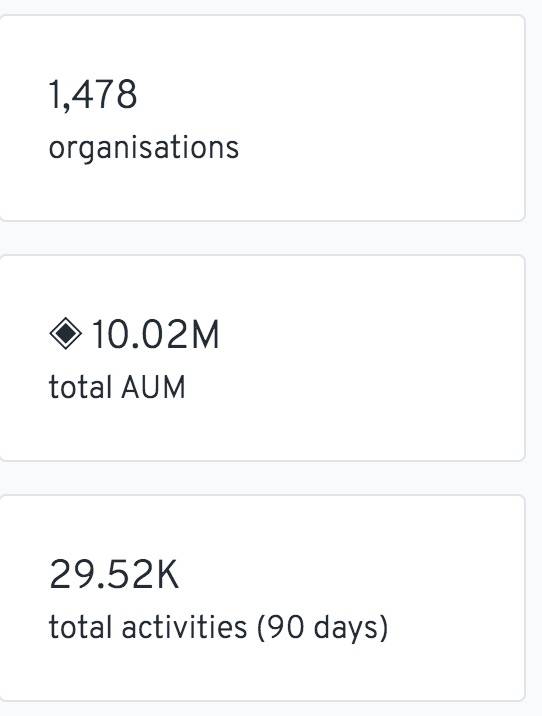
Simply put, Moloch focuses on Ethereum development, while MetaCartel focuses on funding the Ethereum application layer. More specifically, MetaCartel provides small grants (typically in the $1000-5000 range) to consumer applications (i.e. dApps).
And MetaCartel Ventures (also known as Ventures DAO), a for-profit DAO of the same type as the crashed The DAO, utilizes the Moloch V2 smart contract, allowing the DAO to Invest in early-stage projects.
In addition, there is another DAO that must be mentioned, which is Aragon, known as the DAO factory, which allows users to create a DAO within 5 minutes. So far, participants including Coinbase, Decentraland, and AAVE have created through this platform More than 1300 small DAOs
After nearly 4 years of development, organizations using the DAO structure are quietly spreading, and the hype about DAO's subversiveness is hardly heard. This is probably because the market has learned the painful lesson of The DAO's collapse.
secondary title
And DAO, which is really expected to be used on a large scale first, is actually very related to DeFi.
Today, we see regulars on the Defi list such as Compound, Maker, Kyber, Synthetix, balancer, Aave, etc., have launched their own governance tokens one after another, and the decentralized governance community they involve is a DAO , which is related to the interests of the participants, which can motivate the participants to vote.
Recently, the author saw a public account with a very interesting name called Defi Zhidao, and it is not impossible to understand it as the DAO of Defi.
Because every Defi project will essentially become a DAO, and the collection of Defi information from all over the world can eventually become a DAO.[9]secondary title
The DAO in the Eyes of Industry Participants and Institutional Investors
There will be a thousand Hamlets in the hearts of a thousand readers, and there will be many different interpretations on DAO.
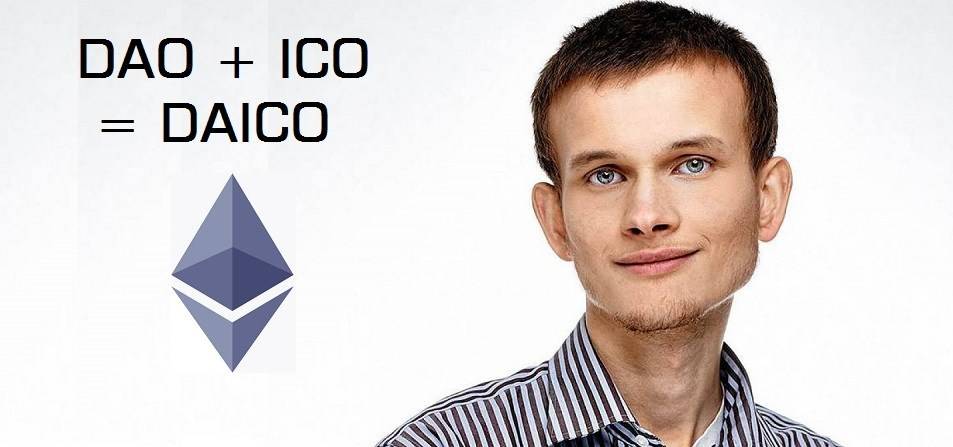
For example, Vitalik, the creator of the DAO concept, not only donated money to related DAO projects, but also proposed DAICO, which combines DAO and ICO.
The concept of financing, but unfortunately, this seemingly healthy model has not been widely adopted by the market.
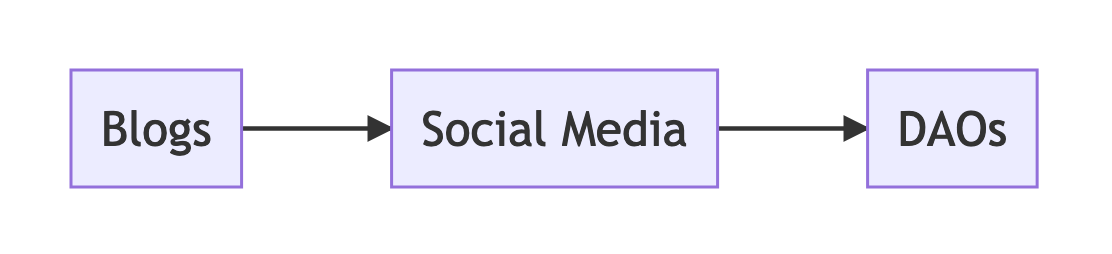
Another example is Aragon co-founder Luis Cuende, who believes that DAO is the next big innovation after blogs and social media. He mentioned:
“The internet changed the way we organize, and blogging made it possible to share ideas instantly across borders. Blogging, in turn, gave way to social media, which made it possible to discuss ideas and influence relevant communities.
Today, social media has become so powerful that it can even influence a country's presidential election. However, it is difficult to know how positive the influence of social media really is.
If blogging and social media allow humans to iterate culturally faster, DAOs allow society to iterate on coordination models faster than ever. "
What does DAO look like in the eyes of investment institutions?
“In most parts of the world, creating and maintaining a legal entity costs thousands of dollars a year in operating and legal fees to maintain the organization, and in my native Dominican Republic, it can take a year to set up a charity, compared to Under the hood, DAOs are available anywhere there is an internet connection, and their global nature makes it easy to manage members from all over the world.[10]”
You can program DAOs to be anything. A digital organization can be a for-profit business, a non-profit foundation, a cooperative, or even a court. "
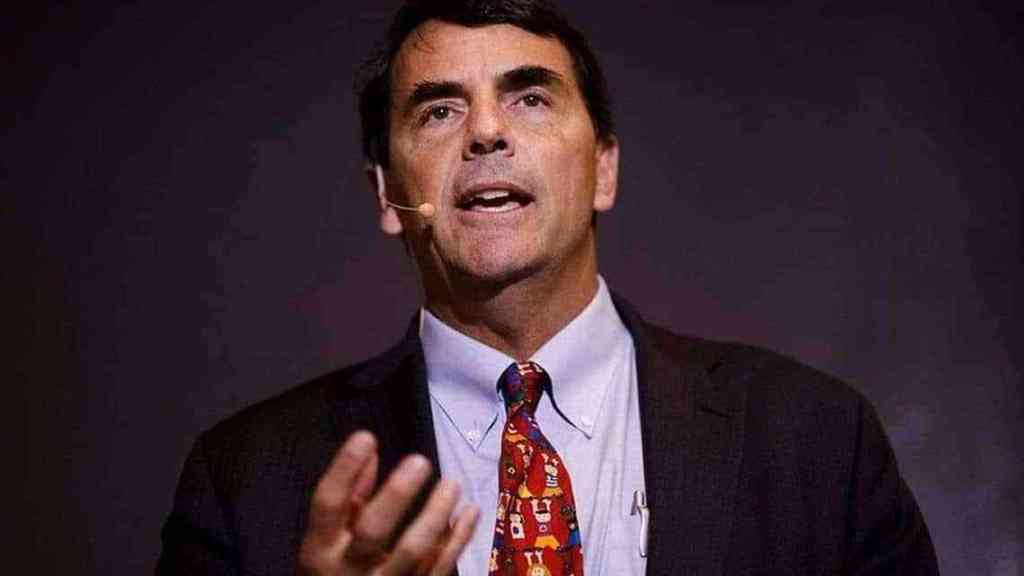
Tim Draper, another well-known investor involved in investing in the DAO project, is a well-known government innovation promoter. He commented after completing a $1 million investment in February this year:
"You can't build a new jurisdiction every day, and world domination will never be the same after Aragon.[11]secondary title
The Problems Facing DAOs Today
Although industry participants have placed high hopes on DAO, today we still cannot forget the painful lessons The DAO has brought to the industry.
, thus successfully avoiding a potential crisis.
For the DAO being explored, the possibility of loopholes in the rules still exists, and the greater the amount involved in the DAO, the more attractive they are to attackers. This will be a problem that any Defi and DAO project will face .
Then, there is the issue of participation in voting. For most DAO projects today, when it comes to a new proposal, there are still a small number of voters who are willing to participate in voting, and this is undoubtedly not conducive to the representativeness of governance results.
As for the related solutions, one is to do a good job in popularizing relevant proposals, so that participants realize the importance of governance, and the other is to lower the threshold for voting, so that ordinary currency holders can easily participate in voting. These are many projects A piece that needs to be perfected.
secondary title
DAO in my eyes
1.https://bitcoinmagazine.com/
2.https://github.com/ethereum/
6.https://tokentuesdays.substack.com/
7.https://www.molochdao.com/projects
8.https://poweredby.aragon.org/





