


Odaily Frontline | Growing against the trend, Grayscale’s capital inflow in Q1 2020 hits a new high


This article comes fromThe Block, Originally by Frank Chaparro
Odaily Translator |

This article comes from
, Originally by Frank Chaparro
Odaily Translator |
Asset manager Grayscale reported its highest quarterly inflows in history on Thursday, a possible sign that at least some in the investment community have been paying attention to cryptocurrencies amid market turmoil.
Grayscale, with $2.2 billion in assets under management, has a range of investment products that provide indirect exposure to crypto assets. In the first quarter of 2020, Grayscale raised a total of $503.7 million across its product line, nearly double the $254.8 million raised in the previous quarter, according to the company's quarterly report. In addition, the firm expects that inflows in 2020 may exceed those of the previous year.
Grayscale’s Bitcoin Trust (GBTC) topped the list with inflows of $388.9 million, roughly double the previous quarter’s high in 2019 ($254.8 million raised in Q3 2019).
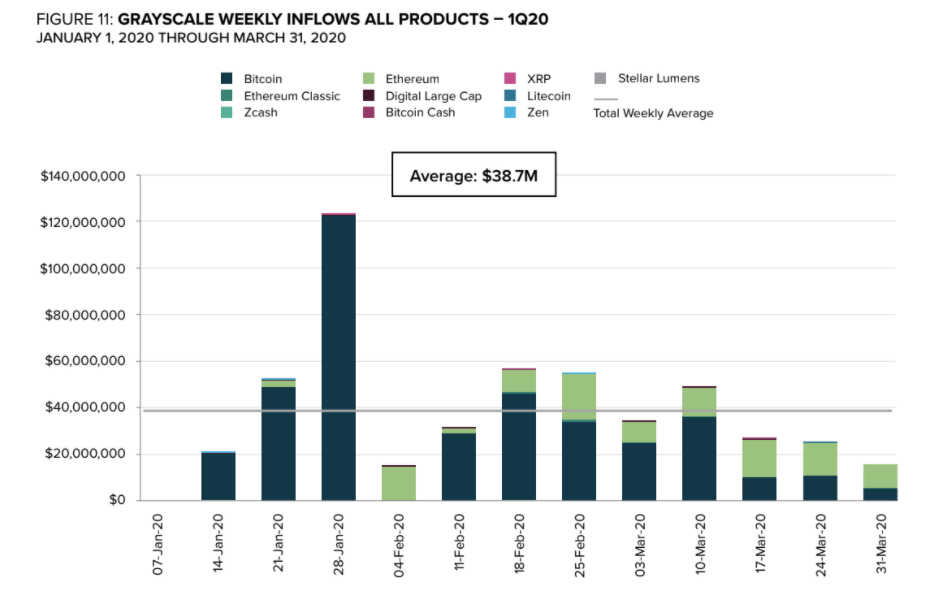
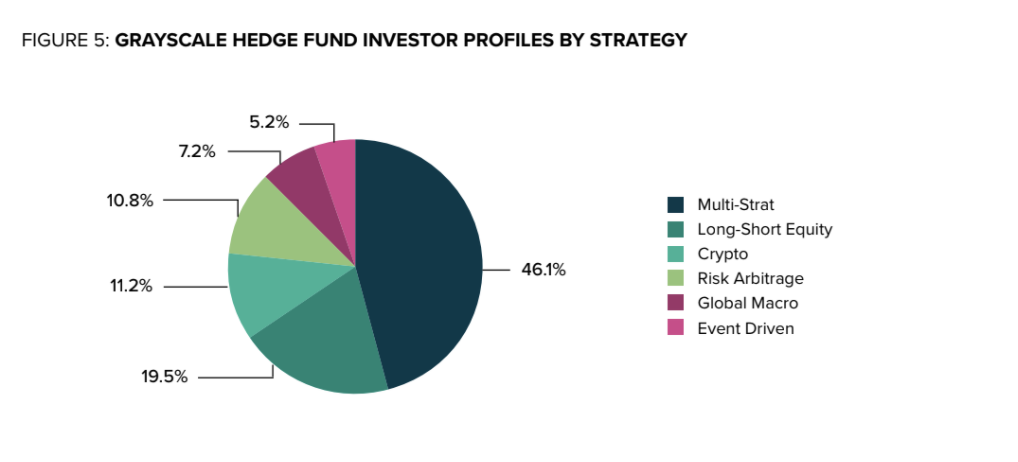
Grayscale's quarterly inflow performance is quite impressive given the broader macro backdrop at hand. Few assets were spared when the coronavirus-induced market crash kicked off at the end of February, including the cryptocurrency market, with Bitcoin down as much as 30% by mid-March. After the week ended March, however, ethereum’s inflows began to outpace bitcoin’s, suggesting a shift in investor preference."The report also shows that for the first time since its inception, the company saw inflows of more than $1 billion within 12 months, with institutional investment accounting for 88% of total investment in the quarter. The vast majority of these institutional clients are hedge funds, Grayscale said."。
Meanwhile, Grayscale's capital inflows remained steady through March 20. A breakdown of weekly inflows across all of the company's products suggests that momentum was slowing at the end of March.
However, Grayscale's Michael Sonnenshein says the company will
seek to build on this momentum
According to Sonnenshein, the company’s performance shows that institutional investors have increased their interest in the digital asset space.
“Money inflows are mainly from institutions,” he said in an interview. Grayscale’s report shows that since its inception, roughly 90% of inflows have come from institutions it categorizes, which include hedge funds, crypto-native investors, family offices and other types of clients.
The report noted that clients have seized on the rise in volatility this quarter to increase exposure to their products, especially as crypto prices have fallen sharply. Evidence suggests that even in the risk-off environment, investors are “increasing their exposure to digital assets at current levels,” the report said.
Other primarily community-focused companies have shown similar levels of interest. Teddy Fusaro, Bitwise’s chief operating officer, said the company has seen an uptick in capital flows and investment interest.
Fusaro said that during this period, independent financial advisors became more involved with companies. Unprecedented financial conditions, including unprecedented money printing by the Federal Reserve and aggressive U.S. government stimulus, are forcing a rethink of current portfolio composition, Fusaro said in a phone interview with The Block.
“Normally RIAs would go out into the community and talk to wealthy lawyers and doctors as a way to raise revenue. But now, the money is starting to move,” Fusaro continued. “People want to change that.”
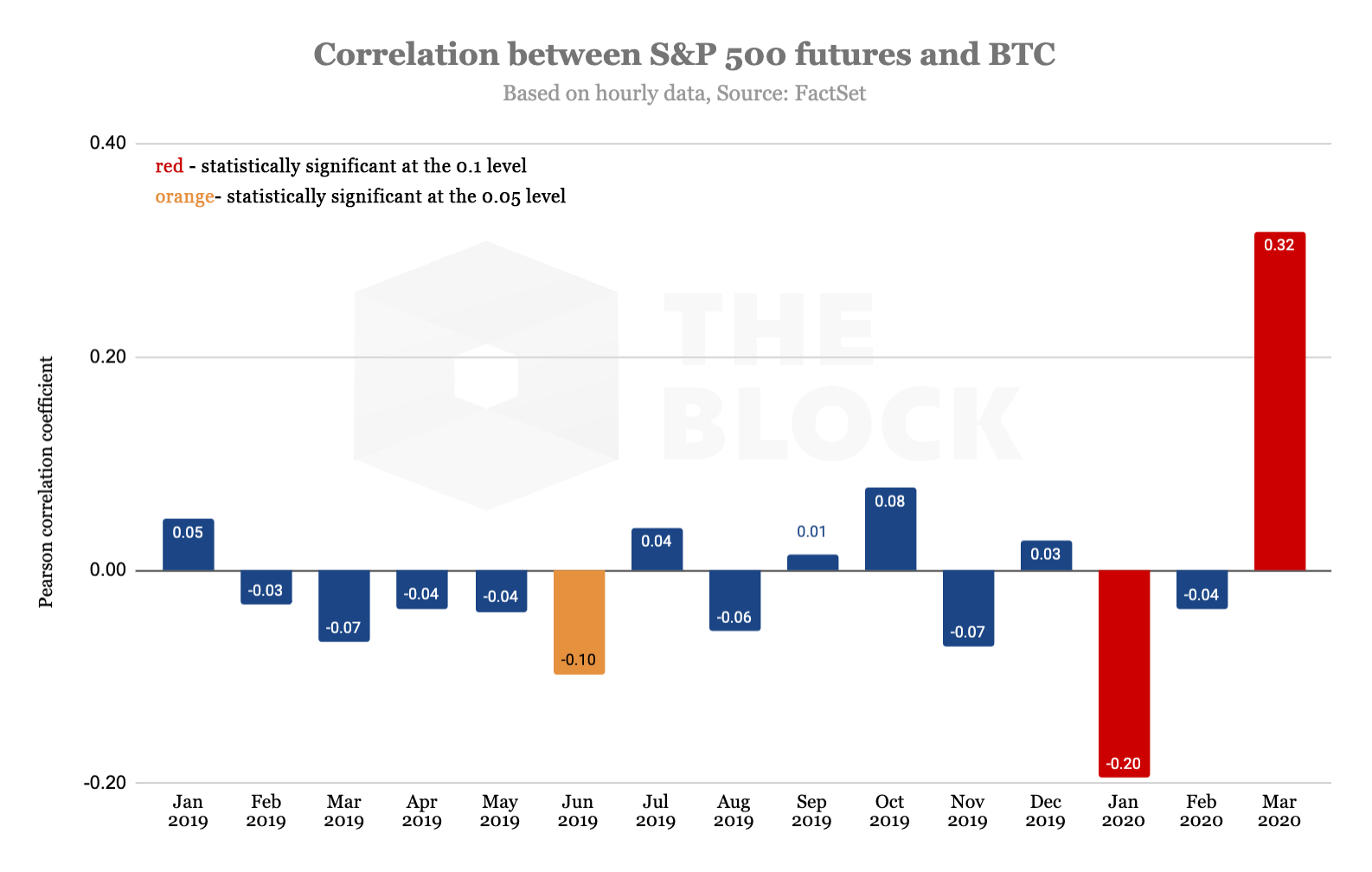
Some market watchers may be surprised by investor interest in crypto products. In a sense, Bitcoin falls short of some of the characteristics that have attracted some market participants, including a lack of correlation with the broader market. According to research from The Block, Bitcoin has a high recent correlation with the S&P 500.
During the current crisis, Bitcoin's correlation with the S&P 500 hit a yearly high in March, as measured by the correlation between SPX500USD (S&P 500 futures) and BTC/USD hourly returns on Coinbase.





