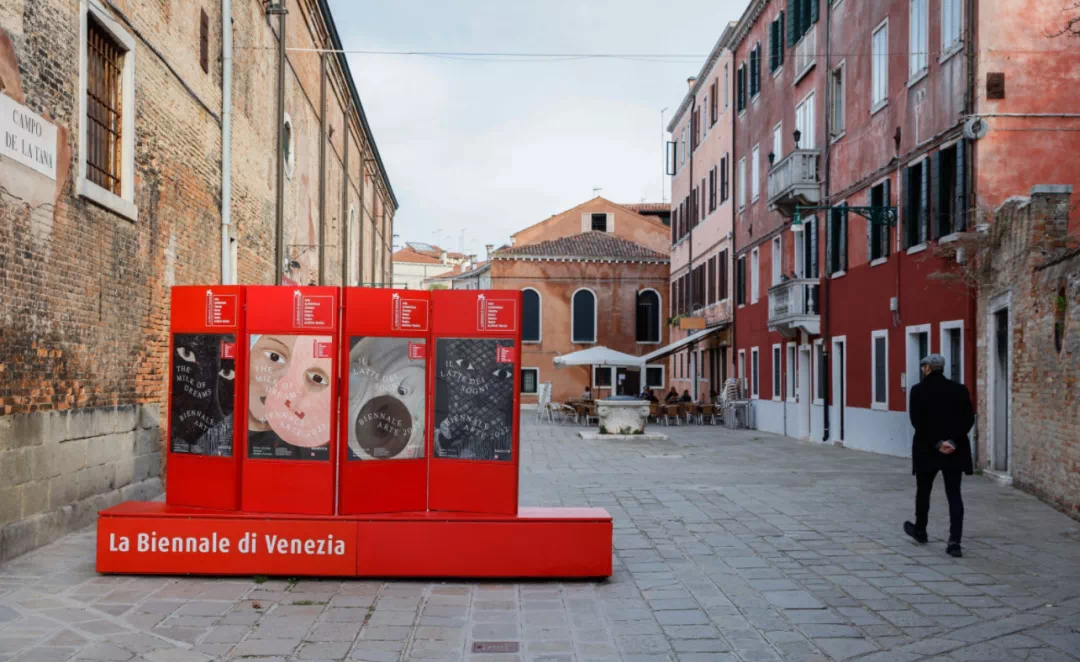
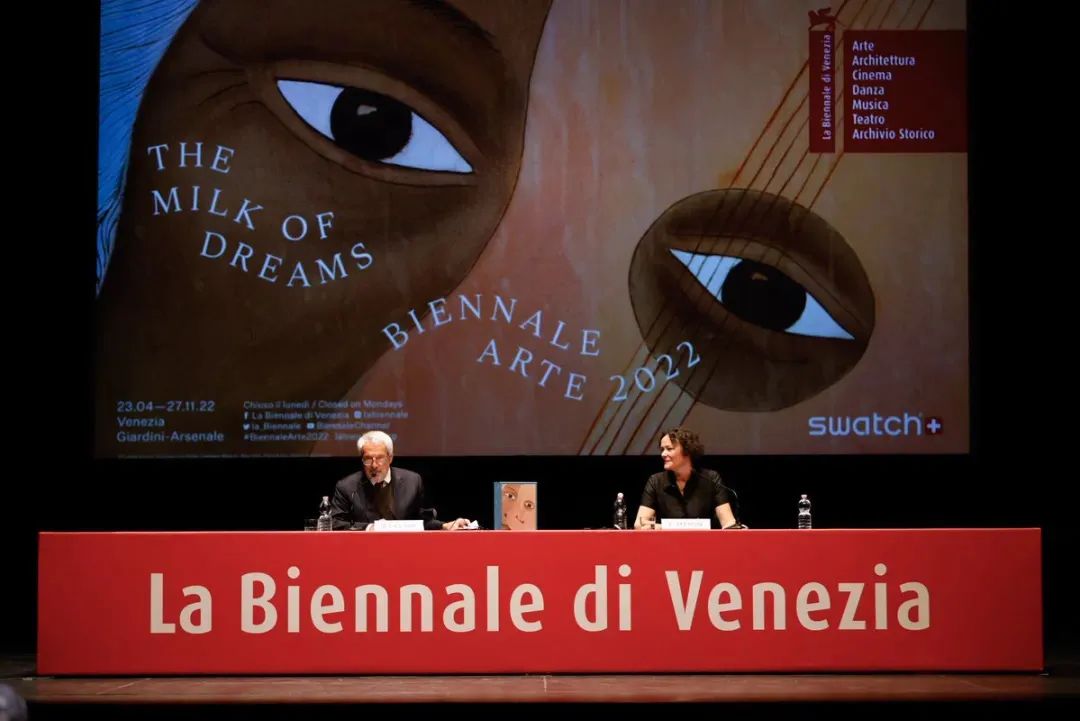
The 59th Venice Biennale has begun.
From the perspective of this centenary biennale,Crypto Art Exhibition ushered in for the first time
The Age of Chimera
(The Time of the Chimeras)。
The scene of the 59th Venice Biennale
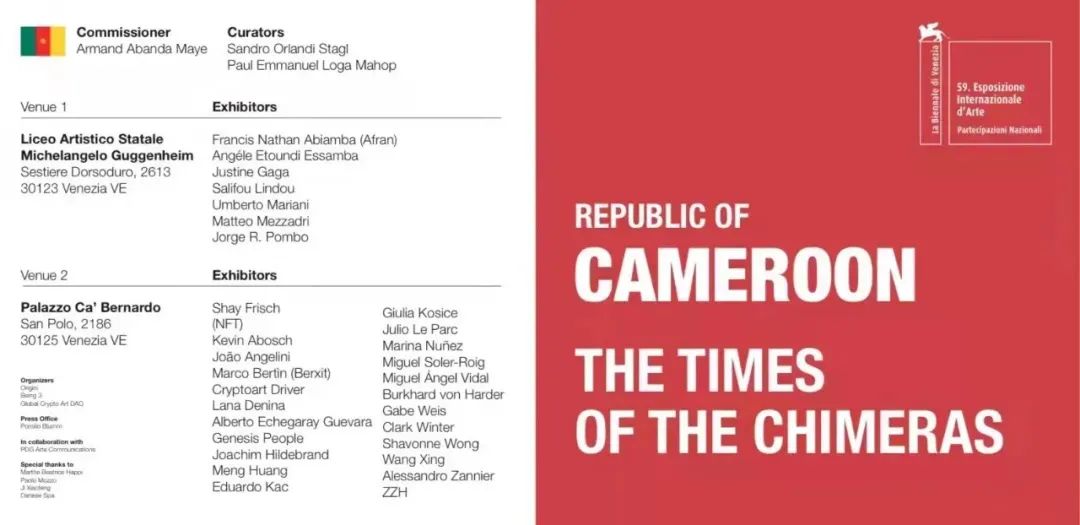
Chimera is a character in Greek mythologyA monster with a lions head and a snakes tail,Also in todays bioengineering fieldA gene clamp used to describe artificial intervention.Digital art, VR, blockchain, etc.Cross-border works of cutting-edge technology and art,Presented at Cameroon Pavilion, which participated in Weishun for the first time.Among them, 23 artists/groups participated in the exhibition,From the founder of bioart to the pioneer of OP art,To the senior students in China,The age span ranges from 90 years old to 20 years old,The works are recommended by the expert committee,Determined by the Venice Biennale Organizing Committee.And accelerate to the background of the era of the digital world,The identity of the artist, the subject of creative concernThe diversity of its manifestations shows the feedback of an era.The 59th Venice Biennale with the theme of The Milk of Dreams opened recently. In addition to 213 artists from 58 countries participating in the main exhibition section, there are also 80 national pavilions on display. .In addition to the womens issues that have attracted widespread attention, this years booming digital art has also begun to enter the vision of this century-old biennale that began in 1895, that is, the first cryptographic art exhibition The Time of the Chimera at the Venice Biennale. Chimeras).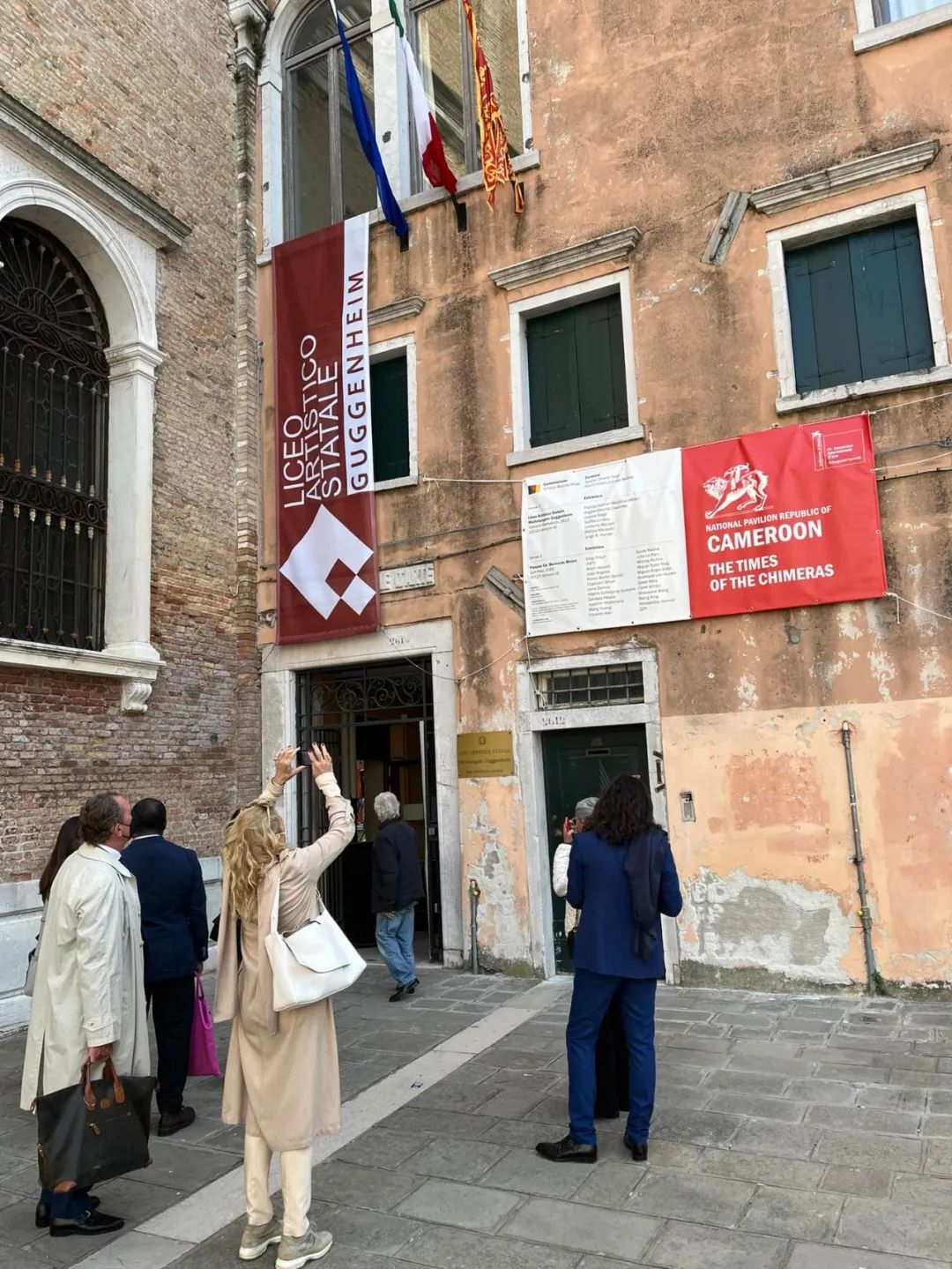
Cameroon International Pavilion hosting the first crypto art exhibition Chimera Era
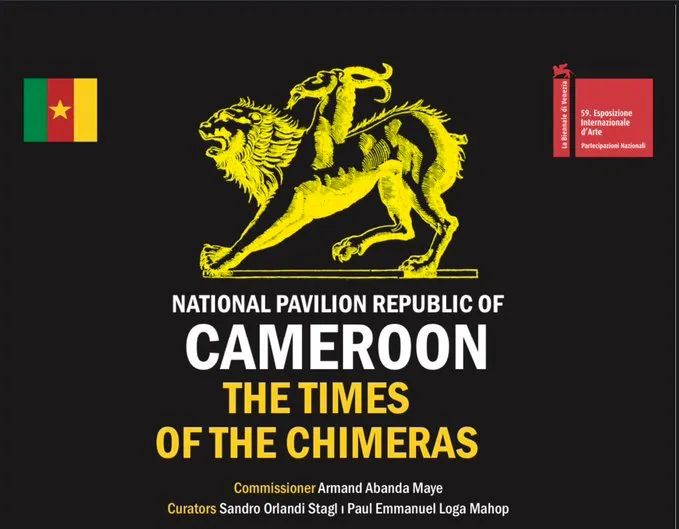
On April 20, the first opening of the Cameroon National Pavilion at Palazzo Bernardo Venic (Palazzo Bernardo Venic) on the central island of Venice was The Time of the Chimeras, directed by Paul Emmanuel Loga Mahop and Sandro Curated by Orlandi Stagl.This exhibition, co-sponsored by the global crypto art decentralized organization GCA DAO, the Venice Biennale Committee and the Cameroon National Pavilion, does not receive financial support from the Cameroon government. It is only commissioned by the Art Promotion and Development Department of the Ministry of Arts and Culture of Cameroon, DAO Funding was provided by private sponsors and investors.Age of Chimera poster
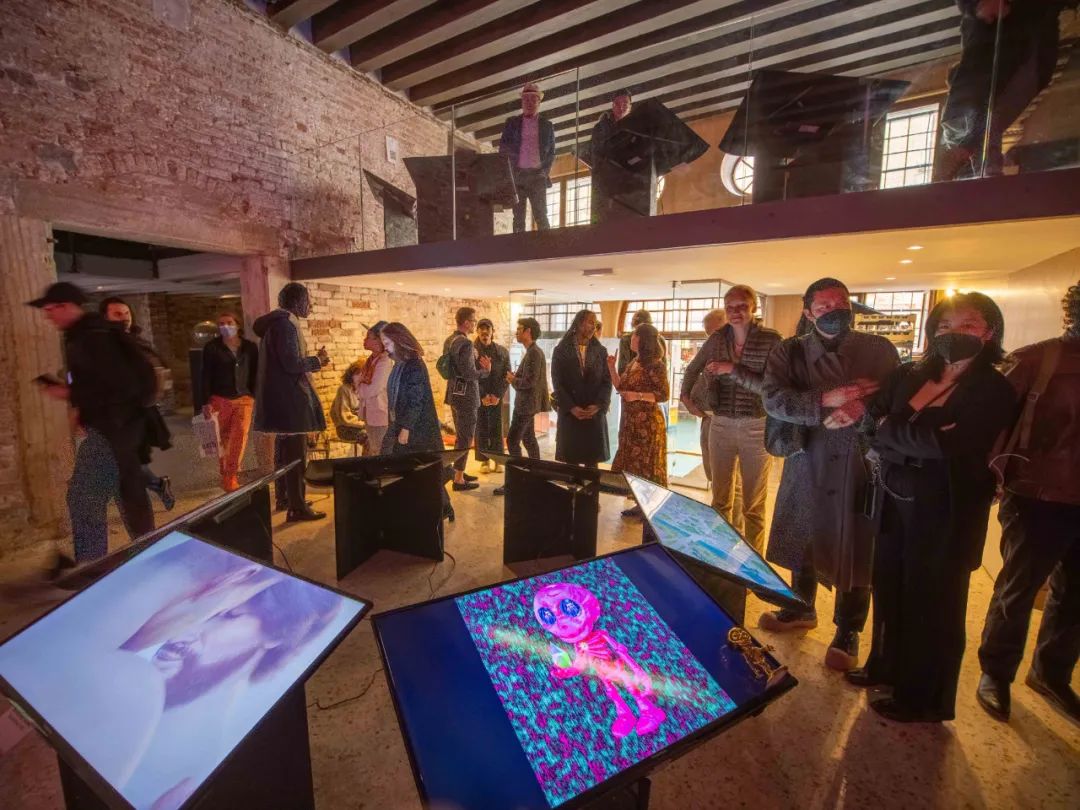
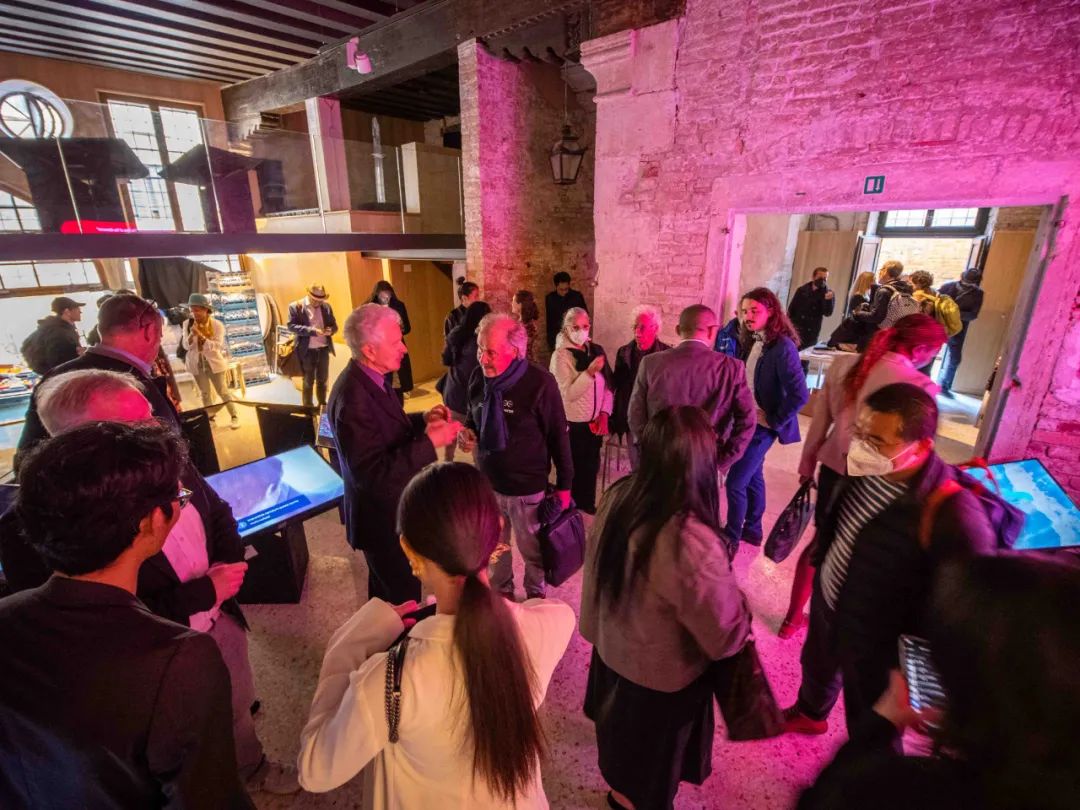
Chimera is a monster in Greek mythology with a lions head and a snakes tail. In the field of bioengineering today, it is also used to describe artificially intervened genetic clamps. Chimera Era exhibits cross-border works in cutting-edge technology fields and art such as digital art, VR, and blockchain.This is the first time for Cameroon’s national pavilion to participate in the Venice Biennale. This exhibition displays the cryptographic art works of 23 artists/groups selected from around the world. These works are selected by an art committee composed of 15 members, including contemporary art curators, artists, critics, art media people from around the world, and veterans of the Web3 encryption community. Each committee member takes into account artistry, encryption nativeness The works of all candidate artists are independently evaluated based on factors such as other factors, and finally selected based on comprehensive rankings.The scene of the first encryption art exhibition Chimera Era
Yuan Yuan, a representative of the Art Committee, an independent documentary director, artist, and contemporary art photography critic, said that the exhibition integrates various heterogeneous encryption art practices, and the media involved include photography, film, animation, sculpture, installation, etc.The 23 artists range from the founder of bioart to the pioneer of OP art to senior students in China. Their ages span from 90 to 20 years old. They present the exploration of global artists in the new world of Web3 and their thoughts on Art and blockchain technology, the possibilities of decentralized collaboration.
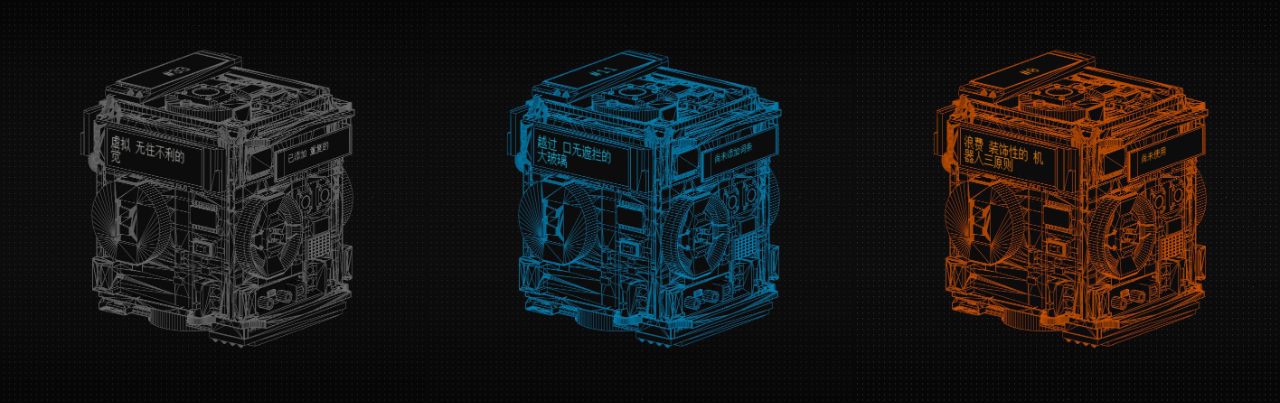
One of the themes expressed at this year’s Venice Biennale is about the “relationship between individuals and technology,” which provides a starting point for explaining the current NFT phenomenon.Artists are often good at using new technologies to discover and break away from the present, and try to represent the world of tomorrow through imaginative creations. Interestingly, judging from the selected artists and their works, artists from Asia tend to be younger, while artists who have played an important role in worlds such as Latin America, even if they have passed away, their legacy will still be helped by technology. The environment survives in both the virtual and real worlds.What is shown next may be the most complete archive of the Venice Biennale’s encrypted art exhibition.Digital Compound, a crypto art research and creation institution, jointly created Crypto Art Drive with post-90s artist She Luyun and blockchain network value laboratory Nervina Labs.Crypto Art Drive is a crypto art work native to the chain. 10,000 NFTs are divided into three colors: gray, blue, and orange, representing different scarcity and weight. Owners co-create works by operating NFT. This kind of co-creation expresses the understanding of the common knowledge base in an artistic way.
Chinese artist Wang Xing is an artist living and working in Beijing and the founder of Digital Compound. He graduated from the Experimental Art Major of the Central Academy of Fine Arts in 2009. After graduation, he worked in games and movies. In 2016, he began to participate in blockchain. He will truly become a crypto artist in 2021.
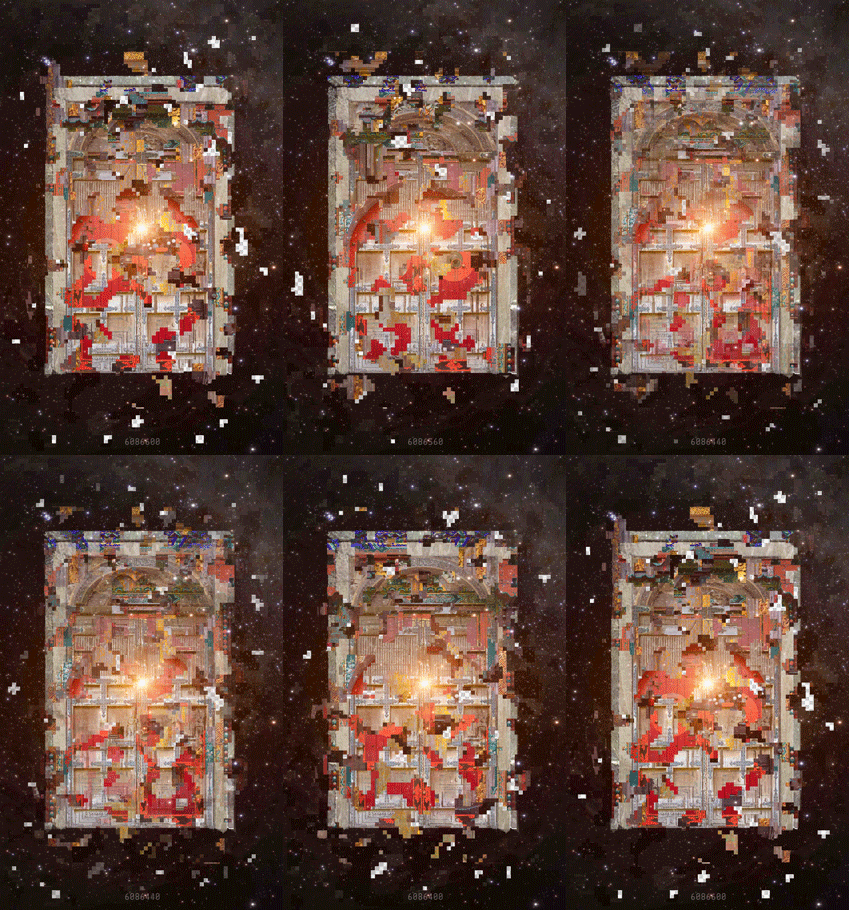
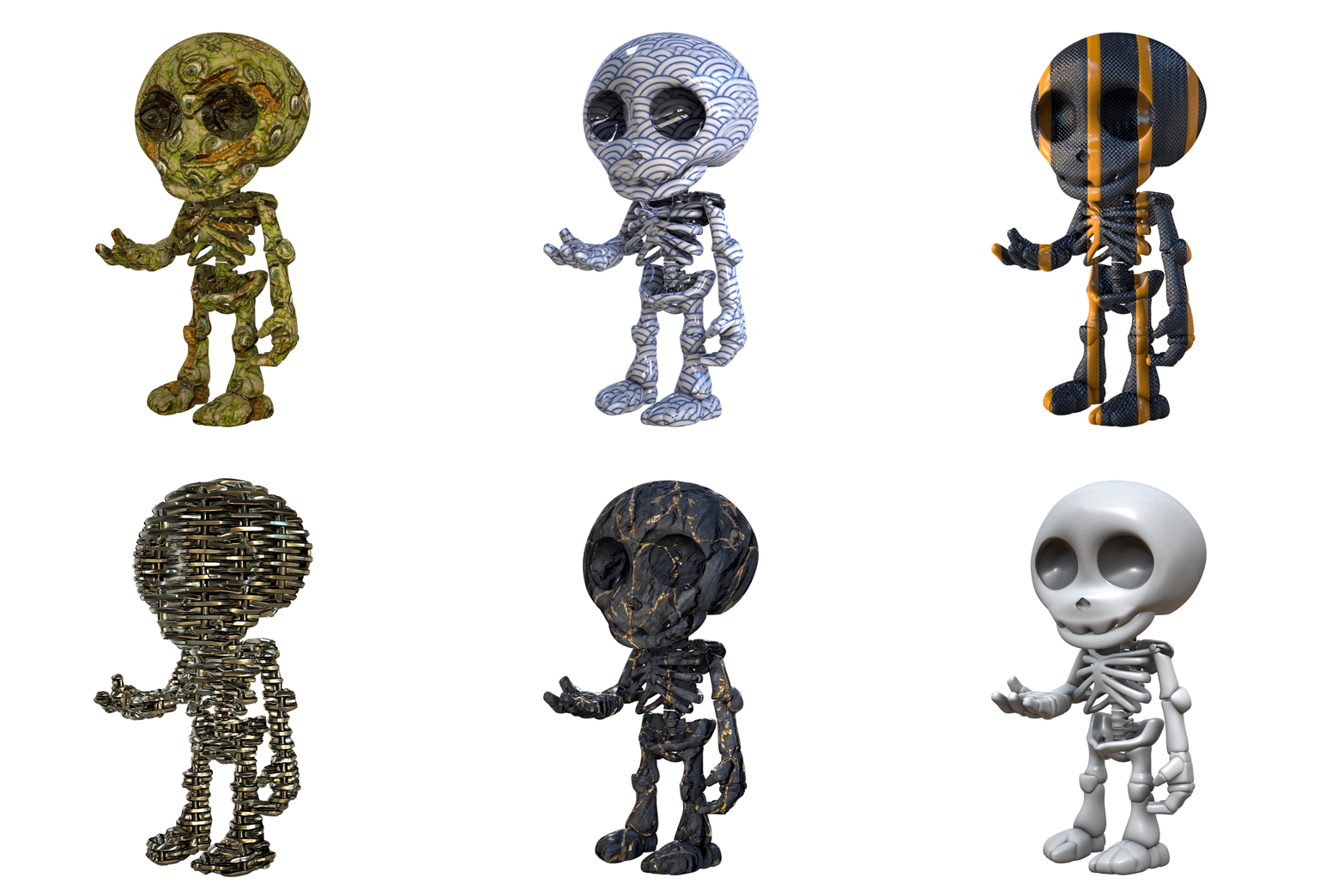
He has served as a film art director and has extensive experience in film and game work. He values the collaborative creative process. In 2016, he began to get in touch with crypto culture, understand the technical principles behind it, and think about how to use blockchain to explore the possibility of crypto-native art.Wang Xings work Digital Tower of Babel Library: Little Door is a superposition of five digital paintings. By reading cellular automata and Nervos Network block height data, a door that evolves infinitely on the chain is formed. Different cultures The “door” in the background is the entrance to its grand “Digital Library of Babel” plan.11 artists from China make up this group.The Creation Man features human skeletons, which symbolize the idea that all humans are born without any worldly possessions. This work expresses diversity and uniqueness through changes in features such as skin, texture and color. Accessories such as handheld items and necklaces can be added to each. The cultural relics in hand represent the evolution of intelligence, and cultural relics from different historical periods represent different levels of cognitive progress.There will be 36 hand-held artworks on display, with themes including art, philosophy, science and law. Necklaces are a symbol of wealth. There will be 20 images of the work, in various forms, from shell cryptocurrency to jewelry to bitcoin art. In the future, new growth elements will be introduced to enrich the people of Genesis. They could be human organs, like a heart, or they could be clothing worn by astronauts. People see geniuses emerge, whether they are artists, philosophers, scientists or heroes.Born in Sichuan, Zheng Zhihai is a mixed media artist living in Beijing. Her creative media include: installation, performance, painting, sculpture, Internet programs, interactive new media, etc. Her focus is not on artistic creation itself, but more on the intellectual mechanism behind people. In her work, the language of the mind is personalized by symbolic tools, turning into a more human-involved image generation system.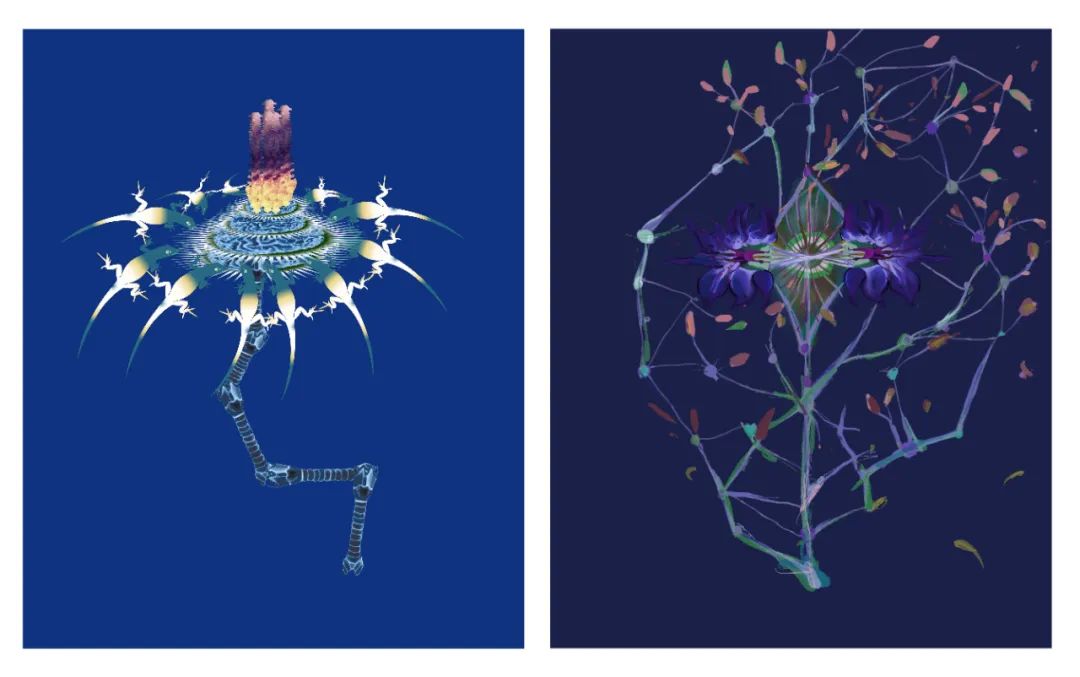
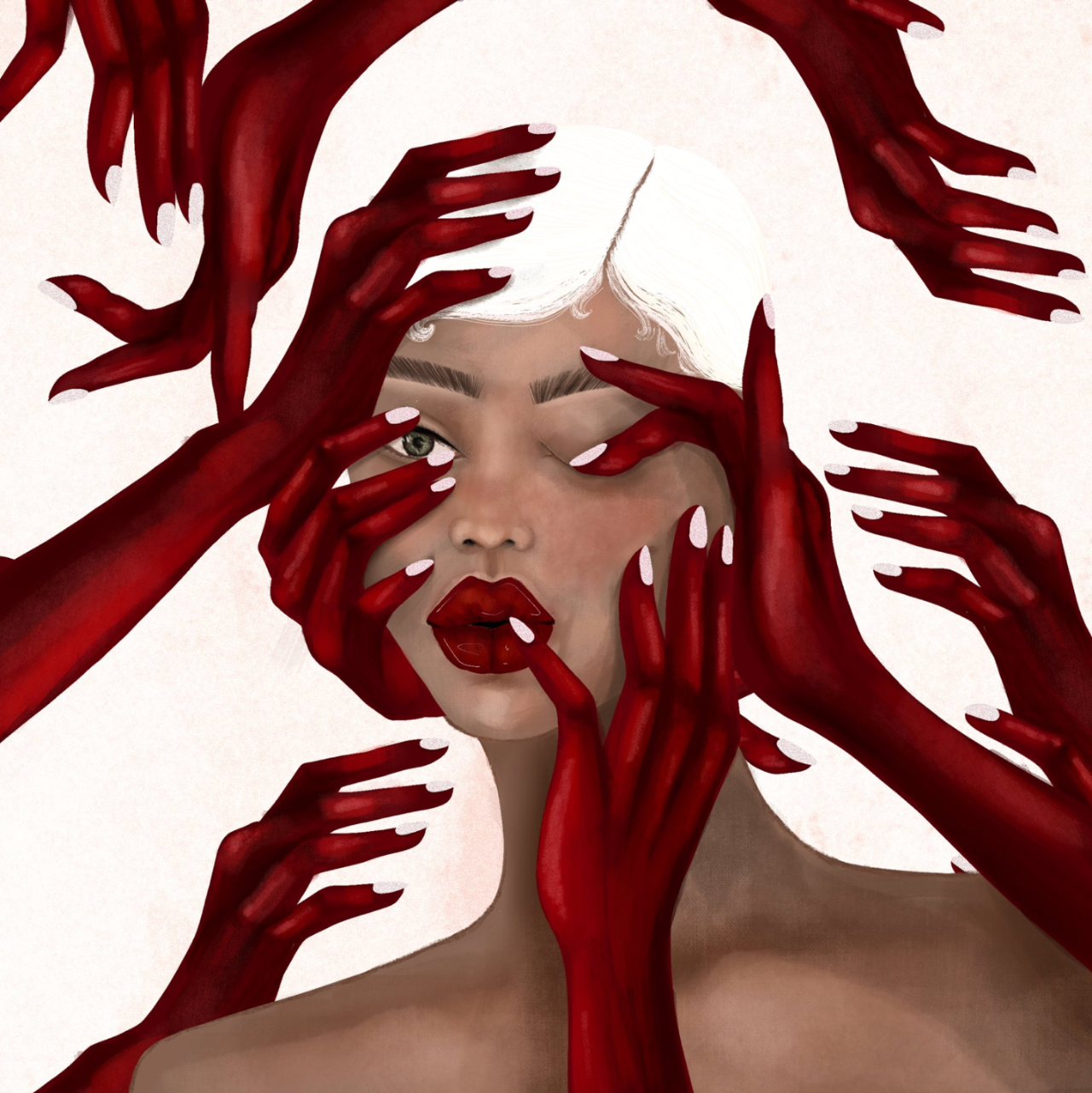
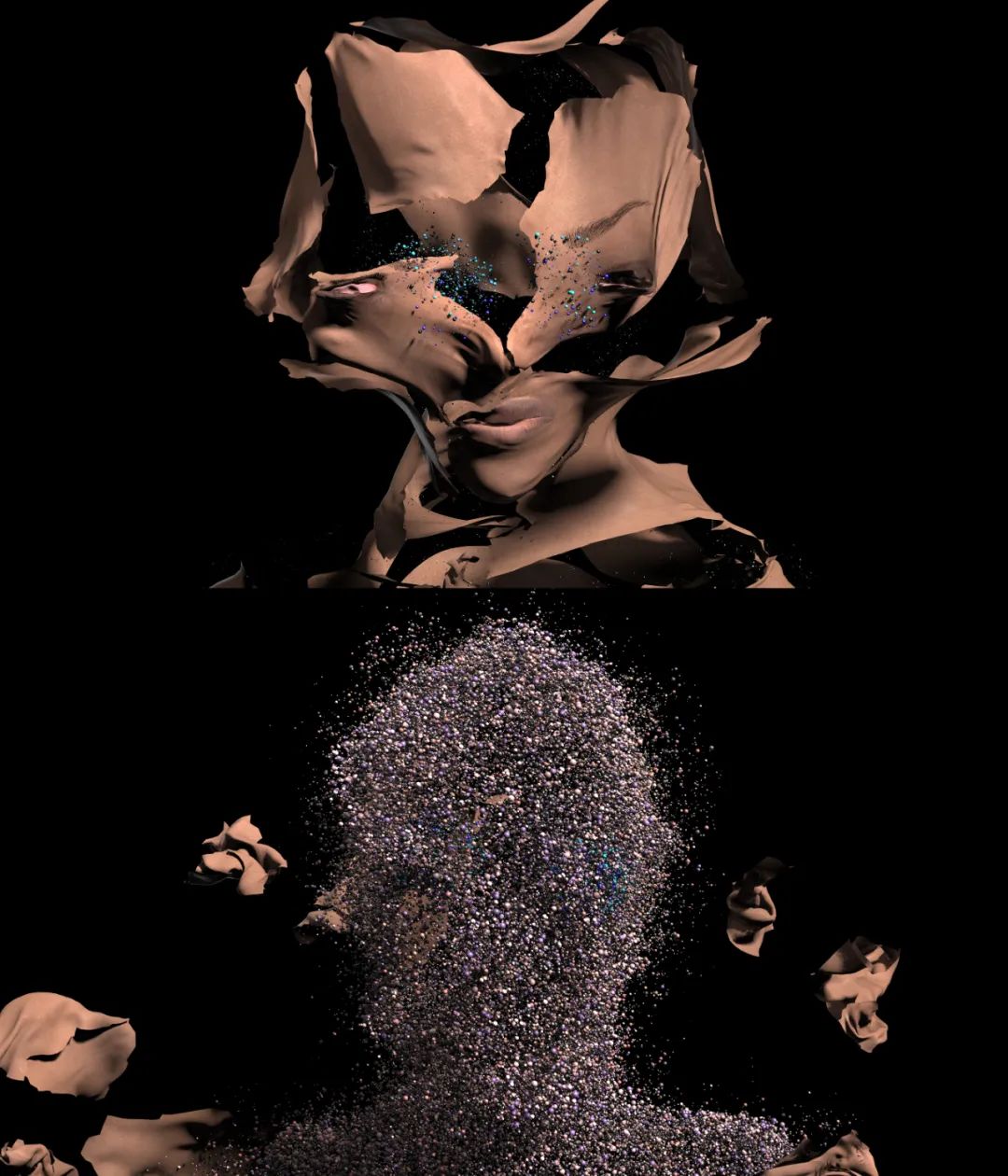
Zheng Zhihais creation is titled Wasteland and is presented in different stages. The introduction to the work reads: On the edge of heaven, adjacent to hell, there is a spherical land where not a single blade of grass grows. There is dust, ashes and deathly silence everywhere. Now, in Something exciting is about to happen in this wasteland.”Huang Zifeng is a fashion and advertising photographer and 3D virtual model creator from Singapore. She uses virtual models to create works of art that juxtapose realism and surrealism, placing virtual models in scenes that cannot be achieved with real models. She is also one of the co-founders of NFT Asia.The work Kiss is an artistic experiment in self-identity and expression of love. The final result will be variable depending on the collectors requirements. A series of virtual models with different skin colors, facial features and body types are created in the hope of wider representation. sex.Lana Danina is a painter of Benin and French origin from Montreal. Her art explores human relationships, morphological diversity and body movement, combining digital art and painting to showcase the different cultures around her in a unique and personal way.Lana Deninas recent works have touched on several themes, but ultimately they all come back to the same theme, which is self-love. She uses the female body to explore her own body and freedom.Touch Me, Love Me represents the tender side of human beings. Victor Hugo said: Innocence is the face of truth (La naïveté est le visage de La vérité). Children are innocent, and their openness to love and to be loved is the most beautiful testimony. The older we get, the more we lose this innocent way of looking at life. The more love and security you give your children, the more they will be able to maintain this innocence and let it blossom into purity.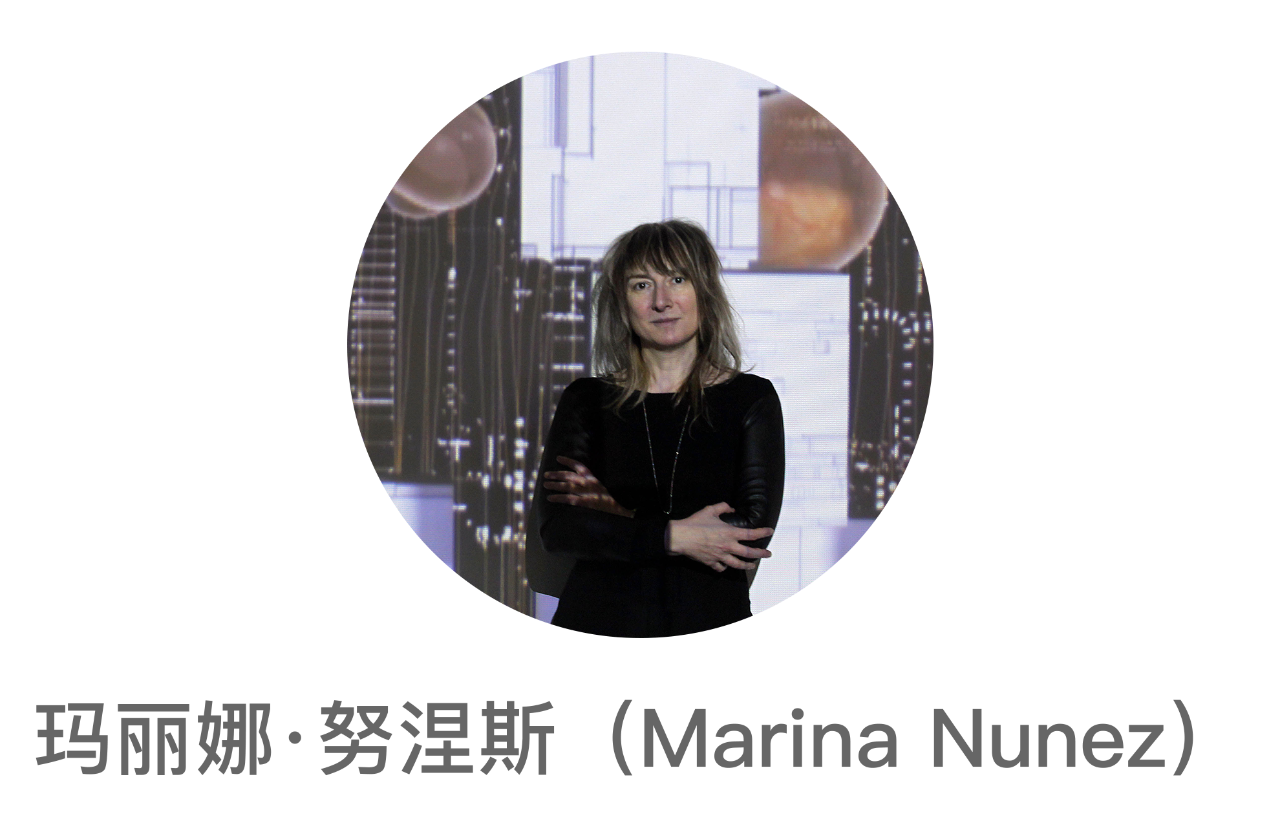
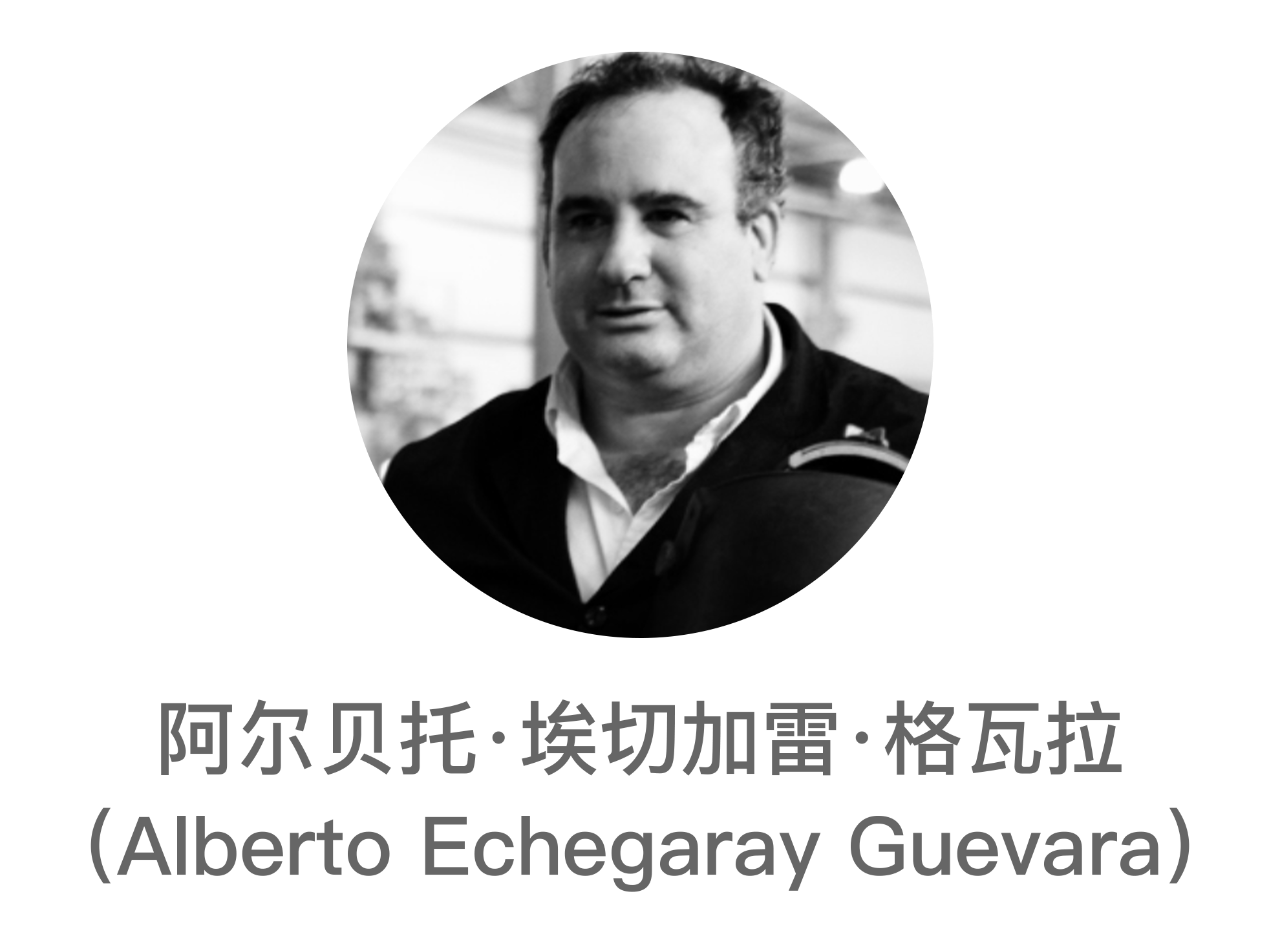
Marina Nuñez, born in 1966, is a Spanish multidisciplinary artist. She holds a degree in Fine Arts from the University of Salamanca and a PhD in Fine Arts from the University of Castile-La Mancha, and is a full professor in the Department of Painting at the Universidad de Vigo.The artists work Skinless uses video and NFT works to show the discomfort, tension, uneasiness, and inadaptation of womens skin, which will tremble because it is regarded as a bondage, a boundary, and a kind of armor. They want to To break free from your own limitations and become something else: deformed, open, plural. Like a bursting chrysalis, like a flowing unstoppable supernova.Alberto Echegare Guevara, born in 1972, is a new media artist from Argentina.
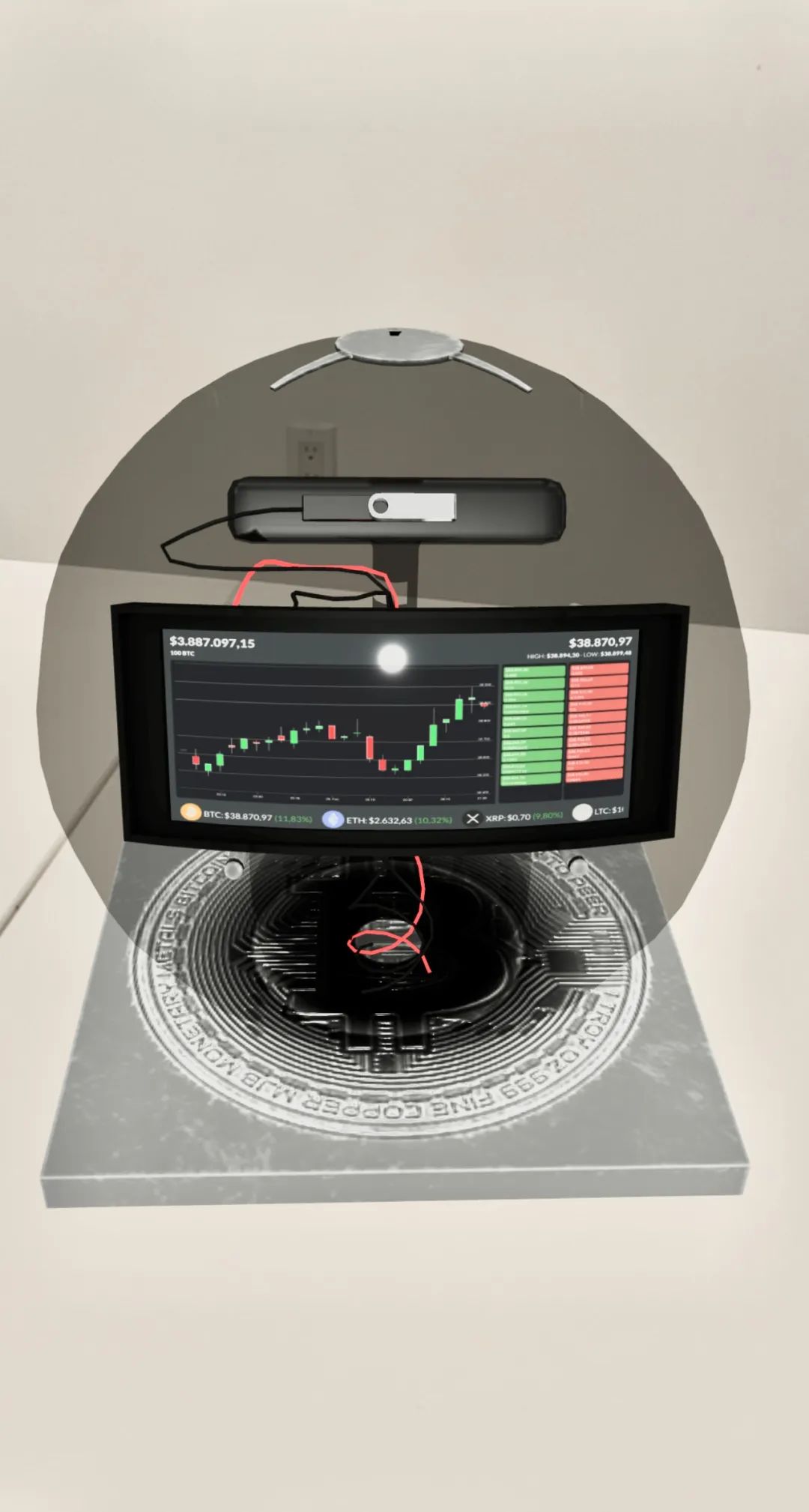
The works in this exhibition are presented in the form of two glass spheres and high-definition holograms produced in Murano, an island north of the city of Venice in the Veneto region of Italy. They contain US dollars and Bitcoins, showing tensions in global finance - a global economy transitioning from a physical world to a virtual one, and a parallel financial system with new rules.
Titled “Crypto Ball,” a holographic projection NFT, the piece marks the first time an artwork has embedded the ability to store its own value in a currency that can be tracked, traded, and withdrawn in real time.As a multimedia artist, designer and visionary, he uses technology and art to tell us a story about the power and importance of money in our society, showing us the nature and future of the economic environment and this social consensus How is changing rapidly in the hands of cryptocurrencies. As Alberto Echegare Guevara explained, “This is backed by the soundness and security of mathematics.” (Cryptocurrencies) can be transferred to the world in seconds at low cost almost anywhere on the Internet, and can be divided into millions of individual parts. 
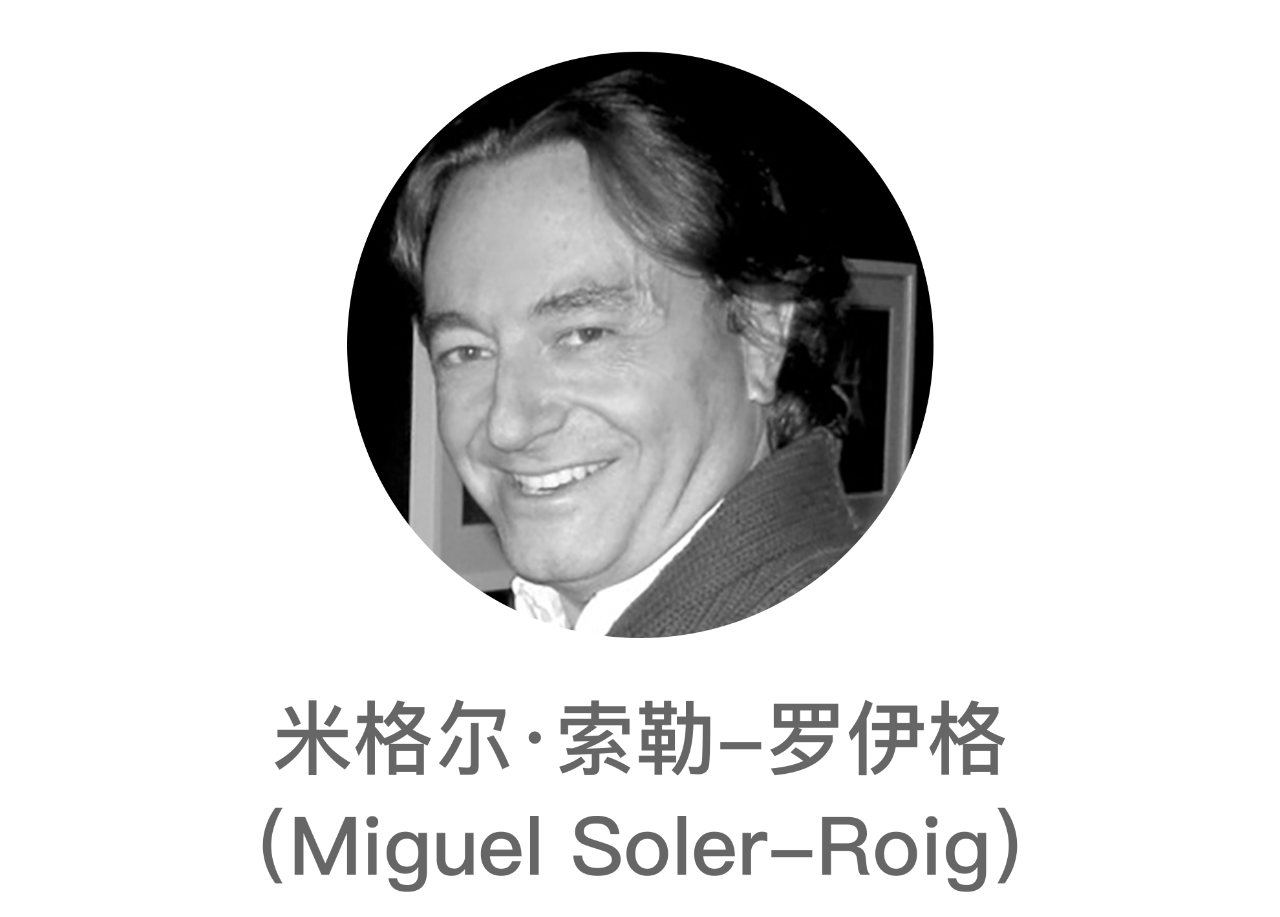
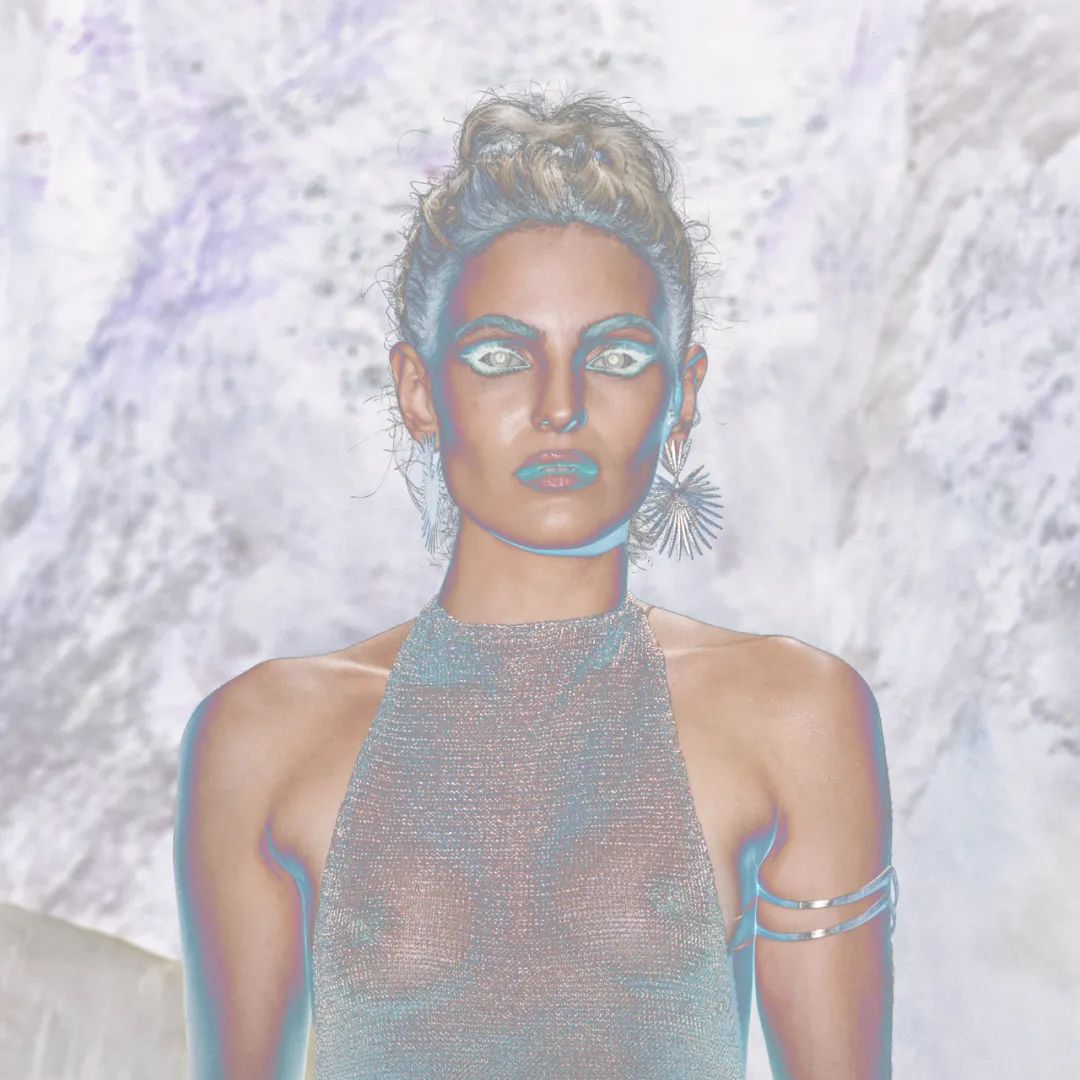
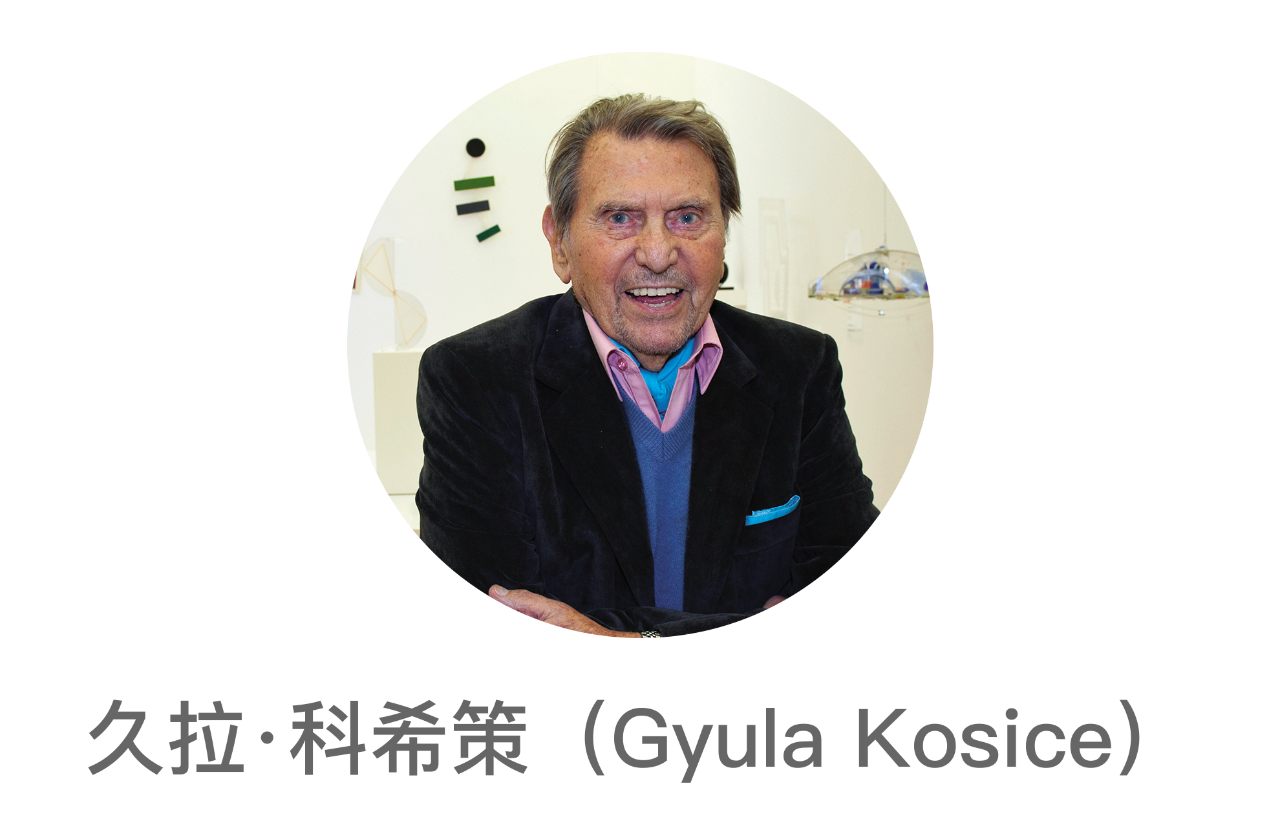
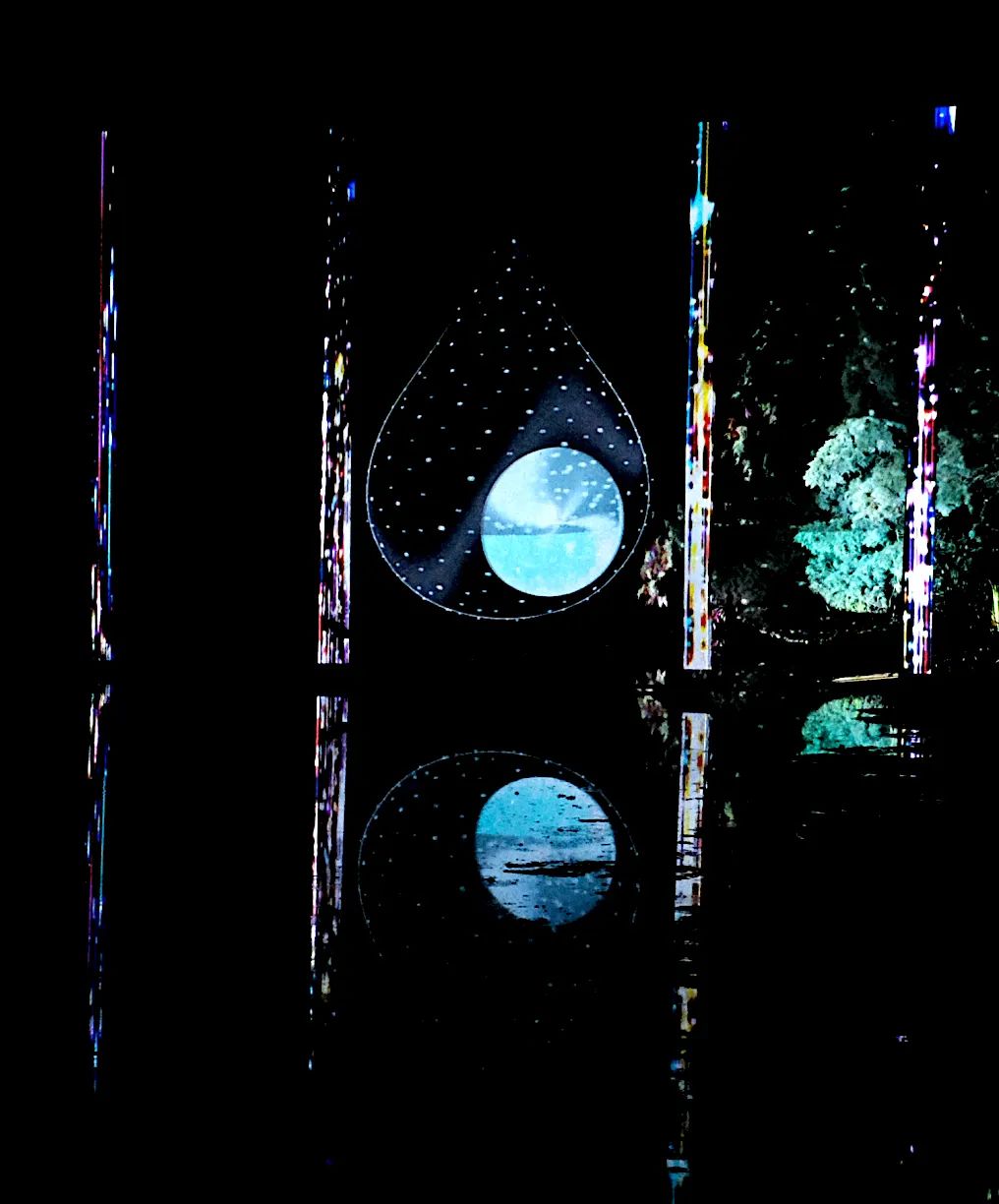
Clark Winter is an American-born, Spanish-based artist, photographer, sculptor, and writer. Working around the world, he observes, explores and creates art that embraces the complexity, wonder, presence and magic of our shared history. He also spent decades as a global investment strategist, looking at the puzzle pieces of our world and hoping to help people realize what makes sense and what doesn’t.Miguel Soler-Roig, born in Barcelona in 1961, is a conceptual artist in the field of photography. As a photographer, his goal is not so much to find the defining moment, but rather to establish a conceptual foundation and complex composition.Through this carefully choreographed setting, framing and lighting, he emphasizes control over the scene and the social landscape. He is the founder and director of Ars Fundum, a Spanish contemporary art collection, and a council member of the global Crypto Art DAO, an international NFT platform.The moving images transform organically under the influence of the four elements: water, air, earth and fire, with different effects, fluctuations and disappearances activating the atmosphere and the protagonist himself.Giula Košice (1924-2016), was an Argentine sculptor, plastic artist, theorist and poet born in Czechoslovakia. He played a key role in defining concrete and non-figurative art movements in Latin America and was one of the pioneers of the kinetic, luminous and hydrodynamic avant-garde.The revolutionary nature of his work is reflected in the use of water and neon as part of an artwork for the first time in the international art world, and his utopian water space city proposal is the most representative project of this exploration.Relieve Gota Negra is part of an interactive and animated digital reconstruction led by the UXart/SuperOrange team, under the curatorial direction of art historian Maria José Herrera, for the Real/ Virtual exhibition (2012), featuring the work of Kosice and other Kinetic artists.Since 2020, it exists in the enhanced Metaverse Uxart and was exhibited at the NFT festival Xreal in Isla El Descanso, Argentina, utilizing drawing and holographic technology. The original Relieve Gota Negra (1968) presented a black Plexiglas droplet in a cosmic-like backlight and moving water, and Kosices hydrodynamic series and droplet shapes formed part of the exploration.Miguel Ángel Vidal (1928-2009) from Argentina was a co-founder of the GENERATIVE ART movement, which added constructivism, optical art (op-art) and geometric art to this in a trend.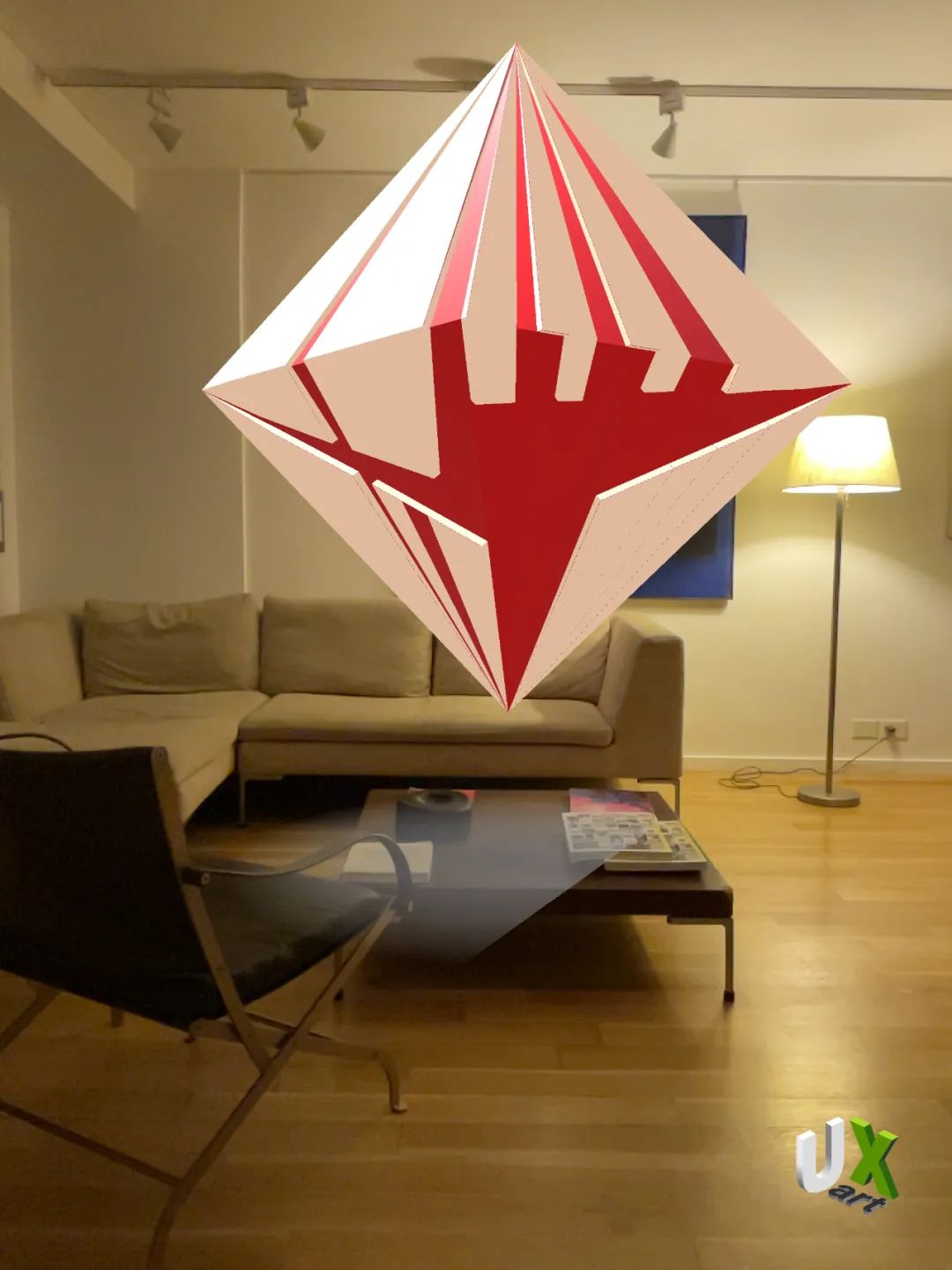
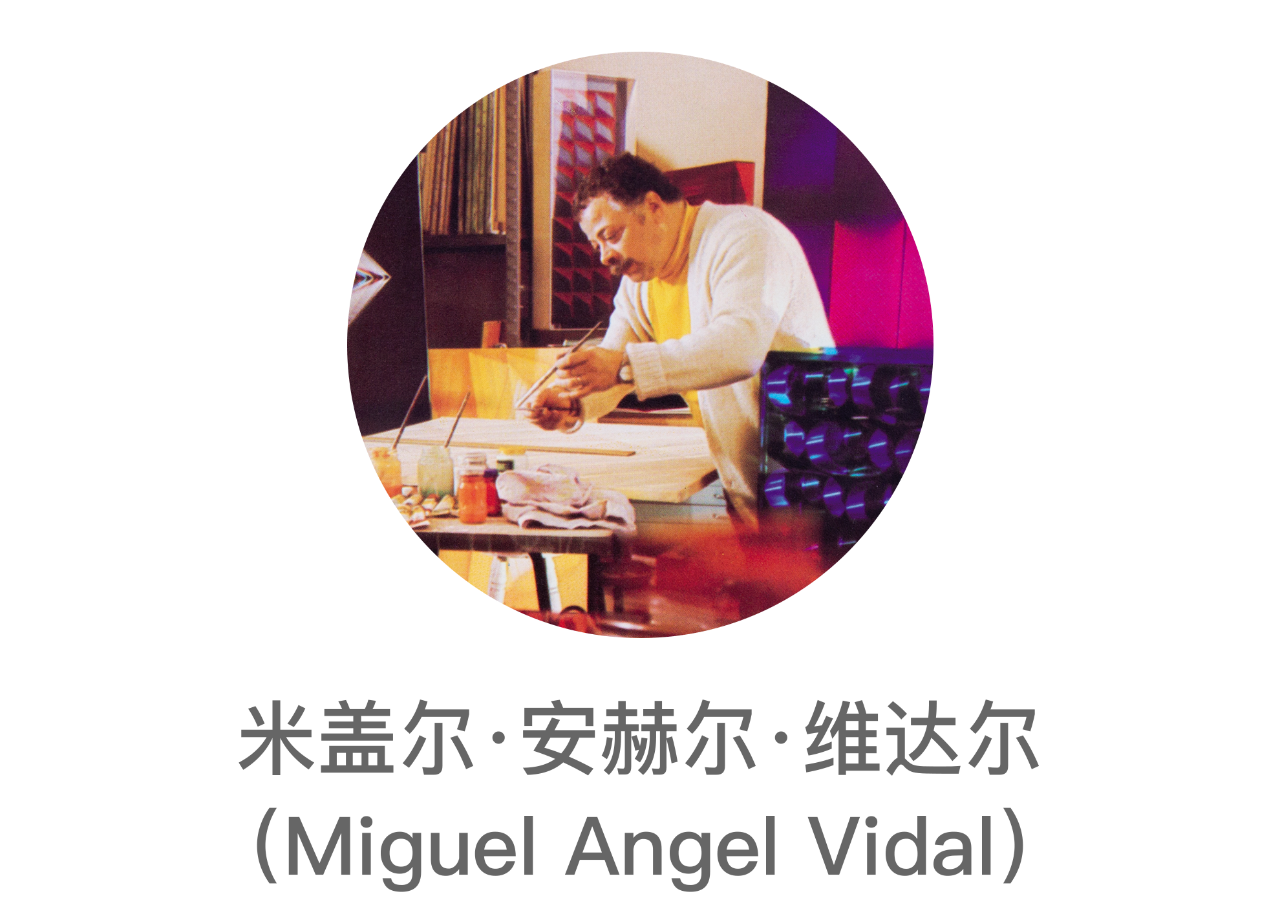
The work in this exhibition is titled Digital Reconstruction of Generative Painting.
In 1960, a painting by Miguel Ángel Vidal was exhibited at the First Generative Art Exhibition at the Museum of Modern Art (MAMBA) in Buenos Aires, Argentina, and Promoting the Generative Art Manifesto at the Museum of Modern Art in Rio de Janeiro in 1962.
This painting generates power through movement and vibration, fitting in with the more technical terms coined by the times we live in. With the development of new technologies in the digital age in the 21st century, the generative art of the 1960s and 1970s has been reshaped and enhanced. The development of holographic technology and metaverse has transformed the previous creations into new digital works.
Julio Le Paque was born in Argentina in 1928, focusing on Kinetic Art and Op Art. He studied at the Argentine Academy of Fine Arts and was a pioneer of Kinetic Art and Op Art, a founding member of the Visual Arts Research Group and winner of the Painting Prize at the 33rd Venice Biennale in 1966. In 2018-2019, he held a solo exhibition at the Metropolitan Museum of Art.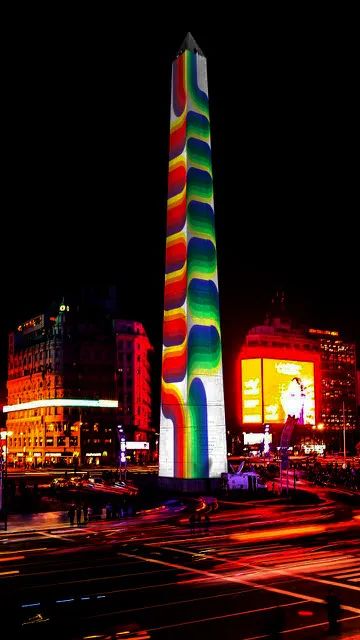
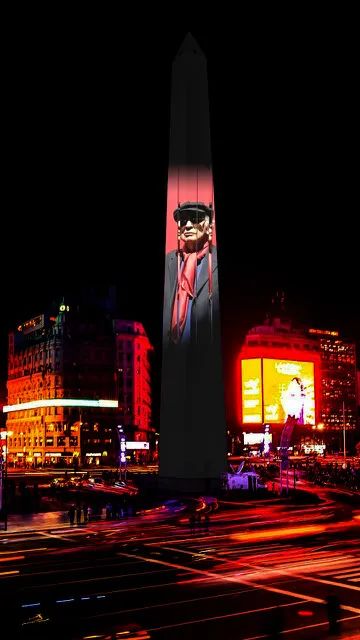
Julio Le Parc lit up the most iconic landmark, the Obelisk, for the 16th edition of Buenos Aires Museum Night. From 9 p.m. to 2 a.m., the famous concrete monolith becomes a canvas, displaying 40 of the artist’s most well-known works. It is also the first time that these works have been presented on a large scale through projection technology. His exhibited works this time are based on the creation of obelisks.
Alessandro Zanier (born 1971) is an Italian visual artist, musician, songwriter and performer. He developed the album concept into visual and writing art, created many works under the name Ottodix, and collaborated with well-known Italian musicians, publishing 8 albums and a biography. He is also among the artists participating in the 2021 Venice Architecture Biennale.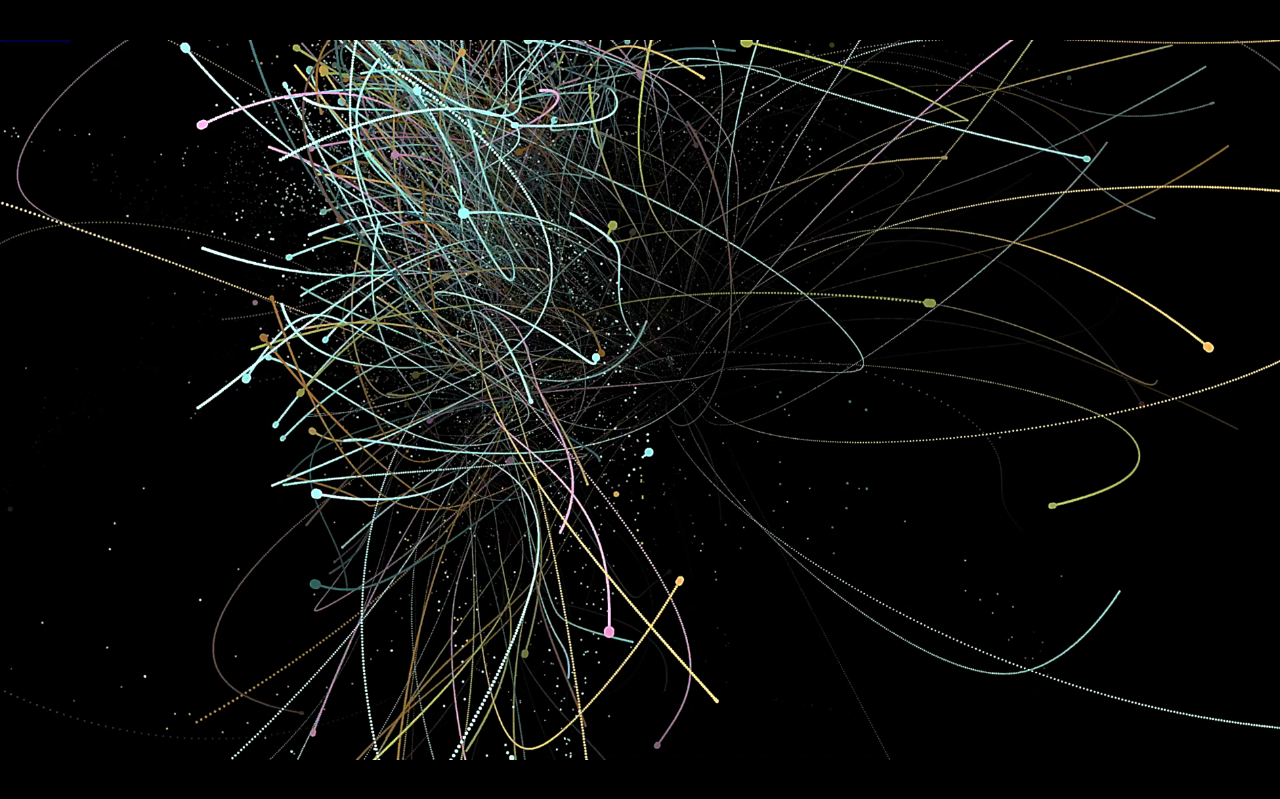
ENT2 Venice/Yaoundé brought by Alessandro Zanier this time compares the environmental data of Venice with that of Cameroon, and uses two luminous methods to The obelisk installation decodes cross-referenced big data through the Internet to generate a three-dimensional digital animation. One of the installations was sent to Yaoundé, the capital of Cameroon.The ENT Soundscape NFT Serie is a series of 15- to 20-second videos created by the artist, with precise geographical coordinates on a world map in the title, telling the story of people polluted by ocean and naval traffic noise. port. The sound of each film will be a reconstruction of noise pollution in the sea, and the theme of the film will be a three-dimensional animation generated by these sounds.
Burkhard von Harder (born 1954) is an independent photographer and filmmaker and artist from Germany. At this Venice Biennale, he exhibited the installation work NARBE DEUTSCHLAND (SCAR GERMANY).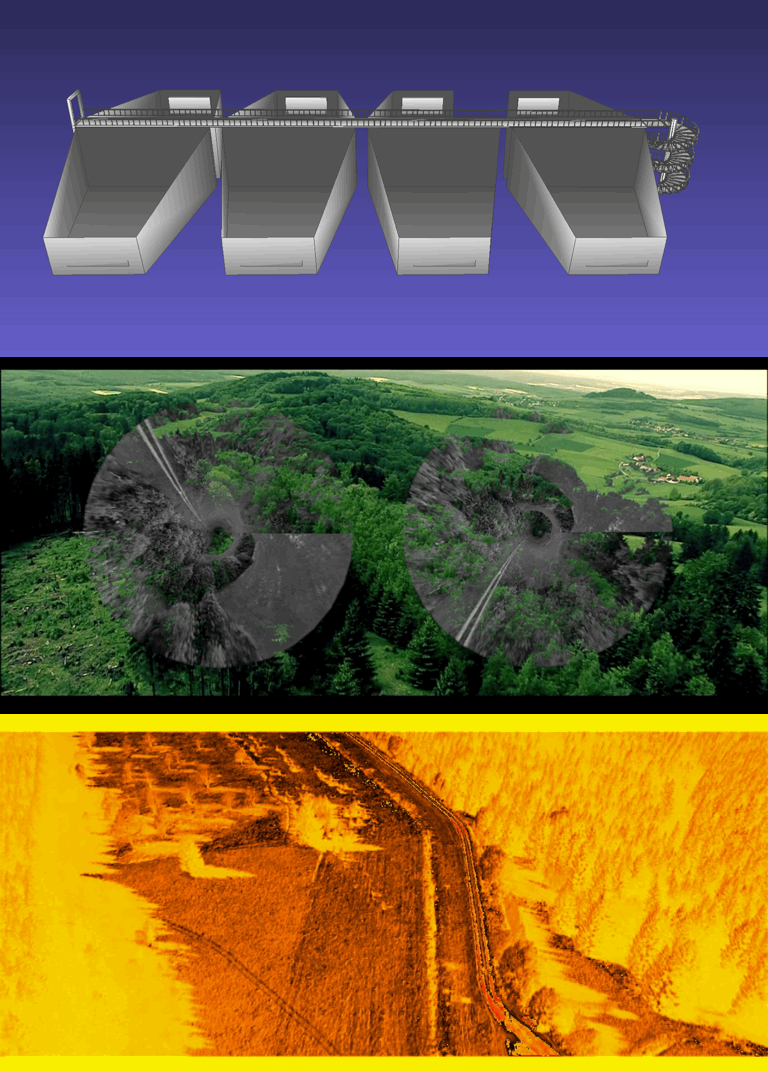
Nearly 40 years ago, while taking photographs in Brussels, Burkhard von Harder found himself wandering into a huge multiplex cinema near the Atomium. The corridor was empty, a movie was playing, no one was around, and a spiral staircase piqued his curiosity. He sensed some secret area backstage and climbed up. Walking to the platform, he was stunned by a large number of old-fashioned movie projectors, running smoothly, projecting their movie dreams into the lonely space below. At the end of a long iron bridge, he noticed a half-open door with light coming from behind it. Barely recognizable, the silhouette of an old man, possibly the projectionist, is moving slowly. 
Eduardo Cacci is from the United States, born in 1962. He is internationally recognized for his pioneering work in contemporary art, with a unique and influential career spanning poetry, performance, painting, printmaking, photography, artist books , early digital and online works, holography, and bioart, among others.Already in the early 1980s, he was creating digital, holographic and online works that predate the global culture we live in today, consisting of ever-changing and flowing information. In 1997, the artist coined the term bioart and began the development of this new art form with works such as his GFP Bunny (2000) and Natural History of Enigma (2009), which earned him the Media Art The most prestigious Golden Nica award in the field.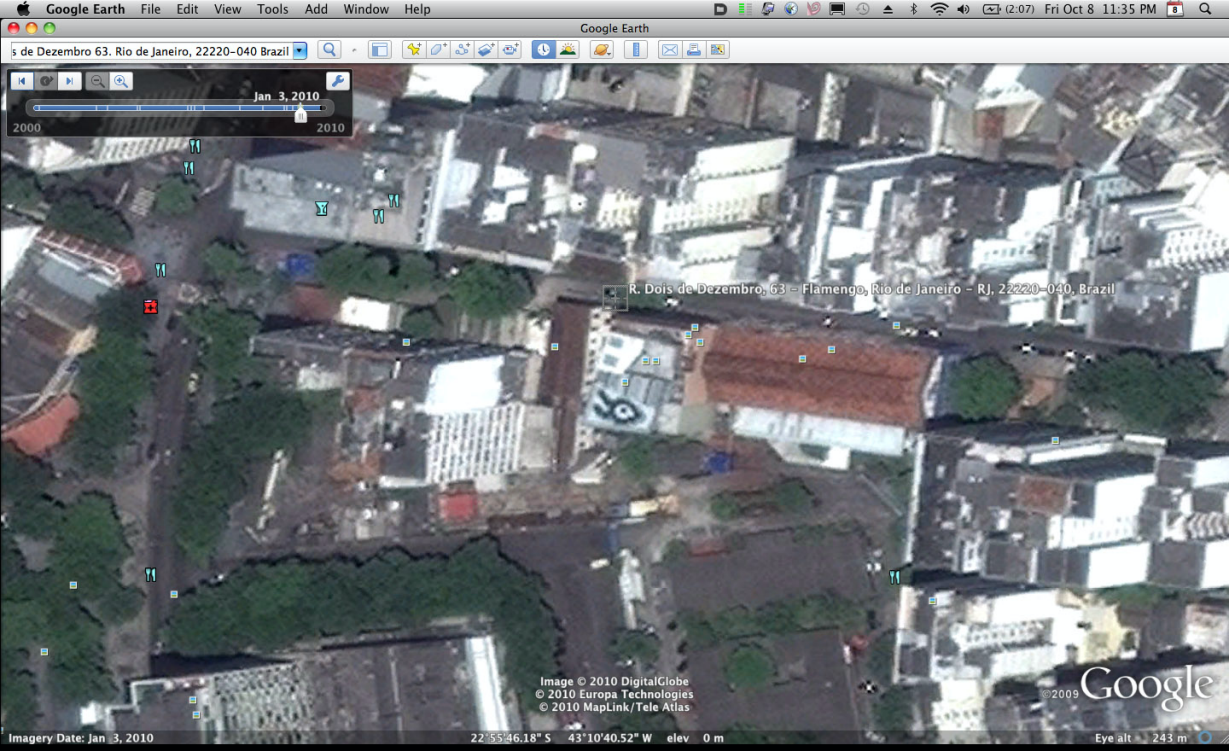
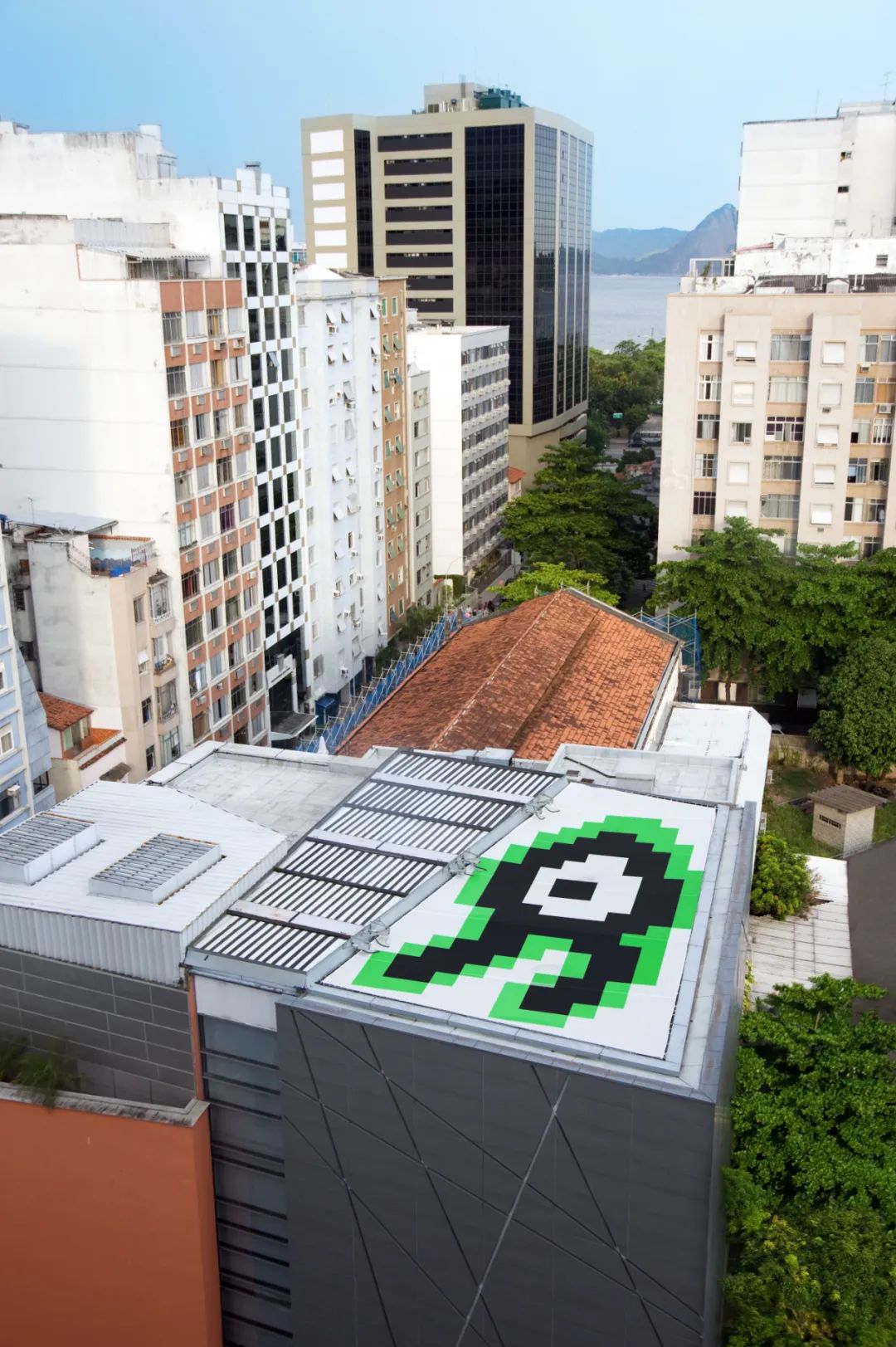
Eduardo Cacci’s Lagoogleglyyph (2009) is a distributed global artwork that inscribes lagoglyyph texts into the environment and makes them visible to the world.In its first reveal, lagooglyph is composed of pixelated lagoglyphs that reference a rabbits head, carved into the roof of the Oi Futuro building, and was created by Cacci specifically for the satellites used by Google. The artist rented the same satellite used by Google and created an image identical to the one used by Google Earth. Anyone on Earth can look at lagooglleglyyph via Googles geo-search engine.
Joachim Hildebrand, born in 1964 in Germany, is a visual artist whose main medium is photography. While studying economics, he worked as a freelance photographer for news and photography agencies. After completing his PhD and a 15-year business career, he turned to photography, studying art photography at the European Institute of Design in Madrid and winning several awards such as the European Architectural Photography Award.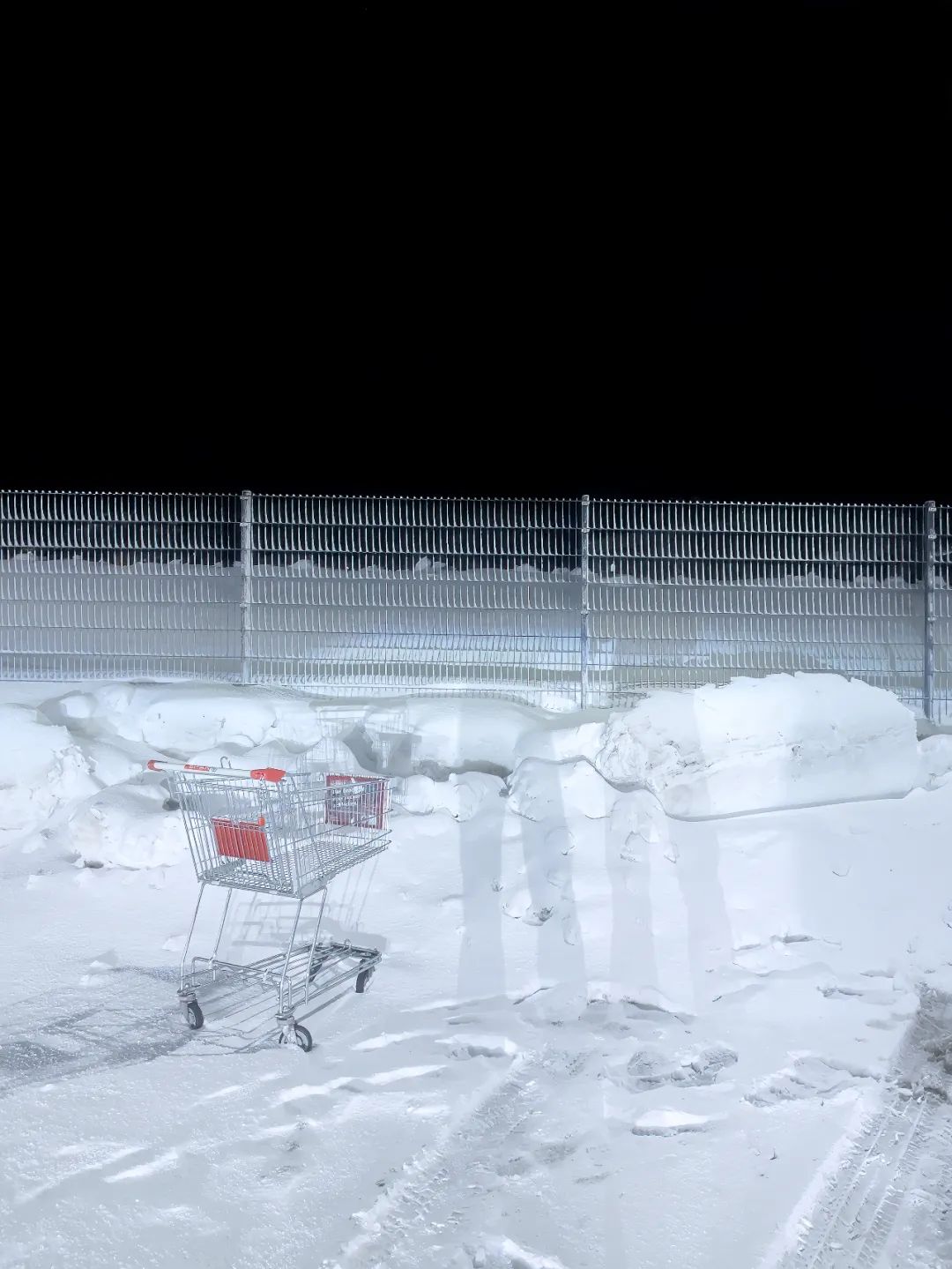
The artists latest work Meeting Myself in the Shopping Cart specially created for the 59th Venice Biennale is the first time he has faced himself and his own experiences. What we see is an unstaged mirage encountered by the artist in a dreamlike situation. Although the work is a representation of reality, it displays a sense of the poetic, the surreal, and even the uncanny in a unique and magical way.
Born in Verona, Italy in 1954, Marco Beltin began his artistic studies in cultural anthropology, journalism and photography. He worked as a photography professor at the Academy of Fine Arts for two years. His artistic creation mainly focuses on photography, supplemented by sculpture, performance, video and combination.
Gabe Weiss is an NFT and mixed media artist living in the Bay Area. Stream of consciousness meets Cubism in his bold portraits. Inspired by collage and urban art, the self-taught artist uses a stream-of-consciousness approach in his work to explore perceptions of reality. His works are both self-portraits and representations of beings from an invisible culture and era.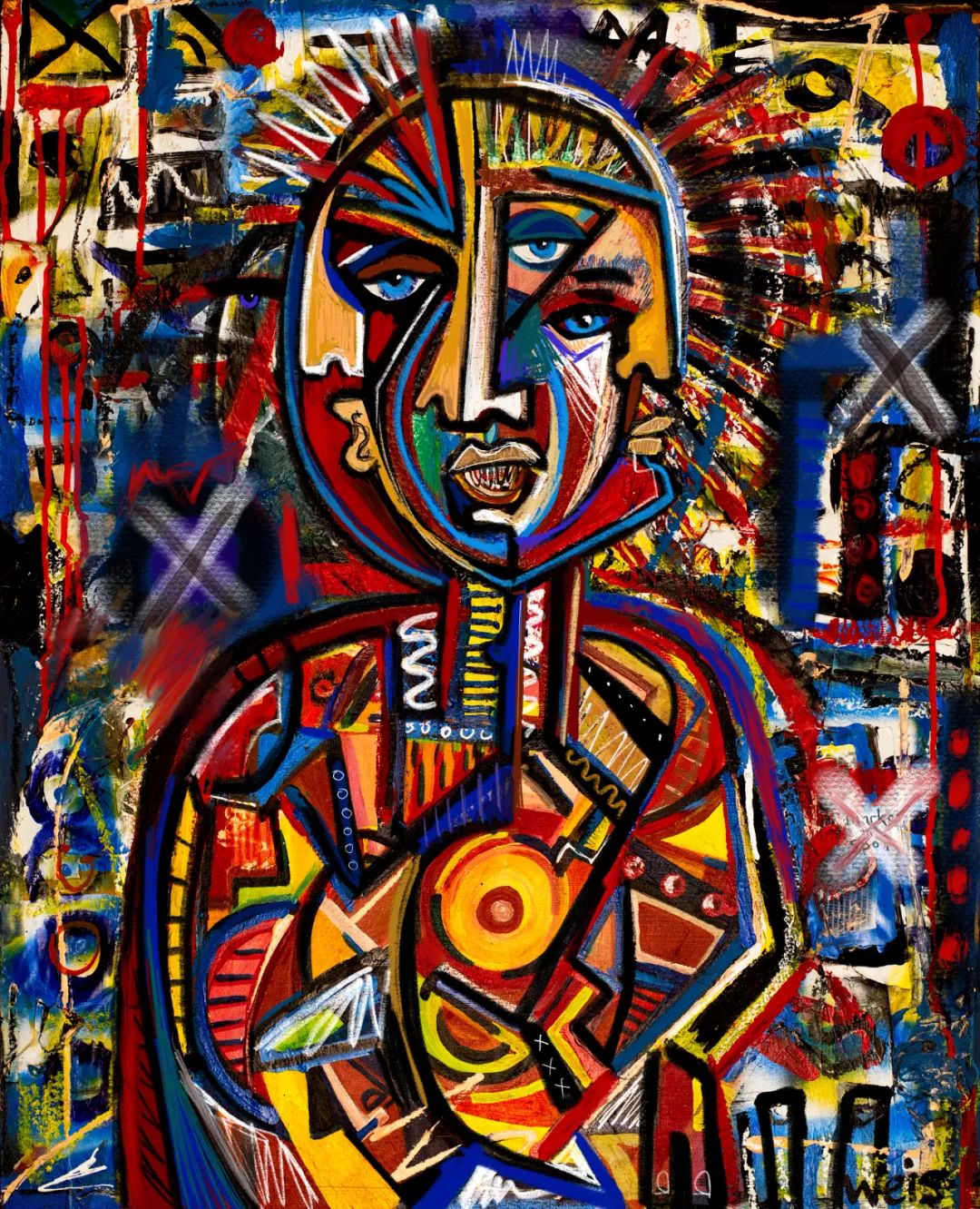
what is real What is digital? What is the future? What is the past? Where does this art come from? Where will it go from here? Gabe Weiss starts from these questions, and each piece begins as a physical work of art and is then transformed into a digital work of art. New digital additions enhance physical parts by providing more colors and layers of depth. The impression left is that art is on the verge of great change, but it always returns to our previous artistic roots.
João Angelini, born in 1980, is a Brazilian ultra-contemporary artist. Moving image is the main starting point for the artists research and unfolds in videos, animations, objects and performances.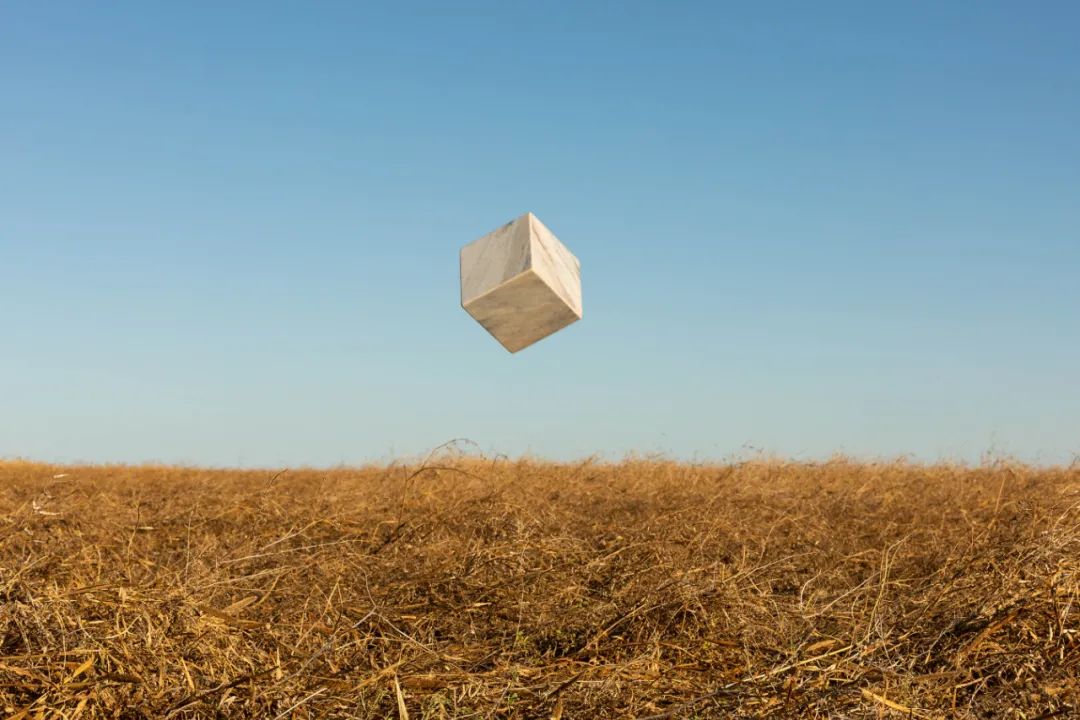
João Angelini converted into NFTs the Tudo que é sólido series, a series of photographs of a marble cube falling from a soybean, sorghum and corn plantation in the Central Plateau.
Kevin Abosch (born 1969) is an Irish conceptual artist and pioneer of crypto art, known for his work in photography, blockchain, sculpture, installation, artificial intelligence and film. Aboschs work addresses the nature of identity and value by raising ontological questions and responding to sociological dilemmas, and has been exhibited around the world and in prestigious museums.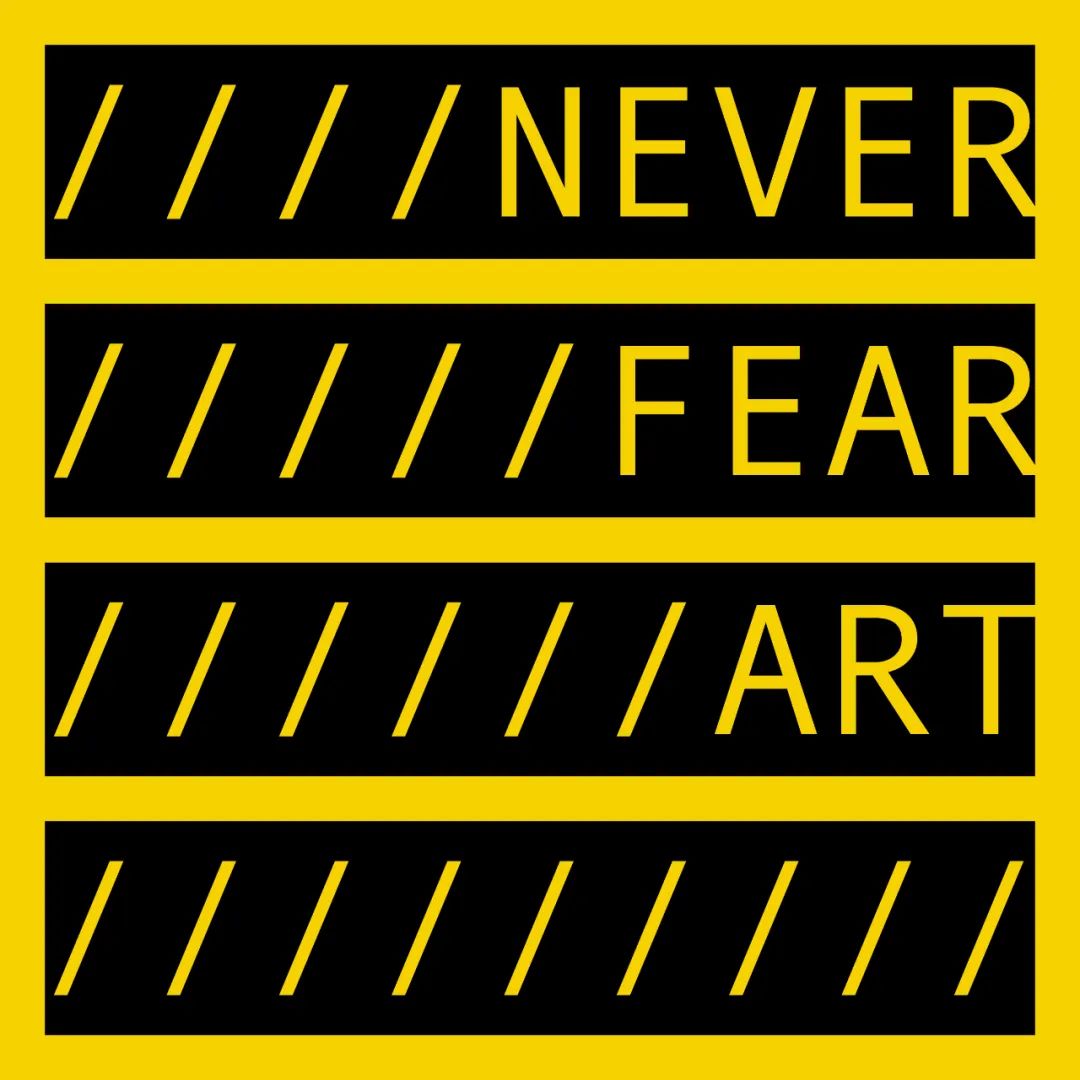
NEVER FEAR ART (2021) is a digital work from Kevin Abcis series COMMENT OUT. Data extracted from the artists private correspondence and public news from 2020-2021 informs 511 works that reflect the period, while also dissecting our value systems. Yellow and black are the warning colors of nature, and each work is reflected in the physical constraints of the format and the emotional value of the text.