操作指南:手把手教你从以太坊桥接到Layer 2


本文来自 decrypt,原文作者:Robert Stevens
Odaily 星球日报译者 | Moni
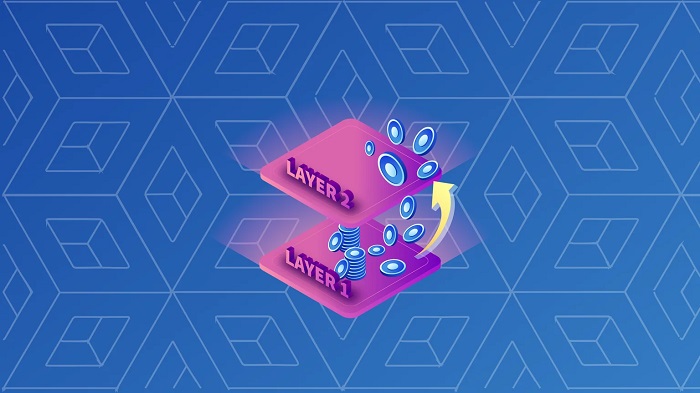
Layer 2 技术优势无需赘述,但如何把 Layer 2 桥接到像以太坊(Ethereum)这样的 Layer 1 网络,似乎没有太多人了解呢?本文将提供一份详尽指南,手把手教你如何从以太坊桥接到Layer 2。
就目前而言,加密网络主要由 Layer 1 和 Layer 2 组成。我们知道,Layer 1 是区块链网络的基础层,最典型的就是以太坊、比特币、Solana 等;Layer 2 则位于 Layer 1 之上,但交易处理比 Layer 1 区块链基础层速度更快、成本更低。如果你是一个矿工,那么在验证交易时可以赚取 Layer 1 平台上的原生 Token,比如 SOL、ETH 等。
如果你不知道自己“身处 Layer 1 还是 Layer 2”,其实可以通过判断网络是否依赖另一条区块链运行来判断,倘若你身处的网络是完全独立的,那么基本上就是一个所谓的“Layer 1 网络”了。现阶段,Layer 2 仍需依赖 Layer 1,而且需要将处理的数据反馈给 Layer 1,这意味着 Layer 2 的去中心化程度不会太好——当然,这也是享受“更快速度、更低成本”所不得不付出的代价。现阶段,Layer 2 大致可以分为两类,一类是专注于扩容技术,另一类是专注于跨链桥技术:
1、扩容技术方面最典型的 Layer 2 网络示例包括 Arbitrum、Polygon 和 Optimism 等。在消息发生到以太坊区块链之前,每个 Layer 2 区块链都会在独立、高速、低成本的网络上处理以太坊交易;
2、跨链桥或代币桥方面最典型的 Layer 2 网络示例包括 Multichain、WBTC、Ren 和 Wormhole 等,这些网络可以让用户跨区块链转移资产。
在本文中,我们将专注于介绍如何将使用扩容技术的 Layer 2 连接到以太坊,而不是跨链桥。为了获得 Layer 2 网络更快的交易速度和更低的交易成本,你必须将资金发送到网络上,如果您愿意,可以将所有加密货币转换回区块链基础层(比如以太坊)。举个例子,你可以向 Loopring 网络发送 10 ETH,然后在免 gas 费用的 DEX 上交易,接着在以太坊区块链上兑现。但这些操作如何实现呢?下面,就让我们一起来看看吧。
第 1 步:选择 Layer 2网络
你要做的第一件事,就是选择一个桥接 Token的 Layer 2 网络。(星球君 o-daily 注:将资金从 Layer 1 转移到 Layer 2 被称为“桥接”,但并非所有的桥都是多链的,有些只适用于以太坊)。如今,市场上有许多不同的桥接解决方,其中一些需要附加到特定的 Layer 1 网络——以太坊无疑是最受欢迎的 Layer 1,因为它用例最为广泛,但网络交易处理成本相对较高且速度较慢,目前主流以太坊 Layer 2 桥包括 Arbitrum、Boba、Loopring、Optimism 和 dYdX。
(市场上还有其他多链桥,这些桥接技术主要专注于互操作性,在这些跨链桥上,你可以在区块链之间移植 Token,而不必担心目标区块链是否支持原生资产,不过本文暂不关注这些跨链桥。)
第 2 步:准备好钱包
Layer 2 桥可通过非托管 Web 3 钱包访问,目前最受加密用户欢迎的钱包当属 MetaMask,不过大多数钱包应该都可以连接到 Layer 2。接下来,你需要在钱包里存入计划通过 Layer 2 桥发送的资产,以及一些 Layer 1 原生代币来支持交易完成,如果你选择的 Layer 1 是以太坊,那么需要准备一些 ETH。
第 3 步:桥接
接下来,你需要前往目标 Layer 2 网关。为了更好说明,我们选择 Optimism,但其他 Layer 2网关的处理方法基本大同小异,不会有太大差异。选择好网关后,您将看到如下所示的屏幕:
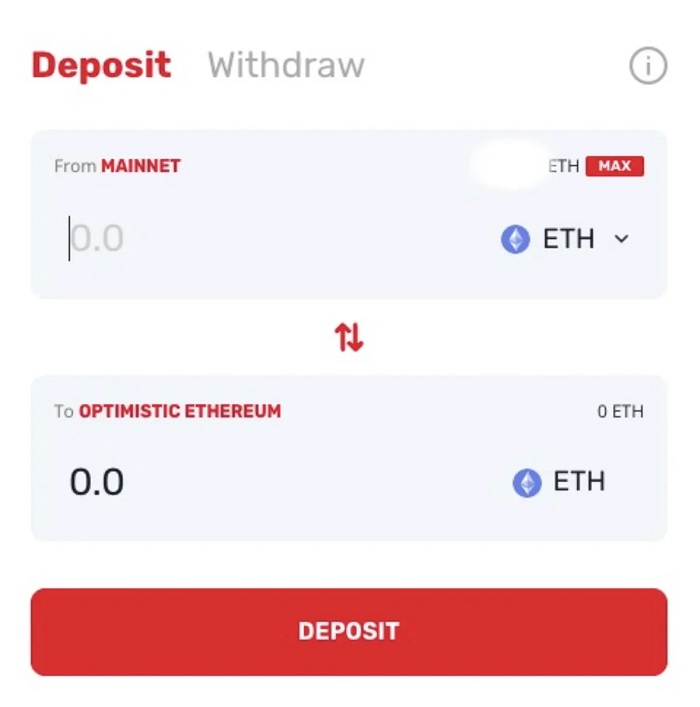 到这一步,你可以将任何 Layer 1 网络上 ERC-20 代币(或 ETH 本身)转换到“桥上”,然后桥接技术会将你的 Token 移动到 Layer 2 网络。以下图为例,我们输入了 0.01 ETH,即 27 美元,您将看到如下所示的屏幕:
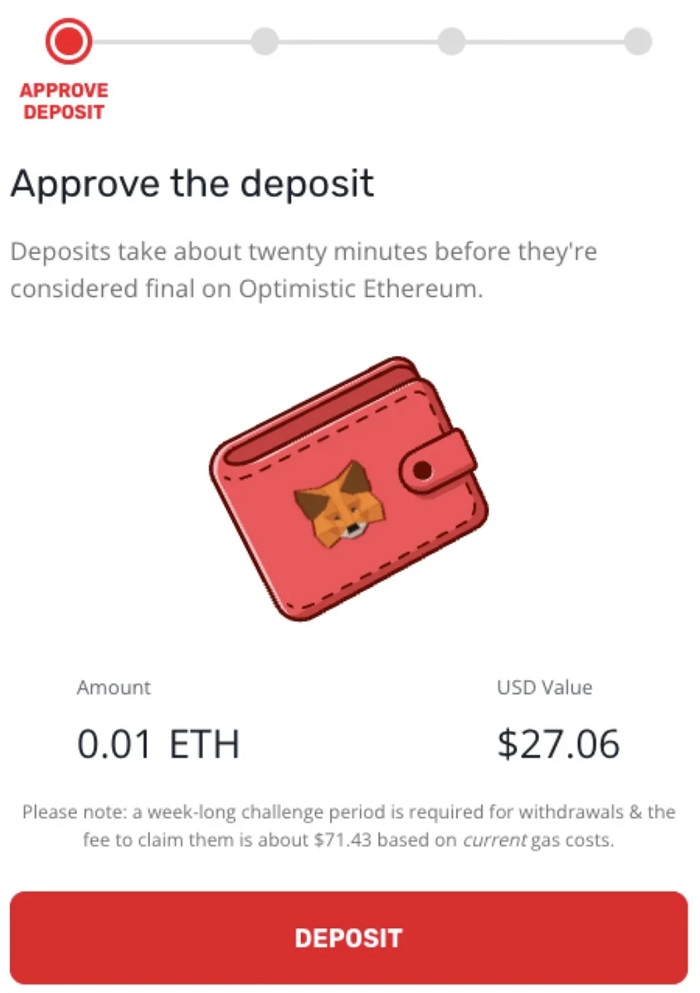
为了转移资产,我们必须在以太坊上支付 gas 费,本例中 MetaMask 给我们的报价约为 12.50 美元,如下图所示:
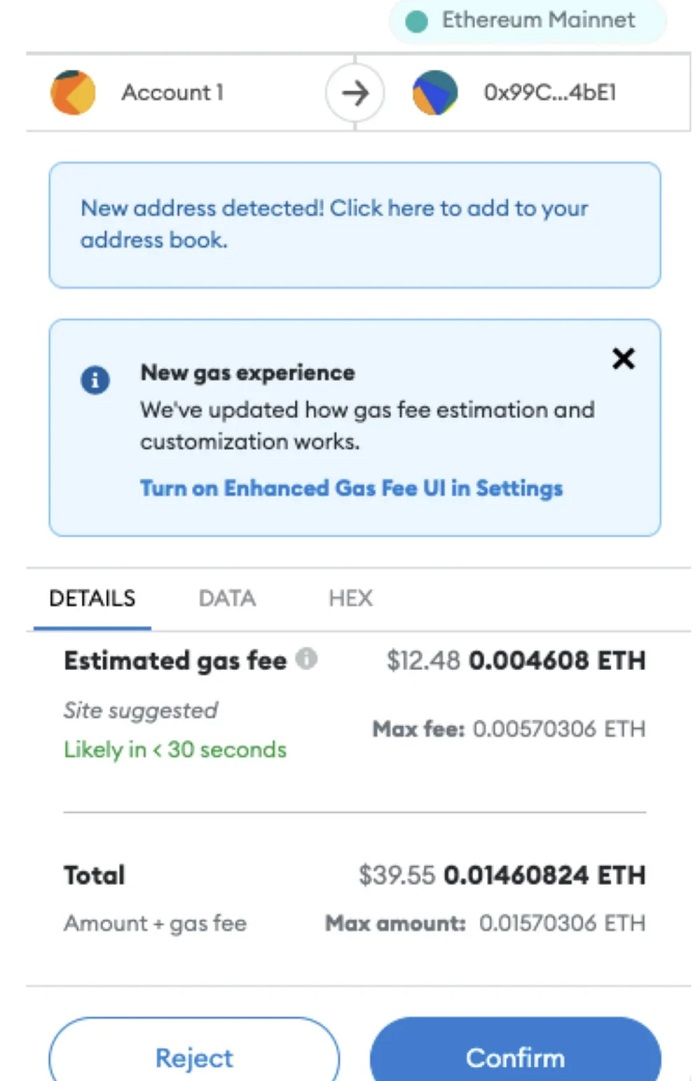
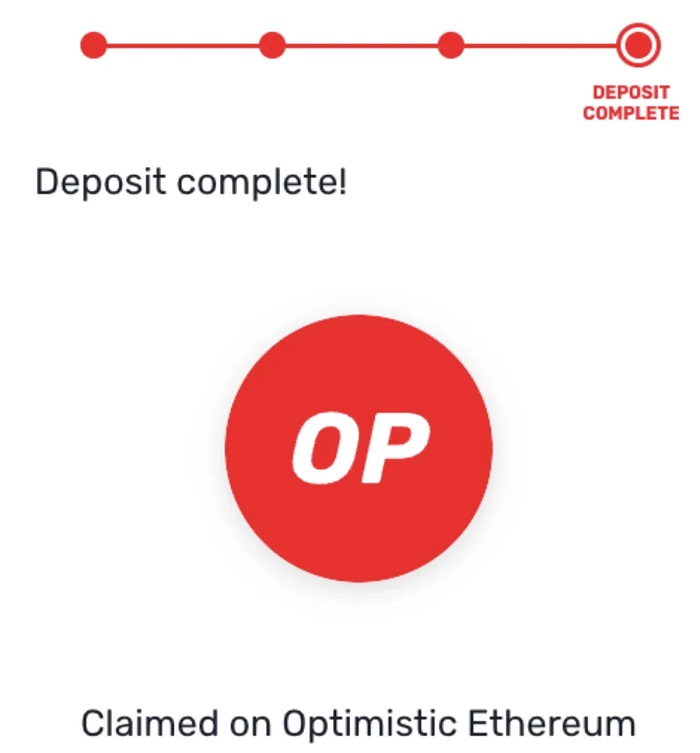
别担心这笔费用较贵,因为我们知道,在这笔费用支付之后,所有交易都会便宜很多。资产到达Optimism大约需要20分钟,交易完成后,我们会收到以下消息:
 第 4 步:在 Layer 2 上做交易
在完成了上述三个步骤之后,你的代币现在应该已经在 Layer 2 网络上了,这意味着这些代币可以在任何集成 Layer 2 的去中心化金融协议中使用,或者也可以与其他 Layer 2 钱包进行直接交易。下面,让我们继续 Optimism 示例,我们现在可以通过 Optimism Layer 2 桥接在 Uniswap 上进行交易,而不是使用更昂贵的以太坊主网。
为此,我们在支付完成后通过点击网络选择选项卡中的“Optimism”切换到 Optimism 网络,并授予 MetaMask 将网络“从 Ethereum 更改为 Optimism”的权限。
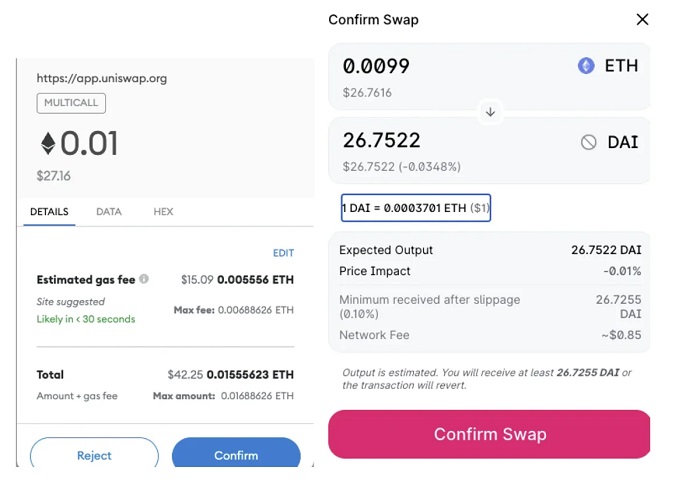
毋庸置疑,Layer 2 上交易应该更便宜、更快,在 Uniswap 上,如果要将 0.01 ETH 兑换成 DAI,需要收取约 15 美元的费用,而在以太坊上这笔费用大约需要 27 美元。但是当你切换到 Optimism 上交易 0.0099 ETH 时,Optimism 收取的交易费用还不到 1 美元,而且整个交易处理时间只用 1.5 秒。
Arbitrum 的工作方式几乎完全相同,其他桥的运作方式可能略有不同,但差异很小。有时,您可能会使用 Layer 2 原生加密货币支付交易费用,但在大多数情况下,您可能完全不需要支付任何费用。
第 5 步:将资金“返还”到 Layer 1 主网
这一步要看个人意愿来选择,如果您愿意,您可以无限期地在 Layer 2 网络里做交易,不必一定要与基础层区块链主网进行交互。但是,如果您想把资金迁回到主网,也可以通过反转桥接交易随时将资金转到 Layer 1 主网上。
将资金“返还”到 Layer 1 主网,不同区块链桥接技术所需要的时间不同。举个例子,如果你的提款交易使用了 Optimistic Rollups 技术,那么大概需要一周左右的时间才能在以太坊上看到你的交易。之所以会耗费这么久时间,是因为 Optimistic Rollups 要让区块链验证者解决任何可能由看似欺诈的交易引起的争议,Optimism 和 Arbitrum 都依赖于 Optimistic Rollups 技术。
坦率地说,一周时间的确有些久,以太坊联合创始人 Vitalik Buterin 也曾对此提出过质疑。如果你忍耐不了这么长时间,也可以使用 zk-Rollups 技术,虽然该技术能让提款交易在短短几分钟内完成,但由于不支持争议解决机制,因此或许存在一定风险。
简而言之,Layer 2 的出现的确解决了许多区块链基础层问题,希望这篇指南能帮大家“省点钱”。